Why You Should Grow Native Bee Balm Along Your Fence In Ohio
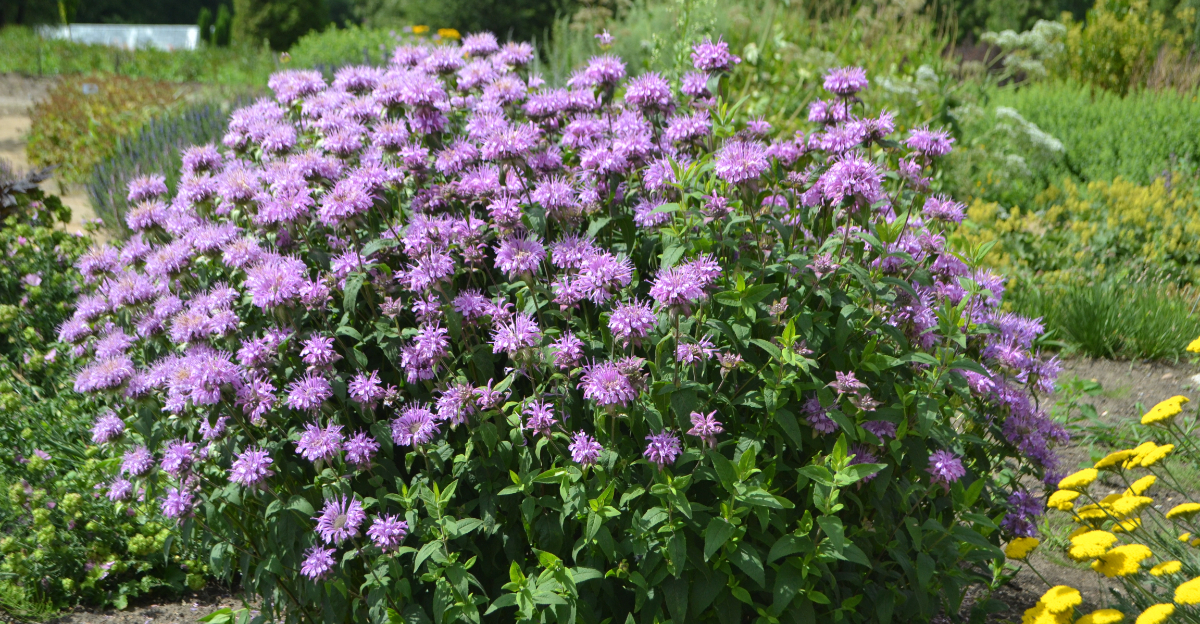
A fence line can do a lot more than mark the edge of a yard. In Ohio gardens, it can become one of the prettiest, liveliest, and most useful parts of the whole landscape with the right plant in the right place.
That is part of what makes bee balm such a standout. It has a way of turning a plain stretch of fence into something full of color, motion, and summer energy.
What feels ordinary at first starts looking like a feature. What used to fade into the background begins to draw the eye.
And that kind of change matters more than people think. A planted fence line can make the whole yard feel more finished, more welcoming, and much more enjoyable to look at day after day.
For Ohio gardeners, bee balm has a lot going for it. It is the kind of plant that can make a narrow strip of space feel surprisingly full of life, and that is exactly why it deserves a closer look.
1. Bee Balm Brings Pollinators Right To Your Yard
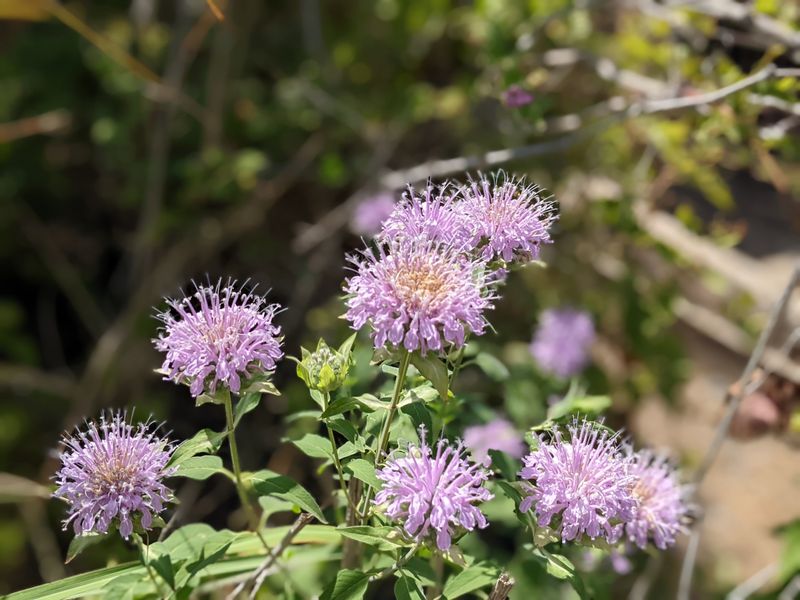
Walk past a patch of bee balm in full bloom and you will notice something right away: it is never quiet. Bees, butterflies, and hummingbirds find these flowers quickly, and once they do, they keep coming back all season long.
Along a fence line, that kind of pollinator activity turns a plain edge into a living wildlife corridor right in your own backyard.
Native bee balm produces bright tubular flowers that are perfectly shaped for Ruby-throated Hummingbirds, which are the primary pollinators throughout its natural range.
Those striking terminal clusters are built to attract hummingbirds and butterflies, and Ohio yards see plenty of both during summer months.
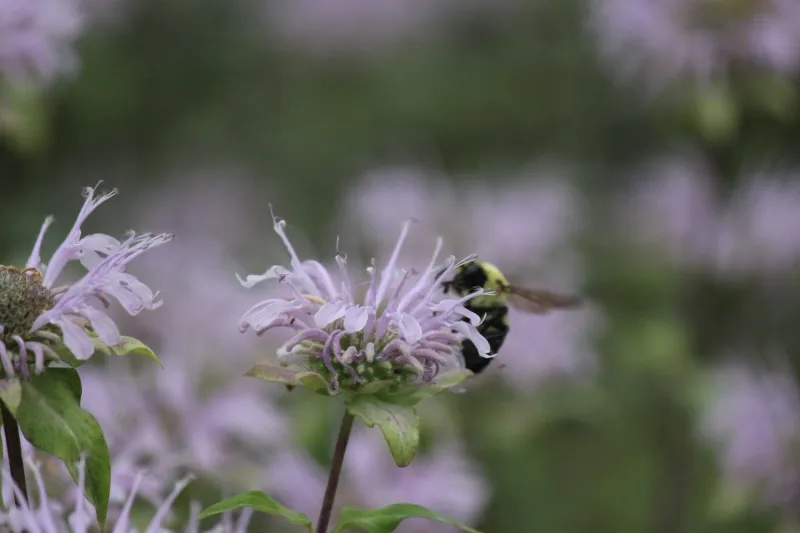
Bumblebees and other native bee species also visit regularly, making the plant a reliable multi-pollinator magnet.
Fence lines are often treated stripped of plants and left bare for easy mowing. Replacing that bare strip with bee balm creates genuine habitat where pollinators can forage, rest, and move through the neighborhood.
Ohio’s pollinator populations face real pressure from habitat loss, and even a modest fence-line planting can help. You do not need acres of land to make a difference.
A single row of bee balm along a standard backyard fence gives local wildlife something useful, and gives you something beautiful to watch all summer.
2. Built For Ohio, Not Fighting It
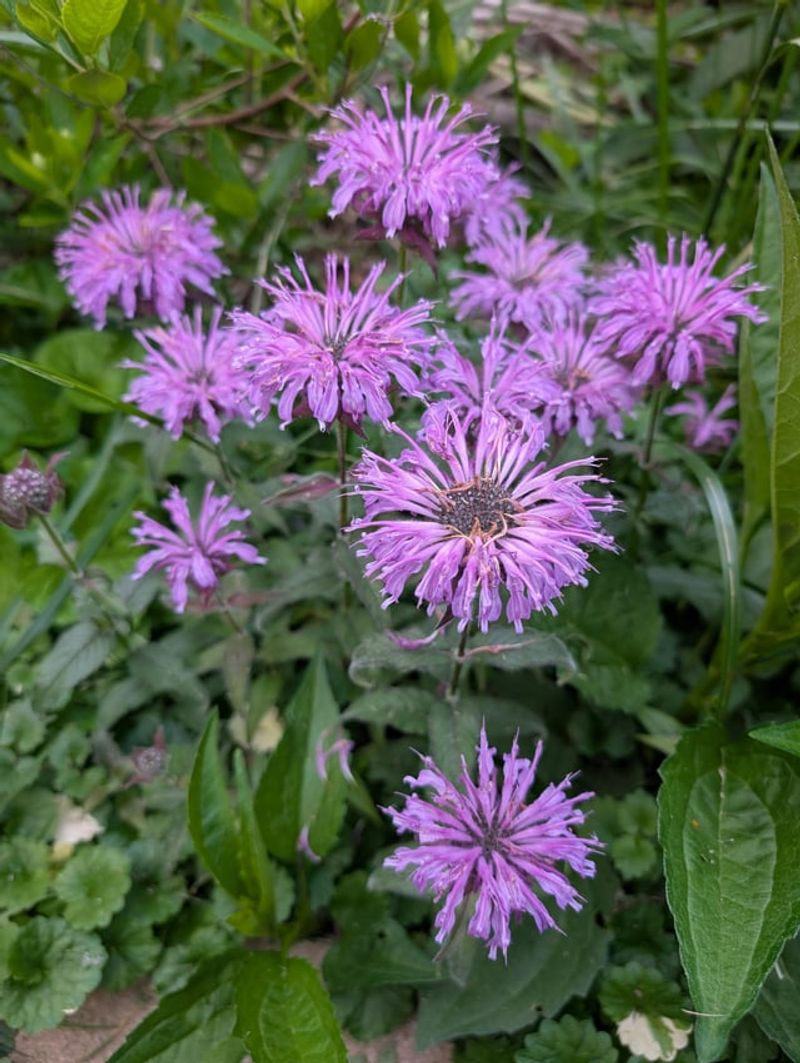
Plenty of plants look great at the nursery and then spend the rest of the summer struggling to survive Ohio’s weather. Bee balm does not have that problem.
Bee balm species native to Ohio, especially Monarda fistulosa, are adapted to local conditions, which means Ohio’s climate is essentially their home turf.
They already know how to handle humid summers, variable spring rainfall, and the kind of heavy clay soil that frustrates so many gardeners.
Being a true native gives bee balm a real advantage over fussier imports. Its root system is adapted to local soil conditions, and it does not need the extra coaxing that non-native ornamentals often require to get through their first season.
Your Ohio Garden Changes Every Week. Your Plan Should Too.
Gardening in Ohio changes quickly throughout the season. Every Friday you’ll receive a simple weekly plan showing exactly what to plant, prune, fertilize, harvest, and protect so you never miss the right timing.
Once established, it spreads steadily through underground rhizomes and fills in a fence line without you having to replant every year.
Newer mildew-resistant cultivars like Jacob Cline and Raspberry Wine have addressed the powdery mildew issues that older varieties sometimes struggled with, making modern bee balm even more practical for Ohio gardens.
Planting something that is genuinely suited to your region is one of the smartest moves a gardener can make.
Less fighting the environment means more time enjoying the results. Along a fence line where conditions can be tough, a plant that actually belongs here is worth a great deal more than a pretty face that needs constant rescuing.
3. A Fence Line That Finally Looks Alive
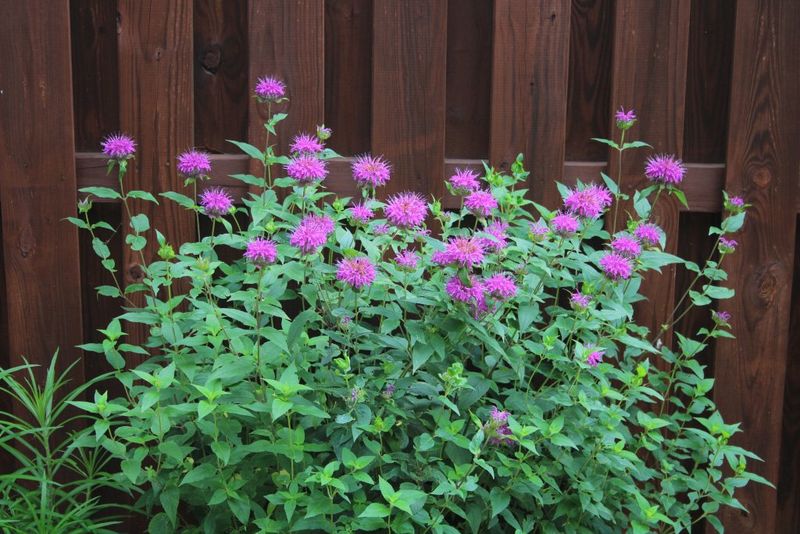
There is something a little sad about a fence with nothing growing near it. A bare wooden or chain-link edge can make even a nice yard feel unfinished, like a frame without a picture.
Bee balm fixes that problem with color, texture, and movement that no fence post alone can offer.
Planted along the base of a fence, bee balm grows two to four feet tall and produces dense clusters of showy tubular flowers from midsummer into early fall.
That vertical presence softens hard fence lines and creates a layered look that feels intentional rather than accidental.
The aromatic foliage adds another dimension even before the blooms arrive, giving the fence edge a lush, planted quality that changes the whole character of the yard.
Unlike rigid hedges or clipped shrubs, bee balm has a natural, relaxed growth habit that moves gently in the breeze. That movement makes a fence line feel alive rather than static.
Visitors and neighbors notice the difference, and so do you every time you look out a back window or step onto a patio.
A fence is a significant visual feature in most Ohio backyards, and dressing it with a native perennial that blooms boldly for weeks is one of the most effective and affordable ways to improve how your outdoor space looks and feels from season to season.
4. Low Effort, High Reward Color
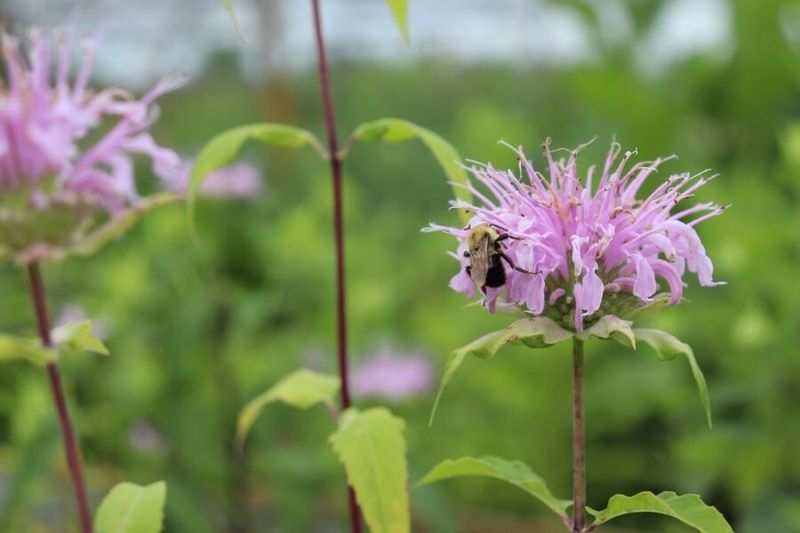
Some garden plants demand a lot in exchange for their blooms. They need deadheading every few days, fertilizing on a schedule, and careful watering to avoid one problem or another.
Bee balm is refreshingly different. Plant it in a reasonably sunny spot with decent moisture, and it handles most of the work on its own.
Bee balm blooms in summer, typically from June through August in Ohio, and the scarlet flower clusters are genuinely showy. The blooms are not subtle or easy to miss.
They are bold, bright, and visible from across the yard, which makes the fence line pop in a way that quieter plants simply cannot match. For the amount of visual payoff it delivers, bee balm asks for very little in return.
Once established, it is a tough perennial that comes back reliably every year without needing to be replanted. Cutting the stems back after bloom encourages tidier growth and can even prompt a second flush of flowers later in the season.
A light top-dressing of compost in spring keeps it happy, but even that is optional once the plant is settled in. For Ohio homeowners who want serious summer color along a fence without turning gardening into a second job, bee balm hits a rare sweet spot.
The reward is real, the effort is modest, and the results speak loudly every single year.
5. Fills Gaps Without Looking Overgrown
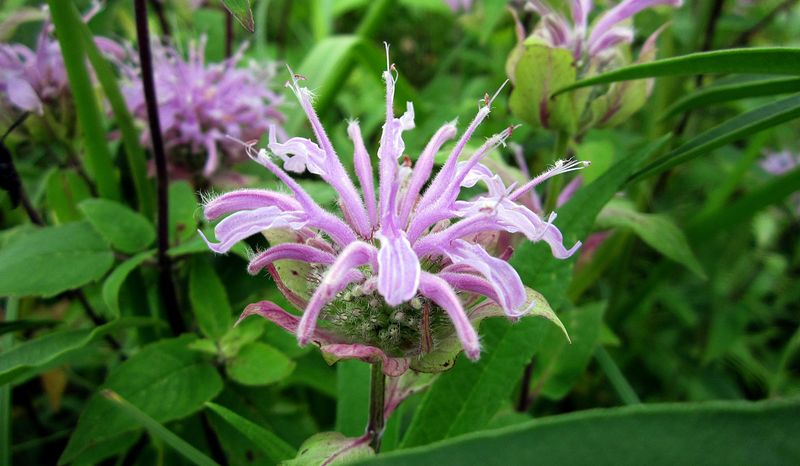
Fence lines have a frustrating habit of collecting weedy growth or staying stubbornly bare depending on how much attention they get.
Getting something to grow there that looks full and attractive without becoming a tangled mess is a real challenge for a lot of Ohio gardeners.
Bee balm threads that needle pretty well.
Planted at the right spacing, roughly eighteen to twenty-four inches apart, bee balm fills in a fence line over two to three seasons and creates a dense, leafy border that looks intentional and cared for.
The plants spread through underground rhizomes, slowly expanding to cover open ground without the aggressive takeover that some spreading perennials are known for.
Dividing clumps every few years keeps the planting fresh and prevents any one patch from crowding its neighbors.
The upright growth habit of bee balm means it fills vertical space cleanly rather than sprawling outward in a messy way. You get a planted edge that looks full and lush from a distance but does not overwhelm the fence or spill into areas where it is not wanted.
For homeowners who have struggled to find something that covers that awkward strip between the fence and the lawn, bee balm offers a genuinely satisfying answer.
It grows with purpose and presence, and with minimal management it stays looking like a gardener made good decisions rather than just letting things go.
6. More Than Bees, It Brings The Whole Show
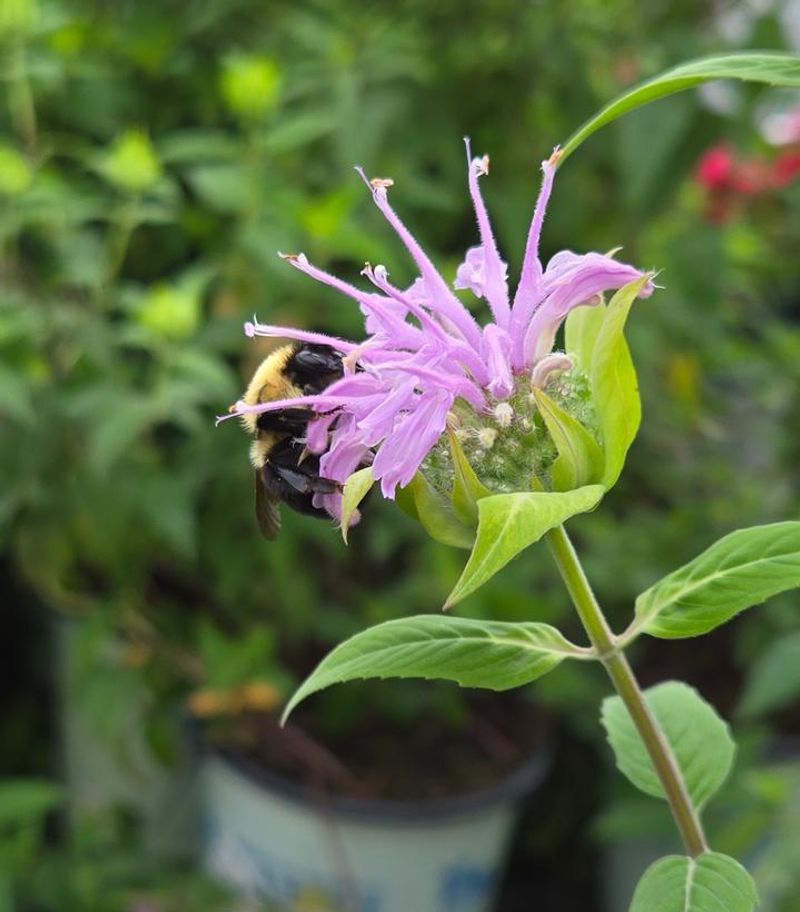
Bees get top billing with this plant, but the real spectacle is everything else that shows up too.
A fence line planted with bee balm becomes a stage for Ruby-throated Hummingbirds, swallowtail butterflies, fritillaries, and a rotating cast of native bees that visit throughout the summer.
Watching all of that from a patio chair is genuinely entertaining.
Ruby-throated Hummingbirds are drawn specifically to bee balm’s long scarlet tubular flowers, which are shaped to match their feeding style.
Hummingbirds are the primary pollinators of bee balm species throughout their range, and Ohio sits squarely in their summer territory.
Once hummingbirds find a reliable food source, they return to it repeatedly, meaning a fence-line planting can become a regular stop on their daily route through your neighborhood.
Butterflies are equally enthusiastic visitors. Eastern Tiger Swallowtails, Spicebush Swallowtails, and various skipper species all show up around bee balm blooms.
The combination of hummingbirds darting in and butterflies drifting from flower to flower makes the yard feel like something worth sitting outside to watch. That kind of backyard experience is hard to put a price on.
You are not just growing a plant along your fence. You are creating a small, reliable wildlife event that plays out in your own yard every summer afternoon without any extra effort on your part.
7. Helps Keep Weeds In Check Naturally
The strip of ground running along a fence is one of the hardest spots in the yard to keep neat. Mowers cannot always reach it, hand-pulling weeds along a fence line gets old fast, and bare soil along any edge is basically an open invitation for whatever wants to move in.
Covering that ground with a plant that actually wants to be there changes the whole dynamic.
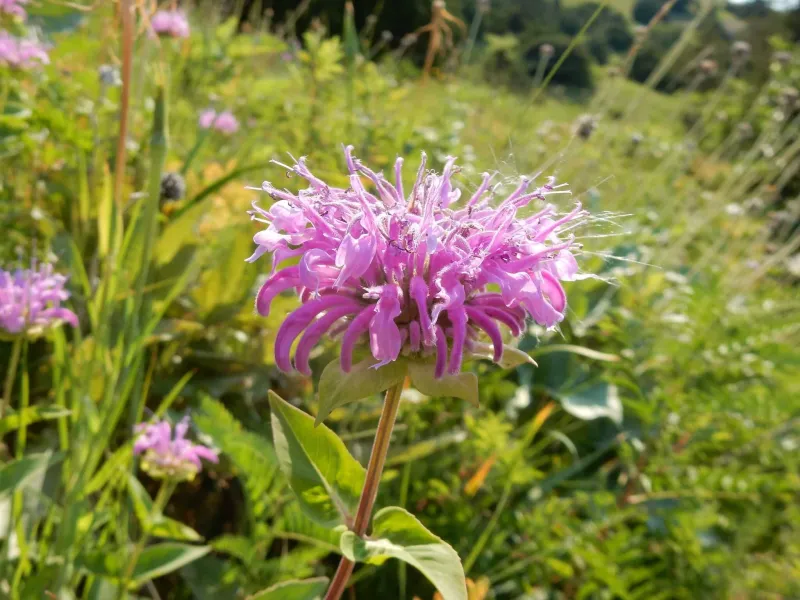
Bee balm grows in dense clumps with broad aromatic leaves that shade the soil beneath them. That leaf canopy reduces the sunlight available for weed seeds to germinate, which means fewer weeds competing for the same space.
It is not a perfect weed barrier, but a well-established row of bee balm along a fence makes that edge significantly easier to manage than bare or sparsely planted ground.
As the planting fills in over two or three seasons, the rhizomatous spreading habit of bee balm helps it occupy more and more of the available soil. Gaps close gradually, and the denser the planting gets, the less opportunity weeds have to establish.
Mulching between plants in the first year or two speeds this process along and keeps things tidy while the bee balm matures.
For Ohio homeowners who spend more time than they want fighting fence-line weeds every summer, a dense planting of native bee balm offers a practical, low-input solution that looks far better than anything a hoe can accomplish on its own.
8. A Native Plant Backed By Ohio Experts
Trying a new plant always carries a little uncertainty. Will it actually grow here?
Is it worth the investment? Those questions are a lot easier to answer when credible local experts have already weighed in.
For native bee balm in Ohio, the guidance from reliable sources is consistent and encouraging.
The plant appears in native plant guidance for the region and is supported by organizations focused on Ohio ecology, pollinator health, and sustainable landscaping.
That kind of institutional backing matters because it means the plant has been evaluated by people who understand Ohio’s soils, climate, and wildlife needs, not just general gardening audiences.
Mildew-resistant cultivars like Jacob Cline are recommended by multiple credible gardening sources as practical options for home landscapes.
Knowing that experts familiar with Ohio conditions stand behind a plant makes it easier to commit to planting it along your fence with real confidence.
You are not experimenting blindly. You are following guidance built on regional knowledge and supported by decades of observation.
For Ohio homeowners who want to make smart, informed choices about what they put in the ground, native bee balm comes with exactly the kind of track record that makes the decision easy.