This Native Florida Groundcover Is Replacing Grass In Florida Front Yards
Grass is starting to lose its grip on Florida front yards, and the change is hard to miss. What used to be neat green lawns now looks worn out, patchy, and high effort for something that never quite holds up in heat and sandy soil.
Homeowners are moving away from that constant cycle of mowing, watering, and fixing spots that never stay filled for long.
In its place, a native groundcover is quietly taking over, one that spreads low, stays dense, and holds up through long stretches of sun without demanding much in return.
It creates a softer, fuller look that feels more natural in Florida landscapes and far less frustrating to maintain. The real appeal shows up over time.
Less upkeep, better coverage, and a yard that actually improves instead of declining. That is exactly why more Florida homeowners are turning to perennial peanut, and once it fills in, the difference speaks for itself.
1. Perennial Peanut Is Quietly Taking Over Florida Front Yards
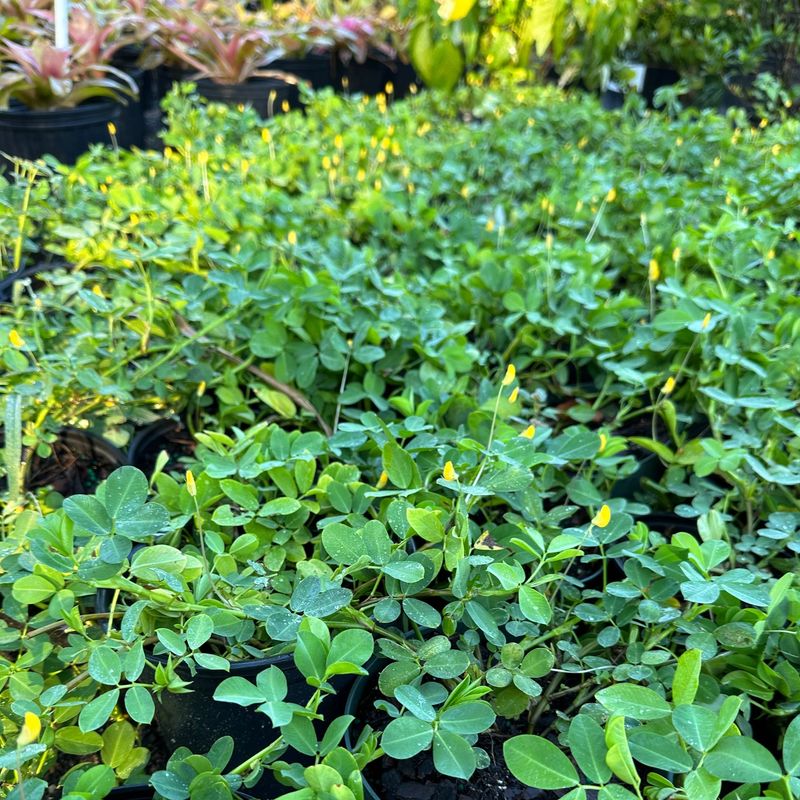
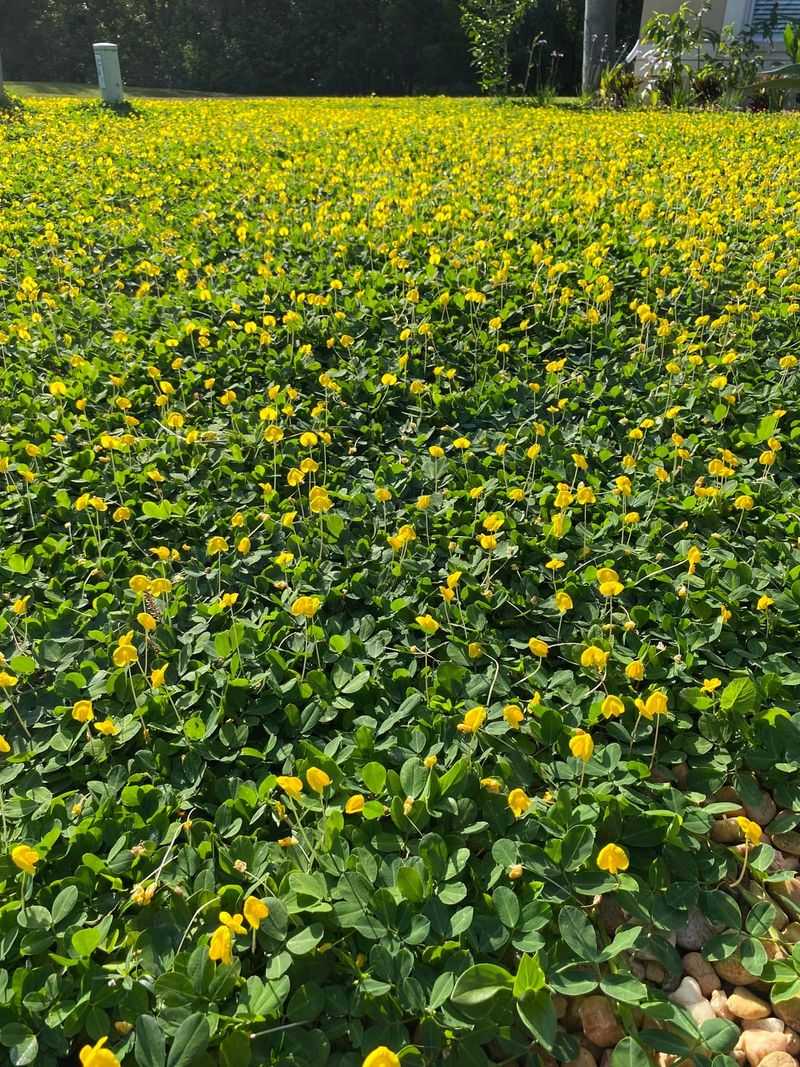
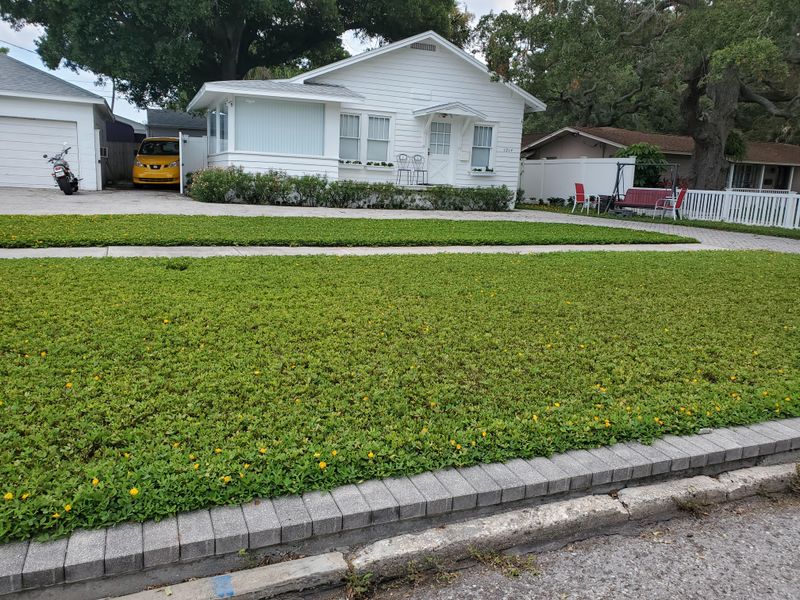
Walk down almost any street in Central or North Florida and you might notice something different about certain front yards. Instead of the usual patchy St. Augustine or crispy Bermuda grass, some lawns are covered in a thick, low-growing carpet of green with small yellow blooms dotting the surface.
That plant is perennial peanut, and it is becoming one of the most talked-about alternatives to traditional turfgrass in the state.
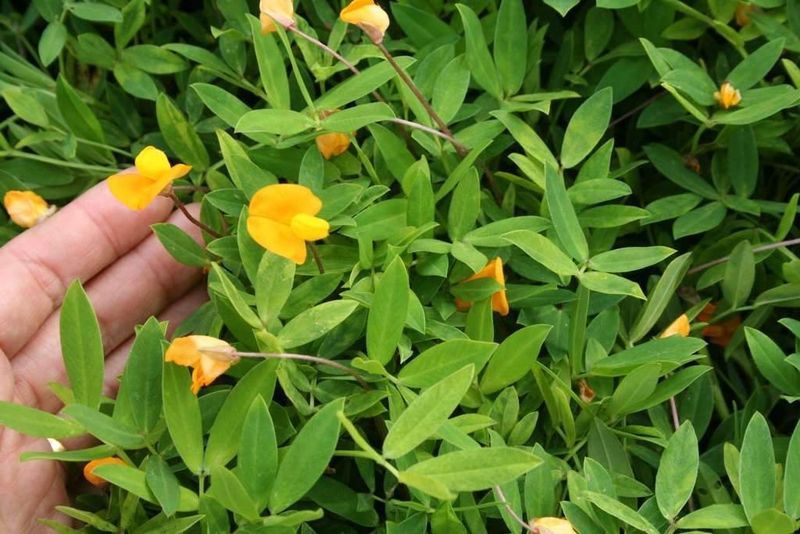
Perennial peanut, known scientifically as Arachis glabrata, is a warm-season legume that grows close to the ground and spreads through underground stems called rhizomes. It is not a new plant by any means, but its popularity as a lawn replacement has been growing steadily as more Florida homeowners search for sustainable, low-effort landscaping options.
The University of Florida IFAS Extension has long recognized it as a Florida-Friendly plant suited for use across much of the state.
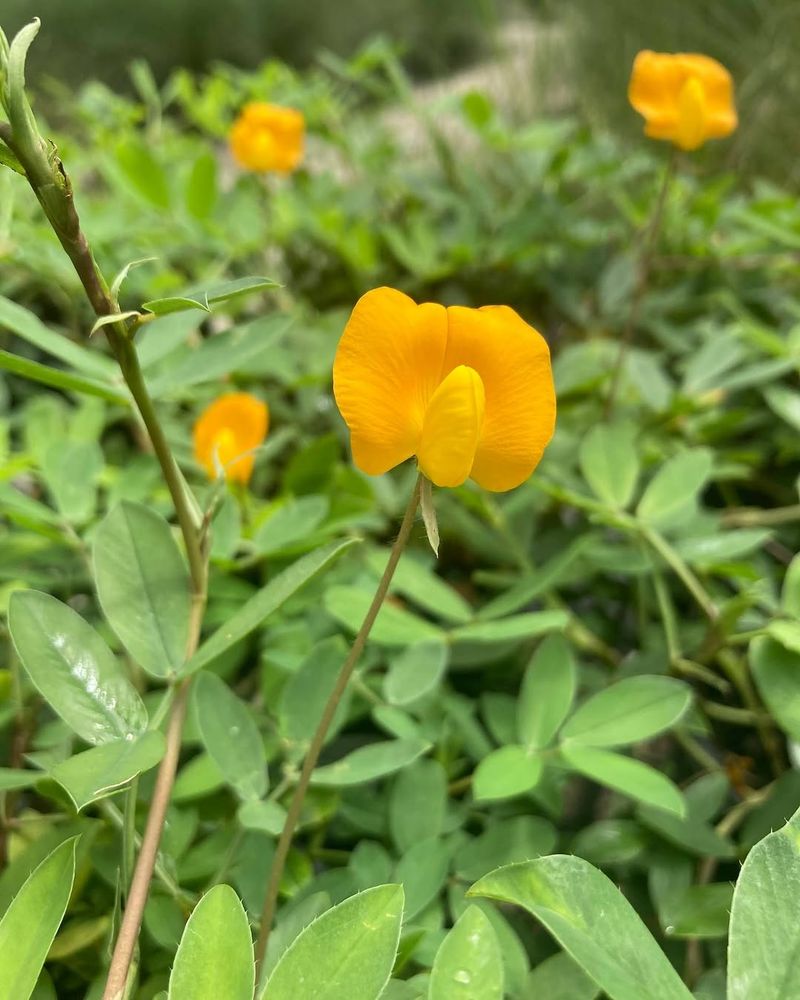
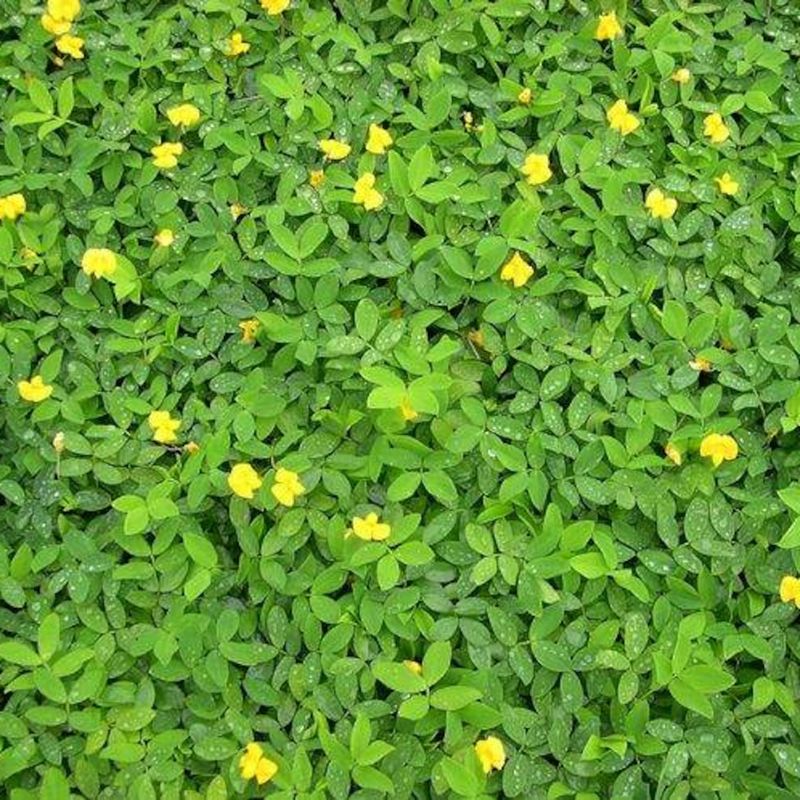
Compared to traditional turf, perennial peanut offers a noticeably different look. The leaves are small and slightly rounded, giving the yard a soft, textured appearance rather than the uniform blade structure of grass.
When the yellow flowers appear, the visual effect is genuinely striking. Neighbors tend to notice and ask questions.
For homeowners tired of pouring money into lawn care products that deliver mediocre results, perennial peanut represents a practical and attractive shift in thinking about what a Florida front yard can look like.
2. Florida Heat And Sandy Soil Barely Slow This Groundcover Down
Most traditional lawn grasses struggle when summer temperatures in Florida push past 95 degrees for weeks at a time. Sandy soil makes things worse by refusing to hold moisture, leaving grass roots stressed and the lawn looking thin and brown.
Perennial peanut was practically built for exactly these conditions, and that is a big part of why it performs so well where other plants give up.
According to UF/IFAS Extension research, perennial peanut is highly drought-tolerant once it has established itself in the landscape. Its deep rhizome system allows it to access moisture that shallow-rooted grasses simply cannot reach during dry spells.
It also adapts well to the well-drained, low-nutrient sandy soils that dominate much of Florida, where traditional lawns often require heavy amendments just to survive.
Heat is rarely a problem for this plant. It is a warm-season grower that actually thrives as temperatures climb, making Florida summers its peak growing season rather than its most stressful one.
While St. Augustine grass may start showing heat stress by midsummer, perennial peanut tends to look its best during those same months. For homeowners in areas like the Tampa Bay region, Central Florida, or the Panhandle, this kind of resilience is genuinely valuable.
Sandy, hot, and occasionally dry conditions that would frustrate most lawn care plans are simply the normal growing environment for perennial peanut, and it handles all of them with minimal fuss.
3. It Fills In Fast Without Turning Into A Maintenance Headache
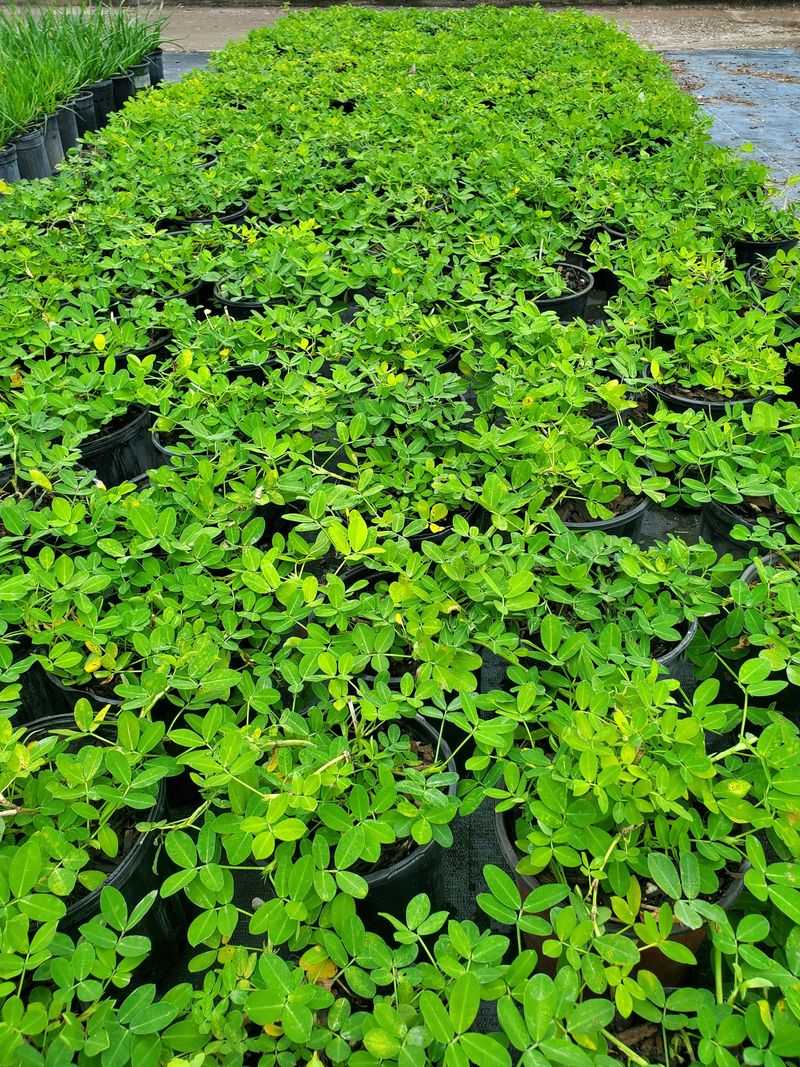
One of the most common concerns homeowners have when switching to a groundcover is how long it will take to fill in. Nobody wants a patchy, half-covered yard for two or three years while the plant slowly figures things out.
The good news with perennial peanut is that it spreads at a reasonable pace without requiring constant attention to get there.
Perennial peanut spreads through its rhizome network underground, which means new growth emerges from below the surface and fills gaps naturally over time. Most homeowners who plant it in spring or early summer report noticeable coverage within the first growing season, with fuller establishment typically happening in the second year.
Planting plugs closer together speeds things up, while wider spacing saves money but requires a bit more patience during that first season.
What makes this plant particularly appealing is that once it starts spreading, it does not become an aggressive problem. It is not known for jumping fences or overtaking flower beds the way some fast-spreading groundcovers can.
Its growth stays relatively manageable, which means you are not trading a grass maintenance problem for a different kind of groundcover problem. Edging along walkways and driveways occasionally keeps it tidy, but that is about as demanding as it gets during the establishment phase.
For a busy homeowner who wants coverage without the constant upkeep, the growth habit of perennial peanut genuinely delivers on that promise in a realistic and satisfying way.
4. Bright Yellow Blooms Change The Look Of A Basic Lawn
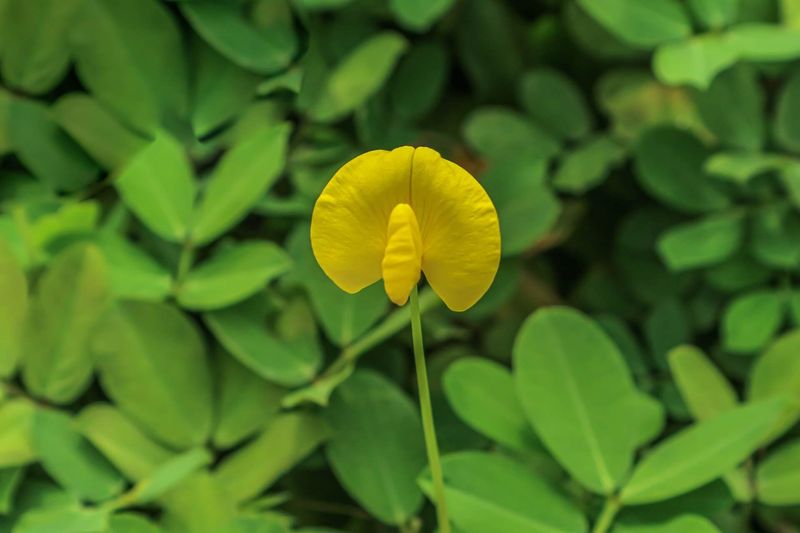
There is something genuinely cheerful about a yard full of small yellow flowers. While most traditional grass lawns offer nothing more than a uniform sheet of green, perennial peanut adds a layer of seasonal color that can completely change the character of a front yard.
When the blooms appear, usually from late spring through fall, the visual effect is warm, lively, and surprisingly eye-catching from the street.
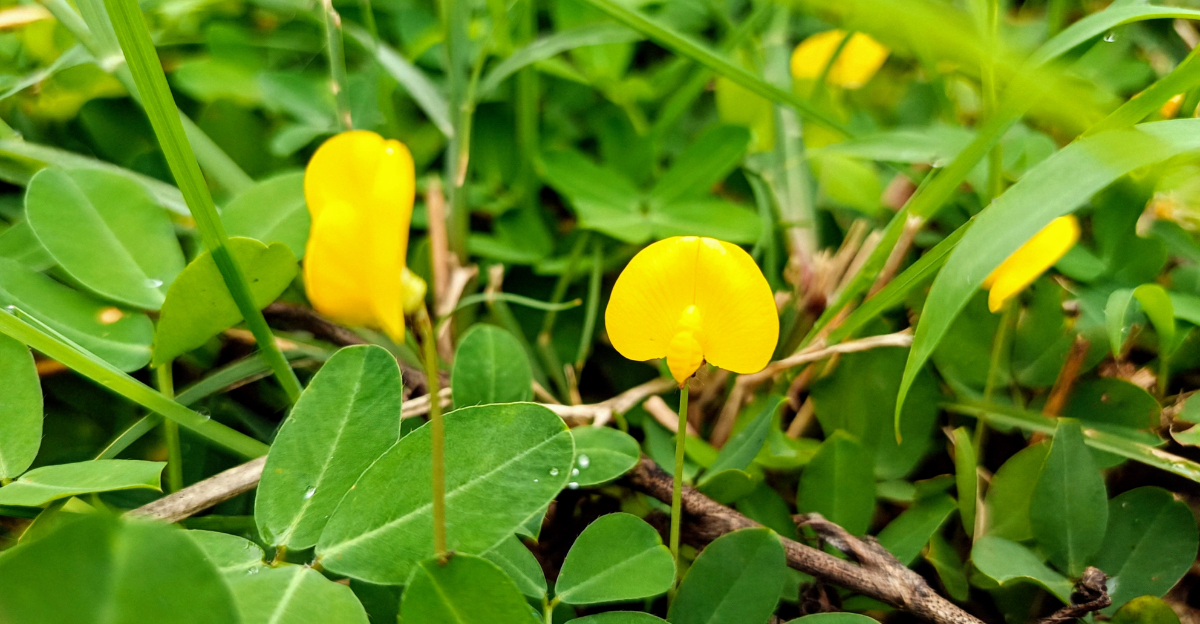
The flowers themselves are small, pea-like blossoms in a rich golden yellow. They appear throughout the warm months and attract pollinators including bees and butterflies, which adds an ecological benefit on top of the aesthetic one.
Homeowners who have made the switch often mention the flowers as one of the most rewarding surprises, especially if they were not expecting much more than a plain green groundcover.
From a curb appeal standpoint, the difference between a patchy grass lawn and a blooming carpet of perennial peanut can be dramatic. The plant creates a dense, low-growing surface that reads as neat and intentional rather than neglected, which matters a lot in neighborhoods where appearance is important.
Visitors and passersby tend to stop and ask what the plant is, which says a lot about how different it looks compared to the standard Florida lawn. For homeowners who want their yard to stand out in a positive way without investing in complicated landscaping, the seasonal color that perennial peanut delivers is one of its most compelling and underappreciated qualities.
5. Once Established It Needs Far Less Water Than Grass
Water bills in Florida can climb quickly during dry season, especially for homeowners trying to keep a traditional grass lawn alive. St. Augustine grass in particular is thirsty, often requiring irrigation two or three times per week during hot, dry stretches just to stay green.
Switching to perennial peanut changes that math significantly, and the savings tend to add up faster than most people expect.
Once perennial peanut is fully established, which typically takes one to two growing seasons, its water needs drop considerably compared to most turf grasses. The plant’s deep rhizome system helps it access soil moisture more efficiently, and its natural drought tolerance means it can handle dry periods without showing the kind of stress response that grass does.
UF/IFAS Extension notes that established perennial peanut can often survive on rainfall alone during Florida’s wet season, which runs roughly from June through September.
During the dry season, some supplemental irrigation may still be helpful, particularly during extended droughts or in areas with especially fast-draining soil. However, the frequency and volume needed are substantially lower than what traditional lawns typically require.
For homeowners in water-restricted areas or those looking to reduce their environmental footprint, this is a meaningful advantage. Florida has faced increasing pressure on water resources in recent years, and choosing a low-water groundcover is one of the most practical steps a homeowner can take to use less without sacrificing the appearance of a well-kept yard.
6. It Handles Florida Conditions That Ruin Traditional Lawns
Florida has a way of testing lawns. Between chinch bugs, take-all root rot, dollar weed invasions, and the relentless combination of heat and humidity, traditional turfgrass faces a long list of threats throughout the year.
One of the quieter advantages of perennial peanut is that it sidesteps many of these common problems entirely, simply because its biology makes it less vulnerable to them.
Chinch bugs, which are one of the most destructive lawn pests in Florida, tend to target St. Augustine grass almost exclusively. Perennial peanut is not a host for chinch bugs, which means homeowners who switch can often stop spending money on insecticide treatments that were a routine part of their old lawn care schedule.
The plant is also not prone to the fungal issues that plague many Florida lawns during the rainy season, reducing the need for fungicide applications.
Foot traffic tolerance is moderate with perennial peanut. It holds up reasonably well under light to moderate use, making it suitable for front yards where the primary activity is walking to and from the house rather than heavy recreational use.
For high-traffic areas like backyard play zones, a different solution may be better suited. Perennial peanut also handles the partial shade found under large Florida trees better than many grass varieties, filling in areas where St. Augustine often thins out and struggles.
Its overall resilience in the face of common Florida lawn stressors makes it a genuinely practical choice for the state’s unique growing conditions.
7. There Is A Short Dormant Period Florida Homeowners Should Expect
Every plant has its seasonal rhythms, and perennial peanut is no exception. One thing that catches some homeowners off guard is the brief dormant period that occurs during the cooler winter months.
Knowing what to expect ahead of time makes the experience far less alarming and helps you plan your landscape accordingly.
In most parts of Florida, perennial peanut goes semi-dormant during winter, typically from around December through February depending on location. During this period, the plant may lose some of its deep green color, turning a lighter or slightly yellowish shade.
In North Florida and areas that experience occasional frost, it may brown back more noticeably. South Florida homeowners generally see a milder dormancy period due to warmer winter temperatures throughout the region.
The key thing to understand is that dormancy is a normal, healthy part of the plant’s annual cycle. It does not indicate that something went wrong or that the plant needs extra intervention.
As soon as temperatures warm back up in late February or March, perennial peanut rebounds quickly, pushing out fresh growth and returning to its full, lush appearance within a few weeks. Homeowners who are accustomed to year-round green from their St. Augustine lawns may find the winter appearance of perennial peanut takes some adjustment.
Pairing it with evergreen shrubs or other plantings in the landscape helps maintain visual interest during those quieter winter months without requiring any major changes to the overall yard design.
8. Simple Care Keeps It Looking Full Without Constant Work
Ask most Florida homeowners what they want from their yard and the answer usually includes something about spending less time on maintenance. Perennial peanut delivers on that in a real and practical way, but it does have a few simple care needs that are worth understanding before you plant.
Getting those basics right from the start makes the whole experience much smoother.
Mowing is the most regular task involved with perennial peanut, but it is far less demanding than mowing a traditional lawn. Most homeowners mow it once every two to four weeks during the growing season, cutting it to a height of around two to four inches.
This keeps it looking tidy and encourages dense, even growth across the yard. A rotary mower works fine, and because the plant grows low to begin with, you are not dealing with rapid height gain between cuts.
Fertilizing needs are minimal because perennial peanut is a legume that fixes its own nitrogen from the air, naturally enriching the soil over time. This means you can skip the heavy fertilizer applications that traditional lawns typically require.
Occasional edging along driveways, sidewalks, and garden beds keeps the plant from creeping where it is not wanted, and pulling any weeds during the establishment phase helps the groundcover fill in without competition.
Overall, the maintenance routine for perennial peanut is straightforward, affordable, and genuinely less time-consuming than what most Florida homeowners are used to with conventional turfgrass.