This Native Florida Shrub Is Replacing Traditional Hedges In Florida
Across Florida, a noticeable shift is happening in front yards and along property lines. The classic hedge that once dominated neighborhoods is slowly losing ground.
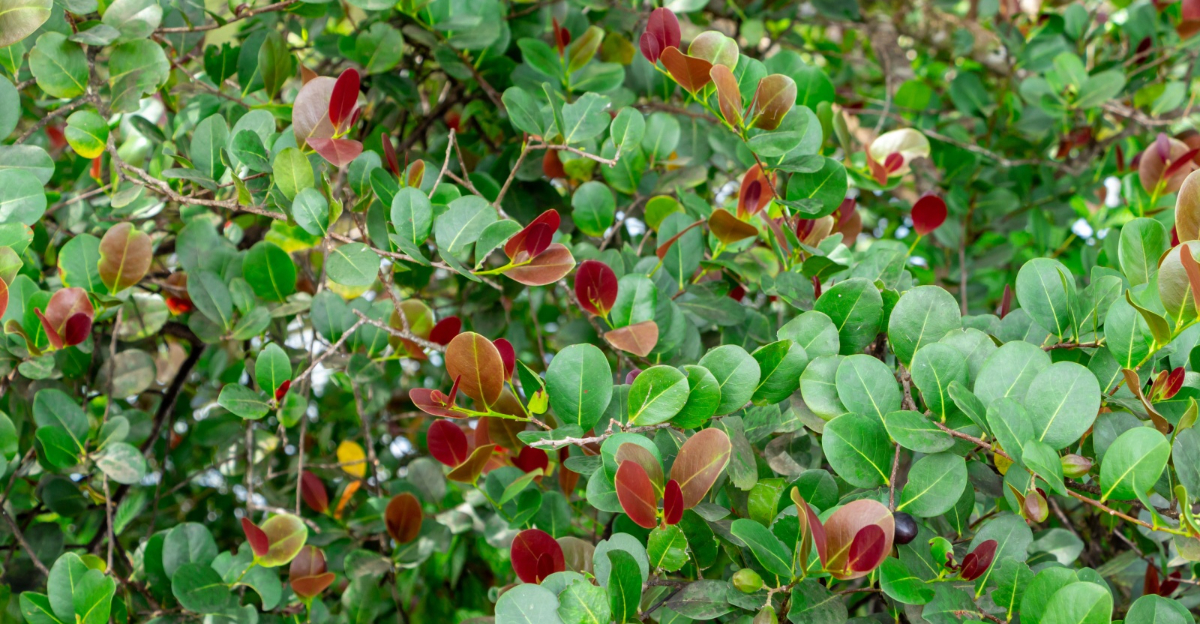
In its place, a native shrub is gaining serious attention from homeowners, landscapers, and designers alike. It blends into Florida’s natural landscape with ease and feels right at home in both coastal and inland settings.
More and more people are making the switch, drawn to something that simply works better for the way Florida grows. The buzz keeps building as this plant shows up in new developments and established communities alike.
By the end of the season, many neighborhoods look greener and more effortless, with cocoplum leading a quiet hedge revolution.
1. Cocoplum Is Becoming Florida’s Go To Native Hedge
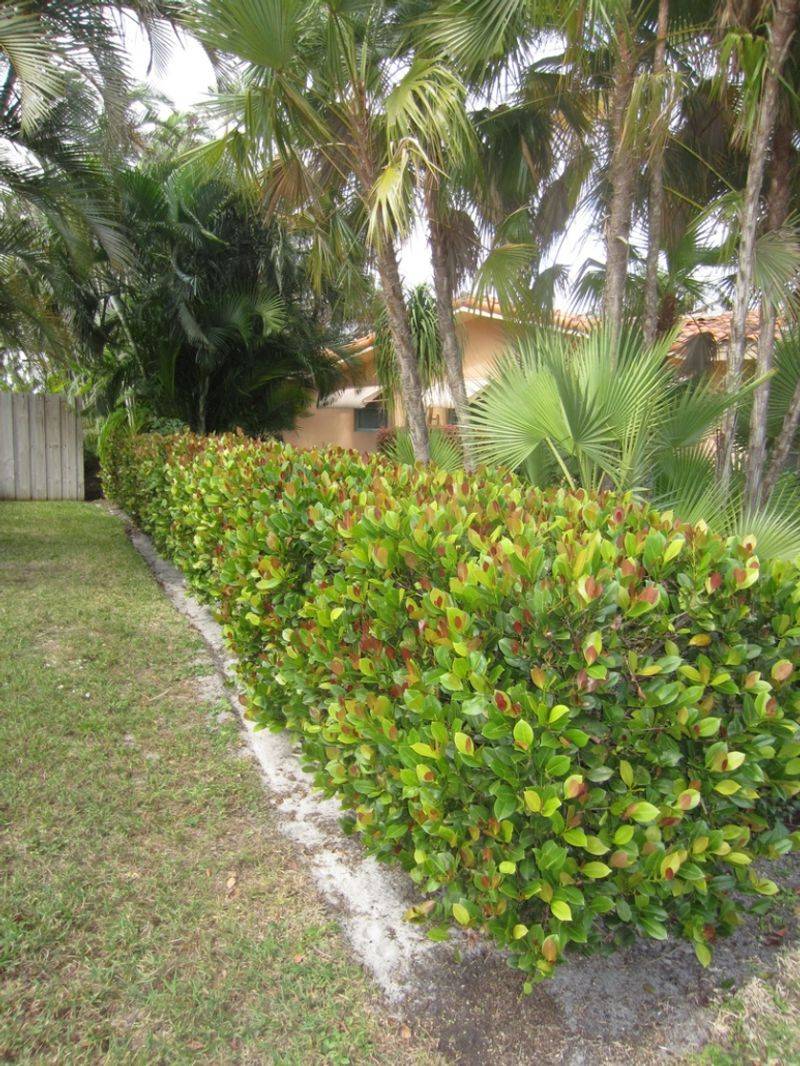
Landscape designers throughout Florida have watched a major shift happen over the past decade. Cocoplum has moved from specialty native plant nurseries into mainstream garden centers, and homeowners are specifically requesting it by name.
This change reflects a broader movement toward sustainable, regional landscaping that works with Florida’s unique climate rather than fighting against it.
Traditional hedge plants like ficus and boxwood were imported from other regions and climates. They require constant attention to survive Florida’s humidity, pests, and unpredictable weather patterns.
Cocoplum, by contrast, evolved right here in Florida’s coastal ecosystems. It naturally resists the whiteflies that plague ficus, tolerates the root rot that destroys boxwood, and bounces back quickly after storms.
The native plant movement has gained serious momentum as water restrictions tighten and homeowners seek landscapes that require less intervention. Cocoplum fits perfectly into this philosophy while still delivering the formal hedge appearance that many neighborhoods require.
Landscapers report that clients who initially wanted traditional hedges often switch to cocoplum once they learn about its superior performance and lower maintenance demands in Florida conditions.
2. Why Cocoplum Outperforms Traditional Ficus And Boxwood
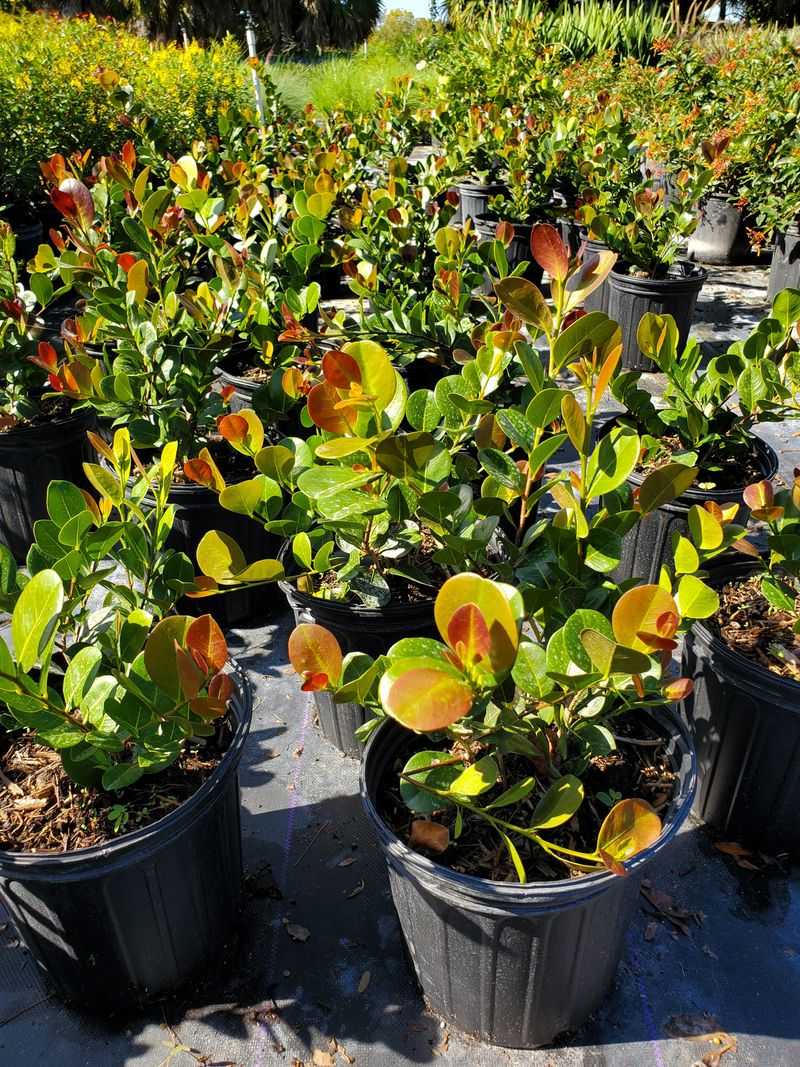
Ficus hedges have become notorious across Florida for attracting whiteflies, thrips, and scale insects that require repeated pesticide applications. Homeowners spend hundreds of dollars annually trying to keep ficus looking presentable, only to watch entire hedges decline despite intensive chemical treatments.
Boxwood faces different challenges in Florida, struggling with our heat and developing root diseases in poorly drained soils that are common throughout the state.
Cocoplum simply doesn’t face these same battles. Its thick, waxy leaves resist most pest infestations naturally, and the plant has evolved resistance to Florida’s common fungal diseases.
When cold snaps occasionally reach South and Central Florida, cocoplum handles brief temperature drops far better than tropical ficus varieties that can suffer severe damage or complete defoliation from cold stress.
The long term cost comparison strongly favors cocoplum. While the initial plant cost might be similar, cocoplum requires dramatically fewer pesticide applications, less frequent replacement of damaged plants, and reduced water consumption once established.
Landscapers have documented that cocoplum hedges maintain their appearance with minimal intervention, while traditional hedges demand constant management just to survive Florida’s challenging growing environment.
3. Dense Evergreen Growth Makes Cocoplum Ideal For Privacy
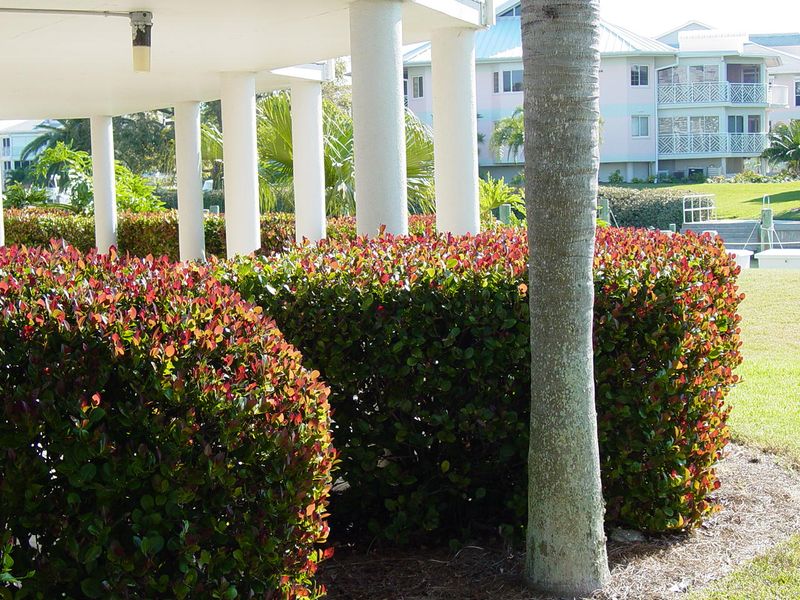
Privacy concerns drive many hedge plantings, and cocoplum delivers exceptional screening ability through its naturally dense branching pattern. The shrub produces leaves along its entire branch length rather than just at the tips, creating solid visual barriers from ground level upward.
This growth habit means fewer gaps and weak spots compared to leggy hedge plants that lose lower foliage over time.
Mature cocoplum hedges can easily reach six to eight feet tall while maintaining thickness throughout their height. The evergreen foliage stays dark green year round, providing consistent privacy regardless of season.
Unlike deciduous shrubs that lose leaves in winter or tropical plants that thin out during cooler months, cocoplum maintains its density through Florida’s mild winters without any seasonal decline in screening effectiveness.
Spacing plants eighteen to twenty four inches apart creates a solid hedge within two to three growing seasons. The shrubs naturally fill in gaps as they mature, and their overlapping branches interlock to form an impenetrable visual screen.
Property owners appreciate that cocoplum provides this privacy without growing so aggressively that it constantly invades walkways or requires weekly trimming to stay within bounds like some fast growing hedge alternatives.
4. Cocoplum Handles Heat Humidity And Coastal Conditions With Ease
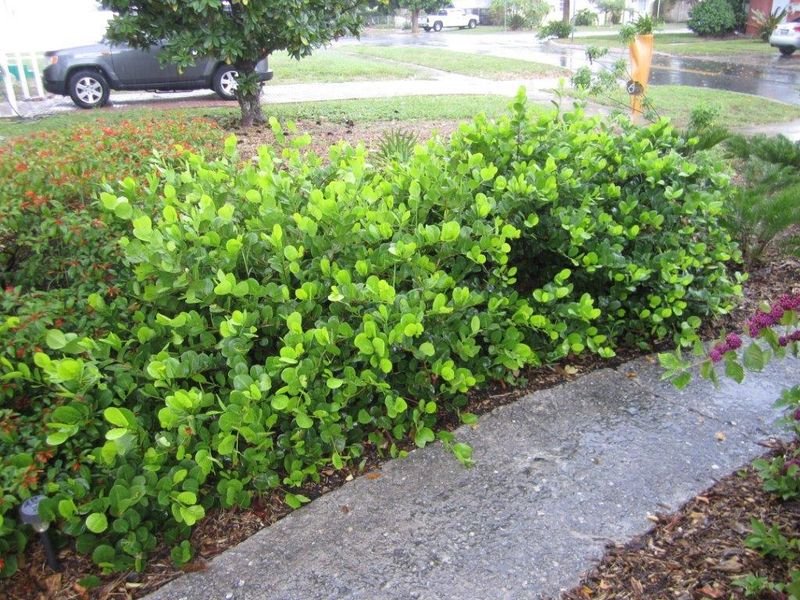
Coastal Florida properties present extreme challenges for landscaping plants. Salt spray from ocean breezes, sandy soils with low nutrient content, and relentless sun exposure eliminate many popular hedge choices.
Cocoplum evolved along Florida’s coastlines and naturally tolerates these harsh conditions that would quickly stress or eliminate non native alternatives. Homeowners near beaches can plant cocoplum right up to the dune line where few other shrubs survive.
Summer heat throughout Florida regularly pushes temperatures into the nineties with humidity levels that create oppressive growing conditions. Many landscape plants struggle to maintain healthy foliage during these brutal months, showing heat stress through wilting, leaf drop, or slowed growth.
Cocoplum actually thrives during Florida summers, maintaining its glossy green foliage and continuing to produce new growth even during the hottest weeks of July and August.
The combination of heat tolerance and salt resistance makes cocoplum particularly valuable for South Florida and coastal communities throughout the state. Properties that previously struggled to maintain presentable hedges due to environmental stress can finally establish reliable screening plants that actually improve in appearance as they mature rather than declining over time despite intensive care efforts.
5. This Native Shrub Requires Less Maintenance Than Traditional Hedges
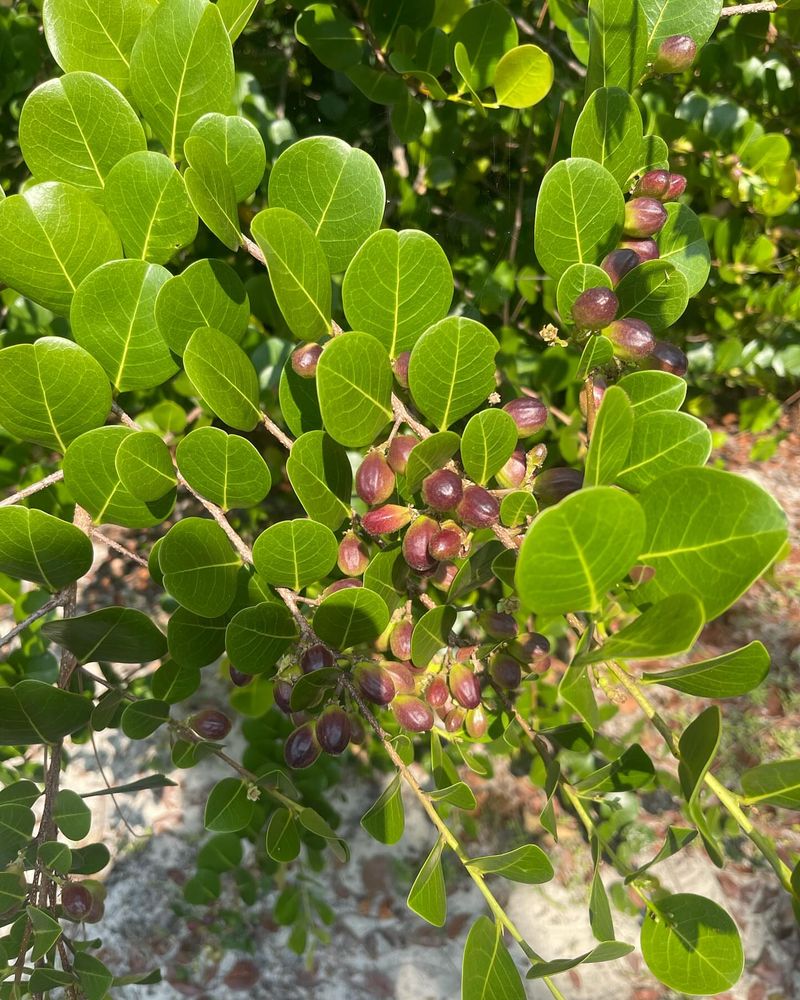
Water requirements drop dramatically once cocoplum establishes its root system, typically within six to twelve months after planting. Mature hedges survive on rainfall alone throughout most of Florida, only needing supplemental irrigation during extended drought periods.
This water efficiency becomes increasingly important as water restrictions affect more Florida communities and homeowners seek landscapes that don’t demand constant irrigation to survive.
Fertilizer needs remain modest compared to heavy feeding plants like ficus. A slow release fertilizer application two or three times annually provides sufficient nutrition for healthy growth and attractive foliage.
Cocoplum grown in native Florida soils often performs well with even less fertilization, particularly once plants mature and their root systems access deeper soil nutrients.
Pest management costs and effort decrease substantially with cocoplum hedges. While occasional scale insects or caterpillars might appear, these rarely require intervention and don’t threaten plant health like the devastating whitefly infestations that plague ficus.
Most cocoplum hedges go years without needing any pesticide applications, saving money and reducing chemical use around homes and families. The combination of reduced watering, minimal fertilization, and negligible pest problems makes cocoplum maintenance requirements a fraction of what traditional hedge plants demand in Florida landscapes.
6. Cocoplum Tolerates Pruning From Formal Hedges To Natural Screens
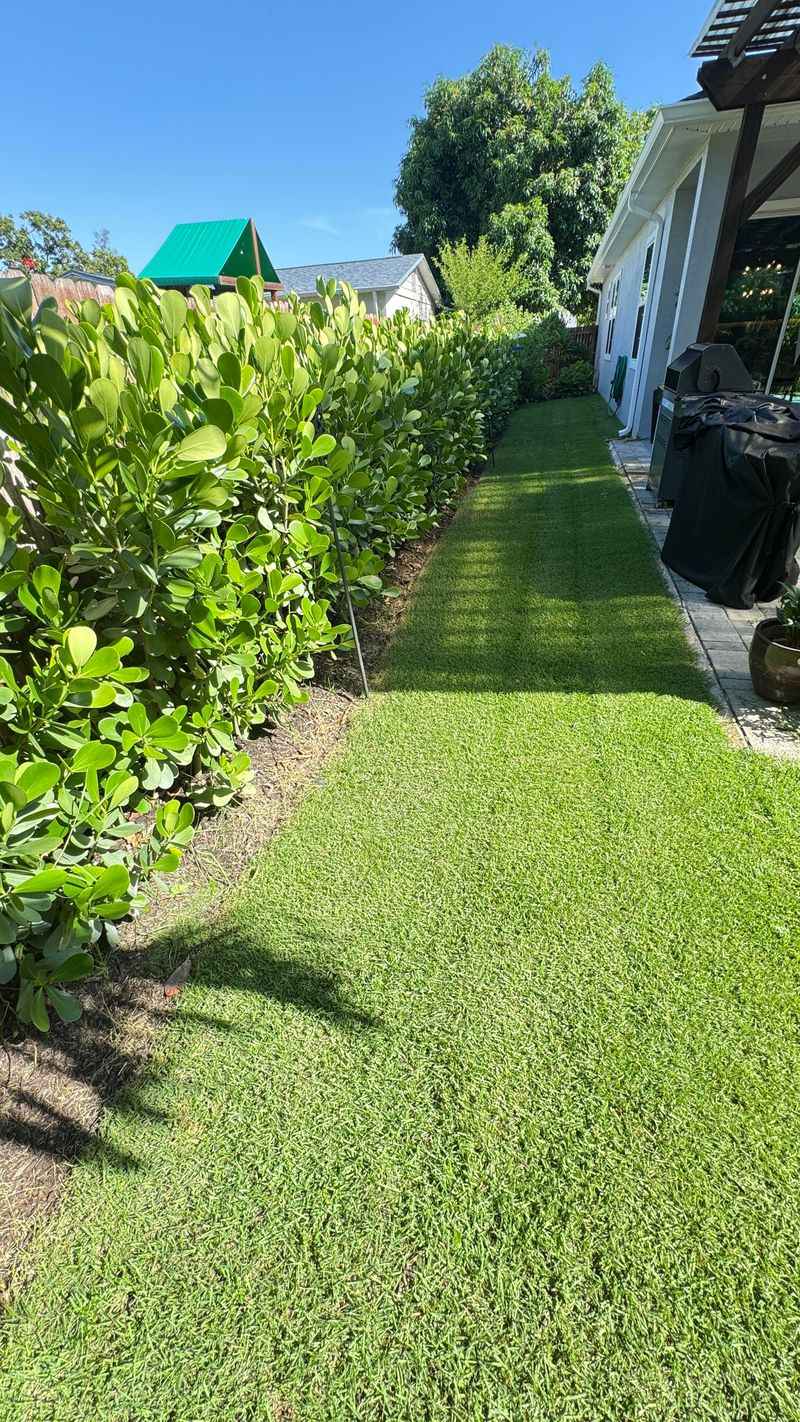
Formal landscape designs require plants that accept regular shearing and maintain crisp lines between pruning sessions. Cocoplum responds beautifully to formal hedge trimming, producing dense regrowth after each pruning that quickly fills in the hedge surface.
The plant’s natural branching habit means that shearing stimulates lateral bud break, creating even thicker foliage rather than creating bare patches or weak growth that plagues some hedge species when heavily pruned.
Timing flexibility makes cocoplum pruning straightforward for Florida gardeners. While spring and summer offer the fastest regrowth, cocoplum tolerates pruning during most months without suffering significant setbacks.
This flexibility allows homeowners to maintain hedge height and shape on their own schedules rather than worrying about precise pruning windows that other plants require.
Natural screen applications work equally well with cocoplum. Homeowners who prefer informal, flowing hedges can simply allow cocoplum to grow with minimal intervention, only removing occasional wayward branches.
This natural form still provides excellent privacy while requiring even less maintenance than formal hedges. The plant naturally develops an attractive rounded shape without becoming unkempt or overgrown.
Whether shaped into precise geometric forms or allowed to grow naturally, cocoplum adapts to the landscape style while maintaining its screening function and attractive appearance throughout the year.
7. Wildlife Benefits Make Cocoplum More Than Just A Hedge
Native plant enthusiasts champion cocoplum for reasons beyond its practical hedging qualities. The shrub produces small white flowers that attract native bees, butterflies, and other pollinators throughout Florida’s growing season.
These blooms might not create dramatic floral displays, but they provide important nectar sources for insects that many showy ornamental plants fail to support. Supporting pollinator populations benefits entire garden ecosystems and helps maintain healthy populations of beneficial insects.
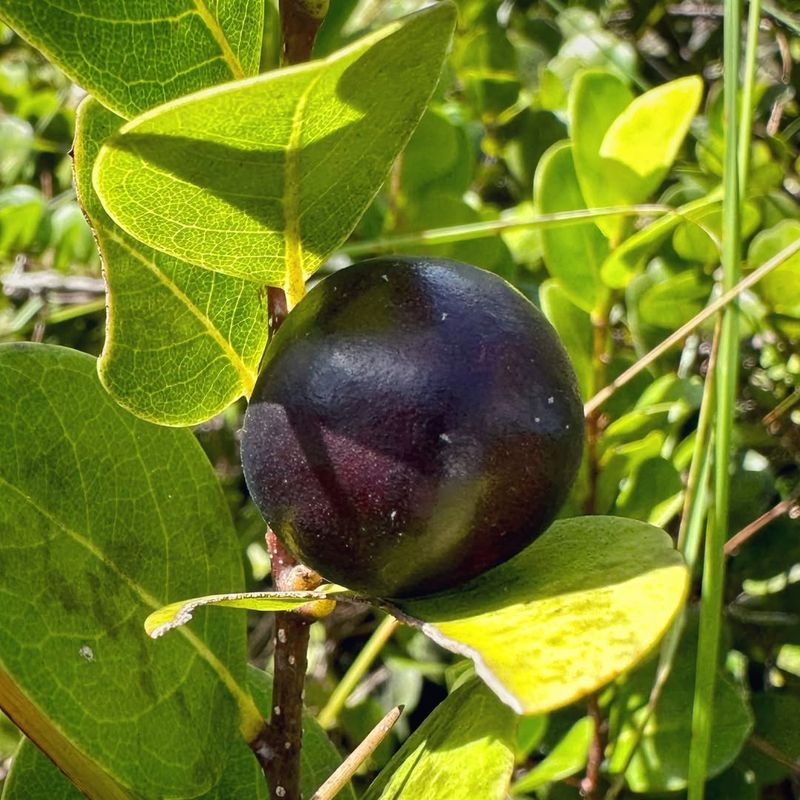
Birds particularly value cocoplum for its purple fruits that ripen throughout warm months. These small plum like fruits attract mockingbirds, catbirds, cardinals, and many other Florida bird species that rely on native fruiting plants for nutrition.
Watching birds visit cocoplum hedges adds entertainment value that purely ornamental hedge plants cannot provide. The fruits also give the hedge seasonal interest with their colorful display against the dark green foliage.
Choosing native plants like cocoplum supports broader ecological health throughout Florida. Native shrubs provide habitat for native insects, which in turn support bird populations and other wildlife.
This ecological connectivity matters increasingly as natural habitats face development pressure. Every cocoplum hedge contributes to a network of native plant corridors that help wildlife persist even in suburban and urban environments across the state.
8. How To Plant Cocoplum For A Thick Healthy Hedge
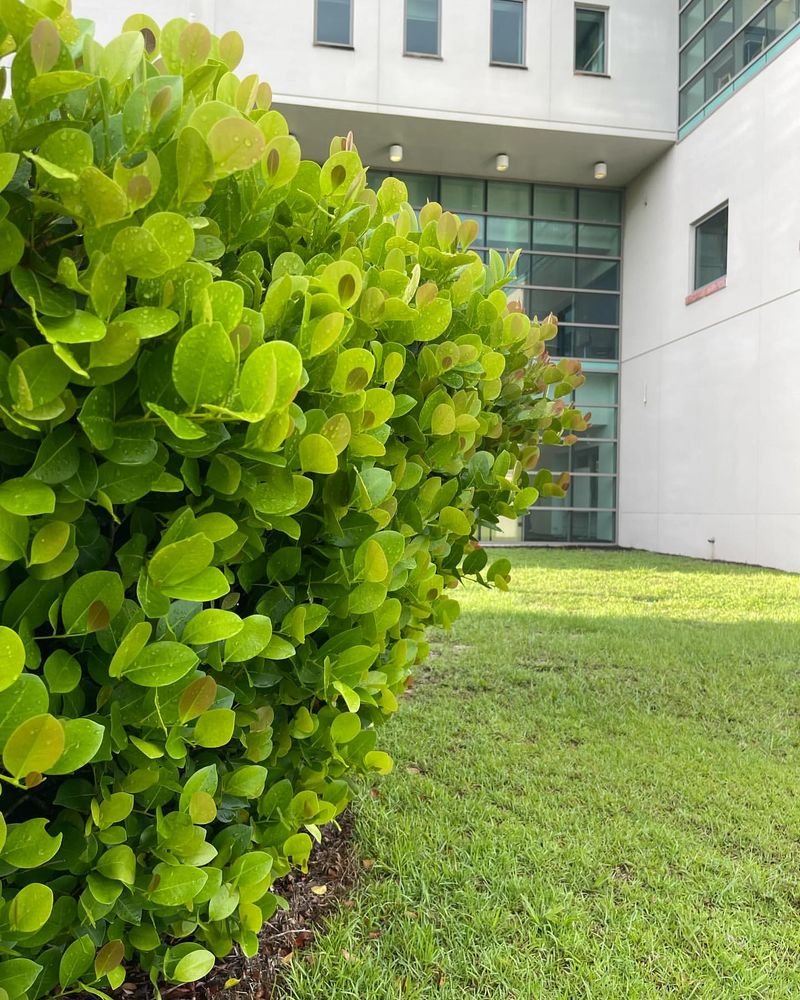
Proper spacing determines how quickly cocoplum forms a solid hedge and affects long term maintenance requirements. Plant shrubs eighteen to twenty four inches apart for formal hedges that need to fill in quickly.
Wider spacing of thirty to thirty six inches works for natural screens where a more open appearance is acceptable initially. Closer spacing creates faster visual impact but may require more aggressive pruning as plants mature and compete for space.
Planting depth matters significantly for cocoplum establishment and long term health. Set plants at the same depth they grew in their nursery containers, avoiding the common mistake of planting too deeply.
Deep planting can lead to stem rot and poor establishment. Dig planting holes two to three times wider than the root ball but no deeper, which encourages lateral root spread into surrounding soil.
Soil preparation improves establishment success, particularly in challenging Florida sand or heavy clay. Incorporate compost or aged manure into native soil, but avoid creating a planting hole filled entirely with amended soil.
This can create a container effect where roots circle within the improved soil rather than spreading into surrounding ground. Water deeply at planting and maintain consistent moisture during the first growing season while roots establish.
Apply three to four inches of mulch around plants, keeping mulch away from stems to prevent rot issues.