This Native Flower Is Replacing High-Maintenance Annual Beds In South Florida
South Florida gardeners know the routine all too well. You plant a fresh batch of colorful annuals, baby them through the heat, and just when the bed starts to look good, the whole thing fades out and it is time to start over.
It is a cycle that eats up time, money, and weekend energy. Lately, that pattern has been shifting.
More yards, medians, and coastal landscapes are trading those high-maintenance beds for a native plant that holds its own in the heat and keeps going without constant attention.
It spreads, fills in, and delivers steady color in places where many traditional flowers struggle to last.
Once you see it doing its thing through the hottest months, it is hard not to rethink the whole idea of seasonal planting.
1. Meet Beach Sunflower The Native Taking Over South Florida Beds
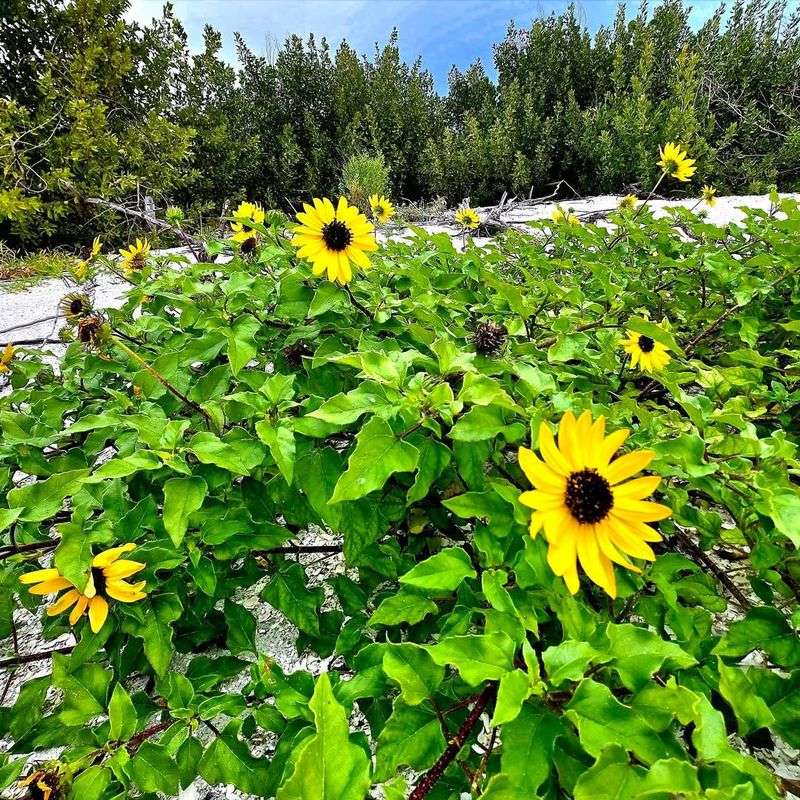
Bright yellow blooms, a tough-as-nails attitude, and a Florida pedigree that goes back centuries. Helianthus debilis, commonly called beach sunflower, is a true Florida native that grows naturally along coastal dunes, roadsides, and open sandy areas throughout the state.
It has been thriving here long before anyone planted a flower bed.
South Florida gardeners are increasingly choosing this plant to replace expensive, labor-heavy annual beds. Unlike impatiens or petunias that need to be swapped out seasonally, beach sunflower sticks around and keeps performing.
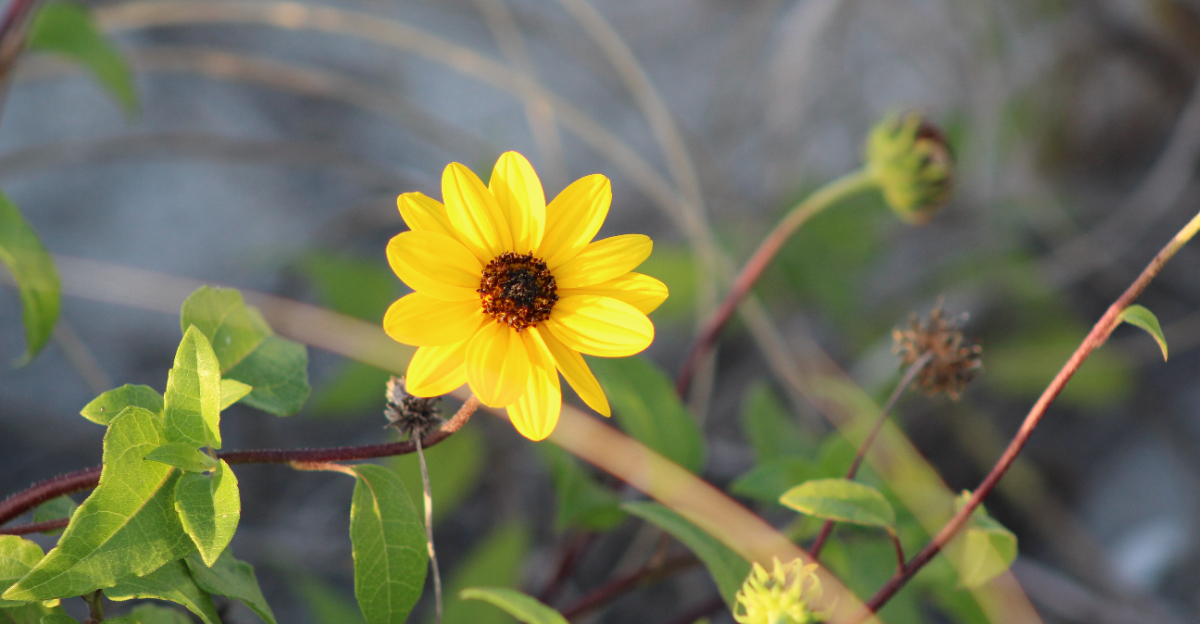
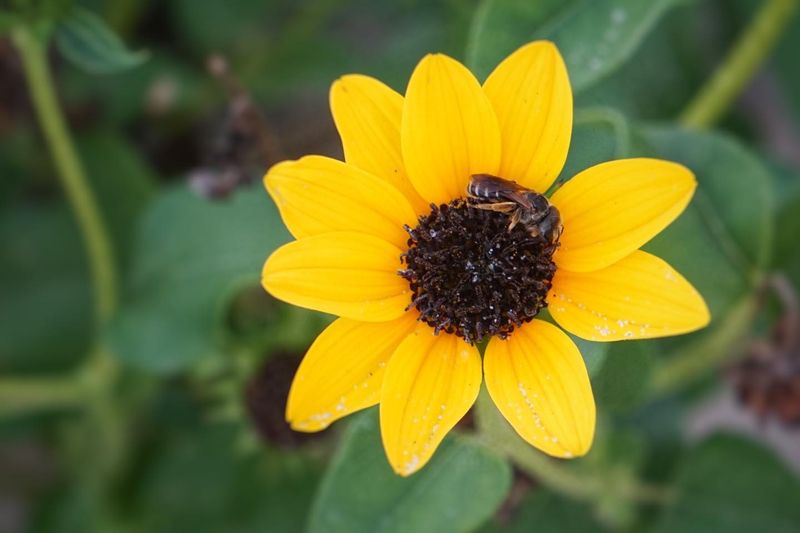
Its cheerful two-inch yellow flowers with dark chocolate centers attract butterflies, bees, and other pollinators.
The Florida Native Plant Society and University of Florida IFAS both recognize beach sunflower as a landscape-worthy native. It is especially well suited for coastal and sandy South Florida conditions, where other plants often struggle.
Once you see how easily it fills a space, it is hard to go back to anything else.
2. Stop Replanting And Let It Fill The Space
Annual flower beds have a rhythm that feels exhausting after a while. You plant, you water, you wait, and then the season ends and you start all over again.
Beach sunflower breaks that cycle in the most satisfying way possible.
Rather than staying put in one spot, beach sunflower spreads outward through trailing stems that root where they touch the ground. A single plant can expand to cover several square feet within one growing season.
Over time, it fills garden beds with a dense, colorful mass that looks intentional and full.
Compared to high-maintenance annual beds that require replanting every few months, beach sunflower offers a much more relaxed approach to landscaping. You do not need to schedule seasonal swaps or budget for trays of new transplants.
The plant does the work of filling the space on its own, which is a big deal for busy homeowners or community landscapers managing large areas. It is not completely hands-off, but the workload is significantly lighter than what annual beds demand.
3. Get Long Lasting Yellow Blooms With Less Work
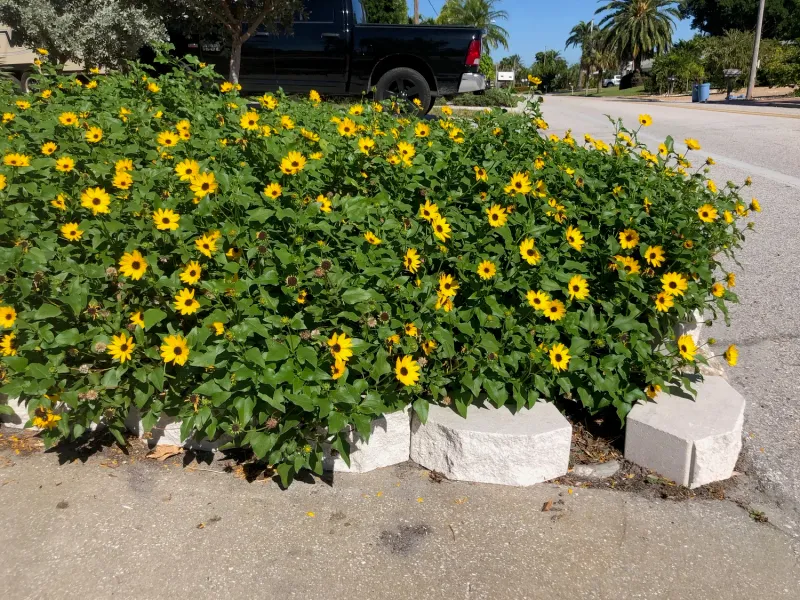
Few plants in South Florida can match beach sunflower when it comes to sheer bloom duration. In the warm climate of South Florida, flowering can continue nearly year-round, with peak production typically happening from spring through fall.
Even in winter, warm spells can keep the flowers coming.
Each bloom is small but punchy, roughly two inches across with golden yellow petals surrounding a dark brown center. The flowers appear in clusters across the tips of sprawling stems, creating a cheerful carpet effect when the plant is well established.
Butterflies absolutely love them.
Getting this kind of extended color from traditional annual beds would require multiple replanting cycles throughout the year, which adds up in both cost and effort. Beach sunflower delivers that visual payoff with far less intervention.
You do not need to deadhead obsessively or fertilize on a strict schedule to keep the blooms going. Providing the right growing conditions, mainly full sun and good drainage, is the most important thing you can do to support consistent flowering.
The plant rewards that simple setup with months of cheerful yellow color.
4. Create A Dense Groundcover That Looks Like A Full Bed
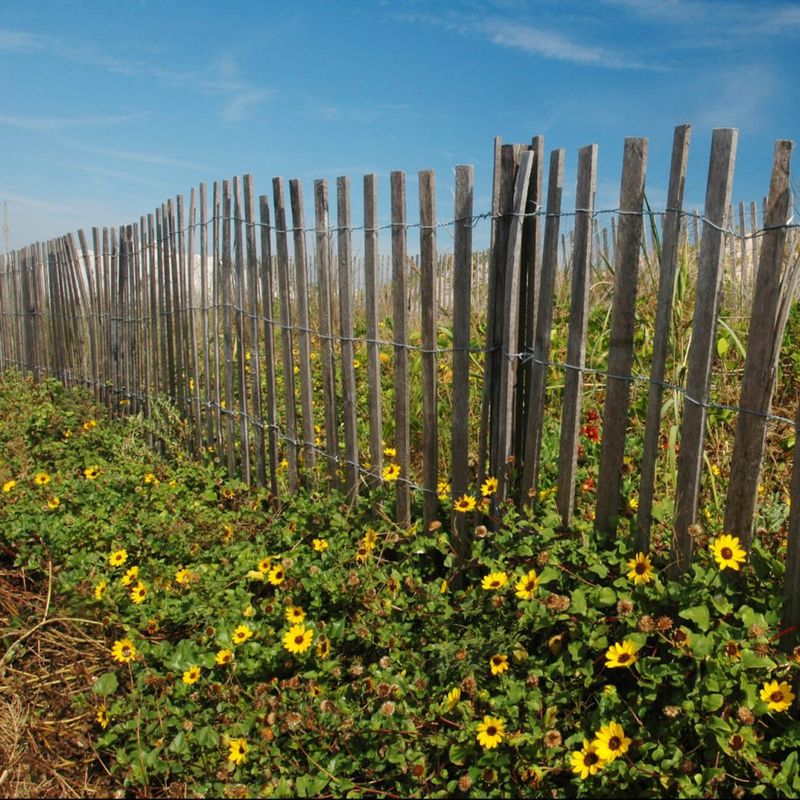
Walk past a well-established beach sunflower planting and you might mistake it for a professionally designed flower bed. The plant has a naturally sprawling growth habit, with stems that spread outward and upward in a loose, layered pattern.
When multiple plants grow together, they create a visual mass that looks intentional and full.
Spacing plants about two to three feet apart gives each one room to spread while still allowing them to knit together into a cohesive groundcover over time.
The result is a bed that covers the soil completely, reducing the appearance of bare patches and limiting space for weeds to establish.
Traditional annual beds achieve that full, lush look through dense planting and frequent replacement. Beach sunflower gets there naturally through its growth pattern.
The foliage is medium green and slightly rough in texture, providing a nice contrast to the bright yellow blooms. From a curb appeal standpoint, a healthy patch of beach sunflower can hold its own against any seasonal annual display.
For homeowners who want their yard to look cared for without spending every weekend in the garden, this groundcover effect is one of the plant’s most practical benefits.
5. Plant It Where Heat And Sun Hit Hardest
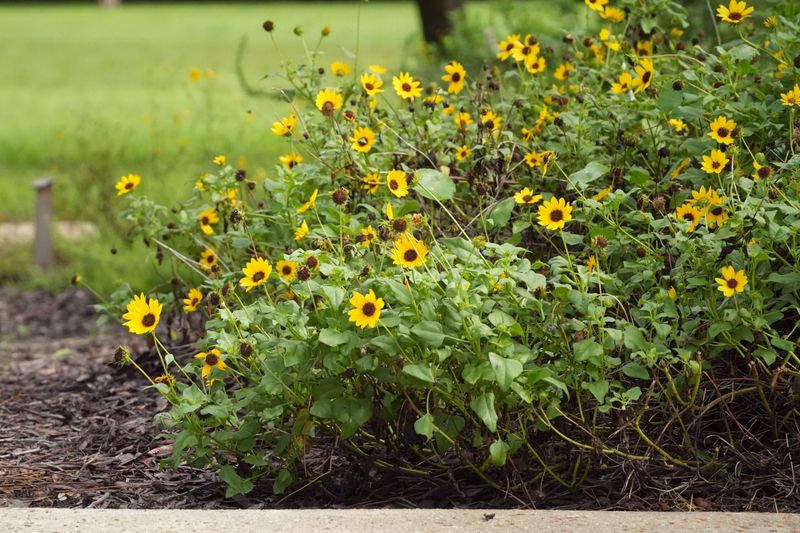
Spots that bake in full sun all day long can be a real challenge for most flowering plants. Reflected heat from driveways, walls, and pavement pushes temperatures even higher, and many annuals simply cannot handle it.
Beach sunflower was practically built for those conditions.
Full sun, meaning at least six to eight hours of direct sunlight per day, is where this plant performs at its best. It is a sun-lover through and through, and that preference makes it especially useful in South Florida landscapes where shade is hard to come by.
Coastal areas with open exposure and intense light are among its favorite environments.
Performance drops noticeably when beach sunflower is placed in partial shade. Stems become stretched and weak, bloom production decreases, and the plant loses its compact, spreading habit.
If you have a hot, exposed area that has been tough to plant successfully in the past, this native is worth trying. South Florida’s intense sun and heat, which can feel like a problem for gardeners, is actually an asset when you are growing beach sunflower.
Place it where the sun hits hardest and watch it thrive in conditions that would challenge less adapted plants.
6. Start With Full Sun And Well Drained Soil

Soil matters more than most people realize when it comes to beach sunflower. Sandy, well-drained soil is where this plant truly excels, and that is good news for South Florida gardeners who often deal with exactly that type of ground.
Along the coast and in many inland areas, sandy soil is the norm rather than the exception.
Heavy clay soils or areas with poor drainage can cause problems. Roots that sit in waterlogged soil are prone to rot, which weakens the plant and reduces its ability to spread and bloom.
If your yard tends to hold water after rain, consider raising the planting area slightly or amending the soil to improve drainage before planting.
Beach sunflower does not need rich, heavily amended soil to do well. In fact, overly fertile soil can encourage lush leafy growth at the expense of flowers.
University of Florida IFAS notes that this plant is well adapted to the nutrient-poor, sandy soils common in Florida landscapes.
Once planted in the right spot with good drainage and full sun, beach sunflower establishes relatively quickly and begins spreading without needing a lot of extra help from fertilizers or soil additives.
7. Let It Spread And Reseed On Its Own
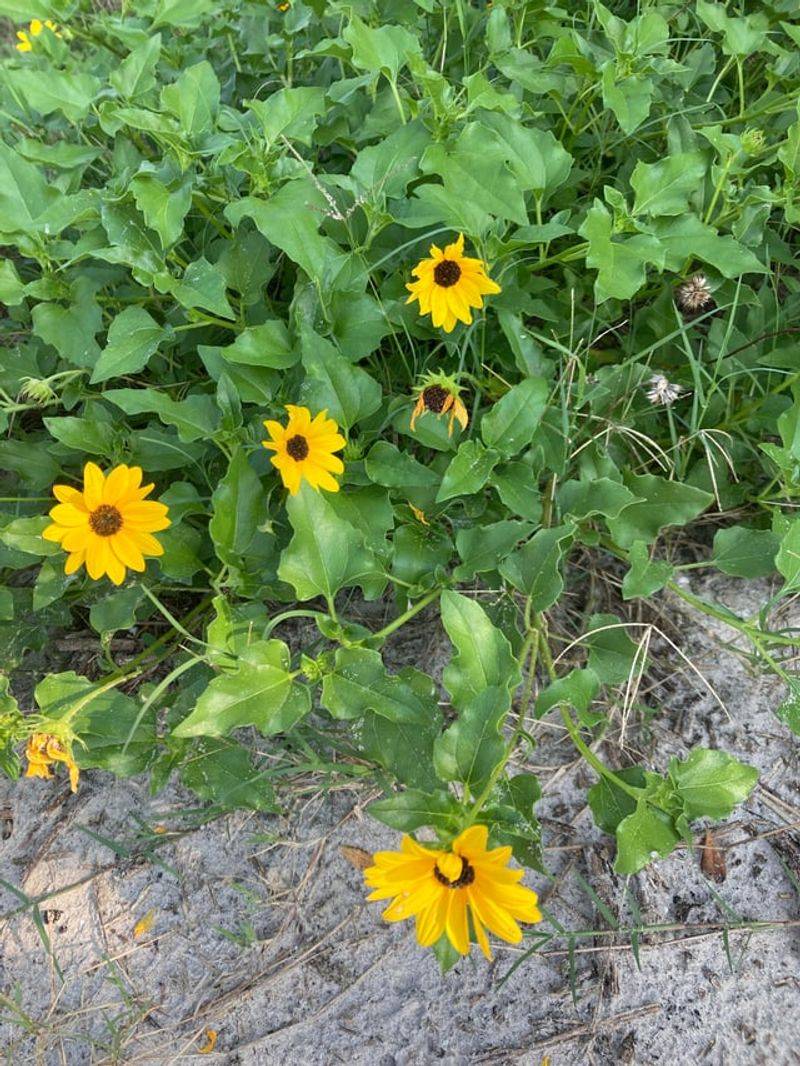
One of the most appealing things about beach sunflower is how it handles its own future. The plant spreads in two ways: through trailing stems that root as they grow along the ground, and through seeds that drop and germinate nearby.
This combination keeps it present in the landscape season after season without requiring you to replant.
Reseeding is especially helpful in South Florida, where beach sunflower behaves more like a true perennial in the warmest zones. In cooler parts of Florida, individual plants may be shorter-lived, but reseeding helps the population persist even when older plants decline.
The result is a patch that renews itself naturally over time.
It is worth keeping realistic expectations here. Beach sunflower can spread enthusiastically, and in some settings it may move beyond where you originally intended.
Staying aware of where it is spreading and pulling unwanted seedlings early is the easiest way to manage its growth. It is not considered invasive, but it does have a vigorous personality.
Gardeners who appreciate a plant that takes initiative will find this self-renewing habit one of its most useful qualities, especially compared to annuals that simply disappear when the season ends.
8. Trim And Refresh When Growth Gets Leggy
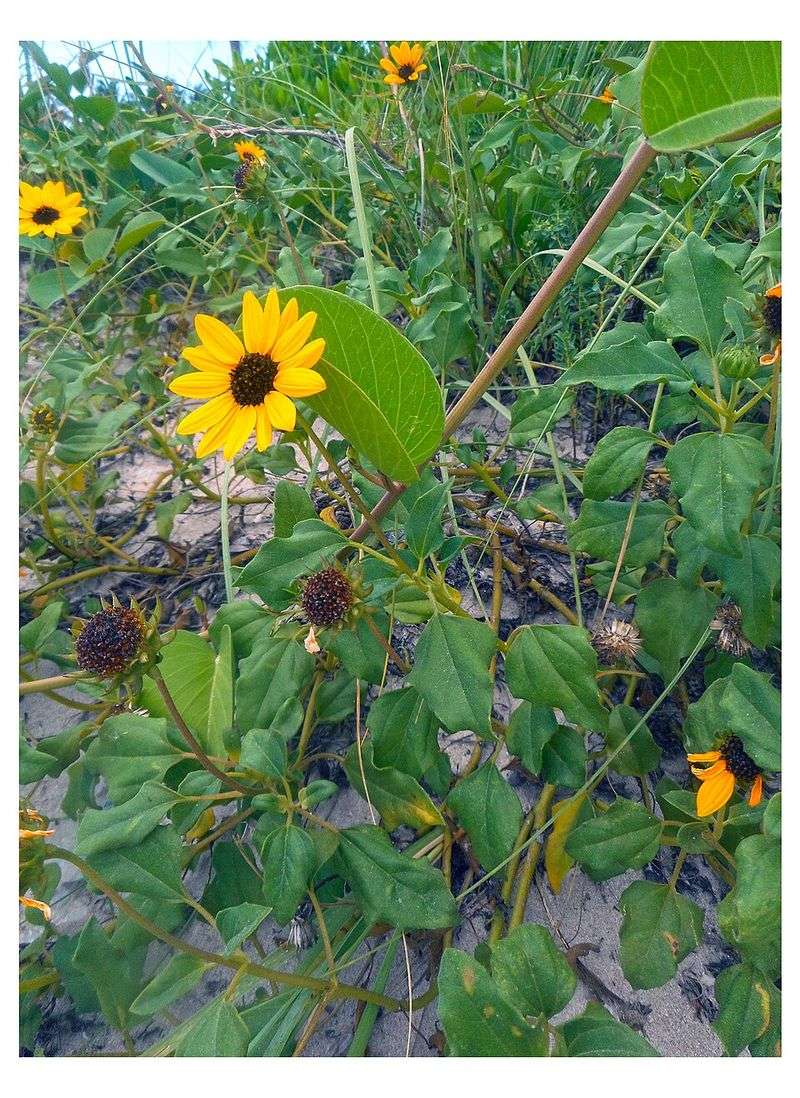
Even the most easygoing plants need some attention now and then, and beach sunflower is no different. Over time, especially after extended periods of vigorous growth, the stems can become long, sprawling, and sparse at the base.
That leggy appearance is a sign the plant is ready for a trim.
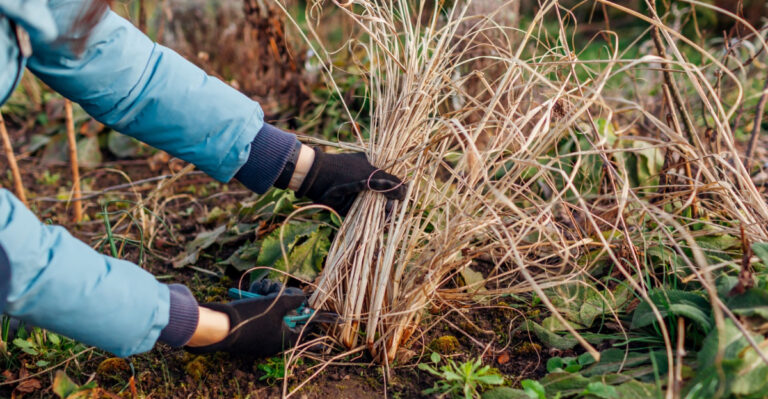
Cutting stems back by about one-third encourages the plant to push out fresh, compact growth from lower on the stem.
This kind of light rejuvenation pruning can be done a few times a year and is especially helpful after the hottest summer months when growth may have gotten away from you.
Sharp, clean pruning shears make the job easier and help avoid tearing the stems.
Refreshing the planting every year or two by removing older, woody sections and allowing younger stems and seedlings to take over can also help maintain the full, attractive look that makes beach sunflower so appealing in the first place.
Think of it less like a chore and more like a quick seasonal reset.
The plant responds well to being cut back, bouncing back with fresh stems and renewed blooming. A little trimming goes a long way toward keeping your beach sunflower bed looking its best all year long.