This Native Texas Shrub Is Replacing Traditional Hedges In Gardens
More Texas gardeners are starting to move away from the same old hedge plants, and it is not just about trying something new. People want shrubs that look good, handle the climate better, and do more for the landscape than simply stand in a row.
That shift has opened the door for a native option that brings structure, toughness, and year-round appeal without feeling stiff or outdated.
In a state where heat, drought, and unpredictable weather can test almost anything you plant, that kind of reliability gets noticed fast.
What makes this shrub stand out is how easily it fits into different styles of gardens. It can be trimmed into a clean hedge, left a little looser for a softer look, or used as a natural screen that still feels right for Texas.
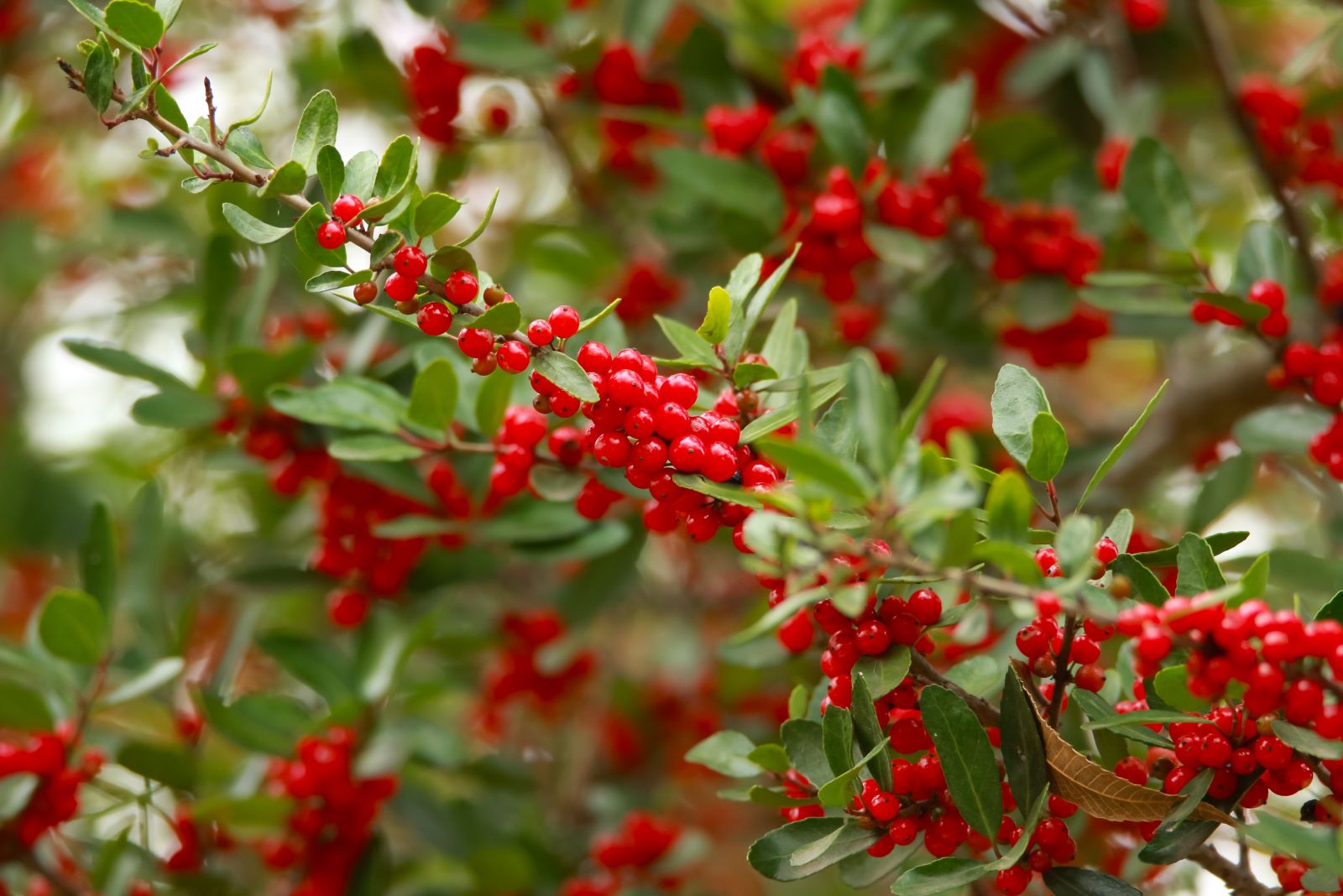
Yaupon holly also offers the bonus of being native, which means it is already well suited to local conditions. For homeowners who want privacy, shape, and less fuss, it is easy to see why this shrub is becoming a favorite.
Why Yaupon Holly Is Replacing Traditional Hedges In Texas
Walk through almost any Texas neighborhood today, and you will start noticing something different along fences and property lines. Instead of the old boxwoods or privets that used to dominate hedges, a familiar native shrub is quietly taking over.
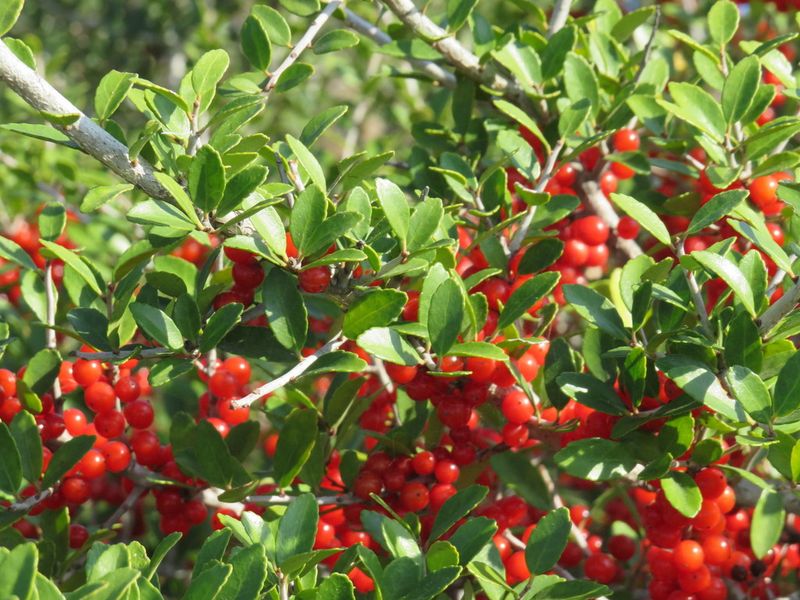
Yaupon holly, known by its scientific name Ilex vomitoria, is showing up in front yards, backyards, and public spaces all across the state.
Yaupon holly has actually been part of the Texas landscape for thousands of years. Indigenous peoples used it long before European settlers arrived.
Today, modern gardeners are rediscovering just how useful and resilient this plant really is. Nurseries across Texas have reported a steady rise in yaupon holly sales over the past several years.
What is driving this shift? A big part of it comes down to frustration. Many traditional hedge plants, like Japanese boxwood or Chinese privet, are not native to Texas. They often need extra watering, more fertilizer, and careful attention to stay healthy.
When summer heat hits hard or drought conditions set in, those imported plants can struggle badly.
Yaupon holly does not have that problem. It evolved right here in Texas, so it is already adapted to the local soil, heat, and rainfall patterns.
It grows as an evergreen, meaning it keeps its leaves all year long and stays green through winter. That makes it a reliable, year-round privacy screen without the seasonal gaps other plants leave behind.
Gardeners who switch to yaupon holly often say they spend far less time worrying about their hedge and far more time enjoying it.
What Makes It Better Suited To Texas Than Many Classic Hedges
Texas weather is not easy on plants. Summers are scorching, droughts can stretch for months, and soil conditions vary wildly from sandy coastal ground to heavy clay in the Hill Country.
Most imported hedge plants were never built for conditions like these. Yaupon holly, on the other hand, was born for them.
One of the biggest advantages yaupon holly has over classic hedge plants is its flexibility with water. Once it is established in the ground, it can survive on natural rainfall alone in most parts of Texas.
That is a huge deal when you consider how often water restrictions pop up during dry summers in cities like San Antonio, Dallas, and Austin.
Beyond water, yaupon holly handles a wide range of light conditions without complaint. You can plant it in full sun, and it will thrive.
Tuck it into a shaded corner of the yard, and it will still grow steadily. Most traditional hedge plants are picky about light and sulk when conditions are not just right.
Soil flexibility is another strong point. Yaupon holly grows in sandy soil, clay soil, and everything in between.
It tolerates slightly wet spots and dry rocky ground alike, which is something very few hedge plants can honestly claim.
Pest and disease problems are also much less common with yaupon holly compared to boxwoods, which have faced serious disease pressure across the country in recent years.
For Texas gardeners who want a hedge that just works without constant babying, yaupon holly checks every box that fussier imported plants simply cannot match.
Why It Works So Well For Privacy
Privacy is one of the top reasons people plant hedges in the first place. Nobody wants to feel like they are on display every time they step into the backyard.
Yaupon holly handles this job remarkably well, and it does it without the fuss that comes with many other privacy plants.
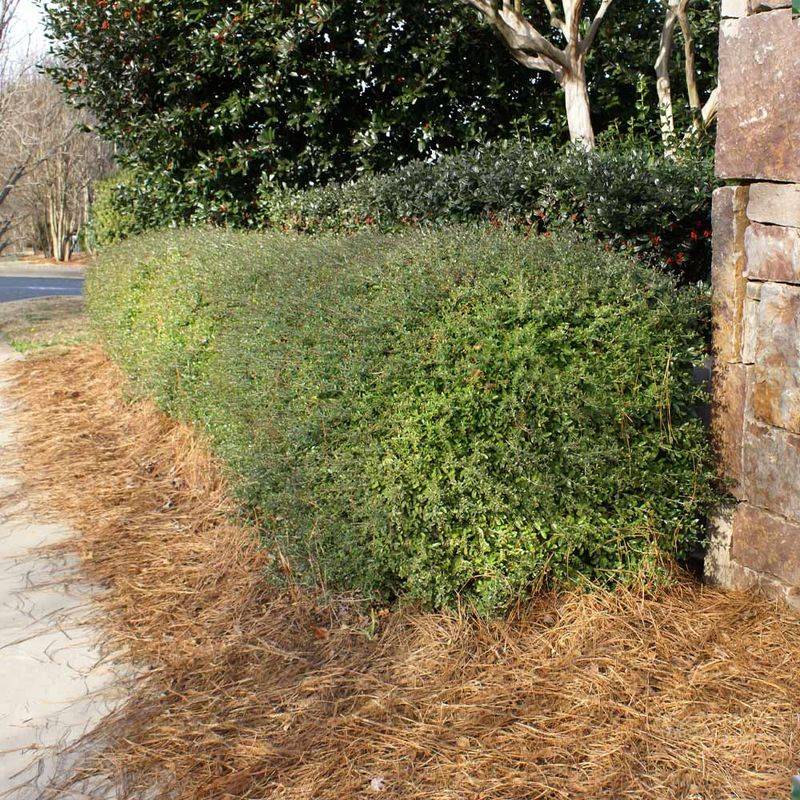
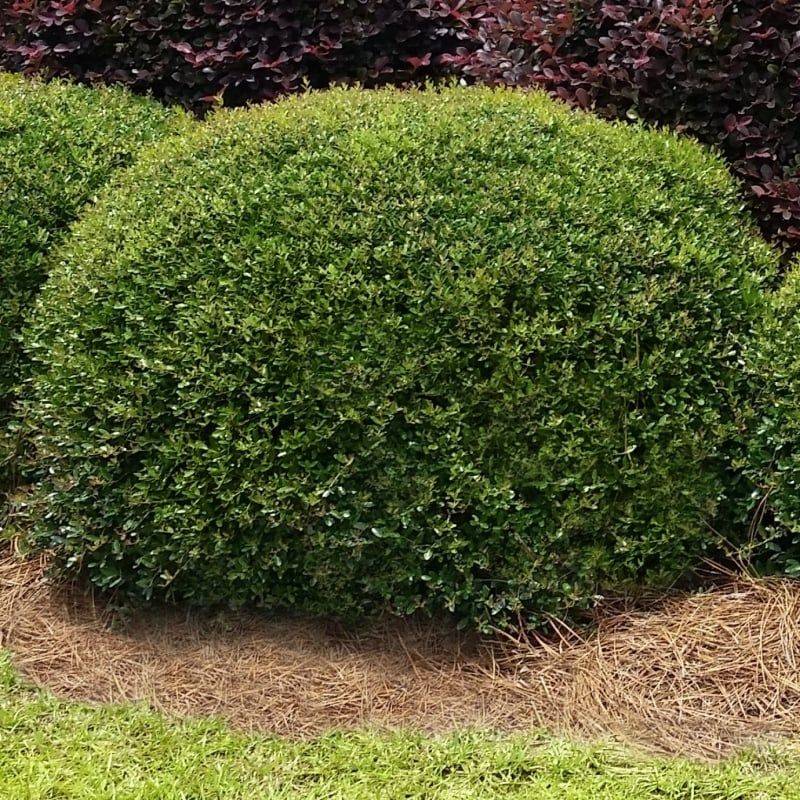
The secret is in how yaupon holly grows. It produces dense, tightly packed branches with small, glossy leaves that stack up into a thick wall of green.
When planted in a row, individual plants fill in the gaps between each other over time, creating a solid screen that blocks sightlines, muffles some noise, and adds a clean, finished look to any yard.
For smaller Texas yards, this plant is especially useful. Dwarf varieties of yaupon holly stay compact and do not overwhelm tight spaces.
They can form low hedges along walkways, patio edges, or garden borders without growing out of control. Larger standard forms can reach heights of ten to fifteen feet or more, making them capable of blocking two-story sightlines when needed.
Unlike some fast-growing privacy plants that become invasive nightmares, yaupon holly stays manageable. It responds well to trimming and shaping, so you stay in control of how tall and wide the hedge gets.
You can keep it formal and geometric or let it grow into a softer, more natural screen depending on the look you want.
Across Texas, homeowners from Houston to El Paso are planting yaupon holly rows specifically for privacy, and they are finding it delivers exactly what they need without the headaches.
Why Gardeners Like It More Than Traditional Hedge Plants
Ask any Texas gardener who has made the switch to yaupon holly, and they will likely tell you it gives them more than they expected. Most people plant a hedge for one simple reason: to create a green boundary.
Yaupon holly delivers that, but it also brings a whole list of extras that traditional hedge plants simply do not offer.
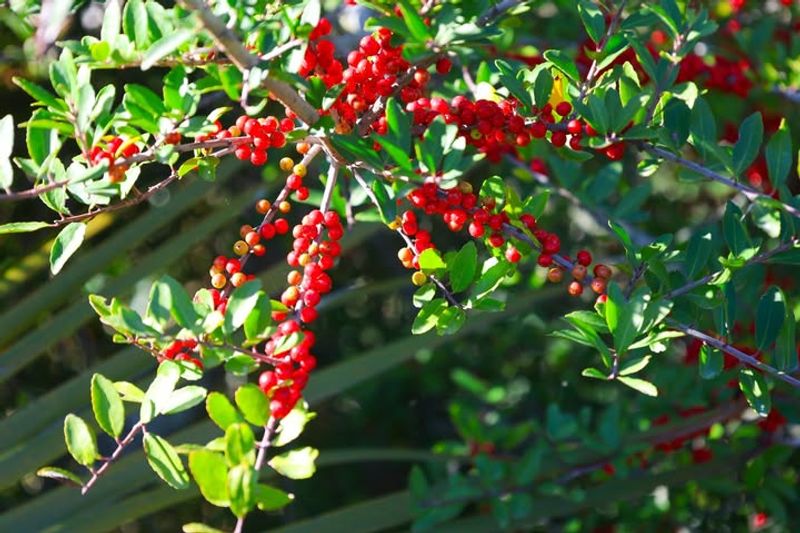
Female yaupon holly plants produce small, bright red berries that ripen in fall and hang on through winter. These berries are a magnet for birds.
Cedar waxwings, mockingbirds, and bluebirds flock to yaupon holly hedges during the colder months, turning a simple green fence into a lively wildlife corridor right in your own backyard. For anyone who enjoys watching birds, that is a genuine bonus.
Beyond birds, the flowers that bloom in spring attract native bees and other pollinators. So while your hedge is quietly doing its job as a privacy screen, it is also quietly supporting the local ecosystem in Texas.
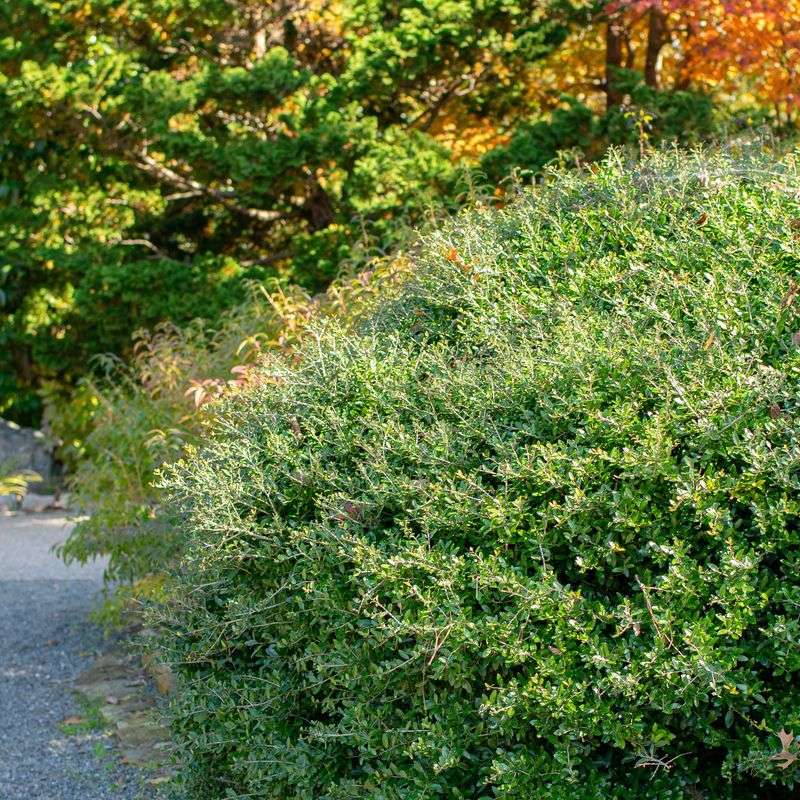
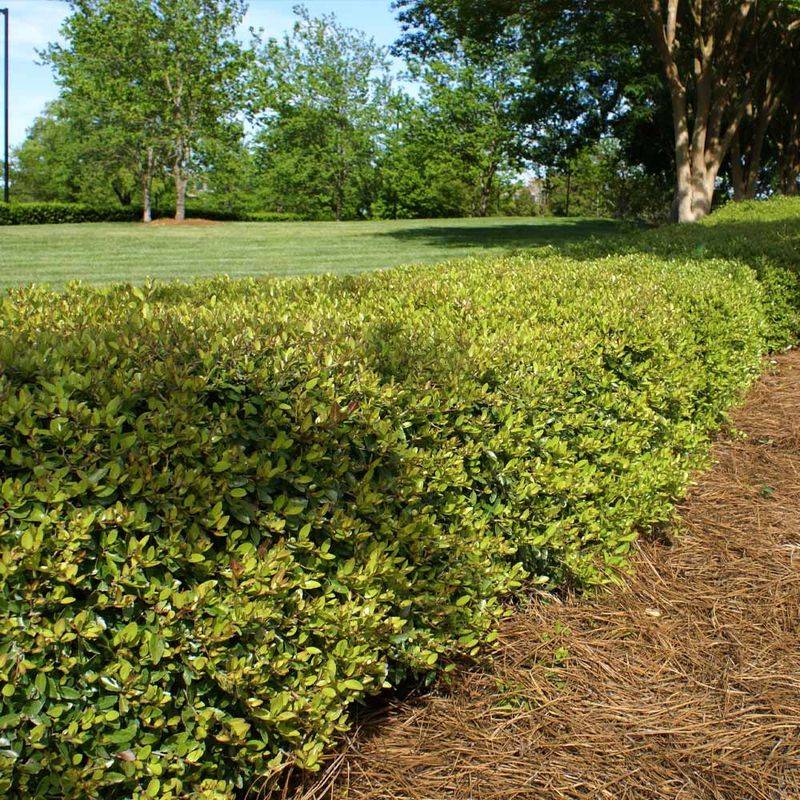
That kind of dual purpose is something a plain boxwood hedge will never give you. Yaupon holly also gives gardeners a choice in style. You can clip it tightly into a formal, geometric hedge for a clean and structured look.
Or you can ease up on the pruning shears and let it grow into a looser, more natural shape that feels relaxed and organic. Either way, the plant handles both approaches gracefully.
Getting all of that from one plant, privacy, wildlife value, pollinator support, and styling flexibility, is exactly why so many Texas gardeners are choosing yaupon holly over the old standbys.
What To Know Before Planting It
Yaupon holly has a lot going for it, but going in with realistic expectations will save you from surprises down the road. The most important thing to know upfront is that yaupon holly is not a fast-fix privacy solution.
It is generally considered a slow to moderate grower, especially during its first year or two while it is getting established in your Texas garden.
Patience pays off, though. Once the roots settle in, the plant picks up speed and begins filling out steadily.
Giving it a good start with proper planting makes a real difference. Choose a spot with decent drainage, since yaupon holly dislikes sitting in soggy soil for long periods.
Dig a hole about twice as wide as the root ball and plant it at the same depth it was growing in the container.
Spacing matters too. Standard yaupon holly plants can spread four to eight feet wide at maturity, and taller forms can reach ten to fifteen feet in height.
Planting them too close together can lead to crowding problems later. If space in your Texas yard is tight, look for dwarf varieties like Nana, which stay much more compact and are perfect for smaller gardens or low border hedges.
Pruning is straightforward. Yaupon holly tolerates heavy trimming without stress, and the best time to shape it is late winter or early spring before new growth begins.
You do not need to prune it often, but a yearly trim keeps it looking neat and encourages dense, bushy growth. With the right site and a little planning, yaupon holly is one of the most rewarding hedges you can grow in Texas.
Why It’s Worth The Switch
After looking at everything yaupon holly brings to the table, the case for making the switch is pretty clear. Traditional hedges have had a long run in Texas gardens, but many of them were never the right fit for this climate in the first place.
They came from different parts of the world and needed extra help to survive conditions that yaupon holly handles without a second thought. Yaupon holly is native to Texas. That means it belongs here.
It evolved alongside the local soil, weather patterns, insects, and wildlife. When you plant it, you are not fighting the environment.
You are working with it. That shift in mindset, from fighting the landscape to working with it, is exactly where modern Texas gardening is headed.
The practical benefits are real and lasting. Lower water bills, fewer pest problems, less fertilizer, and less overall maintenance all add up over time.
For busy homeowners who want a beautiful yard without spending every weekend fussing over it, yaupon holly is a genuinely smart choice.
There is also something satisfying about planting a hedge that gives back to the local ecosystem. The berries feed birds through winter.
The flowers support native bees in spring. The dense branches offer nesting cover for small wildlife. All of that happens naturally, without any extra effort from you.
For Texas gardeners who are ready to move on from thirsty, high-maintenance hedges that never quite fit the climate, yaupon holly offers a better path forward. It is tough, beautiful, wildlife-friendly, and completely at home in Texas. That combination is hard to beat.