This Natural, Calorie-Free Sweetener Grows Easily In Alabama Gardens
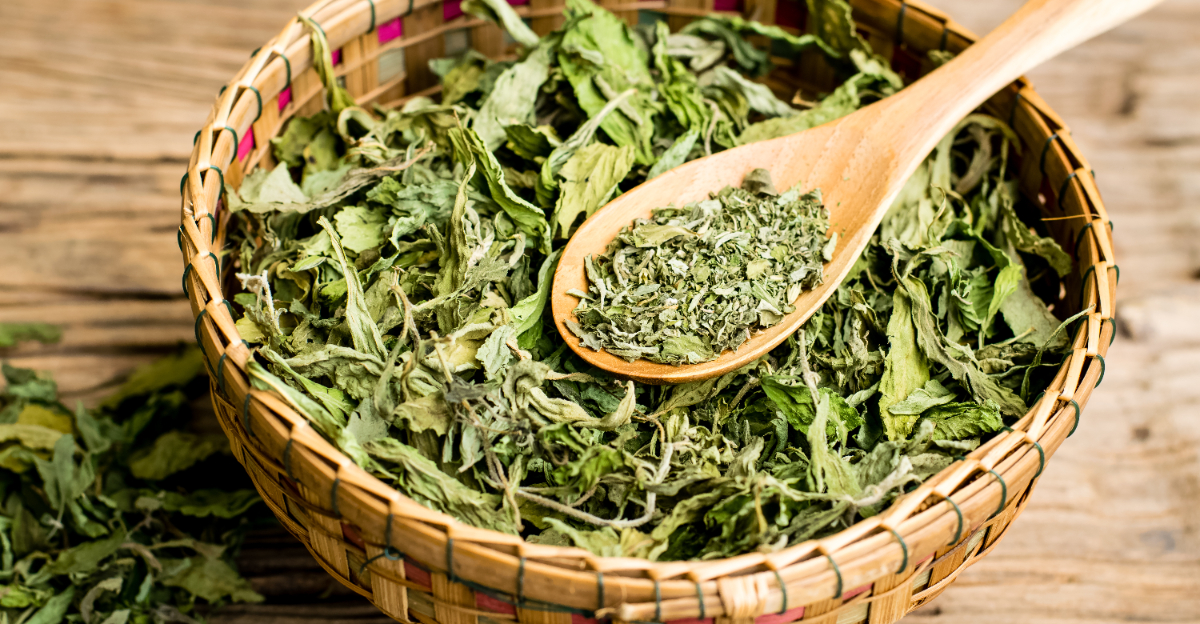
Picture your tea sweetened by a leaf you grew yourself, without sugar and guilt. That picture is real, and Alabama soil practically begs to make it happen.
This compact green plant packs enough natural sweetness to replace sugar in almost anything you drink or bake. One healthy plant can keep your kitchen stocked with dried leaves long after summer fades.
Growing your own sweetener sounds like something reserved for serious homesteaders, but this little herb proves otherwise. It asks for little, gives generously, and turns tea-drinking into something slightly more self-sufficient.
Sunlight, decent soil, and a bit of patience get you most of the way there.
A Sweet Herb That Grows Well In Alabama Heat
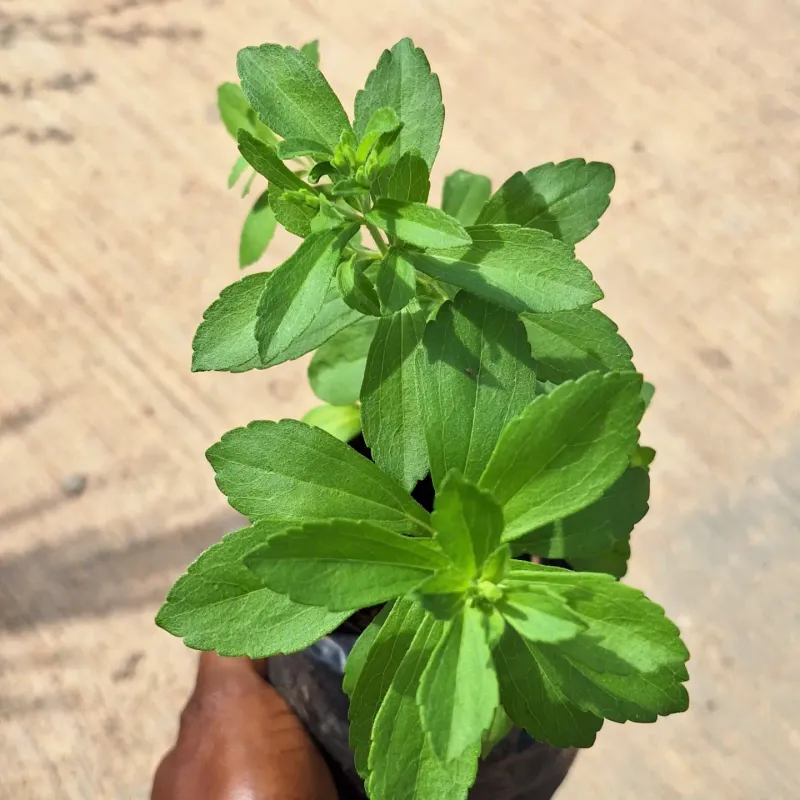
Stevia loves the heat, and the South has plenty of it. This calorie-free sweetener plant is native to subtropical Paraguay, so it feels right at home in warm, humid climates.
The plant handles summer temperatures above 90 degrees without breaking a sweat. It grows fast once established, often reaching two to three feet tall by midsummer.
What makes stevia special is the compound in its leaves called steviol glycoside. That compound is what makes the leaves taste 200 to 300 times sweeter than regular table sugar.
Growing conditions in the Deep South mimic stevia’s natural habitat almost perfectly. Long sunny days, warm nights, and occasional afternoon rain all support healthy leaf production.
The plant does have one quirk worth knowing. Stevia is sensitive to frost, so it behaves as an annual in most of the region rather than a perennial.
However, some gardeners in frost-light zones have successfully overwintered stevia indoors. Bringing a potted plant inside before the first frost can extend its life by another full season.
Stevia also has very few pest problems in Alabama gardens. Deer tend to avoid it, and most common insects show little interest in its leaves.
Neighbors will ask what that pretty, leafy plant is when they spot it in your Alabama garden. Once they taste a fresh leaf, they will want one for themselves.
Choosing Between Seeds And Starter Plants
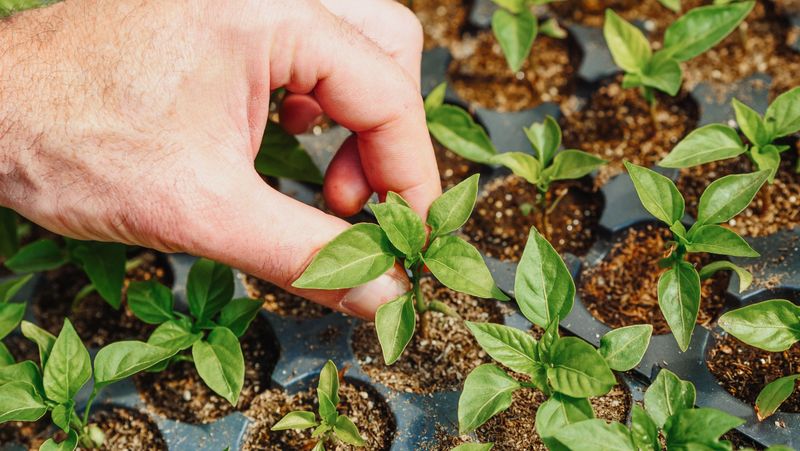
Starting stevia from seed sounds simple, but it comes with a catch. Germination rates for stevia seeds are notoriously low, often as poor as 50 percent even under ideal conditions.
Seeds also take longer to establish, meaning less leaf production in your first growing season. For most home gardeners, starter plants are the smarter and faster path to a productive harvest.
Starter plants, sometimes called transplants or plugs, are widely available at local nurseries in spring. You can also order them online from specialty herb vendors who ship healthy rooted cuttings.
When selecting a starter plant, look for compact stems and deep green leaves. Avoid anything that looks leggy, yellowed, or root-bound in a tiny container.
If you are determined to try seeds, start them indoors about eight to ten weeks before your last frost date. Use a seed-starting mix, keep the soil moist, and place the tray near a sunny south-facing window.
Press seeds lightly onto the surface of the soil without covering them. Stevia seeds need light to germinate properly, so burying them is a common and costly mistake.
Your Alabama Garden Changes Every Week. Your Plan Should Too.
Gardening in Alabama changes quickly throughout the season. Every Friday you’ll receive a simple weekly plan showing exactly what to plant, prune, fertilize, harvest, and protect so you never miss the right timing.
Thin seedlings once they reach two inches tall, keeping only the strongest plants. Crowded seedlings compete for nutrients and rarely produce well once transplanted outside.
Whether you choose seeds or starter plants, the goal is the same. You want a strong, leafy plant ready to soak up Alabama sunshine by late spring.
Sunlight And Soil Conditions For Best Flavor
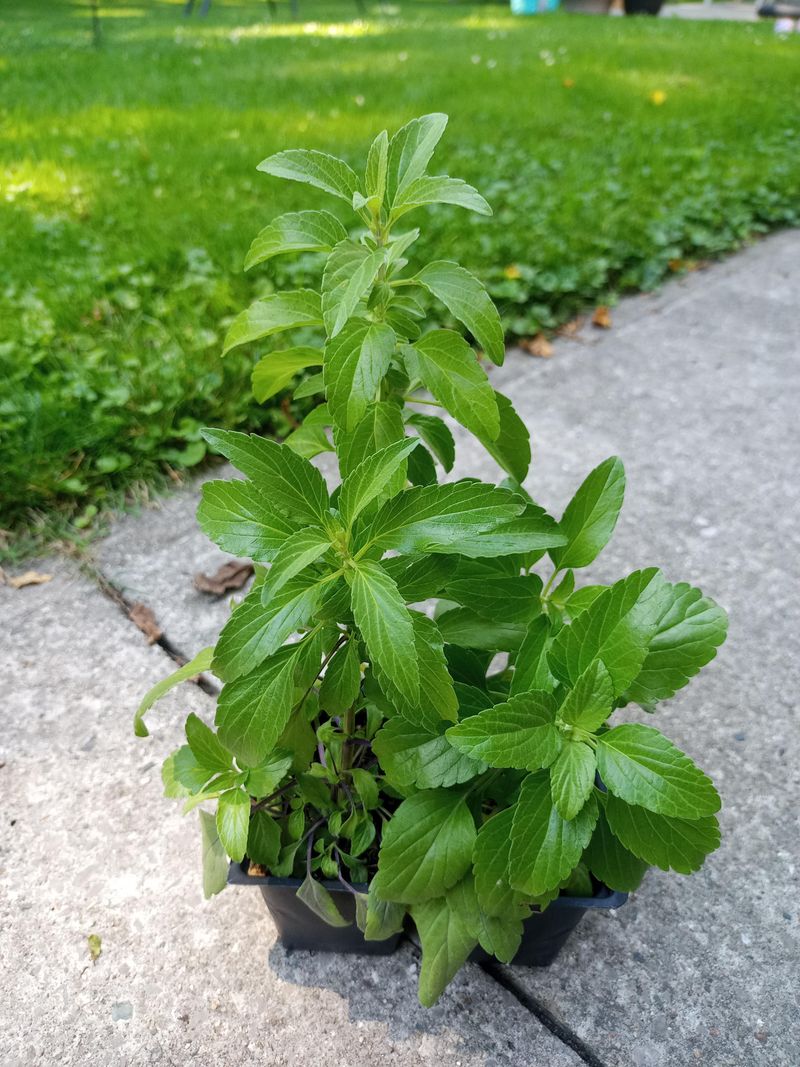
Sunlight is not optional for stevia. This plant demands at least six to eight hours of direct sun each day to produce leaves with peak sweetness.
Shade reduces the concentration of steviol glycosides in the leaves. Less sunlight means less sweetness, which defeats the whole purpose of growing this calorie-free herb.
Choose the sunniest spot in your Alabama garden for stevia. South-facing beds or raised beds away from tall trees are excellent choices for maximizing daily sun exposure.
Soil quality matters just as much as sunshine. Stevia thrives in loose, well-draining soil with a pH between 6.7 and 7.2, which is slightly acidic to neutral.
Heavy clay soil is stevia’s enemy. It holds too much moisture around the roots, which can weaken root health and stunt growth even in a warm climate.
Amend clay-heavy beds with compost, perlite, or coarse sand before planting. A raised bed filled with quality potting mix is also a reliable option if your native soil is problematic.
Fertilize lightly with a balanced organic fertilizer at planting time. Stevia does not need heavy feeding, and too much nitrogen can push leafy green growth at the expense of sweetness.
Water consistently but never let the roots sit in soggy soil. Deep watering two to three times per week during hot stretches keeps the plant happy without drowning it.
Good sun and good drainage together create the flavor you are after.
Container Versus In Ground Growing Options
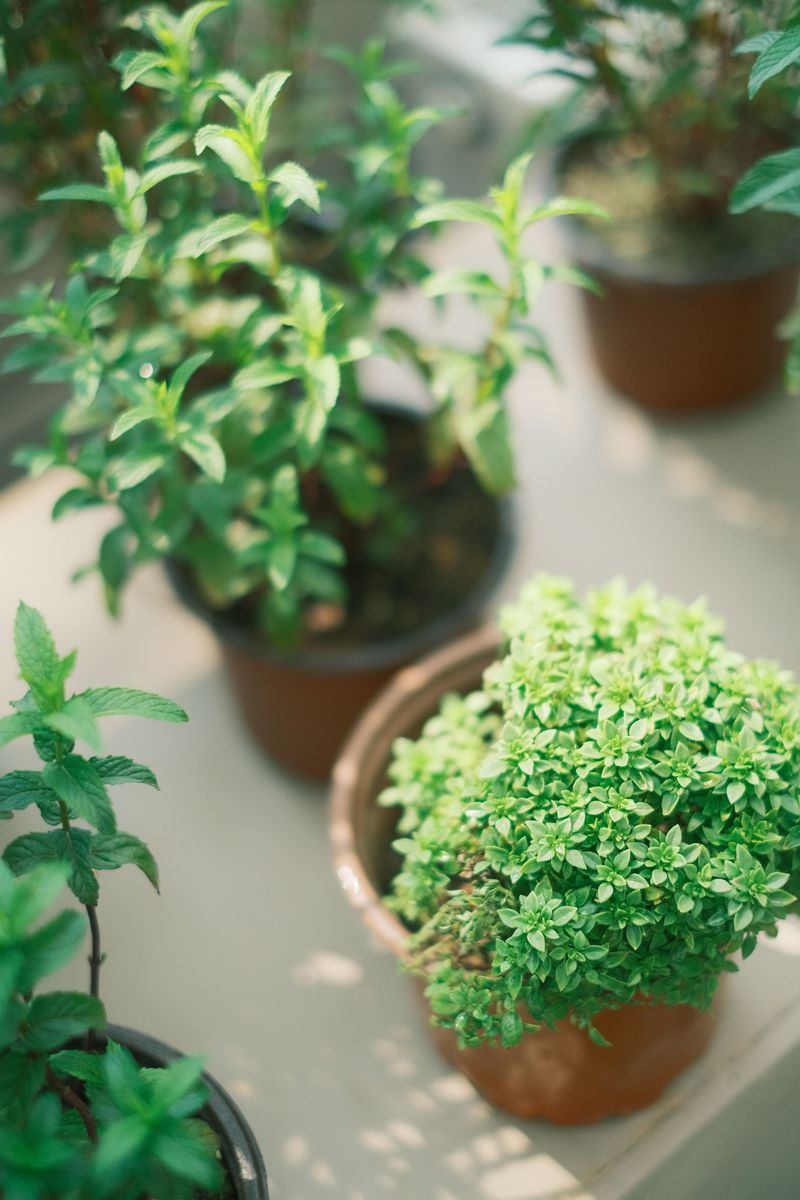
Not everyone has a garden bed, and stevia does not mind one bit. This adaptable herb grows beautifully in containers, making it perfect for patios, balconies, and small urban spaces.
Container growing also gives you control that in-ground planting cannot match. You can move the pot to chase sunlight, protect it from late frosts, or bring it indoors for winter.
Choose a container at least 12 inches wide and 12 inches deep for a single stevia plant. Larger pots hold moisture more evenly and give roots room to spread without stress.
Use a high-quality potting mix with added perlite for drainage. Garden soil alone is too dense for containers and tends to compact over time, suffocating the roots.
In-ground planting offers its own advantages for those with suitable soil. Plants tend to grow larger and require less frequent watering once established in the ground.
Space stevia plants about 18 inches apart in garden beds to allow good airflow. Crowded plants are more prone to fungal issues during humid Alabama summers.
Raised beds split the difference between containers and traditional in-ground planting. They offer better drainage than native soil while still giving roots more room than a pot.
Whichever method you choose, consistent care is the real key. A neglected container plant and a neglected in-ground plant will both disappoint you come harvest time.
Pick the setup that fits your space, and commit to it fully.
Timing The Harvest For Maximum Sweetness
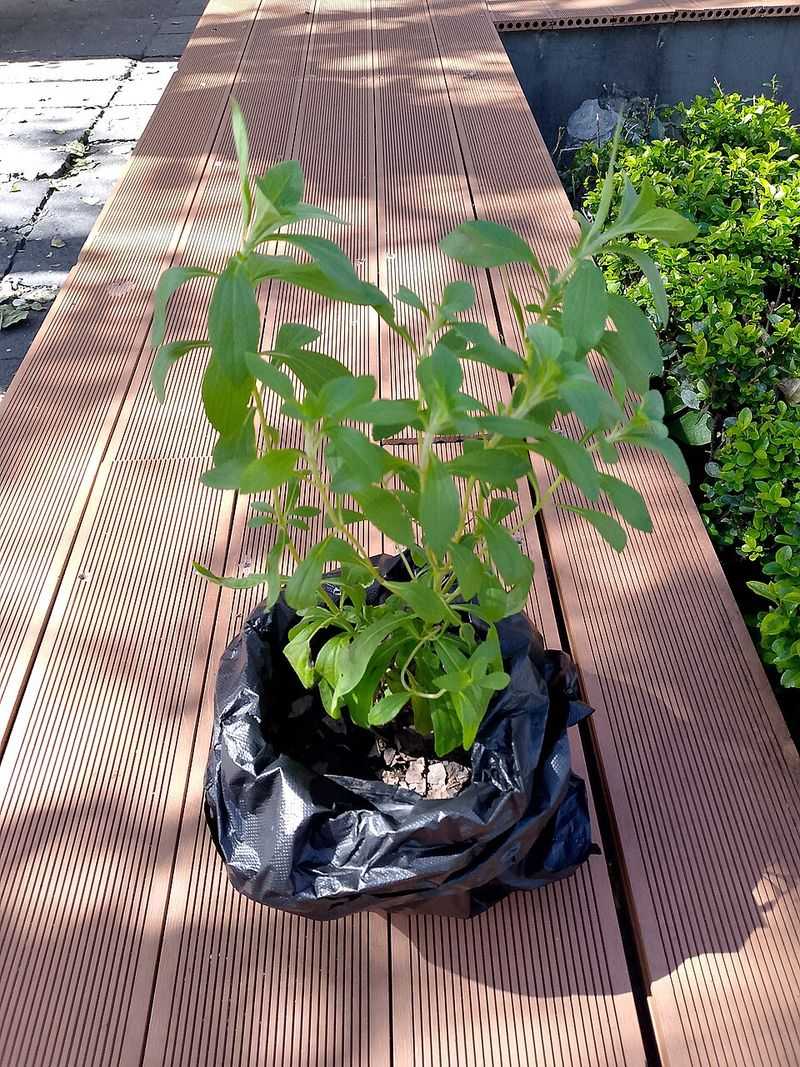
Timing is everything with stevia, and most first-time growers wait too long. The sweetest leaves appear just before the plant begins to flower, so watch for buds closely.
Once stevia flowers, the steviol glycoside concentration in the leaves drops noticeably. Harvest before blooming starts, and you lock in the maximum natural sweetness the plant can offer.
Flower buds typically appear in late summer as daylight hours shorten. This is your signal to grab your scissors and start cutting.
Harvest by snipping whole stems rather than picking individual leaves. Cutting stems back by one-third encourages the plant to branch out and produce even more leafy growth.
Early morning is the best time to harvest any herb, including stevia. Leaf oils and compounds are most concentrated before afternoon heat begins to evaporate them.
You can harvest multiple times throughout the growing season. As long as you avoid taking more than one-third of the plant at once, it will bounce back quickly and keep producing.
A healthy stevia plant can yield several generous harvests between late spring and early fall. That means a steady supply of fresh leaves for your kitchen all season long.
If you spot a flower stalk forming, pinch it off immediately. Removing flower buds redirects the plant’s energy back into leaf production and delays the sweetness decline.
Stay attentive during August and September, because that is when timing becomes most critical for the best-tasting harvest of the year.
Drying And Storing Leaves For Year Round Use
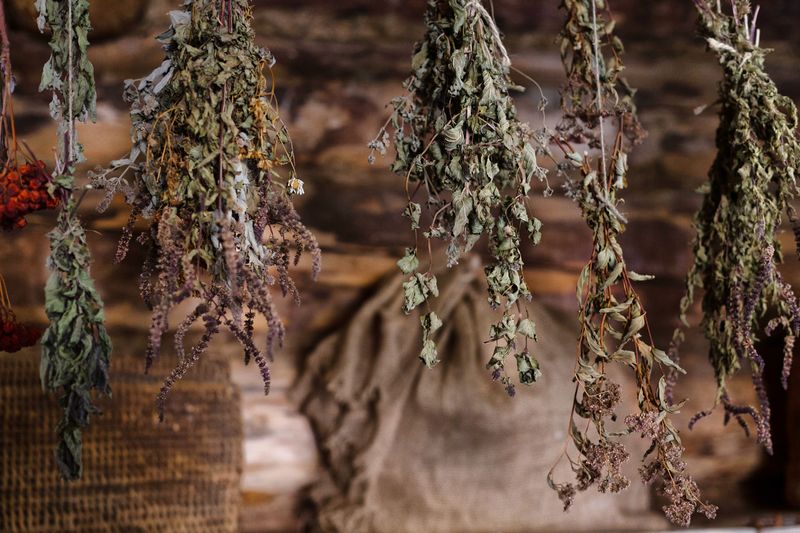
Fresh stevia leaves are wonderful, but dried leaves are where the real magic happens. Drying concentrates the sweetness, making even a small pinch surprisingly powerful in your recipes.
The simplest drying method requires nothing more than a warm, dry room with good airflow. Bundle stems loosely with a rubber band and hang them upside down away from direct sun.
Direct sunlight during drying can degrade the compounds that make stevia sweet. A shaded spot with moving air, like a covered porch or pantry, works perfectly for this purpose.
Leaves are fully dry when they crumble easily between your fingers. This usually takes about one to three days depending on humidity levels in your home.
Once dry, strip leaves from the stems and discard the woody parts. Run the dried leaves through a coffee grinder or food processor to create a fine, powdery sweetener.
Store your homemade stevia powder in a clean, airtight glass jar away from heat and moisture. A dark cabinet or pantry shelf keeps it potent for up to one year.
Label the jar with the harvest date so you always know how fresh your supply is. Rotating batches each season ensures you always have the most flavorful product on hand.
Use your dried stevia to sweeten teas, smoothies, baked goods, and homemade lemonade. This natural, calorie-free sweetener from your own garden is one of the most rewarding things you can grow and use.