Skip Pampas Grass In North Carolina Borders And Plant This Softer Native Grass Instead
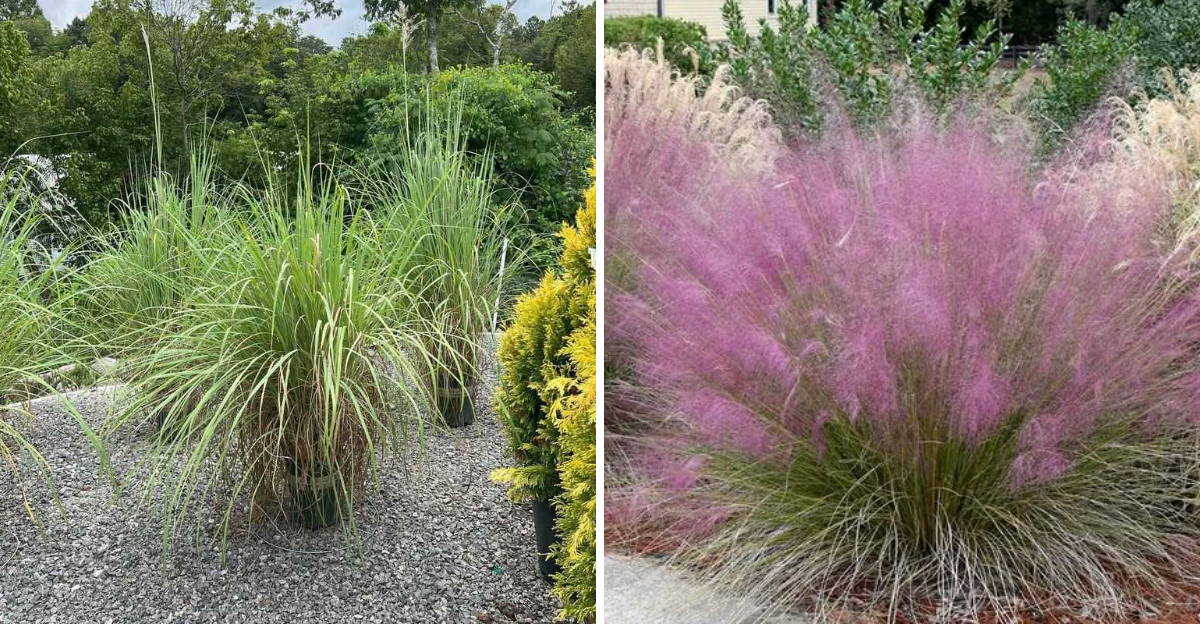
Pampas grass makes a bold statement in a North Carolina border. It also seeds aggressively, spreads beyond its intended space, and provides almost nothing of value to the local ecosystem despite taking up a significant amount of it.
The native grass replacing it in more yards every season has a similar presence without any of those drawbacks. The plumes are softer.
The overall texture reads as more refined in a mixed border. It handles North Carolina heat and humidity honestly, supports native insects through the growing season, and looks genuinely beautiful through fall and into winter.
Gardeners who have made the switch describe it as one of the easiest and most satisfying plant replacements they have ever made.
1. Pampas Grass Is Not A North Carolina Native
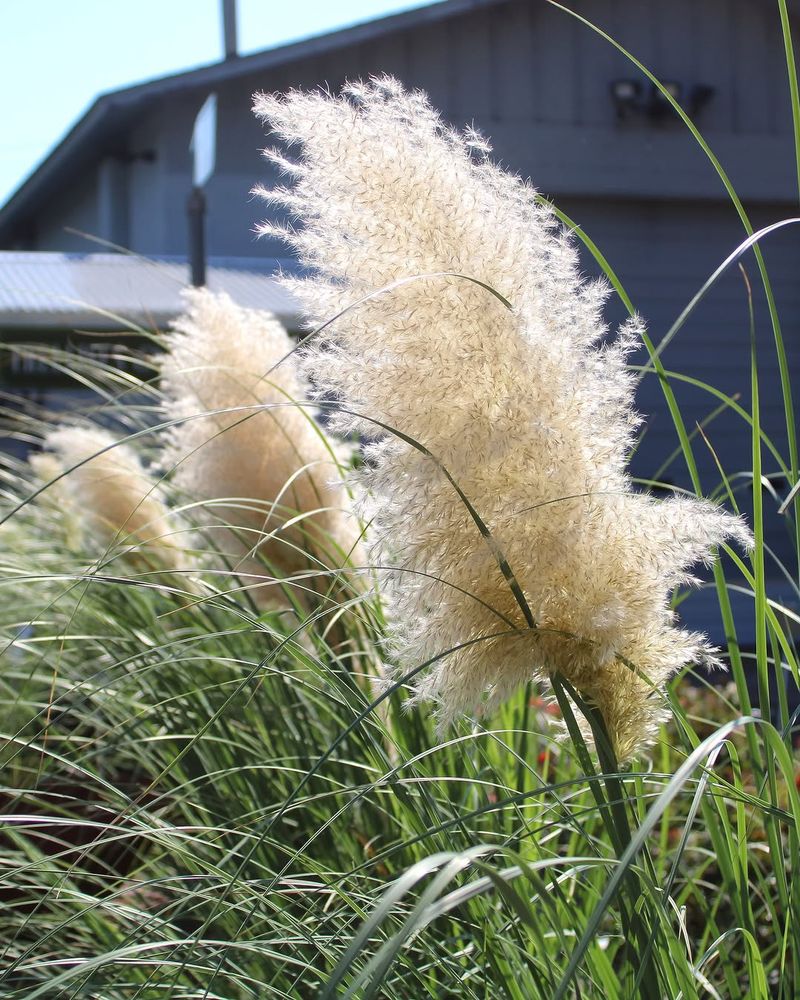
Most gardeners spot pampas grass and instantly picture those big, fluffy white plumes waving in the breeze. It looks like something straight out of a dream garden.
But here is a fact that might surprise you: pampas grass is not from North Carolina at all. It originally comes from the grasslands of South America, specifically the pampas region of Argentina, Brazil, and Uruguay.
North Carolina has its own rich plant heritage, full of native grasses perfectly suited to the local climate, soil, and wildlife. When you plant something from a completely different continent, it often struggles to blend naturally into the surrounding landscape.
The visual style can feel out of place, especially when paired with the softer, more relaxed look of a traditional Southern garden border.
Choosing plants with local roots also benefits the birds, butterflies, and pollinators that live nearby. Native grasses have co-evolved with local wildlife, meaning they provide food and habitat in ways that non-native plants simply cannot match.
Pampas grass offers little ecological value to North Carolina wildlife compared to native alternatives.
If you love ornamental grasses and want that graceful, flowing movement in your border, there are North Carolina native options that deliver real beauty without the foreign origin baggage. Planting native means working with nature rather than against it.
For gardeners who care about both looks and local ecology, skipping pampas grass and reaching for a true North Carolina native is a smart, satisfying move that pays off every single season.
2. Pampas Grass Can Overpower Smaller Borders
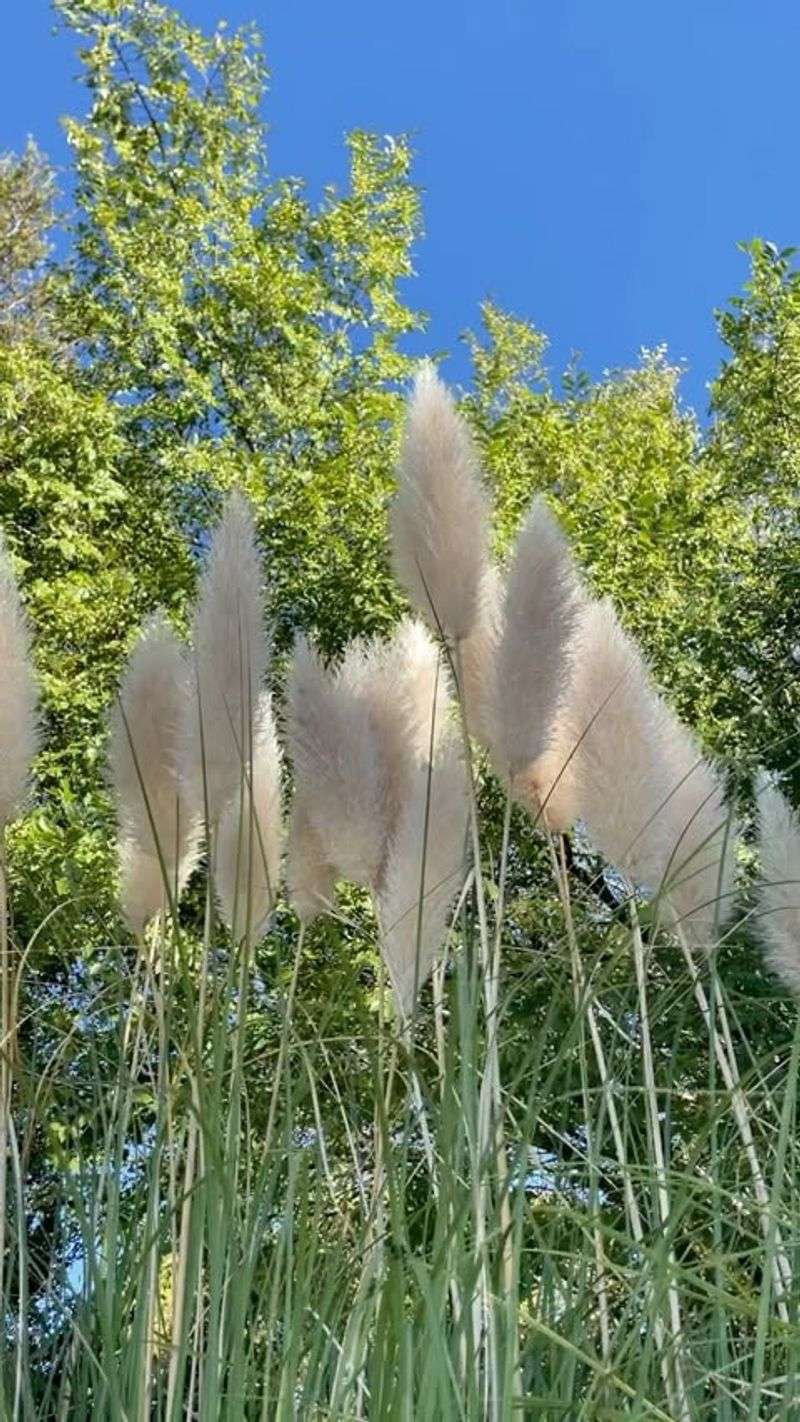
Size matters a lot in garden design, and pampas grass does not believe in playing small. A mature clump can easily reach six to ten feet tall and just as wide.
That is roughly the size of a small car parked in your flower bed. For wide-open country properties, that scale might work fine, but most suburban North Carolina yards simply do not have that kind of room to spare.
Narrow foundation beds, walkway borders, and front-yard garden strips are common in neighborhoods across the state. Tucking a plant of this magnitude into one of those spaces creates an instant problem.
The grass quickly crowds out neighboring plants, blocks sightlines, and takes over areas that were meant to feel open and welcoming. Before long, the whole border feels dominated by one oversized clump.
Your North Carolina Garden Changes Every Week. Your Plan Should Too.
Gardening in North Carolina changes quickly throughout the season. Every Friday you’ll receive a simple weekly plan showing exactly what to plant, prune, fertilize, harvest, and protect so you never miss the right timing.
Even in larger beds, the sheer density of pampas grass can make surrounding plants disappear. Smaller perennials, flowering shrubs, and ornamental companions simply cannot compete with a plant that aggressive in its growth habit.
Gardeners often find themselves regretting the decision once the plant hits full size after just a couple of growing seasons.
Planning a border means thinking about scale from the very beginning. A plant that looks manageable at the nursery can become a landscape problem within two or three years.
Choosing grasses that stay in a more reasonable size range keeps your border balanced, proportional, and easy to maintain.
North Carolina gardeners with smaller spaces deserve plants that complement the design rather than completely take it over.
3. Pampas Grass Leaves Can Be Very Sharp
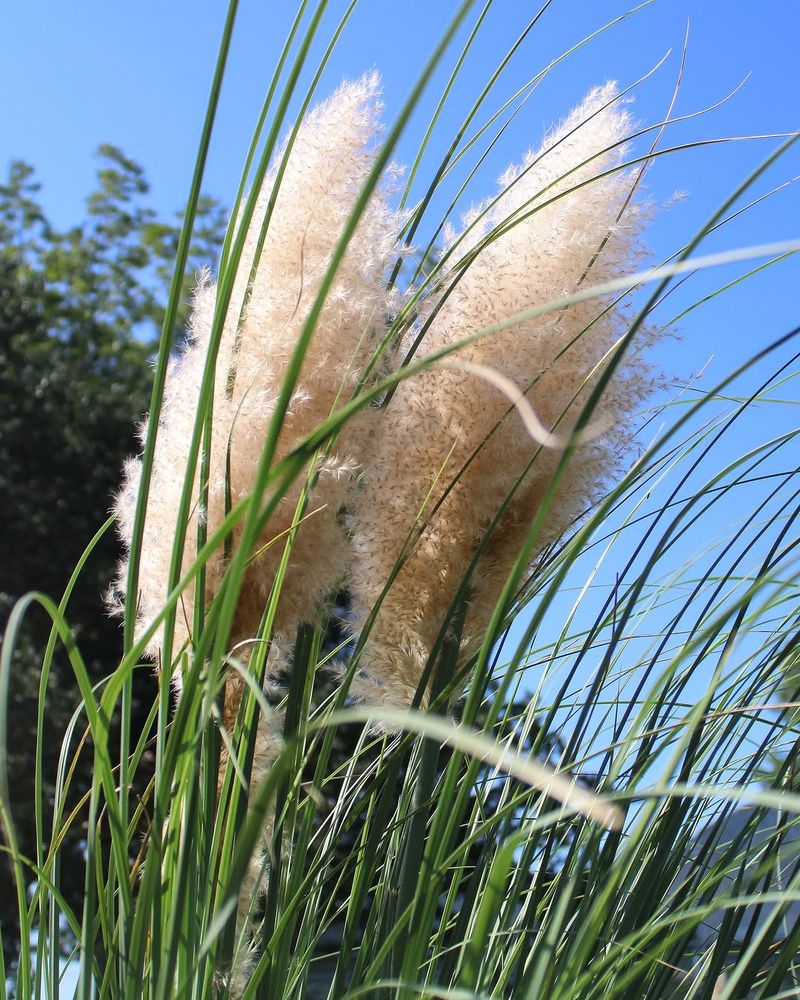
Reaching into a clump of pampas grass without thinking is a mistake most gardeners only make once. Those long, arching leaves look graceful from a distance, but up close they have tiny serrated edges that can slice right through skin.
The cuts are quick, surprisingly deep, and genuinely painful. Gardening gloves are not optional when working around this plant.
The problem gets bigger when pampas grass is planted near places where people naturally move. Driveway edges, garden paths, seating areas, and entryways are all spots where someone might brush against the foliage without expecting it.
Kids running through the yard are especially at risk. Pets are too, since dogs and cats often move through plantings at nose and ear level, exactly where those sharp leaf tips are waiting.
Even routine maintenance becomes a challenge. Trimming pampas grass back in late winter requires thick gloves, long sleeves, and real caution.
Many gardeners describe the experience as unpleasant at best. The sharpness of the leaves is not just a minor inconvenience but a genuine safety consideration, especially for households with young children or animals that spend time outdoors.
When choosing plants for borders near activity zones, softness and safety matter just as much as visual appeal. A grass that puts people and pets at risk every time they walk past is not the most practical choice for a family-friendly yard.
There are plenty of beautiful native grasses that offer all the flowing movement and texture you want without the sharp edges that make maintenance and casual enjoyment feel risky.
4. Pampas Grass Can Behave Weedy In Some Places
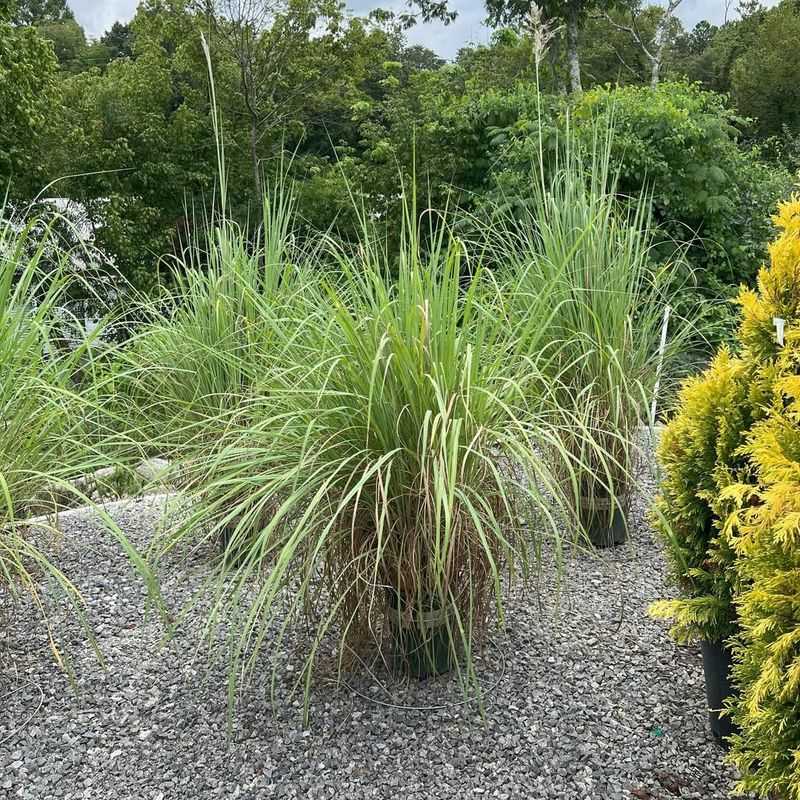
NC State University describes pampas grass as weedy and highly invasive in certain parts of the United States, and that is not a label any responsible gardener wants to ignore.
While it may not spread aggressively in every single North Carolina yard, the risk is real enough to deserve serious thought before planting.
A single mature clump can produce millions of lightweight seeds that travel on the wind.
Those seeds do not always stay in your garden. They drift into natural areas, roadsides, open fields, and woodland edges where they can establish and spread without any help from a gardener.
Once pampas grass gets a foothold outside of cultivated spaces, it can crowd out native vegetation and disrupt the natural balance that local ecosystems depend on. The problem is especially noticeable in warmer, more coastal parts of the state.
Even gardeners who manage their clumps carefully and never see spreading in their own yard can still contribute to the broader issue. Wind and birds do not respect property lines.
Planting pampas grass near open natural areas, wetlands, or undeveloped land increases the chance that seeds will find new ground and establish somewhere beyond your control.
Being a thoughtful gardener means looking beyond your own fence line. Choosing plants that stay where you put them and support local ecology is a genuinely responsible approach.
When a plant carries a weedy reputation from a respected source like NC State, that is useful information worth acting on. Swapping it out for a well-behaved native grass is a simple choice with real environmental benefits for everyone nearby.
5. Pink Muhly Grass Is The Softer Native Choice
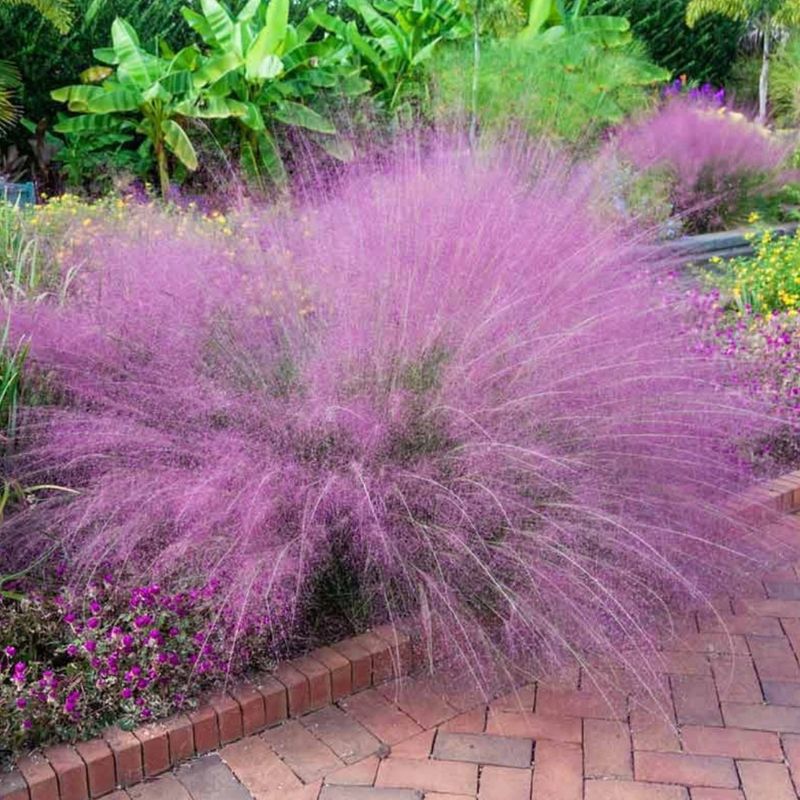
If you have ever walked past a planting of Pink Muhly Grass in October, you already know the feeling. It stops you in your tracks. The fine, feathery texture and soft pink haze it creates feel almost too pretty to be real.
Unlike pampas grass with its heavy, bold presence, Pink Muhly Grass brings a sense of lightness and elegance to any border it touches. What makes it even better is that it is a true North Carolina native.
Muhlenbergia capillaris grows naturally throughout the southeastern United States, which means it is already adapted to the local climate, rainfall patterns, and soil conditions found across the state.
You are not fighting the environment when you plant it. You are working with it, and the plant rewards that approach with reliable, low-fuss performance year after year.
The overall shape of Pink Muhly Grass is also much more border-friendly than pampas grass. It typically stays around two to three feet tall and wide, which fits neatly into mixed borders, foundation plantings, and garden edges without taking over.
The fine texture contrasts beautifully with broader-leaved perennials and flowering shrubs, giving the whole planting a layered, professionally designed look.
For North Carolina gardeners who want movement, softness, and seasonal drama without the sharp edges or oversized footprint of pampas grass, Pink Muhly Grass is a genuinely exciting discovery.
It checks every box: native status, manageable size, gorgeous texture, and stunning seasonal color. Once you grow it, pampas grass starts to feel like a very unnecessary complication.
6. Pink Muhly Grass Gives Airy Late Season Color
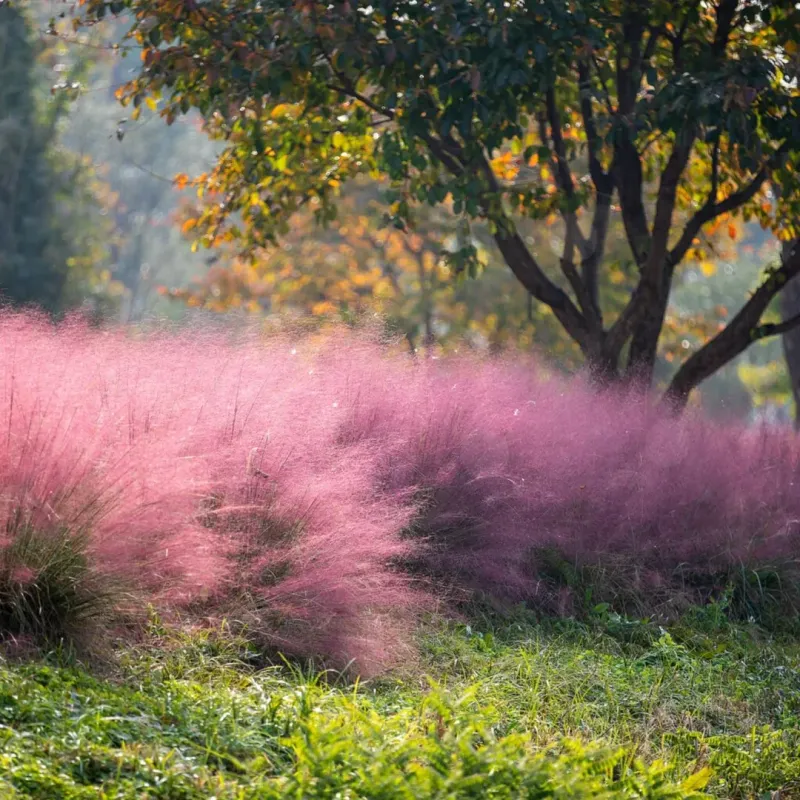
Fall can feel like the end of the garden season for a lot of people, but Pink Muhly Grass completely changes that story.
Right when most perennials are winding down and the garden starts to look tired, this grass puts on one of the most breathtaking shows of the entire year.
From late September through November, it produces a haze of delicate pink to pinkish-red blooms that float above the foliage like a soft, glowing cloud.
The effect is hard to describe without seeing it in person. On a sunny afternoon, the backlit blooms seem to shimmer and glow, giving the whole border a warm, dreamy quality.
Photographers and garden designers absolutely love it for this reason. A single mass planting can transform an ordinary yard into something that looks intentional, artistic, and genuinely stunning during a season when most landscapes feel dull.
The blooms are also incredibly fine and feathery, which gives them that airy, weightless appearance. Unlike the heavy white plumes of pampas grass, which can look almost architectural or stiff, Pink Muhly blooms feel soft and natural.
They move beautifully in even a light breeze, adding motion and life to the garden on calm fall days when everything else seems still.
After the bloom period fades, the foliage turns attractive shades of tan and gold through winter, giving the plant year-round interest. You get spring and summer green, fall pink drama, and winter warmth all from one low-maintenance grass.
That kind of four-season value is genuinely hard to beat in any ornamental planting for a North Carolina border.
7. Pink Muhly Grass Handles Heat, Humidity, And Poor Soil
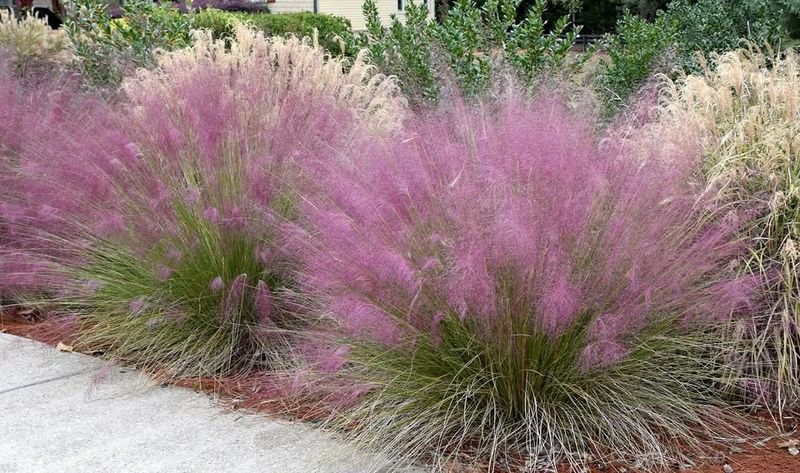
North Carolina summers are no joke. The heat builds up, the humidity sits heavy, and long stretches without rain can stress even tough plants.
That is exactly why knowing which plants can genuinely handle those conditions makes such a huge difference in a gardener’s success.
Pink Muhly Grass was practically made for the North Carolina climate, and its toughness is one of its most underappreciated qualities.
Once established, it tolerates drought surprisingly well. The deep, fibrous root system it develops allows the plant to access moisture even when the top layers of soil dry out completely.
You do not need to fuss over it with extra watering once it gets through its first growing season. That kind of low-maintenance resilience is a serious plus for busy gardeners who want beauty without constant upkeep.
Poor soil is another area where Pink Muhly Grass outperforms many ornamental plants. It actually thrives in sandy, lean, and even slightly acidic soils, which describes a lot of the native ground in North Carolina’s coastal plain and piedmont regions.
It also tolerates salt spray, making it a smart choice for gardens near roads that get treated in winter or properties close to coastal areas.
The one thing it does need is good drainage and plenty of sunshine. Soggy soil or heavy shade will reduce both its health and its flower display.
Plant it in a well-drained, sunny spot and it will reward you with years of reliable performance. For North Carolina gardeners who want a tough, adaptable ornamental grass that thrives rather than just survives, Pink Muhly Grass is the clear answer.
8. Pink Muhly Grass Fits Borders Better Than Pampas Grass
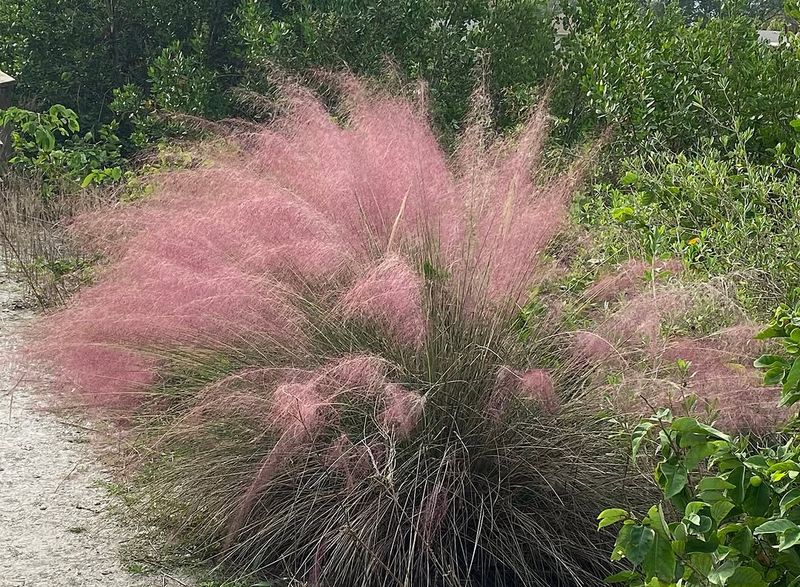
Side by side, the difference between Pink Muhly Grass and pampas grass in a border setting is almost impossible to ignore. Pampas grass brings bulk, sharpness, and a size that easily overwhelms everything around it.
Pink Muhly Grass brings grace, fine texture, and a scale that actually works with the rest of your planting rather than fighting it for space and attention.
Staying around two to three feet tall and wide, Pink Muhly Grass fits naturally into the middle or front of a mixed border without blocking views or crowding neighbors.
It works beautifully when planted in groups or sweeping masses, where the soft pink blooms create a unified, flowing look that feels both natural and intentional.
Designers often use it in drifts of three, five, or more plants to maximize the visual impact.
The fine texture of its foliage also plays well with other plants. Broad-leaved perennials, flowering shrubs, and even bold structural plants all benefit from having the airy, delicate quality of Pink Muhly Grass nearby.
It creates contrast without competition, adding depth and layering to a border in a way that heavy, coarse grasses simply cannot achieve.
Choosing Pink Muhly Grass over pampas grass is not just a practical decision. It is also a statement about the kind of garden you want to grow.
A garden that works with North Carolina’s natural landscape, supports local wildlife, stays manageable in size, and delivers genuine beauty through every season.
That is a garden worth being proud of, and Pink Muhly Grass helps you get there with far less effort and a whole lot more charm.