This New York Native Tree Can Transform A Bare Fence Line Fast
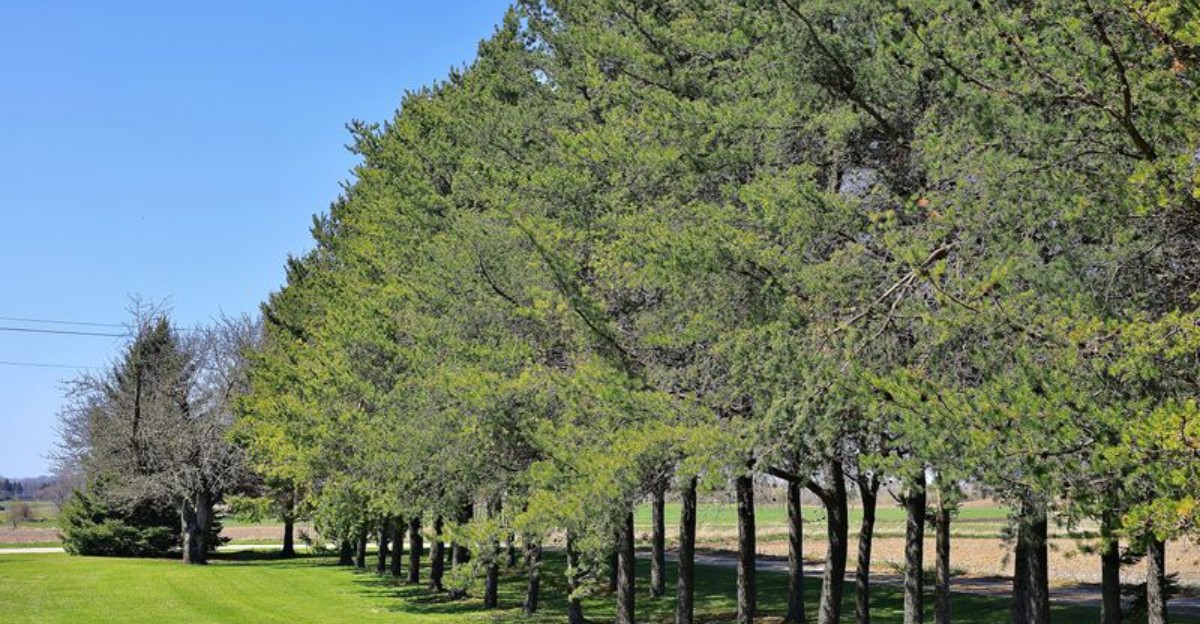
That empty stretch along your fence is more than just a blank spot. It could become a living wall that adds privacy, beauty, and a whole new feel to your yard.
Eastern white pine is the kind of tree that can completely transform a landscape. This fast-growing native evergreen brings height, soft green color, and a peaceful woodland look while giving birds a place to shelter.
Across New York, this hardy pine has earned its place in many landscapes thanks to its ability to handle cold winters and grow well in the right conditions. The best part? It does not make you wait forever to see your yard start changing.
A row of white pines is more than a quick fix for a bare fence. With the right spot and a little patience, it can become a lasting green backdrop that makes your entire outdoor space feel more private and inviting.
The Native Tree That Turns Empty Borders Green
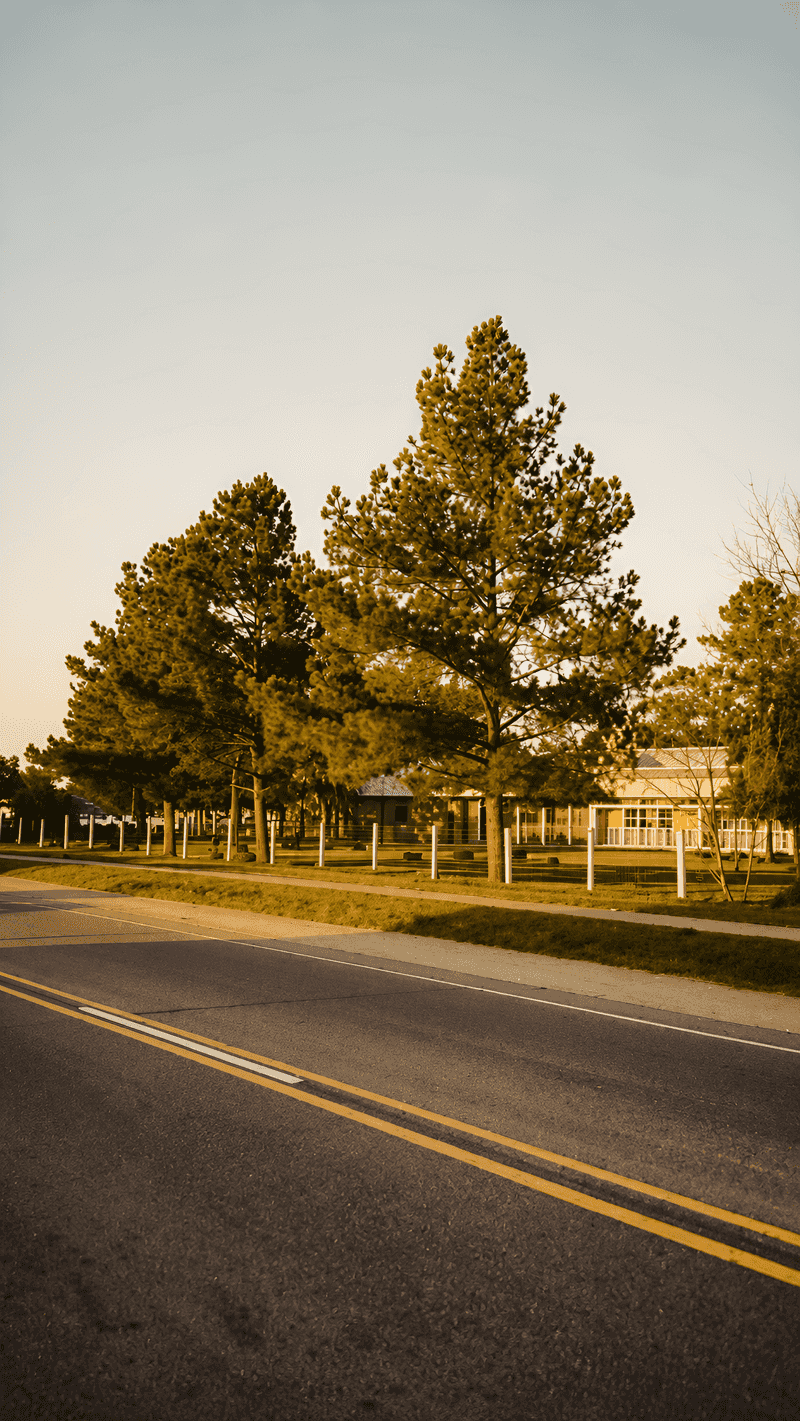
Picture a soft, feathery evergreen that keeps growing taller year after year, and you have the Eastern white pine, known to scientists as Pinus strobus.
This tree grows naturally all over New York, from the Adirondack mountains down to the valleys of central and western parts of the state.
What makes it so useful for a fence line is its speed. Under good conditions, Eastern white pine can add around 1 to 2 feet of growth per year, with faster growth possible in ideal locations.
That kind of growth means a bare property line can start feeling private in just a few seasons.
The needles are what really set it apart. They come in soft bundles of five, measure 3 to 5 inches long, and carry a gentle bluish-green color that stays on the tree through winter. This gives you a screen that works all year, not just in summer.
As the largest conifer in the Northeast, the Eastern white pine can reach 50 to 80 feet tall, and some giants stretch well past 100 feet. Its spread of 20 to 40 feet fills space nicely.
Folks in New York often call it a signature tree of the Adirondacks, and for good reason. Its graceful, plume-like shape looks natural in almost any setting.
When planted along a fence, this native beauty slowly builds a living wall that shields your yard while blending right into the surrounding landscape.
Why New York Yards Are A Perfect Match For White Pine
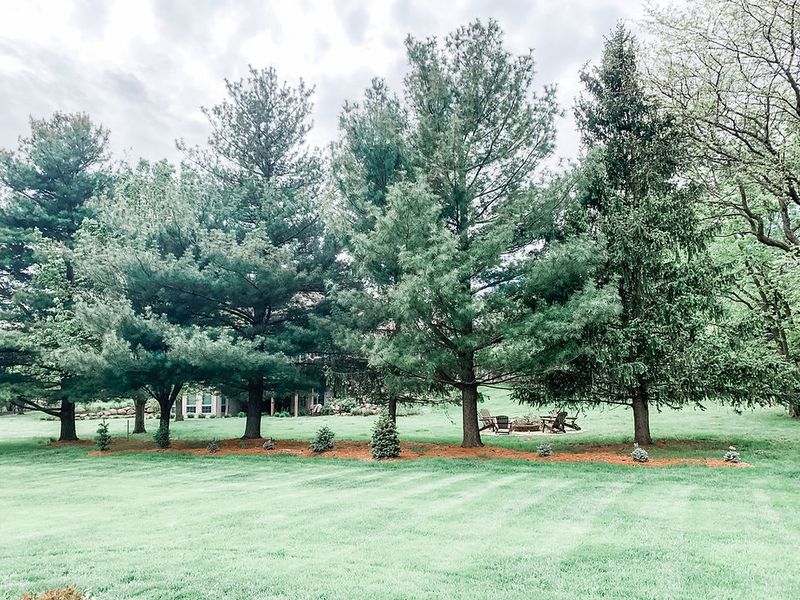
Cold winters are no problem for this tough native. Eastern white pine thrives in USDA hardiness zones 3 through 8, which cover pretty much all of the state, so it can handle the frosty temperatures that come with living here.
Soil flexibility is another reason it fits so well. While it prefers moist, rich, well-drained, acidic soil, it can also adapt to drier, rocky sites as long as the soil is not compacted or waterlogged.
Just keep in mind that alkaline soil can turn its needles yellow, and it does not enjoy road salt, air pollution, or packed-down clay.
Your New York Garden Changes Every Week. Your Plan Should Too.
Gardening in New York changes quickly throughout the season. Every Friday you’ll receive a simple weekly plan showing exactly what to plant, prune, fertilize, harvest, and protect so you never miss the right timing.
Wildlife lovers will appreciate what this tree brings to a yard. Its branches provide shelter and nesting habitat for many birds, including chickadees, nuthatches, and woodpeckers.
The seeds become a food source for small mammals like squirrels, porcupines, and snowshoe hares. Deer may browse young trees, especially when other food sources are limited, so protecting smaller pines can help them establish.
Beyond the practical perks, there is something special about growing a tree that already belongs here. Because Eastern white pine is native, it works with the local climate instead of fighting against it.
That natural match means less stress for the tree and less fuss for you. For homeowners who want privacy, wildlife, and easy care rolled into one plant, this pine checks every box.
The Space Mistake That Hurts This Fast Grower
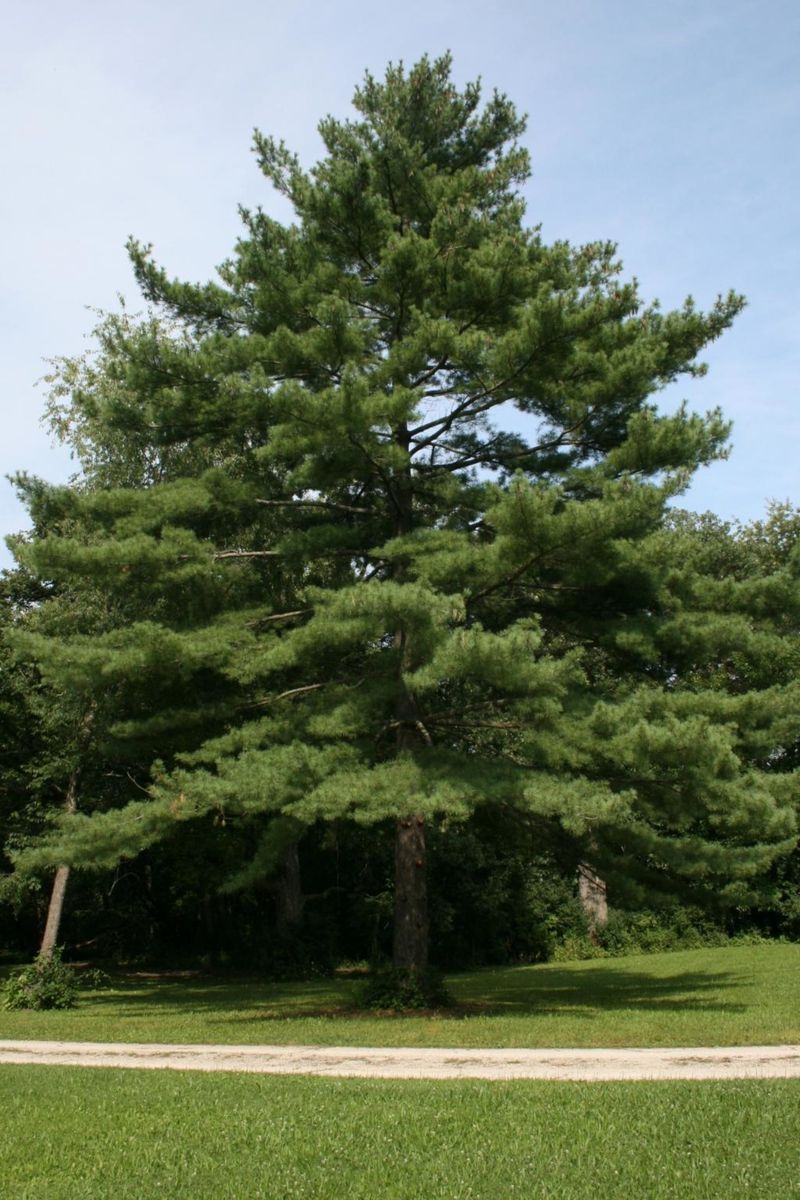
Planning ahead makes all the difference with a tree this large. A mature Eastern white pine commonly climbs 50 to 80 feet, with some reaching over 100 feet, and spreads 20 to 40 feet wide once fully grown.
Because Eastern white pine becomes a large tree, wider spacing is usually better for long-term health. The right distance depends on the available space, but avoid planting them so close that mature branches will constantly compete.
If you want trees to grow naturally without competing, wider gaps of 10 to 15 feet, or even 20 to 30 feet, give them breathing room. A handy rule is to space them at roughly 50 to 75 percent of their mature canopy width so branches overlap without fighting.
Distance from buildings matters just as much. Planting too close to fences, homes, or driveways invites trouble later, since roots can heave posts, crack pavement, and push against foundations.
Eastern white pine develops a broad, spreading root system that is often concentrated in the upper layers of soil, especially where conditions allow. Because of this, keep at least 5 to 10 feet of setback from any structure, and 15 to 20 feet for these bigger trees.
Crowded pines compete hard for water, light, and nutrients. The result is thin, weak trees with sparse canopies and bare lower trunks, which defeats the whole purpose of a screen in your yard.
The Planting Move That Helps It Grow Faster
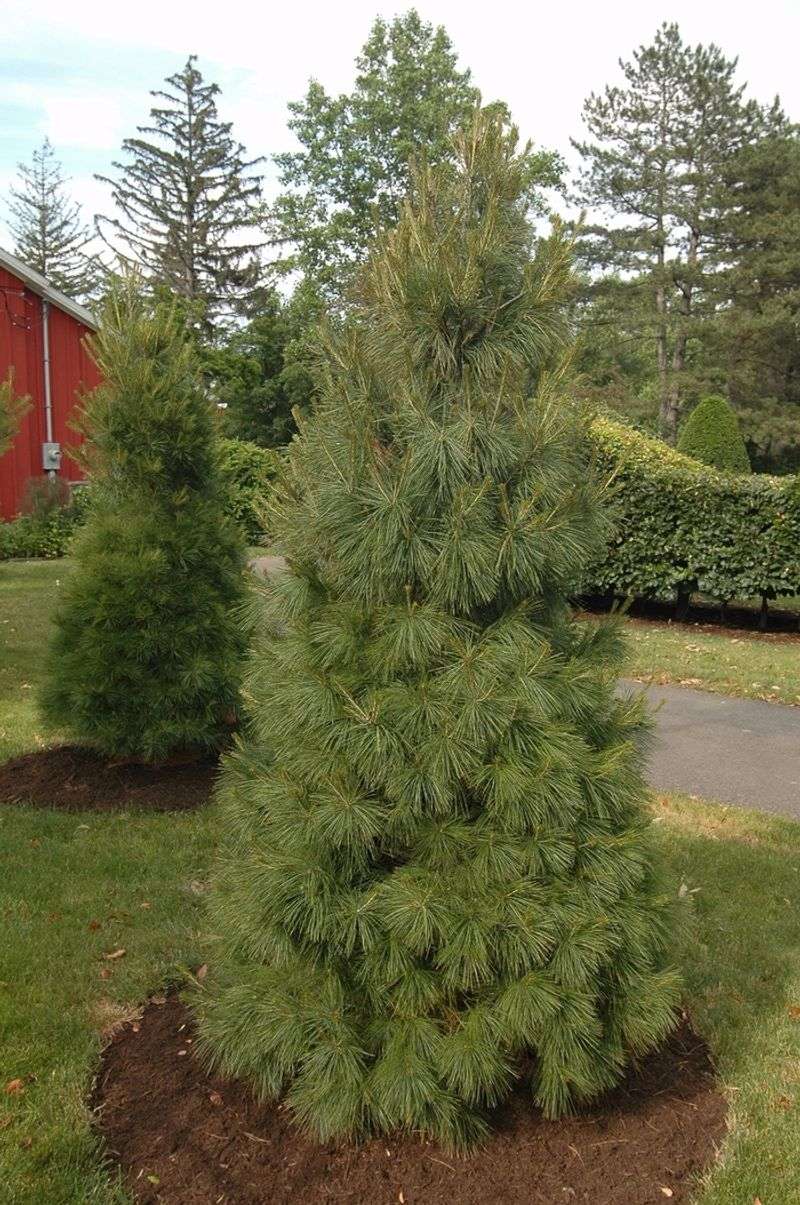
Getting the planting part right sets your pine up for years of strong growth. These trees do their best in full sun, meaning at least six hours of direct light each day for healthy needles and quick height gain, though young ones can handle a little partial shade.
Soil prep comes next. Aim for well-drained, acidic ground, because Eastern white pines struggle in soggy or waterlogged spots where roots can suffer.
Timing your planting well helps too. In New York, early spring is ideal once the frost leaves and the ground softens, and early fall works nicely for container-grown trees since cooler weather and natural rain support the roots.
When you dig, make the hole twice as wide as the root ball but only as deep. You want the root flare, the spot where trunk meets roots, sitting right at or just above ground level.
For bare-root trees, build a small mound of soil in the center of the hole so you can gently fan out the roots over it. Then set the tree in place carefully.
Backfill the hole with soil and water it thoroughly to push out any air pockets hiding around the roots. Keeping the roots moist and shaded during the whole process protects them from stress.
Take your time with these steps. A little care at planting day rewards homeowners with a pine that establishes faster and races toward becoming that leafy privacy wall.
The Early Care Trick Strong Pines Need
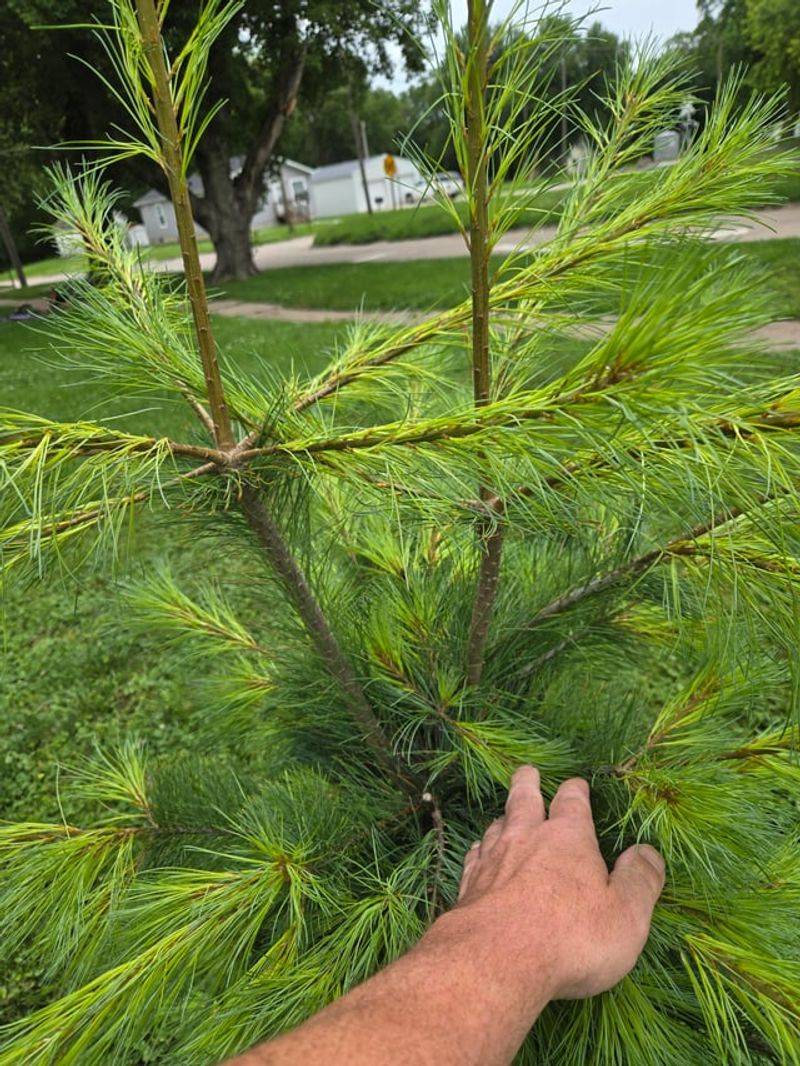
The first couple of years shape how well your pine turns out, so young trees need extra attention. Deep, steady watering ranks at the top of the list during this establishment period.
Start strong right after planting. For the first one to three weeks, water every one to two days, then ease back to two or three times a month over the following weeks.
After about six weeks or the first growing season, watering once a week usually does the trick unless rain takes care of it. The goal is deep watering that soaks the soil 6 to 8 inches down, rather than quick sprinkles that only wet the surface.
Before you water, poke a finger 2 to 3 inches into the soil. If it feels damp, skip it, because Eastern white pines do not like soggy roots.
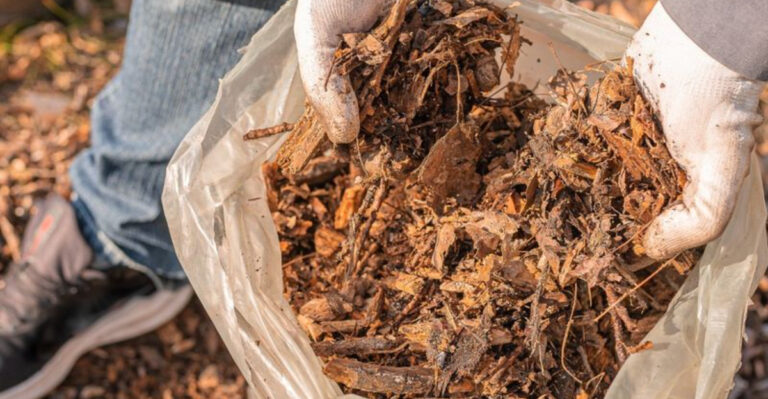
Mulch is your friend here. Spread a 2 to 4 inch layer of wood mulch around the base to lock in moisture, keep soil temperatures steady, block weeds, and guard the trunk from mower bumps.
Just remember to keep that mulch about six inches back from the trunk so moisture does not build up against the bark and cause problems.
Shielding the shallow roots from foot traffic and heavy equipment prevents compaction. Adding a little protection from harsh summer winds also lowers stress, giving young pines the best shot at settling in and growing fast.
The Mistakes That Leave Privacy Screens Thin
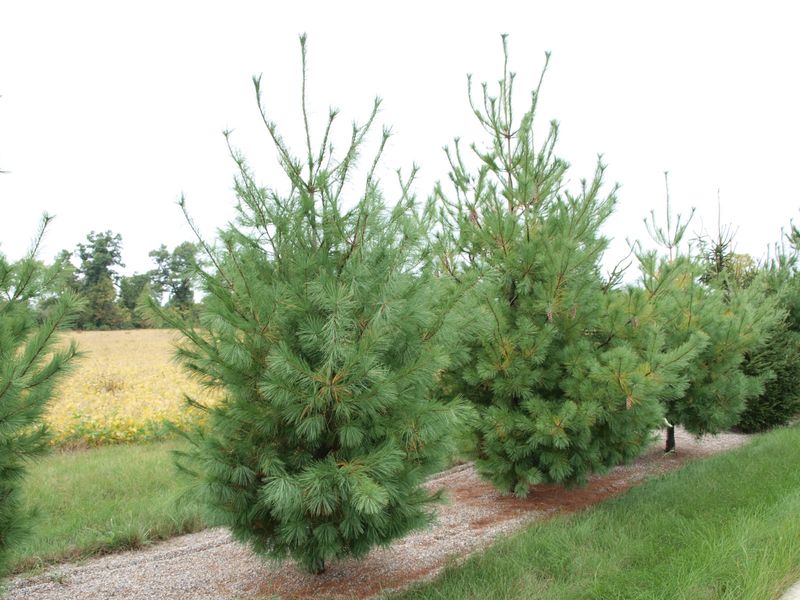
Even a fast grower can stall if a few common errors sneak in. Poor placement tops the list, since planting in alkaline soil, spots with bad drainage, or areas heavy with road salt or air pollution will drag growth to a crawl.
Crowding trees together causes a different headache. When Eastern white pines sit too close, they battle each other for water, nutrients, and sunlight, ending up tall, spindly, and thin on top.
Those cramped conditions also cause lower branches to drop off from lack of light, which wrecks the privacy screen you were hoping for. Tight spacing traps humid air too, opening the door to fungal problems and pests.
Forgetting how big these trees get is another slip-up. A pine that can hit 50 to over 100 feet tall and spread 20 to 40 feet wide needs real room, or it may collide with power lines, structures, or underground pipes.
Maybe the biggest mistake is expecting instant privacy. While these pines add 2 to 3 feet a year, they may appear slower at first while they focus energy on establishing roots before putting on stronger top growth.
With good conditions and proper care, planted white pines can begin creating a stronger screen after several years, though a mature privacy barrier takes much longer. Knowing this saves homeowners from frustration and helps their trees thrive the way nature intended.
The Plants That Complete A Green Fence Line
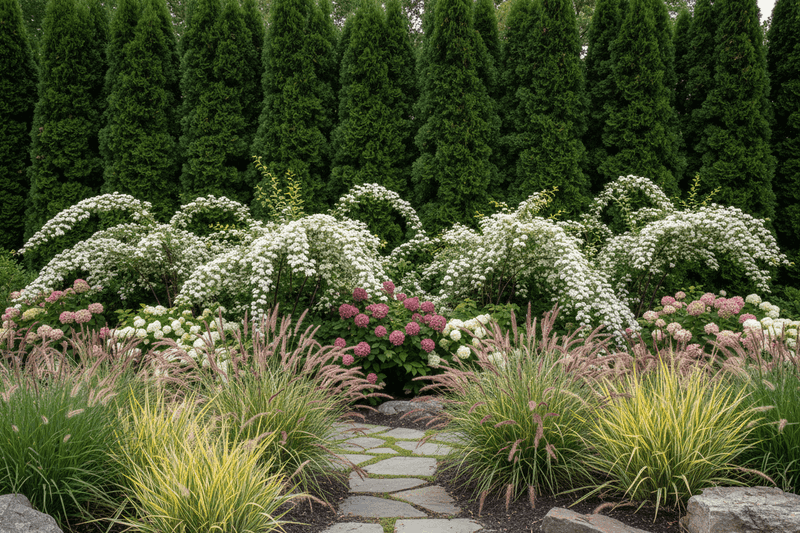
Here is something many people learn the hard way: as Eastern white pines age, they naturally shed their lower branches, especially when shaded in dense plantings. That habit can leave bare trunks and gaps at the bottom of your screen.
The clever fix is to plant in layers. By tucking native shrubs and smaller plants beneath the pines, you build a fuller wall of greenery that covers the yard from the ground all the way up.
New York offers plenty of native companions that love the same acidic, shady conditions. Blueberries, teaberry, dwarf bush-honeysuckle, and sweetfern all make excellent choices for filling those lower spaces.
Other great options include bracken, clubmoss, dogwood species, false lily-of-the-valley, woodsorrel, partridgeberry, wild sarsaparilla, and hay-scented fern. Each adds texture while thriving in the dappled light under the pines.
Ferns bring a soft, woodsy feel to the mix. Christmas fern and ostrich fern pair beautifully with groundcovers like bunchberry and wild ginger, and they help hold moisture in the soil.
For a splash of color, rhododendrons and azaleas are hard to beat. Their spring blooms pop against the soft green pine needles, and they happily share the acidic soil.
Blending these plants does more than boost privacy. It creates a richer, more natural habitat that supports birds and pollinators, turning a plain fence line into a layered, living landscape that any homeowner can enjoy for years.
What Fast Growth Really Looks Like
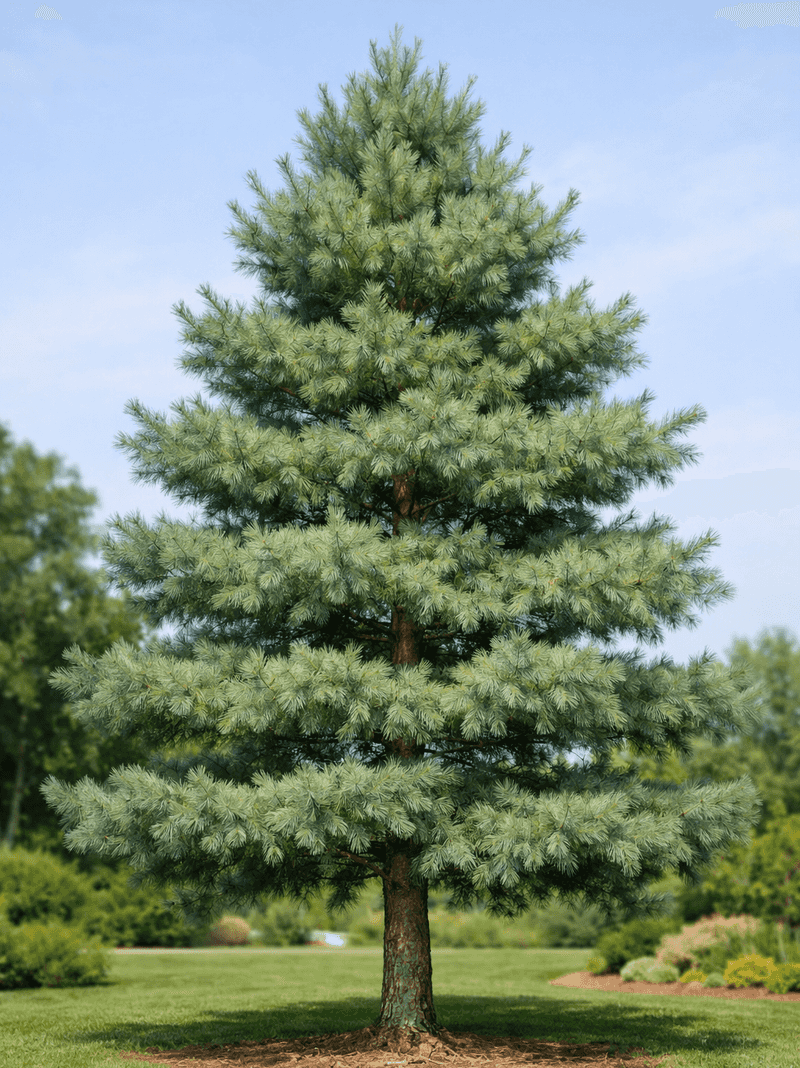
Plenty of homeowners dream of a lush green wall appearing overnight, but the honest truth is that patience is part of the plan. Eastern white pines do grow fast, yet the real magic comes from working with their natural rhythm.
Setting fair expectations helps a lot. Though these trees can add 2 to 3 feet each year, their first year or two often looks slow because they are busy building strong roots underground.
That early stage, nicknamed sleep, creep, leap, means real height and thickness usually take about 3 to 5 years to show. A 6-foot pine might reach 15 to 18 feet within four or five years of good growth.
The true secret is simple: the right tree in the right place. Pick healthy Eastern white pine specimens and give them full sun, rich well-drained acidic soil, and enough space for their large mature size.
Steady care during those first seasons matters just as much. Deep watering during dry spells, a fresh layer of mulch, and proper spacing for good airflow all keep your pines growing strong.
Skip the shortcuts and trust the process instead. When homeowners combine smart planting with attentive care, a bare fence line slowly transforms into a magnificent living privacy screen.
Fast growth is not about rushing. It comes from healthy trees, a great spot, and a gardener willing to give them a solid start and a little time to shine.