These Are The Easiest Privacy Plants To Grow in Your New York Garden
Your backyard is supposed to be your secret hideout, not front-row entertainment for every neighbor with a kitchen window. Yet plenty of New York yards feel like a fishbowl with a lawn.
Sure, a fence could fix it, but wood and vinyl can be pricey and a little cold. Living walls are way more charming.
They rustle in the breeze, smell sweet in spring, and give songbirds a reason to hang around.
The trick is choosing greenery that can handle icy winters, sticky summers, and owners who would rather relax than prune every weekend.
Some plants sulk. Others just get to work.
Nine tough, friendly picks are coming up. Grab a coffee and find the one that fits your yard.
Your nosy neighbors may be disappointed.
1. Green Giant Arborvitae Thrives In New York Yards
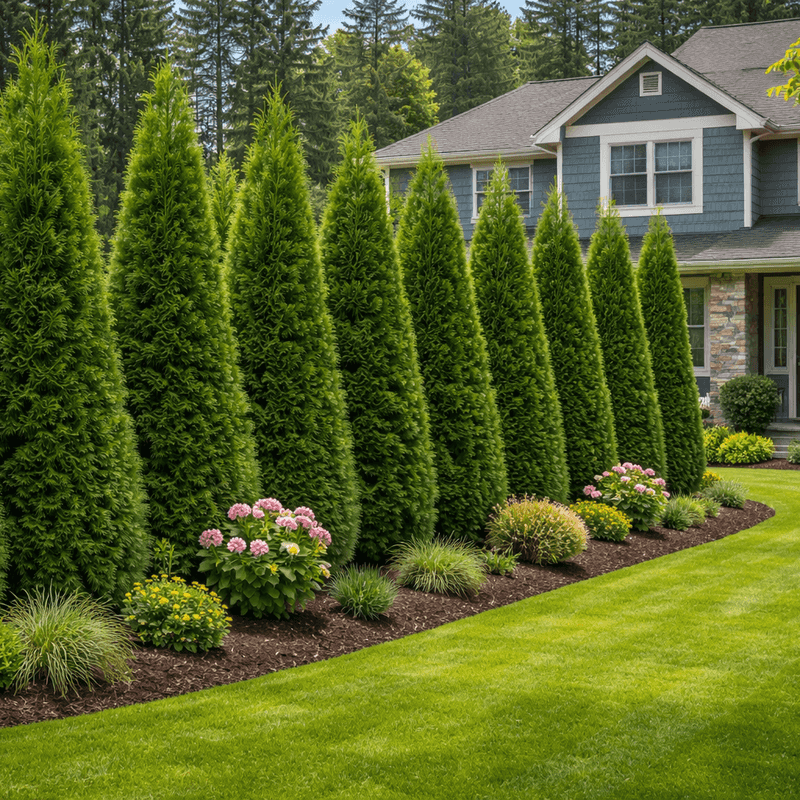
Ask any landscaper for a fast privacy fix, and Green Giant arborvitae usually comes up first. It can grow up to 3 to 4 feet a year in good conditions, which feels like magic.
It is rated for USDA zones 5 through 7, so it suits much of New York. Gardeners in the coldest parts of the state should check their zone before planting.
The tree forms a soft, cone shape and stays green through winter, though the foliage may darken or bronze slightly in the cold. Deer tend to browse it less than older arborvitae types, which deer can treat like a salad bar.
Keep its size in mind. A mature Green Giant can reach 40 to 60 feet tall and 12 to 18 feet wide, so give it room away from houses and power lines.
Plant each tree about five to six feet apart for a solid wall. Give them full sun or light shade, and they will fill in within a few seasons.
Water deeply once a week during the first summer. After that, they mostly handle themselves unless a long dry spell hits in August.
Spread two or three inches of mulch around the base, but keep it away from the trunk. Mulch holds moisture and keeps weeds from stealing food from the roots.
Green Giant handles heavy snow and ice fairly well, but gently brushing off a big snow load after a storm can help young trees keep their shape.
Fun fact: Green Giant is a hybrid developed in Denmark in the 1930s. It reached the U.S.
National Arboretum in 1967 and later became a nursery favorite.
Need height without fuss? Few plants deliver as quickly as this green tower.
2. Boxwood Hedges Bring Classic Charm
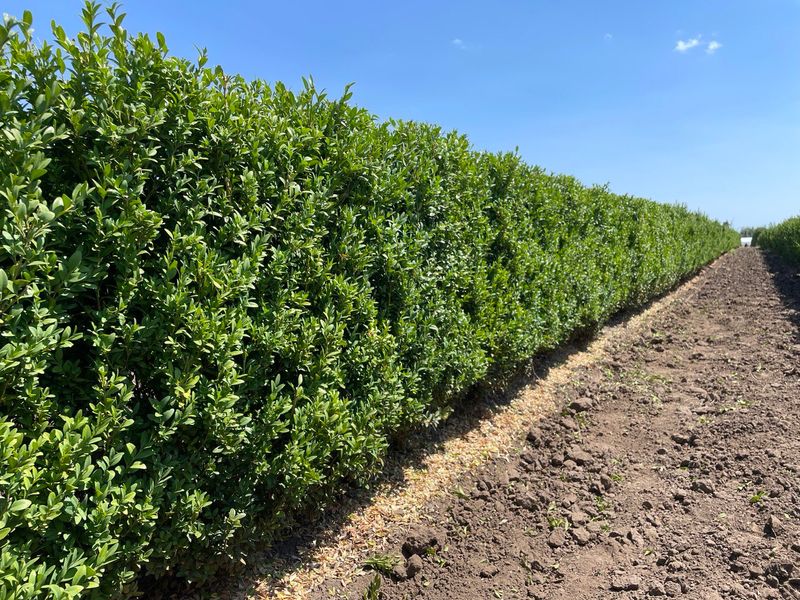
Walk past almost any brownstone garden in Brooklyn, and you will spot a tidy boxwood hedge. These little shrubs have framed gardens for centuries, from old European castles to colonial homes.
Boxwood works best for shorter privacy, like screening a patio or a front walk. Most types reach three to six feet, though some upright kinds climb a bit higher.
The leaves are small, shiny, and packed tightly together. That thick growth blocks views well, even in winter when other shrubs look bare.
Your New York Garden Changes Every Week. Your Plan Should Too.
Gardening in New York changes quickly throughout the season. Every Friday you’ll receive a simple weekly plan showing exactly what to plant, prune, fertilize, harvest, and protect so you never miss the right timing.
Choose hardy types such as Green Velvet or Green Mountain for New York weather. These handle cold snaps better than older English varieties that can turn bronze in harsh wind.
Plant boxwood in well-drained soil with morning sun and some afternoon shade. Soggy ground makes the roots unhappy, so avoid low spots where rain puddles.
Trimming is where boxwood shines. A light shearing in late spring keeps the hedge crisp, and you can shape it into squares, rounds, or soft waves.
Watch for boxwood leafminer, a tiny pest that leaves blotches on leaves. Healthy, well-watered plants usually handle light infestations.
A bigger threat has arrived in this state, though. Box tree moth was first confirmed in Niagara County in 2021, and its caterpillars can strip boxwood bare, often before anyone notices.
The state has a quarantine in Niagara, Erie, and Orleans counties that limits moving boxwood out of the area, and the moth has been found in other western and central counties too. Check your boxwood regularly, report suspected sightings to the New York State Department of Agriculture and Markets, and contact your local Cornell Cooperative Extension office for management help.
Here is a tip from old gardeners. Pair boxwood with taller plants behind it, and you get layered privacy that looks polished all year long.
3. Fast Growing Privet Fills Fences Quickly
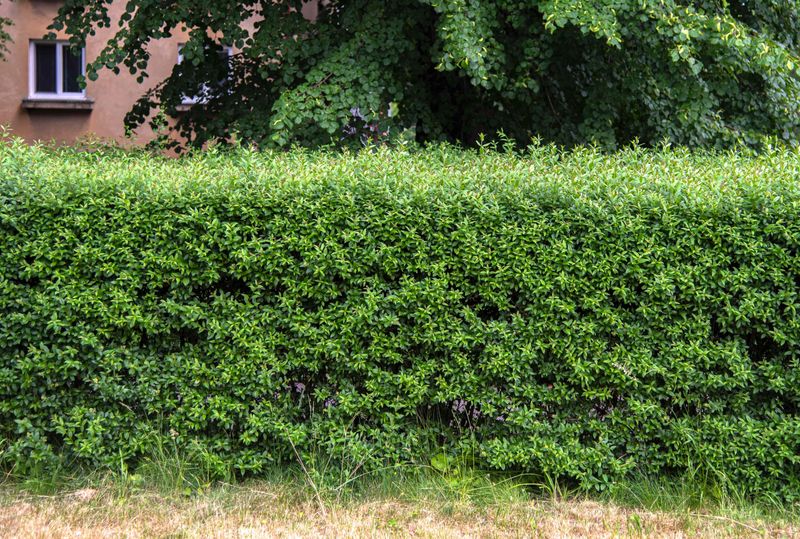
Long Island has a secret weapon for privacy, and it is privet. Many grand estates in the Hamptons hide behind towering walls of this hardworking shrub.
Privet grows fast, often two feet or more each year. It handles poor soil, salty air near the coast, and city pollution without much complaint.
You can keep it short and neat or let it rise to ten feet or more. Shearing two or three times each summer makes the hedge thicker and fuller from top to bottom.
For the best wall, plant shrubs about two feet apart in a straight line. Some folks dig a trench instead of single holes, which makes planting a long row easier.
California privet is the classic hedge choice, and it stays mostly green in milder parts of the state. In colder upstate spots, it may drop leaves or suffer some winter damage after a hard winter.
Pick your privet carefully. Border privet is a prohibited invasive species in New York, so it cannot be sold in the state, and it should not be planted.
California privet is not prohibited here, but it appears on invasive species lists in nearby states like New Jersey and Massachusetts. Birds can spread its seeds, so keep it away from woods and natural areas.
Small white flowers appear in early summer. Some people love the sweet scent, while others find it strong.
Regular trimming before the blooms open helps with the scent, and it also stops berries from forming and spreading.
Want an affordable hedge that grows like it has somewhere to be? California privet is ready for the job, as long as you keep it trimmed.
4. Eastern Red Cedar Stands Tough Across New York
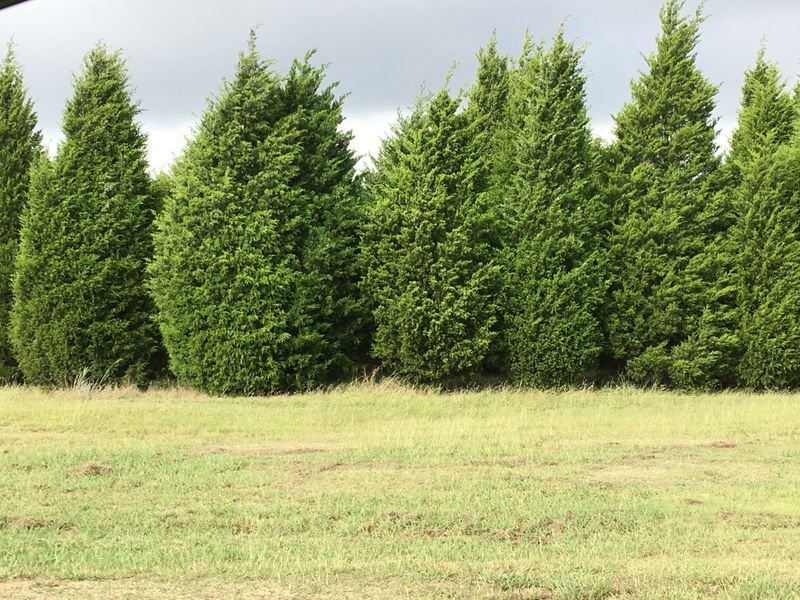
Here is a native plant that has been toughing out local winters long before anyone built a fence. Eastern red cedar grows wild across the Hudson Valley and beyond.
It handles dry soil, rocky ground, and windy hillsides with ease. Once its roots settle in, you rarely need to water it at all.
The needles are soft, dense, and stay green or turn a rich bronze in cold months. That color shift adds warmth to a gray winter yard.
Birds adore this tree. Female plants grow small blue berries that feed cedar waxwings, robins, and bluebirds through the cold season.
Plant cedars in full sun about six to eight feet apart for a natural screen. They grow at a moderate pace, often a foot or two each year.
Keep them away from apple trees if possible. Cedars can host a fungus called cedar-apple rust, which leaves orange spots on apple leaves nearby.
Fun fact: the fragrant wood has been used for pencils, chests, and closets for generations. Many people store sweaters in cedar chests, though the scent offers only modest protection from moths.
Choosing a native plant also helps local bugs and birds. You get privacy, and wildlife gets food and shelter, which feels like a pretty fair deal.
For a low-care, earth-friendly screen, this cedar earns its spot.
5. Clumping Bamboo Adds Zen Privacy To Patios
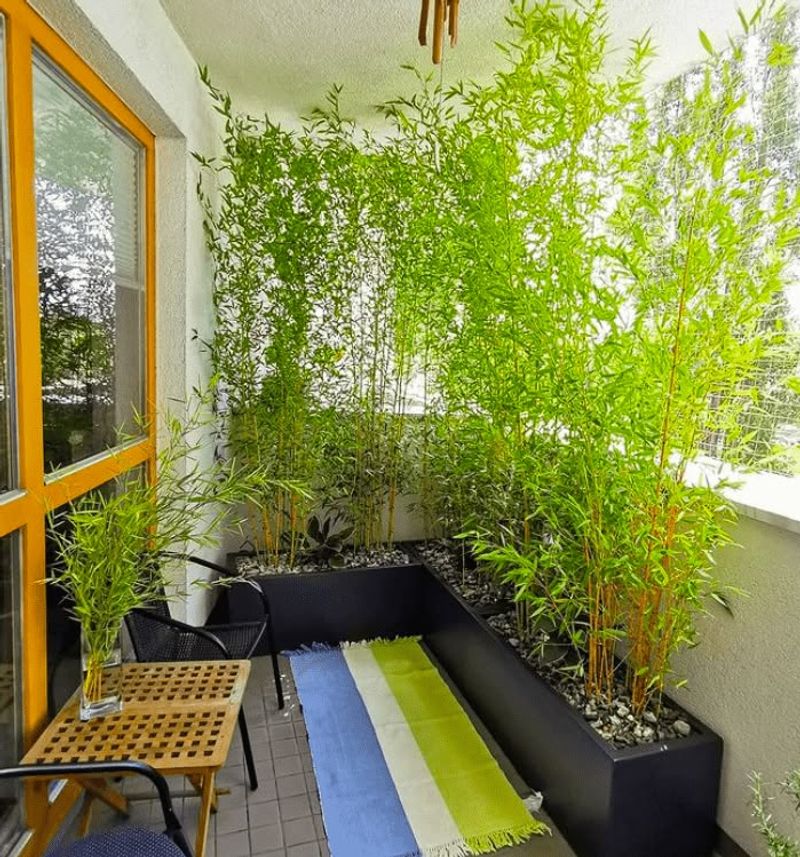
Bamboo has a wild reputation, and honestly, some of it is earned. Running types can sneak under fences and pop up in your neighbor’s yard.
Clumping bamboo is a different story. Fargesia varieties grow in tight bunches and stay where you plant them, which makes them a smart choice for small yards.
Many fargesia types are rated for cold winters, though hardiness varies by species. Check the plant tag against your zone, especially in chilly upstate towns.
The graceful stems sway and whisper in the wind. That soft sound helps cover street noise, which city gardeners really appreciate.
Plant clumping bamboo in partial shade, since strong afternoon sun can curl the leaves. Morning light with a shady afternoon keeps it looking fresh.
It also grows well in large containers on patios and rooftops. Use a pot at least two feet wide with drainage holes, and water often during hot spells.
Most clumps reach eight to twelve feet tall. Space them three to five feet apart for a full green screen in a few years.
Feed with a slow-release fertilizer in spring. A little extra nitrogen keeps those leaves bright green.
Did you know? Bamboo is technically a grass, just a very tall one.
Your patio basically gets a giant lawn standing on its end.
6. Skip Laurel Offers Glossy Green Screens
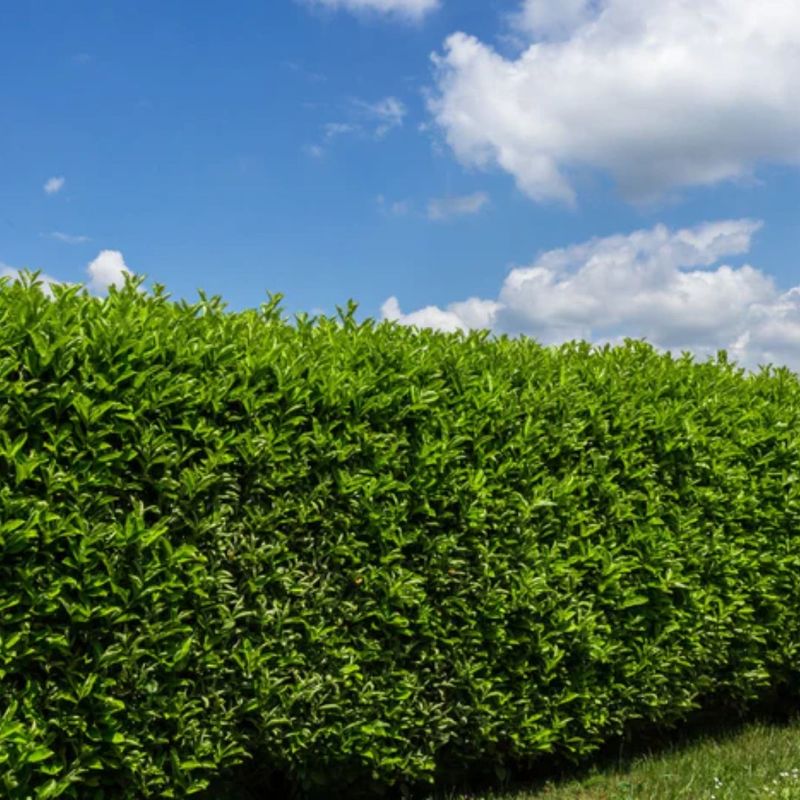
Shiny leaves that look freshly polished? Skip laurel delivers that look all year, and it barely asks for anything in return.
This evergreen shrub grows wide and thick, usually ten to fifteen feet tall. It makes a lush screen that feels almost tropical, even in a Westchester winter.
In spring, white flower spikes pop up all over the plant. Bees buzz around them, and later, small dark berries feed hungry birds.
Skip laurel is flexible about light. It grows in full sun, part shade, and even fairly shady corners where other hedges look thin.
Plant shrubs about four to five feet apart. They grow one to two feet each year, so your screen fills out faster than you might guess.
Good drainage matters most. Heavy clay that stays wet can bother the roots, so mix in compost when planting.
Shearing is optional. You can keep a formal shape or let branches grow loose and natural, depending on your style.
Cold, dry winter wind can brown a few leaves in exposed spots. A sheltered location or a burlap wrap the first winter helps young plants settle in.
Gardeners love it because it looks expensive without acting fussy. If you want a hedge that feels a bit fancy, skip laurel is your friend.
7. Climbing Hydrangea Softens Fences
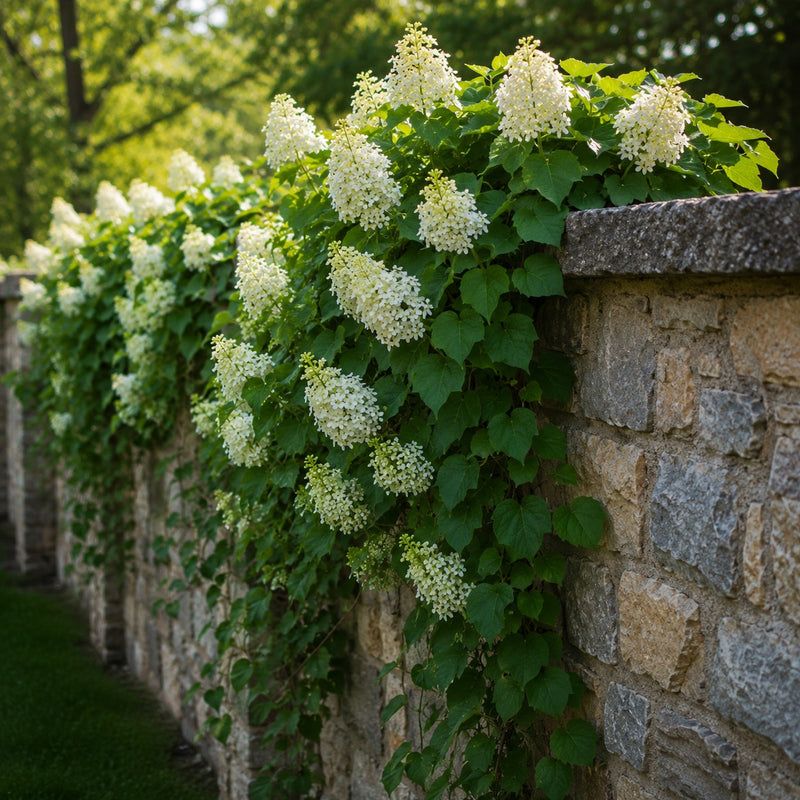
Got a plain fence that makes you sigh every morning? Climbing hydrangea can turn it into a green and white wall of flowers.
This vine clings with tiny rootlets and climbs walls, fences, and trellises. Its rootlets grip rough surfaces like brick, stone, and wood best, so on a chain-link fence you may need to tie the stems in place at first.
It loves shade, which makes it a hero for courtyards and narrow side yards in Manhattan.
In early summer, lacy white blooms cover the leaves like doilies. The flowers smell lightly sweet and draw butterflies and bees.
Patience pays off here. The first year or two, the vine mostly grows roots, then it suddenly takes off and climbs several feet each season.
Plant it near a sturdy support, since mature vines get heavy. Brick, stone, and strong wooden fences hold it well.
Water regularly during the first summer while roots spread. A layer of mulch keeps the soil cool and moist, just the way this plant likes it.
In winter, the leaves drop, but the peeling, cinnamon-colored bark adds interest. Snow resting on the branches looks lovely too.
Trim only after flowering, since next year’s buds form on old stems. A light cut keeps it in bounds without losing blooms.
Fun fact: this is a long-lived vine. Plant it once, and it can keep decorating your fence for many years.
8. Inkberry Holly Is A Low Maintenance Favorite
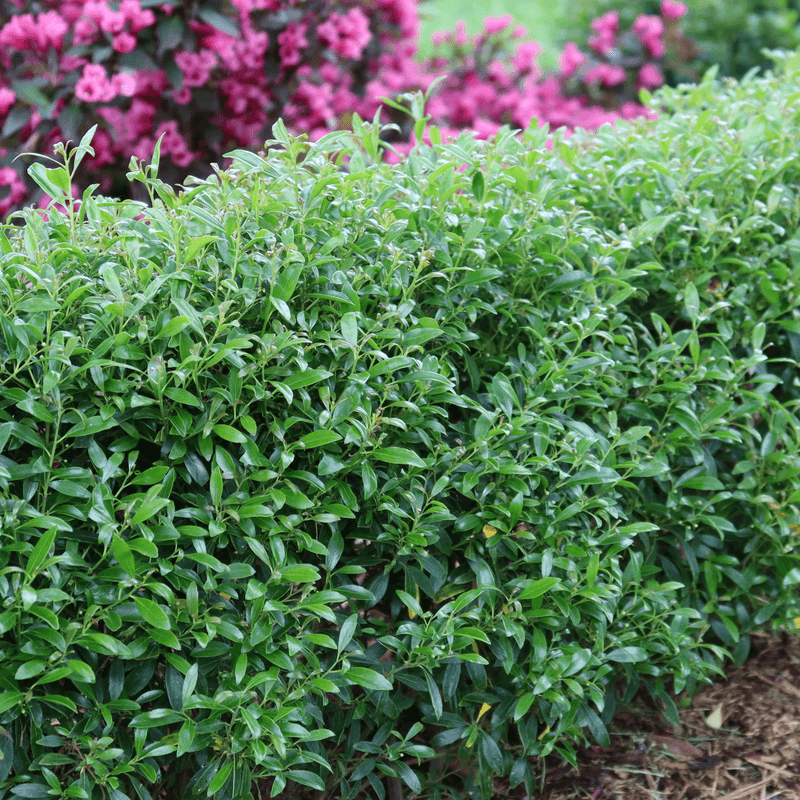
Quiet and dependable, inkberry holly is the kind of shrub that rarely makes a scene. It just keeps looking good, month after month.
This native evergreen grows five to eight feet tall with small, dark green leaves. Unlike its spiky cousins, inkberry has smooth leaves, so it feels friendly near walkways.
It handles wet soil better than most hedges. If you have a soggy spot in your Rochester or Syracuse yard, inkberry may be your answer.
Female plants grow black berries that birds snack on through winter. You need a male plant nearby for berries, though the shrub screens well either way.
Plant inkberry in sun or part shade, about three to four feet apart. It grows slowly but spreads by shoots, which helps the hedge get thicker over time.
Soil that leans acidic keeps leaves deep green. If leaves look yellow, a fertilizer made for hollies or azaleas usually fixes the color.
Bottom branches can thin out on older plants. Cutting a few stems low in early spring encourages fresh growth near the ground.
Compact types like Shamrock stay tidy with little trimming. Taller types work better for real privacy screens.
Did you know? Native Americans once dried and roasted inkberry leaves to brew a dark, tea-like drink.
Today, most folks just enjoy it as a fuss-free shrub.
9. Ornamental Grasses Create Breezy Screens
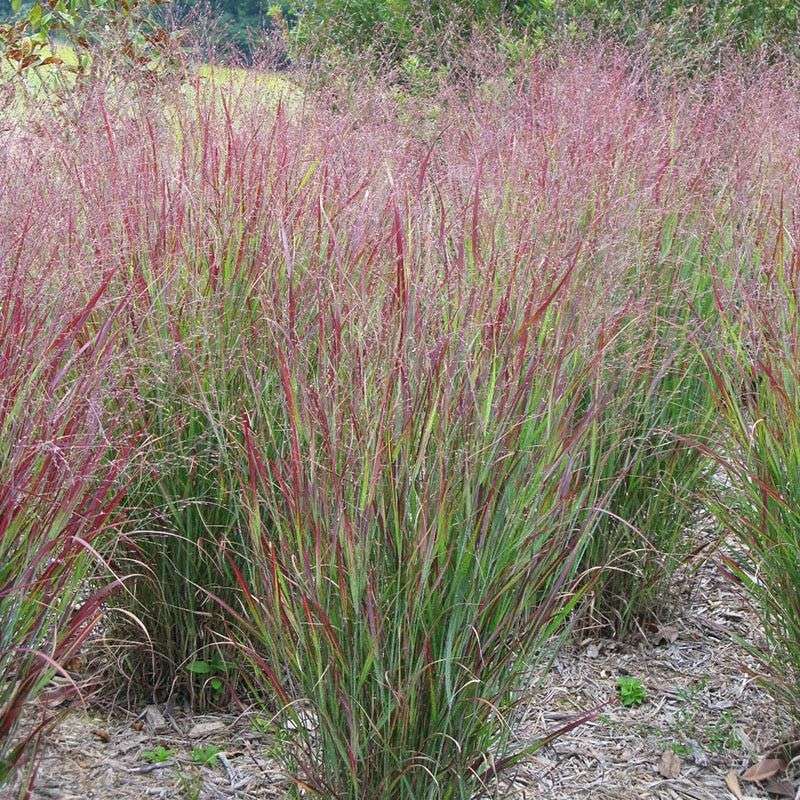
Some privacy plants feel like walls, but tall grasses feel like a summer breeze. They sway, rustle, and glow golden in late afternoon light.
Switchgrass, a native prairie plant, reaches four to seven feet and grows well across upstate New York. Varieties like Northwind stand straight and tall, making them great for screening a deck.
These grasses send up fresh growth from their roots each spring. By midsummer, they reach full height, giving you seasonal privacy right when you spend the most time outside.
They are very easy to care for. Plant them in full sun, water during the first season, and let them be.
No pruning is needed until late winter. Then cut stems down to about six inches before new growth appears.
Leaving stems up through winter adds texture to snowy yards. Birds also enjoy the seeds, and insects hide in the stems until spring.
Space plants two to three feet apart for a thick screen. Mixing a couple of types adds color and movement.
Grasses shine for renters and new homeowners too. They are affordable, fast, and easy to divide, so one plant can become several in a few years.
Fun fact: switchgrass once covered huge stretches of the American prairie. Its deep roots help it handle dry summers like a champ.