This Ohio Tick Can Reproduce Without A Mate (And Why Gardeners Should Care)
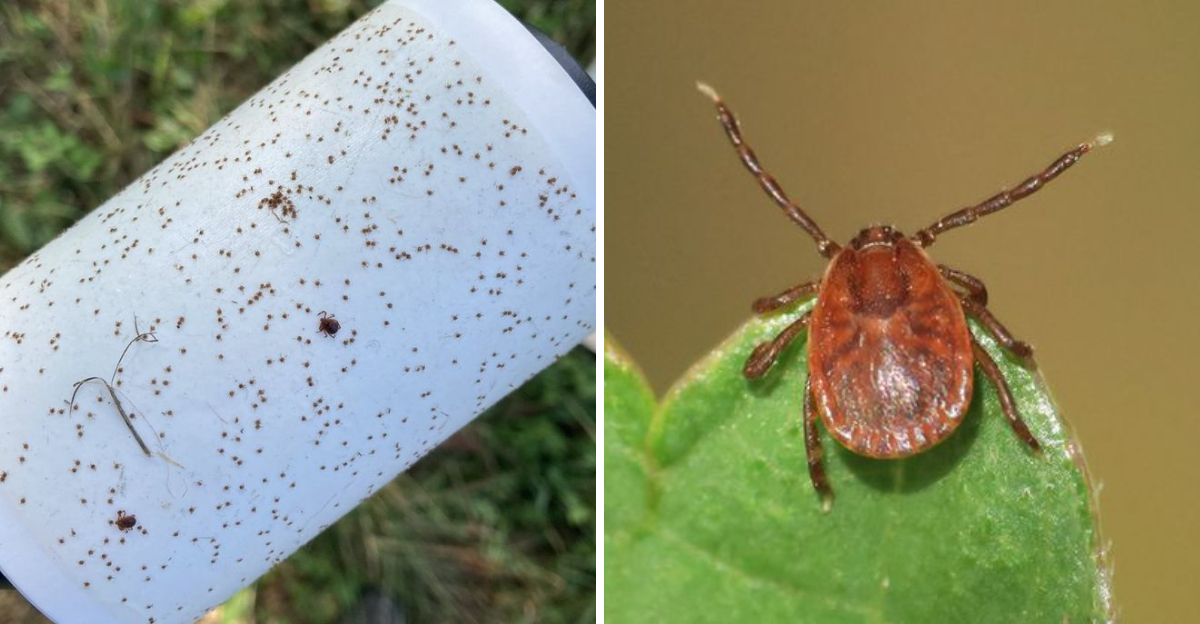
A tick that does not need a mate to reproduce sounds like something from a science fiction story, but it is very real and already living in Ohio.
It has been spreading across the United States for several years now, and Ohio gardeners are finding it in their own backyards with increasing frequency.
What makes this species genuinely different from every other tick most North Americans have ever encountered is not its size or its bite. It is its biology.
One single female tick can start an entire population completely on her own, with no male tick anywhere in the picture.
That one fact changes how fast this pest can establish itself in a new area, how quickly numbers can climb on a single property, and how seriously anyone who spends time outdoors in Ohio should be paying attention.
If you garden, walk a dog, raise livestock, or simply spend summer evenings outside, understanding this tick is worth a few minutes of your time before tick season gets fully underway.
1. Meet The Asian Longhorned Tick
Pull weeds on a warm Ohio afternoon and you might notice something tiny clinging to your garden glove.
That little hitchhiker could be the Asian longhorned tick, a species that has made itself very much at home across the eastern United States, including Ohio.
Scientists first confirmed this tick in the U.S. around 2017, and it has been spreading steadily ever since.
Known scientifically as Haemaphysalis longicornis, this tick originally came from East Asia, including parts of China, Japan, Korea, and Russia.
It is also well established in Australia and New Zealand, where it has caused serious problems for livestock farmers for decades.
Researchers and health officials in Ohio have tracked its presence in multiple counties, so it is no longer a faraway concern.
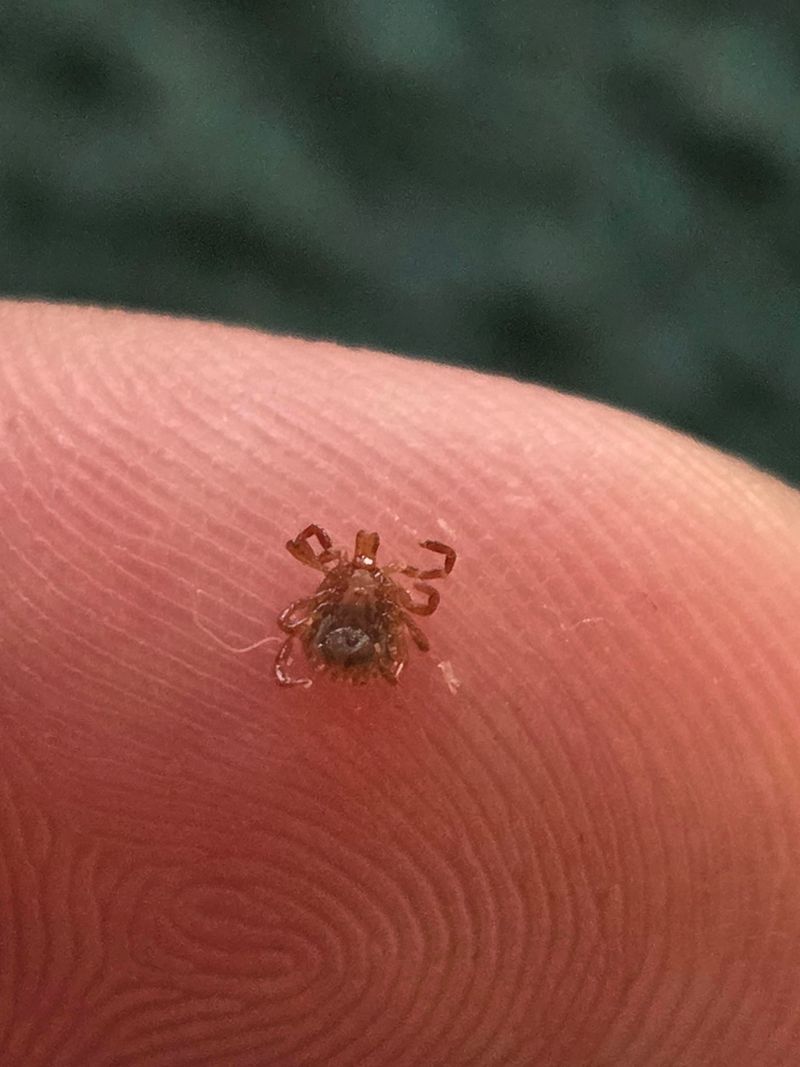
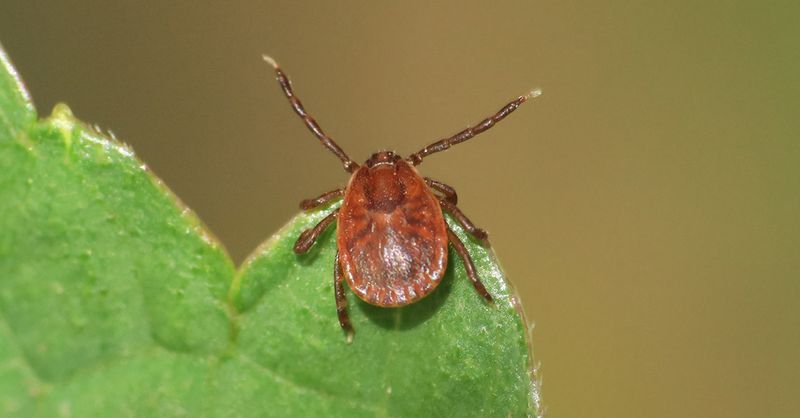
Identifying this tick takes a sharp eye. Adult females are reddish-brown, oval-shaped, and roughly the size of a sesame seed before they feed.
Once engorged with blood, they swell to several times that size. Males of this species are extremely rare in North America, which leads directly to the most unsettling part of its biology.
Unlike the more familiar black-legged tick or American dog tick that many Ohio gardeners already know, this species has a very different reproductive strategy that sets it apart from nearly every other tick on the continent.
Once you understand how it reproduces, the urgency around monitoring it starts to make a lot more sense.
2. One Female Can Start A Population
Forget everything you thought you knew about how tick populations grow.
Most ticks need both a male and a female to reproduce, which naturally slows down how fast their numbers climb.
The Asian longhorned tick plays by completely different rules, and those rules are genuinely surprising for anyone who has never heard of them.
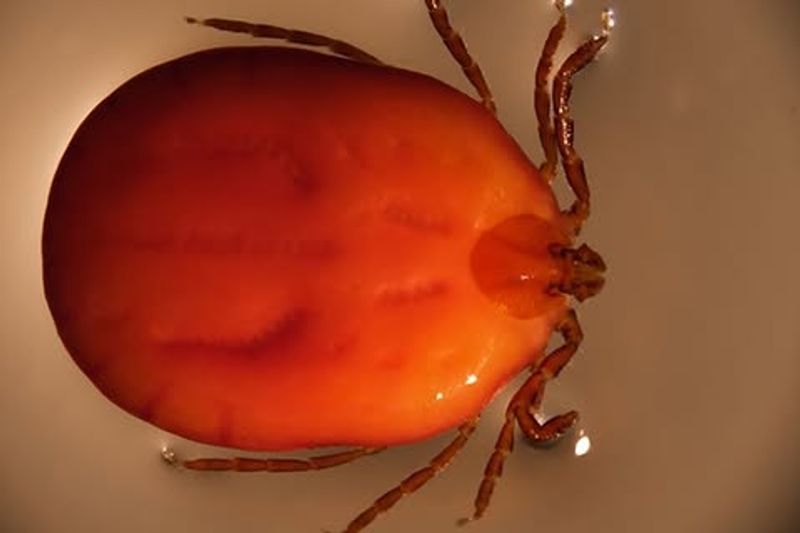
This species reproduces through a process called parthenogenesis, which means females can produce eggs without ever mating with a male.
A single female tick that drops off a deer, a dog, or even a garden boot in your yard can lay hundreds of eggs entirely on her own.
Your Ohio Garden Changes Every Week. Your Plan Should Too.
Gardening in Ohio changes quickly throughout the season. Every Friday you’ll receive a simple weekly plan showing exactly what to plant, prune, fertilize, harvest, and protect so you never miss the right timing.
Ohio State University Extension has noted that one female can produce up to 2,000 eggs in a single batch, with no partner required whatsoever.
That number is staggering when you think about it from a gardener’s perspective. One tick becomes a few hundred larvae, which grow into nymphs, which grow into adults, all without needing another tick to show up and contribute anything to the process.
Populations can establish themselves in new areas far faster than most native tick species ever could. This is not just a curiosity of nature.
It is a practical concern for anyone who spends time in grassy, brushy, or wooded areas of Ohio.
Understanding this reproductive advantage helps explain why public health officials, farmers, and gardeners are paying close attention to where this tick shows up and how quickly numbers grow once it arrives.
3. Local Numbers Can Build Quickly

Spend a few seasons ignoring a weedy corner of your yard, and you might be giving the Asian longhorned tick exactly what it needs to thrive.
Suitable habitat, a steady supply of hosts, and that remarkable ability to reproduce alone add up to population numbers that can climb faster than most people expect and faster than most gardeners would be comfortable with.
Researchers studying this tick in the eastern United States have found infestations on individual animals that were genuinely alarming.
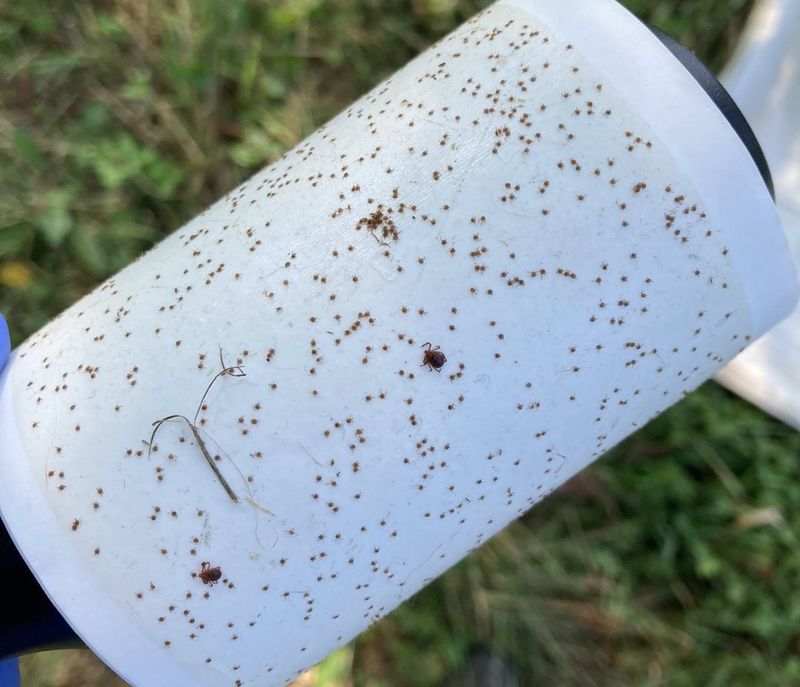
Reports from states like Virginia and New Jersey described cattle and deer carrying hundreds, sometimes thousands, of ticks at once.
Ohio Department of Agriculture officials have been monitoring livestock and wildlife in the state to understand where this tick is establishing itself and how dense local populations are becoming.
Warm, humid Ohio summers provide good conditions for tick survival and egg hatching. The larvae that hatch from a single egg batch can all feed on the same host animal or spread across multiple hosts in the same area.
White-tailed deer, which are abundant throughout Ohio, are considered a major host species and likely play a significant role in moving this tick into new areas. Birds can also carry ticks across distances that would be impossible on foot.
Knowing that local numbers can build quickly is a good reason to stay alert in your own yard rather than assuming this tick is only a problem somewhere else. By the time it becomes visible, the population may already be well established.
4. Garden Clothes Need A Careful Check
Two hours of pulling up tomato cages, trimming the rose border, and hauling bags of mulch.
Hands dirty, back aching in a satisfying way, and the last thing on your mind is doing a full clothing check before heading inside.
That is exactly the moment when a tick gets a free ride into your home and nobody notices until later.
The Asian longhorned tick, like other tick species, uses a behavior called questing. It climbs to the tip of a grass blade or leaf and waits with its front legs stretched out, ready to grab onto anything warm that brushes past.
Garden work puts you in close contact with low vegetation repeatedly, which means plenty of opportunities for a tick to latch on without you feeling it.
The Ohio Department of Health recommends doing a full-body tick check after any outdoor activity, and that check should start with your clothes before you even come inside.
Tossing garden clothes into a dryer on high heat for at least ten minutes removes ticks that might otherwise survive a wash cycle.
Pay extra attention to cuffs, collars, sock lines, and the back of the knees, since ticks tend to migrate toward warm, sheltered spots.
Wearing light-colored clothes while gardening makes spotting a tiny reddish-brown tick much easier before it has a chance to attach.
It is a small wardrobe adjustment with a practical payoff that most gardeners appreciate after the first time they actually spot one on their sleeve.
5. Pets Can Carry Ticks From The Yard
Dogs and cats do not read warning signs, which means your backyard pet is probably the most effective tick transporter in your household without any awareness of the problem whatsoever.
A dog that loves to sniff along the fence line or roll in the tall grass near the woods edge is covering exactly the kind of terrain where the Asian longhorned tick likes to wait.
Pets can pick up ticks during even a short trip outside, and their thick fur makes it easy for ticks to go unnoticed for hours or days.
The Asian longhorned tick has been found on dogs, cats, horses, goats, cattle, and a wide variety of wildlife hosts.
In Ohio, veterinarians and the Ohio Department of Agriculture have been tracking reports of this tick on domestic animals as part of broader surveillance efforts.
Running your fingers through your pet’s coat after every outdoor outing is one of the simplest and most effective habits you can build into the daily routine.
Focus on the ears, neck, armpits, between the toes, and around the tail, since ticks tend to head for warm, hidden spots on the body.
Talk to your veterinarian about tick prevention products that work for your specific pet. Not every product is safe for both dogs and cats, so professional guidance matters here.
Keeping pets on a regular tick prevention routine during peak tick season, generally spring through fall in Ohio, reduces the chance they will carry unwanted passengers back into your living space on a daily basis.
6. Tall Grass Creates Easier Tick Habitat

Mowing the lawn might feel like a chore, but for tick management it is genuinely one of the most useful tools a gardener has.
The Asian longhorned tick, like most tick species, prefers areas with tall grass, dense groundcover, leaf litter, and brushy edges where humidity stays higher and hosts pass through regularly.
Short, well-maintained grass dries out faster in the sun, which ticks do not tolerate well.
Keeping lawn grass mowed to about three inches or shorter, especially in areas where children, pets, or adults spend regular time, makes the environment noticeably less hospitable.
Creating a buffer zone of wood chips or gravel between a lawn and any wooded or brushy edge can also reduce tick movement into your main yard space without requiring much effort to maintain.
Leaf litter is another factor worth managing. Ticks overwinter in layers of fallen leaves, so raking and removing leaf buildup along garden borders and under shrubs reduces the places they can shelter through cold months.
Stacking firewood neatly in a dry, sunny spot rather than a shady corner limits the rodent activity that brings tick-carrying animals closer to your home.
None of these steps requires expensive equipment or professional help.
A consistent mowing schedule, a rake, and some attention to the edges of your property go a long way toward making your yard a less welcoming place for any tick species, including this one.
7. Unusual Tick Finds Should Be Reported

Many people flick a tick off their arm and forget about it within seconds.
That reaction is understandable, but when the tick in question might be an Asian longhorned tick, saving it instead of sending it flying could actually help scientists and public health officials track this species across Ohio in ways that matter.
The Ohio Department of Health and the Ohio Department of Agriculture both encourage residents to collect unusual ticks they find on themselves, their pets, or their livestock.
Placing the tick in a sealed plastic bag or a small container with a piece of slightly damp paper towel keeps it intact for identification.
Writing down where you found it, what host it was on, and the date gives researchers valuable location data that maps the tick’s spread across the state.
You can submit ticks to your local county extension office or contact Ohio State University Extension for guidance on where to send specimens.
Several university and public health labs across the country are actively studying this tick, and community reports play a real role in shaping how officials respond to new locations.
Do not try to identify the tick using only a phone photo if you are unsure, since several tick species look similar to the untrained eye.
Getting a professional confirmation is worth the extra step.
Reporting an unusual tick find is a small action that contributes to something genuinely bigger than your own backyard, and it costs nothing except a small plastic bag and two minutes of your time.