This One Change Makes Starting A Florida Vegetable Garden So Much Easier
Starting a vegetable garden in Florida sounds easy until you realize how quickly enthusiasm turns into frustration.
You water faithfully, plant carefully, and still watch vegetables struggle in soil that drains too fast, heats up too quickly, and seems to invite pests overnight.
Many Florida gardeners assume they are doing something wrong, when in reality they are following advice that simply does not work well here.
Florida’s climate rewards a different approach, and once you understand that, gardening stops feeling like a constant uphill battle.
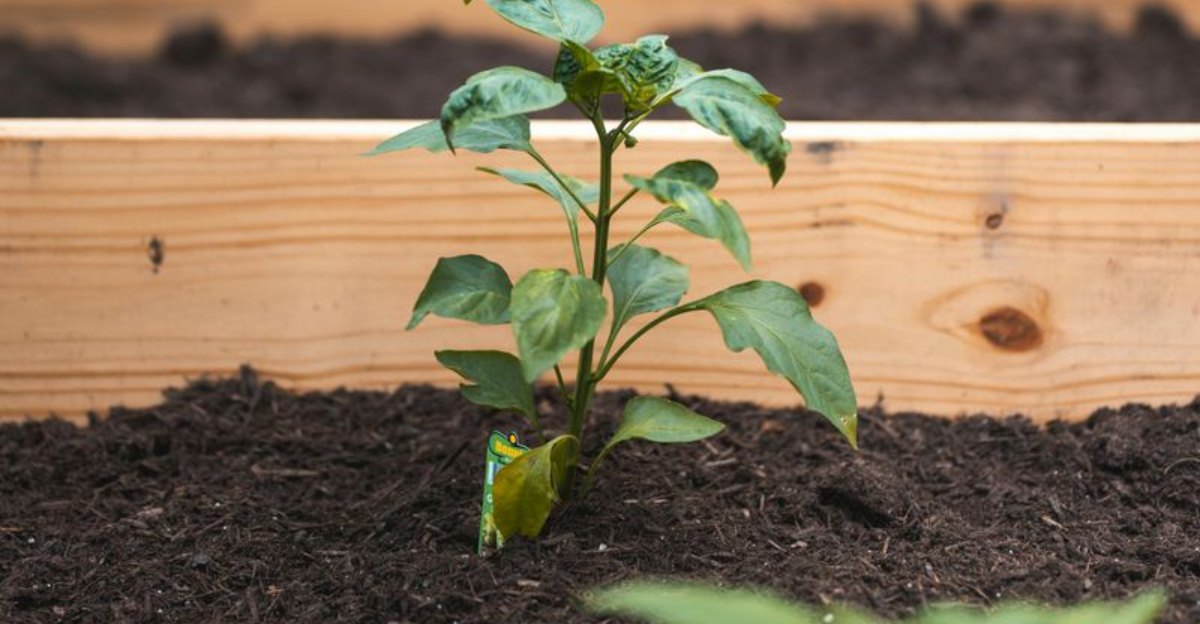
For many gardeners, that breakthrough comes from switching to raised beds rather than continuing to fight native soil.
This one shift removes several of Florida’s toughest gardening problems at the same time. If gardening has felt harder than it should, this change explains why.
Why Starting A Vegetable Garden In Florida Feels So Hard
You picture yourself harvesting fresh tomatoes and crisp lettuce from your backyard, only to realize very quickly that Florida gardening rarely matches the simple vision you had in mind.
Florida’s climate does not follow the familiar gardening rules you may have learned elsewhere, because extreme heat, sudden rain, and relentless humidity combine to stress plants before they ever have a chance to establish strong roots.
The summer sun can scorch young seedlings within days, while afternoon thunderstorms swing conditions from flooded to bone-dry almost overnight, leaving plants constantly struggling to adapt.
Most of Florida’s soil is sandy and fast-draining, which means water and nutrients disappear almost as soon as you apply them, forcing you into a cycle of constant watering and fertilizing with little visible progress.
You can water deeply in the morning and still find your plants wilting by afternoon, not because you neglected them, but because the soil simply cannot hold what they need.
Fertilizer washes through sandy soil just as quickly, leaving vegetables underfed even when you feel like you are doing everything right.
Warm temperatures and high humidity create the perfect environment for pests like aphids, whiteflies, and caterpillars to thrive year-round, so pressure never truly lets up.
Below the surface, root-knot nematodes quietly damage plant roots, cutting off water and nutrient uptake long before any symptoms appear above ground.
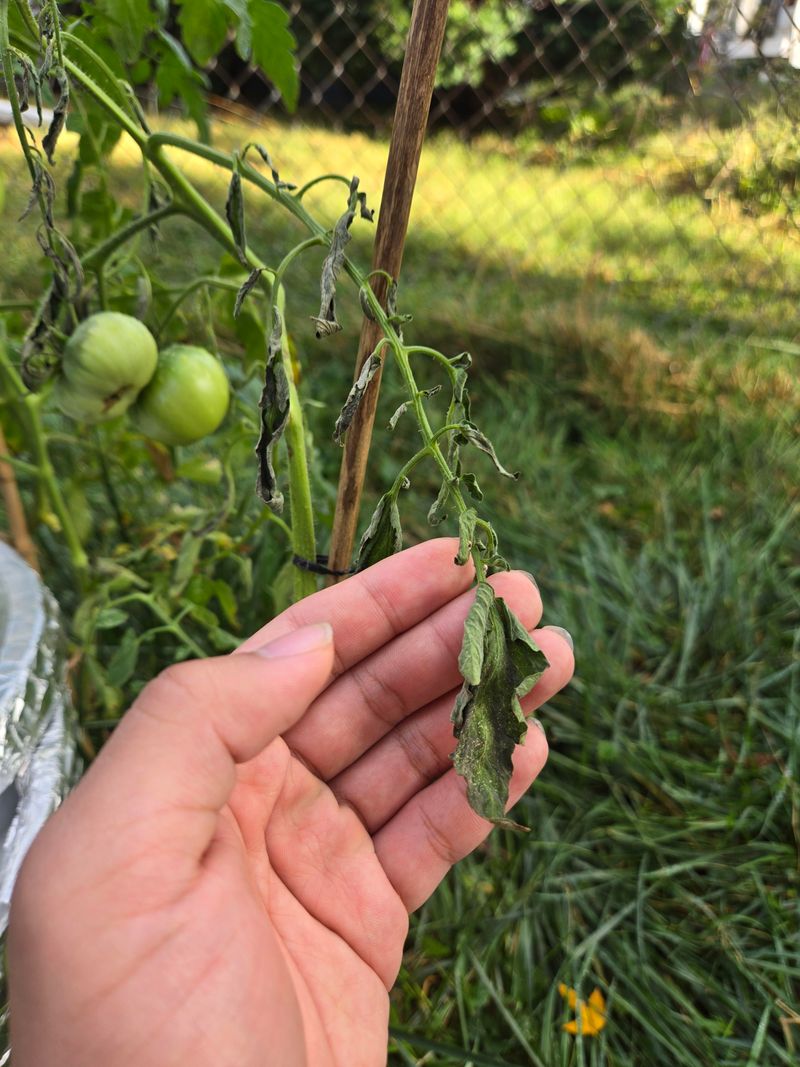
Florida’s humidity also accelerates the spread of fungal and bacterial diseases, allowing problems like blight and wilt to wipe out weeks of effort almost overnight.
When advice designed for cooler, drier regions fails repeatedly, it can feel like you are the problem, even though the real challenge is learning how to garden within Florida’s very different conditions.
The Real Problem With Florida Soil (It’s Not What You Think)
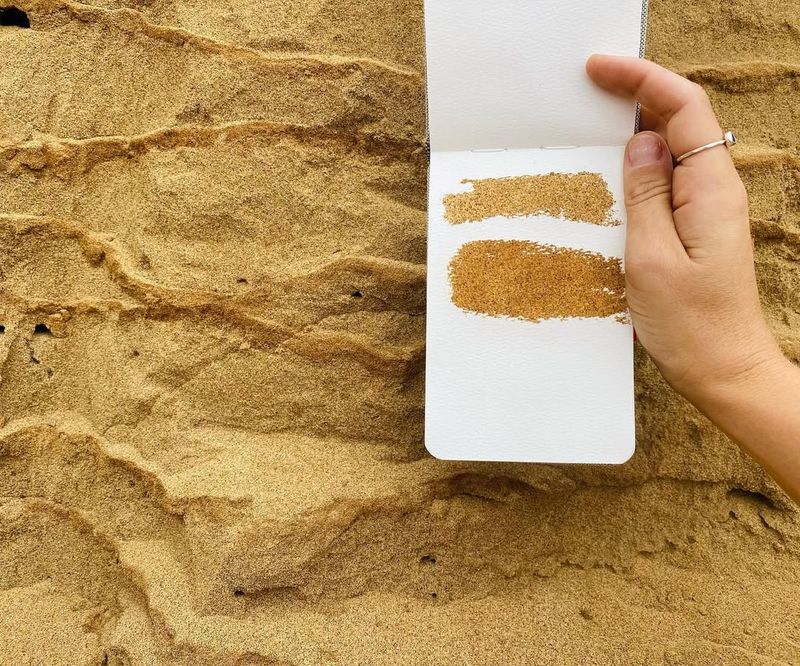
You might assume Florida’s sandy soil is the main reason gardens struggle, but the deeper problem has far more to do with what the soil cannot hold than what it is made of.
Florida soil is extremely low in nutrients, because frequent rain pushes essential elements beyond the reach of plant roots before they can be absorbed.
Nitrogen, phosphorus, and potassium move through sandy soil so quickly that vegetables are often underfed even when you fertilize regularly.
Soil pH also varies widely across the state, which adds another layer of frustration for gardeners trying to do everything right.
North Florida soil tends to be more acidic, while South Florida soil often leans alkaline due to underlying limestone.
Both conditions interfere with nutrient availability, meaning your plants may be surrounded by nutrients they cannot actually use.
Organic matter breaks down rapidly in Florida’s heat and humidity, which prevents soil from holding moisture and nutrients for very long.
Compost that would last an entire season in cooler climates can disappear in a matter of weeks here.
Below the surface, root-knot nematodes quietly attack plant roots, reducing their ability to take up water and nutrients.
Tomatoes, peppers, and other popular vegetables are especially vulnerable to this hidden damage.
Trying to amend native Florida soil often feels like pouring money and effort into something that never truly improves.
What Happens When You Plant Straight In The Ground Here
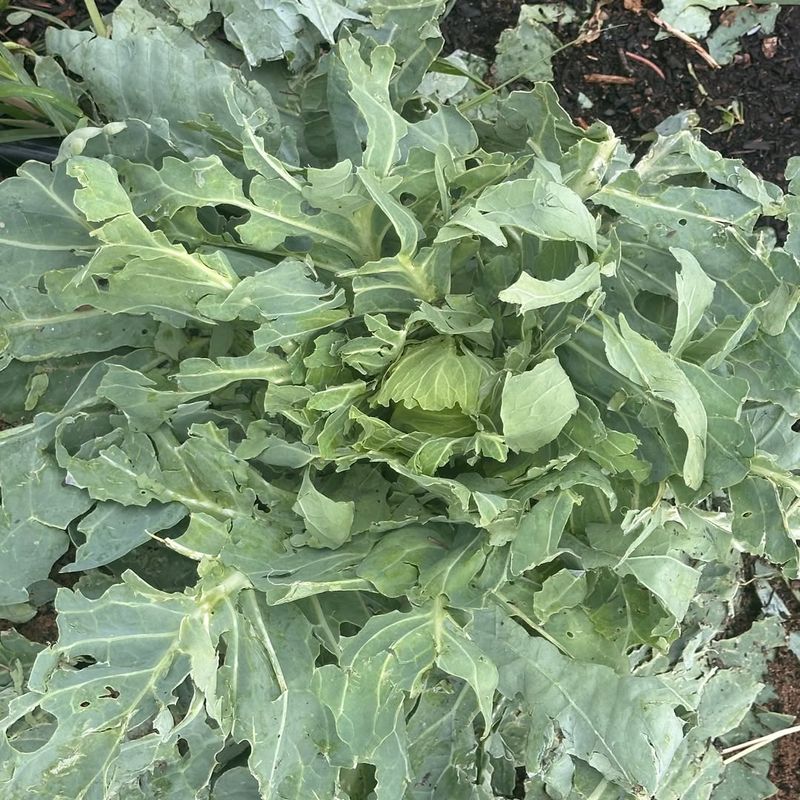
Your seedlings often start out looking healthy, which makes the eventual decline feel confusing and frustrating.
Watering quickly becomes a daily struggle because sandy soil drains so fast that moisture rarely stays where roots can access it.
You can water thoroughly in the morning and still see plants wilting by late afternoon, especially shallow-rooted crops like lettuce and herbs.
Heavy rains create the opposite problem by saturating the soil and cutting off oxygen to plant roots.
Florida’s rapid swings between dry and flooded conditions stress plants continuously, weakening their ability to grow and defend themselves.
Even regular fertilizing rarely produces the results you expect because nutrients wash away before plants can use them.
Tomatoes may develop yellowing leaves and stunted growth as root-knot nematodes attack unseen below the surface.
By the time symptoms appear above ground, significant root damage has often already occurred.
Weeds thrive in Florida’s year-round growing conditions and compete aggressively for water and nutrients.
Persistent weeds like nutgrass are difficult to eliminate and quickly reclaim disturbed soil.
After weeks of effort, the harvest often feels disappointing compared to the time, money, and energy invested.
Planting directly in the ground in Florida requires constant intervention just to keep plants alive.
The One Change That Made Gardening In Florida So Much Easier
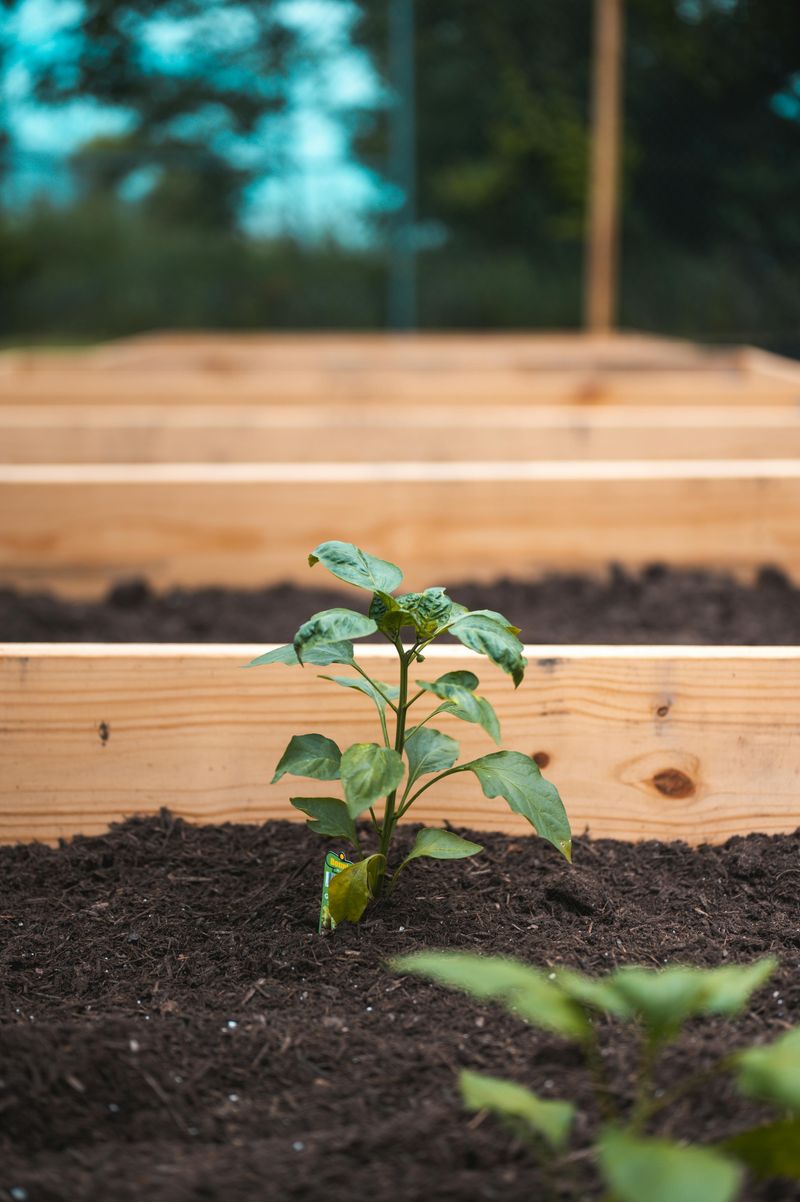
Raised beds quietly transform the experience of growing vegetables in Florida once you stop trying to force native soil to cooperate.
Instead of constantly fighting conditions you cannot control, you can simply bypass the ground altogether and start with soil designed to support healthy growth.
Raised beds allow you to create the exact growing environment your vegetables need, using a soil mix that holds nutrients and moisture instead of letting them wash away.
The added elevation immediately improves drainage by letting excess water move through rather than pooling around roots during heavy rains.
At the same time, the improved soil structure retains enough moisture to keep plants steady between waterings.
I noticed very quickly that having control over soil chemistry and nutrition made every other part of gardening easier.
Because the growing space is contained, it becomes practical to use quality compost and amendments without worrying that they will disappear into the sand.
Starting with fresh soil also creates a barrier against many soil-borne problems that are nearly impossible to avoid in Florida’s native ground.
Removing root-knot nematodes from the equation eliminates one of the most frustrating hidden causes of plant failure.
The higher planting surface reduces strain and makes working in Florida’s heat far more comfortable.
Planting, weeding, and harvesting feel simpler when you are not constantly bent over at ground level.
This single change addresses multiple Florida-specific challenges at once and makes gardening feel manageable instead of exhausting.
Why Raised Beds Work So Well in Florida’s Heat And Rain
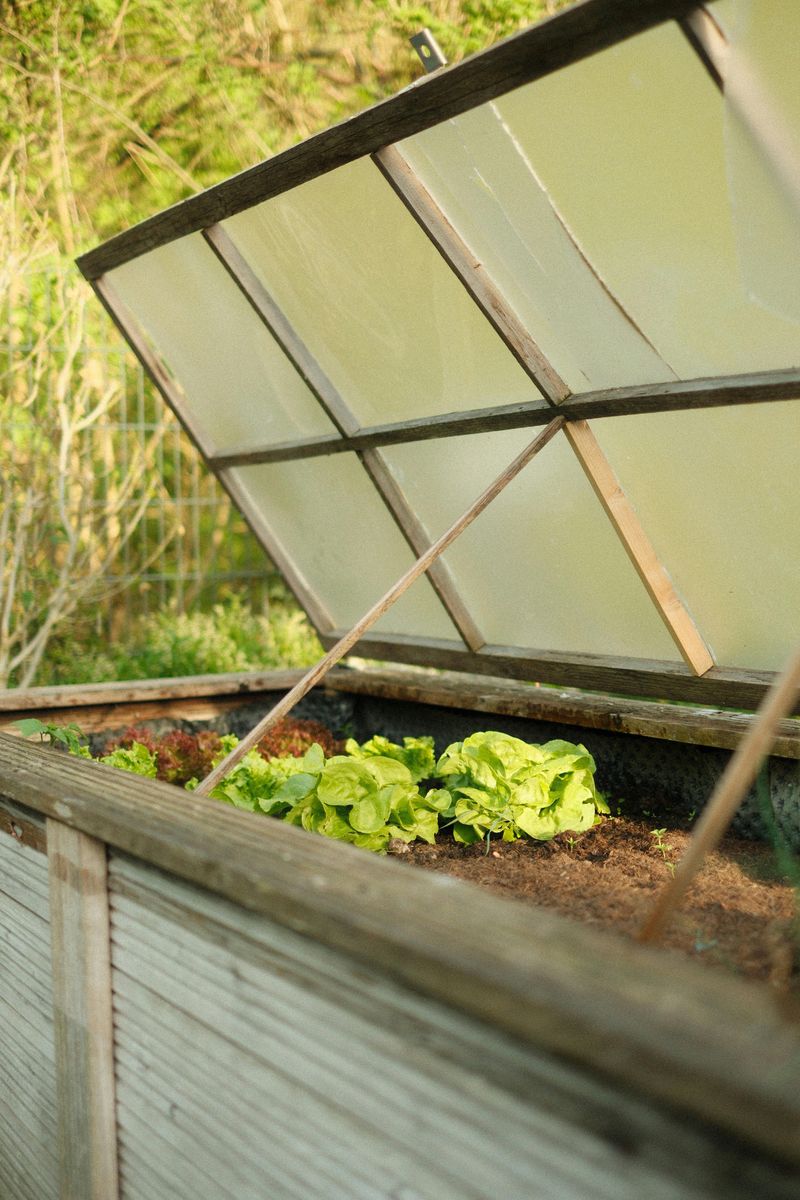
Florida weather feels punishing at ground level, but it starts working differently the moment your plants are lifted above it.
What normally floods roots and bakes soil instead moves through raised beds in a way plants can actually tolerate.
Raised beds warm earlier during cool months, which quietly extends your growing season when in-ground soil stays cold and unresponsive.
That early warmth encourages roots to establish faster before temperature swings have a chance to slow growth.
When summer heat arrives, the same elevation prevents roots from sitting in hot, saturated soil that can quickly become lethal.
After heavy afternoon storms, water drains away instead of trapping heat and suffocating roots below the surface.
The soil you choose for raised beds holds moisture without staying soggy, giving plants access to water even as the surface dries.
Over time, roots grow deeper and stronger, which means vegetables recover faster from heat and need less constant attention.
Better airflow around raised-bed plants reduces the fungal problems that so often appear after rain and humidity settle in.
Leaves dry faster, diseases struggle to take hold, and plants spend more energy growing instead of fighting stress.
With raised beds, even Florida’s unpredictable heat and rain stop feeling like obstacles and start acting like manageable conditions.
The Right Raised Bed Size And Height For Florida Gardens
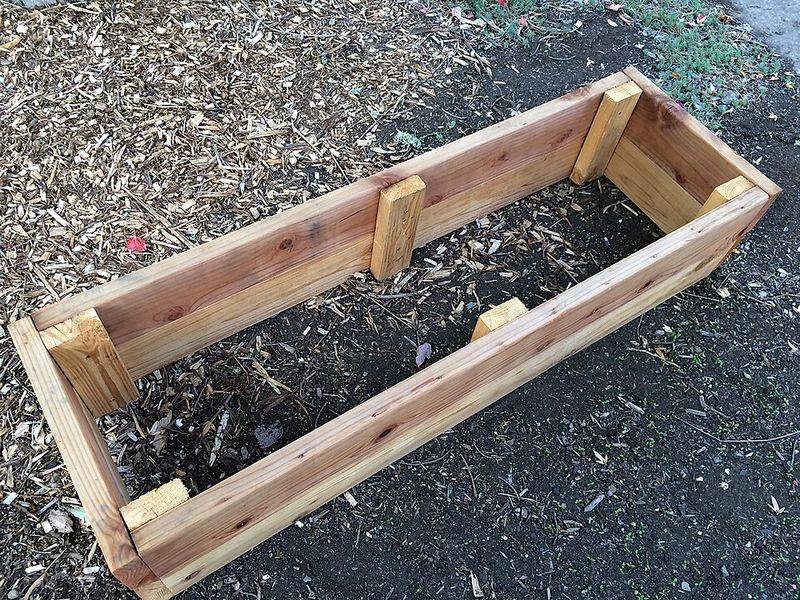
Bigger beds seem appealing at first, but Florida’s sun and heat quickly reveal why size and proportion matter more than sheer volume.
A width of about four feet works best because it lets you reach the center without stepping into the soil or stretching in the heat.
Length is more flexible, but beds kept under twelve feet are easier to water evenly, weed consistently, and maintain over time.
Height plays a much bigger role in Florida than it does in cooler climates because shallow soil heats up and dries out too quickly.
Beds with at least twelve inches of soil give roots room to spread, while eighteen inches offers noticeably better protection during hot spells.
Deeper beds insulate roots from temperature swings and allow plants to move away from surface heat when conditions become extreme.
Shallow beds tend to dry out fast, pulling you back into the constant watering cycle that makes Florida gardening exhausting.
Taller beds, especially those twenty-four inches or more, also reduce strain on your back and knees when you are working in high temperatures.
Comfort matters more than it seems when gardening in Florida, because the easier the bed is to work, the more likely you are to stay consistent.
Multiple smaller beds usually outperform one large structure by making crop rotation simpler and limiting the spread of pests or disease.
When each bed feels manageable, the entire garden becomes easier to care for and more forgiving of mistakes.
The Soil Mix That Makes Raised Beds Actually Thrive
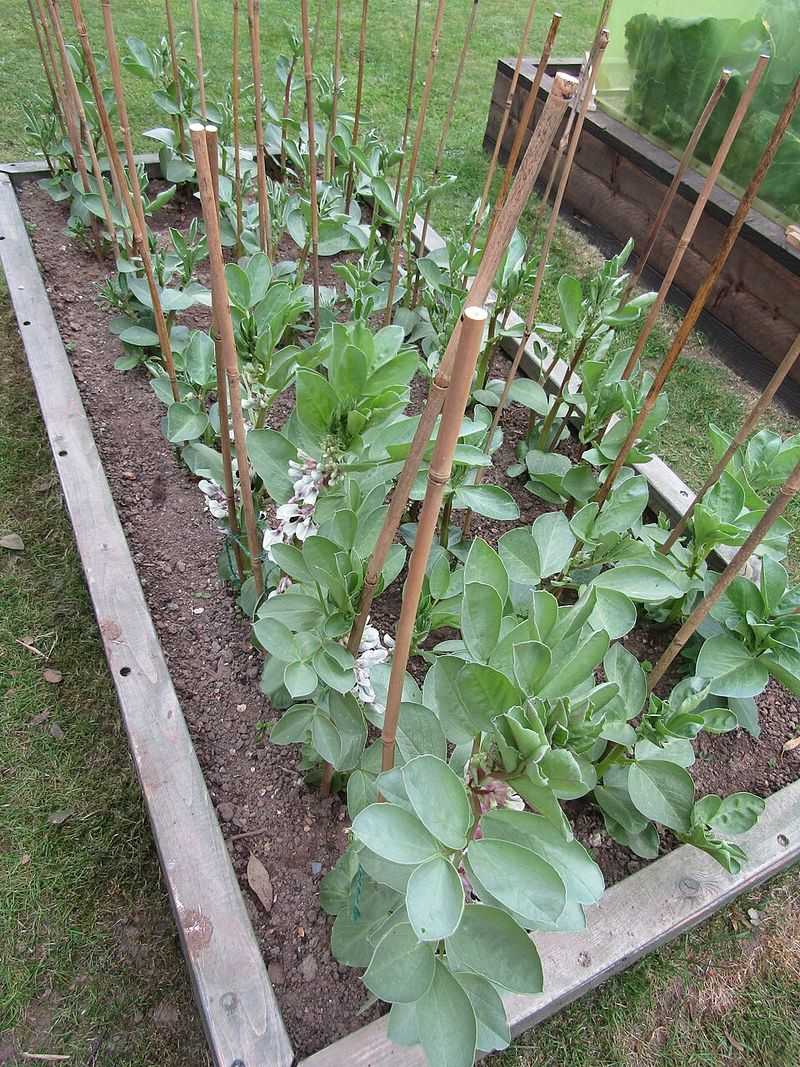
Cheap topsoil from big-box stores often looks convenient, but it usually behaves like slightly improved sand once it settles and compacts.
A simple, balanced mix works far better by combining compost with peat moss or coconut coir and either vermiculite or perlite.
This blend holds nutrients, manages moisture, and drains properly at the same time, which removes many of the problems Florida gardeners constantly fight.
Compost provides steady nutrition while slowly improving soil structure instead of breaking down all at once.
Coconut coir performs especially well in Florida because it resists rapid breakdown in heat and humidity.
It holds moisture without becoming waterlogged, which is exactly what vegetables need when weather swings between heavy rain and dry heat.
Vermiculite or perlite keeps the soil loose and prevents compaction that restricts root growth.
Good aeration around roots dramatically reduces the risk of rot during Florida’s rainy periods.
Adding a layer of quality garden soil or aged manure introduces beneficial microorganisms that support healthier plants.
Living soil biology helps plants access nutrients more efficiently and improves resistance to disease.
Refreshing raised bed soil each year with compost and organic matter keeps it productive despite Florida’s fast organic breakdown.
Regular additions prevent the gradual decline that often surprises gardeners after a few successful seasons.
Vegetables That Perform Best In Florida Raised Beds
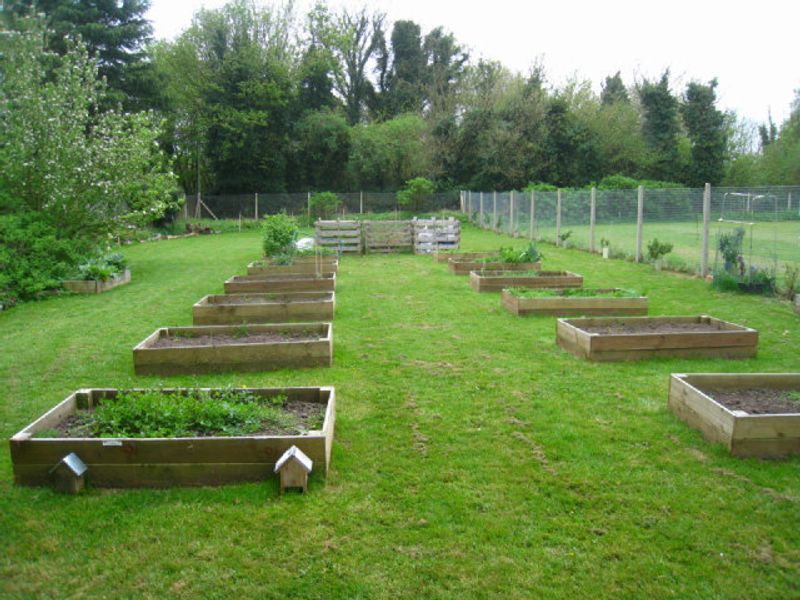
Cherry tomatoes tend to thrive in raised beds because consistent drainage and nutrition remove many of the stresses that make larger tomato varieties struggle in Florida.
Heat-tolerant crops like sweet peppers, hot peppers, and eggplants respond especially well when their roots stay healthy and evenly fed throughout the long warm season.
Leafy greens such as lettuce, kale, and Swiss chard grow far more reliably in raised beds during fall through spring, when controlled soil and optional shade make temperature swings easier to manage.
Raised beds allow these greens to keep producing longer into warming weather instead of bolting suddenly at the first sign of heat.
Bush beans take off quickly in raised beds and often avoid the disease pressure that slows them down when planted directly in the ground.
Green beans, wax beans, and yard-long beans all benefit from the improved airflow and reduced soil stress.
Herbs like basil, cilantro, and parsley flourish when drainage prevents soggy roots and limits fungal problems common in Florida gardens.
These herbs stay productive longer because they are not constantly recovering from soil-related stress.
Summer squash and zucchini produce heavily in raised beds before pests like vine borers become overwhelming.
The healthier early growth gives you a larger harvest window before insect pressure catches up.
Root crops such as radishes and carrots finally grow straight and well-formed in the loose, rock-free soil created inside raised beds.
Instead of fighting compacted ground, these crops can develop the way they are meant to.
Common Raised Bed Mistakes Florida Gardeners Make
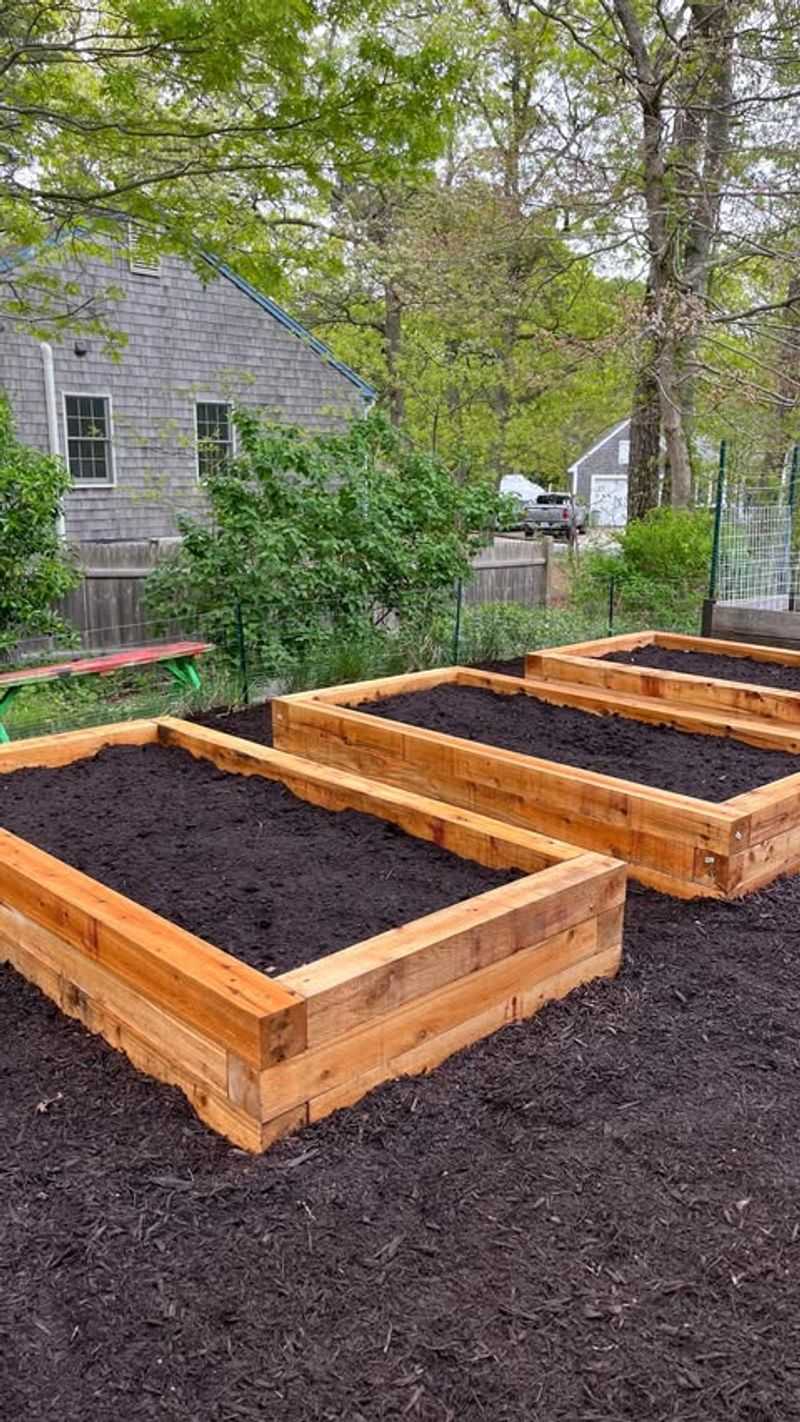
Treated lumber can seem like an easy way to save money until you realize that certain chemicals can slowly leach into the soil where your vegetables grow.
Naturally rot-resistant woods like cedar or cypress hold up far better in Florida’s humidity without introducing unwanted chemicals.
Composite materials designed for garden use are another safe option, even though they cost more upfront.
Cutting corners on soil depth often backfires in Florida because shallow beds dry out quickly and restrict root growth.
Beds that lack enough depth tend to recreate the same moisture and stress problems found in ground planting.
Placing raised beds in full sun all day may work in cooler regions, but it can overwhelm many vegetables during Florida summers.
Morning sun paired with afternoon shade usually produces healthier plants and more consistent harvests.
Skipping hardware cloth beneath the bed allows burrowing pests to tunnel up into your carefully prepared soil.
A simple wire barrier can prevent losses that are frustrating to discover after plants are already established.
Crowding plants because the bed looks empty at planting time reduces airflow and increases disease pressure.
Proper spacing may feel counterintuitive at first, but it gives plants room to grow without constant stress.
Neglecting to refresh compost and organic matter each year gradually pulls your soil back toward Florida’s native conditions.
Regular soil renewal keeps raised beds performing the way they were designed to.
Is A Raised Bed Worth It For Your Florida Garden?
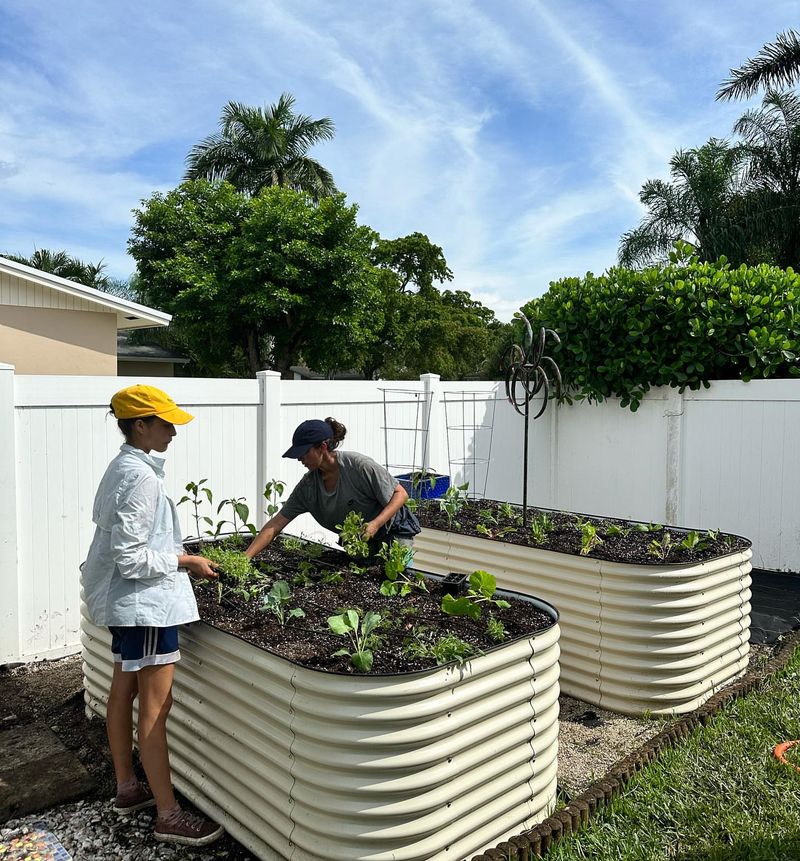
The upfront cost of lumber and soil can feel intimidating when you first start pricing everything out.
But when you think about how much money you’ve already spent on failed plants, fertilizers, and soil fixes, raised beds often turn out to be the cheaper option.
Florida’s native soil makes you pay repeatedly for small improvements that never fully solve the problem.
A raised bed lets you invest once in good soil instead of endlessly trying to fix bad soil.
Most raised beds last many years, which spreads the cost across multiple successful growing seasons.
You also save time, energy, and frustration by eliminating many of the problems that cause Florida gardens to fail.
Gardening becomes something you look forward to instead of something you constantly troubleshoot.
If you rent or expect to move, portable raised beds or large containers can give you the same benefits without permanence.
What matters most is controlling your growing environment rather than fighting the one you were given.
With raised beds, your Florida vegetable garden finally works with your climate instead of against it.