This One Mistake Is Ruining Florida Gardens Before Spring Even Starts
Most Florida gardeners have felt this frustration without realizing what caused it. You clean up beds, buy fresh plants, and wait for spring like everyone else.
Then weeks later, your tomatoes struggle, weeds take over, and pests seem to appear overnight. It feels like bad luck, but it usually isn’t.
Florida plays by different rules than the rest of the country. While northern gardens are still waking up, Florida soil is already warming and plants are quietly getting started.
By the time many homeowners feel motivated to work outside, the most important window has already passed.
This is not about gardening skill or effort. It is about timing.
One small delay early in the year can ripple through an entire season, making everything harder than it needs to be. Once you understand what is actually happening in Florida landscapes before spring arrives, the pattern becomes impossible to ignore.
Florida Gardens Wake Up Long Before Spring Does
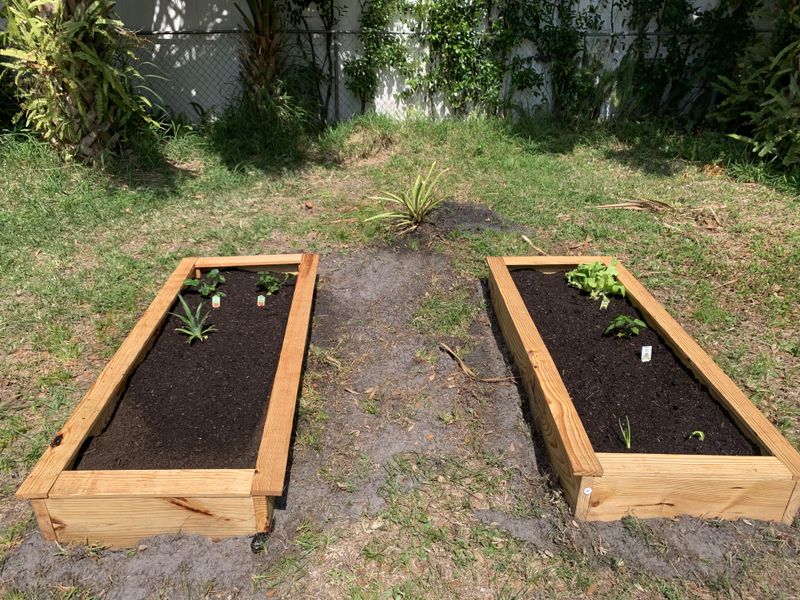
Most people picture spring as the time when gardens come alive, but Florida operates on an entirely different schedule that surprises newcomers and longtime residents alike. In much of Florida, the growing season quietly starts in January or February—weeks before gardeners in colder states even think about planting.
Temperatures climb steadily during these early months, triggering biological processes in plants, soil organisms, and even pests that need your attention right away.
Sunshine State gardeners who wait for traditional spring timing miss critical windows for soil preparation, fertilization, and early pest management.
In South and Central Florida, warm-season vegetables like tomatoes, peppers, and squash perform best when planted by late February or early March, giving them time to establish strong roots before summer heat cuts the season short.
Ornamental plants also respond to lengthening days and warmer soil temperatures well before the calendar suggests spring has officially started.
Understanding this accelerated timeline helps you work with Florida’s climate instead of against it. Gardens that receive early attention develop healthier root systems, stronger disease resistance, and better overall vigor throughout the growing season.
Recognizing that your garden wakes up in winter rather than spring represents the first step toward more successful gardening outcomes in this unique subtropical environment.
The Assumption That Sets Garden Problems In Motion
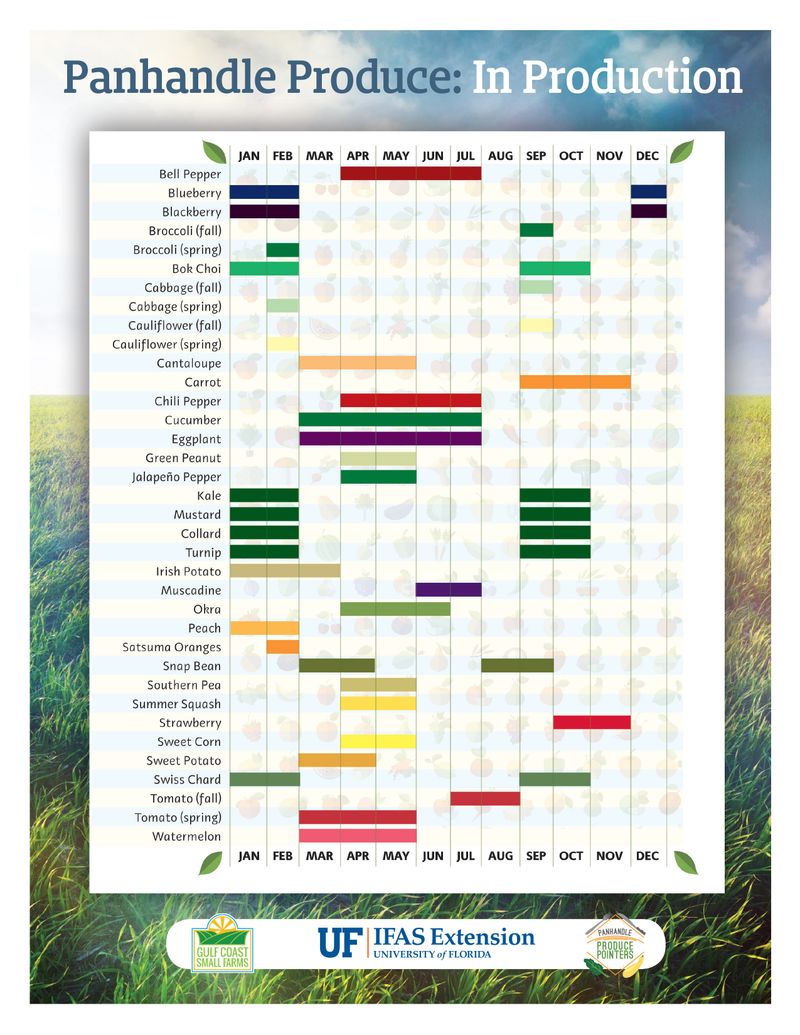
Gardeners across Florida make one critical assumption that quietly undermines their efforts before they even realize something has gone wrong. The biggest mistake Florida gardeners make is following advice written for climates that still have snow on the ground when Florida soil is already warming.
This misconception leads to delayed action during the most important preparation period, leaving gardens vulnerable to problems that compound as temperatures rise.
When you postpone garden preparation until March or April, you miss the optimal window for amending soil, applying pre-emergent treatments, and establishing young plants.
Florida’s soil warms rapidly during late winter, creating ideal conditions for beneficial microbes to break down organic matter and make nutrients available to plant roots.
Waiting until ‘spring’ often means planting into soil that never got the early-season boost it needed to support fast, healthy growth.
This timing mistake also affects pest management strategies that work best when applied before insect populations explode.
Early intervention gives you control over garden conditions, while delayed action forces you into reactive mode throughout the growing season.
Recognizing this fundamental assumption and adjusting your calendar accordingly transforms your gardening results and eliminates frustration caused by following advice designed for completely different climates.
Why Waiting For Spring Backfires In Florida
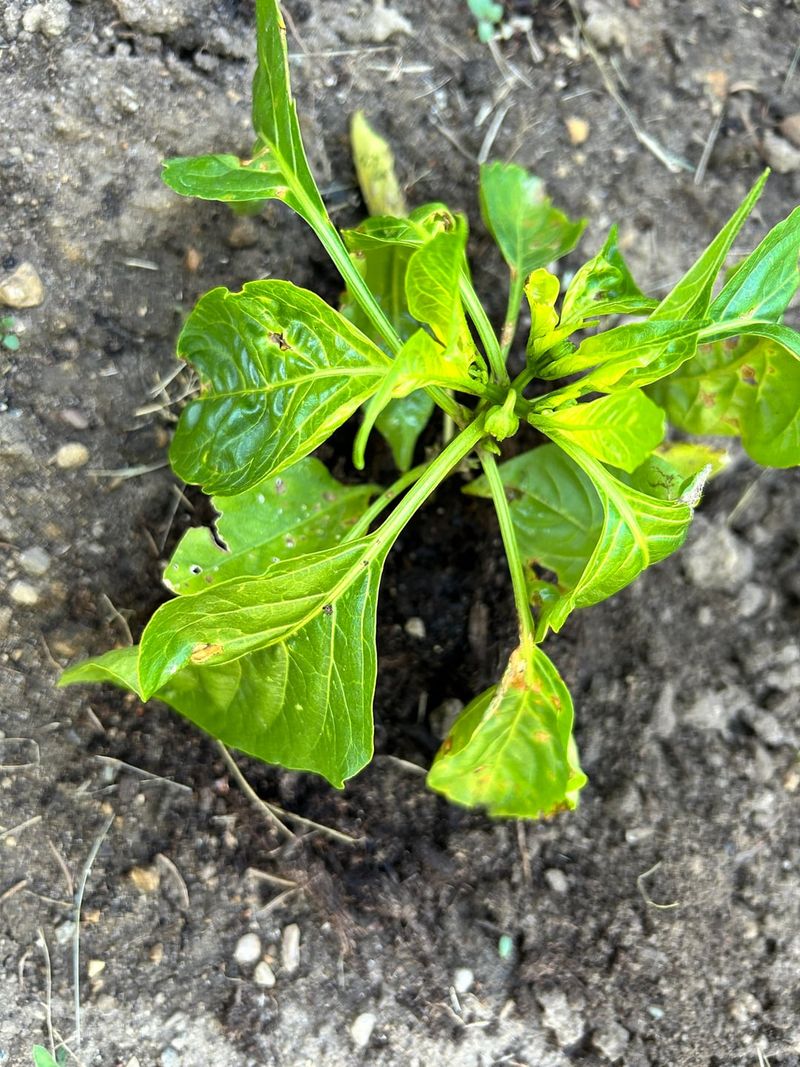
Putting off garden prep until April or May doesn’t doom a garden—but it does stack the odds against heat-sensitive plants from day one.
By the time traditional spring arrives in Florida, soil temperatures have already climbed into ranges that stress cool season crops and limit establishment time for warm season varieties.
Your tomatoes, peppers, and summer squash need several weeks of moderate temperatures to develop strong root systems before facing the intense heat and afternoon thunderstorms of summer.
Plants installed too late struggle with heat stress from day one, making them more susceptible to disease pressure and pest damage throughout the growing season. Vegetables planted late often spend more energy surviving heat stress than producing flowers and fruit.
Ornamental plants face similar challenges when root establishment coincides with peak heat rather than occurring during milder late winter conditions.
Weeds also gain significant advantages when garden preparation happens too late in the season.
Many aggressive Florida weeds germinate during late winter and early spring, establishing deep root systems before gardeners notice them becoming problems.
Early garden preparation allows you to address weed pressure before it becomes overwhelming, while delayed action leaves you fighting established plants that compete vigorously for water, nutrients, and growing space throughout the entire season.
What Is Already Happening Beneath The Soil Surface
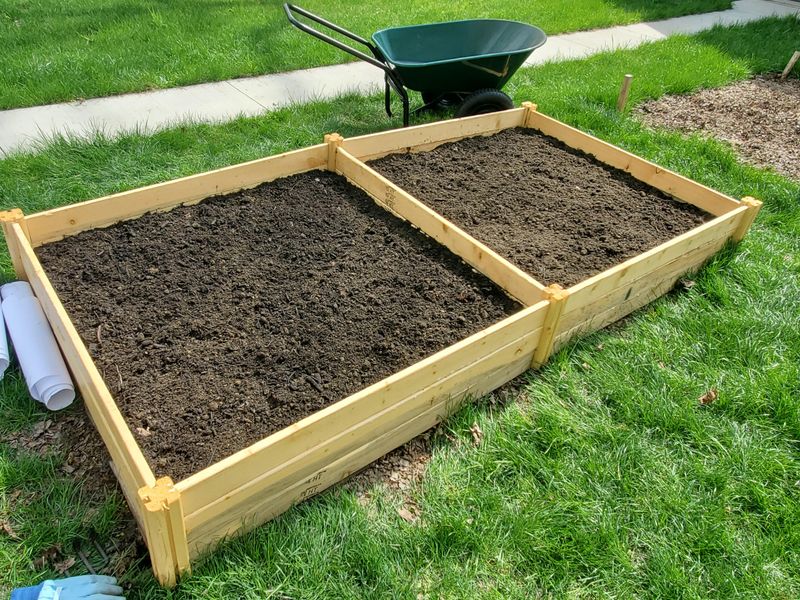
While the surface of your garden might look dormant during January and February, remarkable biological activity begins ramping up in the soil profile where you cannot see it.
Soil microorganisms respond to warming temperatures by increasing their metabolic activity, breaking down organic matter and releasing nutrients that plants will need as growth accelerates.
Beneficial fungi form networks that help plants access water and minerals more efficiently, but these relationships take time to establish and work best when initiated before rapid plant growth begins.
Root systems of perennial plants and overwintering crops also become more active during late winter, extending into deeper soil layers and preparing to support new growth.
This underground expansion requires adequate moisture and nutrients, which means your fertilization and irrigation strategies need adjustment well before you see visible signs of spring growth above ground.
Dormant looking plants are actually quite busy below the surface, setting the stage for the performance you will observe in coming months.
As soils warm in late winter, earthworms and microbes begin loosening compacted areas naturally—especially in beds rich in organic matter. Late-winter soil work gives microbes time to activate and organic matter time to integrate before plants demand rapid growth.
Waiting until traditional spring often means missing the most efficient window for soil improvements to fully benefit plants throughout the growing season.
Early Pest Activity Most Gardeners Never Notice
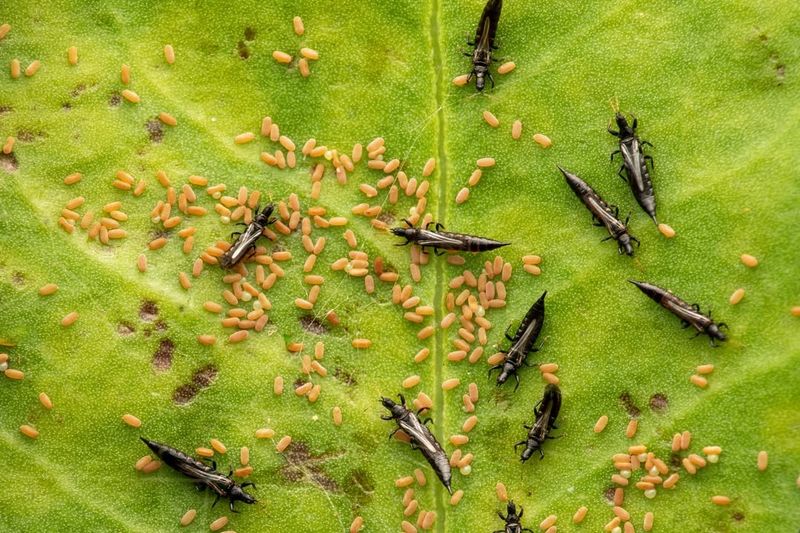
Insect pests begin their seasonal activity much earlier than most Florida gardeners realize, establishing populations long before visible damage appears on plants.
Aphids, whiteflies, and thrips start reproducing during late winter when temperatures consistently reach the mid-60s, building numbers quietly on weeds and ornamental plants around your property.
By the time you notice leaf damage or sticky honeydew on your vegetables in April, these pests have already gone through multiple generations and reached population levels that require aggressive intervention.
Soil dwelling pests also become active earlier than surface observations suggest. Many soil-dwelling pests become more active as temperatures rise, positioning themselves to attack roots just as new growth begins.
Nematodes, microscopic roundworms that damage plant roots, remain active year-round in Florida but increase feeding activity as soil temperatures rise during late winter. Early season monitoring and preventive treatments work far better than waiting until plant damage becomes obvious.
Fungal diseases also gain footholds during late winter when morning dew and occasional rain create humid conditions perfect for spore germination.
Early cultural practices—like spacing plants properly and improving airflow—do more to prevent disease than spraying after problems appear.
Gardeners who wait until traditional spring to think about pest management start the season already behind, fighting established problems rather than preventing them from developing in the first place.
How Small Delays Create Bigger Garden Problems
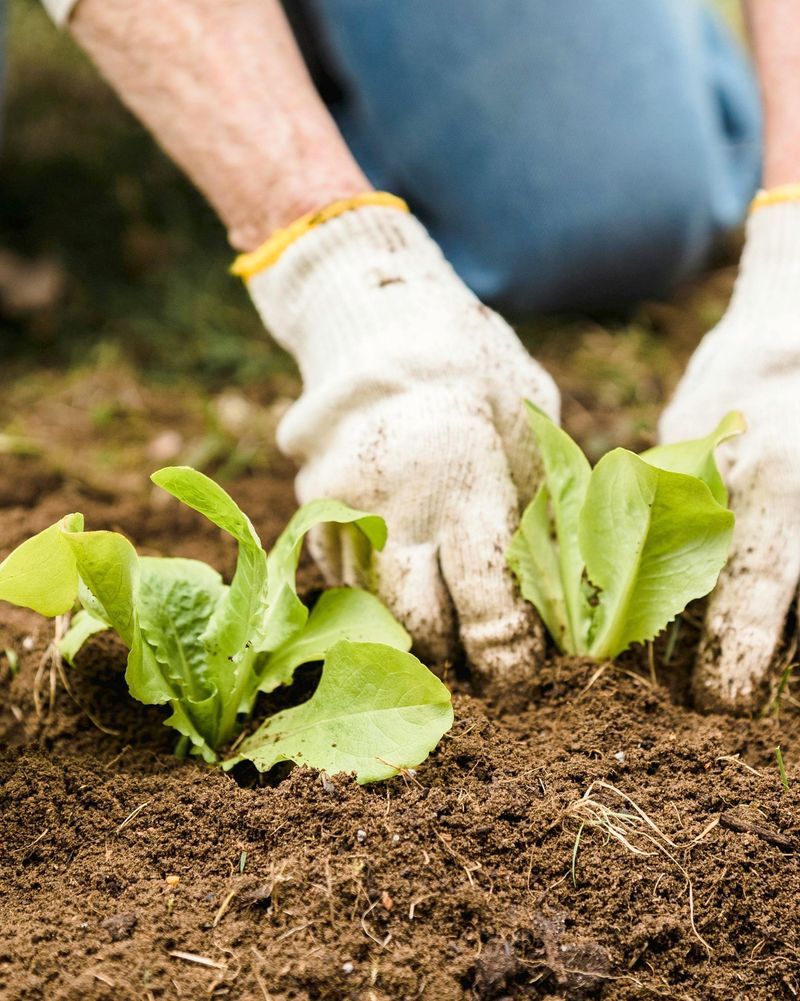
In Florida’s fast-moving climate, even a short delay can shrink the window plants have to establish before heat takes over. Soil amendments need time to integrate and begin affecting soil chemistry before plants go in the ground, and rushing this process by planting too soon after amendment application can actually harm young transplants.
Waiting until late March to prepare beds means your plants start growing in soil that has not had adequate time to stabilize and develop the biological activity they need for optimal growth.
Delayed planting also compresses your growing season, leaving less time between transplanting and the arrival of intense summer heat. Tomatoes planted in late March have fewer weeks to establish root systems and set fruit before temperatures climb into the low 90s, reducing total harvest and fruit quality.
Each week of delay reduces the window of moderate growing conditions your plants need to develop strong foundations for productive growth throughout the season.
Pest management becomes progressively more difficult as the season advances and insect populations build.
Early intervention with monitoring traps, beneficial insects, or targeted treatments keeps pest numbers manageable, while delayed action forces you to use more aggressive strategies that can harm beneficial organisms and disrupt garden ecology.
Small timing adjustments in late winter prevent the need for intensive pest control efforts later when problems have become established and harder to manage effectively.
Soil Temperature Is The Real Seasonal Clock
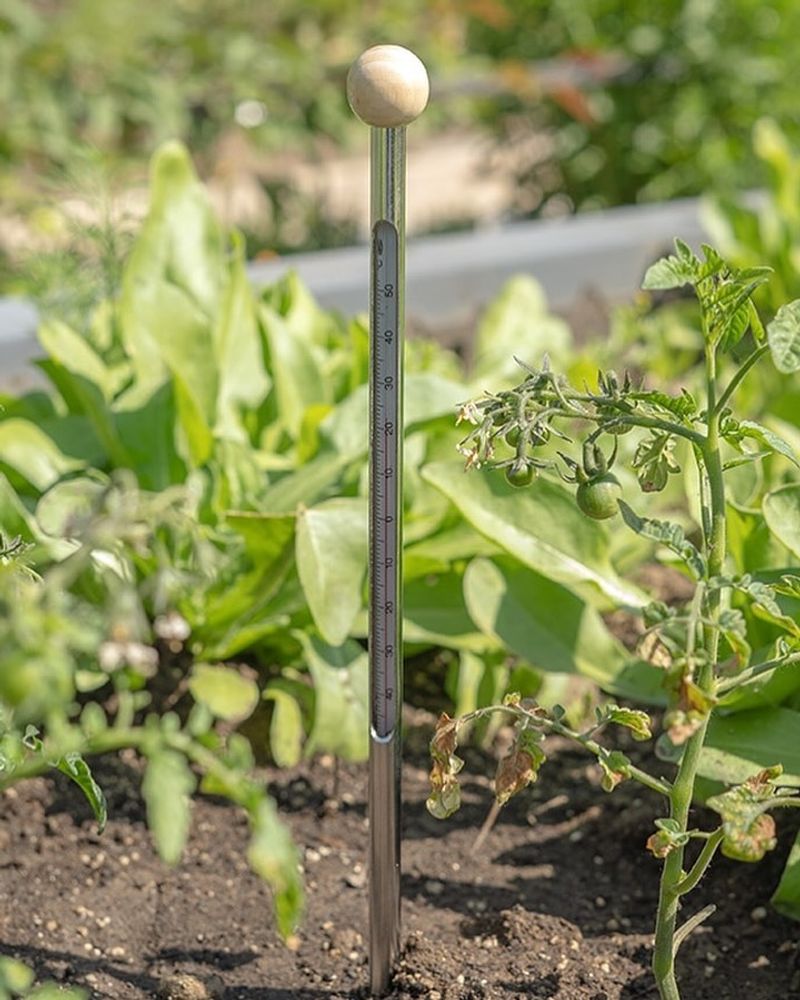
Calendar dates provide convenient reference points, but soil temperature tells you what is actually happening in your garden and when plants will respond to care you provide them.
Most warm season vegetables germinate and establish roots best when soil temperatures consistently reach 60 to 65 degrees, conditions that typically arrive in Florida during February rather than April.
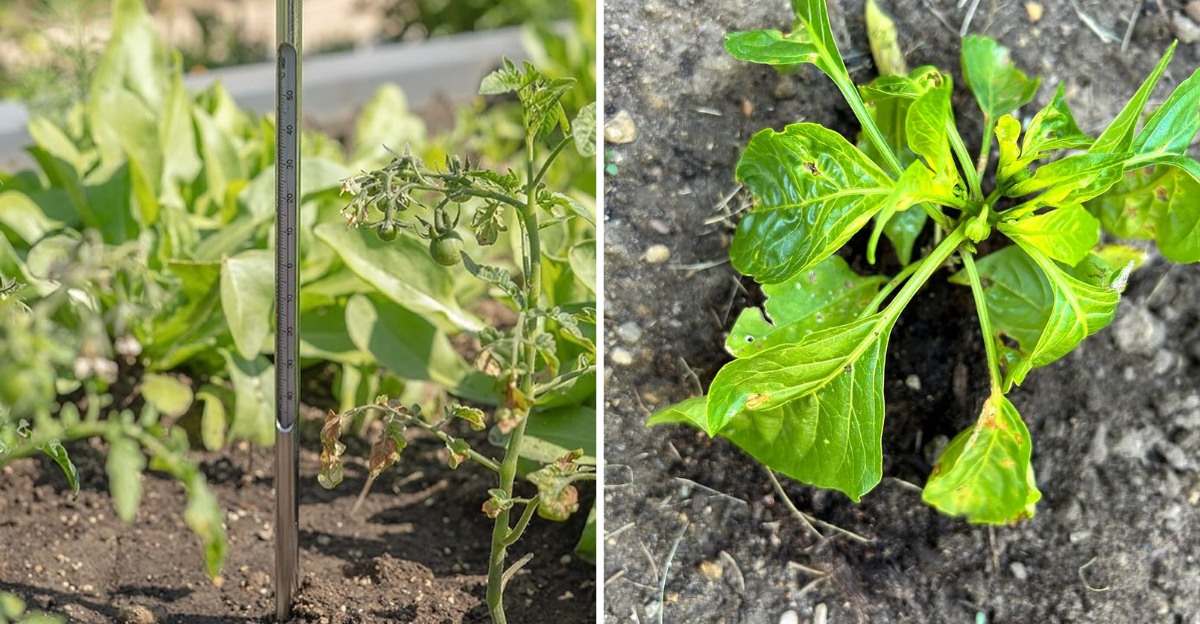
Inexpensive soil thermometers take the guesswork out of timing decisions, giving you accurate information about when your garden is truly ready for planting and active growth.
Different plants respond to different soil temperature thresholds, which is why understanding these numbers helps you sequence planting for maximum success. In many parts of Florida, cool-season crops thrive when planted in mid-winter, long before spring gardening feels intuitive.
Warm season crops wait for warmer conditions, but even these have optimal temperature ranges that produce better results than planting when soil becomes too warm.
Matching plant installation to appropriate soil temperatures rather than calendar dates dramatically improves establishment success and long term plant performance.
Soil temperature also affects fertilizer efficiency and nutrient availability. Microbial activity that converts organic matter and slow release fertilizers into plant available nutrients requires adequate warmth to function effectively.
Fertilizer works best when soil temperatures are warm enough for microbes to do their job; otherwise some nutrients can sit unused or wash away.
Monitoring soil temperature helps you time fertilizer applications for maximum benefit and minimal waste throughout the growing season.
Subtle Warning Signs Gardeners Often Miss
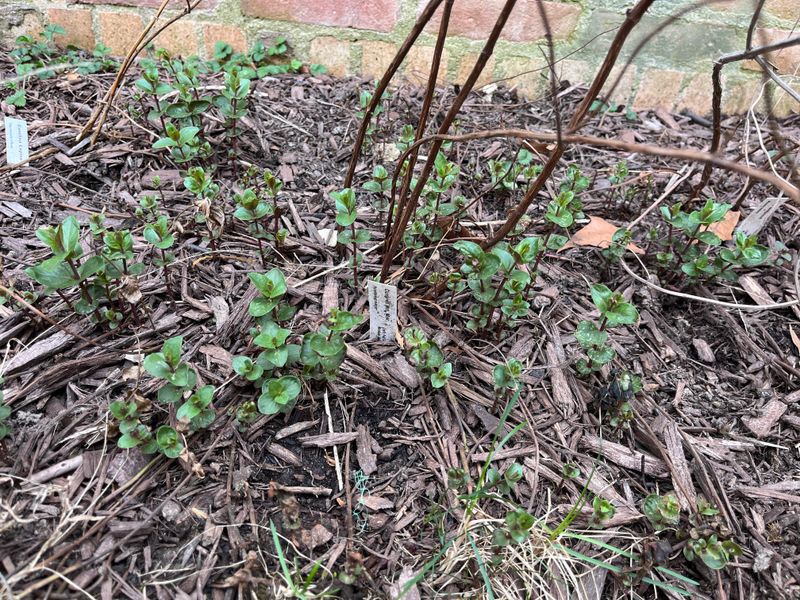
Your garden communicates its needs through subtle signals that are easy to overlook if you are not paying attention during late winter months.
Perennial plants begin showing tiny green growth points near their bases weeks before most people think about garden activity, indicating that roots have become active and plants are ready for fertilizer and fresh mulch.
Missing these early signals means missing the optimal window to support vigorous spring growth that sets the tone for the entire season.
Soil texture changes also provide clues about readiness for garden work. When winter rains finally taper off and soil drains properly, you have a brief window to work amendments into beds before spring planting begins.
Soil that forms a loose ball when squeezed but crumbles easily when touched is perfect for cultivation, while working soil that is too wet creates compaction that harms plant roots for months afterward.
Learning to recognize ideal soil moisture conditions helps you time garden preparation for best results.
Weed germination patterns also signal that garden season has arrived. When you notice small weed seedlings appearing in beds and lawn areas, soil temperatures have reached levels that also support vegetable and flower planting.
Rather than viewing early weeds as merely a nuisance, smart gardeners recognize them as indicators that conditions favor all plant growth and preparation work should begin immediately.
These subtle environmental cues provide more reliable timing information than any printed planting calendar can offer for your specific microclimate.
The Simple Shift That Changes Everything
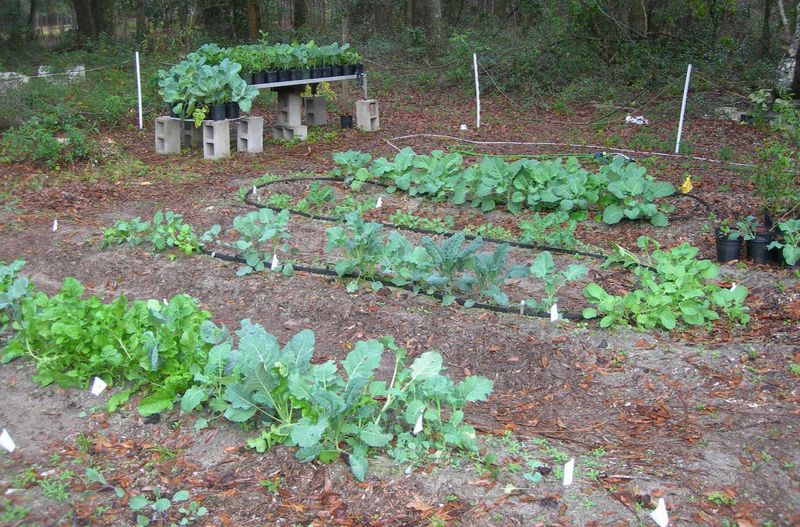
Transforming your Florida gardening results requires one straightforward adjustment that costs nothing but changes everything about how your plants perform. Florida gardeners win by shifting their mental calendar forward several weeks and treating late winter as the true start of the season.
This simple shift in perspective helps you recognize late January and February as prime garden preparation time rather than viewing these months as too early for outdoor work.
Starting your garden season in late winter does not mean more total work, but rather redistributing effort to times when it produces better results.
Soil preparation, amendment application, and early planting during mild weather is actually easier and more pleasant than rushing through these tasks during hot March and April days.
Your plants also establish better when transplanted during cooler conditions, requiring less intensive watering and showing lower transplant shock than vegetables installed during warmer periods.
This timing adjustment also creates better alignment between your garden activities and natural processes already occurring in your landscape.
You work with warming soil temperatures, increasing microbial activity, and optimal growing conditions instead of constantly playing catch up throughout the season.
Gardens prepared early develop momentum that carries through summer, while delayed gardens spend months trying to overcome poor starts.
Embracing Florida’s unique seasonal rhythm represents the single most impactful change most gardeners can make to improve their results without spending extra money or time.
Starting Early Is The Secret To Healthier Gardens
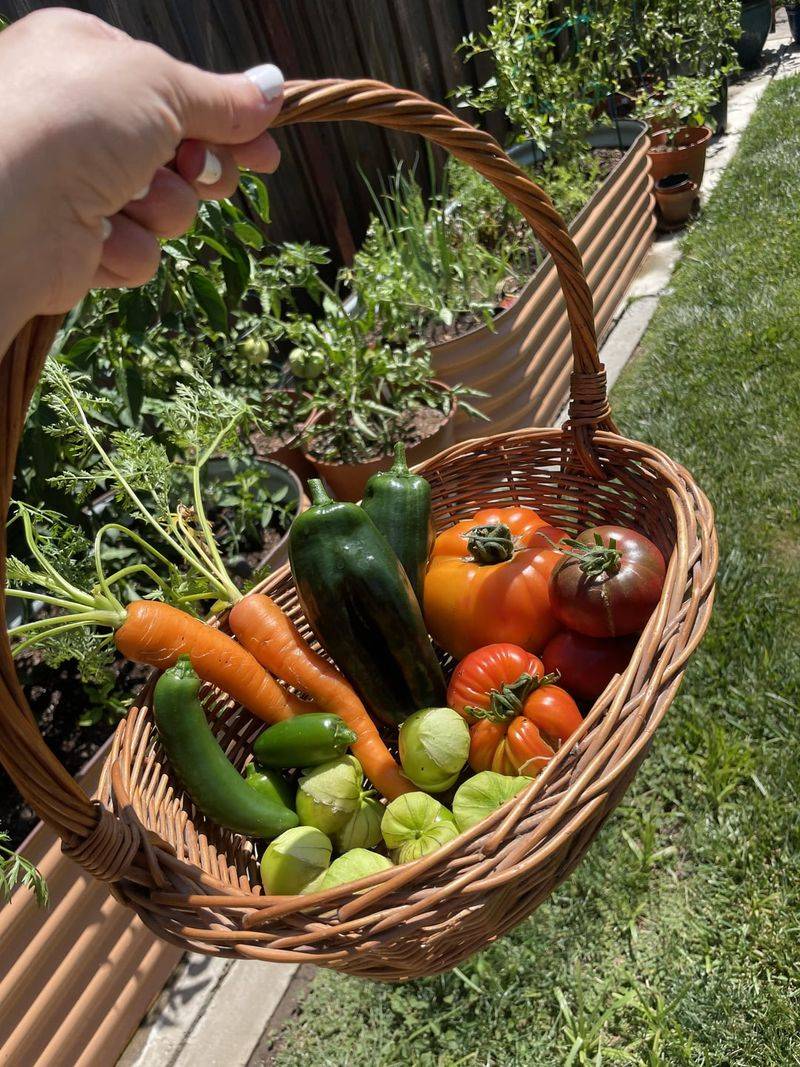
Gardens that get attention in late winter almost always start stronger, stay healthier, and demand less rescue work later. Early preparation gives plants the gift of time to establish strong root systems before environmental stress arrives, creating resilience that pays dividends for months afterward.
Well rooted plants access water and nutrients more efficiently, resist disease pressure more effectively, and produce more abundantly than poorly established specimens struggling to survive.
Beginning your garden season early also reduces overall maintenance requirements during busy summer months when heat makes outdoor work less appealing.
Plants established during mild late winter conditions need less frequent watering, show better natural pest resistance, and require fewer interventions to maintain health and productivity.
The extra effort invested during comfortable February weather saves considerable time and frustration during hot July afternoons when you would rather enjoy your garden than constantly troubleshoot problems.
Most importantly, early garden preparation transforms your relationship with Florida gardening from frustrating to rewarding.
Success breeds enthusiasm and encourages continued learning and improvement, while repeated struggles caused by poor timing lead many people to give up on vegetable gardening entirely.
Understanding that Florida gardens operate on a different schedule than the rest of the country empowers you to make timing decisions that work with your local climate, creating the healthy productive garden you have always wanted to grow.