This One Native Shrub Makes Florida Gardens Bird Magnets
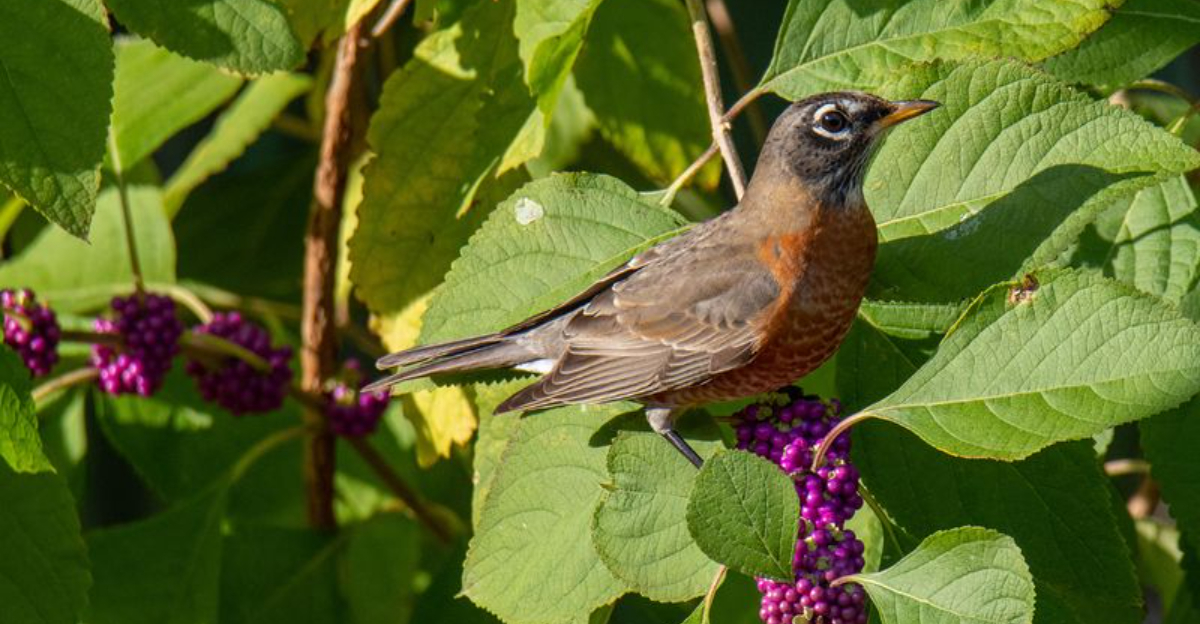
Most Florida homeowners spend money on bird feeders, seed, and fancy garden features, yet one native shrub can bring more birds to your yard than all of them combined.
American beautyberry turns ordinary landscapes into colorful bird hotspots every fall and winter, thanks to its eye-catching purple berries that birds cannot resist.
This low-maintenance Florida native thrives in local conditions, requires little care once established, and rewards gardeners with nonstop wildlife activity. Cardinals, mockingbirds, catbirds, and migrating flocks all depend on natural food sources like beautyberry when other options disappear.
Planting this single shrub can transform quiet backyards into daily birdwatching destinations while improving your landscape’s natural beauty at the same time.
If you want more wildlife, less maintenance, and a garden that works with Florida’s climate instead of against it, this native plant deserves a closer look.
1. What Is American Beautyberry And Why Birds Love It
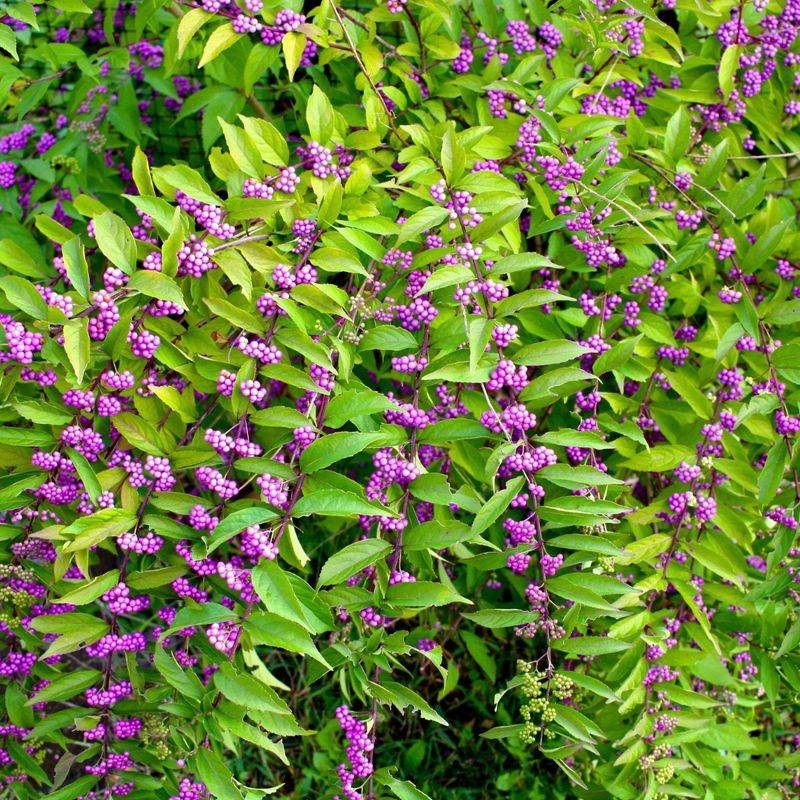
American beautyberry, known scientifically as Callicarpa americana, grows naturally in Florida woodlands and forest edges, where it has been feeding wildlife for thousands of years. This deciduous shrub typically reaches four to eight feet tall and wide, creating an open, arching form that fits beautifully into naturalized garden settings.
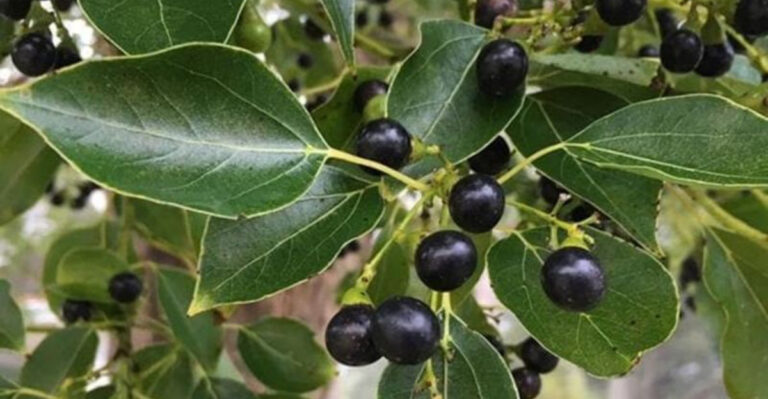
From late summer through winter, the plant produces stunning clusters of bright purple berries that wrap around the stems like jeweled bracelets, creating a visual spectacle that catches both human and avian attention.
Birds are drawn to beautyberry for reasons that go beyond simple aesthetics. The berries provide energy-rich carbohydrates that help migratory species build fuel reserves for long flights south, while resident birds rely on them as a dependable food source when insects become less available.
Dozens of bird species have been documented feeding on beautyberry fruits, including cardinals, mockingbirds, catbirds, and thrashers.
The shrub blooms with small pink flowers in spring and summer, attracting pollinators before the berries develop. Florida gardeners appreciate how beautyberry thrives without fussy care requirements, adapting to various soil types and light conditions.
Once established, the plant tolerates drought periods while still producing abundant berry crops that keep birds visiting your yard throughout cooler months.
2. How American Beautyberry Turns Florida Yards Into Bird Havens
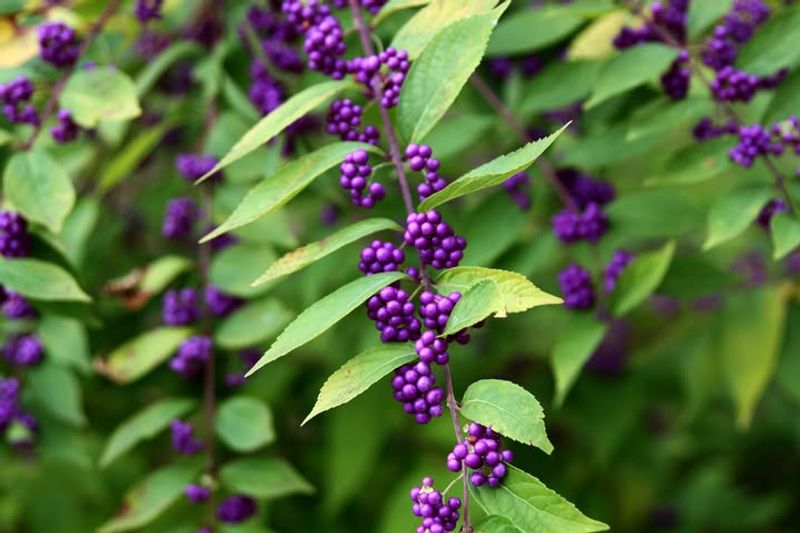
Planting beautyberry creates a ripple effect that transforms your landscape into a thriving ecosystem. Birds that initially visit for the berries often discover other food sources in your yard, including insects attracted to companion native plants, establishing your garden as a regular stop on their feeding routes.
Over time, you’ll notice increased bird activity throughout all seasons as different species learn that your property offers reliable resources.
The shrub’s structure provides additional benefits beyond food. Its branching pattern creates safe perching spots where birds can rest between feeding sessions and survey their surroundings for potential threats.
Smaller songbirds appreciate the mid-level cover beautyberry offers, giving them protection from hawks and other predators while remaining accessible for quick escapes.
Grouping three or more beautyberry plants together significantly increases wildlife value. Multiple shrubs produce overlapping berry crops that extend the feeding window, and the increased cover encourages birds to linger longer in your yard.
Position beautyberries near windows where you spend time, and you’ll enjoy front-row seats to the constant activity as cardinals, robins, and waxwings take turns sampling the purple bounty while chattering and flitting through the branches.
3. When American Beautyberry Produces Its Famous Purple Berries
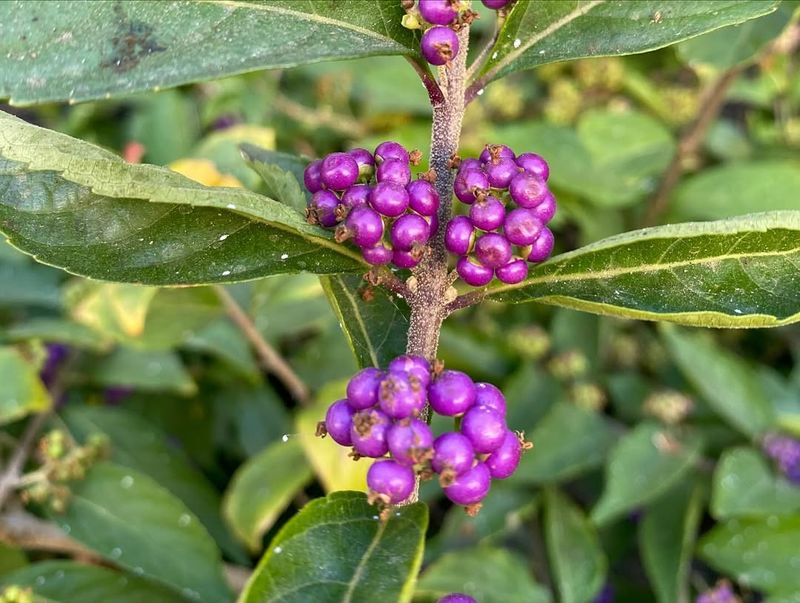
Beautyberry follows a predictable seasonal rhythm that makes planning your wildlife garden easier. The shrub leafs out in spring as temperatures warm, developing bright green foliage that creates a lush backdrop for other flowering plants.
Small pink blooms appear along the stems from May through July, though these delicate flowers often go unnoticed among the foliage.
Berry formation begins in late summer, with green fruits gradually ripening to their signature purple color by September.
This timing proves perfect for Florida gardens because the berries mature just as fall migration begins, when migrating birds passing through the state need high-energy food to fuel their journeys.
The berry display peaks in October and November, creating spectacular visual interest when many other plants have finished their show.
Berries persist on the branches well into winter, typically lasting until December or January depending on bird activity and weather conditions. Some years, particularly heavy crops may extend into February, though most fruits disappear by late January as resident birds consume remaining supplies.
Understanding this timeline helps you appreciate the full value beautyberry brings to your landscape, providing critical wildlife support during a six-month window when your yard becomes a vital feeding station for both migrating and overwintering species.
4. Where American Beautyberry Grows Best In Florida
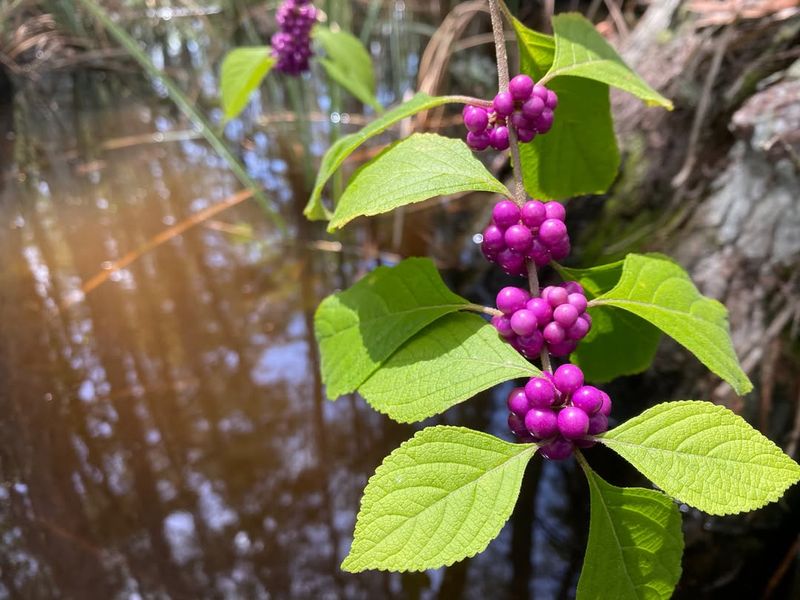
American beautyberry thrives across North and Central Florida, making it accessible to gardeners throughout most of the state. It is less reliable in South Florida’s tropical climate.
The plant is hardy in USDA zones 7 through 11, covering North and Central Florida and performing reliably in the state’s humid subtropical climate.
Northern Florida gardeners find beautyberry especially vigorous, while Central Florida locations provide ideal conditions for robust growth and heavy berry production.
Light conditions significantly influence how beautyberry performs in your landscape. The shrub tolerates full sun to partial shade, though it produces the most abundant berry crops when receiving at least four to six hours of direct sunlight daily.
In shadier spots, beautyberry still grows well but may develop a more open form with fewer fruit clusters. Many Florida gardeners achieve excellent results by planting beautyberry at woodland edges or beneath high tree canopies where dappled sunlight filters through.
Soil preferences prove remarkably flexible for this adaptable native. Beautyberry grows in sandy soils common to much of Florida, as well as clay and loamy conditions, though it appreciates reasonable drainage to prevent root problems.
The plant handles both acidic and slightly alkaline soils without complaint, making it suitable for diverse Florida landscapes from coastal properties to inland yards with varying soil chemistry.
5. How To Plant And Care For American Beautyberry
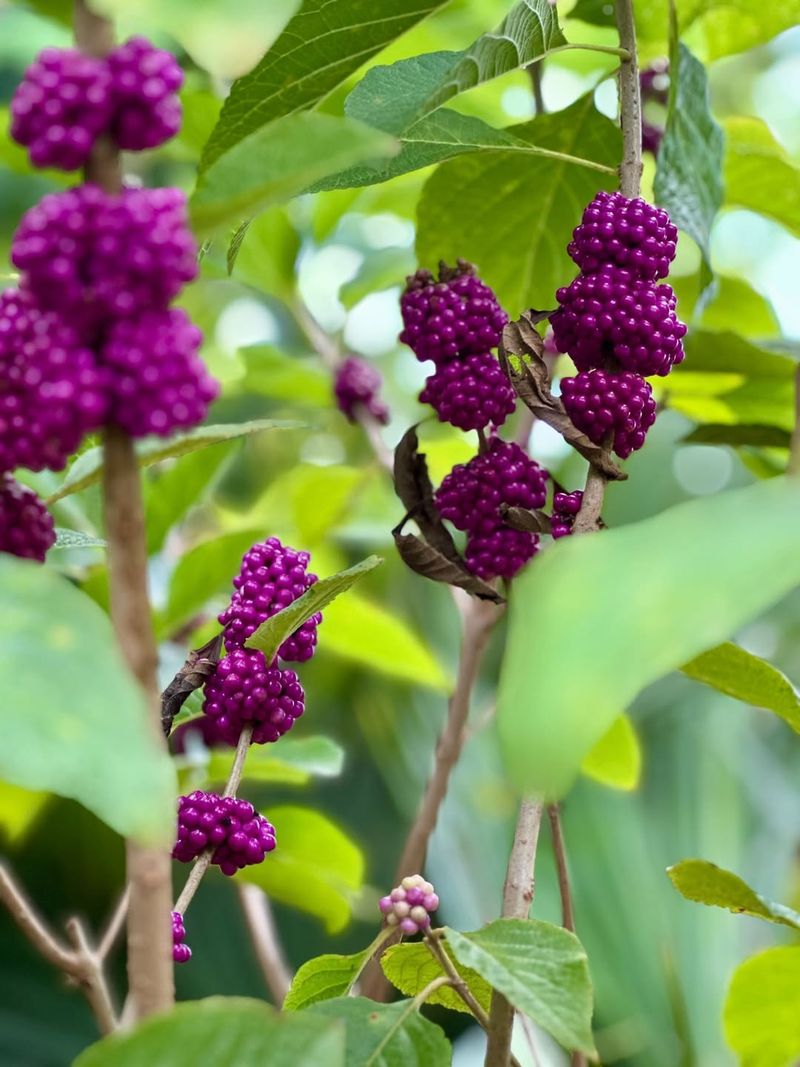
Getting beautyberry established in your Florida yard requires minimal effort compared to many ornamental shrubs. Purchase container-grown plants from native nurseries in fall or spring, choosing specimens with healthy green foliage and well-developed root systems.
Dig a planting hole twice as wide as the root ball but no deeper, which encourages roots to spread horizontally into surrounding soil.
Water newly planted beautyberries two to three times weekly for the first month, then gradually reduce frequency as roots establish. Most Florida soils don’t require amendments, though adding a two-inch layer of mulch around the base helps retain moisture and moderate soil temperature.
Keep mulch pulled back a few inches from the stem to prevent rot issues.
Once established after the first growing season, beautyberry becomes remarkably low-maintenance. The shrub tolerates drought periods typical of Florida winters and rarely needs supplemental irrigation except during extended dry spells.
Fertilization isn’t necessary for beautyberry growing in typical landscape conditions, as the plant evolved to thrive in Florida’s naturally nutrient-limited soils.
Pruning beautyberry in late winter, before new growth emerges, keeps plants compact and encourages heavier berry production. Cut stems back by one-third to one-half, which stimulates vigorous new growth that produces the most abundant flower and fruit clusters.
This annual pruning also prevents beautyberry from becoming too leggy or sprawling over time.
6. Wildlife Species That Use American Beautyberry
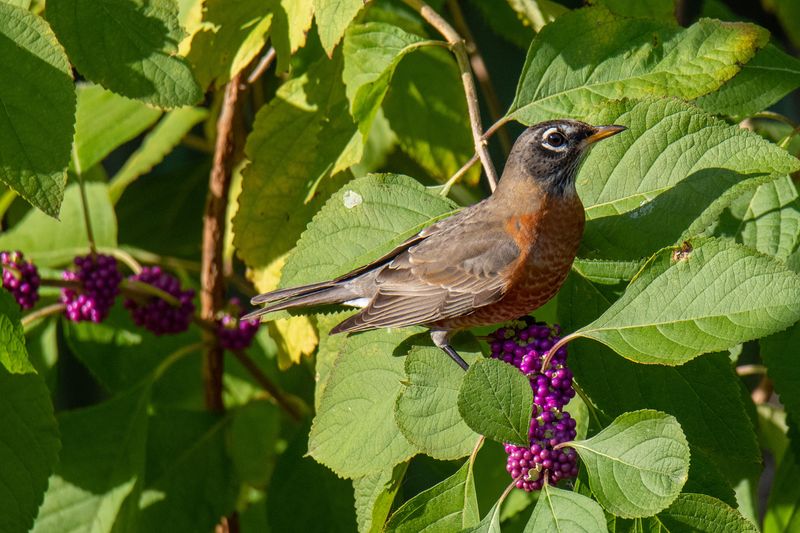
Northern cardinals rank among the most enthusiastic beautyberry consumers in Florida gardens, with their bright red plumage creating stunning contrast against purple berry clusters.
These year-round residents visit beautyberry plantings daily throughout fall and winter, often bringing their young to learn prime feeding locations.
Gray catbirds, despite their understated appearance, prove equally devoted to beautyberry fruits, sometimes defending productive shrubs from other species.
Migratory thrushes including robins and hermit thrushes arrive in Florida each fall specifically seeking berry-producing plants like beautyberry. These birds travel in loose flocks, and once they discover your plantings, they’ll strip berries quickly while restocking energy reserves.
Cedar waxwings occasionally descend on beautyberry in large groups, creating memorable wildlife viewing moments as dozens of sleek birds work through the branches.
Mockingbirds demonstrate territorial behavior around beautyberry shrubs they claim as feeding sites, chasing away competitors while methodically harvesting berries over several weeks. Brown thrashers prefer foraging beneath beautyberry plants, picking up fruits that other birds knock to the ground.
Beyond birds, several butterfly species visit beautyberry flowers for nectar, while white-tailed deer occasionally browse the foliage, though they rarely cause significant damage.
This diverse wildlife community demonstrates how a single native shrub creates connections throughout the food web in your Florida landscape.
7. Common Mistakes To Avoid When Growing Beautyberry
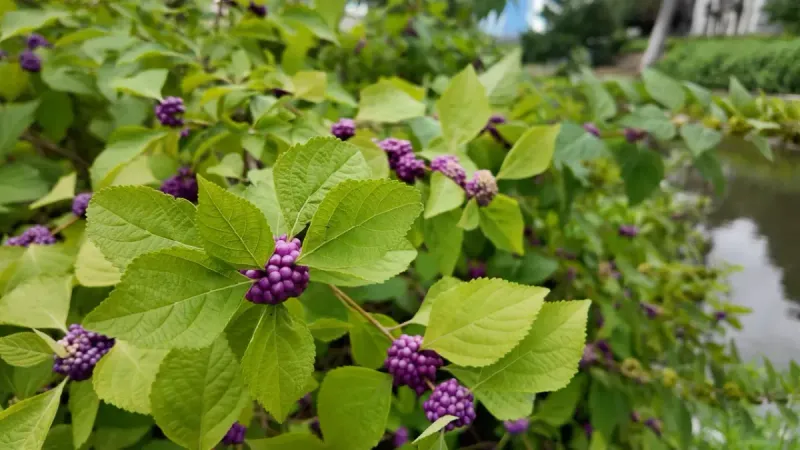
Many gardeners position beautyberry too close to sidewalks or structures, not accounting for the shrub’s natural spreading habit. Beautyberry develops an arching, fountain-like form that can reach six to eight feet in diameter, and crowding it into tight spaces forces frequent pruning that reduces berry production.
Allow at least four feet of clearance on all sides when selecting planting locations.
Overwatering established beautyberry plants causes more problems than underwatering in Florida landscapes. This native shrub evolved to handle our natural rainfall patterns, and excessive irrigation promotes weak, leggy growth susceptible to pest issues.
Once beautyberry survives its first summer, water only during extended droughts when leaves begin wilting.
Some homeowners mistakenly treat beautyberry like exotic ornamentals, applying fertilizers that push excessive foliage growth at the expense of flowers and berries. Native plants generally perform best without supplemental nutrients, and beautyberry specifically produces heavier fruit crops when grown in leaner soil conditions that mirror its natural habitat.
Pruning beautyberry at the wrong time represents another frequent error. Cutting stems in summer or fall removes the current season’s berry display, disappointing both gardeners and birds.
Always prune in late winter before new growth starts, which maintains the shrub’s ornamental value while promoting the vigorous shoots that produce the most abundant berry clusters for the following season.
8. How To Add American Beautyberry To Your Landscape Design
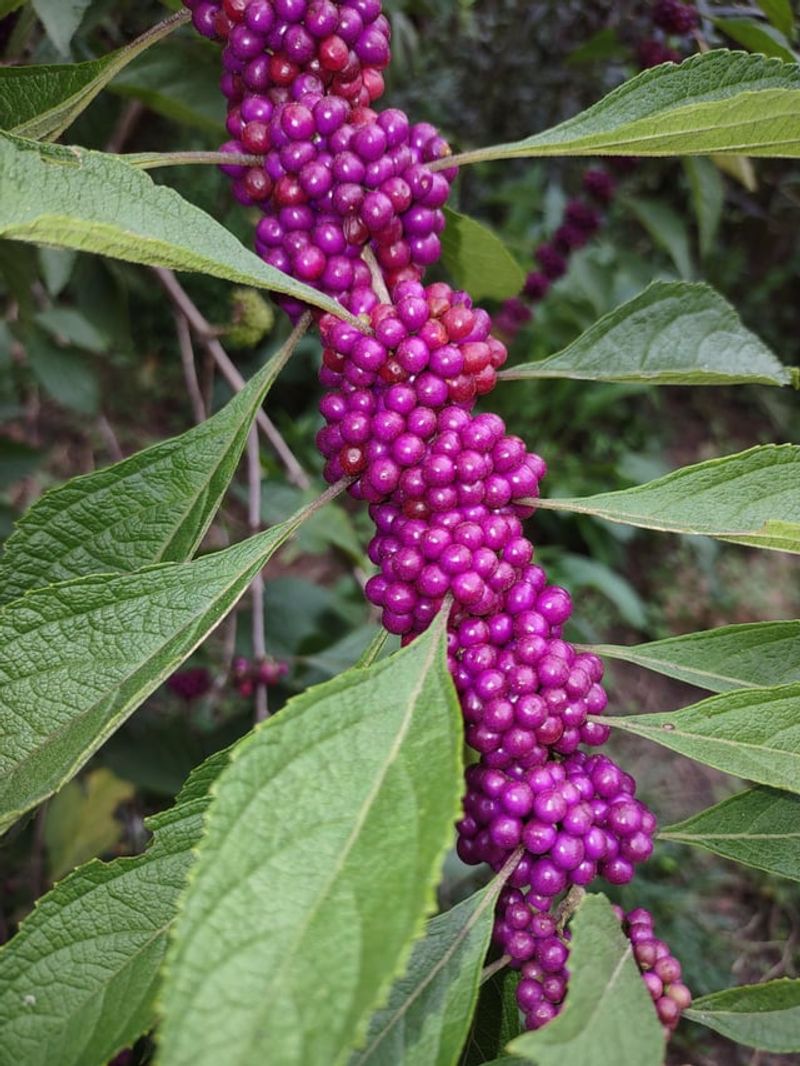
Beautyberry works beautifully as an understory shrub beneath existing trees, filling the mid-layer space that many Florida yards lack. Plant groups of three to five shrubs in sweeping curves rather than straight lines, which creates a natural appearance that mimics how beautyberry grows in wild settings.
This informal arrangement also maximizes berry production and wildlife value while softening harsh property lines or fences.
Pairing beautyberry with other native plants amplifies its impact in wildlife gardens.
Coontie palms planted in front provide evergreen structure and butterfly host plants, while wax myrtle or Walter’s viburnum behind extends the berry season across different months.
Muhly grass adds textural contrast and creates additional habitat layers that small birds appreciate for cover.
Consider placing beautyberry near outdoor living spaces where you can observe bird activity from comfortable vantage points.
A cluster positioned outside kitchen or living room windows transforms everyday moments into nature watching opportunities as cardinals, catbirds, and thrashers visit throughout the day.
The shrub’s deciduous habit means it won’t block views during winter when you’re most likely to be indoors.
For larger properties, establish beautyberry hedgerows along property edges to create wildlife corridors that connect your yard to surrounding natural areas.
This approach benefits birds by providing safe travel routes and concentrated food sources while screening unwanted views and defining garden spaces with minimal maintenance requirements.