This One Pruning Change Helps Florida Crape Myrtles Bloom Like Crazy
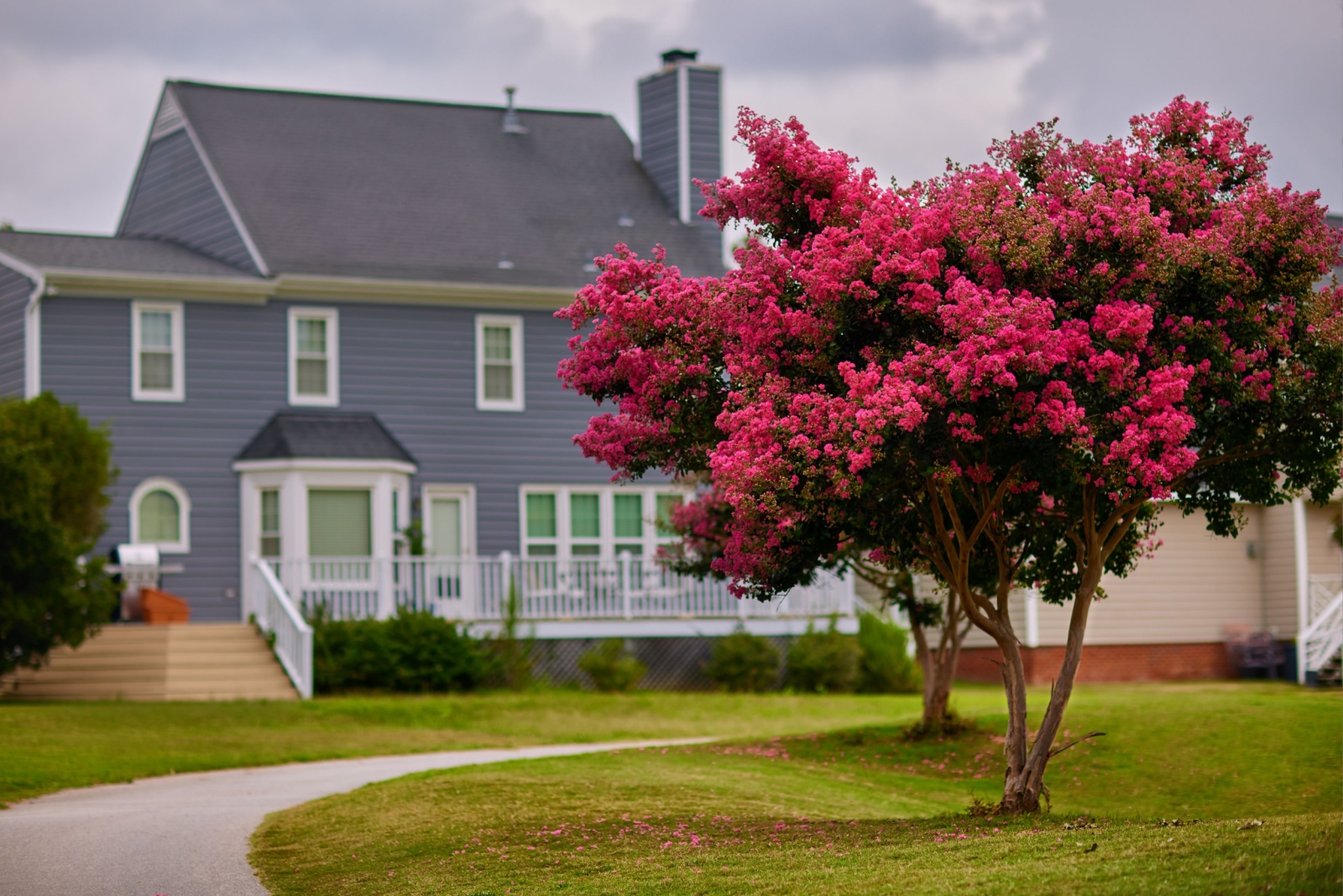
Florida crape myrtles are famous for their clouds of summer color, yet many of them never come close to their full flowering potential.
The reason is not the heat, the rain, or the soil.
It is the way they get pruned.
Across Florida, countless crape myrtles are cut back hard every winter, leaving thick stubs where graceful branches once grew.
That harsh approach forces trees to waste energy rebuilding instead of producing flowers.
The result is weaker branches, smaller blooms, and a canopy that never quite looks right.
One small shift in pruning changes everything.
Instead of chopping trees down, selective trimming allows them to grow the way nature intended.
Stronger limbs develop, light reaches more branches, and flower clusters form all across the canopy rather than just on the outer tips.
Florida gardeners who make this change see a dramatic difference.
Trees fill out faster, stay healthier through storms, and produce richer color for far longer each season.
The transformation is not subtle.
A properly pruned crape myrtle puts on a show that turns heads all summer long.
1. Why Florida Crape Myrtles Are Often Pruned The Wrong Way
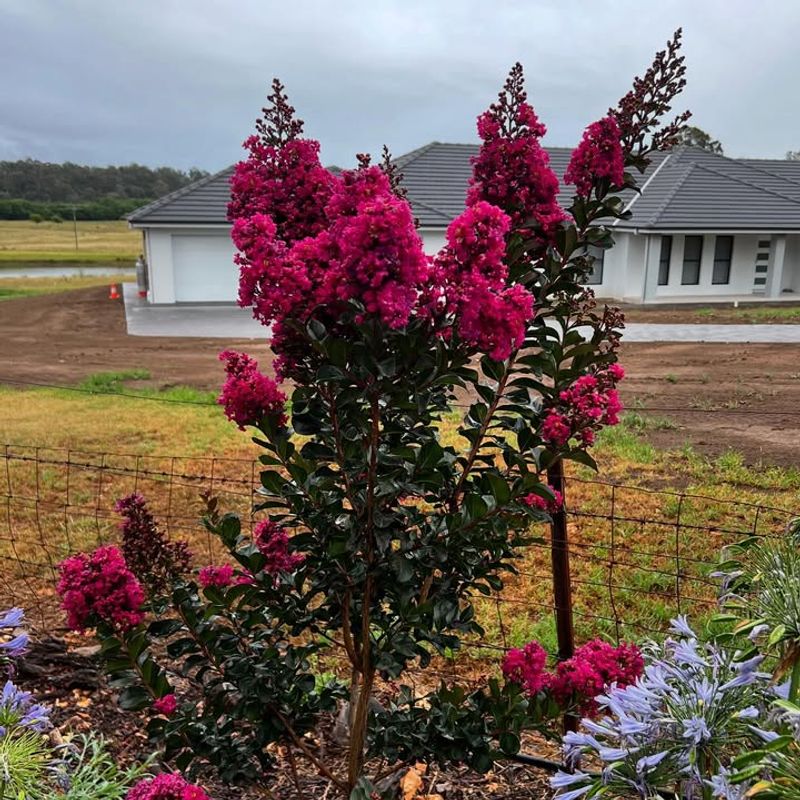
Somewhere along the way, a lot of Florida homeowners got the idea that crape myrtles need to be cut way back every year.
You see it everywhere in late winter.
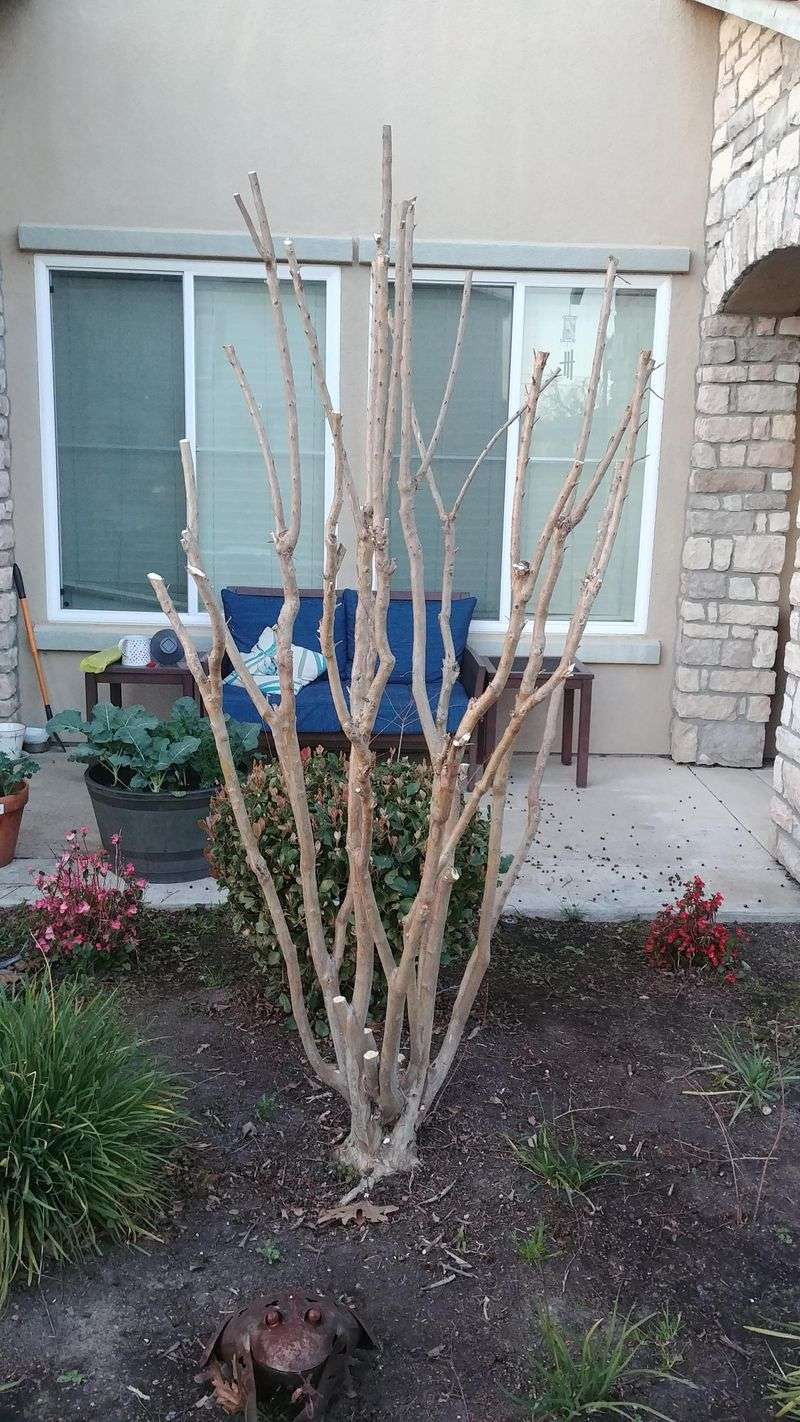
Trees that were tall and graceful get chopped down to thick stumps with no branches left at all.
People think this is just what you do, like mowing the lawn or trimming hedges.
Part of the problem comes from seeing it done by landscaping crews who are in a hurry.
They use power tools to buzz through a whole neighborhood in one morning.
It looks uniform and tidy for about two weeks.
Then the trees start pushing out dozens of skinny shoots from those cut ends, and the whole mess starts over again.
Another reason folks do it is because someone told them it makes the tree bloom better.
That is not really true, though.
What happens is the tree puts out so many new shoots that some of them do flower.
But the tree is actually weaker overall.
The branches are thin and floppy.
They droop when it rains.
The flowers are smaller than they should be.
In Florida, our long growing season means crape myrtles have plenty of time to recover from bad pruning.
That tricks people into thinking the method works fine.
The trees do not look terrible, but they never reach their full potential either.
Once you see a properly pruned crape myrtle in full bloom, the difference is obvious.
2. What Happens When Trees Are Topped Or Cut Back Too Hard
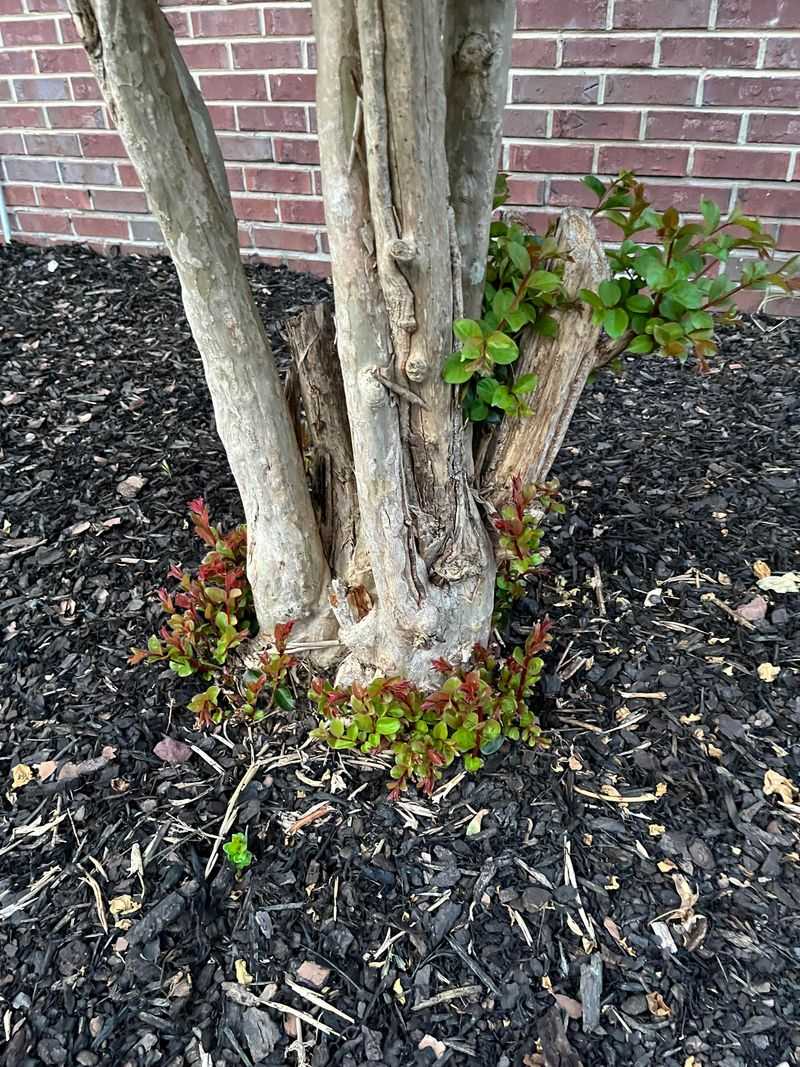
When you chop a crape myrtle back to thick stubs, the tree goes into panic mode.
It thinks something terrible just happened, so it pushes out as many new shoots as it can to try to replace what it lost.
You end up with these weird clusters of skinny branches all sprouting from the same spot.
Gardeners call them water sprouts because they shoot up so fast.
Those water sprouts are weak.
They do not attach to the main trunk as strongly as branches that grow naturally.
In Florida, where we get summer storms with heavy rain and wind, those branches can snap off easily.
You might find broken limbs all over your yard after a thunderstorm.
The tree also looks crowded and messy instead of having that nice vase shape crape myrtles are known for.
Topping also stresses the tree in ways you cannot see right away.
It takes a lot of energy to push out all those new shoots.
That energy has to come from somewhere, and it comes from the root system.
The tree ends up spending its resources on recovery instead of on flowering.
You might get some blooms, but they will not be as abundant or as large as they could be.
Over time, repeated topping creates knobby lumps at the cut sites.
The tree keeps trying to heal over those wounds, and callus tissue builds up.
It looks unnatural and kind of ugly.
The longer you keep doing it, the harder it is for the tree to ever look graceful again.
3. The Natural Growth Pattern Of Crape Myrtles
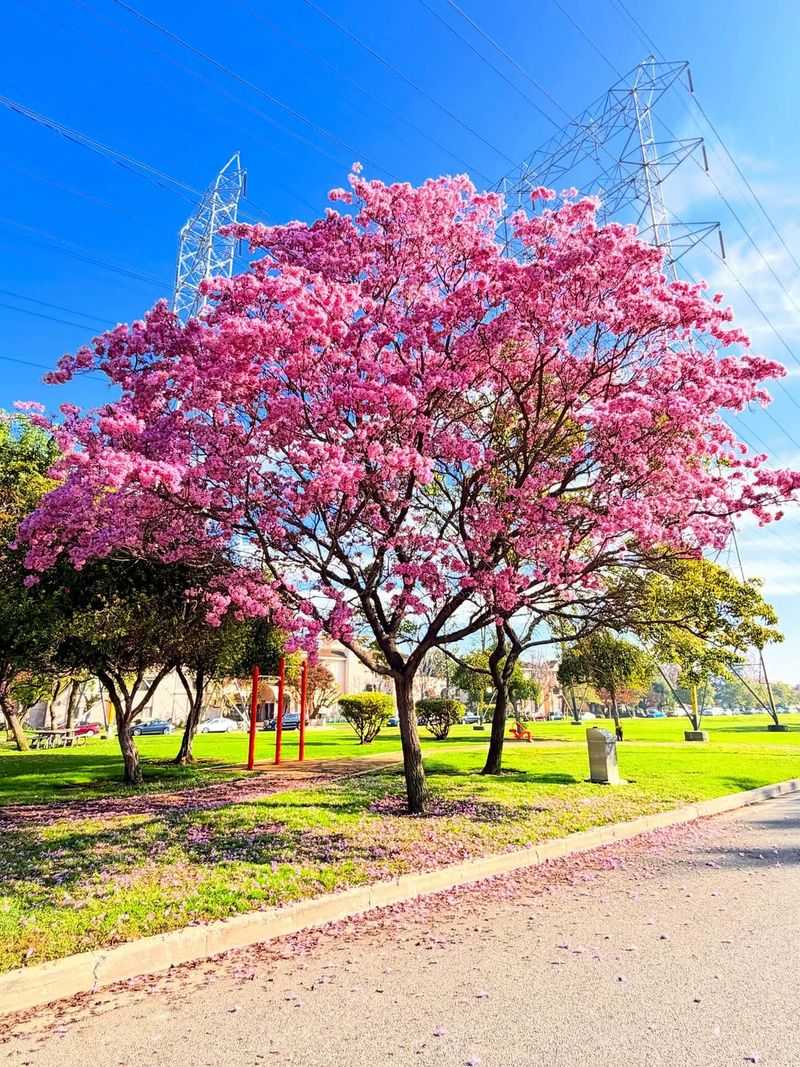
Crape myrtles want to grow in a vase shape with several main trunks coming up from the base.
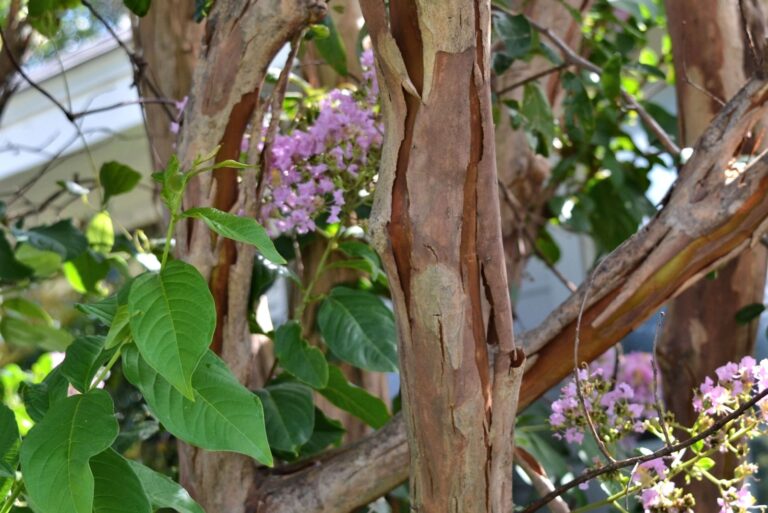
As the tree matures, those trunks develop smooth bark that peels away in thin layers to show different colors underneath.
The branches spread out and arch gracefully.
When the tree blooms, the flower clusters appear at the tips of new growth, creating this amazing canopy of color.
In their natural form, crape myrtles do not need much pruning at all.
They grow in a way that allows light and air to reach the inner branches.
The structure stays balanced without a lot of help from us.
When you let them grow this way, they develop strong branch attachments and a sturdy framework that holds up well in weather.
Florida conditions are perfect for crape myrtles because they love heat and sun.
Our mild winters mean they do not get damaged by cold.
The trees can focus on putting out healthy growth and lots of flowers.
When you work with their natural growth pattern instead of fighting it, everything gets easier.
The tree looks better, blooms more, and needs less attention from you.
Understanding this natural form helps you see why topping makes no sense.
You are literally cutting off the part of the tree that is supposed to be there.
Then you wonder why it does not look right.
Once you stop fighting the tree and start working with it, the whole experience changes.
4. The Best Time Of Year To Prune In Florida
Timing matters more than most people realize.
In Florida, the best time to prune crape myrtles is late winter, usually February or early March.
The trees are dormant or just starting to wake up.
You can see the branch structure clearly because there are no leaves in the way.
This makes it much easier to decide what needs to be removed and what should stay.
Pruning in late winter gives the tree time to heal before the growing season really kicks in.
Any cuts you make will close up quickly once warm weather arrives.
The tree can put its energy into new growth and flower buds instead of trying to recover from pruning wounds.
By summer, you will have a full canopy and plenty of blooms.
Some folks prune in fall, but that is not ideal in Florida.
Our falls are still warm, and pruning can stimulate new growth that is tender and vulnerable.
If we do get a cold snap in January, that new growth can get damaged.
It is better to wait until late winter when the risk of cold weather is mostly past.
You can do light pruning any time of year if you need to remove a broken branch or something that is rubbing.
But save the real pruning work for late winter.
That one simple timing change makes everything else easier and gives you better results when bloom season arrives.
5. Which Branches Should Be Removed And Which Should Stay
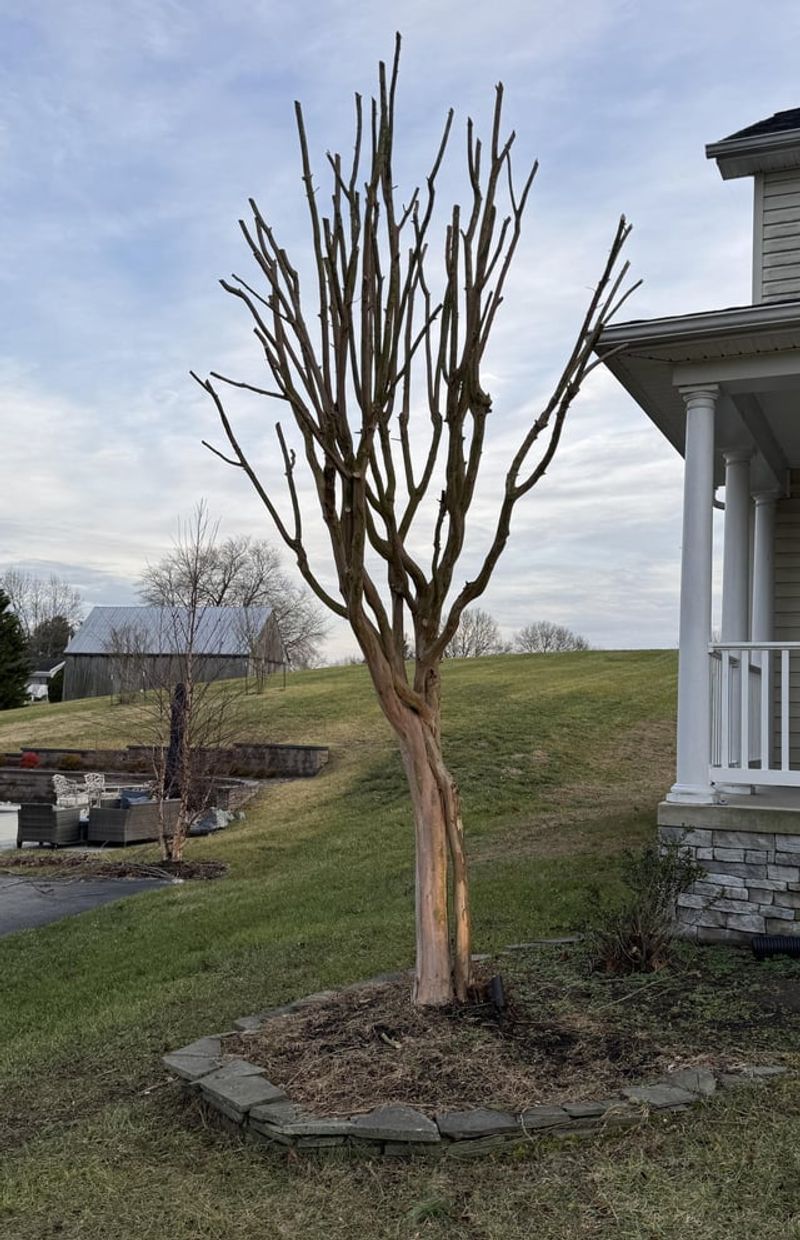
The key to proper pruning is being selective about what you cut.
Start by looking for branches that cross over each other and rub together.
That rubbing creates wounds where pests and diseases can get in.
Pick one branch to keep and remove the other.
Usually you keep the one that is growing in a better direction or looks healthier.
Next, look for any branches that are growing straight up or straight down.
Those are usually water sprouts or suckers, and they do not contribute to the shape or flowering of the tree.
Cut them off close to where they attach.
You also want to remove any tiny twiggy growth on the inside of the tree.
That stuff just clutters up the canopy and blocks light from reaching the good branches.
Look at the base of the tree too.
If you see shoots coming up from the roots or from below the graft, pull those off.
They are suckers, and they will not bloom the same way as the main tree.
Some of them might even be from the rootstock, which could be a different variety entirely.
What you want to keep are the main structural branches that form the vase shape.
Leave the tips alone unless they are broken or diseased.
Those tips are where the flower buds form.
The more healthy tips you leave, the more flowers you will get.
It sounds simple, but it makes a huge difference.
6. How Proper Pruning Improves Flower Production
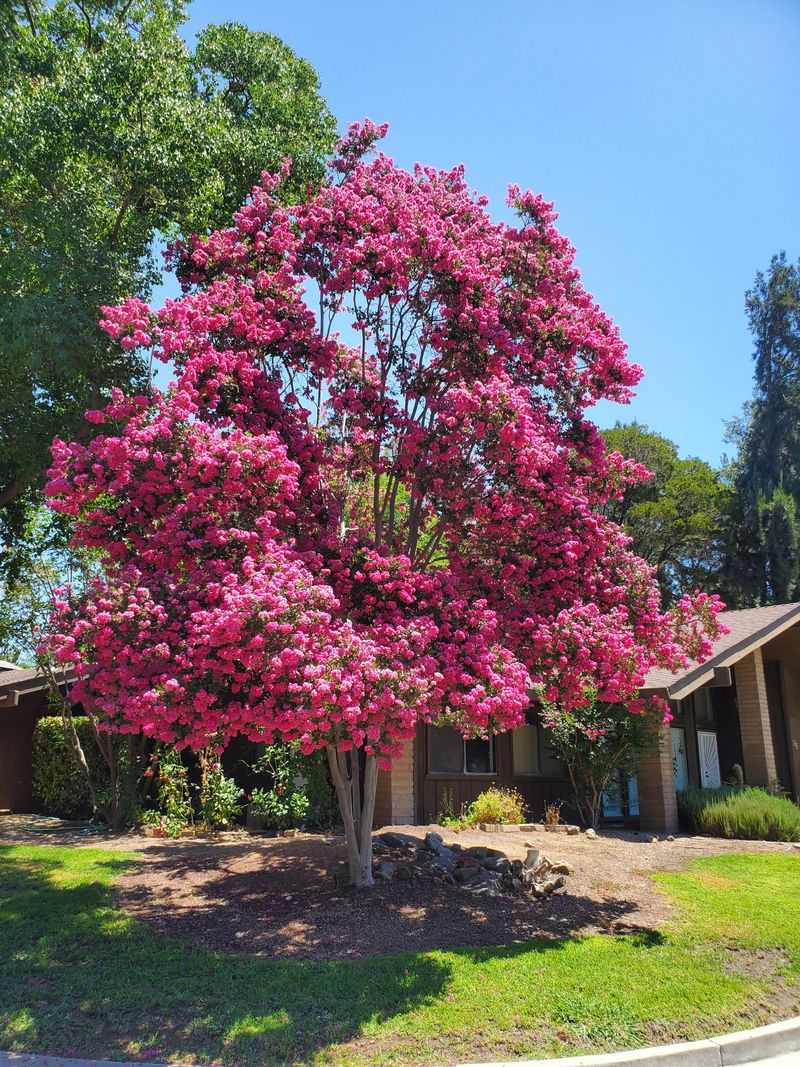
Crape myrtles bloom on new growth, which means the flowers appear on branches that grew during the current season.
When you prune correctly, you encourage the tree to put out strong, healthy new growth from good branch positions.
Each of those new shoots ends in a flower cluster.
More healthy shoots mean more flowers.
It is that straightforward.
When you top a tree, you do get new growth, but it is weak and crowded.
The tree puts out so many shoots that they compete with each other.
None of them get quite enough resources to perform their best.
The flower clusters end up smaller and less impressive.
You might have a lot of them, but they do not have that wow factor you are looking for.
Proper pruning opens up the canopy so light can reach all the branches.
Light is what triggers flower bud formation.
When the inner branches get good light, they produce flowers too, not just the ones on the outside.
You end up with blooms throughout the entire canopy instead of just around the edges.
The whole tree looks fuller and more colorful.
Better air circulation is another benefit.
When air moves through the canopy easily, the leaves stay healthier.
Healthy leaves mean more photosynthesis, which means more energy for the tree to put into flowering.
Everything works together.
One smart pruning change sets off a chain reaction that results in way more blooms.
7. How To Shape Crape Myrtles Without Overdoing It
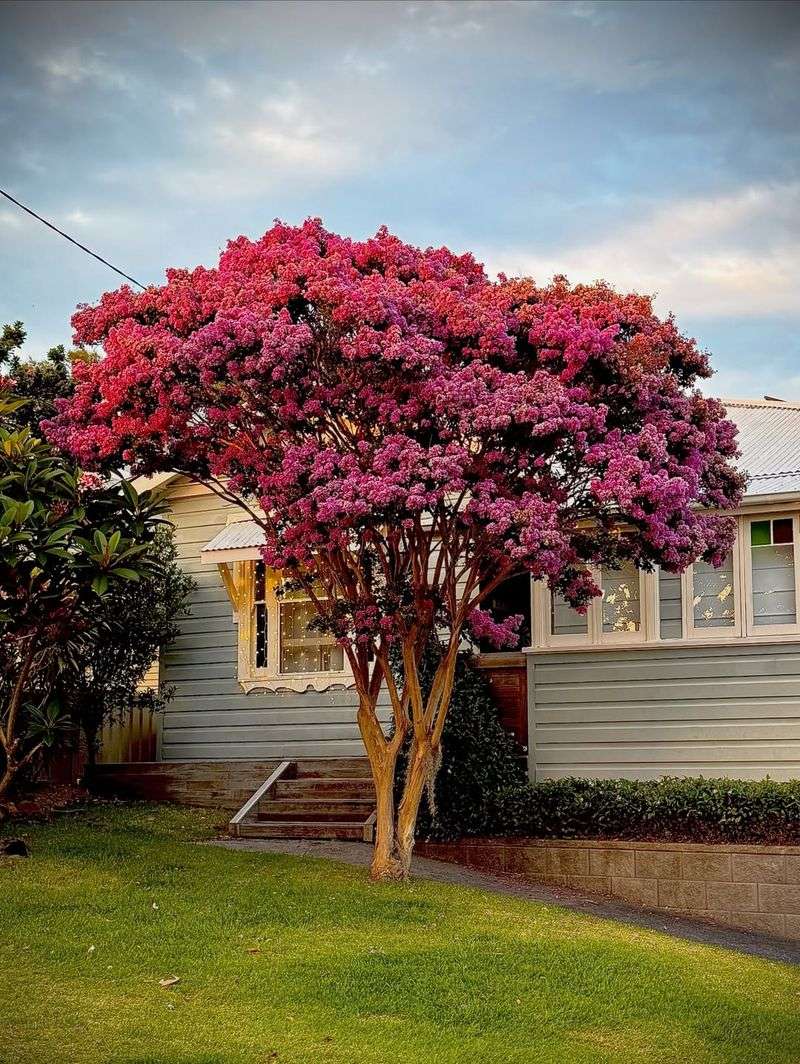
Shaping a crape myrtle is more about guiding than controlling.
You want to help the tree develop that natural vase shape without forcing it into something unnatural.
Start when the tree is young if you can.
Look at the main trunks coming up from the base.
Most people like to have three to five main trunks.
If you have more than that, you can remove the weakest ones to give the others more room.
As the tree grows, watch how the branches develop.
You want them to spread outward and upward, not grow straight up in a tight cluster.
If you see branches that are too close together, remove some of them.
Give each branch space to develop without crowding its neighbors.
This creates that open, airy look that is so attractive.
If your tree is getting taller than you want, you can prune back individual branches to a side branch that is growing in a good direction.
This is called thinning, and it maintains the natural shape while controlling size.
Never just chop across the top.
Always cut back to a branch junction so the tree looks like it grew that way on its own.
Shaping is an ongoing process, not a once a year event.
You might notice a branch growing in a weird direction in June.
Go ahead and remove it.
You do not have to wait until next February.
Little adjustments throughout the year keep the tree looking good without stressing it out.
8. What To Do If A Tree Was Cut Back Too Much In The Past
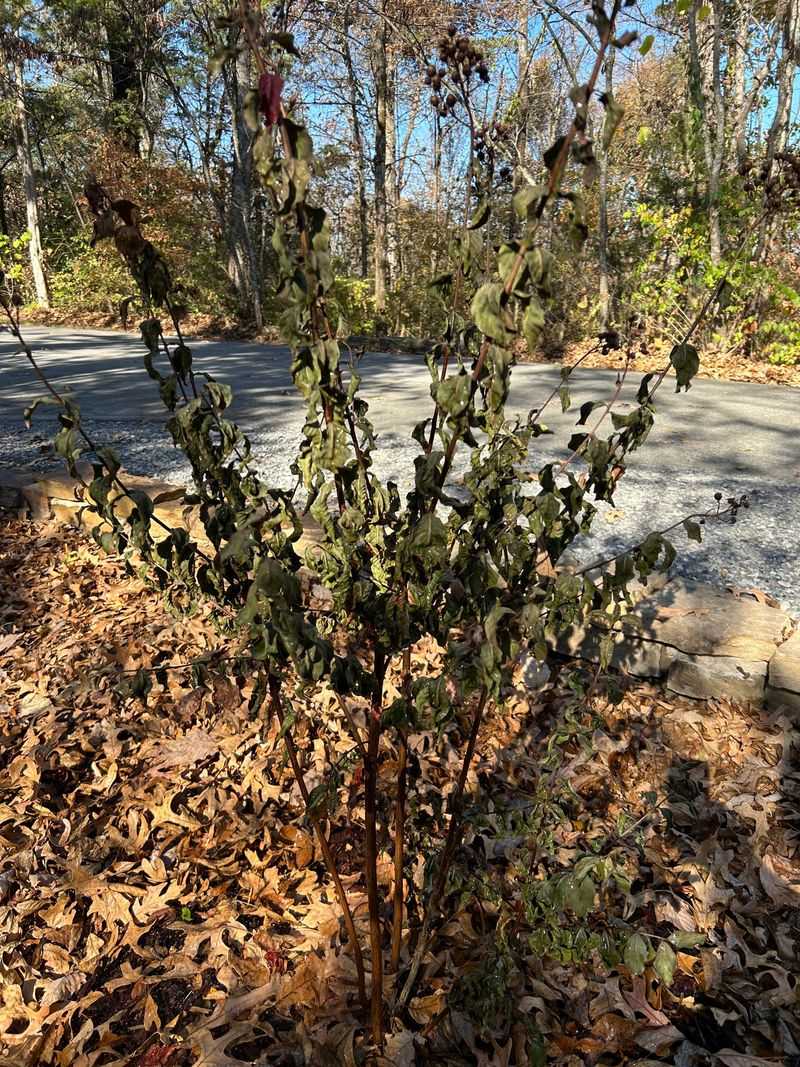
Maybe you bought a house where the previous owner topped the crape myrtles every year.
Or maybe you did it yourself before you knew better.
Either way, you are looking at a tree with those knobby stubs and too many skinny branches.
The good news is you can help the tree recover.
It just takes a little time and patience.
Start by thinning out those water sprouts.
You probably have way more shoots than the tree needs.
Pick the strongest three to five shoots on each stub and remove all the rest.
This gives the ones you keep more room and resources to grow into proper branches.
Over the next few years, those branches will thicken up and start to look more normal.
Each year, keep thinning and shaping.
Gradually the tree will develop a better structure.
The knobby lumps will always be there, but they will become less obvious as the tree fills out.
New bark will grow over some of the old wounds.
In three to five years, the tree can look pretty good again, especially when it is covered in flowers.
The most important thing is to stop topping.
Do not cut back to those stubs anymore.
Let the new branches grow and mature.
Prune selectively to shape and thin, but leave the branch tips alone.
The tree will reward your patience with better blooms and a healthier appearance.
It might not ever look perfect, but it will be a whole lot better than it was.
9. Common Myths About Crape Myrtle Pruning
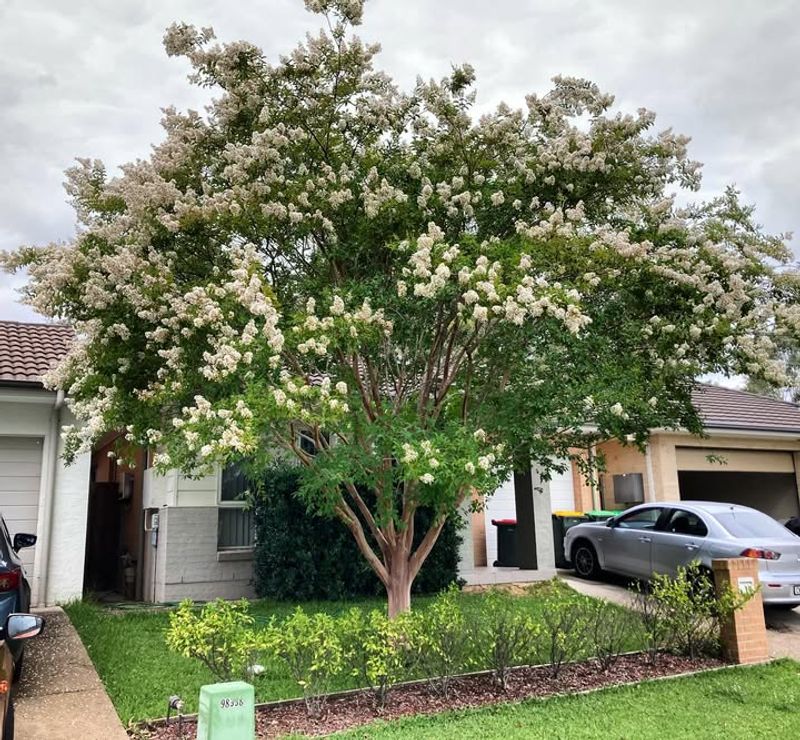
One of the biggest myths is that crape myrtles have to be pruned hard to bloom well.
People say if you do not cut them back, they will not flower.
That is completely backward.
Crape myrtles bloom just fine without heavy pruning.
In fact, they bloom better when you leave them alone and just do light selective pruning.
The hard-pruning myth is the main reason so many crape myrtles are pruned incorrectly.
Another myth is that you have to prune every year no matter what.
Some years your tree might not need any pruning at all except for removing suckers or crossing branches.
If the tree looks good and has a nice shape, you do not have to cut it just because it is February.
Pruning should be done when the tree needs it, not on a rigid schedule.
Some people think crape myrtles get too big if you do not top them.
Sure, they can get tall, but that is what they are supposed to do.
If you do not want a tall tree, plant a dwarf variety.
There are plenty of options that stay under six feet.
Topping a tree that naturally wants to be twenty feet tall is just fighting a losing battle.
You will be out there every year trying to keep it short.
There is also this idea that pruning stimulates growth and flowering.
Pruning does stimulate growth, but not always the kind you want.
Excessive pruning creates weak, floppy growth.
Moderate selective pruning helps the tree develop strong structure.
Less is definitely more when it comes to crape myrtles.
10. How To Keep Crape Myrtles Healthy Year After Year
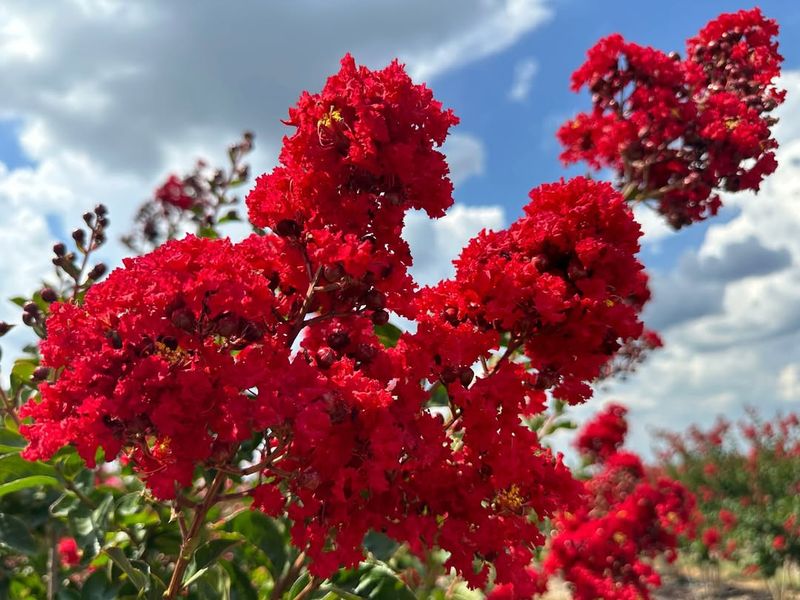
Beyond pruning, keeping crape myrtles healthy in Florida is pretty simple.
They like full sun, so make sure they are not getting shaded out by other trees or structures.
At least six hours of direct sun is ideal.
More is even better.
Sun is what powers flower production, so do not skimp on it.
Water is important during the first year or two after planting.
Once established, crape myrtles are pretty drought tolerant.
They can handle our dry spells without much help.
If you do water, do it deeply and less often rather than a little bit every day.
Deep watering encourages deep roots, which makes the tree more stable and resilient.
Fertilizer is not usually necessary if your soil is decent.
Too much nitrogen can actually reduce flowering because the tree puts all its energy into leaf growth.
If you do fertilize, use a balanced formula in spring.
A light application is plenty.
Crape myrtles are not heavy feeders like some plants.
Watch for aphids and powdery mildew, which are the two most common problems.
Aphids show up in spring and summer.
A strong spray from the hose usually takes care of them.
Powdery mildew is more common in fall when nights get cooler.
Good air circulation from proper pruning helps prevent it.
If you do get it, there are fungicides that work, but often the tree grows out of it on its own.
Healthy trees handle pests and diseases better, and proper pruning is a big part of keeping them healthy.