This One Pruning Change Helps Texas Crape Myrtles Bloom Like Crazy
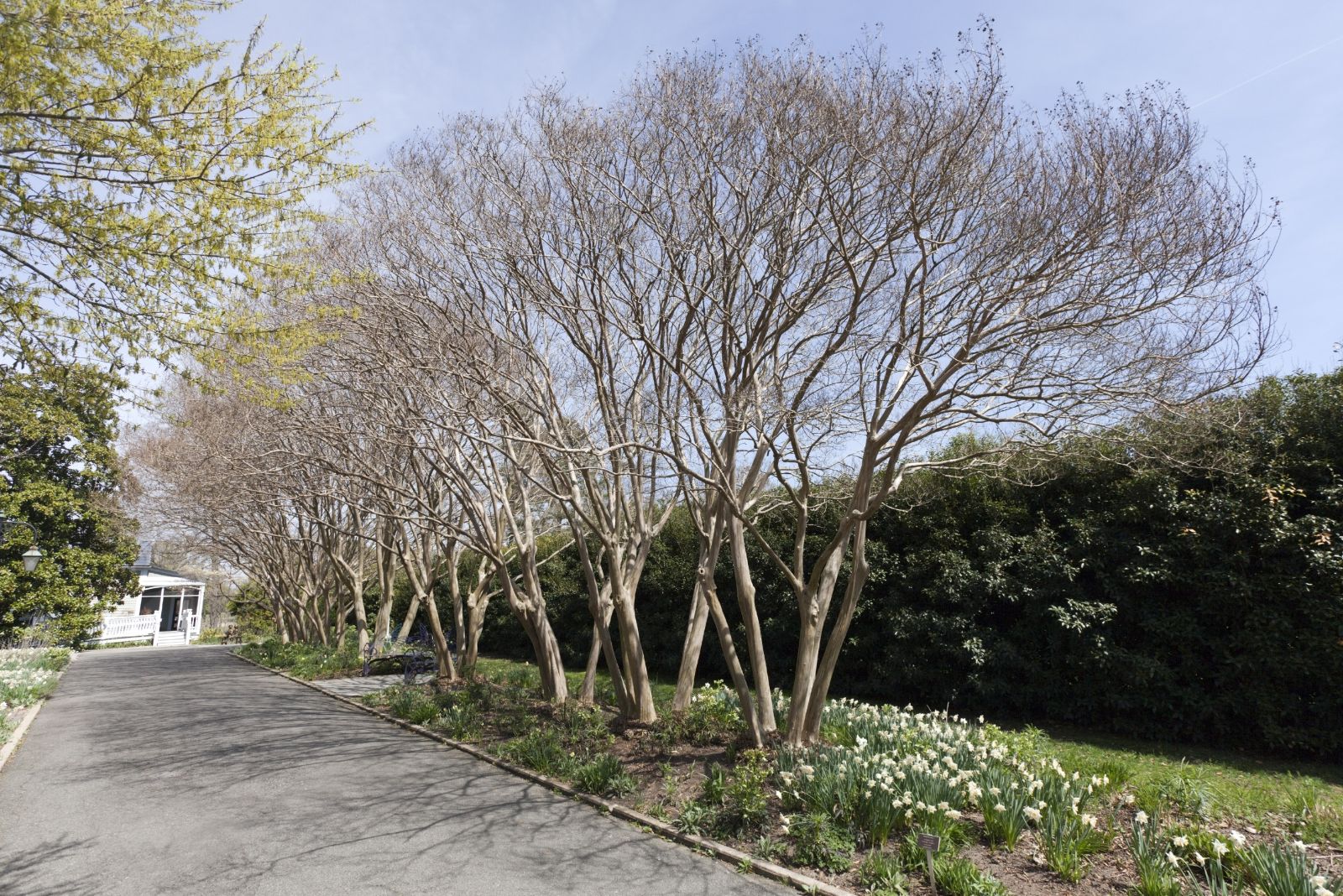
If your Texas crape myrtle looks healthy enough but still gives you a pretty underwhelming flower show, the problem might not be the soil, the sun, or even the weather. It could come down to one simple pruning mistake.
A lot of people assume more cutting means more blooms, so they trim hard and hope for the best. Then summer rolls around and the tree looks awkward, stressed, or just not nearly as full and colorful as expected.
That is where this one change can make a huge difference. Crape myrtles already love the Texas heat, so when they are pruned the right way, they can absolutely put on a show. The trick is not about doing more.
It is about doing less and doing it smarter. A better pruning approach can help the tree keep its natural shape, stay healthier, and focus its energy on bigger, better blooms.
Once you see how much this small shift can improve the result, it is hard to go back to the old way.
Why Your Crape Myrtle Isn’t Blooming Like It Should
You planted it, watered it, and waited all season long. But your crape myrtle just sits there, green and quiet, with barely a bloom in sight. Sound familiar? You are not alone, and the reason is probably not what you think.
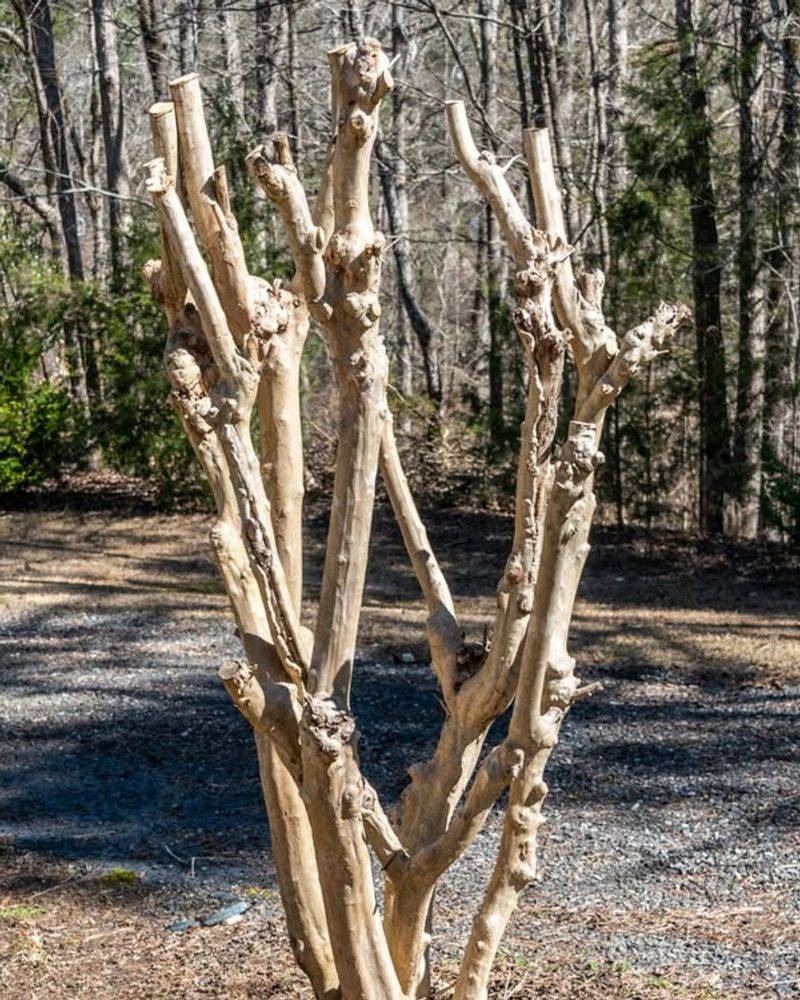
The most common culprit across Texas yards is something called “crape murder.” That is the nickname gardeners gave to the practice of chopping crape myrtles down to thick stubs every year. It looks dramatic, and a lot of people do it because they think it helps.
But it actually does the opposite. Heavy cutting removes the branches that would have carried this season’s flowers.
Timing is another big factor. Pruning too late in the season, after new growth has already started, interrupts the tree’s natural bloom cycle.
The tree spends its energy recovering instead of producing flowers. That means fewer blooms or none at all. Too much shade can also slow things down. Crape myrtles in Texas absolutely love full sun.
If nearby trees or structures block the light for most of the day, your crape myrtle simply will not perform at its best. At least six hours of direct sunlight each day is the sweet spot.
Improper pruning also weakens the tree’s structure over time. When you cut back too aggressively, the tree responds by sending up thin, fast-growing shoots called water sprouts.
These shoots are weak, they crowd the canopy, and they rarely produce strong blooms. Understanding what is going wrong is the first step toward fixing it.
The One Pruning Change That Makes All The Difference
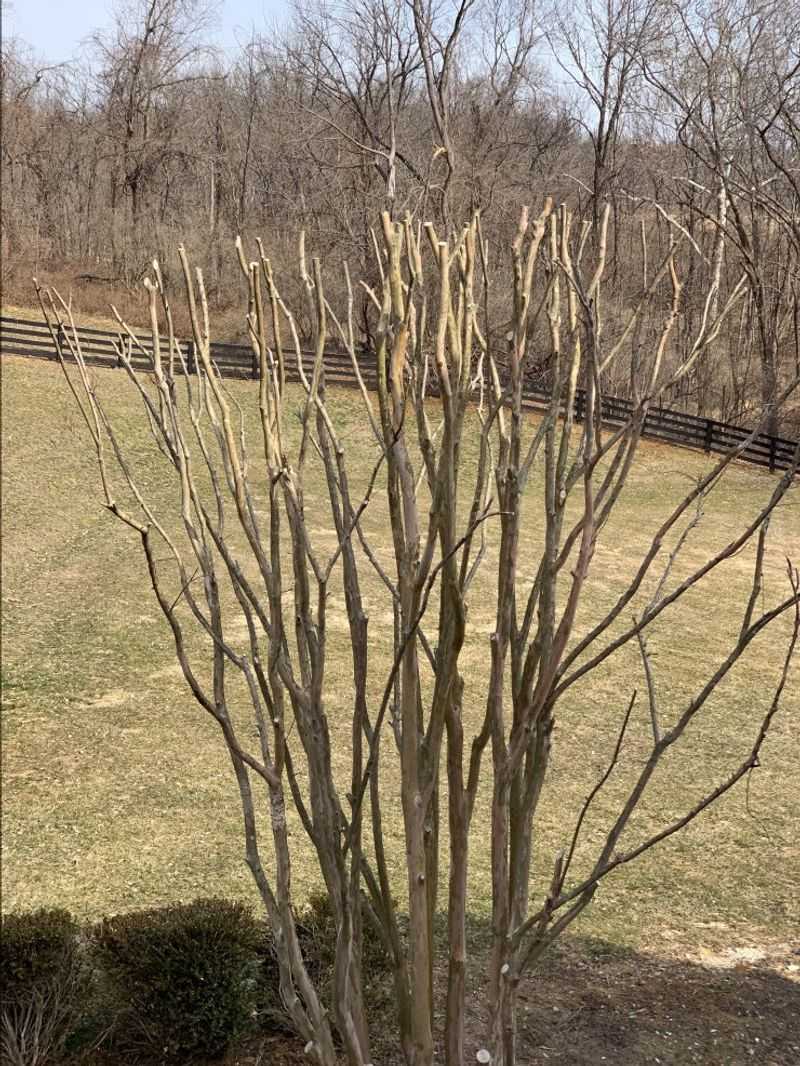
Here is the simple truth: less really is more when it comes to pruning crape myrtles. The single biggest change you can make is switching from heavy, aggressive cutting to light, selective pruning.
That one shift alone can completely transform how your trees bloom each summer in Texas.
Selective pruning means you only remove what actually needs to go. Start by looking for dry branches, those are the dry, brittle ones that snap easily.
Next, look for branches that cross over each other and rub together. Those create wounds on the bark and invite pests and disease.
Finally, remove any weak or spindly branches that look like they cannot support healthy growth. Everything else? Leave it alone.
Your crape myrtle has a beautiful natural shape, and your job is to protect it, not redesign it. When you remove only the problem branches, the tree can put all its energy into producing flowers instead of recovering from major cuts.
Also, pay attention to suckers. These are the thin shoots that pop up from the base of the trunk.
They steal energy from the main canopy. Snip them off close to the ground as soon as you spot them, and your tree will thank you with bigger, brighter blooms.
Gardeners across Texas who have made this switch are often amazed by the results. The trees look more natural, grow stronger, and produce more flower clusters than they ever did under heavy pruning.
One simple change in your approach can make the whole season feel different in your yard.
When To Prune Crape Myrtles In Texas For Maximum Blooms
Timing really is everything when it comes to crape myrtles. Prune too early and you might expose fresh cuts to a surprise cold snap.
Prune too late and you interrupt the tree’s natural rhythm just as it is gearing up to bloom. Getting the timing right is one of the easiest ways to set your trees up for a spectacular summer.
In Texas, the best window for pruning is late winter to very early spring. Think February into early March, depending on where you are in the state.
You want to prune after the coldest nights have passed but before new green growth starts pushing out from the buds. That small window is your sweet spot.
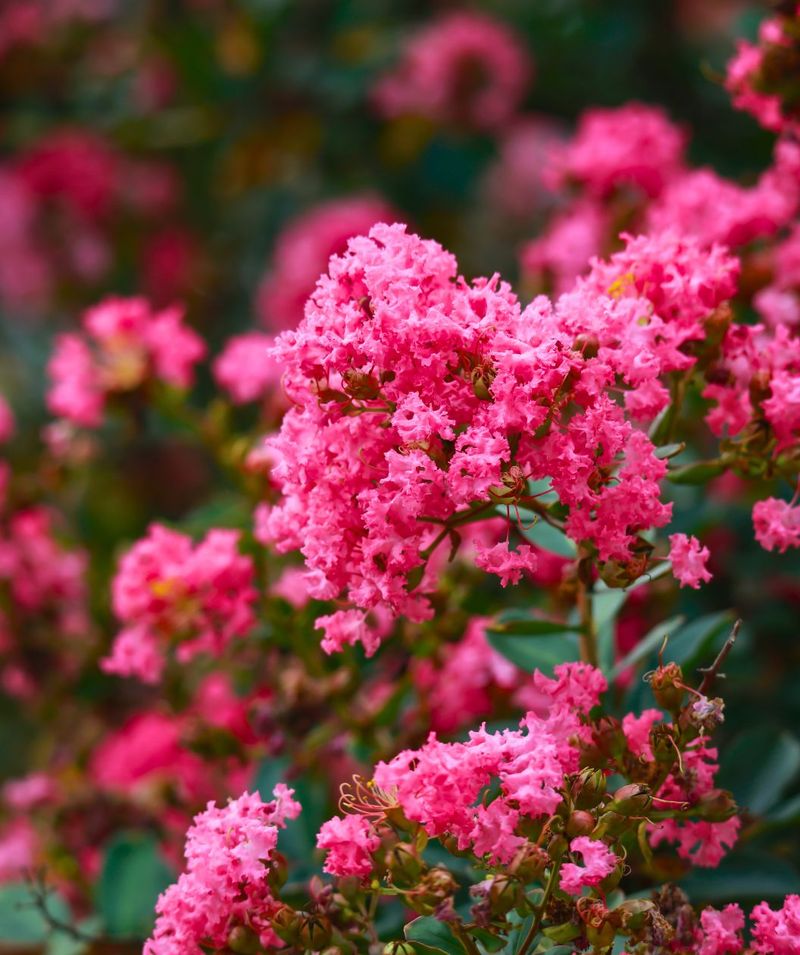
Why does timing matter so much? Crape myrtles bloom on new wood, meaning the fresh growth they produce in spring is what carries the flowers.
When you prune at the right time, you encourage the tree to push out strong, healthy new shoots. Those shoots become the branches loaded with blooms by summer.
If you wait too long and prune after green growth has already appeared, you are cutting off the very wood that would have flowered. The tree has to start over, and that delays or reduces your bloom cycle significantly.
Gardeners in North Texas may need to wait a little longer than those in South Texas, since temperatures vary quite a bit across the state. Pay attention to your local forecast and look for consistent daytime temps above 50 degrees as your cue.
When the timing lines up, your crape myrtles will reward you with months of gorgeous color.
How To Prune Correctly: Step-By-Step Basics
Knowing when to prune is half the battle. The other half is knowing exactly how to do it.
A lot of well-meaning gardeners grab their tools and start cutting without a clear plan, and that is where things go sideways. A few simple steps can keep your crape myrtles healthy and blooming beautifully all season long.
Start by walking around your tree and studying it before you cut anything. Look for the three types of branches worth removing: dry ones, crossing ones, and weak ones.
Dry branches look dry and gray. Crossing branches rub against each other. Weak branches are thin and look like they cannot support much weight. Everything else stays.
Use the right tools for the job. A sharp pair of hand pruners works well for small branches up to about half an inch thick.
For slightly larger branches, bypass loppers give you cleaner cuts with less effort. Always clean your blades with rubbing alcohol before you start. Clean tools mean cleaner cuts, and cleaner cuts mean healthier trees.
Make each cut just outside the branch collar, which is the small swollen area where the branch meets the trunk or a larger branch.
Do not cut flush against the trunk, and do not leave a long stub sticking out. Both of those mistakes slow healing and can invite trouble.
A good rule of thumb across Texas is to never remove more than one-third of the tree’s canopy in a single season. Staying within that limit keeps your tree strong and ensures it has plenty of energy left to push out a full round of summer blooms.
Extra Tips To Boost Bloom Power Even More
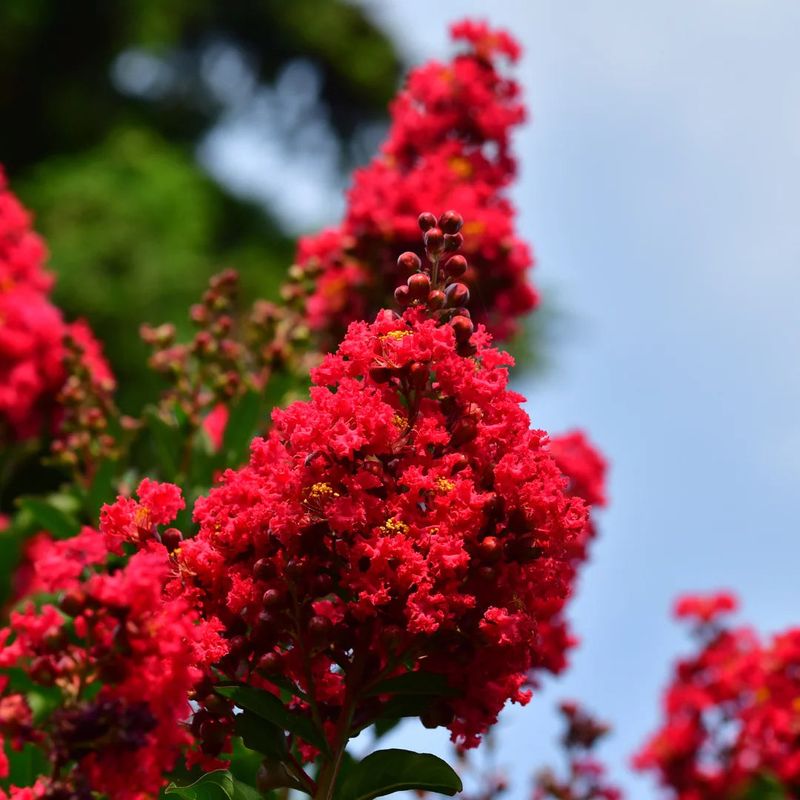
Once you have got the pruning right, a few extra habits can push your crape myrtles from pretty to absolutely stunning. These are small adjustments that make a surprisingly big difference, especially during the long, hot Texas summers that these trees were practically made for.
Sun is non-negotiable. Crape myrtles need at least six hours of direct sunlight every single day to bloom their best.
If your tree is getting shaded out by a fence, a building, or a larger tree nearby, consider whether you can open up that space. Even a little extra light can boost flower production noticeably.
Watering matters too, but crape myrtles are tougher than most people think. Deep, infrequent watering is far better than light, frequent watering.
Let the soil dry out a bit between waterings. This encourages the roots to grow deeper, which makes the tree more drought-tolerant and overall healthier through the Texas heat.
Light fertilization in early spring gives your trees a helpful nudge. Look for a slow-release fertilizer with a balanced ratio, something like 10-10-10.
Avoid going heavy on nitrogen, which pushes leafy green growth instead of flowers. A little goes a long way here.
Choosing the right variety for your part of Texas also plays a big role. Natchez, Tuscarora, and Dynamite are popular picks that handle Texas heat well and produce heavy blooms.
Smaller varieties like Acoma or Hopi work great for tighter spaces. Picking a variety that fits your yard means less work and more blooms every year without a lot of extra effort.
Mistakes To Avoid: Don’t Ruin Your Blooms Again
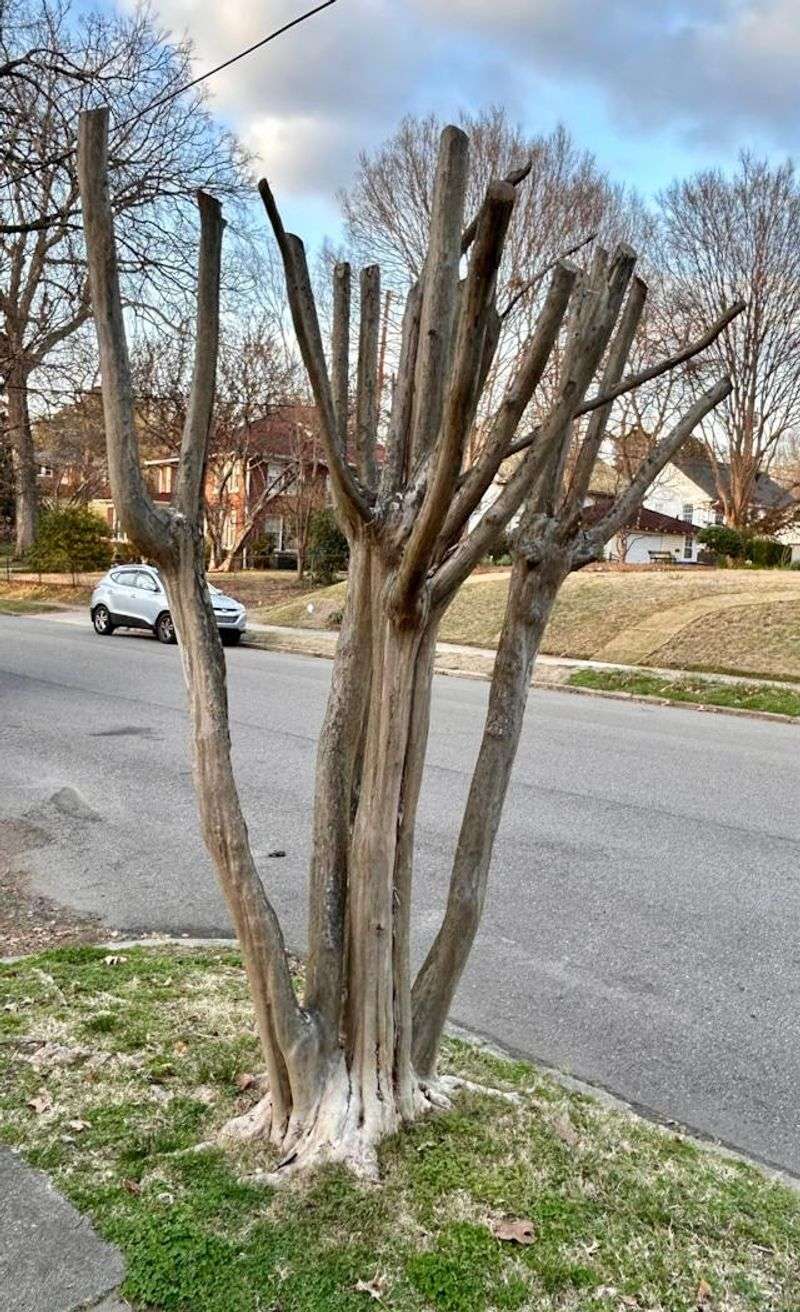
Even with the best intentions, certain pruning habits can set your crape myrtles back by an entire season. Knowing what not to do is just as valuable as knowing the right steps.
A few common mistakes show up in Texas yards every single year, and they are all avoidable.
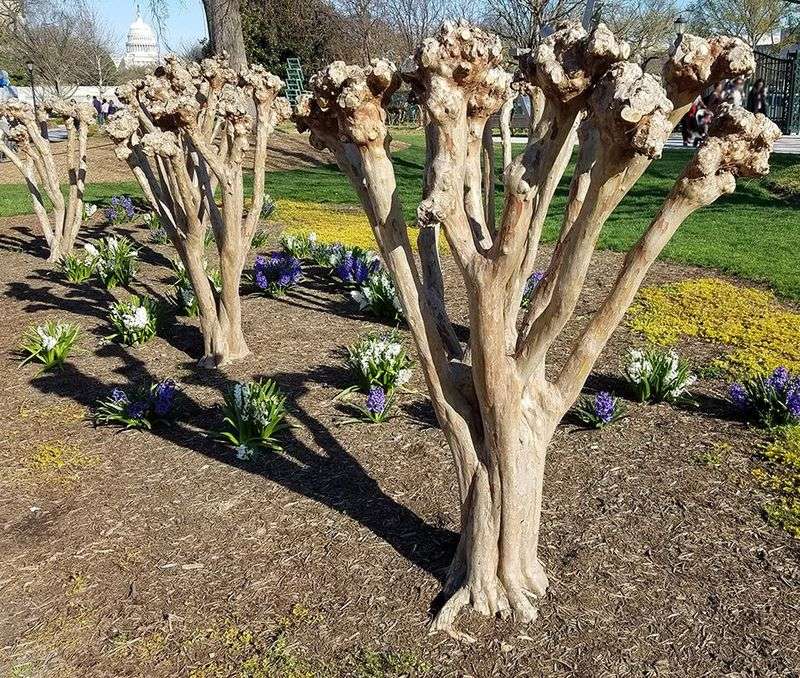
Topping is the biggest one. Topping means cutting the main branches back to thick, blunt stubs.
Some people think it keeps the tree small or encourages more growth. What it actually does is weaken the tree’s structure and force it to send up clusters of weak, fast-growing shoots.
Those shoots rarely produce strong blooms, and the tree ends up looking worse than before. If you have been topping your crape myrtles, now is the time to stop.
Pruning too late in the season is another easy mistake to make. Once you see green buds starting to swell or leaves beginning to unfurl, the window has closed.
Cutting at that point removes the new growth that carries your blooms and delays the whole cycle. Mark your calendar for late winter so you do not miss it next year.
Overcrowding is something a lot of Texas gardeners overlook. When branches are too dense, air cannot move through the canopy freely.
That trapped moisture creates the perfect environment for fungal issues, and it also limits how much sunlight reaches the inner branches. Thinning the canopy gently each year keeps air moving and light flowing.
Skipping cleanup is also a problem. Always remove fallen leaves and debris from around the base of your tree.
Keeping that area tidy reduces the chance of pests and disease taking hold between seasons.