This One Simple Garden Change Makes Florida Plants Grow Faster
Florida gardening has a way of humbling even experienced growers. Plants go into the ground with high expectations, watering stays consistent, and the sun provides plenty of light.
Yet weeks later growth still feels disappointing. Leaves remain smaller than expected, flowering takes longer, and harvests rarely match the effort being put in.
What causes this problem is rarely obvious at first glance. Sandy soil drains too quickly, heat builds up around exposed roots, and heavy rain carries nutrients away before plants can use them.
Over time this creates constant stress underground that slows development even when everything above ground seems fine. There is one simple change that alters these conditions dramatically.
It stabilizes soil temperature, improves moisture retention, protects root systems, and gradually builds healthier soil. When this adjustment becomes part of regular garden care, the entire growing process becomes easier and far more productive.
1. Why Florida Plants Grow Slower Than They Should
You step into your garden on a blazing June afternoon and press your hand against the bare soil around your tomatoes. The surface feels hot enough to cook an egg.
That scorching heat radiates down into the root zone, stressing plants and slowing their metabolism to a crawl.
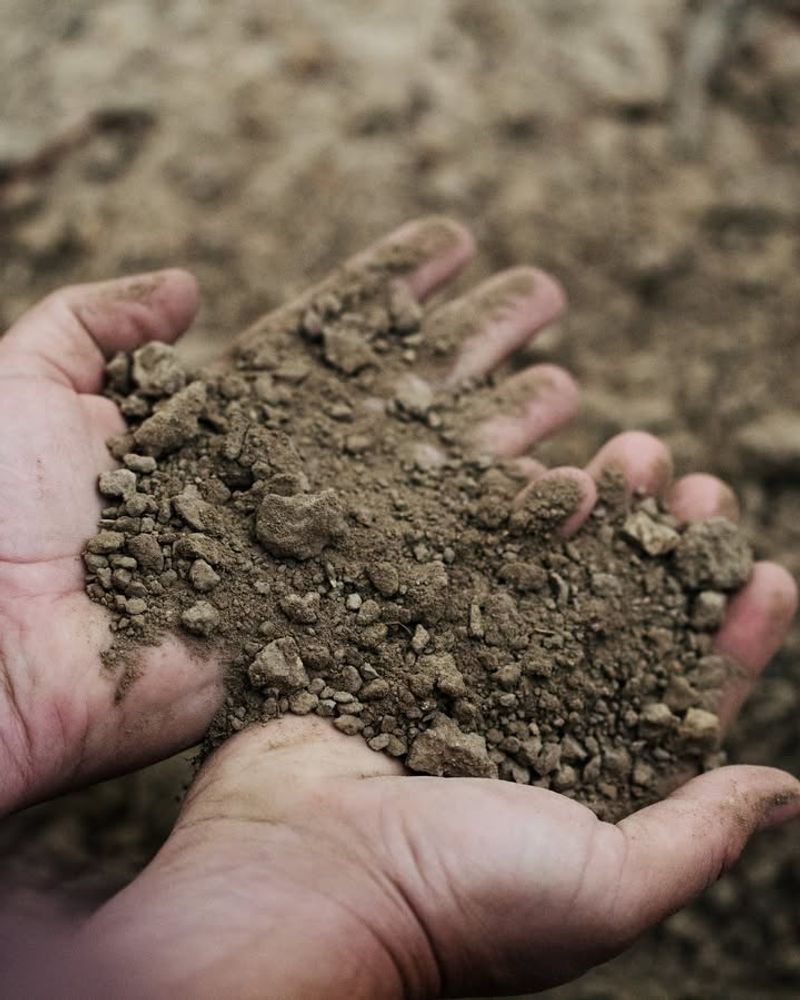
Florida’s intense sunshine and sandy soils create a perfect storm for slow plant growth. Our sandy earth drains water so fast that roots never get a chance to soak up consistent moisture.
One day the soil feels damp, the next it’s bone dry, and your plants spend all their energy hunting for water instead of growing leaves and fruit.
Summer afternoon thunderstorms dump inches of rain that rush straight through the sand, taking valuable nutrients with them. Your plants sit in soil that’s basically a sieve.
They can’t build the strong root systems they need because the environment keeps changing hour by hour.
Most Florida gardeners fight this by watering more often and adding more fertilizer. But that just creates a cycle of dependence without addressing the real problem.
Your plants need stable soil conditions, and bare ground under our brutal sun will never provide that stability no matter how much you water.
2. Why Adding Organic Mulch Changes Everything For Florida Plants
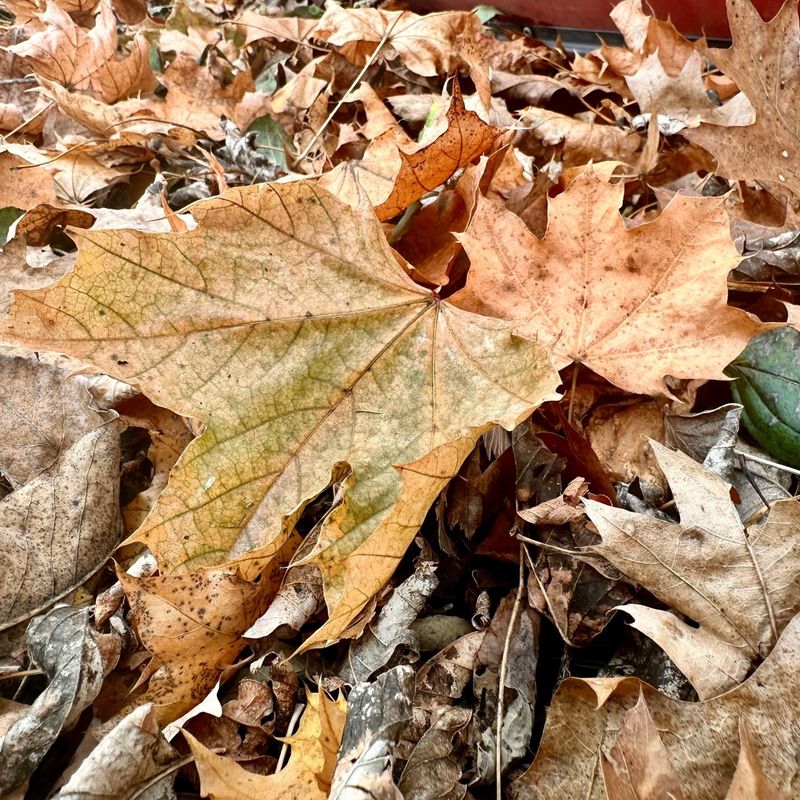
Walk through a Florida forest and notice how the ground feels spongy and cool beneath your feet. A thick layer of decomposing leaves, bark, and organic matter covers the soil, creating a living blanket that holds moisture and moderates temperature.
That’s exactly what your garden needs.
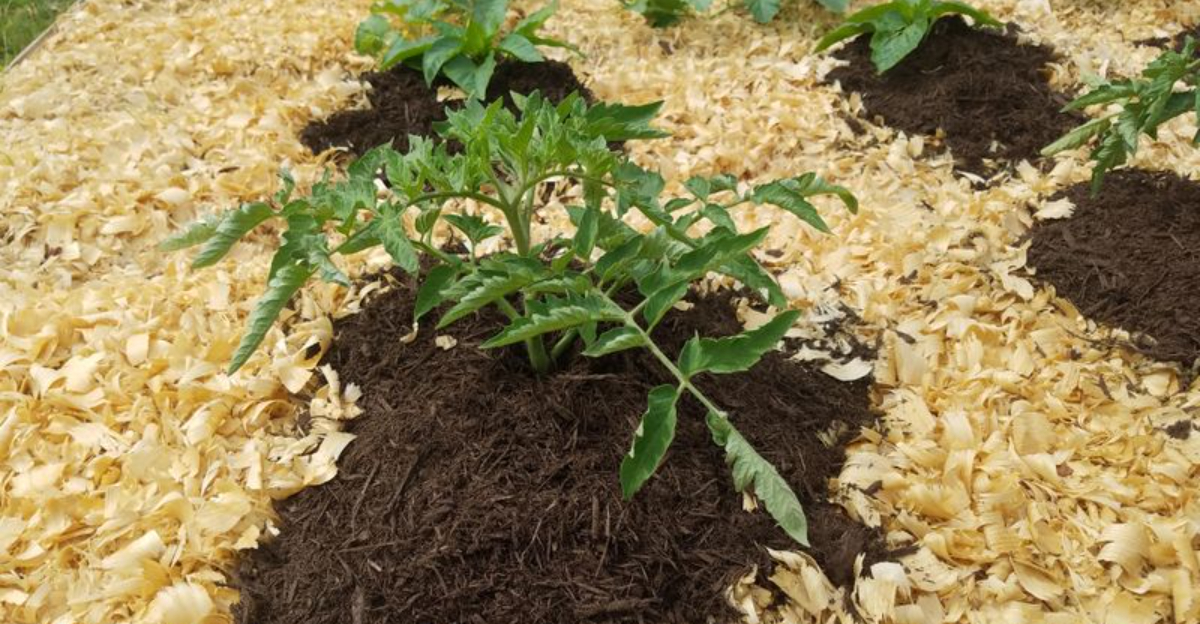
Adding a three to four inch layer of organic mulch around your plants mimics nature’s perfect system. The mulch acts as insulation, helping lower soil temperatures by several degrees during summer heat waves. Roots stay comfortable and active instead of shutting down to survive extreme temperatures.
Organic materials like pine bark, melaleuca mulch, or eucalyptus chips slowly break down over months, releasing nutrients directly into your sandy soil. You’re not just covering the ground, you’re building better earth with every passing week.
Beneficial soil organisms and microbes increase under mulched conditions.
Water retention improves dramatically because mulch prevents evaporation and gives rainfall time to soak deep into the root zone. Instead of watering every day, many gardeners find they can water less often.
Your plants get consistent moisture, which means consistent growth instead of the stop-and-start pattern that keeps Florida gardens struggling.
3. How This Change Improves Roots And Soil Health
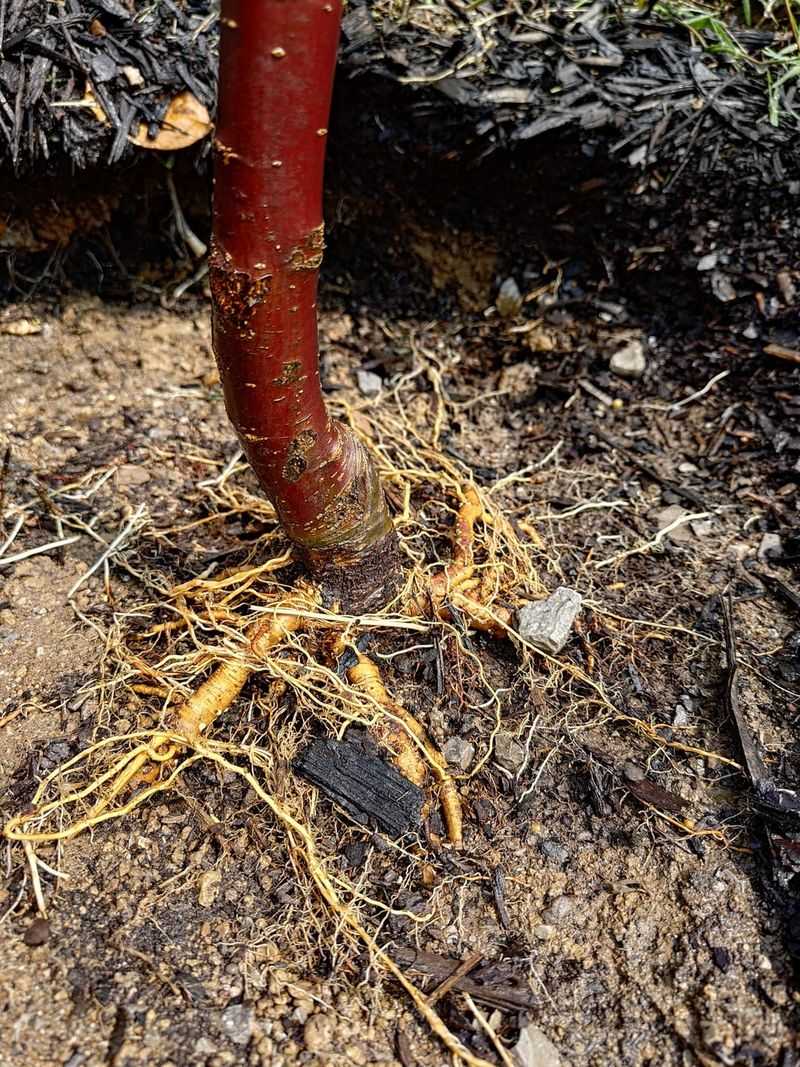
Dig down six inches in an unmulched Florida garden bed and you’ll probably find pale, sparse roots clinging to dry sand. Now dig in a properly mulched bed and you’ll often find denser root growth and darker, more organic-rich soil.
Mulch creates the stable environment roots need for stronger, faster growth. When soil temperature stays consistent and moisture levels remain steady, roots can focus on expanding their network instead of just surviving.
A larger root system means your plant can access more nutrients and water, which translates directly into faster top growth and bigger harvests.
The decomposition process happening under your mulch layer feeds beneficial fungi and bacteria that form partnerships with plant roots. These microorganisms extend your plant’s reach, essentially giving them access to nutrients and water far beyond their actual root zone.
This greatly improves a plant’s ability to access water and nutrients.
Organic mulch also prevents soil compaction during our heavy summer rains. Instead of raindrops hammering bare soil into a hard crust, the mulch absorbs the impact and lets water filter gently downward.
Oxygen can reach deeper soil layers, and roots breathe easier, growing faster and stronger throughout the season.
4. When Florida Gardeners Should Make This Change
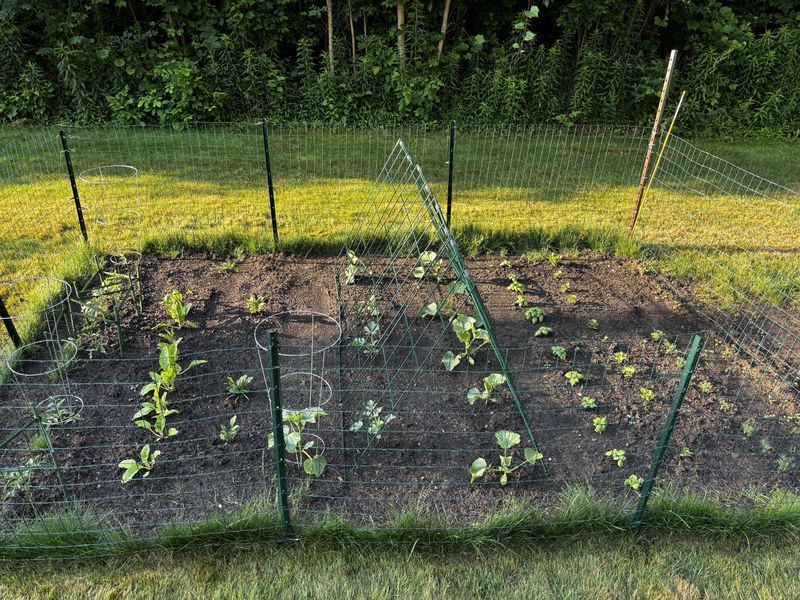
You’re planting fall tomatoes in Central Florida during late August, and the afternoon heat still climbs into the low nineties. This is actually the perfect moment to add mulch around your new transplants.
The mulch protects tender roots from heat stress during those first critical weeks when plants are most vulnerable.
South Florida gardeners should apply fresh mulch in late spring before summer rains begin, and again in fall when temperatures start moderating. The spring application protects plants through the brutal June through September heat, while fall mulch helps retain moisture during our dry winter months when irrigation becomes essential.
North Florida follows a slightly different pattern because winter temperatures drop low enough to slow decomposition. Apply mulch in early spring after the last frost danger passes, and refresh it in late summer before fall planting season.
This timing gives you maximum benefit during active growing periods.
The best time to mulch any existing garden is right now, regardless of season. Even if you’re mid-summer with established plants, carefully add mulch around them without disturbing roots.
You’ll see improvement within weeks. Just avoid piling mulch directly against plant stems, which can cause rot and invite pests to damage your plants.
5. How To Apply This Change The Right Way
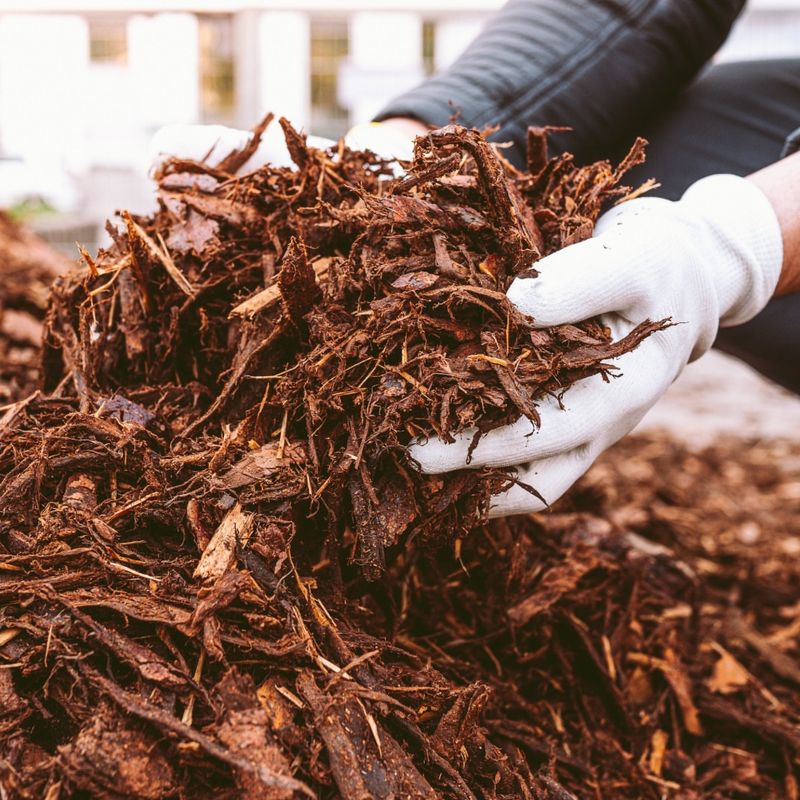
Start by pulling any weeds from your garden bed and watering the soil thoroughly until it’s damp several inches down. Wet soil before mulching helps lock moisture in place and gives you a stable base to work with.
Don’t skip this step, especially during Florida’s dry spells.
Spread your chosen organic mulch in a layer three to four inches deep across the entire bed. Keep the mulch pulled back about two to three inches from plant stems and tree trunks.
That small gap prevents moisture from sitting against bark or stems, which could lead to fungal problems or provide hiding spots for pests.
For vegetable gardens, spread mulch between rows and around individual plants, creating a continuous blanket that covers all bare soil. In landscape beds, extend mulch out to the drip line of shrubs and trees, covering the entire root zone.
More coverage means better moisture retention and temperature control across your whole growing area.
Use untreated, natural mulch materials like pine bark, melaleuca, eucalyptus, or shredded hardwood. Avoid dyed mulches or those treated with chemicals that might leach into your soil.
As the mulch breaks down over six to twelve months, simply add a fresh layer on top to maintain that protective three to four inch depth year round.
6. Common Mistakes That Cancel Out The Benefits
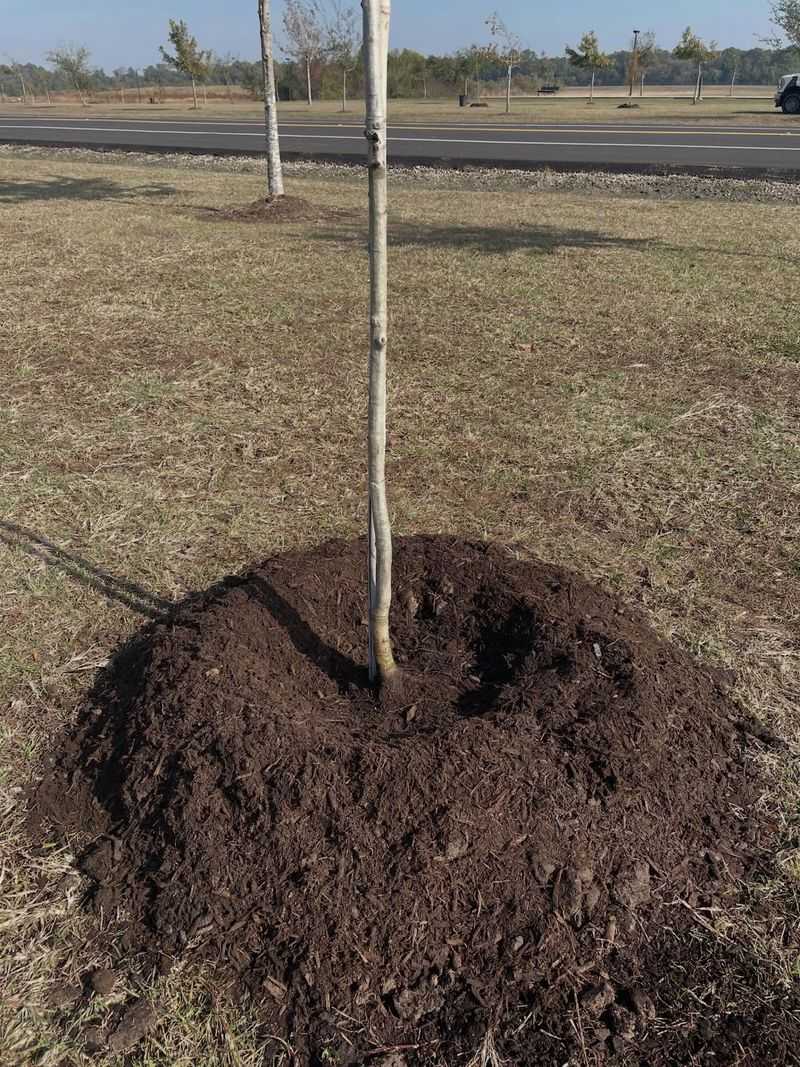
You pile mulch up against the trunk of your young citrus tree, creating what looks like a protective volcano around the base. Within months, the bark starts rotting and boring insects move in.
That mulch volcano is one of the most common mistakes Florida gardeners make, and it can seriously damage or even compromise your plants.
Another frequent error is spreading mulch too thin, maybe only an inch deep, thinking that’s enough. Thin mulch dries out quickly under Florida sun and provides almost no temperature buffering or weed suppression.
You need that full three to four inch depth to get real benefits, especially in our challenging climate.
Some gardeners use the wrong materials, choosing rubber mulch or landscape fabric under their mulch layer. These materials prevent the natural decomposition process that feeds your soil and can actually create drainage problems.
Stick with organic materials that break down naturally and improve soil structure over time.
Forgetting to refresh mulch is another problem. As organic mulch decomposes, the layer gets thinner and less effective.
Check your mulch depth every few months and add fresh material when it drops below three inches. South Florida’s heat and humidity speed up decomposition, so you might need to refresh mulch twice a year to maintain consistent benefits.
7. Plants That Respond The Fastest To This Change
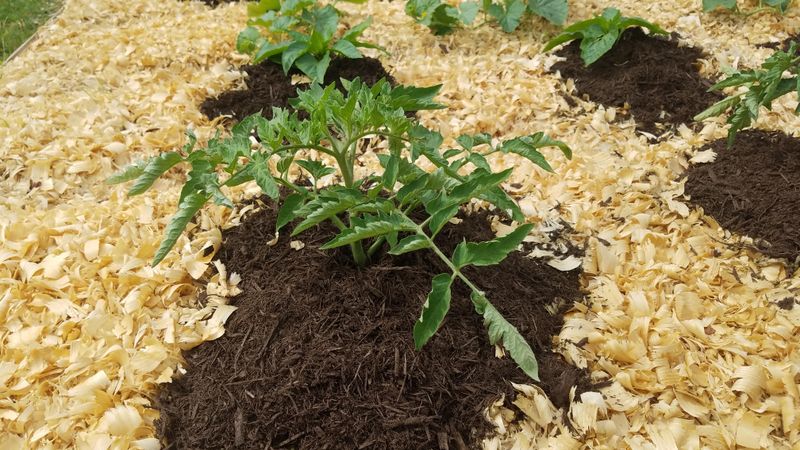
Your tomato plants show the most dramatic response to proper mulching. Many gardeners notice healthier leaf color and improved growth within a few weeks of adding mulch.
Tomatoes are heavy feeders with shallow root systems, so they benefit quickly from the cooler soil and steady moisture. Peppers, both sweet and hot varieties, respond almost as quickly as tomatoes.
The consistent soil moisture prevents blossom end rot, a common Florida problem caused by calcium uptake issues related to irregular watering. Mulched pepper plants often produce more consistent yields and experience fewer stress-related problems.
Landscape plants like ixora, hibiscus, and crotons show visible improvement within a month. Their leaves become more vibrant, and they push out new growth more consistently.
These tropical ornamentals naturally thrive in mulched forest floor conditions, so adding mulch to your landscape beds recreates their ideal native environment.
Even citrus trees respond beautifully to mulching. Young trees establish faster, and mature trees show improved fruit production when their root zones stay consistently moist and cool.
Just remember to keep that mulch several inches away from the trunk. Herbs like basil and cilantro also grow more vigorously with mulch, staying productive longer before bolting in the heat.
8. How Long It Takes To See Results In Florida Gardens
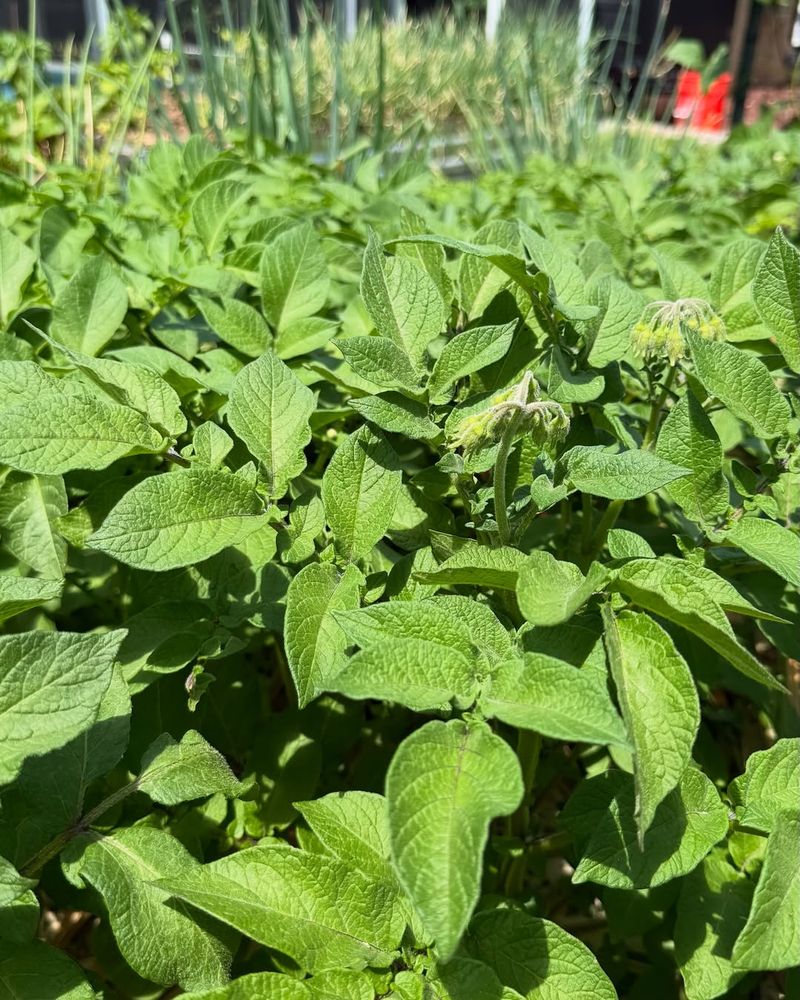
You finish spreading mulch around your vegetable garden on a Saturday morning. By the following weekend, you’ll already notice the soil staying moist longer between waterings.
That’s your first sign that the mulch is working, creating the stable environment your plants need to shift into faster growth mode.
Within two to three weeks, most vegetable plants show visible changes. Leaves look healthier, stems thicken, and new growth appears more rapidly.
Fast-growing crops like squash, cucumbers, and beans might add several inches of vine growth during this period, noticeably outpacing unmulched plants nearby.
For landscape plants and perennials, expect to see meaningful changes within four to six weeks. Shrubs push out fresh growth, flowering plants produce more blooms, and overall plant vigor improves.
The improvement continues building over months as the mulch breaks down and enriches your soil with organic matter.
Long-term benefits become really obvious after a full growing season. Your soil structure improves dramatically as decomposing mulch adds organic content to sandy Florida earth.
Soil biological activity increases, and you’ll notice the soil feels different when you dig, looser, darker, and better at holding moisture and nutrients. Plants that struggled before now thrive with minimal intervention, and your whole garden becomes easier to maintain year after year.
9. How Mulch Protects Plants During Florida’s Extreme Weather
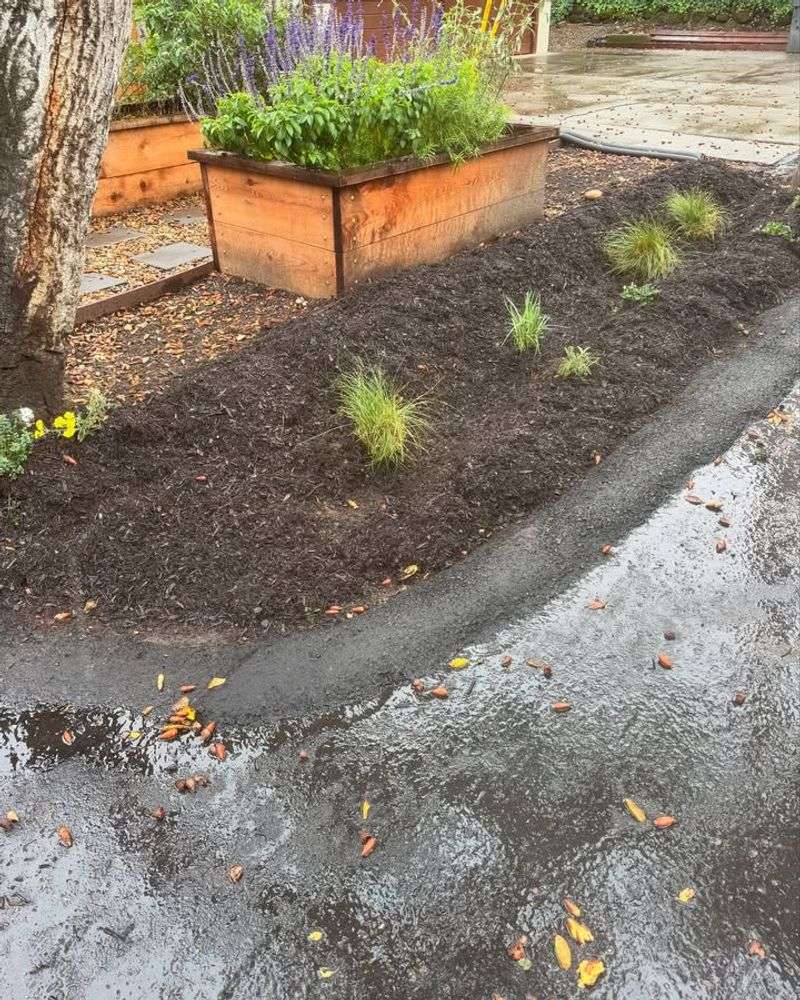
A summer thunderstorm drops three inches of rain in an hour across your neighborhood. In unmulched beds, that deluge hammers the soil surface, compacting it and washing away topsoil along with any fertilizer you recently applied.
Your plants sit in a muddy mess that crusts over when the sun returns.
Mulched beds handle that same storm completely differently. The organic layer absorbs the impact of heavy raindrops, letting water filter gently into the soil instead of running off or causing erosion.
Nutrients stay in place, and soil structure remains intact. Your plants get the water they need without the damage that comes with Florida’s violent summer weather patterns.
During dry spells, mulch becomes even more valuable. Mulch helps soil retain moisture longer, reducing stress during short dry periods.
Temperature extremes also become less severe under mulch. Those occasional cold snaps that sweep through Central and North Florida do less damage when roots are insulated.
Summer heat waves that would normally stress plants into dormancy have less impact because mulch keeps soil temperatures moderate, allowing continuous growth even during the hottest months of the year.
10. Why This Simple Change Beats Expensive Fertilizers And Amendments
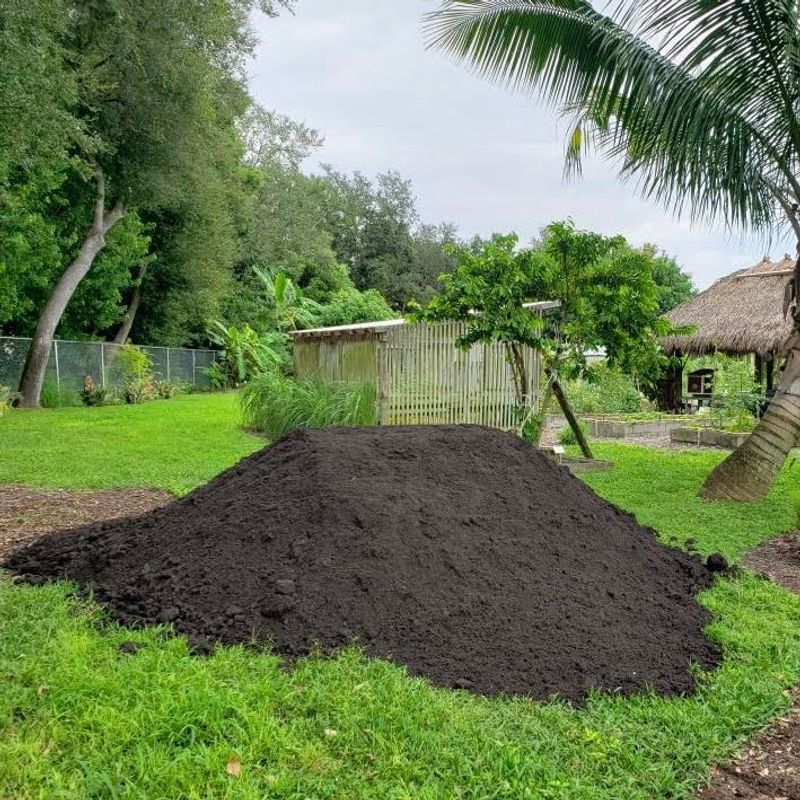
You’ve probably spent hundreds of dollars on fertilizers, soil amendments, and special plant foods trying to boost growth in your Florida garden. Those products help temporarily, but they wash through sandy soil so quickly that you’re basically renting nutrients instead of building lasting soil fertility.
Organic mulch costs a fraction of what you’d spend on constant fertilizer applications, and it provides benefits that last for months. A few bags of pine bark or melaleuca mulch might run you thirty to fifty dollars and cover a large garden bed.
That same investment in fertilizer would only last a few weeks before washing away in summer rains.
The real value comes from how mulch builds soil quality over time. Each year, decomposing organic matter adds structure to your sandy soil, increasing its ability to hold both nutrients and water.
You’re essentially creating better earth with every mulch application. Eventually, you’ll need less fertilizer because your improved soil holds nutrients longer and provides more natural fertility.
Mulch also reduces your water bill significantly. Many Florida gardeners see irrigation needs drop by ten to thirty percent after mulching properly.
That’s money in your pocket every month, plus you’re conserving water, which matters during our frequent drought restrictions. One simple change delivers multiple benefits that compound over time, making it the smartest investment any Florida gardener can make.