The Native Tree New Yorkers Are Planting For Privacy (Minimal Pruning Required)
Privacy shouldn’t cost you every weekend afternoon. Your neighbor’s branches keep stretching toward your fence line. New York winters test weak trees, but this native species notices the cold.
It shrugs off drought, poor soil, and constant neglect. Nothing about it demands your time or attention at all. Roots dig deeper every year while branches thicken without any coaxing from you.
Wildlife slips into its dense evergreen walls for shelter. Homeowners across New York plant it once and walk away. Growth continues quietly, season after season, long after you stop watching.
Density builds itself into a living, breathing barrier you didn’t build. Seclusion arrives without costing you a single weekend of yard work. Few trees offer you this much protection for this little effort in return.
Something inside this tree keeps moving forward, even when you aren’t looking. This is only the beginning of what waits along your fence line.
What Makes This Native Tree Perfect For Privacy
Picture a wall of green that shows up for you every single day. The Eastern Red Cedar is that wall, and it never asks for anything in return.
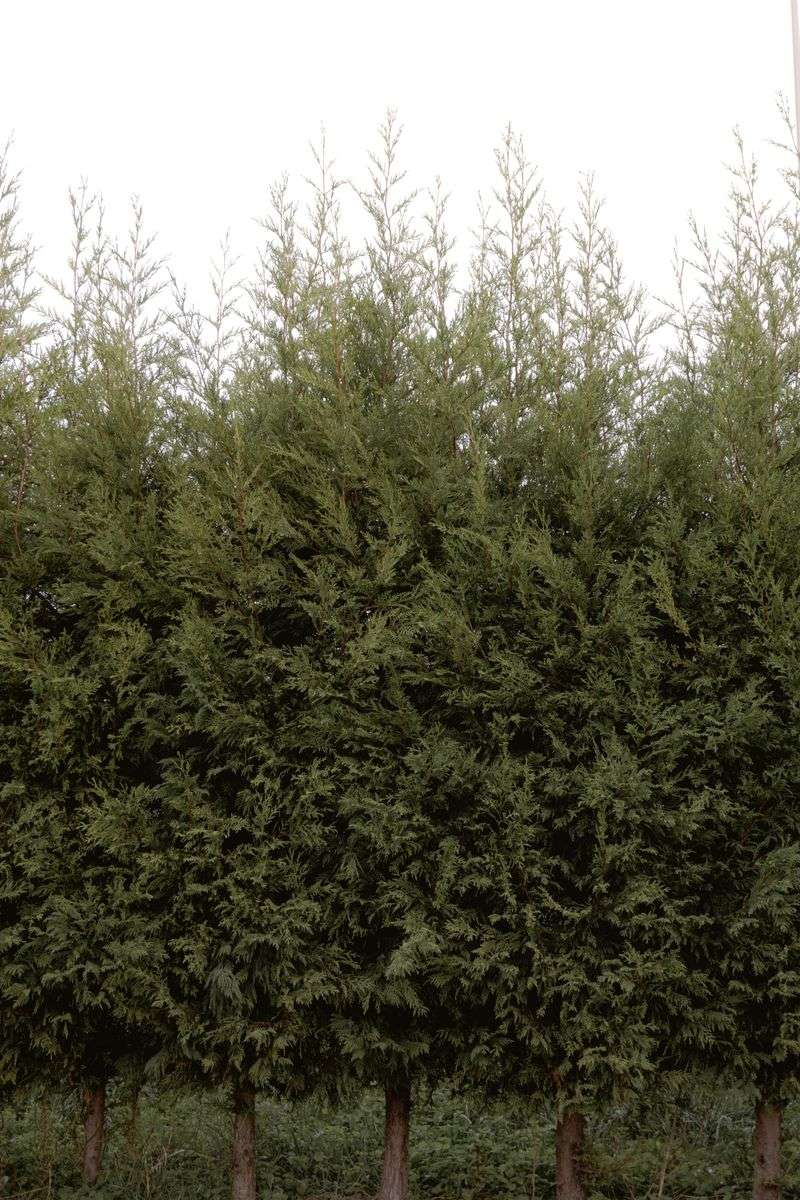
This native tree grows in a tight, columnar shape that blocks sightlines fast. Neighbors, street noise, and wind all get stopped at the property line. Even heavy winds lose their force against its form.
Unlike imported privacy trees, this one evolved right here in North America. That means it already knows how to handle harsh winters and dry summers. Few trees adapt this well without any help from you.
The foliage stays dense from the ground up, which matters most for a privacy screen. No bare patches, no thin spots, no gaps where someone can peek through.
Birds love nesting inside the thick branches, so you get wildlife habitat as a bonus. Small mammals find shelter there too, adding even more life. Your New York yard becomes a private sanctuary with actual life buzzing around in it.
More homeowners across the state are turning to native plants over ornamental imports. Lower maintenance means more weekends spent doing what you actually enjoy.
The Eastern Red Cedar also resists most pests without chemical sprays. That saves money and keeps your soil healthier over the long run.
Planting a native tree is a practical, low-maintenance choice for many homeowners. For many homeowners, it functions as a long-term investment in beauty, privacy, and low-effort upkeep.
The Eastern Red Cedar Explained
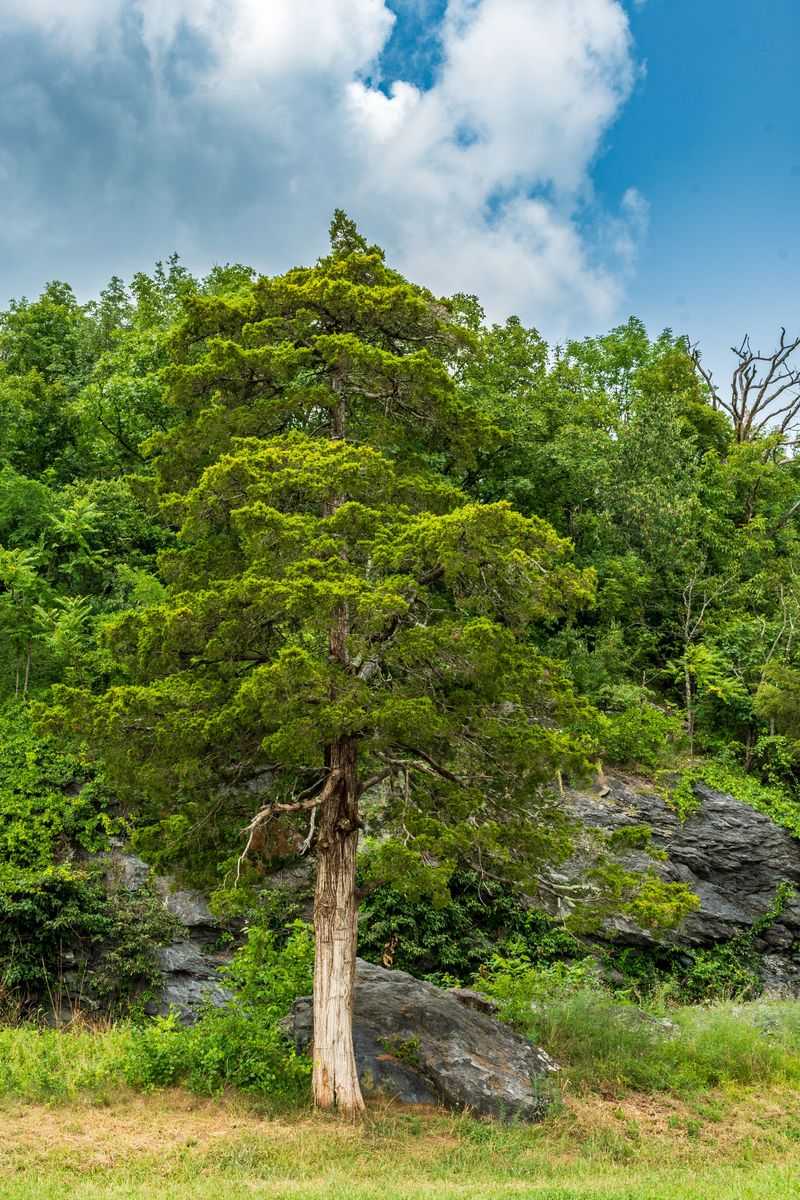
Despite the name, this tree is technically a juniper. Juniperus virginiana is its official name, and this species is native to eastern North America, where it has thrived for generations.
It typically reaches 30 to 40 feet in cultivated settings, though wild specimens can grow taller. The spread stays relatively narrow, making it ideal for tight urban lots.
The foliage is a rich, dark green that holds its color through every season. In winter, when everything else looks bare and lifeless, this tree still looks alive and full.
Your New York Garden Changes Every Week. Your Plan Should Too.
Gardening in New York changes quickly throughout the season. Every Friday you’ll receive a simple weekly plan showing exactly what to plant, prune, fertilize, harvest, and protect so you never miss the right timing.
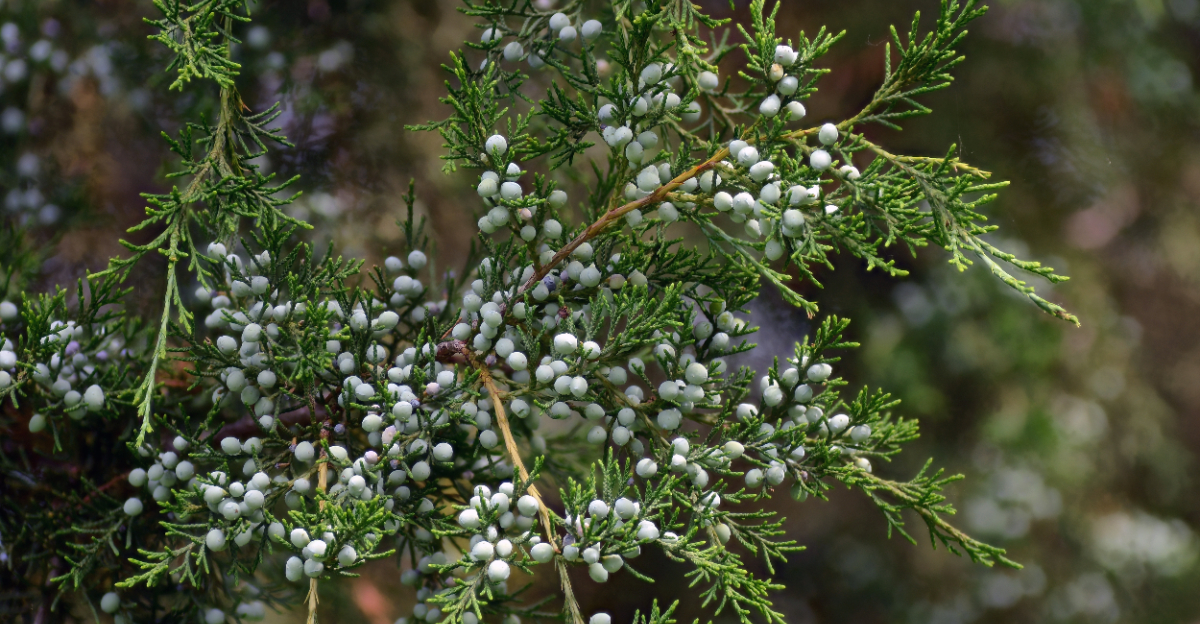
Small blue-gray berries appear on female trees each fall. Those berries feed cedar waxwings and other birds that pass through the region.
The bark is reddish-brown and peels in thin strips, giving the trunk a textured, rustic look. Up close, the tree has real character that ornamental varieties simply cannot match.
Eastern Red Cedar wood has a natural aromatic quality that repels moths. That same scent is what gives cedar closets their legendary reputation.
The tree is dioecious, meaning male and female grow on separate plants. Only female trees produce the berry clusters that wildlife depend on each year.
Knowing what this tree actually is helps you appreciate why it performs so well. It is not a trendy landscaping choice, it is a proven survivor with deep roots in American soil.
Why It Grows Dense Without Any Pruning
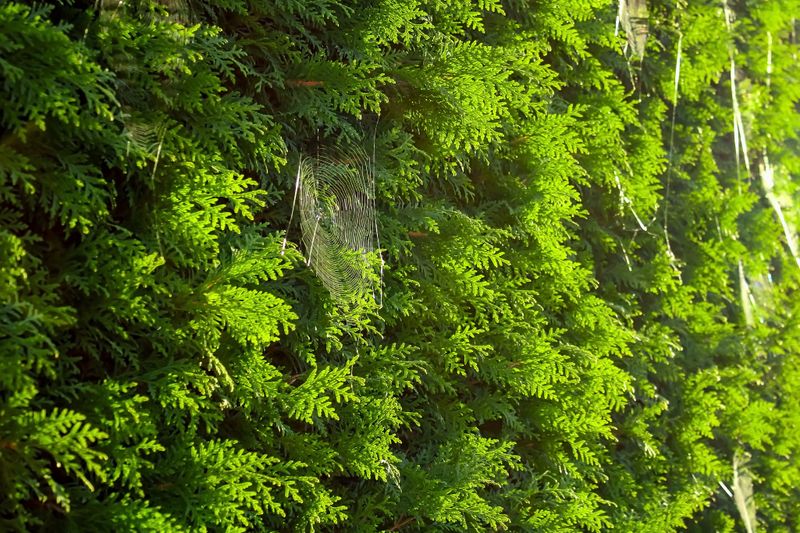
Some trees need constant shaping to stay full and neat. The Eastern Red Cedar is built differently from the start.
Its branching pattern naturally fills in from the base all the way to the tip. New growth pushes outward and inward at the same time, leaving no weak spots.
The tree’s genetics push it toward a pyramidal form without any human interference. You plant it, step back, and let biology do the heavy lifting.
Lateral branches grow densely packed, which means light barely penetrates the canopy. That thickness is exactly what creates a solid privacy screen year-round.
Even in low-nutrient soil, the tree keeps producing new foliage each season. Stress does not thin it out the way it does with many ornamental species.
Arborvitae, by comparison, can develop bare spots near the base as it ages. The Eastern Red Cedar avoids that problem because its lower branches stay active longer.
Wind actually encourages the tree to grow stronger and thicker over time. Each gust triggers the roots and trunk to reinforce themselves naturally.
Skipping regular pruning is not neglect, it is a more efficient approach for this species. With this native tree, minimal intervention is often enough to achieve strong coverage.
How It Compares To Arborvitae And Other Privacy Trees
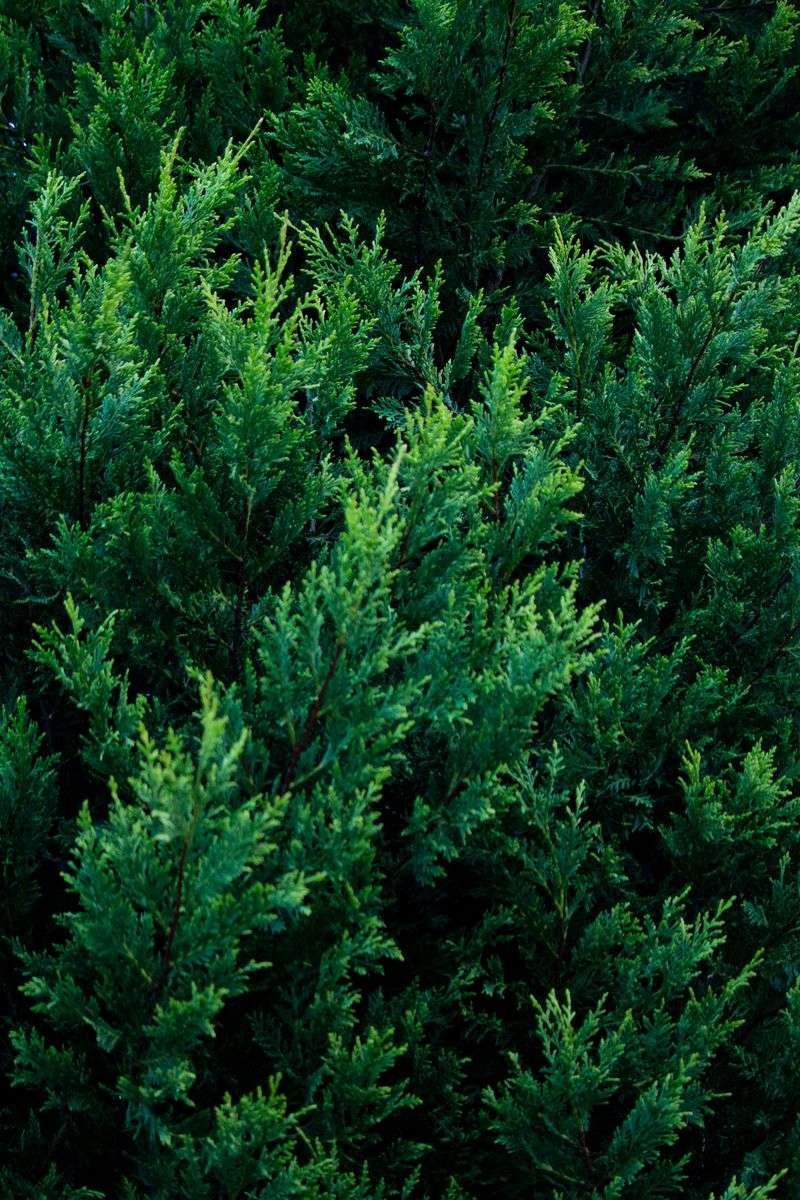
Arborvitae is the go-to privacy tree for many homeowners, and it works fine in the right conditions. But it has real weaknesses that the Eastern Red Cedar simply does not share.
Deer absolutely love munching on arborvitae during winter months. One bad season of deer browsing can severely damage an entire row.
Eastern Red Cedar has foliage that deer tend to avoid, making it far more reliable in suburban areas. That alone is a major advantage for anyone who has dealt with deer damage to a hedge.
Leyland cypress is another popular choice, but it is not native to this region. It also struggles with certain fungal diseases that spread quickly in humid climates.
The Eastern Red Cedar handles humidity, cold snaps, and drought without skipping a beat. Its native status means it co-evolved with local conditions over centuries.
Skip laurel grows fast and looks polished, but it needs consistent moisture and rich soil. Dry summers can cause it to drop leaves and look patchy.
Privacy trees should be chosen based on long-term performance, not just first impressions. A fast grower that struggles after a few years may cost more in replacement than it saved in time.
The Eastern Red Cedar wins on durability, wildlife value, and low input over decades. Choosing it over imported species is often a practical, long-term choice.
Best Growing Conditions For A Thriving Privacy Screen
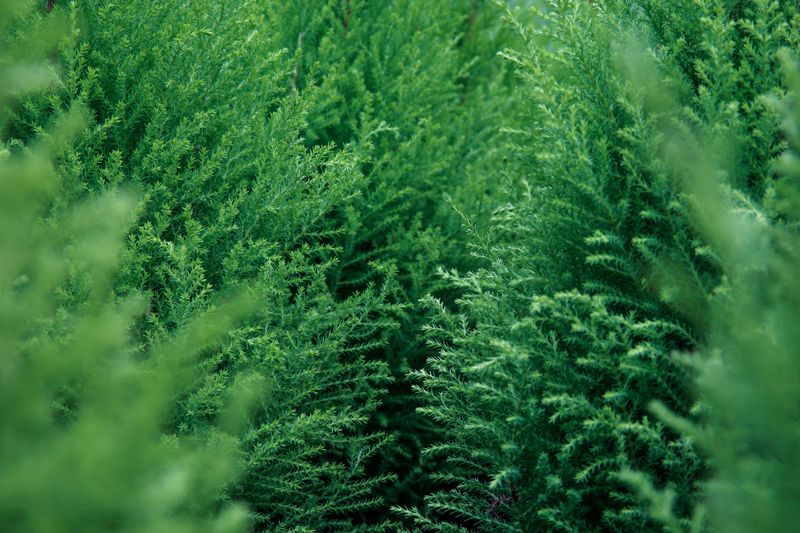
Full sun is where this tree truly shines. It wants at least six hours of direct sunlight each day to reach its full density potential.
Well-drained soil is the other key factor for strong growth. Soggy roots slow the tree down and can cause long-term health problems.
Sandy soil, clay soil, rocky hillsides, this tree handles them all with minimal fuss. Few other privacy options offer that kind of soil flexibility.
Once established, the tree typically needs little supplemental watering, though occasional deep watering helps during extended drought. The root system spreads wide and deep to find moisture on its own.
Avoid planting in heavy shade if privacy screening is your goal. Shaded trees grow slower and tend to stay thinner than their sun-grown counterparts.
The Eastern Red Cedar tolerates coastal salt spray, which makes it valuable near shorelines. Coastal homeowners in salt-exposed areas often choose it for windswept borders.
Urban heat, reflected off pavement and buildings, has little effect on this tree. It handles temperature swings that would stress out less resilient species.
Choosing the right spot before you plant saves years of frustration. Put this tree in the sun, give it decent drainage, and it will form a dense screen that continues to fill in each season.
Tips For Planting And Spacing For Maximum Coverage
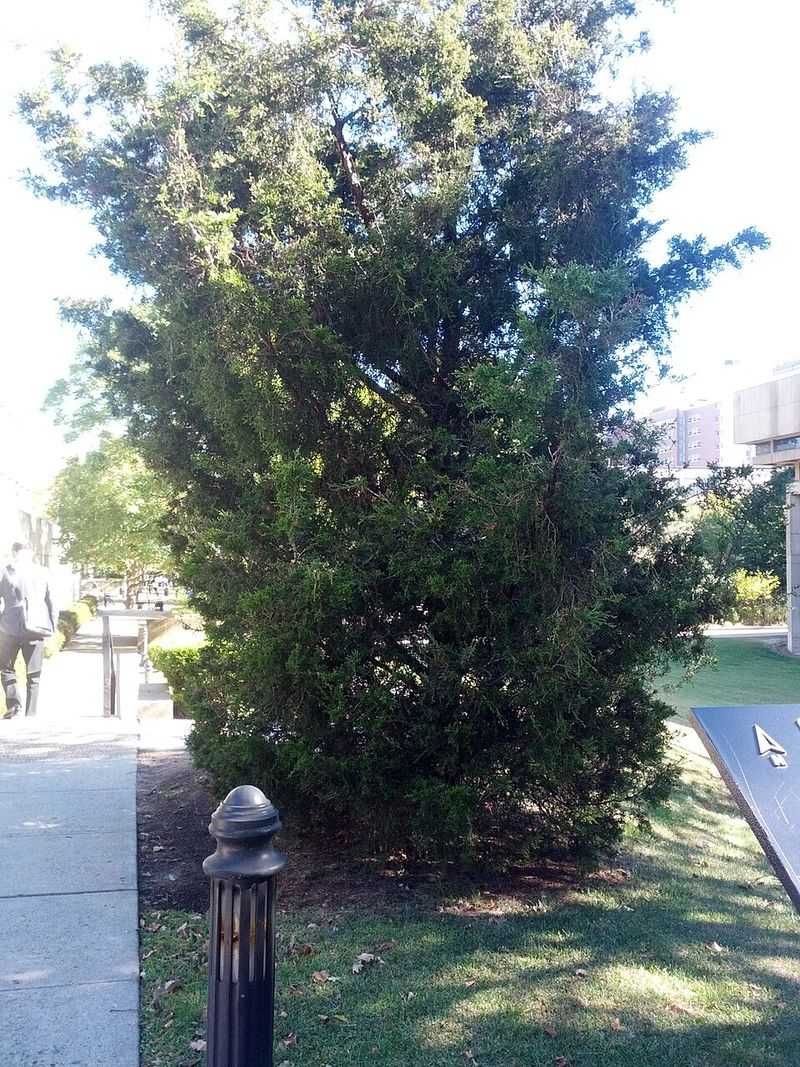
Getting the spacing right from day one is the single most important planting decision you will make. Too far apart and you wait years for gaps to close.
For a solid privacy screen, space Eastern Red Cedars about eight to ten feet apart. That gap allows each tree room to spread without crowding its neighbor as it matures.
Planting in a staggered double row creates even denser coverage faster. Think of it like a checkerboard pattern rather than a straight single line.
Early fall or early spring are the best times to get trees in the ground. Moderate temperatures let roots establish before the stress of summer or deep winter arrives.
Dig each hole twice as wide as the root ball but no deeper. Keeping the root flare at or slightly above ground level prevents rot at the base.
Water deeply once a week for the first season to help roots anchor. After that first year, rainfall alone usually handles the job in most regions.
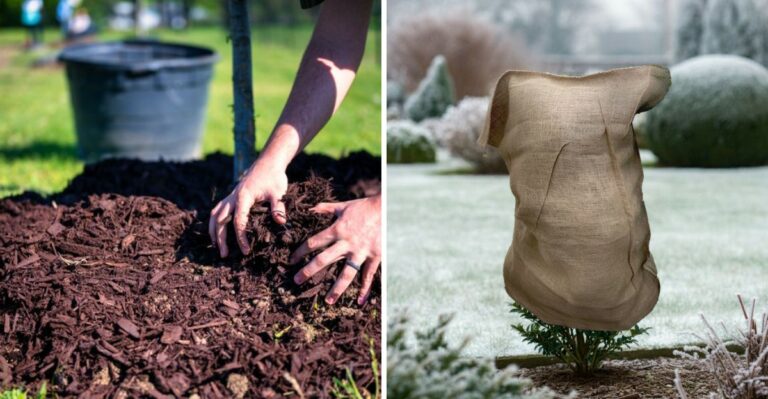
Mulching around the base with two to three inches of wood chips retains moisture. Keep mulch pulled back from the trunk to avoid creating a damp environment near the bark.
A little patience in year one pays off enormously by year three. The Eastern Red Cedar, once rooted, becomes the privacy screen that practically takes care of itself.