This Pollinator-Friendly Plant Is Winning Over Texas Gardeners
Some plants earn their place in a Texas garden the hard way. They put up with heat, handle tough conditions, and still manage to look good while doing something useful.
That is exactly why one standout favorite has been catching on with more and more gardeners across the state. It brings bright color, a relaxed kind of beauty, and the sort of easy charm that works in both casual backyards and more polished landscapes.
Its appeal goes beyond looks, too. Gardeners love plants that pull in hummingbirds, butterflies, and other welcome visitors, especially when they do it without demanding constant attention.
In Texas, where the weather can be intense and not every plant is up for the challenge, that combination matters a lot. A flower that can stay attractive and support pollinators at the same time is always going to stand out.
Turk’s cap has become that kind of plant for many Texans. It is hardy, cheerful, and surprisingly dependable, which makes it easy to understand why it keeps winning over gardeners who want beauty with a practical side.
The Plant Is Turk’s Cap
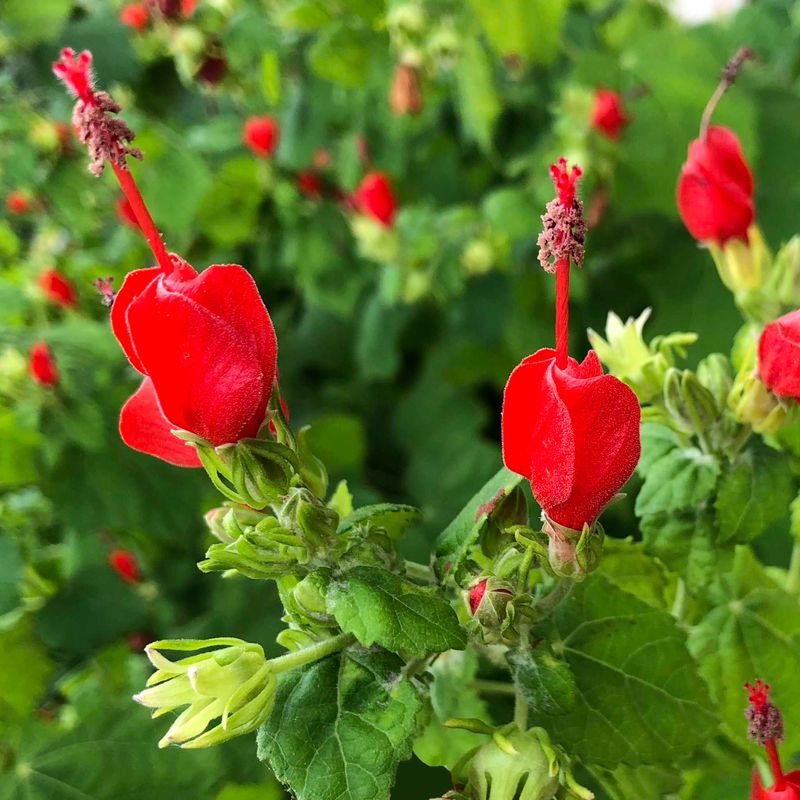
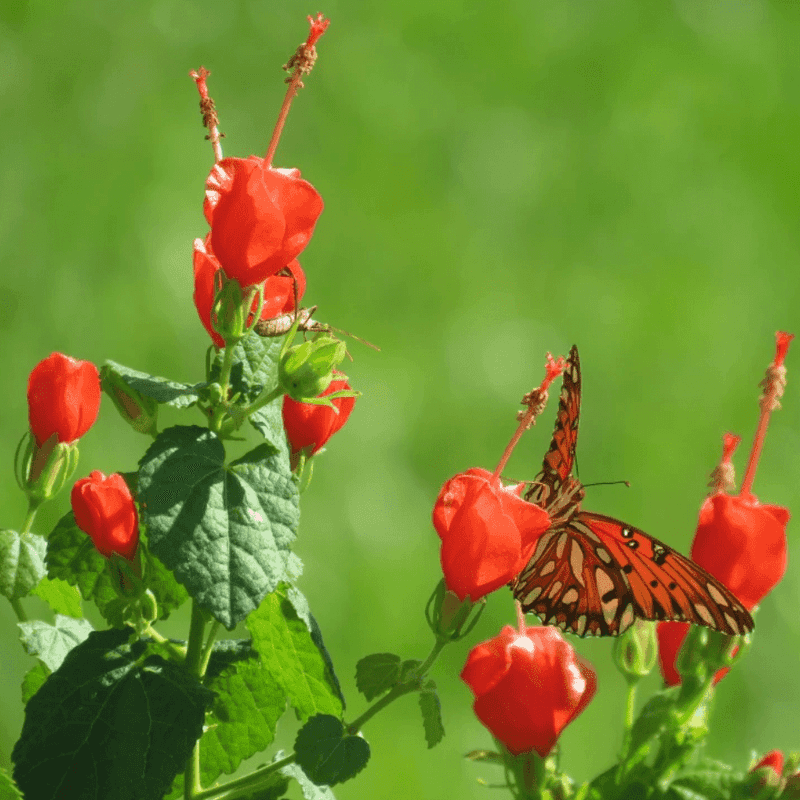
Bright red blooms that twist into a tight spiral at the top, a relaxed and spreading growth habit, and a personality that just fits Texas perfectly. That is Turk’s cap in a nutshell.
Botanically known as Malvaviscus arboreus var. drummondii, it is a native Texas shrub that has been growing wild across the state for centuries. Gardeners are now bringing it into their own backyards in a big way.
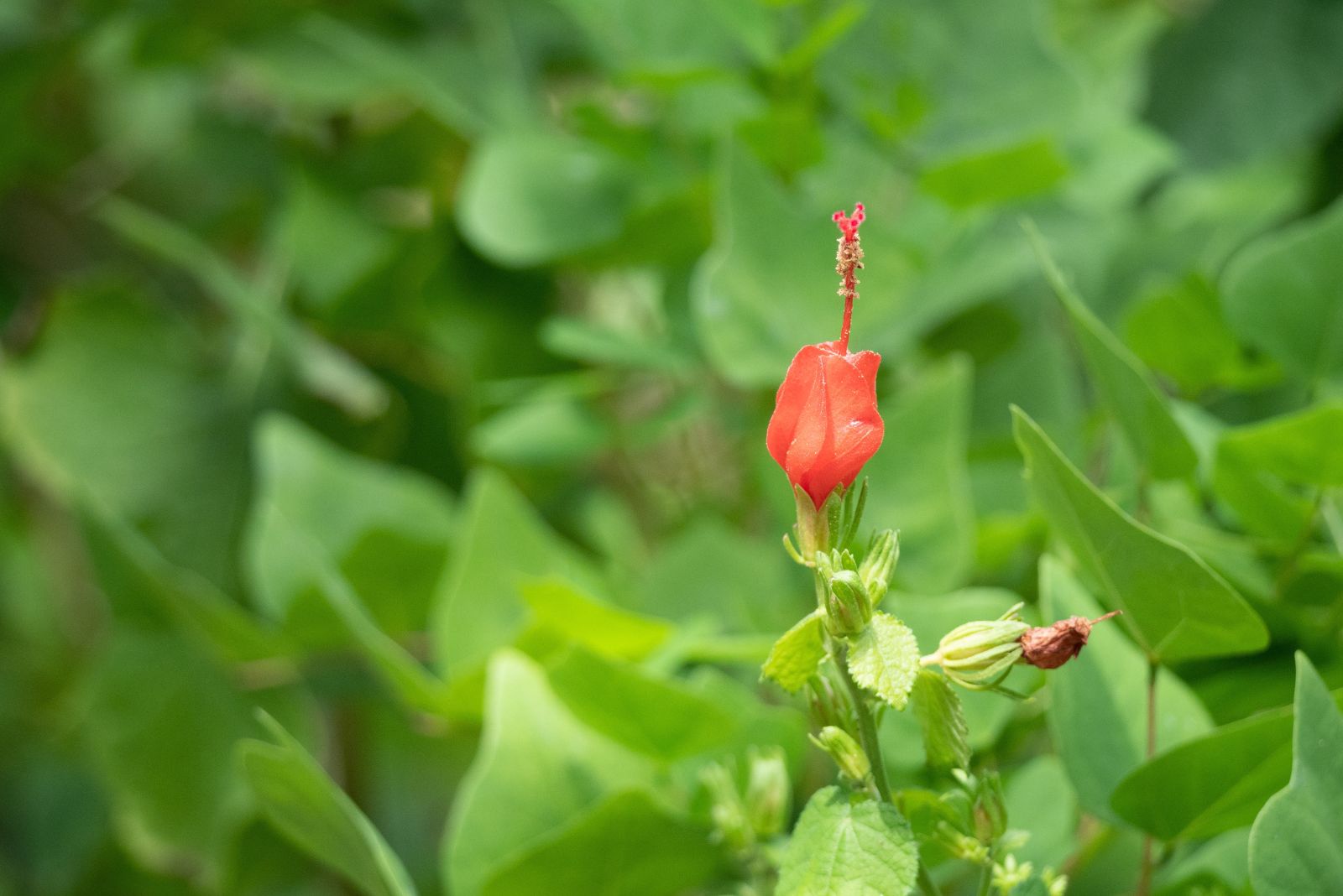
The plant gets its fun name from the way its petals never fully open. Instead, they stay wrapped around each other, forming a shape that looks a lot like a small Turkish turban or fez hat.
That unique shape is part of what makes it so charming and easy to recognize in any garden.
Turk’s cap can grow anywhere from two to nine feet tall depending on the conditions, which gives gardeners a lot of flexibility in how they use it. It works beautifully as a shrubby border plant, a background filler, or even a loose hedge.
The red blooms show up from late spring all the way through fall, giving Texas gardens months of reliable color.
Unlike many ornamental plants that struggle in the Texas climate, Turk’s cap seems to thrive here naturally. It is native to Texas and much of the Gulf Coast region, which means it already knows how to handle the conditions.
More and more Texas gardeners are realizing that sometimes the best plant for the job is one that already calls this place home.
Why Pollinators Love Turk’s Cap
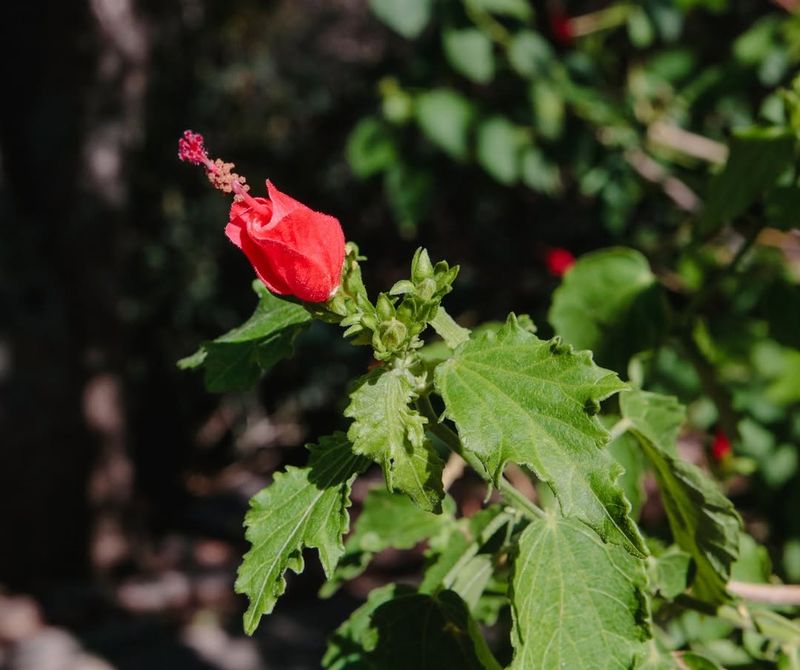
Walk past a blooming Turk’s cap on a warm Texas afternoon, and chances are you will not be the only one stopping to admire it. Hummingbirds absolutely love this plant.
The long, tubular shape of those twisted red blooms is practically designed for a hummingbird’s long beak, making it one of their top nectar sources across Texas.
Ruby-throated hummingbirds are especially drawn to Turk’s cap during their migration through Texas in late summer and fall. Having a well-established plant in your yard can turn your garden into a regular pit stop for these incredible little birds.
Many Texas gardeners say that once their Turk’s cap matures, hummingbirds visit almost every single day during the blooming season.
Butterflies are also big fans. Gulf Fritillaries, Swallowtails, and Sulphur butterflies are commonly spotted sipping nectar from the blooms.
Bees visit frequently too, making the plant a well-rounded pollinator magnet from top to bottom. Few plants in Texas can claim that kind of broad appeal across so many different species.
After the flowers fade, small round fruits appear in a bright red color. Birds like mockingbirds and cardinals snack on these fruits eagerly, adding yet another layer of wildlife value to an already impressive plant.
Turk’s cap essentially becomes a full-service wildlife station right in your backyard.
For anyone in Texas who wants to support local pollinators without a lot of extra effort, Turk’s cap is genuinely hard to beat. It feeds, shelters, and supports wildlife season after season with very little help from the gardener.
Why It Grows So Well In Texas
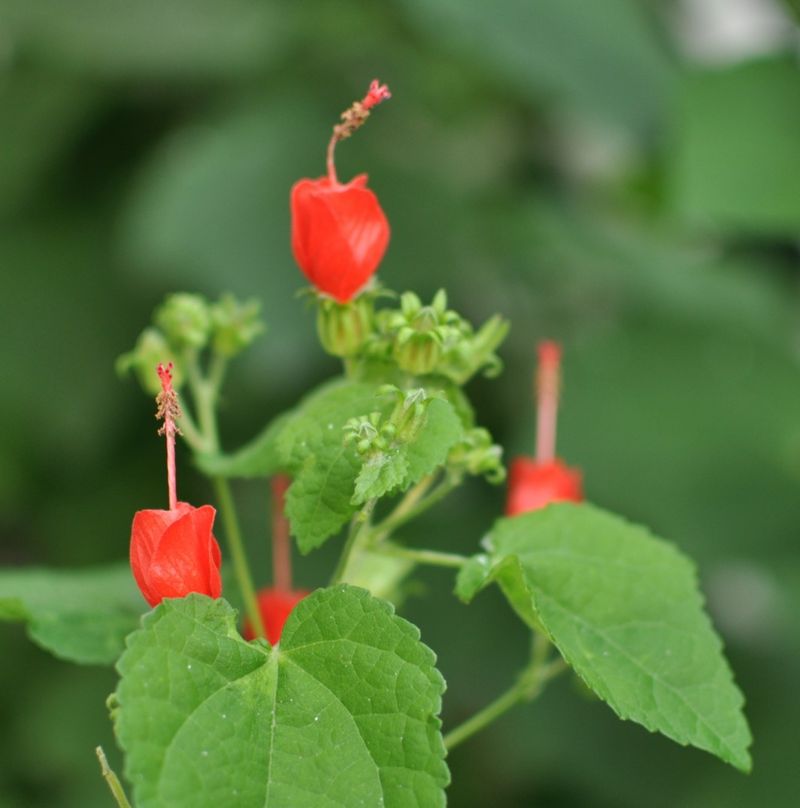
Texas summers are no joke. Triple-digit temperatures, long stretches without rain, and humidity that makes some plants wilt overnight.
Yet Turk’s cap handles all of it with what seems like total ease. That kind of toughness is a big reason why Texas gardeners keep coming back to this plant year after year.
One of its greatest strengths is its ability to grow in a wide range of light conditions. Most sun-loving plants struggle in deep shade, and most shade plants burn up in full sun.
Turk’s cap does well in both. It can handle full sun in cooler parts of Texas, and it actually thrives in partial to full shade, which is rare for a plant that blooms so vigorously.
Once it gets established, Turk’s cap is remarkably drought-tolerant. It does appreciate some water while it is getting its roots settled in during that first season, but after that it can largely fend for itself.
In a state where water conservation is increasingly important, that quality matters a lot to thoughtful Texas gardeners.
The plant is also a native, which means it has evolved over thousands of years to handle exactly the kind of conditions Texas throws at it. It does not need rich, amended soil to perform well.
Average to poor garden soil is perfectly fine, and it rarely struggles with the pest or disease problems that plague many non-native ornamentals.
From the sandy soils of East Texas to the rocky limestone terrain of the Hill Country, Turk’s cap finds a way to grow and bloom reliably. That kind of adaptability is something truly special in a Texas garden plant.
Where Turk’s Cap Looks Best In The Landscape
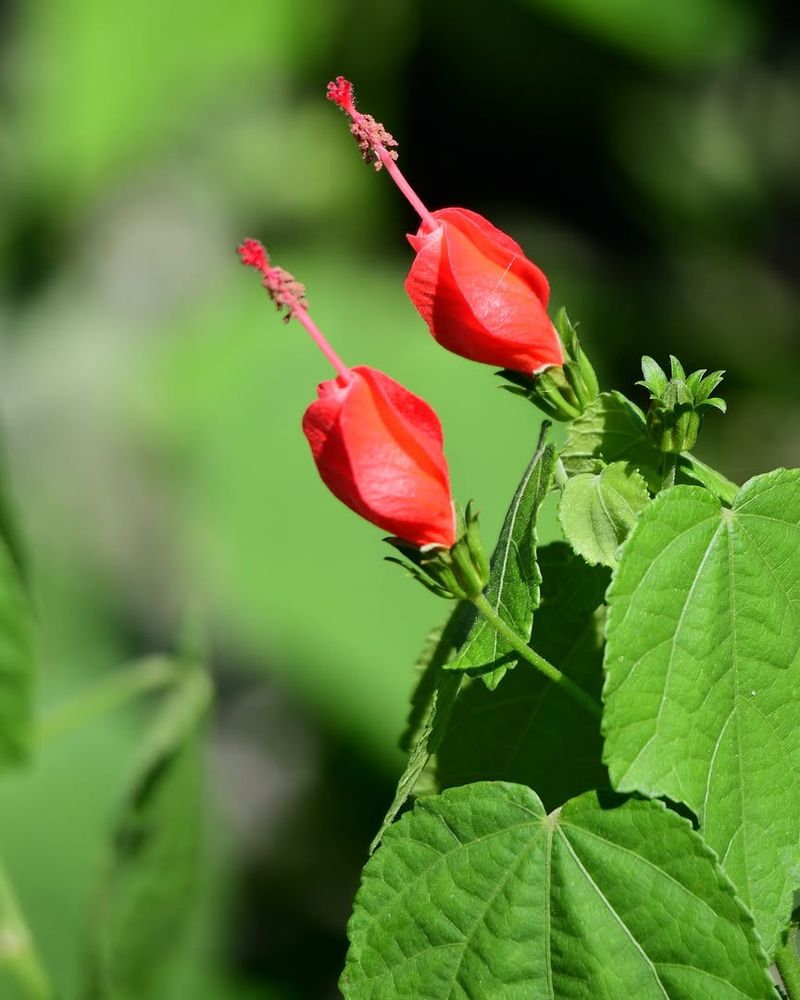
Shady spots in a Texas garden can be surprisingly tricky to plant. Most colorful flowering plants want full sun, leaving those dim corners looking bare and uninspiring.
Turk’s cap changes that completely. It brings vivid red color to shaded beds that most other blooming plants simply cannot reach, making it a go-to solution for one of the most common landscaping challenges in Texas yards.
Near a patio or outdoor seating area, Turk’s cap becomes something special. Plant it within view of where you like to sit outside, and you will have a front-row seat to hummingbird and butterfly visits throughout the day.
There are few things more relaxing than watching pollinators work a blooming Turk’s cap while you enjoy your morning coffee in the Texas heat.
Cottage-style gardens are another natural fit. The plant’s loose, arching growth habit gives it a relaxed, old-fashioned charm that pairs beautifully with other Texas natives like salvia, black-eyed Susan, and Mexican bush sage.
It adds height and structure without looking stiff or formal, which is exactly the vibe a cottage garden calls for.
Pollinator borders are one of the most popular ways Texas gardeners are using Turk’s cap right now. Planted alongside other nectar-rich natives, it creates a living corridor that supports wildlife from spring through fall.
Along fences, property lines, or the back edge of a garden bed, it fills space generously while doing real ecological work.
Even in tight spots under large trees where little else will grow, Turk’s cap manages to put on a show. Its tolerance for root competition and low light makes it one of the most versatile plants available to Texas gardeners today.
How To Grow And Care For Turk’s Cap
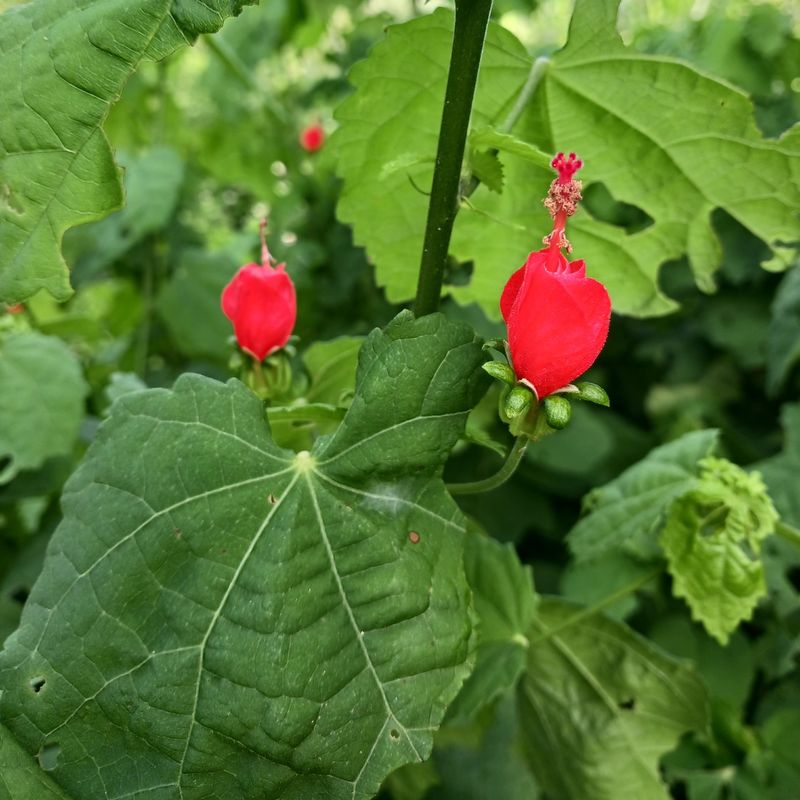
Getting started with Turk’s cap is pretty straightforward, even for newer gardeners. The plant is not picky, and it does not need a lot of fussing over once it finds its footing.
That said, giving it a good start makes a real difference in how quickly it settles in and begins to bloom.
Light is flexible with this plant. In Texas, it performs well in partial shade to full shade, though it will also tolerate sunny spots especially in areas with morning sun and afternoon protection.
If you are planting it under a large tree or along the north side of a fence, you are right in its comfort zone.
Watering during the first growing season is the most important step you can take. Turk’s cap needs regular moisture while its roots are getting established.
Aim for deep watering once or twice a week rather than light, frequent sprinkles. Once it has been in the ground for a full season, it becomes much more self-sufficient and can handle dry stretches without much trouble.
Mulching around the base of the plant helps retain soil moisture and keeps the roots cooler during hot Texas summers. A two to three inch layer of organic mulch works great and also helps suppress weeds around the plant’s base.
In late winter, cutting the plant back to about six to twelve inches from the ground encourages fresh, vigorous growth in spring.
Turk’s cap sprouts back reliably each year from its root system, even after cold winters in North Texas. Fertilizing is optional since the plant does just fine in average soil without extra feeding.
Why More Texas Gardeners Keep Choosing It
Ask any Texas gardener who has grown Turk’s cap for a season or two, and they will almost always say the same thing: they wish they had planted it sooner. There is something deeply satisfying about a plant that delivers so much with so little effort.
Color from late spring through fall, constant pollinator activity, and almost no drama once it is established. That is a combination that is hard to argue with.
Across Texas, from suburban Houston backyards to Hill Country homesteads, Turk’s cap is showing up in more landscapes every year. Nurseries that carry it often sell out quickly in spring because word has spread about just how well it performs.
Gardening groups and native plant societies throughout the state regularly recommend it as one of the first plants beginners should try.
The environmental value it adds is also a big part of the appeal. Supporting hummingbirds, butterflies, and bees is something more Texas gardeners care about now than ever before.
Choosing a plant that does all of that while also looking beautiful feels like a smart and meaningful choice for the landscape.
There is also a sense of pride that comes with growing something native to Texas. Turk’s cap has been part of this land long before modern landscaping trends arrived, and it will keep thriving here long after those trends fade.
That kind of staying power resonates with gardeners who want plants with real roots in the region.
For color, wildlife value, and easy-care performance all rolled into one plant, Turk’s cap truly earns its growing reputation across Texas gardens.