This Simple Container Trick Is The Secret To Sweet Florida Strawberries
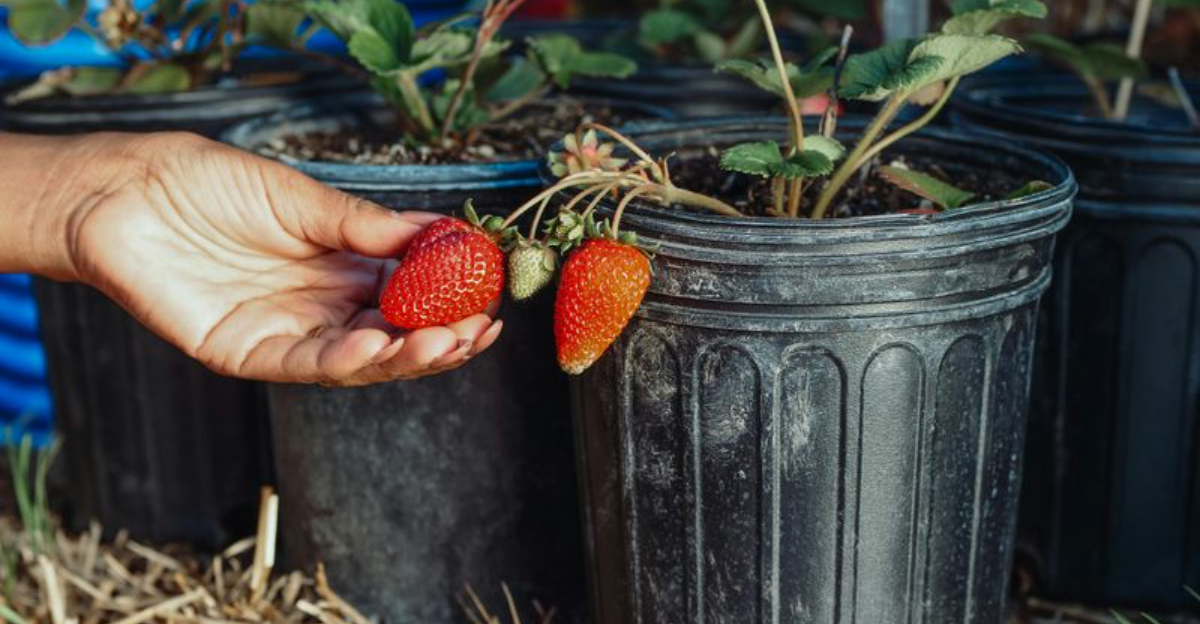
Florida gardeners know the frustration well. You plant strawberries with high hopes, water faithfully, and wait for that first ripe berry, only to bite into fruit that looks beautiful but tastes disappointingly bland.
In many yards across the state, the problem is not effort or fertilizer. It is the environment beneath your feet.
Florida’s sandy soil drains too quickly, nutrients wash away before roots can absorb them, and sudden downpours followed by intense sun place constant stress on strawberry plants.
Even during the ideal fall-to-spring growing season, these conditions can make it difficult for strawberries to develop the sugars that create real sweetness.
There is a simple shift that changes the outcome entirely. By growing strawberries in containers, you remove many of the obstacles that work against in-ground plants.
Containers allow precise control over soil quality, moisture, drainage, and root comfort, creating healthier plants that produce cleaner, sweeter, more flavorful berries with far less frustration.
Why Florida Strawberries Struggle In The Ground
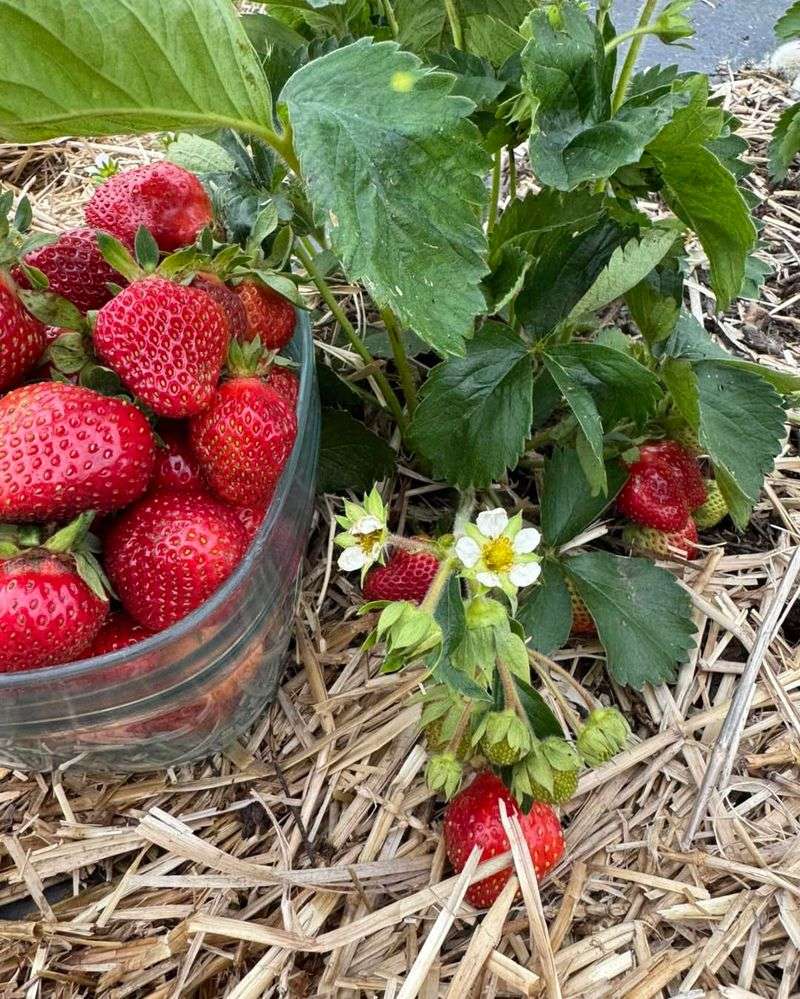
Your Florida soil isn’t built for strawberries. Most yards across the state have sandy, nutrient-poor earth that drains so fast your plants never get a chance to absorb what they need.
Strawberries crave rich, slightly acidic soil with consistent moisture, and Florida’s native ground rarely delivers that without constant amendments and vigilant care.
Then there’s the heat radiating up from the ground itself. Outside of Florida’s fall-to-spring strawberry season, soil temperatures rise beyond what strawberry roots tolerate, which is why strawberries are grown as a cool-season crop in the state.
Your plants may look green on top, but underneath, the stress is building, and stressed plants produce berries with less sugar and more bitterness.
Nematodes and soil-borne diseases love Florida’s warm, moist conditions, too. Once these microscopic pests invade your strawberry patch, they’re nearly impossible to eliminate without replacing all the soil.
Ground planting also means your berries sit directly on damp earth, inviting rot, pests, and fungal problems that ruin your harvest before you can even pick it.
In-ground strawberries in Florida face an uphill battle every single day. The environment works against them, and fertilizer alone cannot compensate for poor soil structure without raised beds, organic matter, and proper drainage.
How Container Growing Improves Control Over Strawberry Growing Conditions
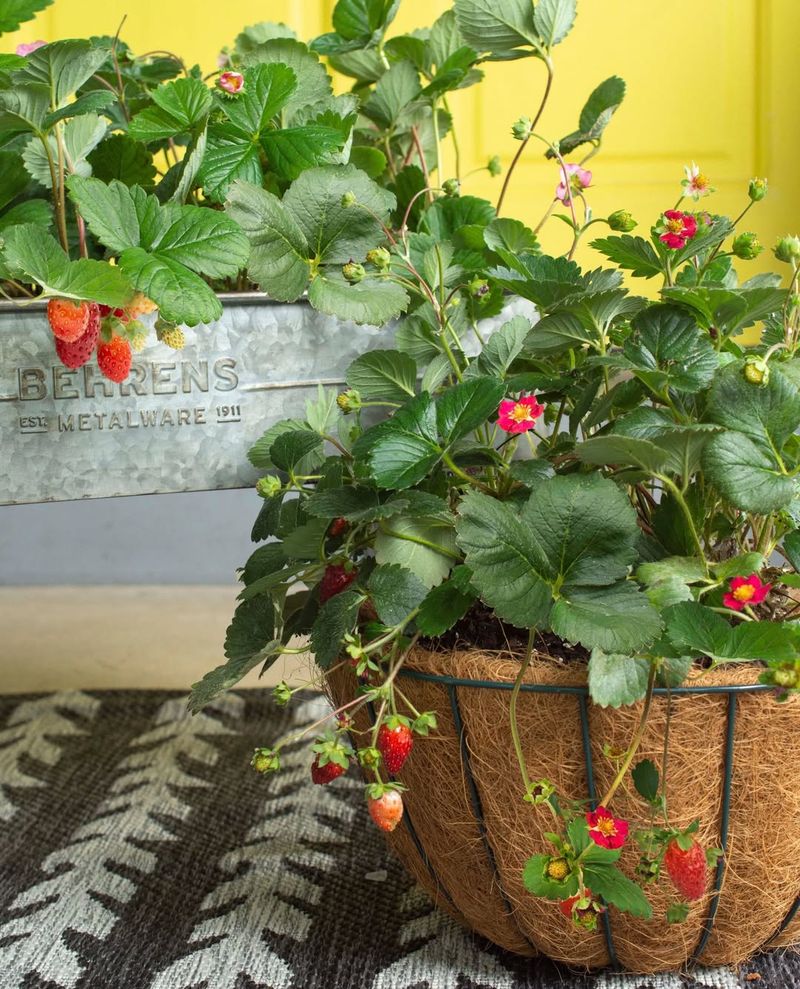
Moving your strawberries into containers transforms them from struggling survivors into thriving, productive plants. When you plant in pots, you gain far greater control over soil quality, drainage, nutrient levels, and root temperature.
Your strawberries no longer have to fight Florida’s natural conditions because you’ve created a custom environment tailored exactly to what they need.
Containers let you move your plants as seasons change. Experiencing unusually warm conditions late in the season? Shift them into afternoon shade.
Cold snap coming to North Florida in January? Tuck them against a south-facing wall where they’ll stay warmer overnight.
This mobility is something in-ground gardeners can only dream about, and it makes a massive difference in plant health and berry sweetness.
Elevation matters more than most gardeners realize. When your strawberries sit up off the ground in containers, the roots experience more stable temperatures due to air circulation and insulation from native soil heat.
The berries themselves hang over the pot edges, staying cleaner and drier, which drastically reduces rot and pest damage.
Container growing also means you can replace the soil completely each season without back-breaking work. If diseases or pests show up, you simply dump the old mix and start fresh, something that’s nearly impossible with in-ground beds.
How This Method Improves Flavor Naturally
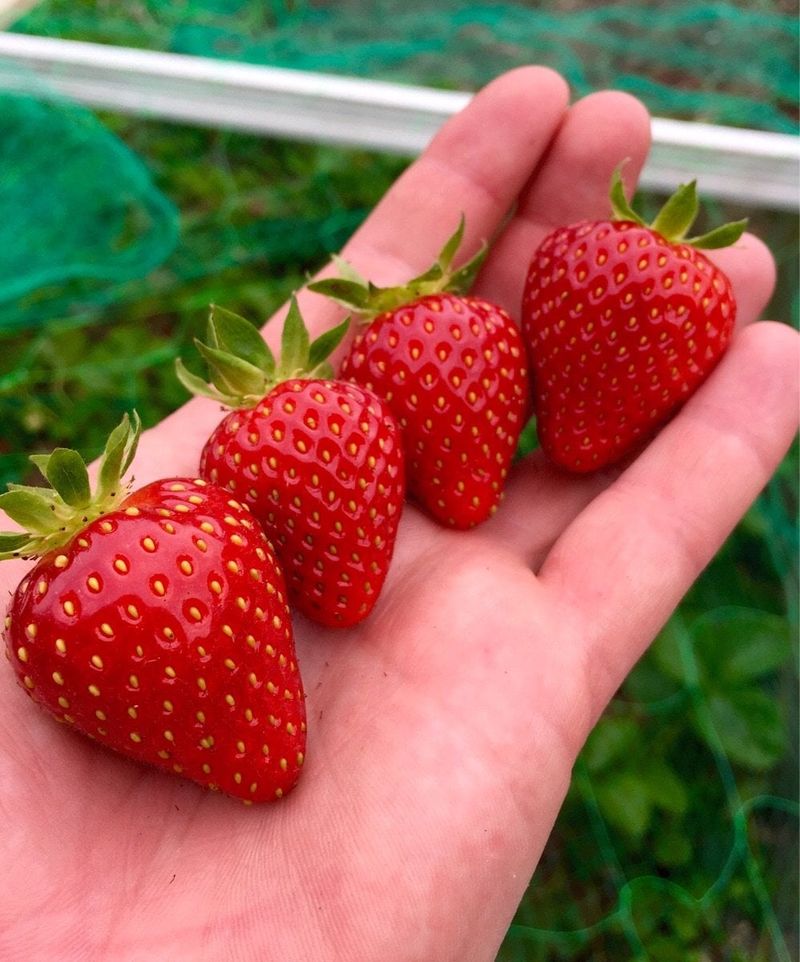
Sweetness in strawberries comes down to sugar concentration, and that depends entirely on how well your plants photosynthesize and manage stress. Container-grown strawberries in Florida produce sweeter fruit because they’re healthier overall, with root systems that aren’t constantly battling poor soil, excessive heat, or waterlogged conditions.
When plants aren’t stressed, they channel more energy into producing sugars instead of just surviving.
Controlled watering in containers prevents the flavor dilution that happens when ground-planted berries get drenched by Florida’s afternoon thunderstorms. Excess water close to harvest lowers sugar concentration in the fruit by increasing water content.
In containers, you water precisely when and how much your plants need, keeping sugar levels concentrated and flavor intense.
Root temperature control plays a huge role, too. More stable root temperatures reduce stress and improve nutrient uptake, which translates directly to better-tasting fruit.
When roots sit in overheated ground soil, they struggle to absorb the minerals that contribute to complex strawberry flavor, but container roots stay comfortable and efficient.
You’ll also notice your container berries ripen more evenly. Because the plants are healthier and less stressed, they mature fruit at a steady pace, and you can pick each berry at its absolute peak sweetness instead of harvesting early to avoid rot or pest damage.
Choosing The Right Container For Florida Heat
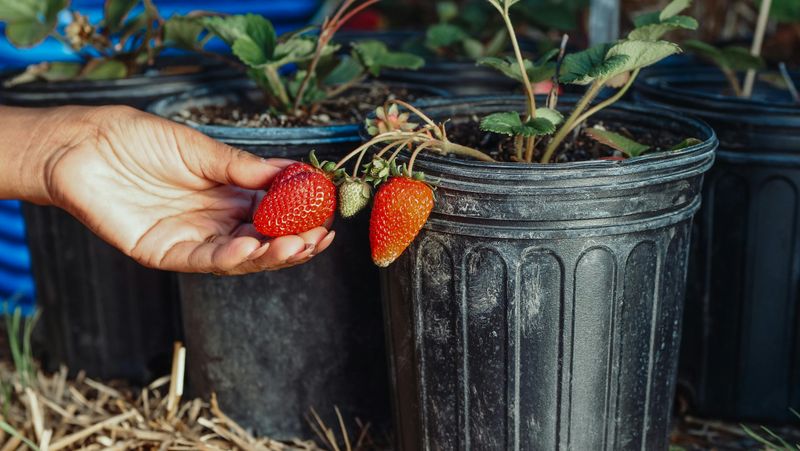
Size matters tremendously when you’re growing strawberries in Florida’s heat. You need containers at least ten to twelve inches deep and wide, large enough to support one to three plants with good airflow.
Smaller pots dry out too fast under our intense sun, and your plants will suffer no matter how often you water. Bigger containers hold more soil, which insulates roots better and maintains more consistent moisture levels throughout the day.
Material choice affects root temperature dramatically. Dark plastic pots absorb heat and can turn into root ovens during summer, especially in Central and South Florida.
Light-colored ceramic, resin, or fabric pots reflect more sunlight and allow greater air exchange, keeping the root zone cooler even during the hottest months.
Fabric grow bags work exceptionally well because they allow air pruning and superior drainage.
Drainage holes are absolutely non-negotiable. Strawberries despise soggy roots, and Florida’s humidity makes drainage even more critical.
Make sure every container has multiple holes in the bottom, and consider elevating pots slightly on pot feet or bricks so water never pools underneath.
For North Florida gardeners, insulated containers can extend your season by protecting roots during occasional winter freezes. Double-walled pots or even wrapping containers with burlap during cold snaps keeps your plants productive when ground-planted strawberries would struggle.
The Best Soil Mix For Sweet Strawberries
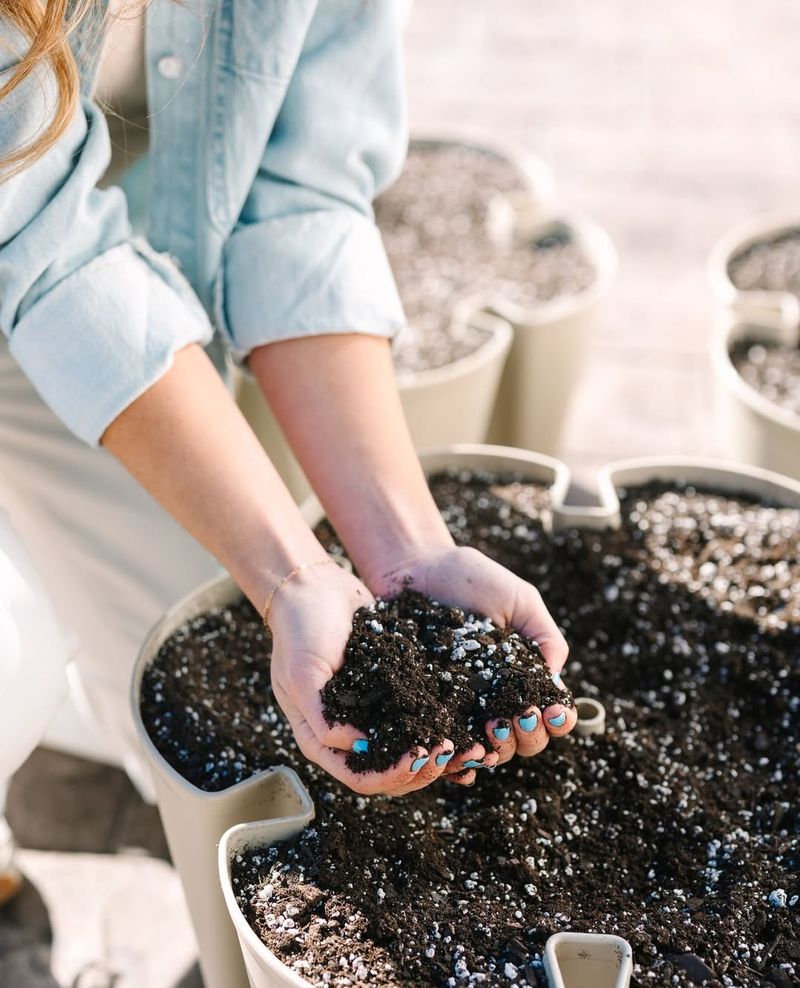
Forget regular potting soil from the big box store. Strawberries need a specialized mix that balances drainage with moisture retention, something Florida’s climate makes especially tricky.
Your ideal blend should be one-third quality potting mix, one-third compost or aged manure, and one-third perlite or other lightweight drainage material. This combination drains fast enough to prevent root rot but holds enough moisture to keep plants happy between waterings.
Acidity is crucial for nutrient uptake. Strawberries thrive in soil with a pH between 5.5 and 6.5, and you can test this easily with an inexpensive kit from any garden center.
If your mix tests too high, add sulfur or peat moss to bring it down. Florida’s naturally alkaline water can raise pH over time, so retest every few months.
Organic matter makes all the difference in long-term plant health. Work in some worm castings or fish emulsion when you first plant, and supplement with light compost or liquid organic fertilizer every four to six weeks.
These amendments feed beneficial microbes that help your strawberries absorb nutrients more efficiently, which directly improves berry flavor and sweetness.
Never reuse potting mix from previous seasons without refreshing it. Florida’s heat and humidity deplete nutrients fast and can harbor disease spores.
Either replace the mix entirely or amend heavily with fresh compost and perlite before replanting.
Watering Strawberries Without Washing Out Sugar
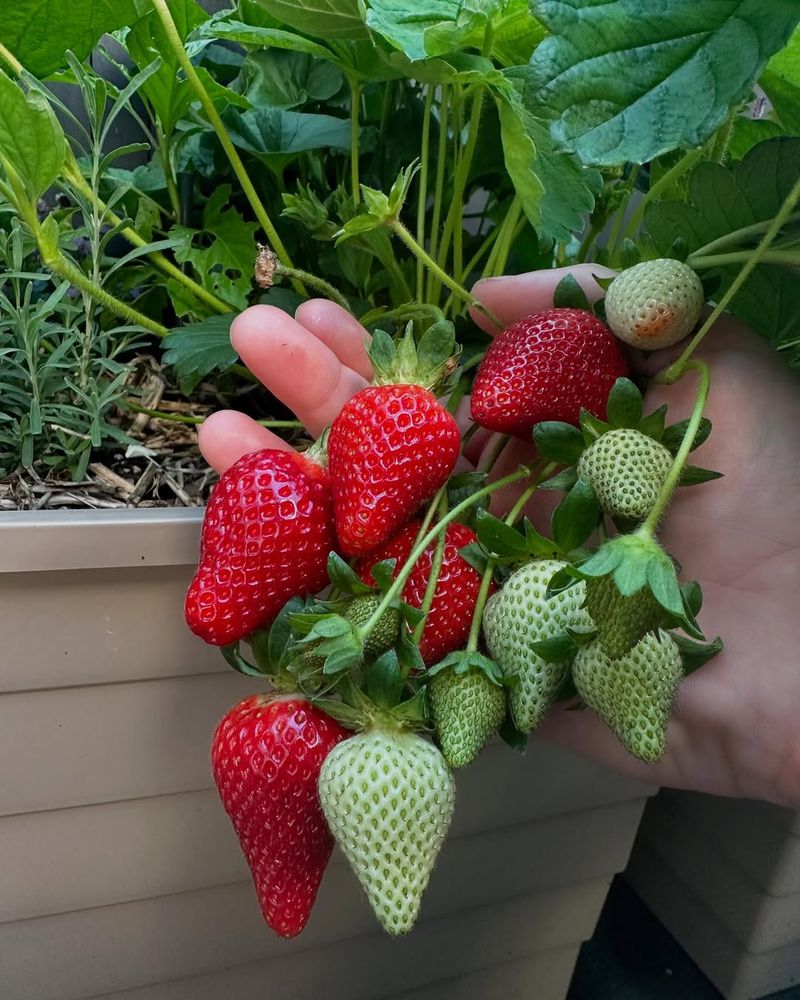
Consistent moisture is the secret to sweet berries, but flooding your plants right before harvest dilutes all that concentrated sugar you’ve worked so hard to build. Your goal is to keep the soil evenly moist throughout the growing season, never bone dry but never soggy either.
Stick your finger two inches into the soil every morning, and if it feels dry at that depth, water thoroughly until it drains from the bottom.
Morning watering works best in Florida because it gives foliage time to dry before nightfall, reducing fungal disease risk in our humid climate. Drip irrigation or soaker hoses are ideal because they deliver water directly to the root zone without splashing soil onto leaves and fruit.
If you’re hand-watering, aim for the base of the plants and avoid wetting the berries themselves.
As harvest approaches, ease back slightly on watering frequency. You want the soil moist but not saturated, which concentrates sugars in the fruit rather than diluting them.
This is especially important during Florida’s dry winter months when North Florida gardeners are harvesting their main crop.
Container strawberries may require frequent watering during unusually warm periods late in the season. Don’t let this intimidate you; it’s just the reality of container growing in our climate.
Mulch the soil surface with pine straw to slow evaporation and keep roots cooler between waterings.
Sun Exposure Differences Across Florida Regions
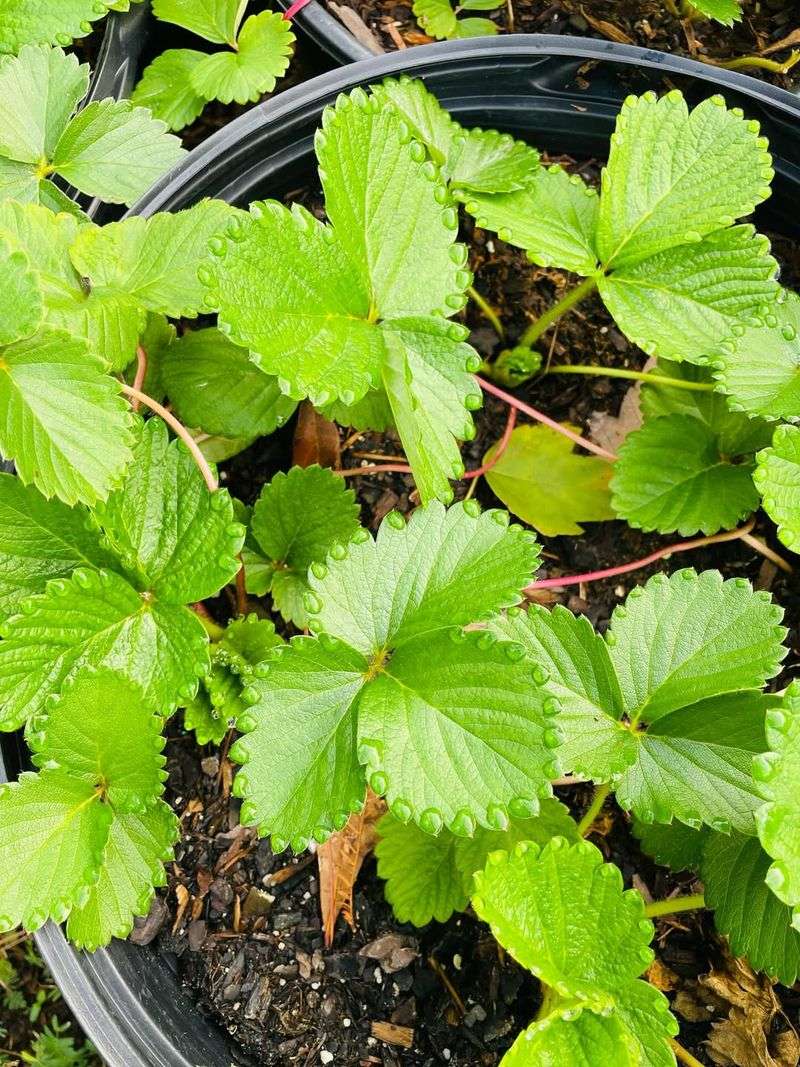
North Florida strawberry growers can give their containers full sun during the cooler months from October through March when temperatures stay mild and plants are actively fruiting. Six to eight hours of direct sunlight produces the sweetest berries up there, and the cooler air temperatures prevent heat stress even in full exposure.
Your plants will reward that sunshine with heavy yields and intense flavor.
Central Florida sits in a tricky middle zone where full sun works beautifully from November through February, but you’ll need to provide afternoon shade once March arrives and temperatures start climbing.
Moving containers to a spot with morning sun and dappled afternoon shade keeps plants productive longer without burning foliage or stressing roots.
Pay attention to how your specific microclimate behaves, because Orlando heat differs from Tampa humidity.
South Florida gardeners face the biggest challenge with sun exposure. Even winter sun can be intense down there, and full summer sun is absolutely brutal on strawberry plants.
Your best bet is morning sun with solid afternoon shade year-round, or even growing under shade cloth that blocks thirty to fifty percent of light during the hottest months.
The beauty of containers is you can experiment and move plants around until you find the perfect spot in your yard. Watch how your strawberries respond and adjust accordingly, because every property has unique sun patterns and microclimates.
Managing Heat In Central And South Florida
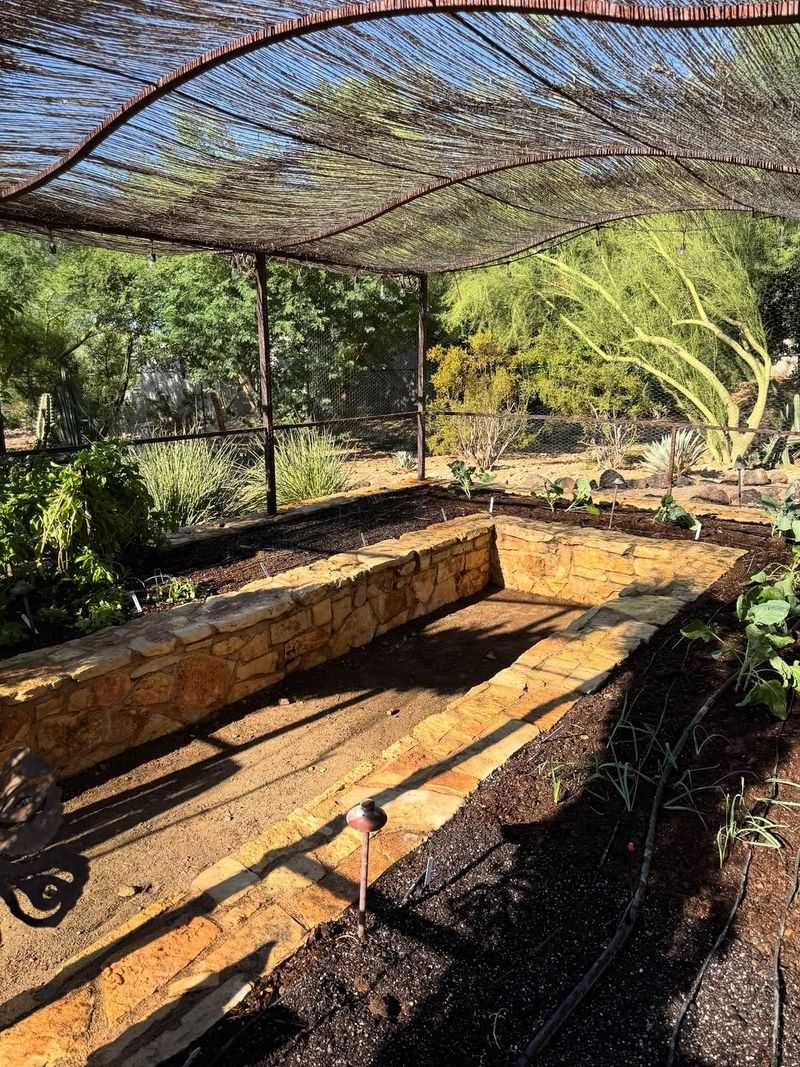
Summer heat in Central and South Florida can severely limit strawberry productivity, but container growing gives you options that ground gardeners simply don’t have.
Your first line of defense is mobility: when temperatures soar above ninety degrees consistently, move your containers to the shadiest spot available, even if that means tucking them under a tree or beside your house where they get only morning light.
Mulching the soil surface with a thick layer of pine straw or shredded leaves insulates roots from heat radiating through container walls. This simple step can significantly lower root zone temperatures, which makes the difference between surviving and thriving.
Refresh the mulch every few weeks as it breaks down in Florida’s humidity.
Some South Florida gardeners have success treating strawberries as cool-season annuals, planting in October and pulling plants out completely by April when heat becomes unmanageable.
You’ll get one excellent harvest during the mild months, and then you start fresh next fall with new plants instead of trying to keep stressed plants alive through brutal summer.
Shade cloth is your friend in the Deep South. Hang thirty to fifty percent shade fabric over your containers during the hottest months, or position them under existing structures like pergolas or covered patios.
Your plants will produce fewer berries in reduced light, but the fruit quality will be far superior to stressed plants struggling in full sun.
Why North Florida Gardeners See Different Results
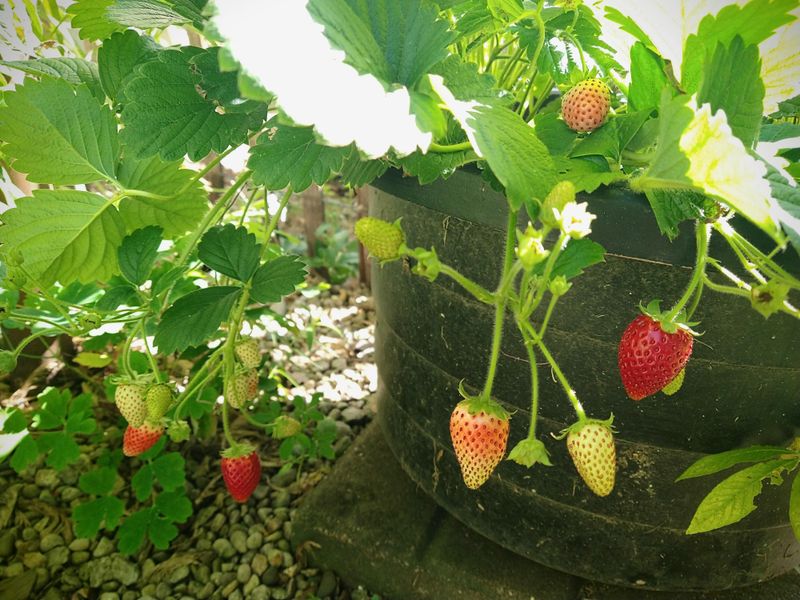
North Florida’s climate aligns much better with traditional strawberry growing seasons, and container gardeners up there often see spectacular results that Central and South Florida folks envy.
Your cooler winters mean plants can fruit heavily from December through April without heat stress, producing berries comparable in flavor to high-quality commercial fruit.
Containers still outperform ground planting, but the advantage is less dramatic than it is farther south.
Freezes present a unique challenge in North Florida that southern gardeners rarely face. Your containers need protection when temperatures drop below freezing, which happens several times most winters.
Move pots against south-facing walls, cover them with frost blankets, or even bring them into an unheated garage overnight during the coldest nights. Container mobility makes this possible, saving your crop when ground-planted strawberries would suffer damage.
North Florida’s sandy soil is just as poor as the rest of the state, so containers still give you that crucial advantage of perfect soil control. You’ll also appreciate the elevation keeping berries clean during winter rains, which can be frequent in the Panhandle and Jacksonville areas.
Your growing season naturally syncs with strawberry needs, so you can plant in September or October and harvest through spring.
Containers let you extend that season even further by protecting plants from early fall heat and late spring warmth, potentially adding weeks to your productive period.
How To Harvest For Peak Sweetness
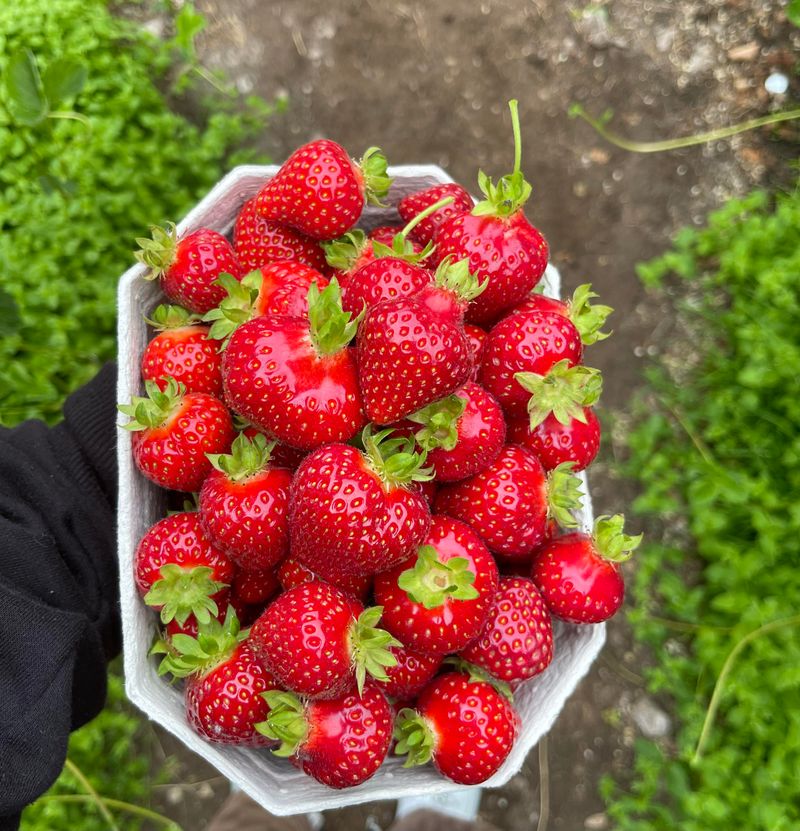
Timing your harvest makes the difference between good berries and peak-quality fruit. Strawberries don’t continue ripening after you pick them, so you need to wait until each berry is completely red with no white or green near the cap.
Your container-grown berries will show deeper, more uniform color when they’re ready because the plants are healthier and ripen fruit more evenly.
Morning harvest after the dew dries but before the sun heats up produces the sweetest berries. Overnight, your plants move sugars into the fruit, and cool morning temperatures preserve those sugars at their peak concentration.
By afternoon, especially in Florida heat, some of that sweetness degrades, and berries picked in hot sun never taste quite as good.
Pick gently by pinching the stem rather than pulling the berry itself. Container-grown strawberries often have better stem attachment because the plants are healthier, but you still want to avoid bruising the fruit.
Drop berries carefully into a shallow basket so the ones on bottom don’t get crushed by the weight of later picks.
Check your containers every single day once berries start ripening. Warm Florida conditions speed ripening, and a berry that looks almost ready in the morning might be overripe by the next afternoon.
Frequent picking also encourages your plants to produce more fruit, extending your harvest over several weeks instead of one big flush.