This Simple Mulch Trick Helps Oregon Garden Beds Stay Cooler In July
Oregon has a reputation for rain, and that reputation is well earned. But July tells a completely different story, and it catches more gardeners off guard than you might expect.
The same state that spent months soaking everything in sight can flip to weeks of dry heat that bakes exposed soil surprisingly fast.
Root zones that had plenty of natural moisture protection through spring are suddenly on their own, and plants feel that shift pretty quickly.
The good news is that one simple, satisfying garden task can make an enormous difference right now.
Getting mulch back over root zones before peak heat builds is the kind of low effort, high reward move that experienced Oregon gardeners swear by every July.
A few minutes of work now and your plants will handle the rest of summer so much better.
1. Push Mulch Back Before July Heat Peaks
Soil in Oregon garden beds can go from moist to bone dry surprisingly fast once July arrives and cloud cover disappears.
Gardeners who pulled their mulch aside in spring to help soil warm up have a simple but effective option available before the hottest weeks set in.
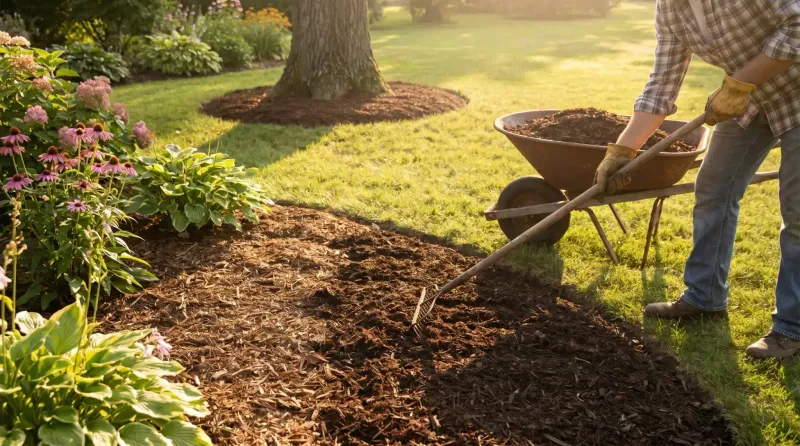
Moving that mulch back over the root zone before temperatures peak is one of the most practical steps you can take to protect your plants through midsummer.
The timing matters more than most people realize. Once the soil surface starts baking under direct sun, moisture loss speeds up quickly.
A layer of mulch placed before that heat builds acts as a buffer, helping the soil stay more stable beneath the surface.
Oregon summers tend to run hot and dry from late June through August, which means the window for getting mulch repositioned is relatively short.
Raised beds, vegetable rows, and flower borders all benefit from this early repositioning. You do not need new materials if what you pulled back in spring is still clean and usable.
Simply rake or hand-spread it back over the planting area, covering the soil around plants without piling it up against stems or crowns.
A few minutes of work before heat peaks can spare you extra watering sessions and keep your Oregon garden looking much healthier through the dry weeks ahead.
2. Cover The Root Zone, Not The Plant Crown
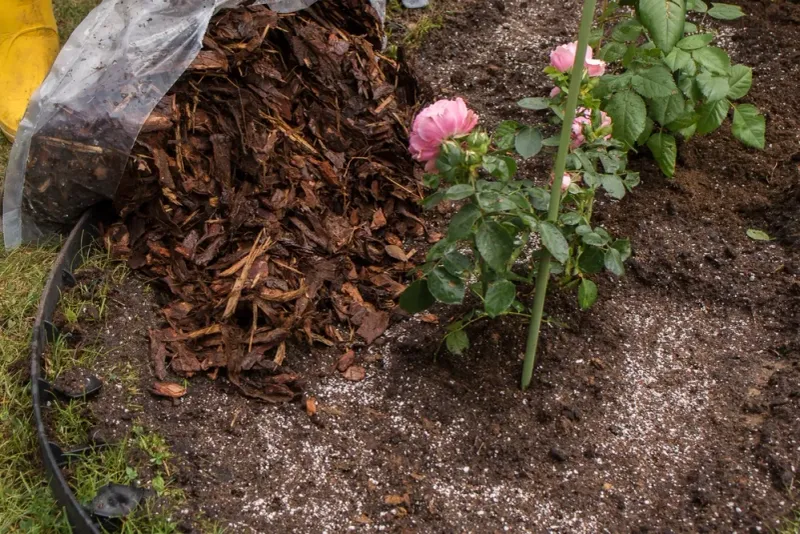
Root zones are where mulch does its best work. The soil directly beneath and around a plant’s roots is where moisture is absorbed and temperature swings have the biggest effect on plant health.
Spreading mulch across that area gives roots a cooler, more stable environment during Oregon’s dry July weather, when soil can heat up significantly by midday.
What often gets overlooked is the importance of leaving the plant crown and stem base clear. Crowns and stems need air circulation to stay healthy.
When mulch piles up against them, moisture can collect in that tight space, which may encourage rot or fungal issues over time.
Keeping a small gap, even just a few inches, between the mulch and the base of each plant makes a noticeable difference in plant health over a full summer season.
Your Oregon Garden Changes Every Week. Your Plan Should Too.
Gardening in Oregon changes quickly throughout the season. Every Friday you’ll receive a simple weekly plan showing exactly what to plant, prune, fertilize, harvest, and protect so you never miss the right timing.
Flower borders benefit from this approach just as much as vegetable beds. Perennials, annuals, and shrubs all have root zones that extend outward from the plant base, often much farther than you might expect.
Spreading mulch in a wide, even layer around each plant rather than mounding it up close to the stem covers more of that active root area.
Oregon gardeners working through established beds can simply check for crowded mulch near plant bases and gently pull it back a few inches while spreading it outward to cover more of the surrounding soil.
3. Use Enough Mulch To Shade The Soil
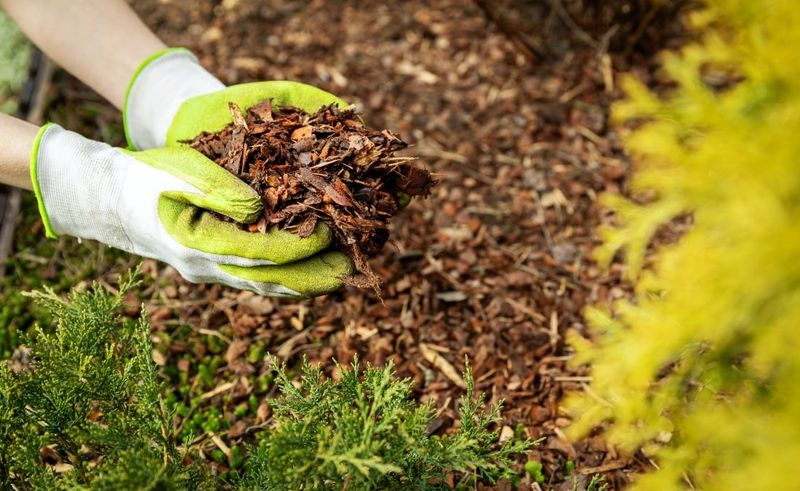
Thin mulch barely does the job when Oregon summers hit their stride. A single scattered inch of material may look tidy in spring, but by July it often breaks down or shifts enough to leave patches of bare soil exposed to full sun.
Exposed soil heats up quickly and loses moisture much faster than soil that has a proper mulch layer protecting it from above.
A depth of around two to three inches tends to work well for most garden beds. That thickness shades the soil surface, helps slow evaporation, and keeps soil temperatures more consistent between morning and afternoon.
Going much thicker than three inches can create its own set of issues, particularly around plants in poorly drained spots or beds with tender young transplants that need good air movement near the soil surface.
Oregon gardeners working with raised beds or container plantings should be especially thoughtful about depth.
Raised beds can dry out faster than in-ground beds because they have more exposed sides and less surrounding soil mass to buffer temperature changes.
A consistent two-to-three-inch mulch layer across the top helps offset that tendency.
For larger shrub beds or foundation plantings, you can go slightly deeper in open areas between plants, just keep the depth tapered down near individual plant bases to avoid crowding stems or encouraging surface rooting in the mulch layer itself.
4. Keep Mulch Away From Stems And Trunks
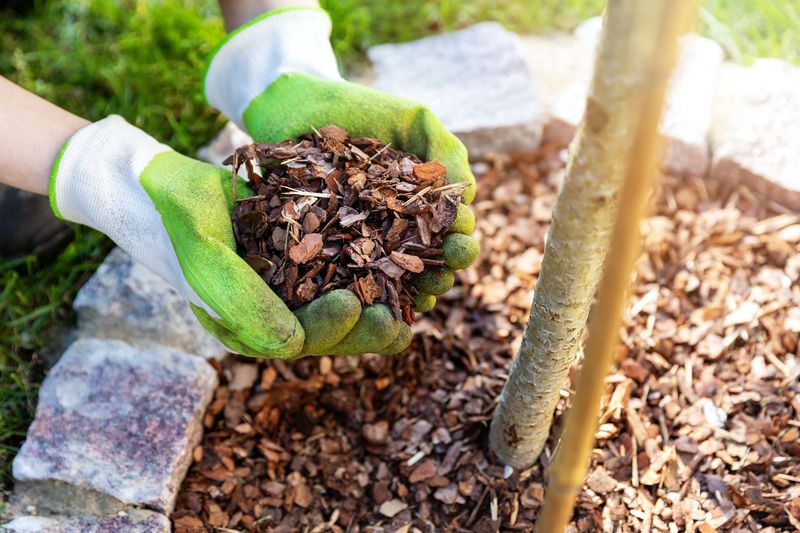
Mulch volcanoes are one of the most common mistakes seen in Oregon landscapes every summer.
That is the nickname for piles of mulch mounded up high around tree trunks and shrub stems, and while it might look intentional or tidy at first glance, it can cause real problems over time.
Bark and stem tissue that stays damp and covered for extended periods can become vulnerable to fungal issues and other concerns that are hard to reverse once they develop.
Young trees are especially worth watching. A newly planted fruit tree or ornamental tree in an Oregon yard needs its trunk base kept clear.
The root flare, the spot where the trunk widens slightly as it meets the soil, should be visible and not buried under mulch or soil.
When that area stays covered and moist through a warm Oregon summer, it creates conditions that are not favorable for long-term tree health.
Shrubs, roses, and perennials all benefit from the same care. Pull mulch back two to four inches from each stem or trunk base, then spread it outward in a wide ring or layer across the surrounding soil.
This way, the root zone gets the benefit of moisture retention and temperature moderation, while the vulnerable stem base gets the air circulation it needs.
Checking mulch placement around stems a few times through the season is a simple habit that pays off noticeably in plant condition by late summer.
5. Refresh Thin Spots Before Soil Dries Out
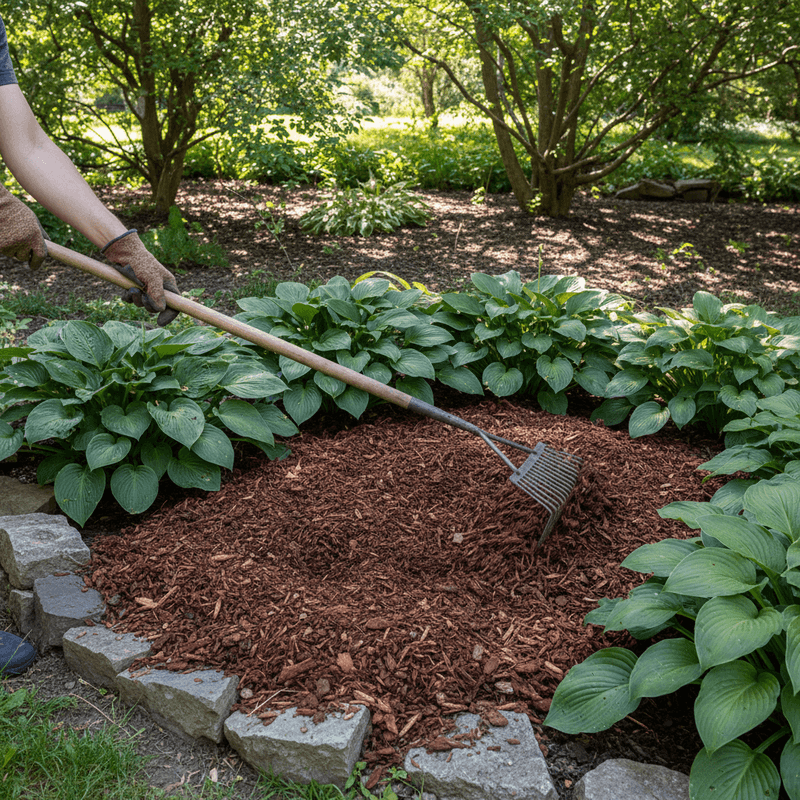
Patchy mulch is easy to overlook until the soil beneath it starts showing signs of stress. Over the course of spring and early summer, mulch naturally breaks down, gets kicked aside, or settles unevenly.
By the time July arrives in Oregon, what looked like decent coverage in May may have thinned out enough in spots to leave sections of soil exposed and drying faster than the rest of the bed.
Walking through garden beds before peak heat is a good habit. Look for areas where bare soil is visible between plants, where mulch has washed into low spots after rain, or where foot traffic near pathways has thinned the layer.
Those exposed patches lose moisture at a much faster rate than well-covered soil, and they heat up more intensely during afternoon sun, which puts nearby roots under extra pressure during Oregon’s dry summer months.
Topping up thin spots does not require a full bed refresh. Adding material just where coverage has worn down is enough to make a meaningful difference.
Keep a bag or small pile of clean mulch nearby during summer garden checks so topping off is quick and easy. Even a modest amount of added material over a bare patch helps the soil beneath hold moisture longer between watering sessions.
Staying ahead of thin spots before the soil dries out deeply is far easier than trying to rehydrate soil that has gone fully dry in the midsummer heat.
6. Let Mulch Slow Evaporation In Hot Weather
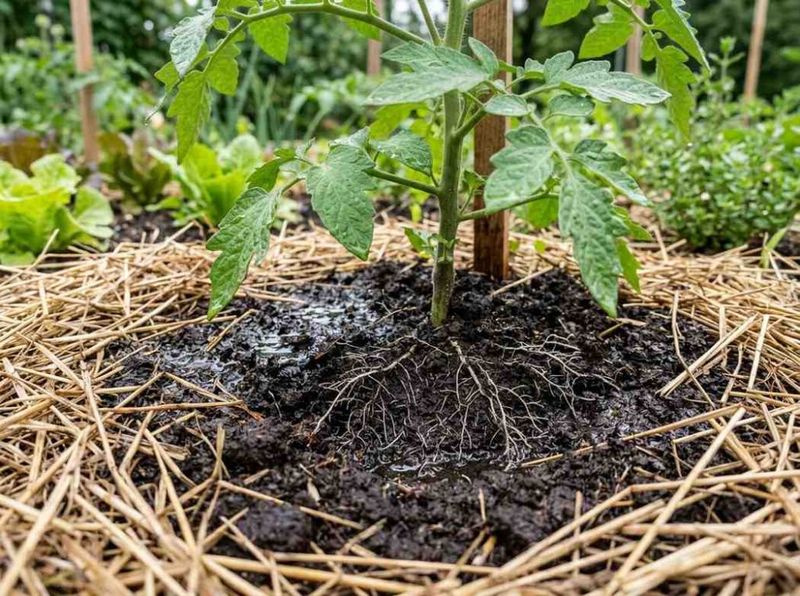
On a hot July afternoon in Oregon, bare soil can lose a surprising amount of water to evaporation in just a few hours. The sun heats the soil surface directly, and dry air pulls moisture upward and away faster than most gardeners expect.
Mulch works by placing a physical barrier between that warm, dry air and the soil below, which slows the rate at which water escapes from the ground.
Vegetable gardens see some of the biggest benefits from this effect. Crops like tomatoes, squash, and beans are water-sensitive during fruiting and need consistent soil moisture to develop well.
When evaporation is unchecked through a dry Oregon summer, watering frequency has to increase just to keep up.
A proper mulch layer helps stretch the time between watering sessions by keeping more of that applied water in the root zone rather than losing it to the air above.
Flower borders and shrub beds gain similar advantages. Established perennials and shrubs are more drought-tolerant than vegetables, but they still benefit from reduced moisture stress during July heat.
Mulch does not replace watering, and it is worth being clear about that. Soil under mulch can still dry out, especially in windy or very hot conditions.
But slowing evaporation meaningfully reduces the demand on both the soil’s natural moisture reserves and your irrigation schedule, making summer gardening in Oregon a bit more manageable overall.
7. Choose Clean Organic Mulch For Garden Beds
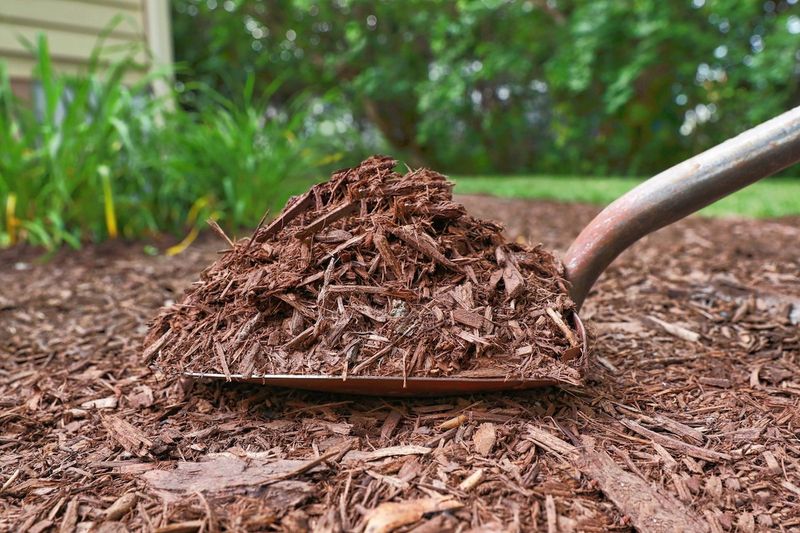
Not all mulch is equal when it comes to garden beds, and what you choose can make a real difference in how well the material performs through an Oregon summer.
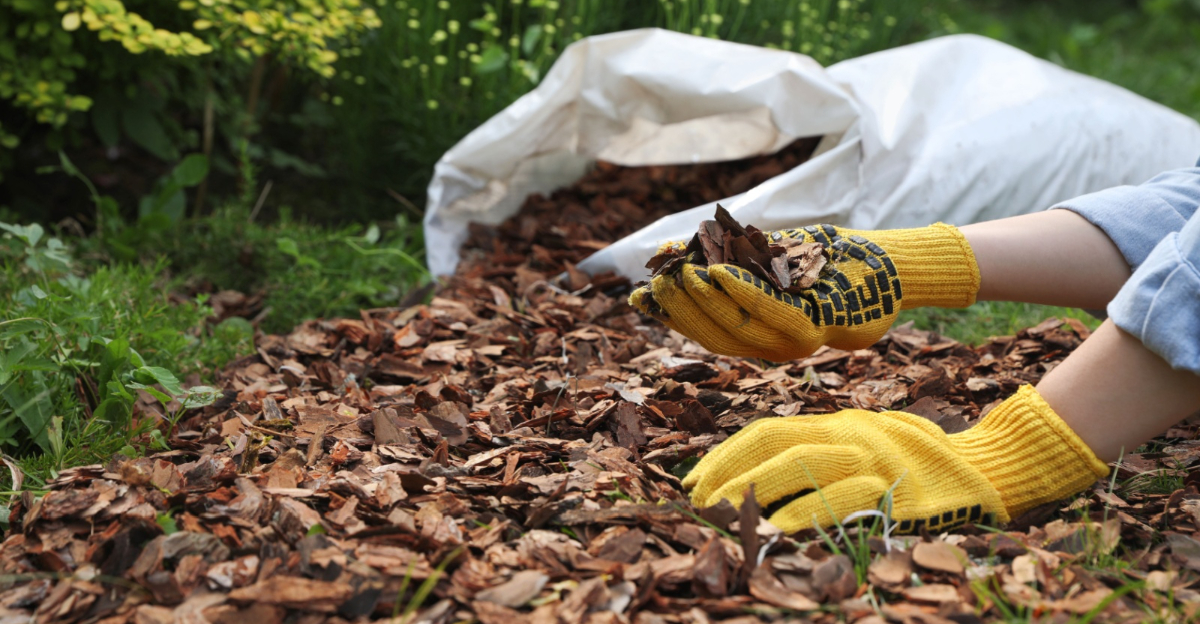
Clean organic options like bark chips, arborist wood chips, composted leaves, and straw are among the most commonly used and widely available choices for home gardeners in the Pacific Northwest.
Each has slightly different characteristics, but all can help shade the soil and slow moisture loss when applied correctly.
Bark chips work well in shrub beds and foundation plantings where a tidy appearance matters.
Arborist wood chips, which often include a mix of chipped branches and leaves, tend to break down faster and can be excellent for vegetable gardens and flower borders where adding organic matter to the soil over time is a bonus.
Straw is a popular choice for vegetable rows because it is lightweight, easy to spread, and does not compact heavily around plants.
What to avoid is just as important as what to use. Mulch that contains weed seeds can make your garden maintenance much harder through summer.
Materials that have been treated with herbicides or contaminated with other chemicals are not suitable for food-growing areas. Grass clippings can be used in thin layers but may mat down and create a barrier that slows water penetration if applied too thickly.
Sticking with clean, untreated organic materials keeps your Oregon garden beds productive and healthy through the warm months.
8. Check Soil Moisture Under The Mulch
Mulch can be a bit misleading at first glance. The surface of a mulched bed may look dry and dusty on top after a few hot days, which can make it tempting to water right away.
But the soil underneath that dry-looking surface layer may still hold adequate moisture, especially if the mulch layer is doing its job of slowing evaporation. Watering before the soil actually needs it can lead to overwatering, which carries its own set of problems.
The reverse situation is also worth watching for. In very hot, windy spots common in parts of Oregon during July, soil under mulch can dry out more quickly than expected, even when the mulch surface looks fine.
Relying only on surface appearance without checking what is actually happening below the mulch can leave plants short on water during the weeks they need it most.
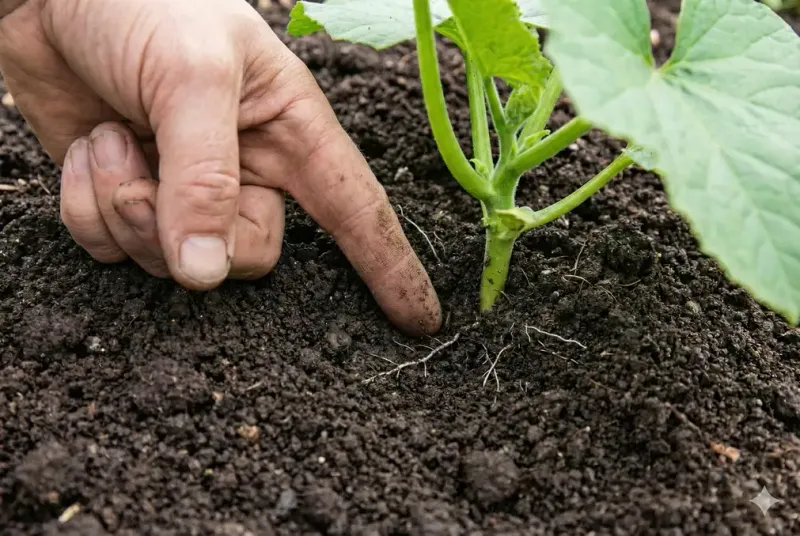
The most reliable check is a simple one. Push a finger or a small garden trowel down through the mulch and an inch or two into the soil beneath.
If the soil feels moist at that depth, watering can usually wait. If it feels dry at that level, it is time to water.
Doing this check a few times a week during Oregon’s July heat gives you a much clearer picture of what your garden actually needs, rather than guessing based on how the mulch looks from above.