This Simple Outdoor Detail Is Transforming Florida Yards
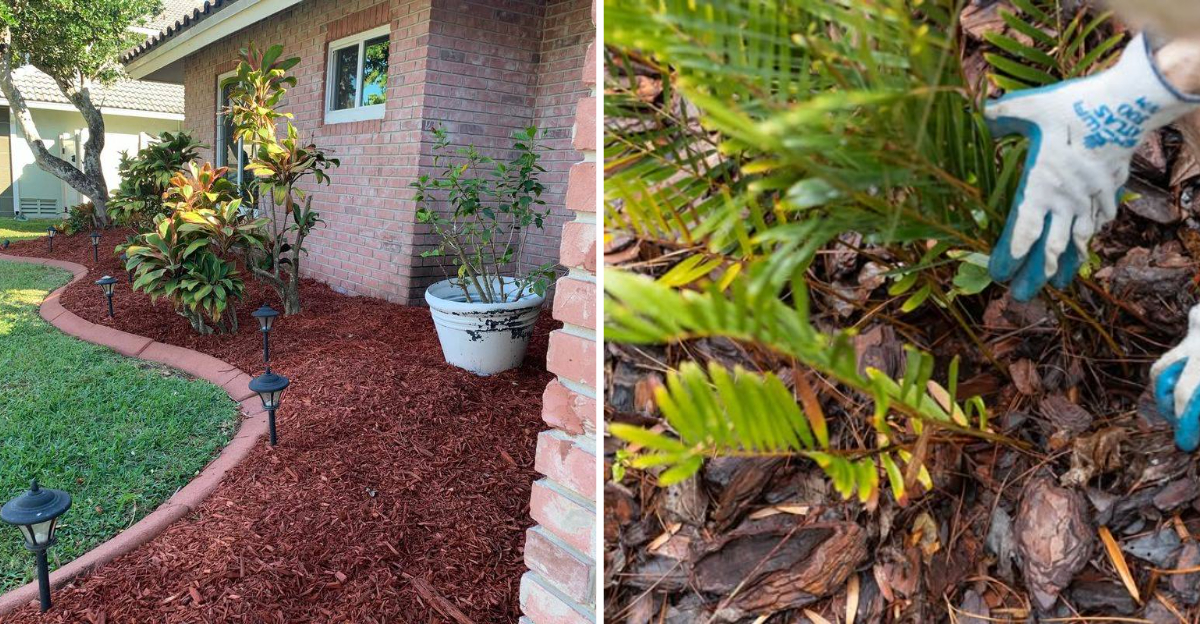
You have probably driven past a Florida home and instantly noticed how fresh, cool, and polished the yard looks compared to others on the street. The plants seem brighter.
The beds look cleaner. The whole property feels more inviting.
What most people do not realize is that this transformation often comes from one simple detail, not expensive landscaping or complicated upgrades.
Mulch has quietly become the secret weapon behind many of the best looking Florida yards. It protects soil from brutal summer heat, helps landscapes handle heavy rain, and creates that finished look homeowners love.
Even small yards can look professionally maintained with the right application.
If your lawn feels dull, patchy, or constantly stressed by Florida weather, this small change can make a dramatic difference. Once you understand how mulch works and how to use it correctly, you may never look at bare soil the same way again.
Why Florida Yards Look Better With Mulch
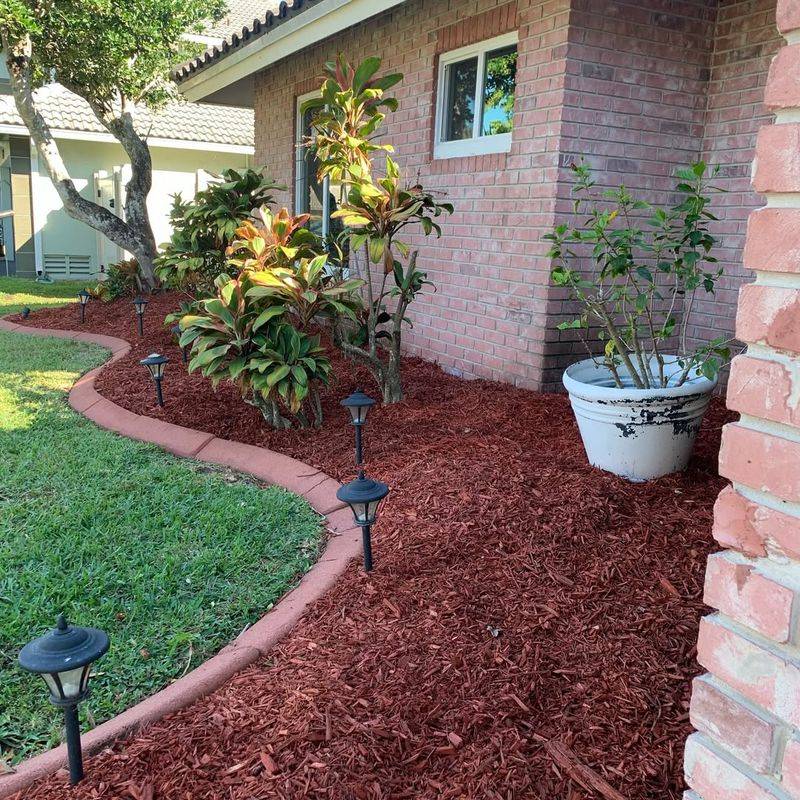
Walk through any Florida neighborhood and you’ll spot the difference right away. Yards with mulch have clean edges, defined planting beds, and a polished look that makes the whole property feel cared for.
The contrast between fresh mulch and green foliage creates instant visual appeal that neighbors notice from the street.
Mulch acts like a frame around your plants, drawing attention to palms, hibiscus, and crotons while hiding the sandy, patchy soil underneath. It gives your landscape a cohesive, intentional appearance that bare ground simply can’t match.
Even if you’re not adding new plants, mulch makes what you already have look healthier and more established.
Beyond aesthetics, mulch signals to visitors and potential buyers that the property is well-maintained. It’s one of those small investments that delivers big returns in curb appeal.
Whether you’re preparing to sell or just want your home to stand out, mulch is the easiest upgrade you can make to transform your Florida yard overnight.
What Mulch Really Does In Florida Heat
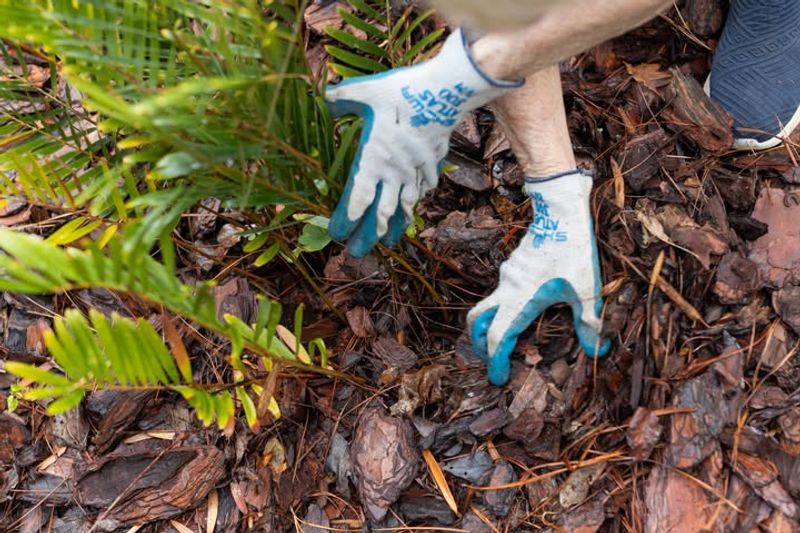
Florida summers can push exposed soil surface temperatures above 90 degrees, stressing shallow roots and causing moisture to evaporate faster than plants can absorb it.
A layer of mulch acts like sunscreen for your soil, keeping root zones significantly cooler even during peak afternoon heat.
This temperature buffer helps plants survive July and August without constant intervention.
Mulch also slows water loss by creating a protective barrier between soil and sun. When you water or when afternoon storms roll through, mulch helps moisture soak in rather than run off or evaporate within hours.
Your plants get more benefit from every drop, which often allows for less frequent watering and improved water efficiency during dry spells.
Organic mulches like pine bark or eucalyptus break down slowly, feeding beneficial microbes and improving sandy Florida soil over time. As mulch decomposes, it adds organic matter that helps soil hold nutrients and moisture better.
This natural process supports healthier root systems and more resilient plants without chemical fertilizers or constant amendments.
The Visual Difference Mulch Makes Instantly
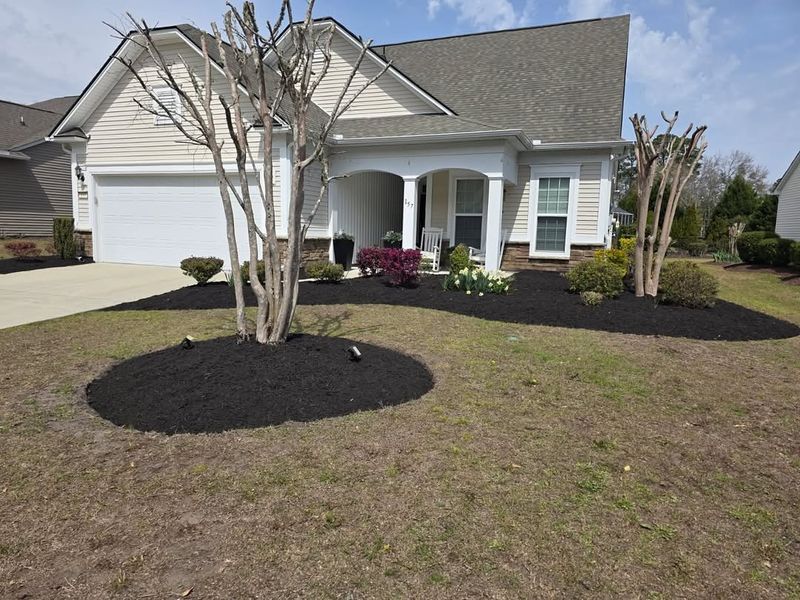
Before mulch, your yard might have exposed roots, uneven soil, and a patchwork of brown and green that looks unfinished. After mulching, those same beds transform into neat, uniform spaces that feel intentional and complete.
The change happens immediately—no waiting for plants to grow or grass to fill in.
Mulch hides imperfections like tree roots pushing through the surface, irrigation lines, and areas where grass won’t grow under shade. It creates smooth, consistent color across planting areas, making your landscape look professionally designed.
Even older, established yards gain a fresh, updated appearance with a new layer of quality mulch.
The visual impact extends beyond individual beds. Mulch helps define pathways, separate lawn from garden, and create visual flow throughout your property.
It guides the eye from one area to another, making even small yards feel more spacious and thoughtfully arranged. Homeowners often say mulching is the single quickest way to make their entire property look better without major renovations or expense.
Why Bare Soil Struggles In Florida
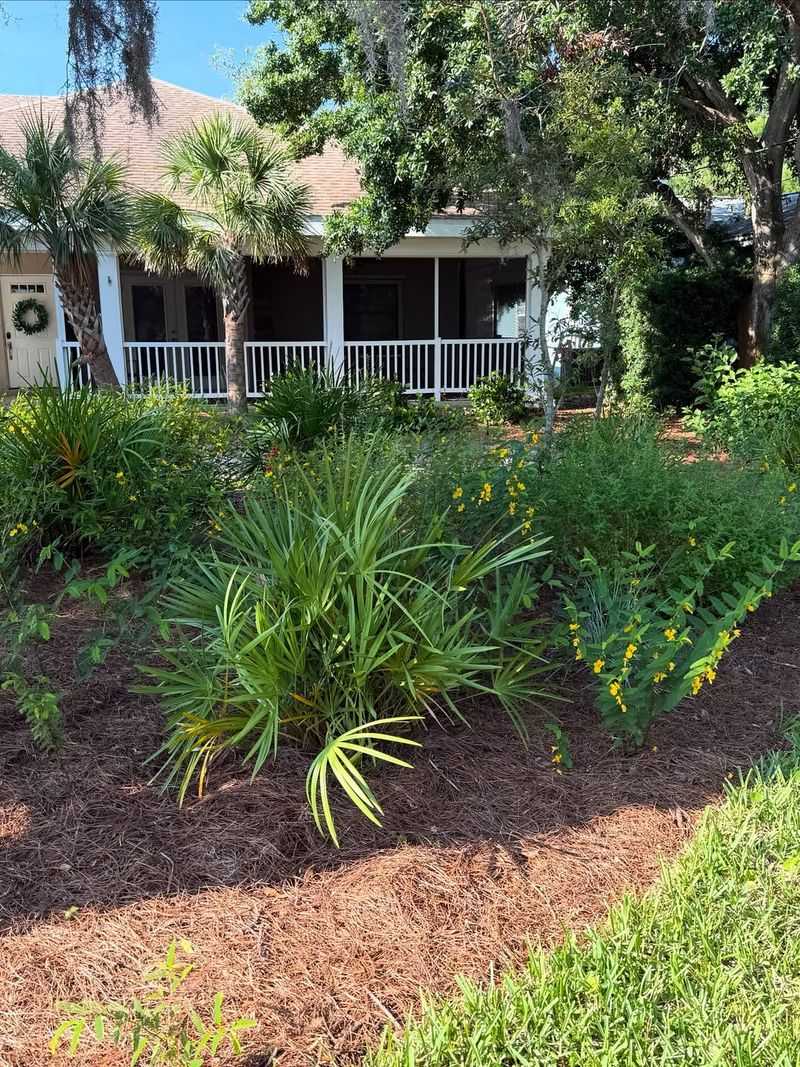
Bare soil in Florida faces constant assault from intense sun, heavy rain, and high humidity.
Without protection, sandy soil dries out quickly, turns rock-hard, and repels water instead of absorbing it.
Nutrients wash away during summer storms, leaving plants struggling to find what they need to thrive. Exposed soil also heats up rapidly, stressing shallow roots and making it difficult for new plantings to establish.
Weeds love bare soil because there’s nothing stopping their seeds from sprouting. Every breeze carries weed seeds that land, germinate, and compete with your intentional plants for water and nutrients.
You end up spending more time pulling weeds and fighting an uphill battle that never seems to end. Bare ground also invites erosion, especially on slopes or near driveways where rain runoff carves channels and washes soil into the street.
Florida’s intense UV rays break down organic matter at the soil surface, preventing the natural buildup of nutrients that plants depend on.
Without mulch, your soil becomes poorer over time rather than richer, requiring more fertilizer and amendments to keep plants healthy.
Choosing Mulch That Works In Florida
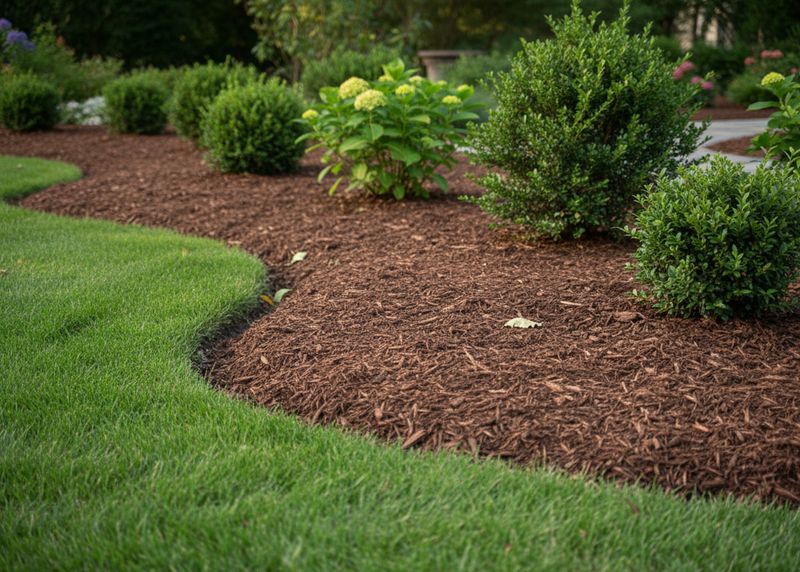
Not all mulch performs equally in Florida’s climate. Pine bark and pine straw are top choices recommended by University of Florida IFAS Extension because they resist compaction, allow water and air to reach roots, and break down at a moderate pace.
Eucalyptus mulch has become popular for its rich color and pleasant scent, and while it may offer mild natural pest-deterring properties, it should not be relied on for insect control.
Cypress mulch, once common, is no longer recommended due to environmental concerns about harvesting cypress trees from Florida wetlands. Melaleuca mulch offers a sustainable alternative with similar durability and attractive appearance.
Avoid dyed mulches in bright red or black unless you’re certain they use safe, non-toxic colorants approved for residential landscapes.
Hardwood mulches can work but may compact and slow water penetration during Florida’s heavy rains if applied too thick, so they often require more frequent fluffing.
Whatever you choose, look for shredded rather than chunky mulch—it stays in place better during storms and creates a more uniform appearance.
Buy from reputable suppliers who source responsibly and avoid mulch with strong chemical odors or visible contaminants.
How Much Mulch Is Enough
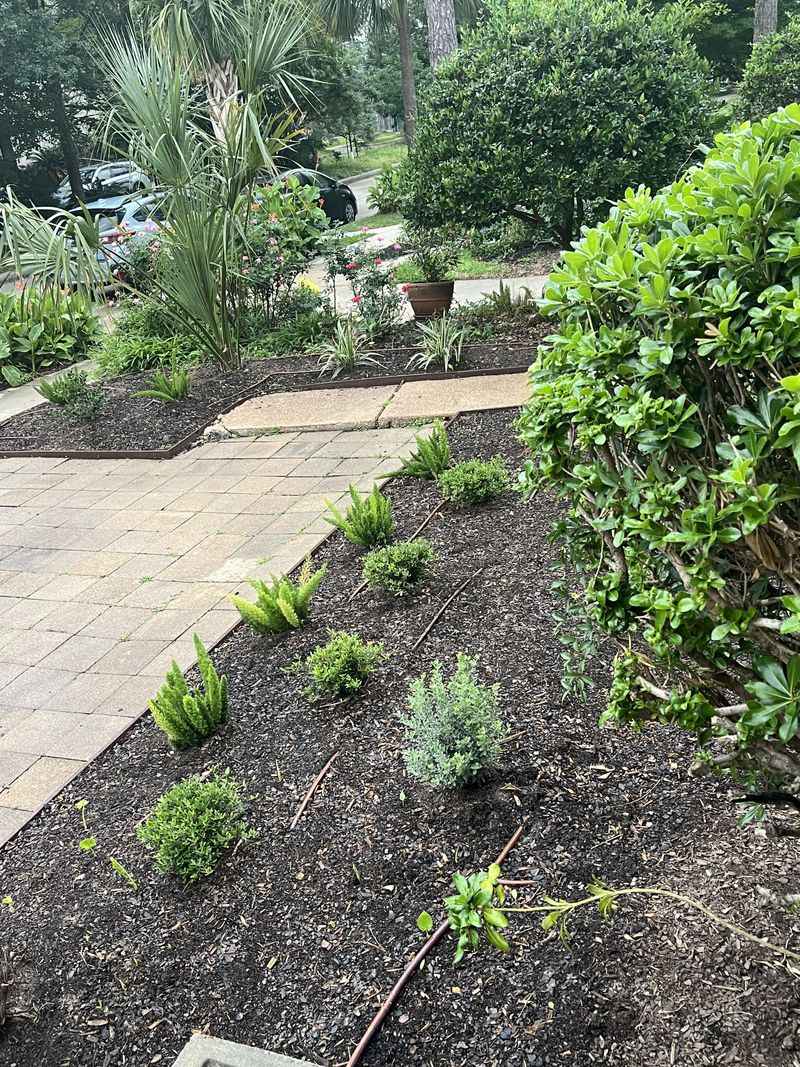
University of Florida recommends applying mulch two to three inches deep for most landscape beds. This thickness provides adequate insulation and weed suppression without smothering plant roots or creating conditions for rot and disease.
Measure from the soil surface, not from the top of old mulch—you may need to remove some existing material before adding fresh layers.
Keep mulch pulled back at least two to three inches from plant stems, tree trunks, and shrub bases. Piling mulch against bark creates moisture traps that encourage fungal growth, insect damage, and rot.
Think of it as giving each plant a little breathing room—the gap allows air circulation and prevents problems while still providing all the benefits of mulch.
For trees, avoid creating volcano-shaped mulch mounds around the trunk. Instead, spread mulch in a wide, flat ring that extends to the drip line if possible.
This mimics how organic matter naturally accumulates in forests and directs roots outward rather than circling near the trunk. Refresh mulch annually or when it breaks down to less than two inches to maintain effectiveness.
Common Mulching Mistakes Florida Homeowners Make
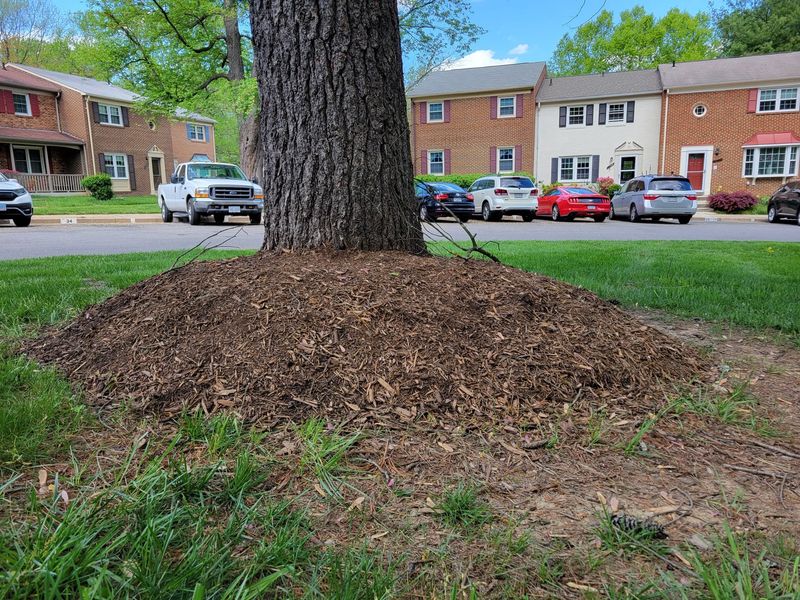
The biggest mistake is mulch volcanoes—piling mulch high against tree trunks like a cone. This traps moisture, invites pests, and can slowly damage or weaken trees over several years.
Always keep mulch away from direct contact with bark and maintain a flat, even layer instead of a mound.
Another common error is applying mulch too thick, especially when adding new layers on top of old without removing broken-down material first.
Excessive depth suffocates roots, prevents water penetration, and creates anaerobic conditions that smell sour and harm soil health.
Stick to the two-to-three-inch guideline and refresh rather than pile on.
Many homeowners also use landscape fabric or plastic under mulch, thinking it will stop weeds.
In Florida’s climate, these barriers can trap heat, block organic matter from improving soil, and eventually create maintenance problems as mulch breaks down on top while weeds root into the fabric itself.
Skip the fabric and rely on proper mulch depth for weed control. Finally, spreading mulch right before hurricane season without securing beds can lead to washout—time your mulching after storm season when possible.
Regional Mulch Differences Across Florida
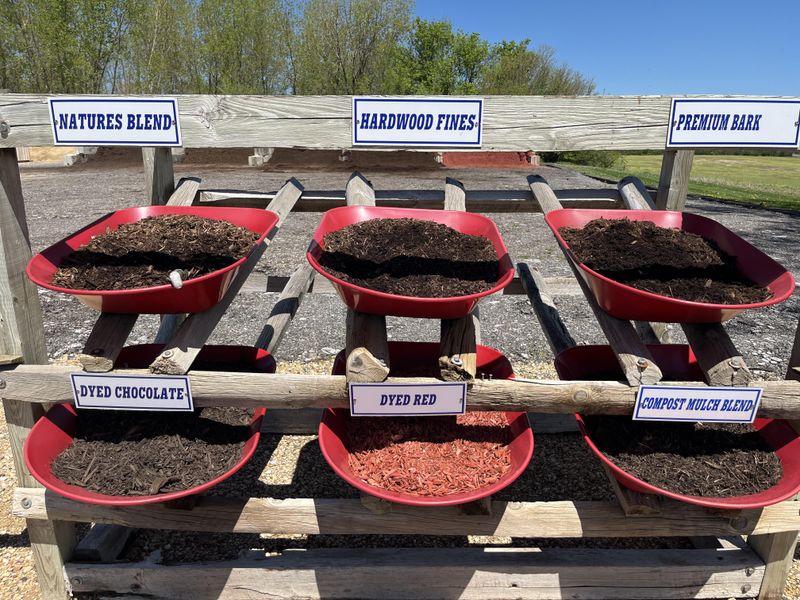
North Florida homeowners deal with cooler winters and occasional freezes, so mulch plays a dual role—moderating summer heat and providing insulation during cold snaps. Pine straw is especially popular in North Florida because it’s affordable, readily available, and offers good freeze protection for tender plants.
Mulch may need refreshing less often here since decomposition slows during cooler months.
Central Florida experiences long, hot summers with intense afternoon thunderstorms that can wash mulch away if not properly applied. Heavier mulches like eucalyptus or pine bark nuggets stay in place better during storm season.
Central Florida’s sandy soils benefit greatly from organic mulch that improves water retention and gradually builds soil structure over time.
South Florida’s tropical climate means mulch breaks down faster due to year-round heat and humidity. Homeowners here often refresh mulch twice annually to maintain appearance and effectiveness.
Melaleuca mulch works particularly well in South Florida because it resists rapid decomposition and handles constant moisture without becoming soggy or developing odors.
Coastal areas across all regions should choose mulch that tolerates salt spray and won’t blow away during tropical storms.