This Small Outdoor Detail Is Making A Big Difference In Texas Yards
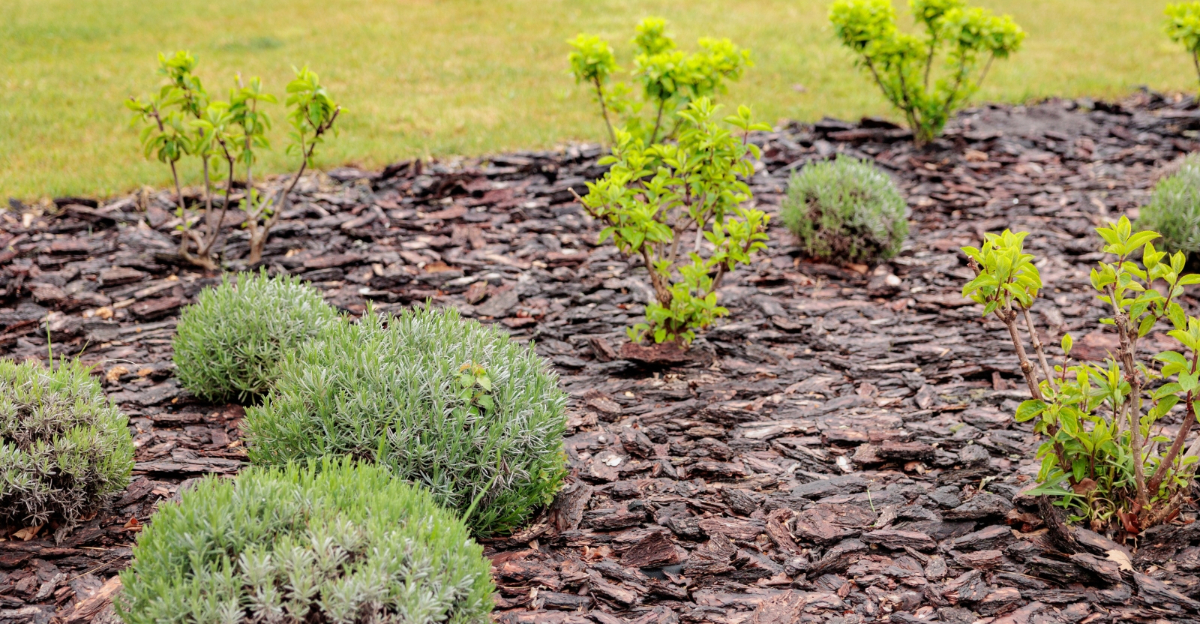
You might walk through a Texas yard and notice it looks calmer, healthier, and more put together than others nearby, even though the plants themselves aren’t all that different.
That difference often comes down to something easy to overlook, especially when the focus is usually on plants, watering, or layout.
Not every bare patch or stressed bed signals a problem, and many yards go through rough-looking phases during heat swings.
When the same areas keep drying out, overheating, or looking unfinished, though, it usually points to what’s happening at the soil surface.
In Texas, that layer matters more than most people realize because it directly affects moisture, temperature, and root comfort. Once that connection becomes clear, the solution feels surprisingly simple.
Mulch is the small outdoor detail quietly making a big difference in Texas yards, and understanding how it works changes how the entire landscape performs.
1. How A Simple Layer Can Transform Your Texas Garden
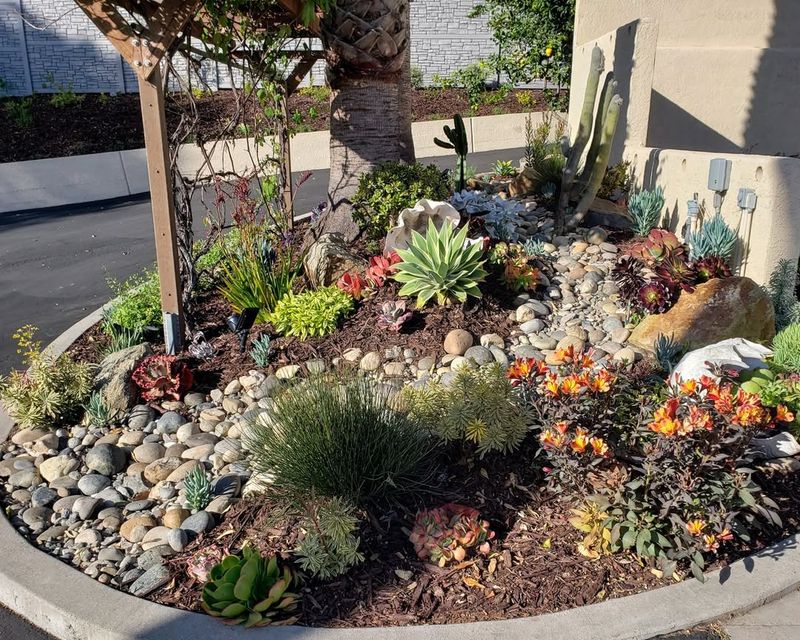
Your garden beds need protection that works as hard as you do. A layer of organic material spread across the soil surface creates a barrier between harsh elements and vulnerable plant roots.
Texas gardeners have watched this simple addition transform struggling landscapes into thriving outdoor spaces.
Every spring and fall, applying fresh mulch gives your yard a fighting chance against extreme conditions. The material breaks down slowly, feeding the soil while shielding it from temperature swings.
You won’t believe how much easier yard care becomes once this layer is in place.
Local nurseries across Texas stock various types, from shredded hardwood to pine bark nuggets. Each variety offers slightly different benefits, but all perform the essential job of protecting what lies beneath.
Your choice depends on aesthetic preferences and specific garden needs.
Spreading a three-inch layer creates optimal conditions without smothering plant stems. Too thin and you lose effectiveness; too thick and you risk moisture problems near the base of plants.
Getting the depth right makes all the difference in performance.
Homeowners who skip this step often spend more time fighting problems that could have been prevented. Bare soil invites trouble in the form of weeds, erosion, and rapid moisture loss.
Your yard works against you instead of with you when protection is missing.
The upfront cost pays for itself through reduced water bills and fewer plant replacements. Texas summers are unforgiving, and plants without this buffer struggle to survive consecutive days above 100 degrees.
Your investment protects everything you’ve planted while making maintenance less demanding.
Neighbors will notice the visual upgrade before they understand the functional benefits. Clean, defined bed edges with fresh material create instant curb appeal.
Your landscape looks intentional and well-maintained with minimal effort on your part.
Seasonal refreshing keeps the layer effective as older material decomposes into the soil below. This natural process enriches your earth while you maintain surface protection.
Texas gardeners appreciate products that work double duty, and this approach delivers exactly that kind of efficiency.
2. Moisture Stays In The Soil Longer During Extreme Heat
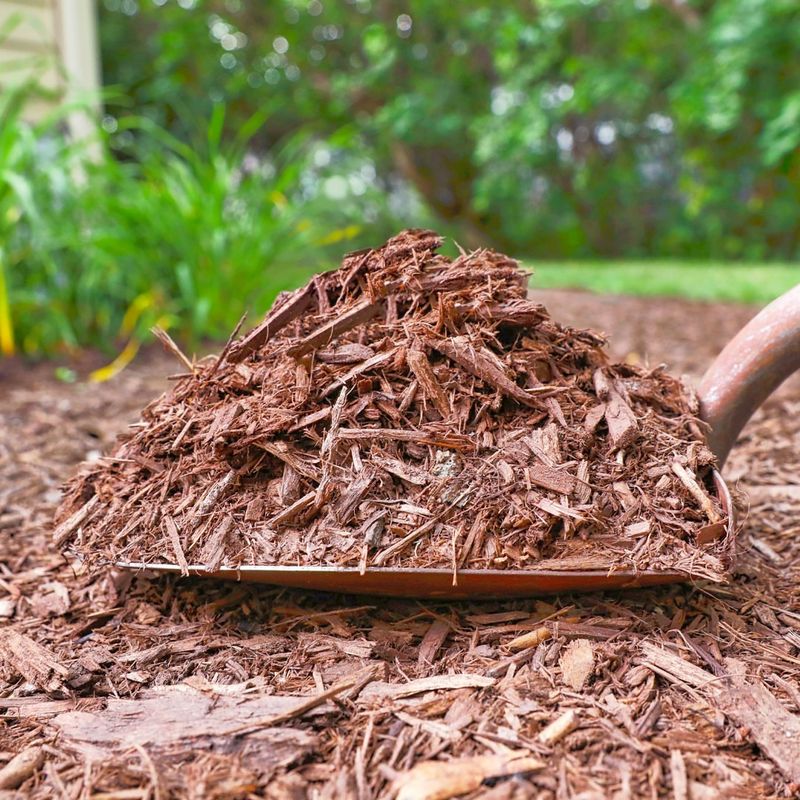
Water evaporates at an alarming rate when soil sits exposed to relentless sunshine. A protective covering slows this process dramatically, keeping precious moisture available to plant roots for days longer.
Your watering schedule becomes less frantic once this barrier is working for you.
Texas heat waves can drain soil moisture within hours of irrigation. Without protection, you’re essentially watering the air rather than your plants.
The covering acts like a lid, trapping humidity near the root zone where it’s actually needed.
Plants show visible stress when their roots can’t access consistent moisture. Leaves wilt, growth slows, and flowers drop prematurely when water availability fluctuates wildly.
Your landscape stays healthier when soil moisture remains more stable throughout the day.
During triple-digit temperature stretches, the difference becomes obvious. Gardens with bare soil require daily watering just to keep plants alive.
Your mulched beds might only need irrigation every three to four days, even in peak summer across Texas.
Root systems develop differently when moisture is reliable. Plants send roots deeper and spread them wider, creating stronger anchoring and better nutrient uptake.
Your entire garden becomes more resilient with this improved foundation.
The savings on your water bill add up quickly over a growing season. Less frequent watering means lower utility costs and reduced wear on irrigation equipment.
Your budget stretches further when you’re not constantly running sprinklers or hand-watering desperate plants.
Even brief afternoon showers provide more benefit when soil is covered. Rain soaks in gradually rather than running off or evaporating immediately.
Your landscape captures and holds more of every drop that falls, maximizing natural precipitation across Texas.
3. Root Zones Stay Cooler When Summer Temperatures Drag On
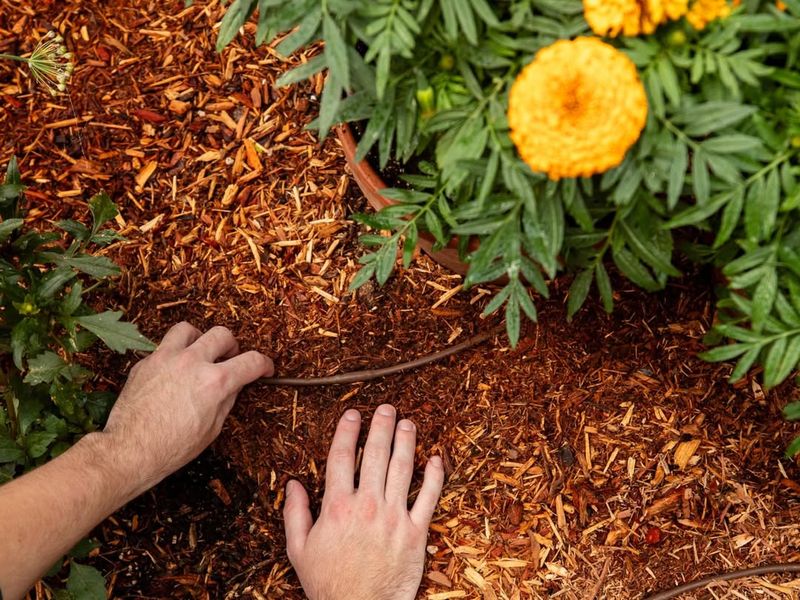
Exposed soil can reach temperatures that literally cook plant roots during Texas summers. Surface readings often exceed 140 degrees on bare ground when air temperatures hit the high 90s.
Your plants can’t function properly when their root environment becomes this hostile.
A layer of organic material acts as insulation, keeping soil temperatures 10 to 20 degrees cooler. This temperature buffer makes the difference between roots that continue functioning and roots that shut down.
Your plants keep growing instead of just surviving when their underground environment stays moderate.
Root activity slows dramatically once soil temperatures climb above 85 degrees. Nutrient uptake decreases, water absorption becomes less efficient, and growth stalls.
Your landscape enters survival mode rather than thriving when root zones overheat across Texas.
The cooling effect is most pronounced during afternoon hours when sun exposure is most intense. Bare soil bakes under direct rays, while covered soil stays significantly more comfortable.
Your plants experience less stress throughout the hottest part of every summer day.
Even heat-tolerant native species perform better when their roots aren’t constantly battling extreme temperatures. The energy plants save on temperature regulation can be redirected toward growth and flowering.
Your entire garden becomes more productive when root zones stay within optimal ranges.
Soil organisms also benefit from moderated temperatures. Beneficial bacteria, fungi, and earthworms remain active when conditions stay cooler.
Your soil food web continues functioning properly, supporting plant health from below ground.
The insulating layer works both ways, also protecting roots during unexpected cold snaps. Texas weather can swing from hot to cold rapidly, and plants appreciate the buffering effect.
Your landscape weathers temperature extremes more successfully with this protective barrier in place.
Newly planted specimens are especially vulnerable to temperature stress.
4. Watering Becomes More Efficient Without System Changes
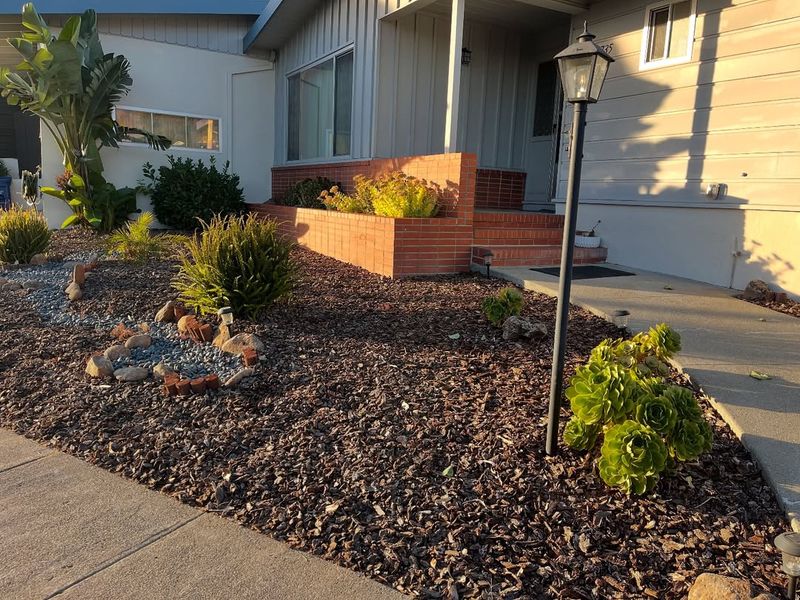
Your existing irrigation setup works better once soil conditions improve. Water penetrates more evenly and stays put longer, reducing runoff and waste.
You don’t need expensive system upgrades to see dramatic improvements in watering efficiency across your Texas property.
Bare soil often develops a crust that sheds water rather than absorbing it. Rain and irrigation run off before soaking in, defeating the purpose of watering.
Your covered beds accept moisture readily, allowing it to penetrate deeply where roots can access it.
Drip lines and soaker hoses perform especially well beneath a protective layer. Water releases slowly into soil that’s already primed to absorb it.
Your irrigation efficiency increases without adjusting timers or adding emitters throughout your Texas landscape.
You’ll notice puddles and runoff decreasing even during heavy watering sessions. The organic material acts like a sponge, catching and holding water before releasing it gradually.
Your soil receives more of what you apply rather than watching it flow away.
Hand watering becomes less tedious when you know moisture will actually benefit plants. Each gallon you apply stays in the root zone longer.
Your effort translates into better results without increasing the time you spend with a hose in hand.
Sloped areas that typically shed water benefit tremendously from improved absorption. Erosion decreases as soil structure improves and water infiltration increases.
Your hillside plantings finally get the moisture they need instead of watching it race downhill across your Texas yard.
Smart controllers and moisture sensors provide more accurate readings when soil conditions are consistent. The technology works better when it’s measuring stable conditions rather than wildly fluctuating moisture levels.
Your automated systems make smarter decisions with improved soil performance.
Fertilizer application becomes more effective too, since nutrients stay in place rather than washing away. Everything you add to the soil has a better chance of reaching plant roots.
Your amendments and treatments deliver better results with the same products and application rates.
5. Weed Pressure Drops Before Beds Get Out Of Control
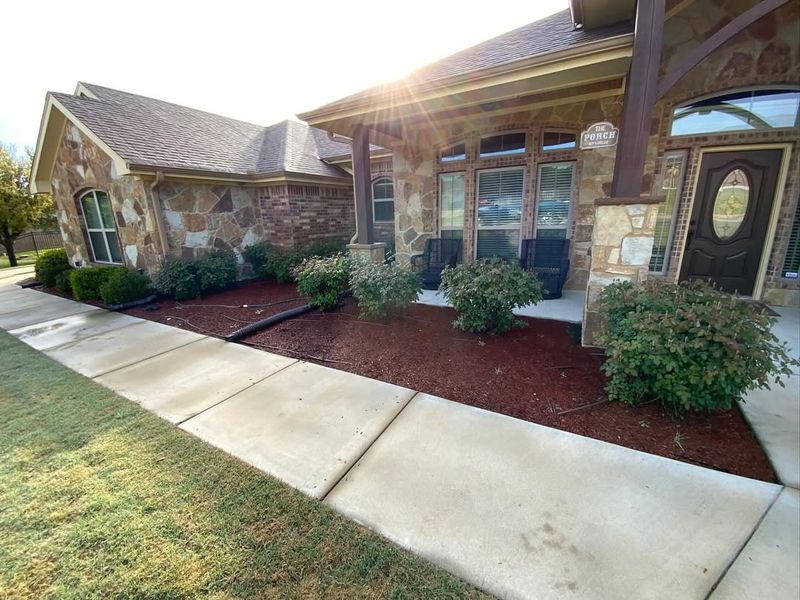
Sunlight triggers weed seed germination, and bare soil provides the perfect conditions for unwanted plants to take over. A thick layer blocks light from reaching the soil surface, preventing most seeds from sprouting.
Your maintenance time decreases dramatically when you’re not constantly pulling invaders from garden beds across Texas.
Annual weeds like crabgrass and spurge struggle to establish when light can’t reach their seeds. These opportunistic plants need direct sun exposure to begin growing.
Your beds stay cleaner with far less effort once this barrier is in place.
The few weeds that do emerge pull out easily from the loose material. Their roots haven’t penetrated compacted soil, so removal requires minimal effort.
Your weeding sessions become quick touch-ups rather than exhausting battles throughout your Texas landscape.
Perennial weeds with established root systems still require attention, but their spread slows significantly. New shoots have trouble pushing through several inches of covering.
Your problem areas become more manageable as weed populations gradually decline over successive seasons.
Chemical weed control becomes less necessary when prevention is working effectively. You can reduce or eliminate herbicide use in garden beds.
Your landscape becomes safer for kids, pets, and beneficial insects when toxic treatments aren’t required.
The time you save on weeding can be redirected toward more enjoyable garden tasks. Planting, pruning, and harvesting become your focus rather than endless maintenance.
Your relationship with your yard improves when you’re not constantly fighting to maintain control.
Mulched paths between beds also stay clearer, reducing the areas where weeds can establish. The entire landscape benefits from comprehensive coverage.
Your Texas property looks more polished and intentional when weeds aren’t constantly creeping into every open space.
6. Soil Texture Improves Gradually With Every Season
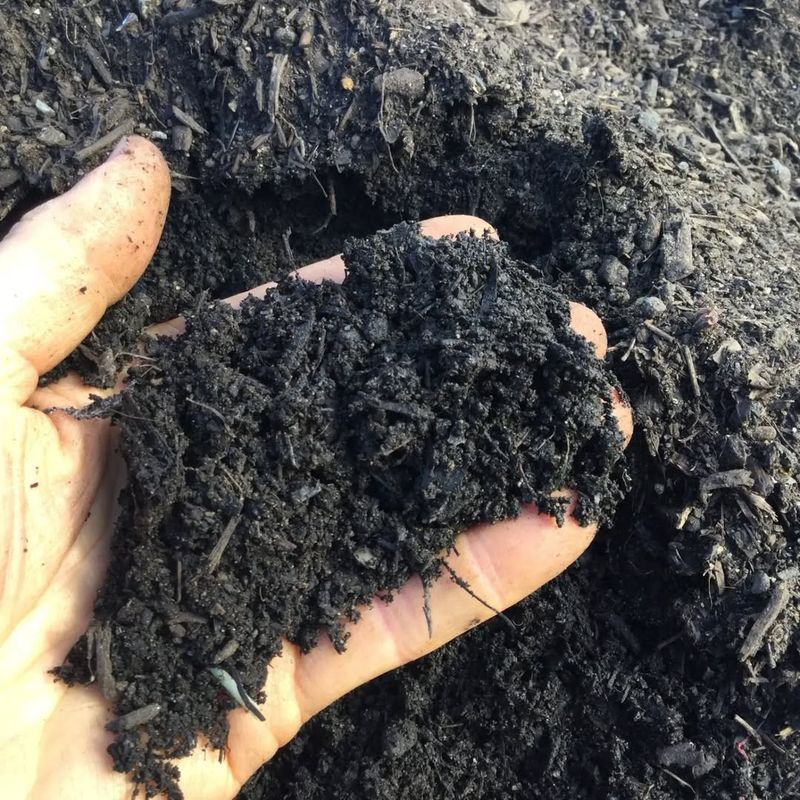
Organic materials decompose slowly, releasing nutrients and adding structure to the earth beneath. Your soil becomes richer and more friable over time without hauling in truckloads of amendments.
Texas clay and sandy soils both benefit from this gradual transformation process.
Clay soil, common throughout much of Texas, becomes less compacted as organic matter integrates. Drainage improves and roots penetrate more easily.
Your heavy soil starts behaving more like quality garden loam with consistent organic additions from above.
Sandy soils gain water-holding capacity as decomposition products bind particles together. Nutrients stop leaching through so quickly.
Your light soil develops better structure and fertility without expensive soil replacement projects.
Beneficial microorganisms thrive in the decomposing material, then migrate into the soil below. These organisms create channels, break down minerals, and support plant health.
Your underground ecosystem becomes more active and diverse with continued organic input across your Texas landscape.
Earthworms move upward to feed on decomposing mulch, then pull organic matter deeper into the soil profile. Their tunneling aerates compacted earth and improves drainage.
Your soil structure improves from both surface additions and earthworm activity working together.
The improvement happens gradually, so you might not notice dramatic changes the first season. By the second and third years, differences become obvious.
Your plants grow more vigorously in soil that’s been steadily enriched and improved.
Soil testing over multiple years shows increasing organic matter percentages. This metric correlates with better nutrient availability, moisture retention, and overall soil health.
Your Texas yard literally becomes more fertile with each passing season.
The natural process eliminates the need for synthetic soil conditioners and amendments. Your budget and your back both appreciate the reduced need for heavy bags and constant applications.
Organic matter builds itself when you maintain a protective surface layer.
7. Plants Handle Sudden Weather Swings With Less Stress
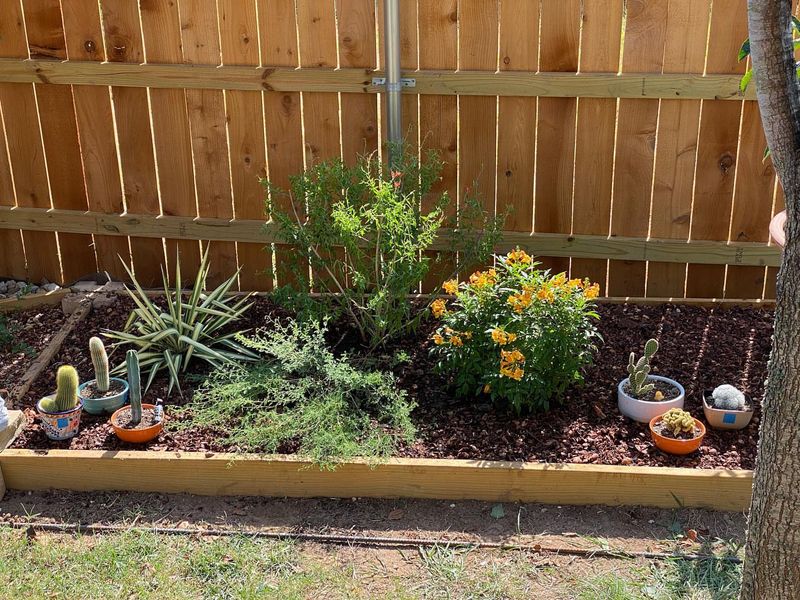
Texas weather changes rapidly, sometimes shifting from mild to extreme within hours. Your plants face constant adjustment demands as temperatures, moisture, and wind conditions fluctuate.
A protective covering moderates these swings, creating more stable growing conditions.
Spring cold snaps arrive with little warning across Texas, threatening tender new growth. The insulating layer provides several degrees of temperature protection.
Your plants experience less shock when late freezes follow warm spells, reducing damage to emerging foliage and flowers.
Summer thunderstorms can dump inches of rain in minutes, then give way to blazing sun. The organic material absorbs initial rainfall impact, preventing soil from washing away or compacting.
Your beds maintain their structure through violent weather events that would otherwise cause significant erosion.
Drought followed by heavy rain creates boom-and-bust moisture cycles that stress plants severely. The buffering effect smooths out these extremes.
Your landscape experiences more gradual transitions rather than violent swings that trigger survival responses.
Wind protection matters more than many gardeners realize. Bare soil dries out rapidly when wind strips moisture from the surface.
Your covered beds resist wind desiccation, maintaining better moisture levels during breezy periods common throughout Texas.
Plants allocate energy differently when their environment stays more stable. Instead of constantly adjusting to new conditions, they can focus on growth and reproduction.
Your garden produces more flowers, fruits, and foliage when plants aren’t perpetually stressed by environmental fluctuations.
Root damage from freeze-thaw cycles decreases when temperature swings are moderated. Soil that freezes and thaws repeatedly can heave roots out of the ground.
8. Garden Beds Look Finished Instead Of Struggling
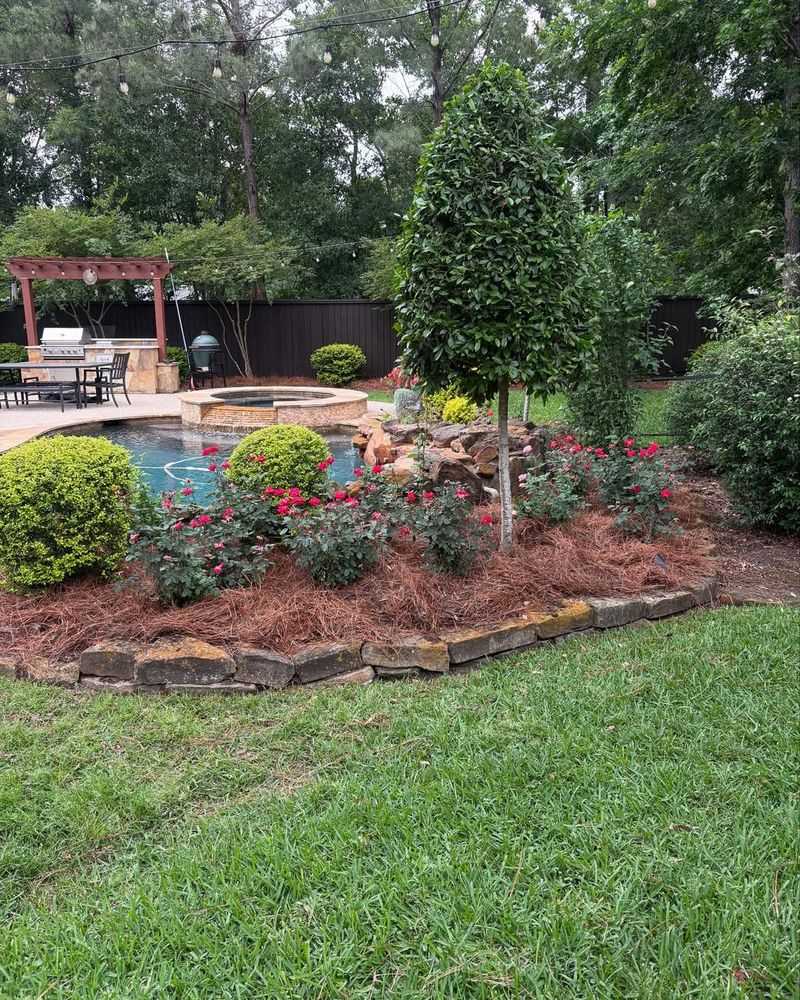
Visual impact matters when you’re investing time and money into your outdoor space. A fresh layer instantly upgrades bed appearance, creating clean lines and uniform color.
Your landscape looks intentionally designed rather than haphazardly planted when beds receive this finishing touch.
The contrast between dark material and green foliage makes plants stand out dramatically. Flowers pop against the rich background.
Your plantings become the focal point instead of competing with bare soil or weeds for attention across your Texas property.
Defined bed edges stay crisp longer when material is in place. The boundary between lawn and garden remains obvious.
Your landscape maintains its structure between maintenance sessions, looking polished even when you haven’t had time for detailed upkeep.
Curb appeal increases immediately after application. Real estate agents in Texas recommend fresh mulch before listing properties because the visual improvement is so dramatic.
Your home’s exterior looks more valuable and better maintained with this simple upgrade.
Color options allow you to customize the appearance to match your home’s style. Natural brown tones create classic looks, while darker shades provide modern contrast.
Your design vision comes to life with the right material choice supporting your plant selections.
The neat appearance lasts for months, not just days after application. Material stays in place through rain and wind.
Your beds continue looking intentional and cared-for throughout the growing season without constant refreshing.
Neighboring properties with bare soil look noticeably less finished in comparison. The difference is striking once you’ve experienced properly dressed beds.
Your Texas landscape stands out on the block as an example of thoughtful, attractive design.
Professional landscapers always include this step in their installations because they understand its visual importance. The finishing touch signals completion.
Your garden beds communicate that they’re established and thriving rather than newly planted and struggling to take hold.