This Underrated North Carolina Native Blooms When Everything Else In The Garden Looks Exhausted
Late summer in North Carolina has a particular look that most gardeners know well. Spent flower stalks, heat-bleached foliage, and beds that peaked two months ago and have been declining steadily ever since.
It is the time of year when the garden asks for apologies rather than admiration. One native plant completely ignores that pattern.
It has been storing energy through the hottest stretch of summer while everything around it wound down, and what it produces during this window is vivid, substantial, and completely unexpected to anyone seeing it perform for the first time.
Gardeners who have grown it describe late summer as the season their yard finally gets noticed rather than politely overlooked by visitors walking past.
1. Why Aromatic Aster Deserves More Attention In North Carolina Gardens
Walk through most North Carolina neighborhoods in October and you will notice the same thing over and over: tired gardens, faded blooms, and a whole lot of brown. Aromatic aster is the plant that quietly breaks that pattern, and most people still do not know it exists.
Native to the eastern United States, aromatic aster (Symphyotrichum oblongifolium) grows naturally across North Carolina and feels completely at home in the local climate.
It does not need babying, it does not beg for water during dry spells, and it handles summer heat without flinching.
That kind of toughness is rare in a plant that also happens to be beautiful. What really sets it apart is timing. While other perennials wrap up their show by August, aromatic aster is just getting started.
The purple blooms open in late summer and keep going until the first frost arrives, giving gardens a second wind that feels almost surprising.
Gardeners who want strong fall color without relying on store-bought mums every year will find this plant genuinely useful. It comes back reliably, spreads gradually to fill space, and attracts pollinators right when those insects need food most.
For a native plant that asks for so little and gives back so much, aromatic aster absolutely deserves a spot in more North Carolina yards.
2. The Purple Blooms That Arrive Just When The Garden Needs Them
Timing in the garden matters more than most people realize. A plant that blooms in June is competing with dozens of other options, but a plant that blooms in September through November is practically in a league of its own.
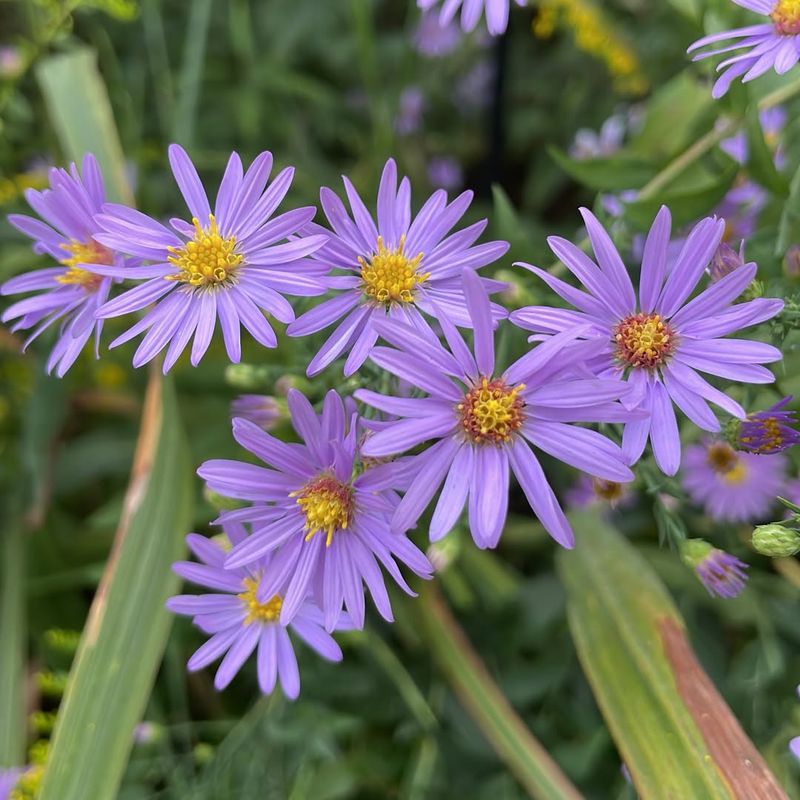
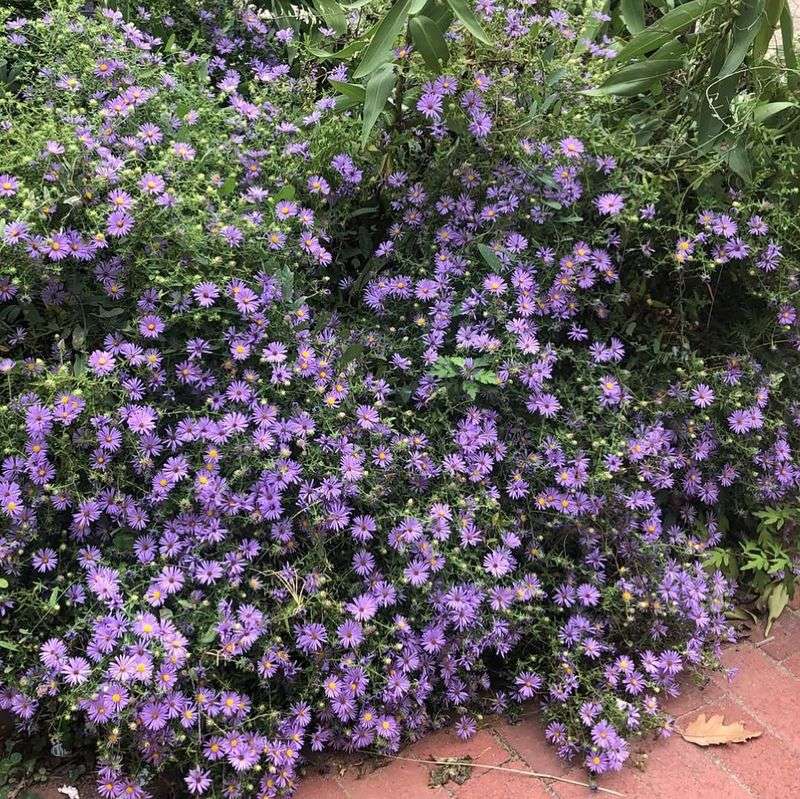
Aromatic aster plays that timing perfectly. The flowers are small and daisy-like, with narrow purple petals fanning out around a warm yellow center.
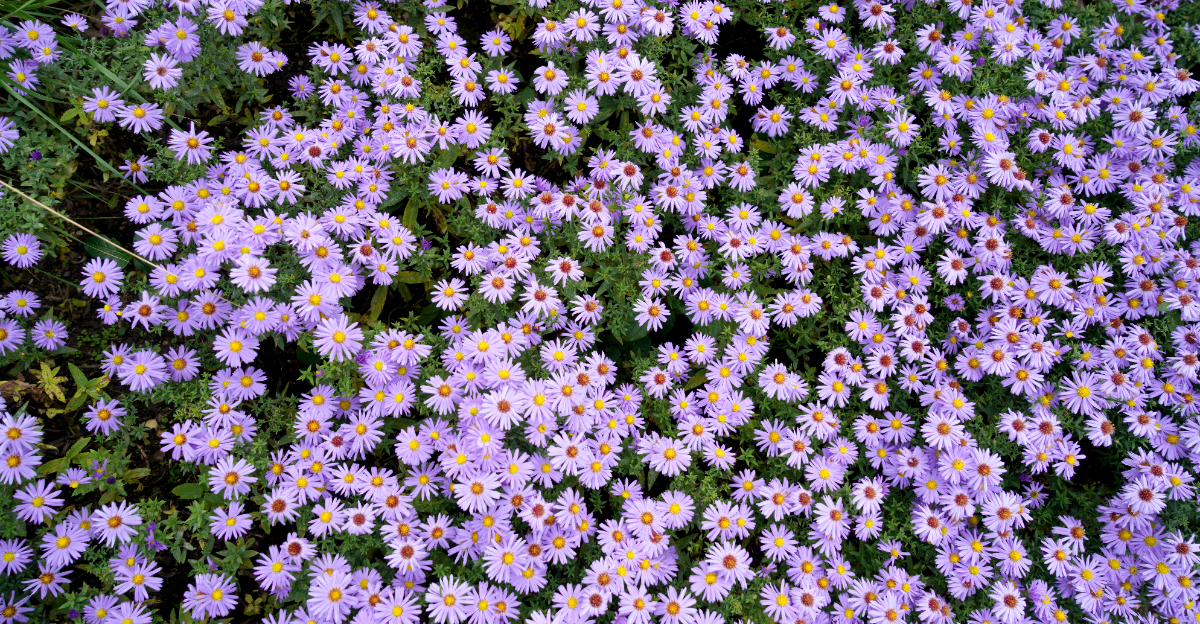
Each bloom is only about an inch across, but the plant produces them in such abundance that the whole mound seems to glow with color.
Up close, they are delicate and pretty. From a distance, the effect is bold and eye-catching.
In North Carolina, the bloom window typically runs from late August through October and sometimes into November depending on the year and location.
That stretch covers the exact period when warm-season plants like coneflowers and black-eyed Susans are well past their peak.
Your North Carolina Garden Changes Every Week. Your Plan Should Too.
Gardening in North Carolina changes quickly throughout the season. Every Friday you’ll receive a simple weekly plan showing exactly what to plant, prune, fertilize, harvest, and protect so you never miss the right timing.
The garden can look genuinely tired during those weeks, and aromatic aster fills the gap with real energy.
Planting it alongside ornamental grasses, goldenrod, or late-blooming salvias creates a fall combination that feels intentional and polished. The purple tones play especially well against the warm golds and rusts that show up in autumn foliage.
For gardeners who want their beds to look good deep into fall, this bloom timing is hard to beat.
3. A Native Plant That Handles Lean Soil Better Than Expected
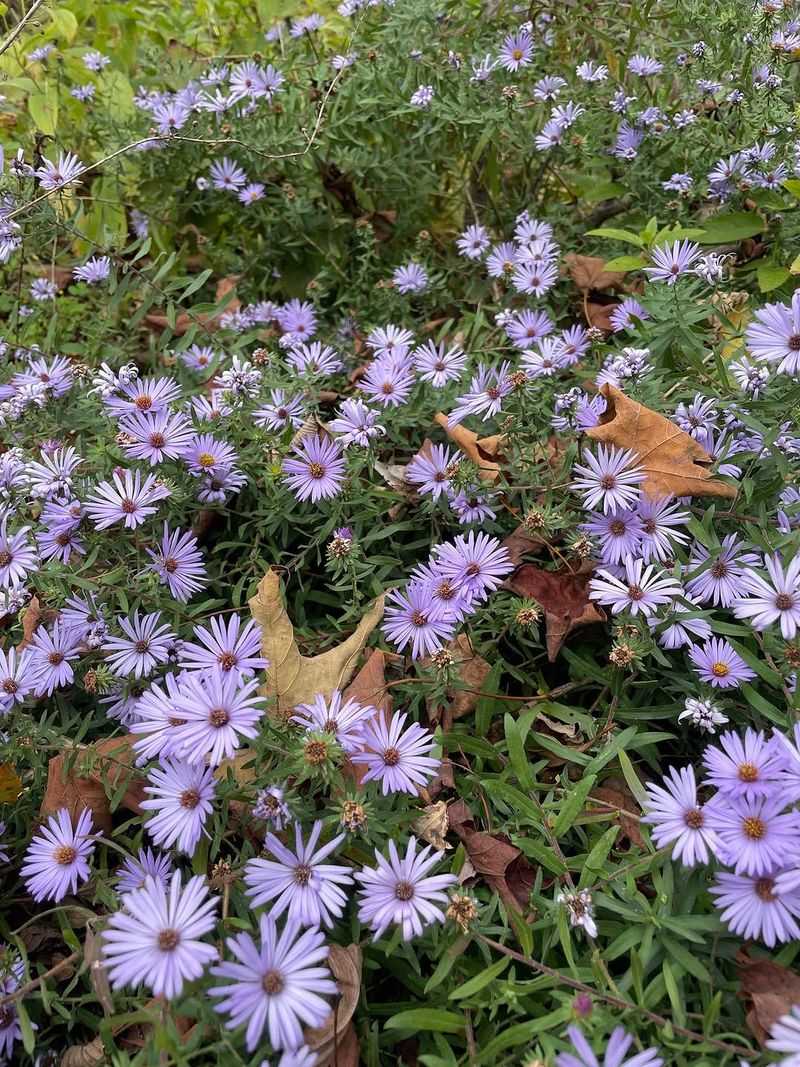
Not every garden has rich, fluffy soil. Some spots are dry, gravelly, or sitting on clay that barely drains.
Many plants refuse to cooperate in those conditions, but aromatic aster actually thrives in them.
This plant evolved on rocky ledges, open woodlands, and dry prairies across the eastern United States. Lean, well-drained soil is its natural home.
When you plant it in those kinds of spots, you are working with its instincts rather than against them. That makes it one of the most practical choices for problem areas that frustrate most gardeners.
Full sun is the key ingredient. Aromatic aster wants at least six hours of direct sunlight each day, and it performs best with even more than that.
Pair good sun exposure with soil that drains freely, and the plant will reward you with dense, healthy growth and a strong bloom display every fall without much effort on your part.
Sunny borders along driveways, slopes that shed water quickly, naturalized meadow areas, and the dry edges of landscape beds are all excellent spots to try it.
Even spots where you have struggled to grow anything reliably can become productive with aromatic aster.
Rich, amended soil is not necessary and can actually encourage floppy growth, so skip the heavy fertilizing and let the plant do what it naturally does best.
4. Why Aromatic Aster Works So Well In Sunny Borders
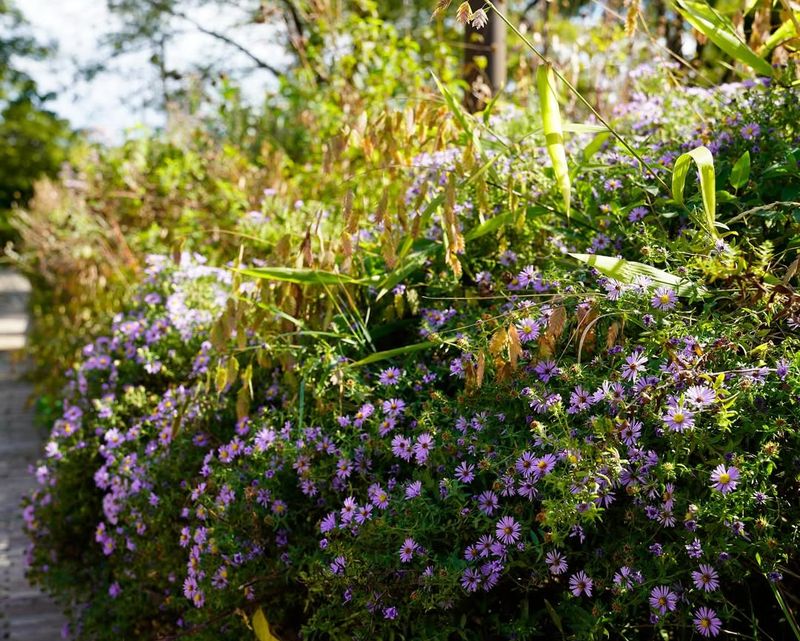
Shape matters in garden design, and aromatic aster brings a naturally rounded, mounded form that works beautifully in structured borders.
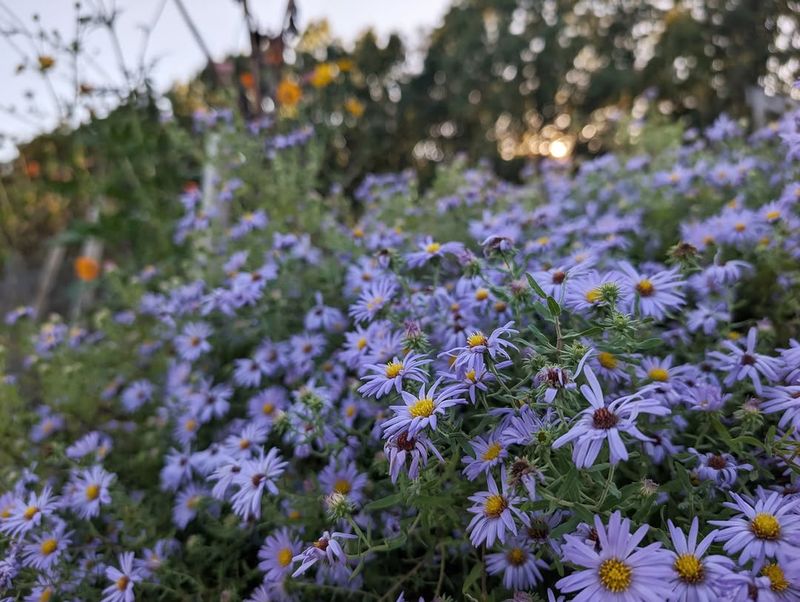
Unlike some native plants that grow tall and sprawling, this one stays relatively tidy, forming a dome-shaped clump that looks intentional rather than wild.
At maturity, aromatic aster typically reaches about two to three feet tall and equally wide. That size fits comfortably at the front or middle of a sunny border, where it can be seen clearly without blocking shorter plants behind it.
The dense mounding habit also means it fills space well, reducing the bare patches that make borders look sparse in fall.
Along walkways and paths, aromatic aster creates a soft, welcoming edge. When it blooms in September and October, people walking by tend to stop and look, especially when the flowers are covered in bees and butterflies.
That kind of natural movement and color makes a garden feel alive in a way that static plantings rarely do.
Planting three or more of them together in a grouping amplifies the effect significantly. A single plant is lovely, but a cluster of five or seven creates a wave of purple that becomes a real focal point.
Pairing them with tall ornamental grasses, goldenrod, or Russian sage makes the purple pop even more. For sunny borders that need reliable fall structure, aromatic aster checks every box.
5. The Pollinator Value That Makes This Plant More Than Pretty

Pretty flowers are great, but a plant that feeds wildlife while it blooms is something truly special. Aromatic aster is one of the best late-season pollinator plants available to North Carolina gardeners, and that value goes far beyond how it looks.
By September and October, most nectar sources in the landscape have wrapped up. Bees, butterflies, and other beneficial insects are still active, but their food options are shrinking fast.
Aromatic aster blooms right into that gap, offering pollen and nectar at exactly the moment pollinators need it most.
Monarch butterflies fueling up for migration, bumblebees gathering late-season resources, and native sweat bees collecting pollen all show up regularly to visit these flowers.
The sheer number of blooms each plant produces means there is plenty to go around. On a warm October afternoon, a mature aromatic aster covered in insects is one of the most energetic and rewarding sights a garden can offer.
It turns a quiet fall border into something genuinely buzzing with life.
Beyond bees and butterflies, the plant also supports specialist native bees that depend on aster species for pollen. These are bees that cannot substitute other flower types, making asters a critical part of their survival.
Planting aromatic aster is a direct investment in the local pollinator community, and it pays visible dividends every single fall season.
6. A Smart Substitute For Fall Mums

Every autumn, garden centers fill up with mums in every color imaginable. They are everywhere, and there is nothing wrong with them, but they come with a catch.
Most fall mums sold as seasonal color are not reliably perennial, which means you are essentially buying a temporary display that may not return next year.
Aromatic aster offers a genuinely different approach. As a true native perennial, it comes back every year without replanting.
Once it settles in, it actually spreads gradually and fills more space over time, giving you more color for the same investment rather than less.
The purple blooms have a wildflower charm that mums simply do not replicate. They feel natural and at home in a North Carolina landscape in a way that imported seasonal plants rarely do.
Pairing aromatic aster with goldenrod or ornamental grasses creates a fall combination that looks designed and deliberate without requiring annual replacements.
Drought tolerance is another real advantage. After its first growing season, aromatic aster handles dry spells without supplemental watering, which is a significant benefit during North Carolina autumns that sometimes arrive hot and dry.
Mums in containers need consistent moisture to stay looking good, while aromatic aster keeps blooming even when rainfall is unreliable.
For gardeners tired of spending money on seasonal plants every fall, this native perennial is a smart, lasting upgrade.
7. Simple Care Tips For Keeping Aromatic Aster Looking Its Best
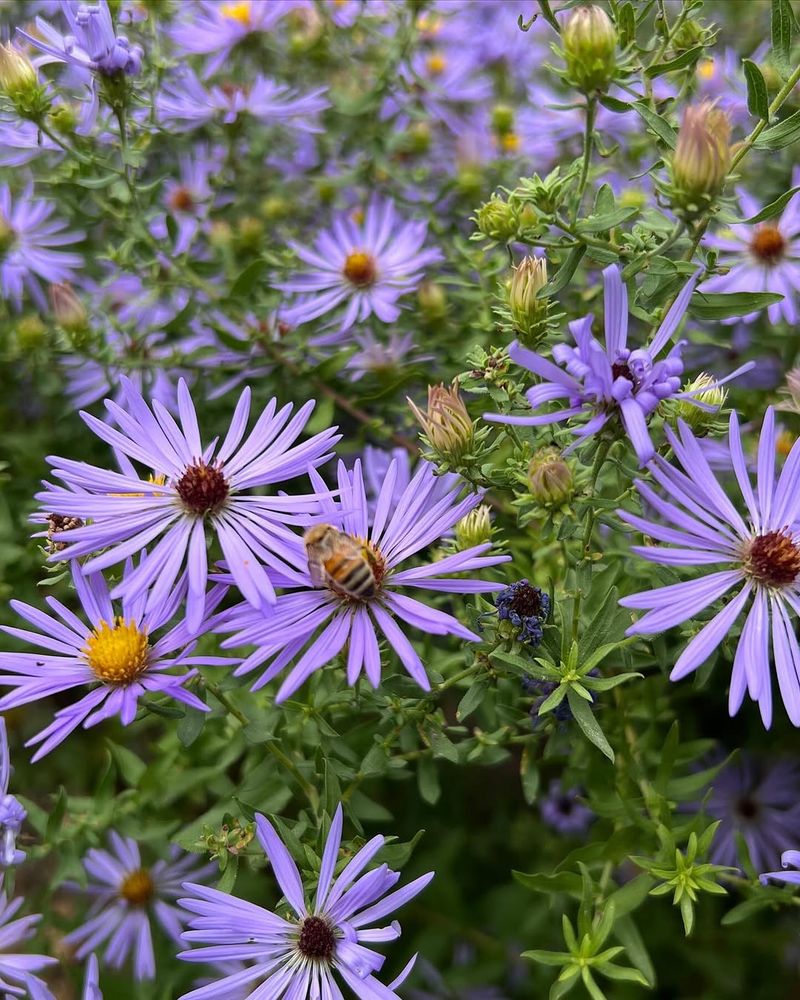
One of the best things about aromatic aster is how little fuss it requires once it is planted in the right spot. Getting the basics right at the start makes everything else much easier, and there are really only a few things to keep in mind.
Sun and drainage are the two non-negotiables. Plant it where it gets at least six hours of direct sun each day, and make sure the soil does not stay wet after rain.
Soggy clay soil is the fastest way to run into problems with this plant, since consistently wet roots lead to poor growth and disease pressure. If your soil drains slowly, amending it with coarse sand or gravel before planting helps significantly.
Good air circulation matters too. Aromatic aster can develop powdery mildew on its lower leaves if plants are crowded or shaded, especially in humid North Carolina summers.
Giving plants enough room and avoiding overhead watering keeps foliage healthier through the growing season.
In spring, after new growth begins to emerge, you can cut the plant back by about one-third to encourage a more compact, rounded shape and reduce any flopping later in the season.
This optional step is called Chelsea chop and works well for gardeners who prefer a tidier mound.
Skip fertilizing entirely or apply it very lightly, since rich soil encourages tall, floppy stems rather than the sturdy, bushy growth this plant does naturally on its own.
8. Where To Use Aromatic Aster In A North Carolina Landscape
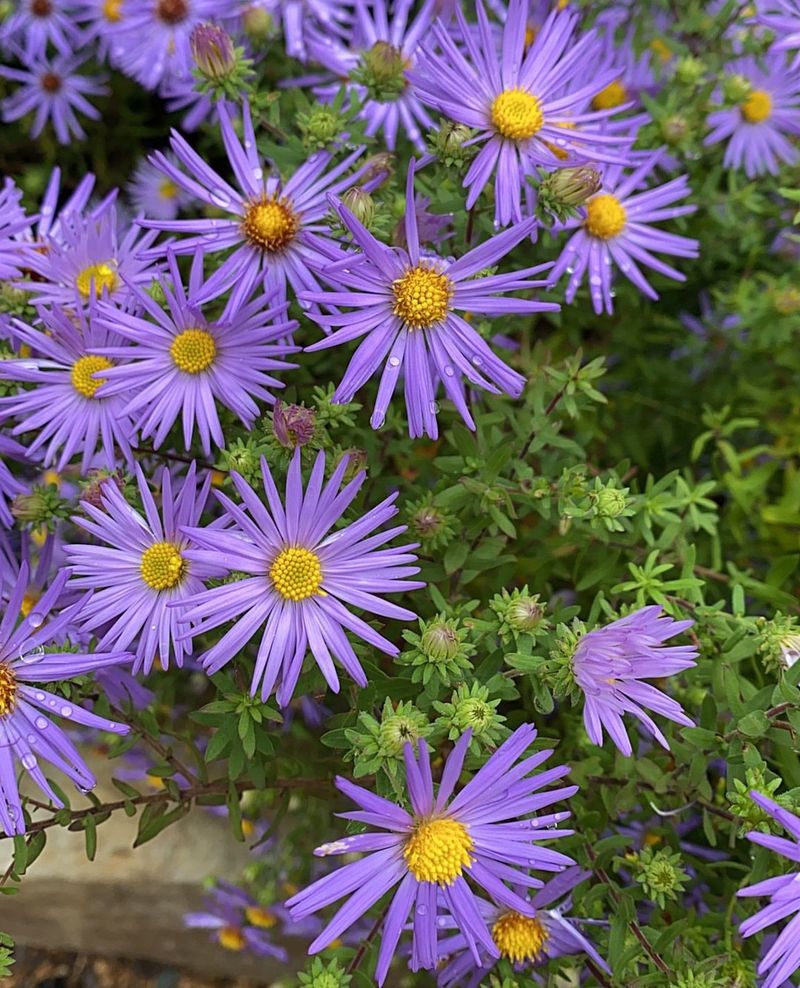
Versatility is one of aromatic aster’s strongest qualities. It fits into so many different landscape situations that once you start thinking about where it could work, the list gets surprisingly long.
Sunny mixed borders are the most obvious choice, where its mounding habit and fall bloom time fill the seasonal gap beautifully. Along walkway edges, it creates a soft, colorful border that looks welcoming and intentional.
The plant stays compact enough to line a path without overhanging the walking surface aggressively, and the fall blooms make those paths genuinely pleasant to walk through. Meadow-style gardens and naturalized areas are another excellent fit.
Aromatic aster blends naturally with native grasses, goldenrod, ironweed, and other meadow plants, creating a layered, ecological planting that supports wildlife throughout the season.
In those settings, its spreading habit actually becomes an advantage, filling gaps and creating a fuller, more established look over time.
Coastal North Carolina gardeners will appreciate that aromatic aster tolerates sandy, well-drained soil and can handle some exposure without struggling. It is not a salt spray plant, but it handles the lean, dry conditions common in coastal landscapes well.
Pollinator gardens, rain garden edges where drainage is good, and even large container plantings in full sun are all viable options.
Grouping three, five, or seven plants together always creates more visual impact than spacing them out individually across a bed.
9. What Gardeners Should Know Before Planting It
Aromatic aster is an easy plant, but a few things are worth knowing ahead of time so you can set it up for success rather than dealing with surprises later. Going in with the right expectations makes the whole experience more enjoyable.
First, understand that this plant spreads. It does so through both seeds and underground stolons, which are horizontal stems that creep outward and produce new shoots.
In the right setting, that spreading behavior is a feature, not a problem. It fills space, creates fuller groupings, and requires less replanting over time.
In a smaller, more structured bed, you may want to trim back the edges each spring to keep it contained where you want it.
Powdery mildew on the lower leaves is something many gardeners notice during humid summer months, before the plant blooms. The good news is that mildew rarely affects the plant’s overall health or bloom performance.
Choosing a spot with good airflow and avoiding overhead watering reduces the issue considerably. Some gardeners simply remove the lower leaves if they look rough before flowering begins.
Soil drainage really is the most critical factor. Aromatic aster sitting in poorly drained, consistently wet soil will underperform and may struggle with root issues over time.
Well-drained soil, whether sandy, loamy, or lean, is where this plant genuinely thrives. Get the drainage right from the start, give it full sun, and aromatic aster will reward you with a reliable, colorful fall display year after year.
10. The Takeaway For North Carolina Gardeners
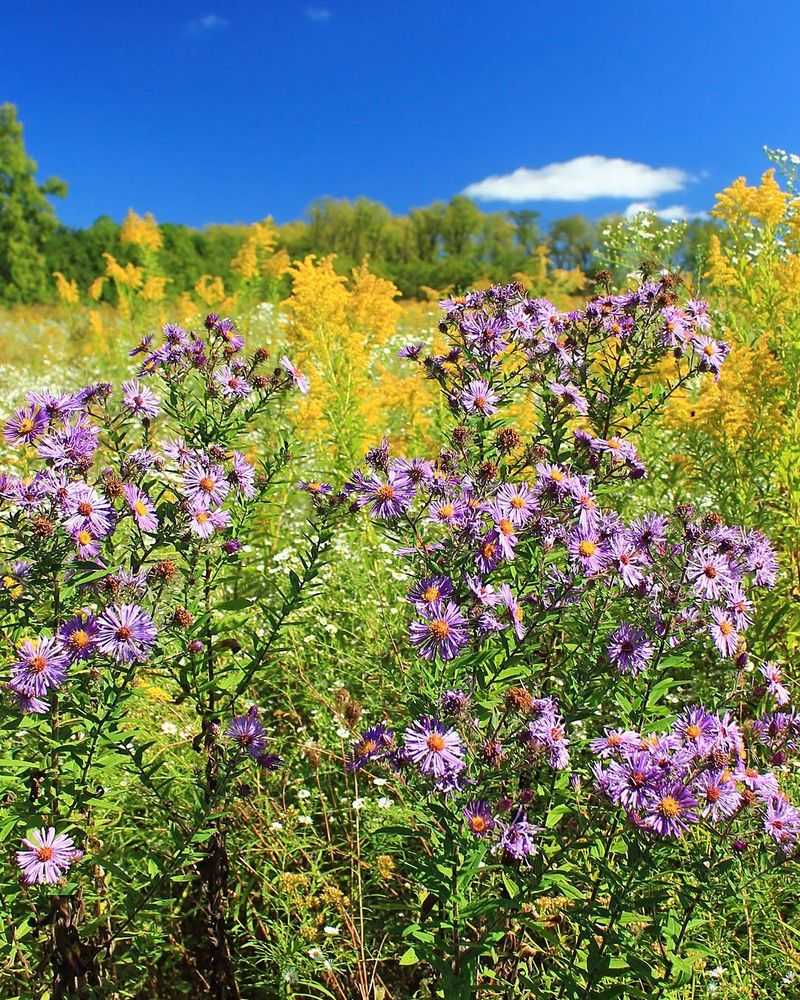
If your fall garden has been feeling a little flat lately, aromatic aster might be exactly what it needs. This plant brings genuine color, wildlife activity, and a sense of life to spaces that would otherwise look spent and tired by October.
Its native status means it belongs here. It evolved alongside North Carolina’s soils, climate, and wildlife, which is why it performs so reliably without a lot of intervention.
The purple blooms arrive at the most useful time of year, filling the seasonal gap between summer’s peak and the first frost with weeks of consistent color and pollinator activity.
Deer and rabbits tend to leave it alone, which is a real bonus for gardeners in areas where browsing pressure is a constant challenge.
The drought tolerance, the low maintenance needs, and the ability to spread and fill space over time all add up to a plant that genuinely earns its place in the landscape every single year.
Whether you tuck it into a sunny border, mass it in a meadow planting, or line it along a walkway, aromatic aster delivers results that feel both natural and rewarding.
North Carolina has no shortage of beautiful native plants, but few of them combine late-season bloom time, pollinator value, toughness, and good looks quite as neatly as this one does.
Give it a try this fall and watch your garden surprise you.