This Venomous Resident May Already Be Living In Your Pennsylvania Shed
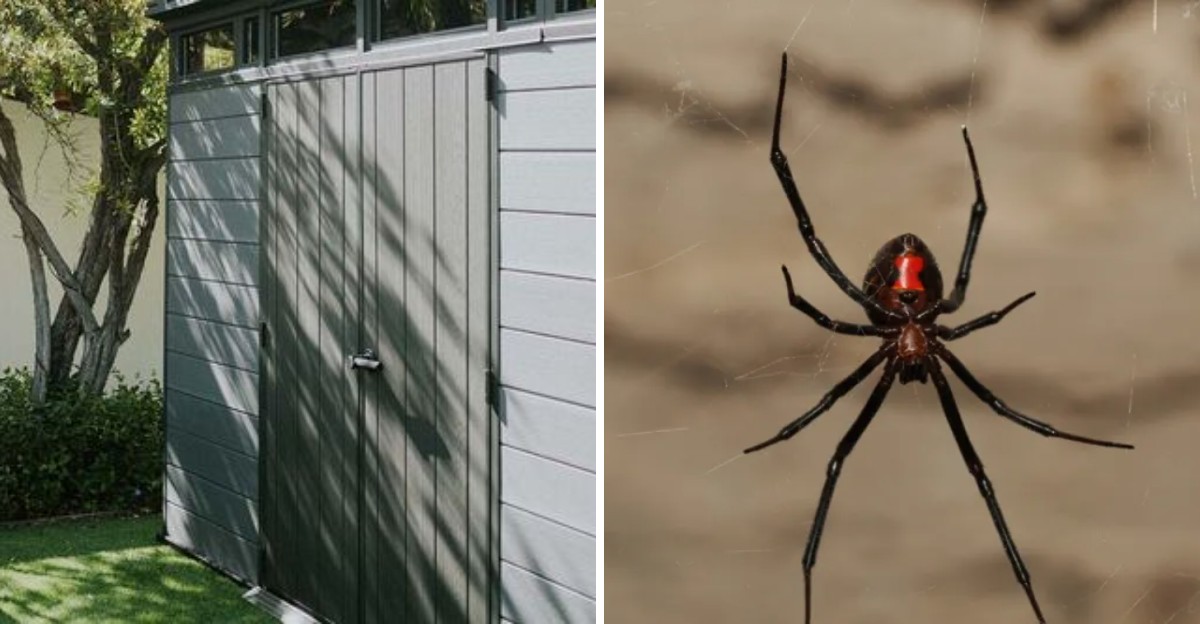
A spider with an hourglass on its belly might already be sitting under your potting bench. Believe it or not, it has probably been there quietly for weeks.
Pennsylvania is home to native widow spiders, and they adore dry, dark, forgotten corners. Sheds full of old pots, stacked lumber, and dusty boxes check every box on their wish list. Fall cleanup season puts our hands right where they like to hide.
I used to grab stored gloves without a second thought. Then I learned how bites usually happen, and my habits changed fast. Most encounters come from simple surprise, not a spider looking for a fight.
The most interesting part? These shy neighbors are more misunderstood than menacing. A few small changes can make your shed far less inviting. So how well do you really know what lives behind that stack of clay pots in the corner?
1. That Glossy Spider Behind Your Clay Pots Has Settled In For The Season
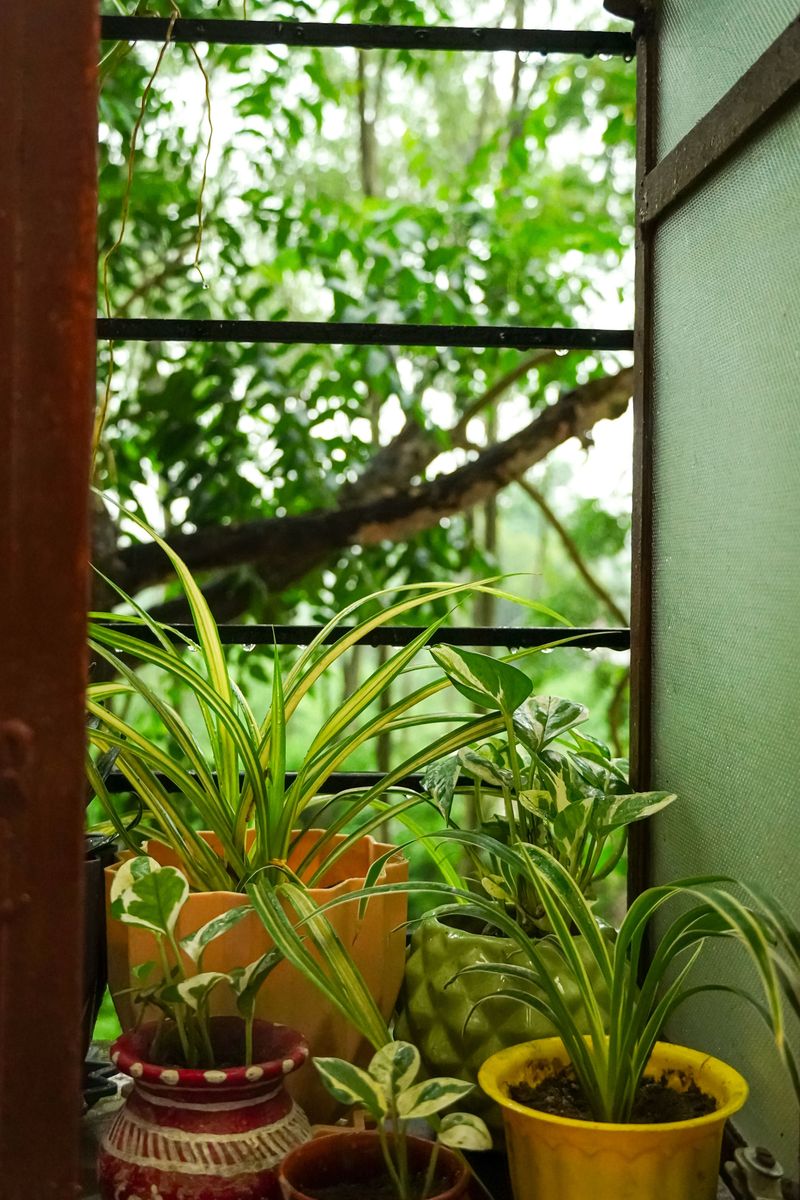
Cooler fall nights change the routine of many backyard creatures, and spiders are no exception.
As insects slow down outdoors, sheltered spots like sheds, garages, and woodpiles become the places where spiders tuck in for the cold months.
The venomous resident in question is the widow spider. In Pennsylvania, the northern black widow and the southern black widow are both native, according to Penn State Extension.
They are not invading from somewhere far away. They have lived here all along, mostly out of sight.
Fall is often when people notice them, because it is also when we clean, store tools, and stack firewood.
A shed that sat untouched all summer offers exactly what these spiders want. It is dry, dark, quiet, and full of cracks to wedge a web into.
One honest note matters here. Widow spiders do not stage a mass migration into sheds every autumn.
Many already live in and around outbuildings year round, and cold weather simply slows them down and keeps them tucked in place.
So the real story is less about a sudden move and more about overlap. Our busy fall chores bring us right into their long-term neighborhood, and that overlap is where surprises happen.
2. Flip Her Over And That Red Hourglass Tells The Whole Story
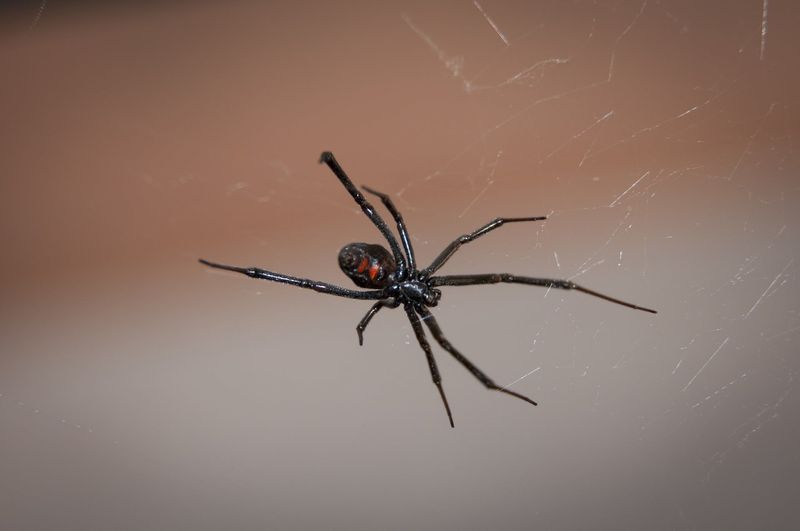
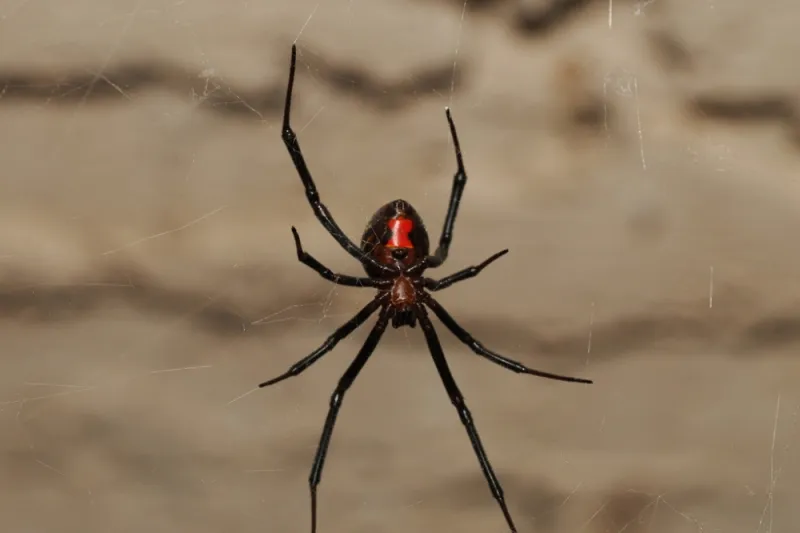
Shiny, round, and jet black, an adult female widow is one of the easiest spiders to recognize. Her body is roughly half an inch long, with long slender legs and a bulbous abdomen that looks almost polished.
The famous red hourglass sits on her underside. On the southern black widow, the hourglass is usually complete and connected in the middle.
On the northern black widow, it is often split into two separate red marks, and she may also have a row of red spots along her back.
Males look quite different. They are much smaller, lighter in color, and often have red and white markings along the sides. Males and young spiders are rarely a concern for people.
Widow spiders usually hang upside down in their webs. That habit is handy, because it shows off the hourglass without you needing to get close at all. Please resist the urge to poke one for a better look.
Fun fact time. The old story that females always eat their mates is mostly exaggerated. It happens sometimes in captivity, but in the wild many males simply walk away after courtship and live to wander another day.
3. Messy Cobwebs Low To The Floor Are A Big Clue
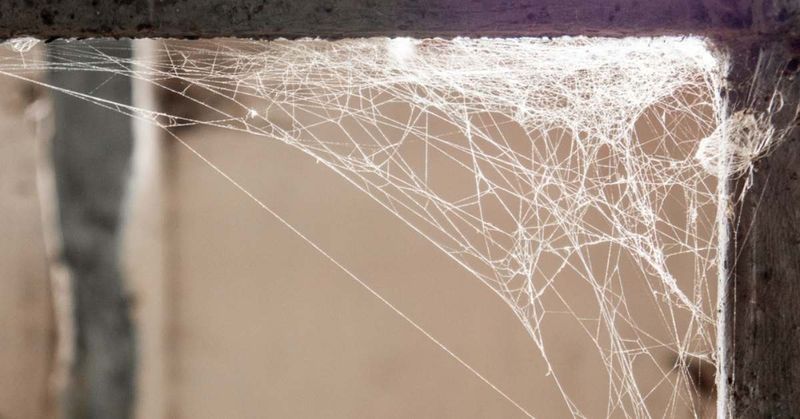
Orb weavers spin those lovely wheel-shaped webs you see glistening with dew. Widow spiders do nothing of the sort.
Their webs are tangled, uneven, and look like someone dropped a handful of silk threads and walked away.
Those cobwebs are surprisingly strong. The silk is tough enough that you may feel it tug or even hear it snap faintly when you brush through it.
Many webs also have sticky threads anchored to the ground to snag crawling insects. Location gives you another hint.
Widows usually build close to the floor or a few feet up, tucked under shelves, behind bins, or in the gap between a wall and a heavy object. They rarely build in open, bright, busy spaces.
You may also spot egg sacs. These are round, papery, tan or cream balls about the size of a pea, often hanging inside the web. Each one can hold a few hundred eggs.
When you see this kind of messy web in a quiet corner, slow down. Grab a flashlight and look before reaching in.
Most of the time you will find a harmless cellar spider or nothing at all, but checking takes only a moment.
4. Woodpiles, Flowerpots, And Old Lumber Are Prime Spider Real Estate
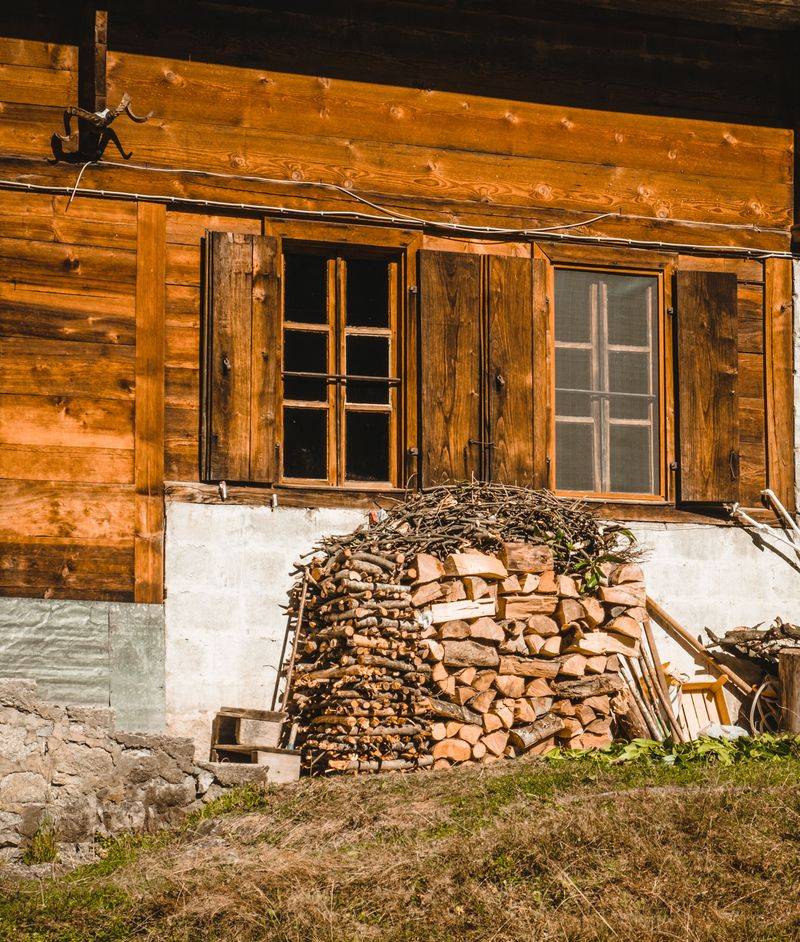
Anyone who has stacked firewood knows how many creatures move into those logs. Widow spiders are fond of woodpiles, and they love the tiny gaps between split pieces where insects wander through.
Other favorite spots read like a list of every gardener’s storage habit. Upside-down flowerpots, stacked bricks, old lumber, bags of mulch, unused planters, and cardboard boxes all make great hideouts.
Outdoor furniture cushions and the undersides of wheelbarrows count too. Inside the shed, look at the lowest shelves and the darkest corners.
Spaces behind lawn mowers, under workbenches, and inside rarely used toolboxes are worth a careful peek. Crawl spaces and basements attract them as well.
Notice the pattern here. The common thread is stuff that sits still for months. Spiders choose places where nothing disturbs their web, so the longer something stays put, the more inviting it becomes.
I have started thinking of my shed as two zones. The front holds tools I use every week, and the back holds seasonal gear.
That back zone gets a careful check every fall, because it is exactly where an eight-legged tenant would choose to set up shop.
5. Those Stored Garden Gloves Deserve A Good Shake First

Gloves left on a shelf all summer are basically spider sleeping bags. Dark, soft, and hidden, they offer the snug pocket a spider loves. Shoes, boots, and folded tarps work the same way.
Most widow bites happen by accident. Penn State Extension notes that these spiders are shy and bite mainly when pressed against skin.
Slipping a hand into a glove or reaching blindly under a shelf creates exactly that trap. A few simple habits help a lot.
Shake out gloves, boots, and clothing before putting them on. Bang them against a bench a couple of times for good measure. Store gloves in a sealed plastic bin or hang them upside down on a hook.
Use a flashlight when reaching into dark places. Lift objects toward you rather than sticking fingers underneath them first. Wear sturdy gloves when moving firewood, pots, or lumber.
Personally, I keep a small flashlight right on the shed door hook. It reminds me to look before I grab, and it takes about two seconds.
Those two seconds turn a possible ouch into a funny story about the spider I found living in my rain boot.
6. A Black Widow Bite Hurts But Rarely Turns Serious
Widow venom affects the nervous system, which explains why it gets so much attention. Still, the spider injects only a tiny amount, and serious outcomes are uncommon in healthy adults.
The bite itself may feel like a pinprick, or you may not notice it at first. Within an hour or so, pain can spread from the bite area.
Symptoms may include muscle cramps, especially in the belly, back, or chest, along with sweating, nausea, or restlessness.
If you suspect a bite, stay calm. Wash the area with soap and water and apply a cool pack to ease swelling. Try to remember what the spider looked like, or safely capture it in a jar if you can.
Call Poison Control at 1-800-222-1222 for guidance. They are free and available any hour. Seek medical care quickly if symptoms spread or become strong.
Young children, older adults, and people with heart or health conditions should get checked promptly after any suspected bite.
Doctors can manage pain and muscle cramps effectively, and antivenom exists for severe cases. Knowing these steps ahead of time takes much of the fear out of the situation.
7. A Tidy Shed And Tight Door Sweep Keep Spiders Out
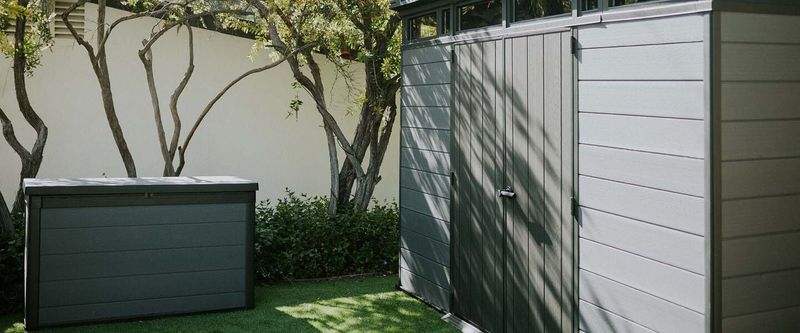
Clutter is a spider’s best friend, so tidying up is your strongest tool. A neat shed gives widows fewer places to hide and gives you fewer surprises.
Start with storage. Move small items into sealed plastic bins instead of open cardboard boxes, which spiders and insects love. Keep items off the floor when possible, using shelves or hooks.
Next, look at entry points. Seal gaps around windows, wall seams, and the foundation with caulk. Add or replace the door sweep so it touches the floor fully, and fix torn screens on any vents.
Outside, move firewood at least 20 feet from the shed and house if you can, and raise it off the ground. Trim back tall grass and shrubs touching the walls. Clear leaf piles and scrap lumber stacked against the siding.
Lighting matters too. Bright outdoor lights draw insects, and insects draw hungry spiders. Yellow bug lights or motion-sensor fixtures reduce that buffet.
A vacuum works well for webs and egg sacs you find. Empty the bag outdoors right away. Broad spraying of pesticides usually adds little benefit, since targeted cleanup does most of the work.
8. Your Shed Spiders Might Be Quietly Helping Your Garden
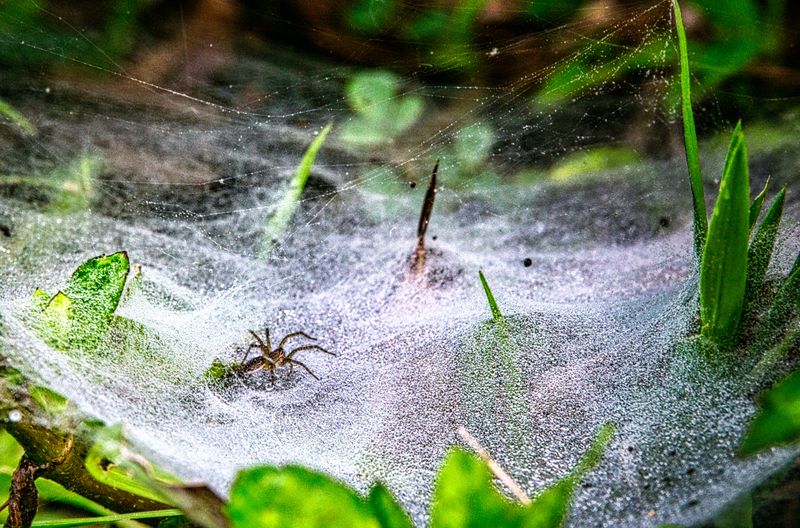
Here is a twist worth remembering. Most spiders in your Pennsylvania shed are not widows at all, and many are working for you.
Cellar spiders, wolf spiders, and funnel weavers snack on flies, mosquitoes, and garden pests all season.
Even widow spiders play a role. They catch beetles, crickets, and other insects that crawl along the ground. Penn State entomologists encourage people to respect spiders rather than fear them.
That does not mean you need a widow living beside your trowels. Removing one from a busy work area makes sense. A long-handled tool, a jar and lid, or a vacuum can handle the job safely.
Out in the woodpile or a rarely used corner, though, a little tolerance is reasonable. Give that space a wide berth, check before reaching, and let nature do its thing.
Think of this fall as a fresh start for your shed. Clean out one shelf at a time, store gloves smartly, and keep a flashlight handy. Teach kids to look before they touch.
With those habits in place, your Pennsylvania shed can stay a peaceful spot to potter around, even with a few quiet eight-legged tenants nearby.