The New York Hydrangea Chore to Finish Before Frost for Bigger Spring Blooms
Fall is the perfect moment to give your hydrangeas a little attention, and for gardeners in New York, a few simple chores can make a big difference next summer.
Those plump buds you see on the stems right now are holding next year’s flowers, so the goal this season is to protect them rather than trim them away.
Knowing which type of hydrangea you have makes every decision easier, because some bloom on old wood while others bloom on new growth.
From a gentle trim for panicle and smooth varieties to a deep watering before the ground freezes, each task is easy and rewarding.
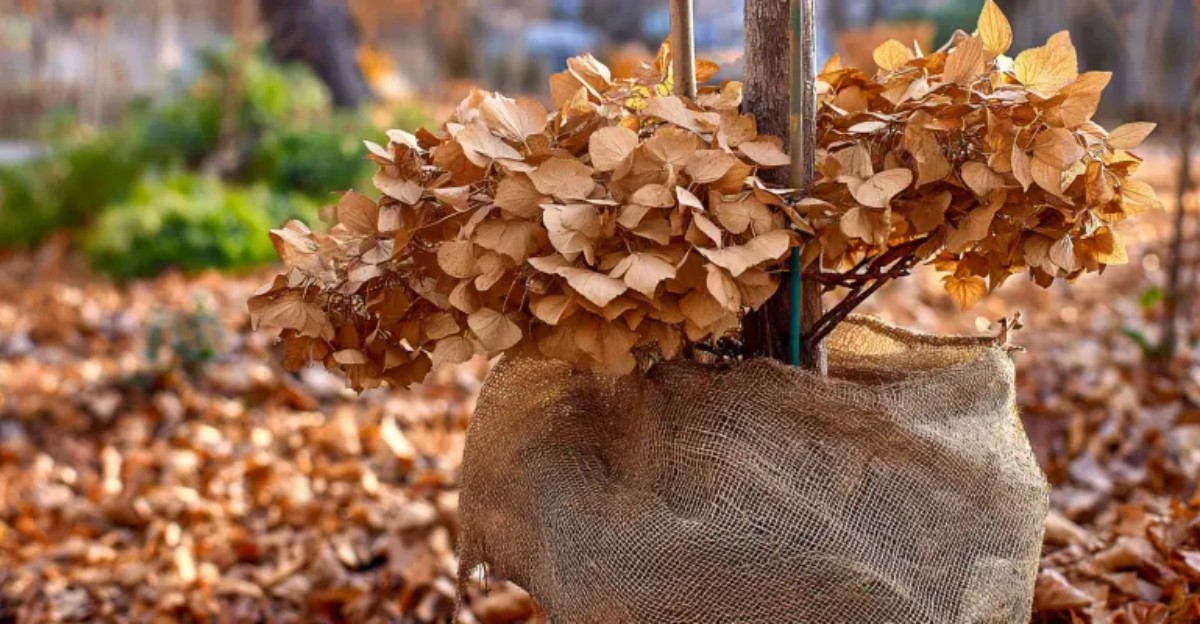
A cozy layer of shredded leaf mulch helps roots stay snug, and a burlap cage can shelter buds in the colder parts of upstate New York.
With a little patience and a few thoughtful steps, your shrubs will reward you with fuller, brighter blooms when June arrives.
Those Fat Hydrangea Buds Are Hiding Next Year’s Flowers
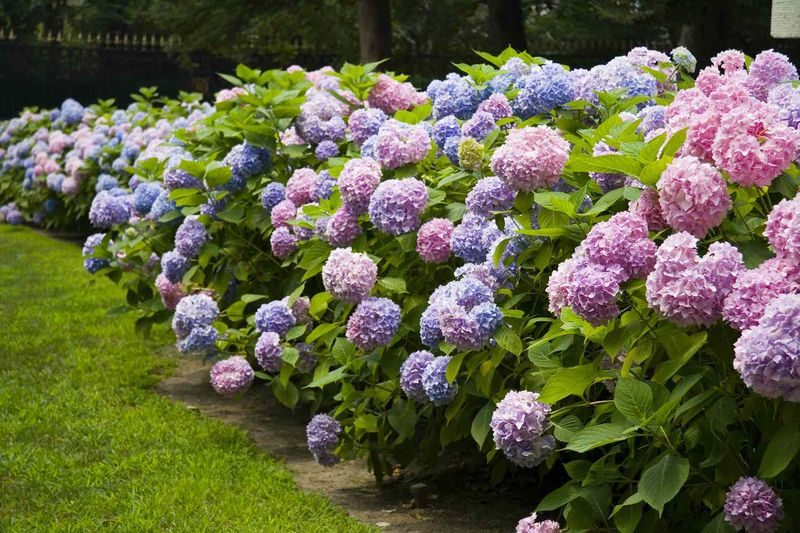
Take a close look at a bigleaf hydrangea in October and you will spot plump buds at the ends of its stems. Those little packages hold next summer’s flowers. Garden experts call this blooming on old wood.
Bigleaf hydrangeas, which include mopheads and lacecaps, set those buds in late summer and early fall. The buds then have to make it through the whole winter on the stem.
If a hard freeze, a snip of the pruners, or a hungry deer takes them, the shrub may grow leaves but skip the flowers.
That is why the most valuable fall chore is protecting those buds, not trimming them. Cornell Cooperative Extension and other experts point to winter bud damage and poorly timed pruning as top reasons hydrangeas fail to bloom in the Northeast.
I find it helpful to walk around my shrubs with a cup of coffee and simply count buds. It sounds silly, but it shows me which stems carry the most promise.
You will start seeing your plant as a treasure chest instead of a messy bush. Once you know where the flowers are hiding, every other decision this fall gets much easier.
Put the Pruners Down on Bigleaf and Oakleaf Hydrangeas
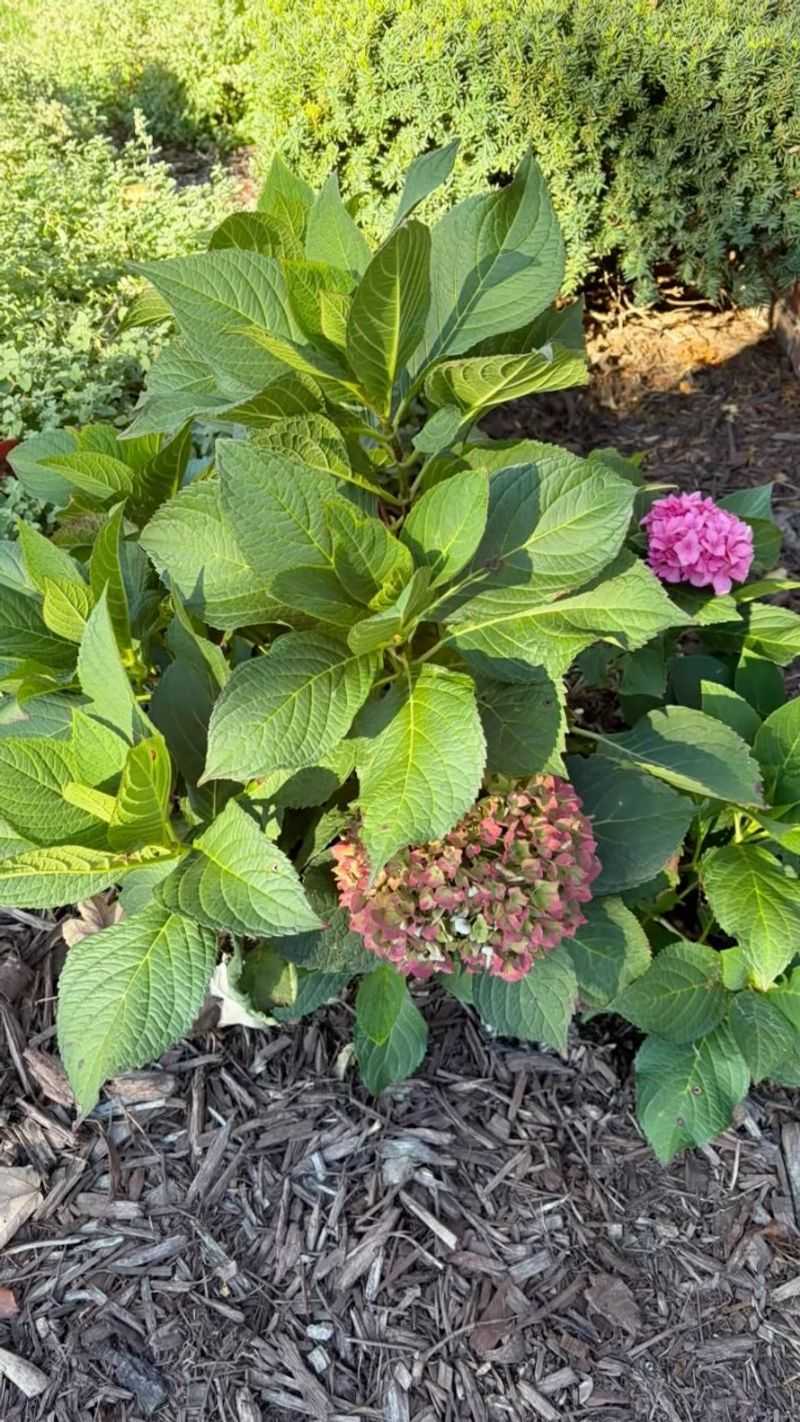
Here is the chore that surprises most people. For old wood bloomers, the best fall pruning is almost none at all.
Bigleaf, oakleaf, mountain, and climbing hydrangeas all carry their flower buds on last year’s stems. Cut those stems back in October and you remove next summer’s blooms in a few quick snips.
Extension specialists recommend pruning these types right after they finish flowering in summer, if at all. So what can you do now? Remove only stems that are broken, diseased, or clearly lifeless.
A lifeless stem is brittle, gray, and shows brown wood when you scratch the bark lightly with a fingernail.
I also leave the dried flower heads in place. They look charming with a dusting of snow, and many gardeners believe they give the buds just below a little shelter. You can tidy them in spring, cutting just above the first healthy pair of buds.
Reblooming types like the Endless Summer series flower on both old and new wood. They are a bit more forgiving, yet holding off on fall pruning still gives you the earliest and biggest show. Patience here pays off in color next June.
Panicle and Smooth Hydrangeas Happily Take a Fall Trim
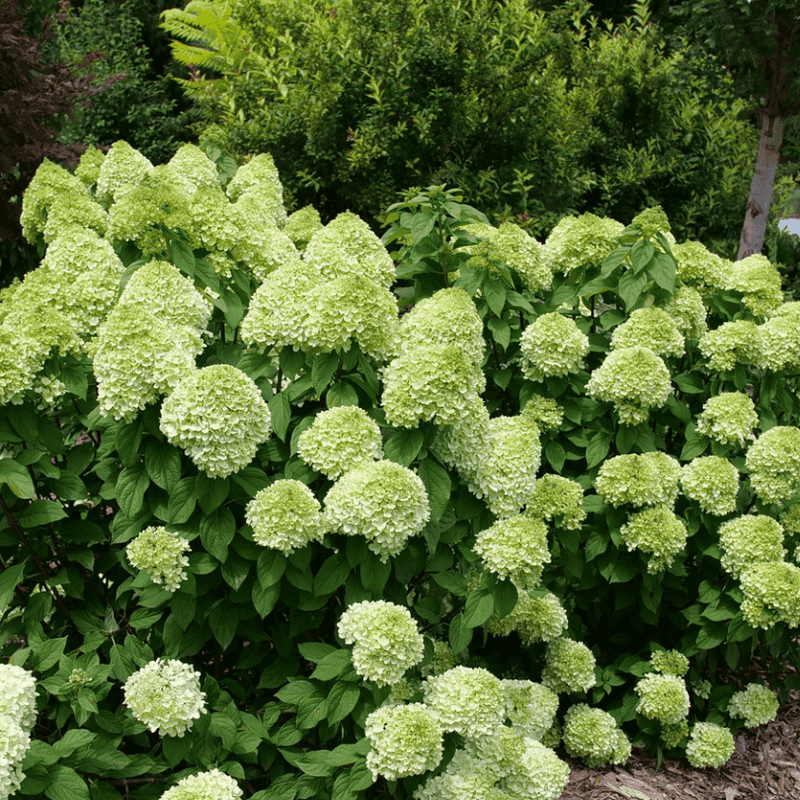
Good luck finding a tougher pair of shrubs than panicle and smooth hydrangeas. They shrug off cold that would trouble their bigleaf cousins.
Panicle types like ‘Limelight’ and smooth types like ‘Annabelle’ bloom on new wood. That means they build flower buds on stems that grow next spring. You can prune them in late fall, winter, or early spring without losing a single bloom.
For smooth hydrangeas, many gardeners cut stems back to about 12 to 18 inches. Leaving some height helps the new stems stand up better under heavy flower heads. Cutting to the ground works too, though floppy stems can follow.
Panicle hydrangeas do well when you remove about one third of their height and thin out weak or crossing branches. Keep a sturdy framework of thicker stems. Those strong stems hold up the big cone-shaped blooms in August.
A practical tip from my own yard: if you love the look of dried flowers in winter, wait until late winter to prune. Both choices work fine.
These shrubs are a smart pick for colder upstate areas where old wood buds often struggle to survive.
A Deep Drink Before the Ground Freezes Helps Hydrangea Roots
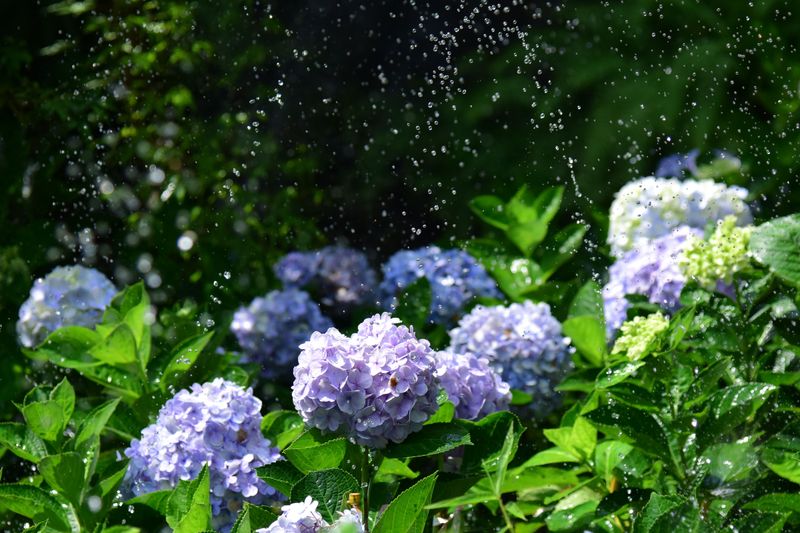
Hydrangeas get their name from water, and the Greek roots roughly mean water vessel. They truly live up to it.
Fall in New York can turn surprisingly dry, especially in September and October. A shrub that heads into winter thirsty has a harder time protecting its stems and buds from drying winter winds. Evergreens get most of the attention here, yet hydrangeas benefit too.
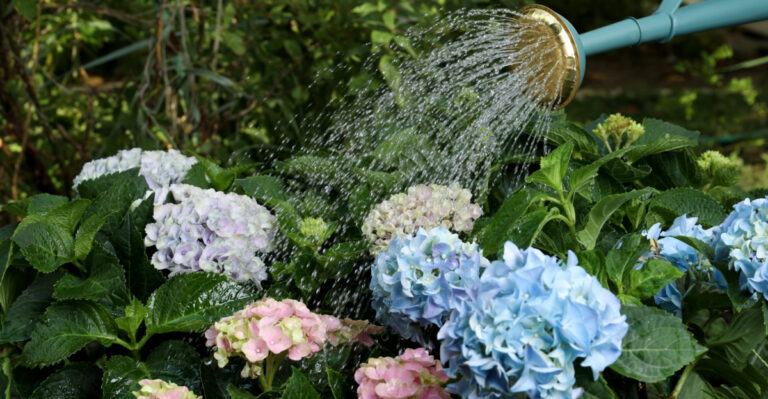
Give your plants a slow, deep soaking about once a week when rain is scarce. Aim for roughly an inch of water, letting it soak into the root zone rather than running off. A soaker hose or a slow trickle from a regular hose works nicely.
Keep going until the soil starts to freeze, usually in late November or December depending on your area. Morning watering gives the soil time to absorb moisture before nights turn cold.
I check moisture by pushing a finger a couple of inches into the soil. If it feels dry, the hose comes out.
Skip watering when the soil already feels soggy, since hydrangeas dislike sitting in wet, cold mud. Balanced moisture is the goal heading into the cold months.
Shredded Leaf Mulch Tucks Hydrangea Roots in for Winter
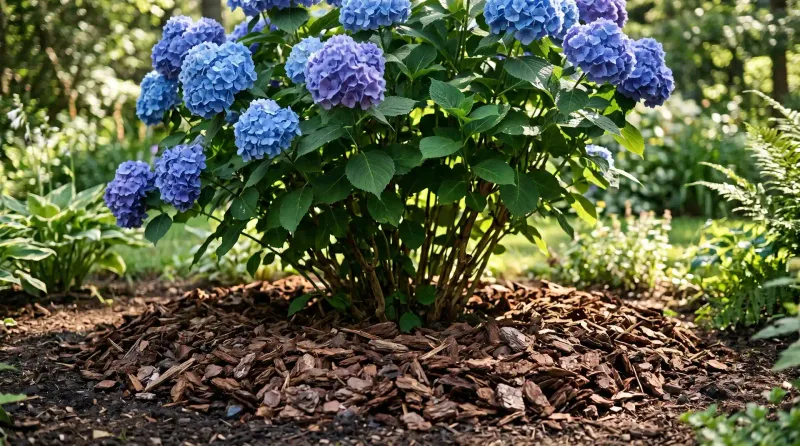
Fallen leaves are free, and your hydrangeas will gladly accept them. A good layer of mulch works like a blanket for the roots and crown.
Mulch keeps soil temperatures steadier through winter. That helps reduce frost heaving, which happens when repeated freezing and thawing pushes shallow roots up out of the ground. Young shrubs planted this year are especially prone to it.
Shredded leaves, pine needles, straw, or wood chips all work. Spread a layer about 3 to 4 inches deep around the base, extending out toward the drip line.
Many gardeners pile it deeper over bigleaf types to shelter low buds. Timing matters. Wait until after a few hard frosts or when the soil begins to firm up. Mulching too early can keep soil warm and invite voles and mice to move in for the season.
Leave a little gap right around the stems so bark stays dry. I run my mower over a pile of oak and maple leaves first, since shredded pieces stay put and break down nicely by spring. Your soil gets a slow helping of organic matter as a bonus.
Burlap Cages Shield Bigleaf Hydrangea Buds in Colder Zones
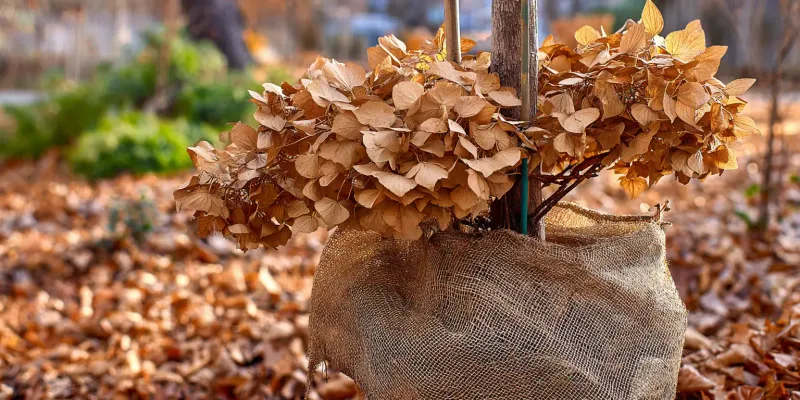
Upstate gardeners know the drill. When January nights turn severely cold, bigleaf hydrangea buds can be damaged even if the roots are fine.
New York spans roughly USDA zones 3 through 7. Long Island and New York City sit in the milder zone 7 range, where bigleaf hydrangeas often bloom reliably.
Areas around Buffalo, Syracuse, and the Adirondacks see much colder winters, and buds there benefit from extra protection.
A popular method is the leaf cage. Circle the shrub with chicken wire or garden fencing staked into the ground. Then fill the cage loosely with dry leaves or straw, and wrap the outside with burlap.
Avoid plastic, which traps moisture and heat on sunny days. Keep the wrapping loose so you do not crush or snap the stems and their buds.
Set this up after the shrub goes dormant and temperatures stay cold, usually late November. Remove it gradually in spring once hard freezes have passed, often around April or early May.
I unwrap mine on a cloudy day so tender buds avoid a sudden blast of sun. It takes an afternoon, and the reward is flowers.
Skip the Late Fertilizer on Your Hydrangea Shrubs
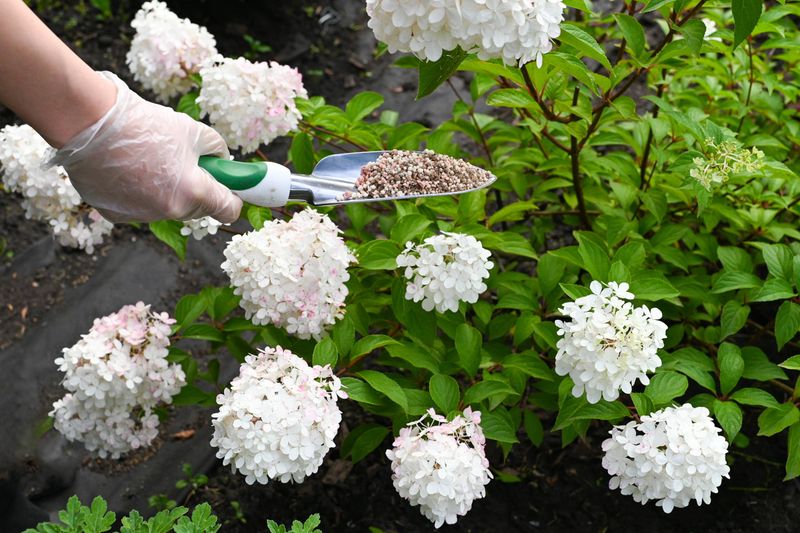
Feeding a plant sounds kind, yet fall fertilizer can backfire. A quick boost of nitrogen pushes soft new shoots right when the shrub should be slowing down.
Those tender shoots have little time to toughen before frost. Cold weather can damage them, and that stress carries over into spring. Most extension guides suggest finishing hydrangea feeding by midsummer, around July.
Hydrangeas actually prefer to settle into rest on their own schedule. Shorter days and cooler nights signal the plant to harden stems and store energy. Letting that process happen naturally sets up healthier growth next year.
If you want to help your soil, compost is a gentle choice. A thin layer spread in late fall feeds soil life slowly without forcing growth. Come spring, a balanced slow-release fertilizer can follow as new leaves appear.
A fun bit worth knowing: on bigleaf hydrangeas, soil chemistry affects flower color. Acidic soil with available aluminum tends to produce blue blooms, while more alkaline soil leans pink.
Some gardeners apply soil amendments in fall to adjust color for next season, and a soil test from your local Cornell Cooperative Extension office is a smart first step.
Know Your Hydrangea Type Before Next Fall Rolls Around
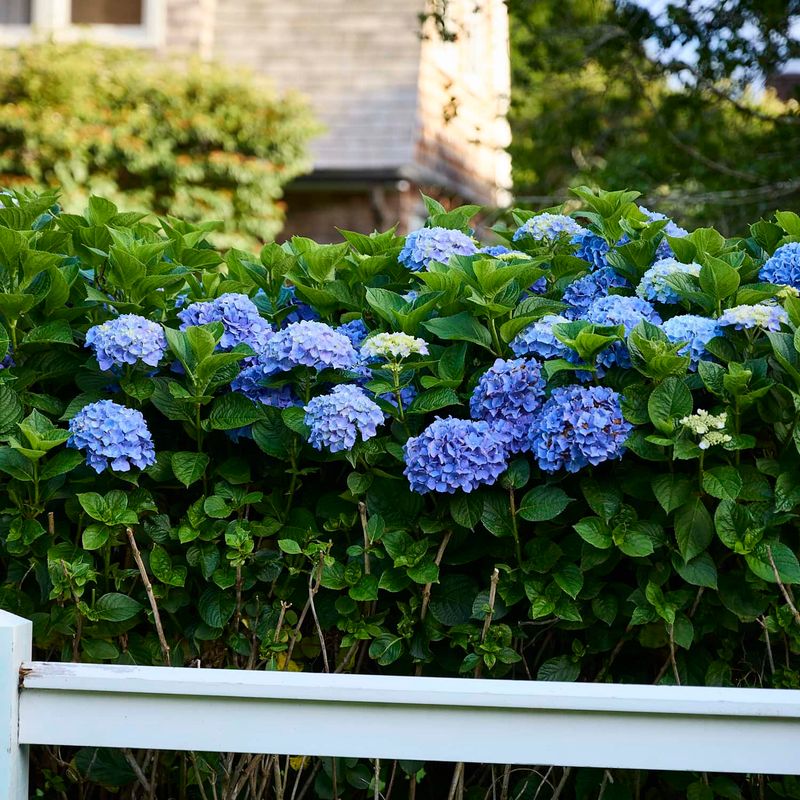
My best gardening upgrade cost nothing at all. I finally learned which hydrangeas I was growing.
Leaves and flowers give strong clues. Bigleaf types have large, glossy leaves and round or flat clusters in blue or pink.
Oakleaf types have lobed leaves shaped like oak leaves. Panicle types carry cone-shaped blooms, and smooth types show big white snowball heads.
Once you know the type, the fall plan becomes simple. Protect old wood bloomers and leave their stems alone.
Trim new wood bloomers whenever it suits your schedule between late fall and early spring.
I keep the plant tags in a small folder, and I snap a photo of each shrub in bloom. That way I am not guessing when October arrives.
If the tag is long gone, local nurseries and extension master gardeners can help identify your plant from a photo.
Next summer, watch how each shrub responds to the care you gave it this fall. Jot a few notes about bloom size and timing.
Little records like these turn a confusing chore into an easy yearly habit, and your garden will show the difference with fuller, brighter flowers.