This Venomous Spider Might Be Sharing Space With You In Washington So Watch Where You Reach
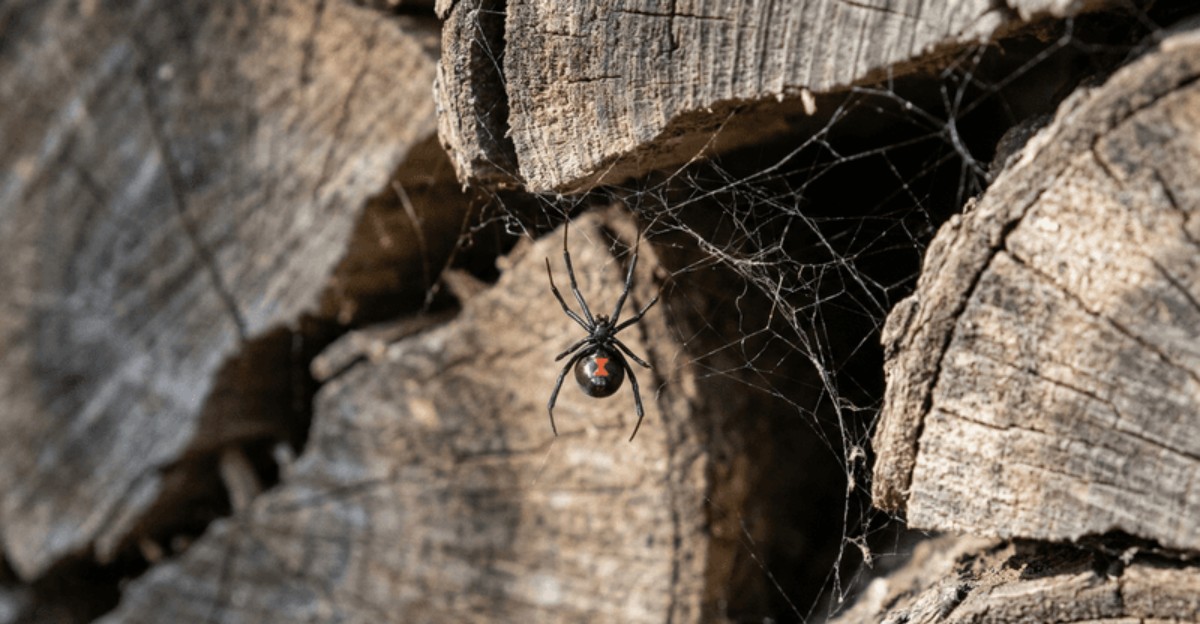
A spider no bigger than a jellybean carries venom that experts rate as stronger, drop for drop, than a rattlesnake’s. Even stranger, she spins a web so tough it can crackle when you tear through it.
She hides out in woodpiles, meter boxes, and the dark gap under your patio chair. These days, I give those shadowy spots a quick look before my fingers go in. Gloves have become my best garden buddy.
Here in Washington, she is more common than many gardeners realize, especially on the drier east side. Her bites are rare, and she would much rather stay hidden in her tangled lair than tangle with you.
So how do you spot her, and what should you do if you meet? I think a few simple habits make a big difference, and some of the other spiders blamed for scary bites might surprise you more than she does.
That Shiny Black Spider Tucked In Your Woodpile Carries A Famous Red Mark
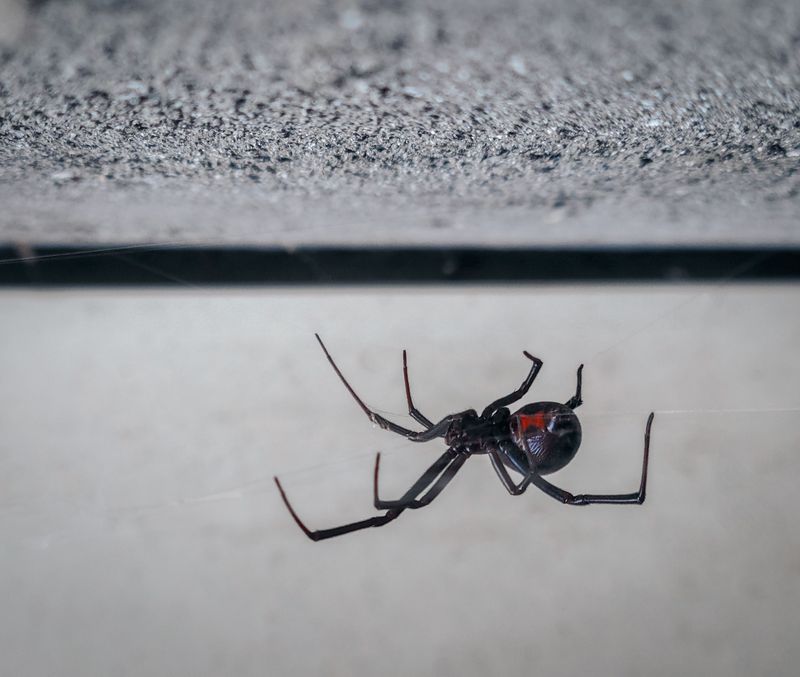
Out of the hundreds of spider species living around the state, only one is considered truly dangerous to people. That honor goes to the western black widow, known to scientists as Latrodectus hesperus.
I find it fascinating that such a small creature earns so much attention. The female’s body is only about half an inch long, yet her venom contains a nerve toxin called latrotoxin. It affects nerves and muscles rather than damaging skin around the bite.
She shows up across Washington, but you are most likely to find her east of the Cascades. Places like Spokane, Yakima, and the Tri-Cities have the dry, warm conditions she loves. Western Washington has her too, though sightings are less frequent in the cool, damp Puget Sound region.
Black widows are shy homebodies. A female often stays in the same web for months, waiting quietly for beetles, crickets, and other insects to stumble in. She is not out roaming your lawn looking for trouble.
Most bites happen by accident, when a hand presses against her hiding spot. Knowing who she is and where she lives is your first and best defense. With that awareness, you can keep gardening with confidence instead of worry.
Look Underneath And The Red Hourglass Gives Her Away
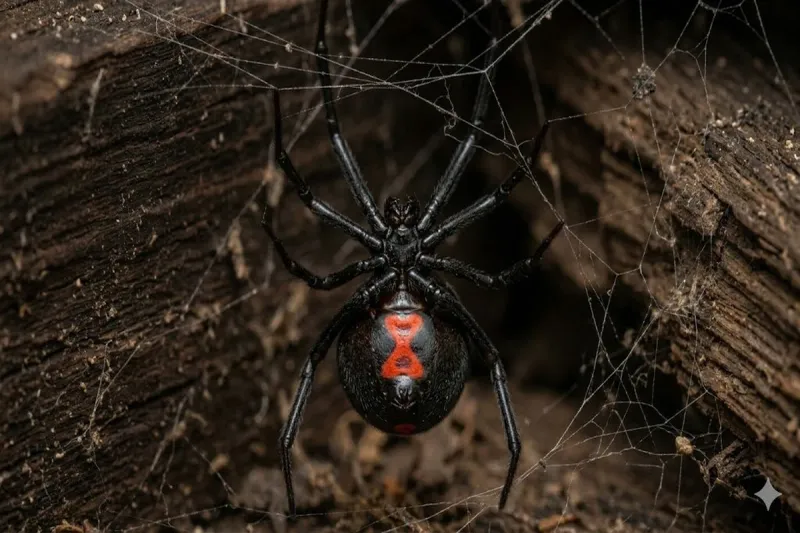
Spotting a mature female is easier than you might expect. Look for a glossy, jet-black body with a round, shiny abdomen about the size of a pea.
The giveaway sits underneath. A bright red or orange hourglass shape decorates her belly, and since she usually hangs upside down in her web, that mark is often facing you. Some females show a slightly broken hourglass, which looks more like two red triangles.
Males are a different story. They are much smaller, slimmer, and tan or brown with lighter stripes. Their fangs are too small to cause trouble for people, so they are rarely a concern.
Young black widows can fool you too. Juveniles often wear cream, orange, and brown patterns before darkening as they grow. If you see a small striped spider in a messy web near the ground, it may simply be a black widow in training.
Here is a handy trick I use. Grab a flashlight and peek without touching, since the shiny body reflects light nicely. Never poke at a suspected widow with bare fingers, and snap a photo instead if you want help confirming what you found. Your local WSU Extension office can help with identification.
Messy Cobwebs Near The Ground Are Her Calling Card
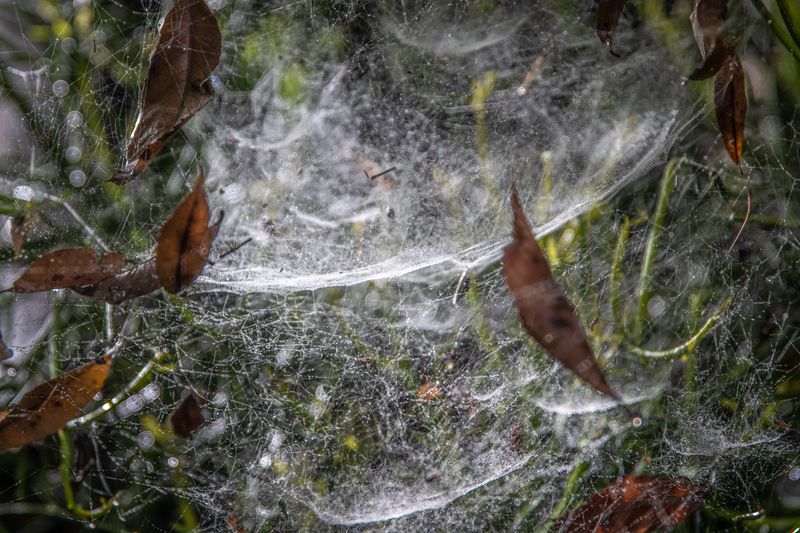
Forget the pretty wheel-shaped webs you see sparkling with morning dew. Black widows spin a tangled, messy cobweb that looks like someone dropped a handful of silk threads and walked away.
Those webs are usually built low and in protected, dark corners. Favorite spots include woodpiles, irrigation and water meter boxes, rock walls, and the undersides of outdoor furniture. Garages, sheds, crawl spaces, and stacks of empty flower pots are also prime real estate.
The silk feels surprisingly strong and sticky. If you brush through it, you may notice a faint crackling sound. That texture is one of my favorite field clues because few other common spiders produce such tough strands.
Gardeners should also keep an eye out for egg sacs. They look like small, round, papery balls in tan or off-white, tucked into the web. Each one can hold a few hundred eggs, so removing them with a stick or vacuum helps keep numbers in check.
Activity peaks in the warmer months, from late spring through early fall. During that stretch, check any spot that stays shaded and undisturbed for weeks. If it is dark, dry, and quiet, a widow may have claimed it.
A Black Widow Bite Feels Different From A Bee Sting
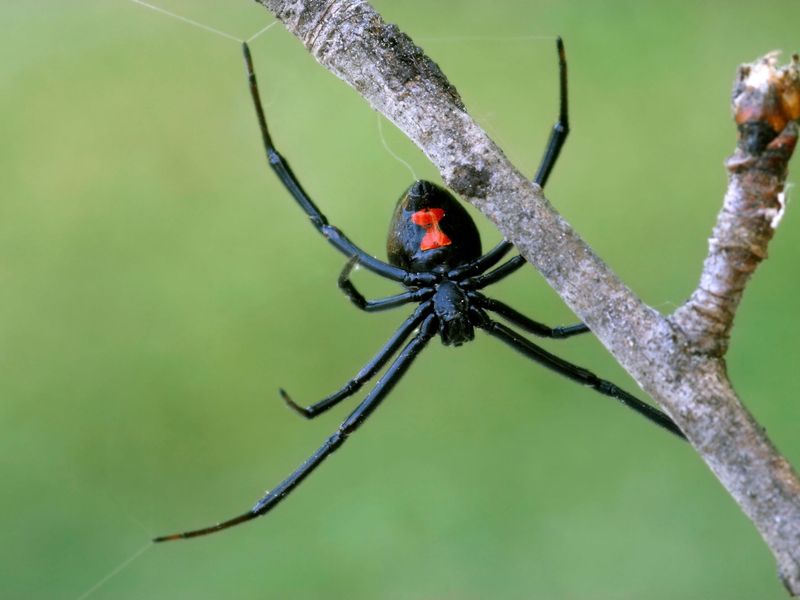
Many people describe the first moment of a widow bite as a tiny pinprick. Some barely notice it, and that quiet start is what catches folks off guard.
Symptoms often build over the next 30 minutes to a few hours. Common signs include muscle cramps that spread from the bite area, stiffness in the belly, back, or chest, sweating, nausea, headache, and a rise in blood pressure. The bite spot itself may show only faint redness or two small marks.
Washington health officials recommend washing the area with soap and water, then applying a cold pack for 10 minutes at a time. Stay calm and keep the bitten limb still. If possible, safely capture or photograph the spider for identification.
Seek medical care right away if cramping, spreading pain, or other body-wide symptoms appear. Young children, older adults, and people with heart conditions should get checked promptly even with mild signs. You can also call the Washington Poison Center at 1-800-222-1222 for quick advice.
Serious outcomes are rare in healthy adults, and effective treatments exist. Doctors can manage pain and muscle spasms, and antivenom is available for severe cases. Getting help early makes recovery much smoother.
Thick Gloves And A Flashlight Keep Your Hands Safe In The Garden

My gardening routine changed for the better the day I started keeping a small flashlight in my tool bucket. A quick glance into a dark corner takes two seconds and saves a lot of stress.
Thick leather or canvas gloves are your next line of defense. Wear them when moving firewood, lifting pots, pulling weeds along fences, or opening irrigation boxes. Thin cloth gloves offer less protection against curious fangs.
Shoes and clothing matter too. Shake out boots, gloves, and jackets that have been sitting in a garage or shed before you put them on. Widows love tucking themselves into folds and toes, and getting pressed against skin is a common reason they bite.
A few other habits help:
Use a stick or long-handled tool to lift lids and covers first. Stack firewood off the ground and away from the house, and bring in only what you will burn soon. Avoid reaching blindly under decks, benches, or stone edging.
Kids should learn the shiny black spider look as well. Teach them to point and call an adult instead of grabbing. These small steps make gardening safer without turning every chore into a nervous adventure.
Hobo Spiders And Brown Recluses Get Blamed For Way Too Much
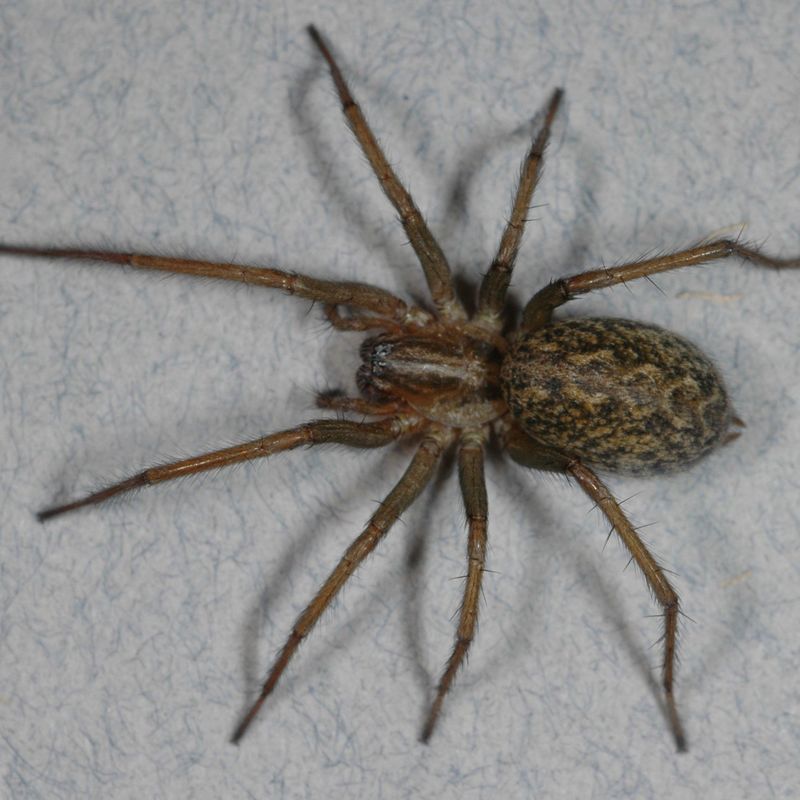
Plenty of scary stories floating around online point the finger at the wrong spider. Two of the biggest scapegoats are the hobo spider and the brown recluse.
For years, hobo spiders were accused of causing nasty skin wounds. Newer research, including work cited by Washington State University, found no solid evidence that their bites cause tissue damage. Many experts now consider them a nuisance rather than a medical concern, and the CDC removed them from its list of venomous spiders of concern.
The brown recluse story is even simpler. This spider is not established in Washington, and confirmed finds are extremely rare, usually tied to items shipped from the central or southern United States. Most brown spiders spotted here are harmless look-alikes like funnel weavers or cellar spiders.
So what about those mystery red bumps? Doctors note that many sores blamed on spiders are actually bacterial skin infections, including MRSA, or reactions to other insects. That is why any spreading, painful, or pus-filled wound deserves a doctor’s visit.
Yellow sac spiders can deliver a sting-like bite, but effects are mild and fade within days. Of all the eight-legged locals, the black widow remains the one that truly warrants caution.
A Tidy Shed And Sealed Cracks Send Black Widows Packing

Clutter is basically a welcome mat for widows. Fewer hiding spots means fewer surprise encounters, and a little tidying goes a long way.
Start with the shed and garage. Store pots, tools, and boxes on shelves instead of the floor, and use sealed plastic bins rather than cardboard. Sweep or vacuum corners regularly, and dispose of the vacuum bag outside so captured spiders and egg sacs stay gone.
Around the house, seal gaps around doors, windows, pipes, and vents with caulk or weatherstripping. Door sweeps help a lot. Outdoor lights attract insects, which in turn attract hungry spiders, so yellow bulbs or motion lights can reduce the buffet.
Out in the yard, clear piles of debris, old lumber, and unused containers. Trim plants back from foundations and keep firewood stacks well away from walls.
Broad pesticide sprays are rarely the answer. They can harm beneficial insects and often miss spiders hiding deep in cracks. Removing individual widows with a long tool or vacuum works better, and a licensed pest professional can help with heavy problems.
Respect, not fear, is the real takeaway. With smart habits, you and these shy neighbors can share the garden peacefully.