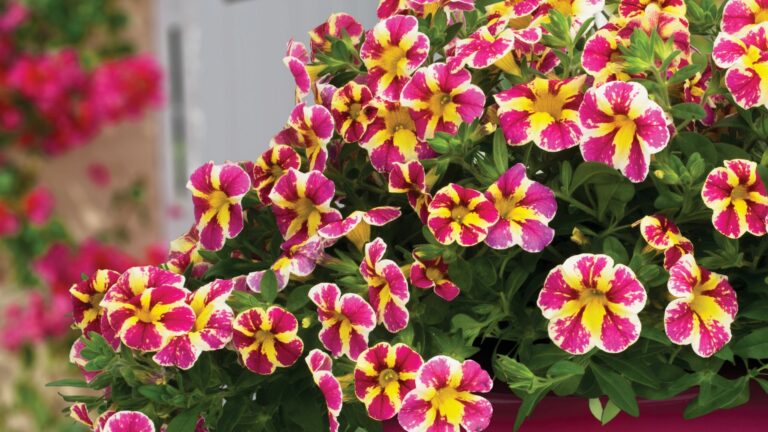
8 Ways To Keep Your Geraniums Blooming Indoors Through The Whole Winter
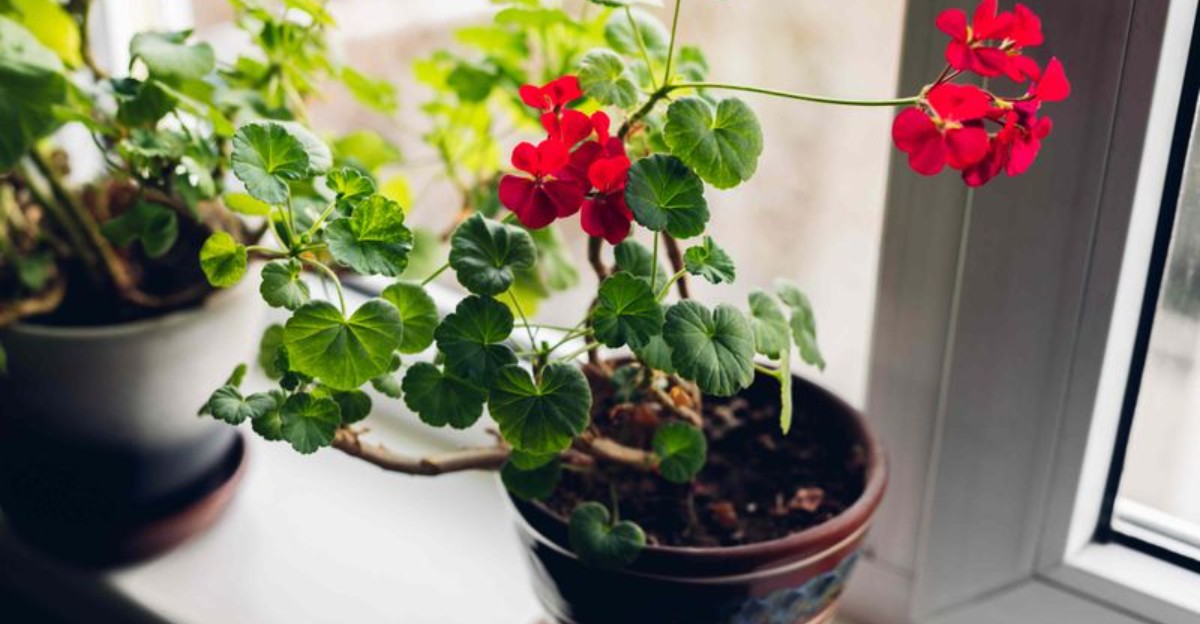
That cheerful red flower spilling from porch pots every single summer is not really an annual at all. In South Africa, where the plant originates, its wild ancestors grow for years as shrubby, sun-loving tender perennials.
Frost ends the outdoor show, but a sunny windowsill can keep those bright clusters coming for months. Victorian gardeners knew this trick and filled chilly parlors with potted color while snow piled high outside.
I’ll be honest, my first attempt produced a sad tangle of pale stems and exactly two lonely flowers. Call me stubborn, but I kept experimenting until my kitchen window glowed with red and coral blooms.
You’d think winter blooming takes fancy equipment, but most of the magic comes from small daily choices. So which simple changes turn a sulking houseplant into a winter showpiece on your own bright and sunny sill?
1. Your Sunniest South Window Belongs To The Geraniums
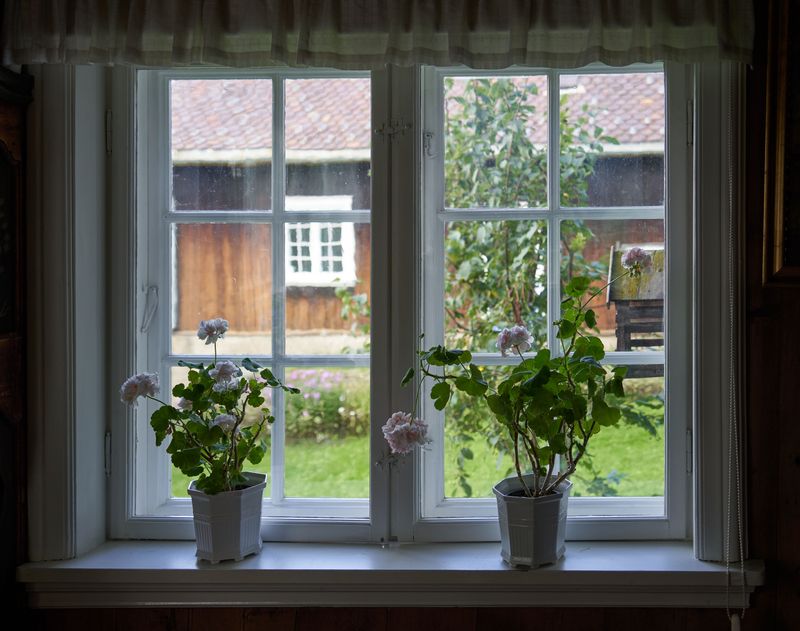
Geraniums are true sun worshippers, and they sulk quickly when winter light fades to a weak gray glow. I swear mine turn their faces toward the glass like little kids waiting for the school bus.
Most extension experts suggest giving them at least six hours of bright light every single day indoors. A south-facing window usually delivers the strongest winter sun, with west windows coming in as a solid backup.
East and north windows rarely provide enough energy for flower buds during the short days of the year. Plants in those spots often keep their leaves but quietly stop producing the colorful clusters you want.
Rotate each pot a quarter turn every few days so every side of the plant gets its share. Skipping this step leaves you with a lopsided geranium that leans hard toward the window like a curious neighbor.
Keep the glass clean during winter, because dust and hard water spots can block more light than you expect. I give my windows a quick wipe every month, and the plants seem to respond with brighter blooms.
Watch the leaves pressed against cold glass, since frosty nights can chill tissue and leave brown, mushy patches. Pull the pots back a few inches on bitter evenings, then slide them forward again when morning sun arrives.
Pale new leaves and long gaps between leaf joints are clear signs your plant wants more light. Listen to those clues early, and you can fix the problem before the flowering season fizzles out.
2. Grow Lights Give Geraniums An Extra Dose Of Daylight
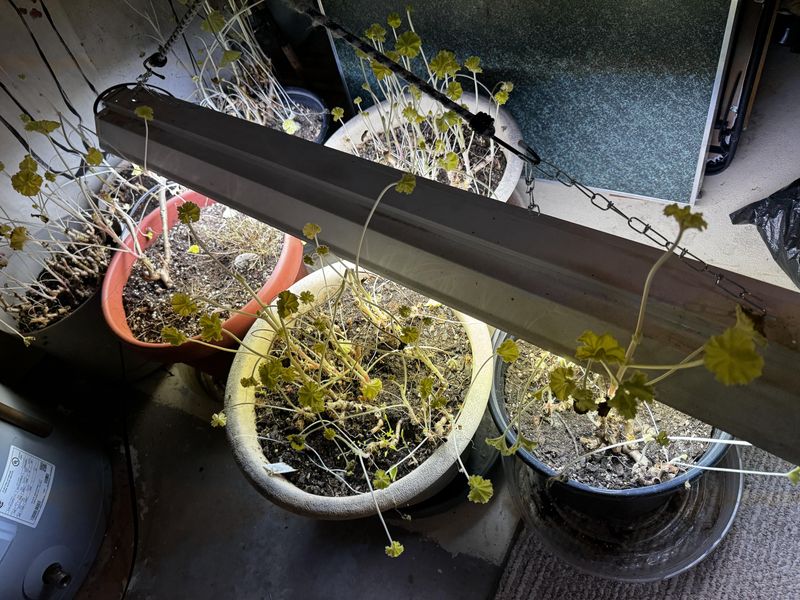
Cloudy weeks can stretch on forever in some northern states, leaving even a south window surprisingly dim. That is when a simple grow light turns into the best gardening purchase I make all year.
Colorado State and other extension services note that geraniums bloom well under fluorescent or LED lights indoors. Place the bulbs about six to twelve inches above the leaves for strong, compact growth without scorching.
Plants grown entirely under lights usually need about fourteen to sixteen hours of light each day. A cheap plug-in timer handles the schedule for you, so you are not flipping switches at midnight.
Full-spectrum LED shop lights work nicely and stay cool enough to sit close without harming tender foliage. They also use less electricity than older tubes, which my wallet appreciates during the long heating season.
Plants still appreciate darkness, so avoid running lights all night long in hopes of extra blooms. Like us, geraniums seem to do better with a regular rhythm of bright days and restful nights.
Raise the fixture as stems grow, keeping that same gap between the bulbs and the top leaves. Let the plant creep too far below the light, and stretched, floppy stems soon start reaching upward.
Don’t laugh, but my basement shelf of glowing geraniums has become my favorite spot on gloomy afternoons. Even a small single fixture over two pots can make a noticeable difference in winter flower production.
3. Cool Nights Keep Geraniums Compact And Covered In Buds
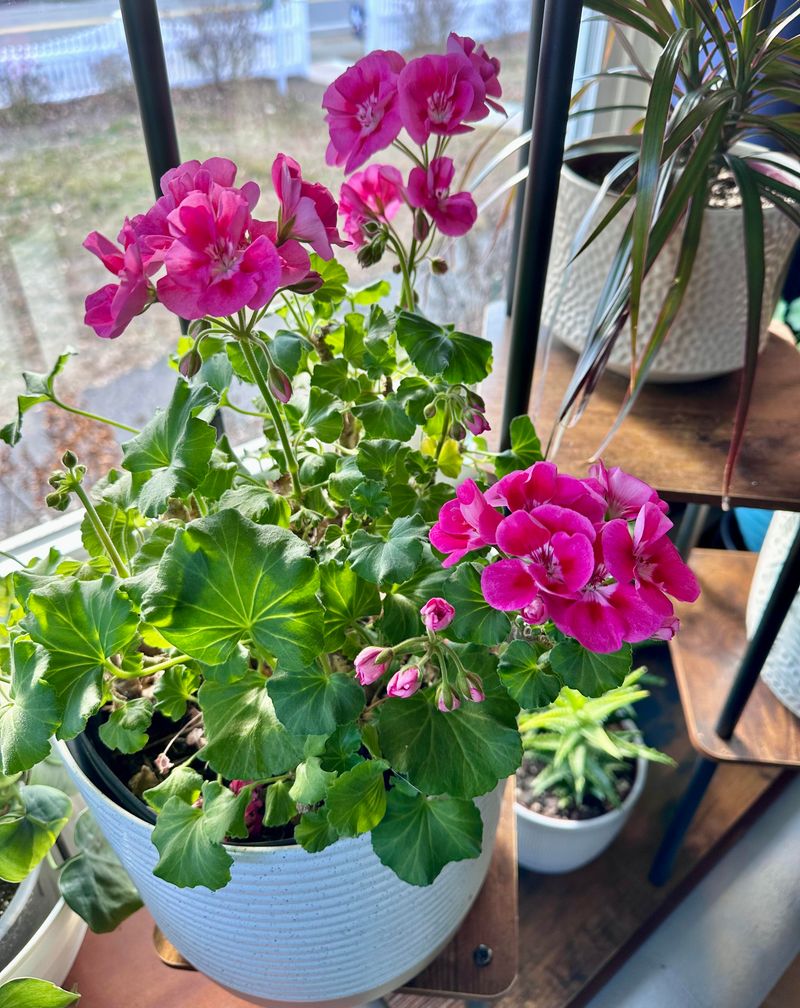
What surprised me most was learning that geraniums actually prefer homes slightly cooler than many people keep theirs. Warm, stuffy rooms push soft stretchy growth, while cooler air encourages sturdy stems and plenty of buds.
University of Wisconsin experts suggest daytime temperatures around the middle to upper sixties for healthy indoor geraniums. Nighttime temperatures in the fifties work nicely, giving plants a gentle drop that mimics their natural home.
A sunroom, enclosed porch, or cooler spare bedroom often makes a fantastic winter home for potted plants. My chilly back hallway window turned out to be the happiest spot in the whole house.
Keep pots away from heating vents and radiators that blast hot, dry air across the leaves all day. Constant heat dries the soil fast and often causes yellow leaves to drop off one after another.
Drafts matter too, especially near outside doors that swing open to icy air several times a day. Sudden temperature swings stress the plant, and stressed geraniums usually stop flowering until they settle down again.
A cheap thermometer near your windowsill tells you far more than guessing from your thermostat across the room. Windows can run several degrees colder than the center of the room, especially late on winter nights.
Trust me on this one, a slightly cool room is worth putting on a cozy sweater. Your geraniums will reward that small sacrifice with tighter growth and more clusters of cheerful color.
4. Let The Soil Dry Before Watering Your Potted Geraniums
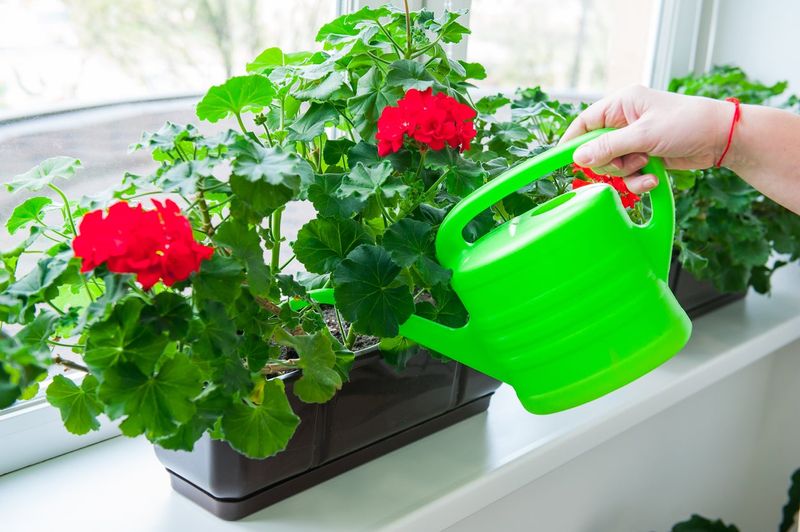
More indoor geraniums struggle from too much water than from too little, according to many extension horticulturists. I learned the hard way after drowning a beautiful salmon-pink plant with my overly generous watering can.
These plants come from dry regions of southern Africa, so their roots dislike sitting in soggy soil. Wet, airless potting mix invites root rot, which turns healthy roots brown and mushy below the surface.
Before reaching for the watering can, push a finger about an inch into the soil and feel. Water only when that top layer feels dry, rather than following a strict calendar every single week.
When you water, soak the pot thoroughly until water flows from the drainage holes at the bottom. Empty the saucer afterward, because roots resting in a puddle can suffer just like those in soggy soil.
Plants in cool rooms with weak light drink much less than they did on a summer patio. In my house, that often means watering every week or two instead of every other day.
Lifting the pot is another handy trick that becomes second nature after just a few tries. A dry pot feels surprisingly light, while a freshly watered one feels heavy and solid in your hands.
Room temperature water is kinder to roots than icy water straight from a cold winter tap. Try watering in the morning so any splashes on the leaves dry before the cooler evening hours.
5. Light Feedings Of Bloom Fertilizer Fuel Winter Flowers
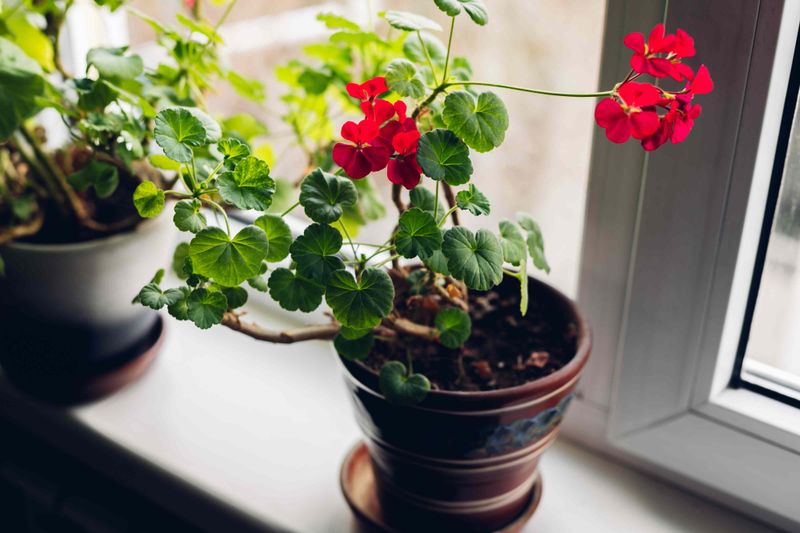
Geraniums in winter are a bit like sleepy teenagers, growing slowly and needing smaller meals than usual. Heavy feeding during short days often does more harm than good, so a light hand works best.
Many extension guides recommend a balanced or bloom-boosting liquid fertilizer mixed at half the label strength. Apply it roughly once a month, but only while the plant is actively pushing out new leaves or buds.
The numbers on a fertilizer label stand for nitrogen, phosphorus, and potassium in that exact order. Too much nitrogen pushes lush green leaves, sometimes at the expense of the flowers you actually want.
If your geranium seems to be resting with no new growth, skip feeding until it wakes up. Fertilizer that the roots cannot use simply builds up in the pot as salty crust over time.
White crust on the soil surface or pot rim is a clue that salts are piling up. Flush the pot with plenty of plain water every couple of months to rinse those extra salts away.
Water the soil first, then add fertilizer, since feeding a bone-dry plant can burn the tender roots. I’m not proud of this, but I once scorched a whole pot by skipping that simple step.
Slow and steady feeding keeps the plant strong enough to support a fresh round of blossoms. Think of it as packing a healthy snack rather than serving a giant holiday dinner every week.
6. Pinch Leggy Stems And Snap Off Faded Geranium Blooms
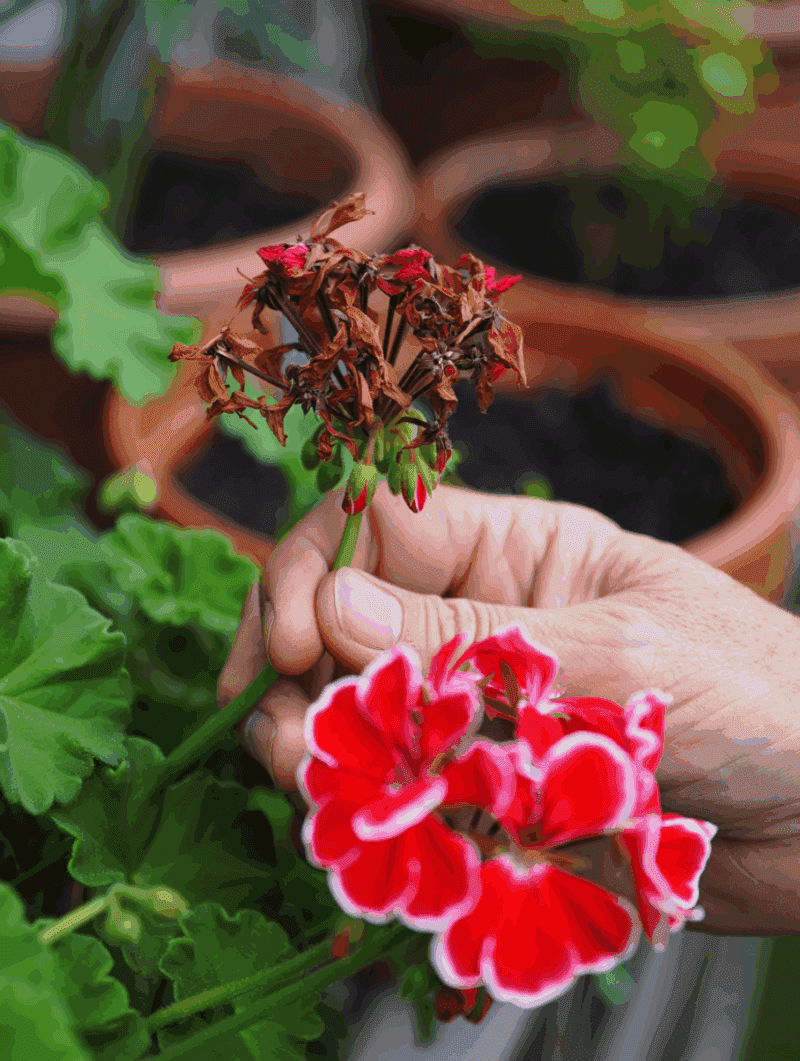
Snapping off a faded flower cluster makes a satisfying little pop, and my geraniums seem grateful every time. Old blooms left on the plant send energy toward seeds instead of toward fresh new flower buds.
Follow the flower stalk down to where it meets the main stem, then snap or snip it cleanly. Leaving bare stalks behind looks messy and can give gray mold a convenient place to settle in.
Pinching works differently, focusing on the growing tips of long stems that start stretching toward the window. Remove the tip just above a leaf joint, and the plant usually responds by sending out side branches.
More branches mean more places for flower clusters to form, creating a fuller plant with extra color. Guilty as charged, I used to avoid pinching because removing healthy growth felt wrong and wasteful.
Many gardeners cut plants back by about one-third to one-half before bringing them inside in fall. That trim reduces stress during the move and makes room for compact new growth on a sunny sill.
Those stem pieces you remove can become new plants, since geraniums root fairly easily from cuttings. Tuck four-inch tips into moist potting mix, and many will form roots within a few weeks indoors.
Make pinching a weekly habit, just like checking the soil or turning the pot toward the sun. Small, regular trims keep the plant shapely without the shock of a dramatic haircut all at once.
7. Check Geranium Leaves For Whiteflies And Aphids
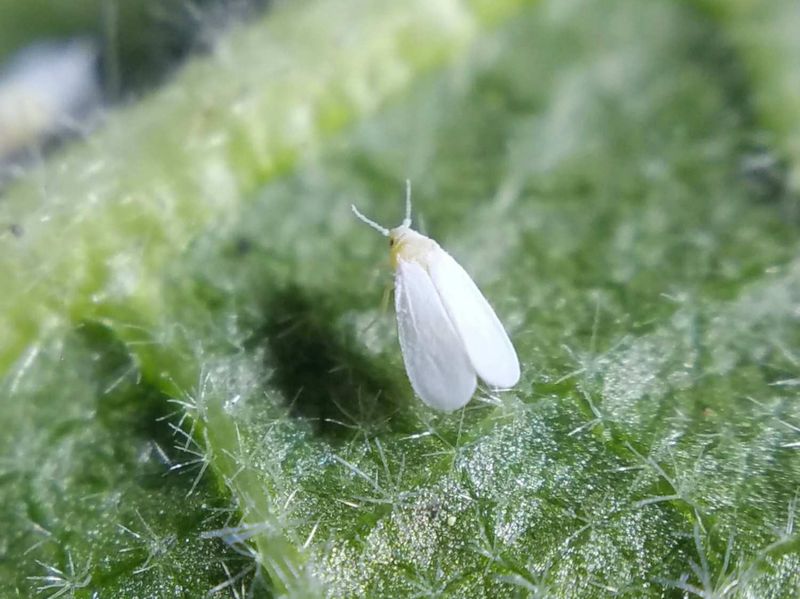
A cloud of tiny white insects rising when you brush the leaves is a sight no gardener enjoys. Whiteflies love geraniums, and they often sneak indoors on plants that spent summer outside on the patio.
Aphids and spider mites are other common pests, especially on plants stressed by warm, dry indoor air. Before moving pots inside, inspect the undersides of leaves and the tender growing tips very carefully.
I’ll admit my reading glasses come out for this job, because many pests are smaller than a sesame seed. A quick rinse with lukewarm water from a hose or sink sprayer knocks off many hitchhikers easily.
Insecticidal soap is a gentle option recommended by many extensions for soft-bodied pests like aphids and whiteflies. Follow the label closely and test a few leaves first, since some varieties are more sensitive than others.
Yellow sticky traps placed near the plants help you spot whiteflies early, before the population grows large. They also catch fungus gnats, which hover around damp potting mix and annoy anyone sitting nearby.
Keep newly arrived plants separate from your other houseplants for a couple of weeks if possible. That short waiting period gives hidden pests time to show themselves before they spread across your collection.
Make a habit of peeking under a few leaves every time you water during winter. Catching trouble early keeps your plant’s energy focused on flowers instead of feeding a crowd of hungry pests.
8. Good Airflow Protects Geraniums From Gray Mold
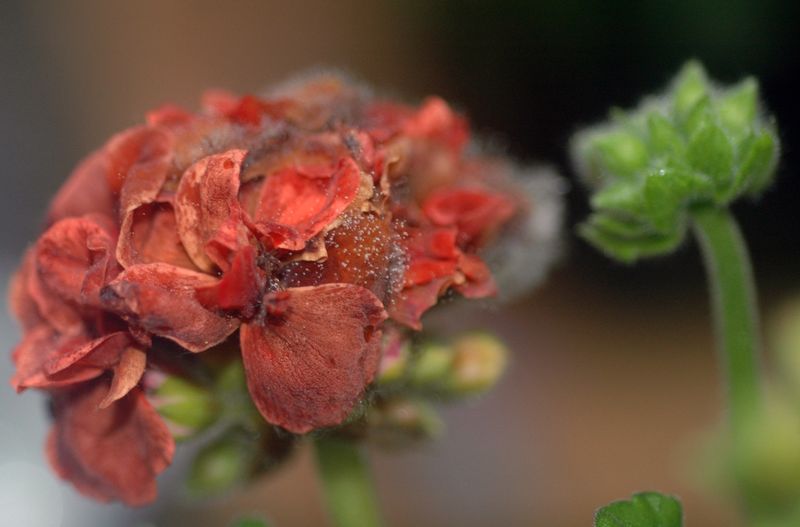
Fuzzy gray spots on faded petals are often the first sign of botrytis, a fungus that loves still air. Gardeners call it gray mold, and crowded winter windowsills can become its favorite hangout surprisingly fast.
Cool temperatures combined with damp leaves and stagnant air give this fungus exactly what it needs to spread. Removing faded flowers promptly matters here, since old petals often serve as the first landing spot.
Space your pots so leaves from neighboring plants are not pressed together like commuters on a crowded train. A little breathing room lets air move freely and helps damp foliage dry much faster after watering.
A small oscillating fan on low speed nearby can keep air gently moving throughout the day. You’ll catch me adjusting mine constantly, because a light breeze helps while a strong blast dries plants out.
Water the soil directly instead of sprinkling over the top, keeping leaves and blossoms as dry as possible. Wet foliage that stays damp overnight gives fungal spores plenty of time to settle in and grow.
Geraniums also handle typical dry indoor air better than many houseplants, so misting is usually unnecessary. Extra moisture on the leaves may cause more trouble than benefit, especially in a cool, quiet room.
Pick off any spotted leaves or moldy flowers right away and toss them in the trash. Fresh moving air and tidy plants help your winter windowsill stay bright with healthy blooms until spring.