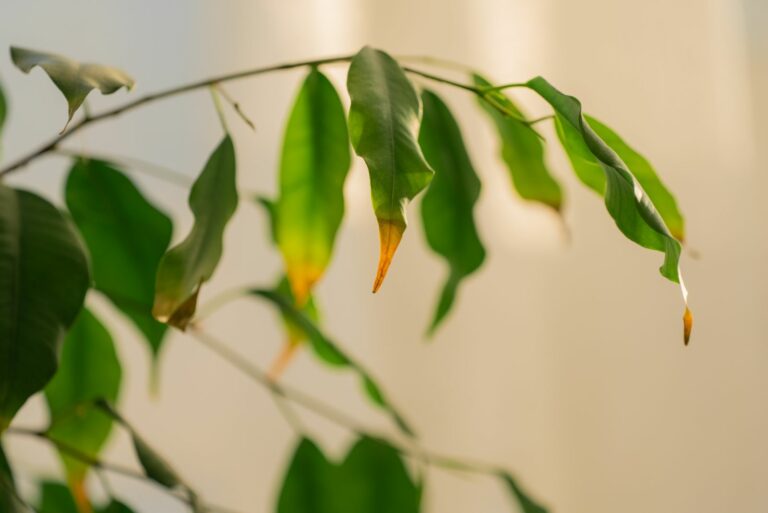
This Year’s Tree Loss In New Hampshire Raises Concerns Among Foresters, And Here’s Why
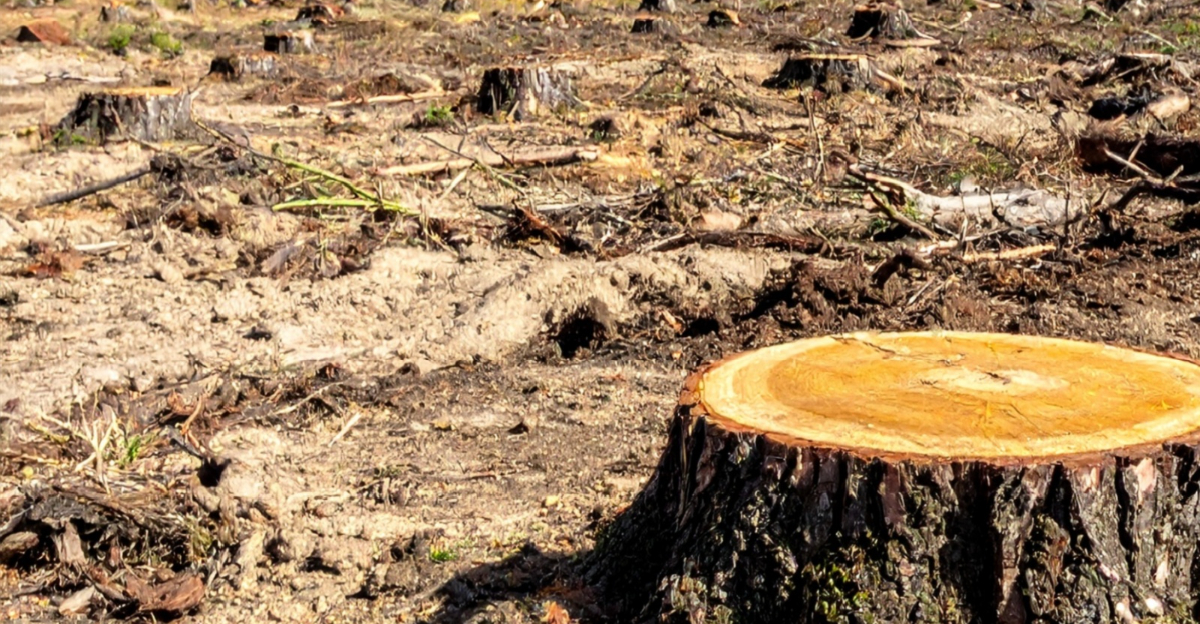
Something is off in the woods this year. Anyone who spends time outside in New Hampshire has noticed it.
Trunks that made it through ice storms, hurricanes, and a century of New England winters are now splitting apart.
Some are gradually declining. Canopies that should be full and green look thin. Patchy. Scorched in places.
Foresters are fielding more calls than usual. Homeowners are watching mature oaks and maples they’ve had since childhood lose their color and strength almost overnight.
Hikers are posting photos of trailside giants down across paths that were clear just last season.
New Hampshire isn’t dealing with one culprit here. It’s dealing with several at once. Relentless drought. Spiking summer heat.
Invasive pests working through already stressed bark. Fungal disease moving in wherever a tree’s defenses slip.
Each factor alone would be manageable. Together, they’re reshaping the state’s forests at a notable pace, faster than many expected.
1. Drought Is Weakening Root Systems Statewide
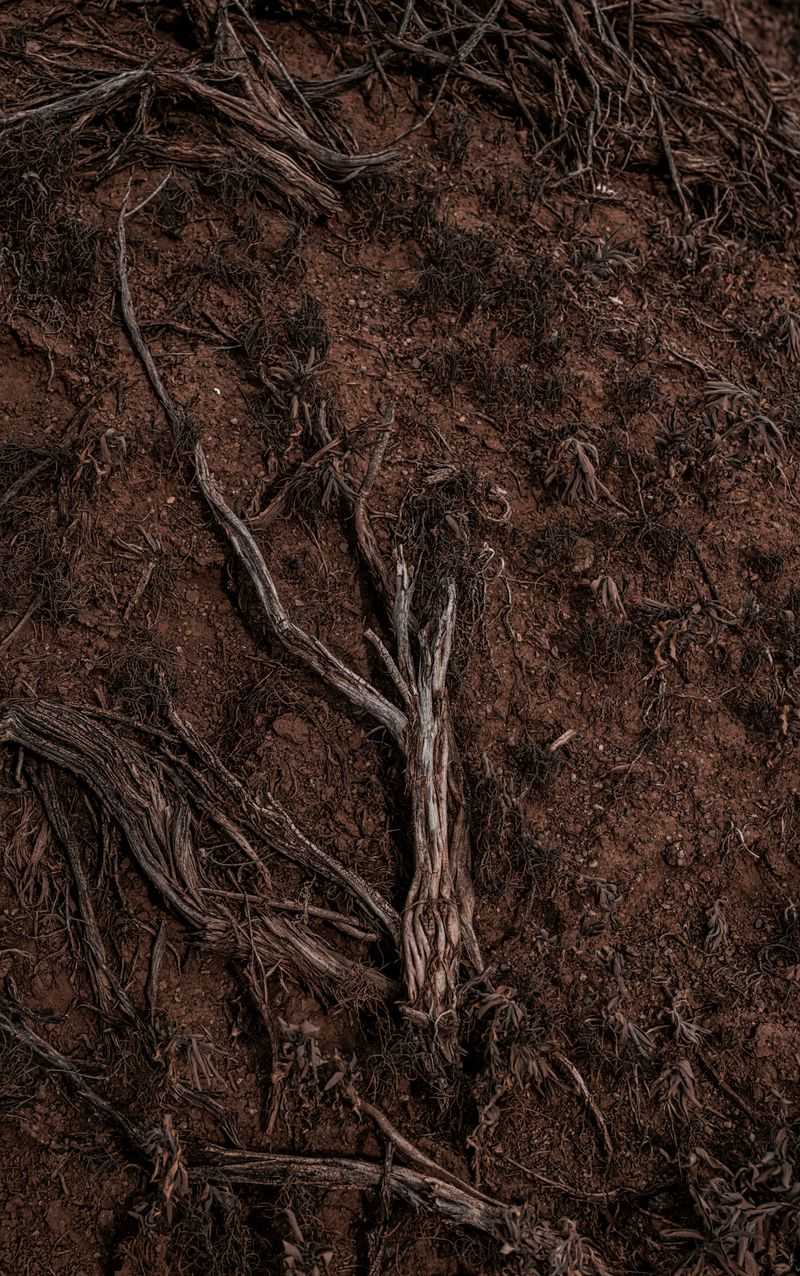
The ground is cracking open, and tree roots are paying the price. Drought conditions have spread across New Hampshire this year with notable intensity, leaving root systems starved for moisture deep below the surface.
When soil dries out over weeks, roots cannot pull enough water to keep leaves, bark, and branches alive. Trees begin to shut down non-essential functions first, then structural ones follow quickly.
What makes this year different is how early the dry stretch started. Spring moisture levels were far below normal, which meant trees never built up the water reserves they rely on during summer heat.
Shallow-rooted species like birch and beech have taken the hardest hits. Their roots simply cannot reach deeper groundwater the way older, established oaks and maples sometimes can.
Homeowners have noticed leaves curling and dropping weeks ahead of fall. That early leaf drop is a stress signal, not a seasonal shift, and it deserves attention.
Watering mature trees during dry spells actually helps more than most people realize. A slow soak at the drip line, the outer edge of the canopy, reaches the roots that matter most.
Mulching around the base of a tree also locks in soil moisture and keeps surface roots cooler during hot afternoons. A three-inch layer of wood chips goes a long way toward protecting what is underground.
Root health is invisible, but the consequences show up fast when conditions go wrong. Strengthening roots now gives trees a fighting chance against everything else coming their way.
2. Heat Is Straining Trees Beyond Normal Tolerance
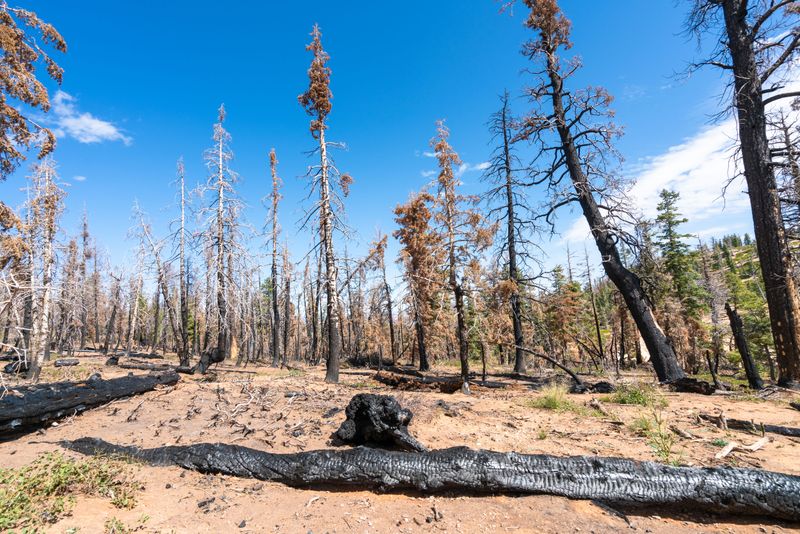
Record heat is not just uncomfortable for people, it is genuinely harmful for trees. New Hampshire has seen some of its hottest summer days in recent memory this year, and many native tree species were not built to handle that kind of sustained warmth.
Trees cool themselves through a process called transpiration, where water moves from roots to leaves and evaporates into the air. When temperatures spike and soil moisture is already low, that cooling system breaks down fast.
Your New Hampshire Garden Changes Every Week. Your Plan Should Too.
Gardening in New Hampshire changes quickly throughout the season. Every Friday you’ll receive a simple weekly plan showing exactly what to plant, prune, fertilize, harvest, and protect so you never miss the right timing.
Bark on the south-facing side of trunks can actually scorch in extreme heat. That scorched tissue becomes an entry point for insects and fungal spores looking for a weakened host.
Young trees planted in the last five years are especially vulnerable right now. Their root systems have not spread wide enough to buffer against temperature swings the way established trees can.
Urban trees face an extra layer of stress because pavement and buildings trap heat around them. A street-side maple in a New Hampshire town can experience temperatures several degrees higher than a forest tree just a mile away.
Shade cloths and temporary sun barriers can protect younger trees during intense heat stretches.
They look a little odd, but they work, and the tree gets to grow another season. Choosing heat-tolerant native species for new plantings is a smart long-term move.
Species like swamp white oak and bur oak handle temperature extremes better than many traditional choices. This year’s heat has exposed just how close to the edge some trees already were sitting.
3. Pests Like Emerald Ash Borer Are Spreading Fast
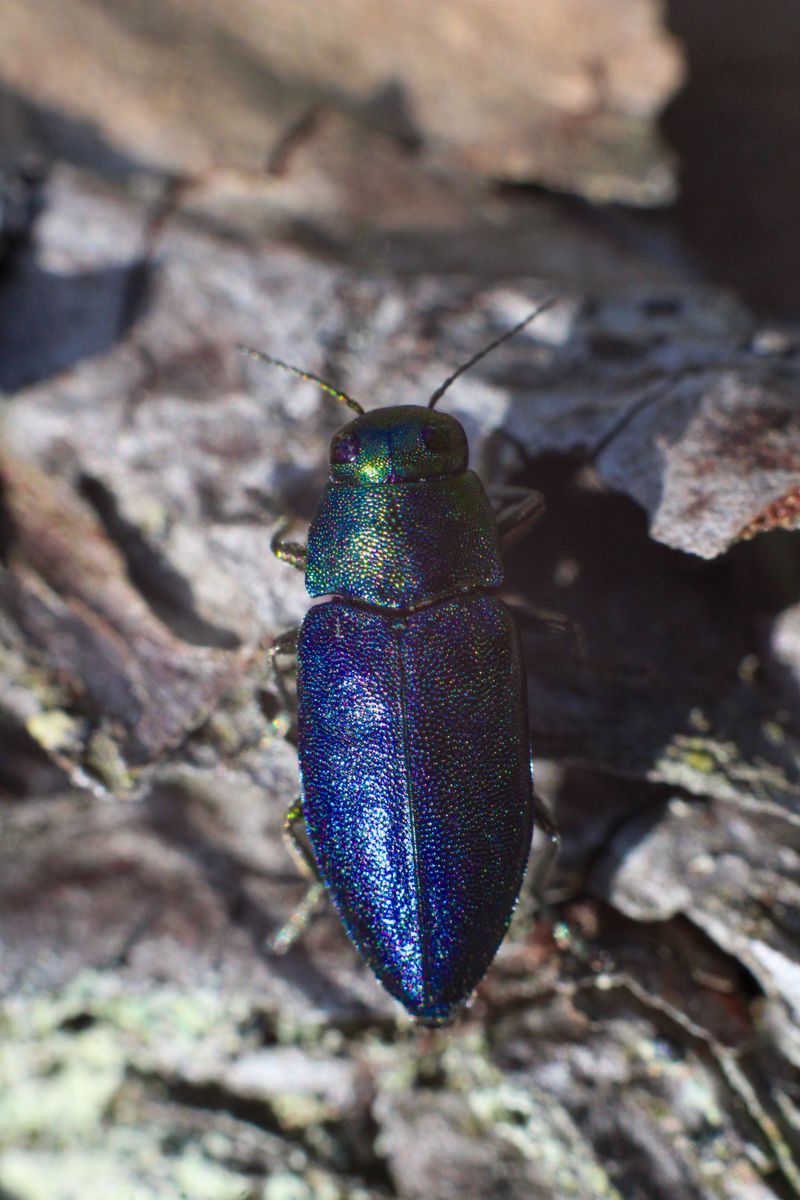
Tiny insects are doing enormous damage across the state right now. The emerald ash borer has been working through New Hampshire’s ash tree population for years.
But this season, its spread has picked up pace in ways that have drawn increased attention from state forestry officials.
This metallic green beetle lays eggs under bark, and its larvae chew winding tunnels through the layer that carries nutrients up and down the tree. Once that layer is disrupted, the tree cannot feed itself.
What makes the emerald ash borer so destructive is how long it stays hidden. By the time the damage shows on the outside, the tree is often already beyond saving.
Signs to watch for include thinning canopy at the top, vertical bark splits, and small D-shaped exit holes about the size of a pencil tip. Woodpecker activity on ash trunks is another reliable clue, since the birds are hunting the larvae underneath.
Beyond ash borers, spongy moths have also had a strong year in New Hampshire. Their caterpillars strip entire canopies of oaks and other hardwoods, leaving trees exhausted and exposed heading into fall.
Treating valuable ash trees with systemic insecticide can protect them if done early enough.
A certified arborist can assess whether a tree is still a good candidate for treatment or has passed that window. Moving firewood from one area to another is one of the biggest ways these pests travel.
Buying local wood and burning it where you buy it is a simple habit that genuinely slows their spread. Pest pressure this intense rarely comes alone, and this year it definitely has not.
4. Storms Are Toppling Already-Weakened Trees
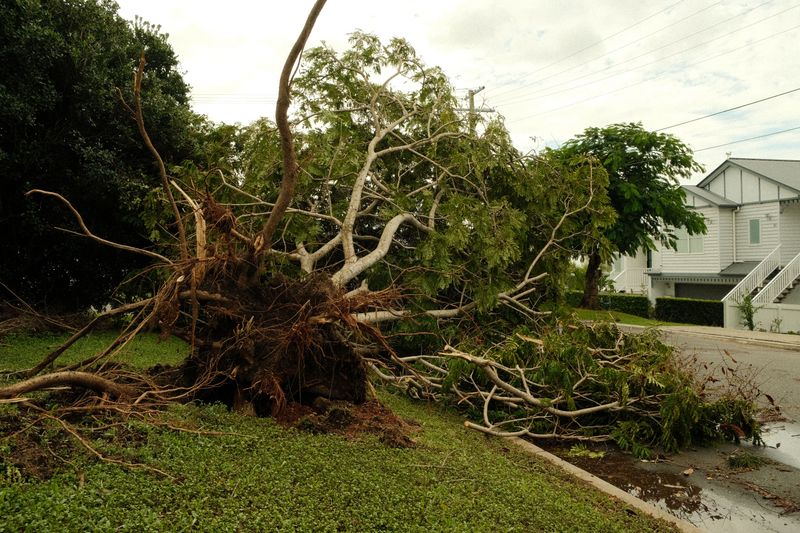
Wind and rain sound dramatic, but the real story starts long before the storm arrives. Trees that have been stressed by drought, heat, or pests lose structural integrity in ways that are not always visible from the outside.
Root systems weakened by dry conditions cannot anchor a tree the way healthy roots can. When a strong gust hits, the tree simply has less holding it in place, and the result ends up on someone’s roof or across a power line.
New Hampshire saw several fast-moving storm systems roll through this summer. Each one left behind a trail of toppled trees that would have likely made it through in a healthier year.
Saturated soil after a dry stretch is particularly dangerous. When rain finally arrives after a long drought, the ground softens quickly, and shallow roots lose their grip almost overnight.
Homeowners often notice cracks at the base of a trunk or soil heaving near the roots before a major failure. Those are warning signs worth taking seriously before the next storm rolls in.
Professional tree risk assessments have become more popular this year for good reason. An arborist can identify internal decay, compromised root zones, and structural weak points that a casual look would never catch.
Removing a high-risk tree before it falls is almost always cheaper than dealing with the damage after. Insurance claims, roof repairs, and utility restoration costs add up fast compared to a planned removal.
Every storm this season has been a reminder that stressed trees and bad weather are a dangerous combination.
5. Fungal Disease Thrives In The Humidity
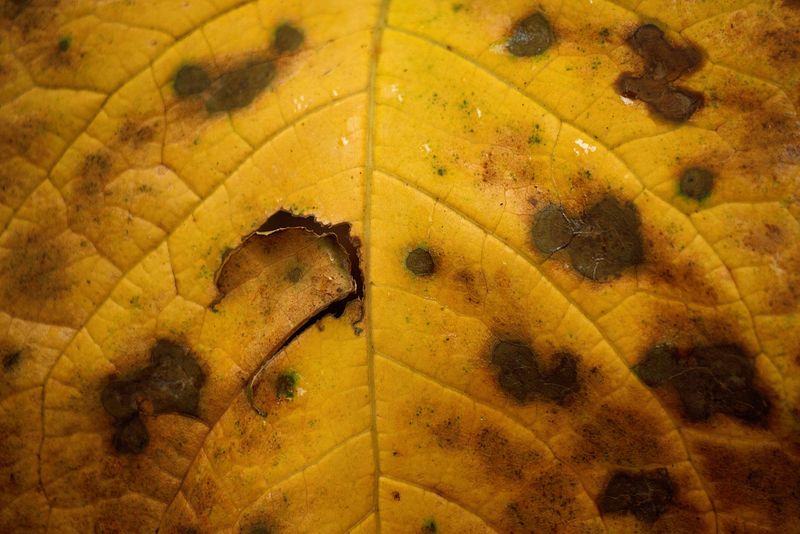
Humidity and warmth create the perfect conditions for fungal diseases to run wild. New Hampshire summers have felt more humid in recent years, and this season brought extended stretches of warm, wet air that fungal pathogens absolutely love.
Powdery mildew, anthracnose, and beech leaf disease have all shown up in significant numbers across the state this year. Each one affects trees differently, but they share a common outcome: weakened, struggling trees heading into fall.
Beech leaf disease deserves special attention right now. It is believed to be caused by a tiny nematode, possibly working alongside a bacterial partner, though the exact role of the bacteria is still being studied.
It has been spreading through New Hampshire’s beech population at a pace that surprises researchers.
Infected beech trees show dark banding between the veins of their leaves. The damage looks almost striped from a distance, and once a tree shows those signs, its decline tends to move quickly.
Anthracnose hits oaks, maples, and sycamores, causing brown blotches and early leaf drop. It rarely harms a healthy tree outright, but it drains energy reserves that stressed trees desperately need right now.
Good air circulation around trees slows fungal spread significantly. Thinning dense canopies allows leaves to dry faster after rain, which cuts down on the moist surfaces where spores take hold.
Raking and removing fallen infected leaves breaks the cycle for many fungal diseases. Leaving them on the ground lets spores overwinter and reinfect the same tree next spring.
Fungal problems this widespread signal that forest health has reached a tipping point worth watching closely.
6. Soil Compaction Is Restricting Root Growth
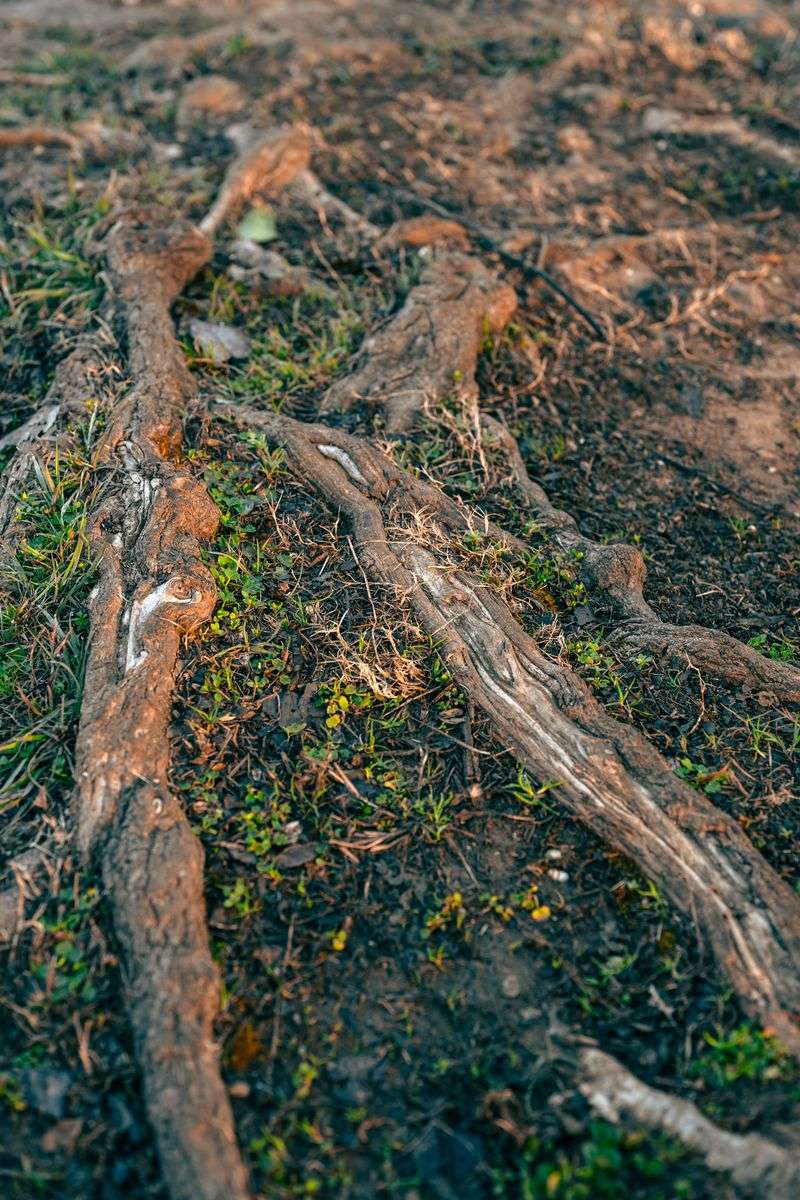
Soil that looks perfectly fine on the surface can be silently strangling a tree from below. Compaction happens when soil particles are pressed so tightly together that air and water can barely move through them, and roots struggle to push outward into new territory.
Construction activity, foot traffic, and heavy lawn equipment are the biggest causes of compaction around residential and park trees. Areas of New Hampshire have seen increased development and outdoor activity in recent years.
Roots need oxygen just as much as they need water. Compacted soil cuts off that oxygen supply, slowing growth and making trees less able to respond when drought or disease stress hits.
One telltale sign of compaction is when grass stops growing well under a tree’s canopy. Bare, hard-packed patches near the trunk often mean the soil below is too dense for healthy root movement.
Aeration is one of the most effective treatments available. Drilling or punching holes into the soil around the root zone allows air, water, and nutrients to reach depths where roots are trying to grow.
Vertical mulching is another option professionals use with good results. It involves drilling holes in a pattern around the tree and filling them with compost or wood chips to improve soil structure over time.
Keeping people and vehicles away from the root zone is the simplest preventive step. A barrier or mulched area around the base of a tree does more for long-term health than most people expect.
Healthy soil is the foundation everything else depends on, and this year that foundation is crumbling in too many places.
7. Aging Forests Face More Combined Stress
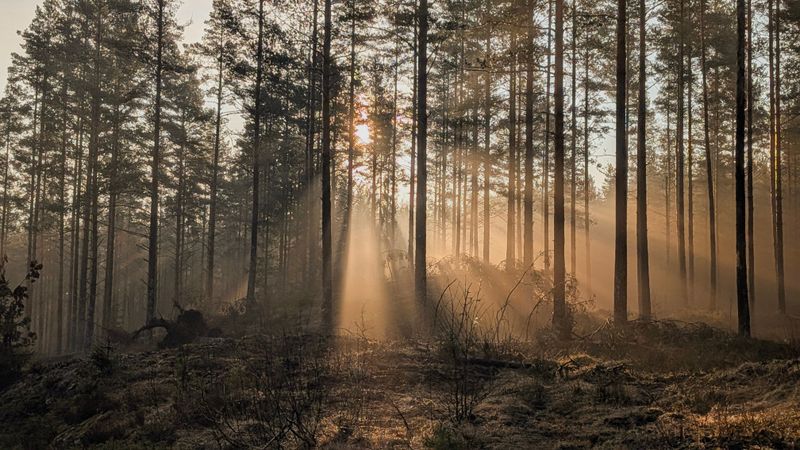
Old trees have a quiet dignity about them, but age brings vulnerability that younger trees do not share.
New Hampshire’s forests contain a significant number of mature and over-mature trees, and this year the combination of stressors has hit that older population especially hard.
As trees age past their prime growth years, their ability to compartmentalize wounds and fight off infection slows down. A younger tree might wall off a fungal infection quickly; an older one may not manage it before the damage spreads.
Many of the state’s oldest trees are essentially adapted to a cooler, wetter climate than the one they face today.
Older forests also tend to have more structural complexity, with interlocking canopies that can actually trap moisture and create ideal conditions for fungal spread. That same complexity makes them harder to manage and monitor.
Fallen wood accumulates faster in aging forests, creating habitat for wood-boring insects that then move into living neighbors.
The line between a healthy old tree and a struggling one can shift surprisingly fast. It is not about clearing everything out but about reducing the fuel load that keeps pests and disease cycling through the system.
Replanting with a mix of age classes gives forests resilience that single-age stands simply cannot match. Variety in tree age means that no single stress event can knock out an entire forest at once.
Protecting aging trees now preserves the ecological memory that younger forests will take generations to rebuild.
8. Delayed Care Lets Disease Spread Without Early Intervention
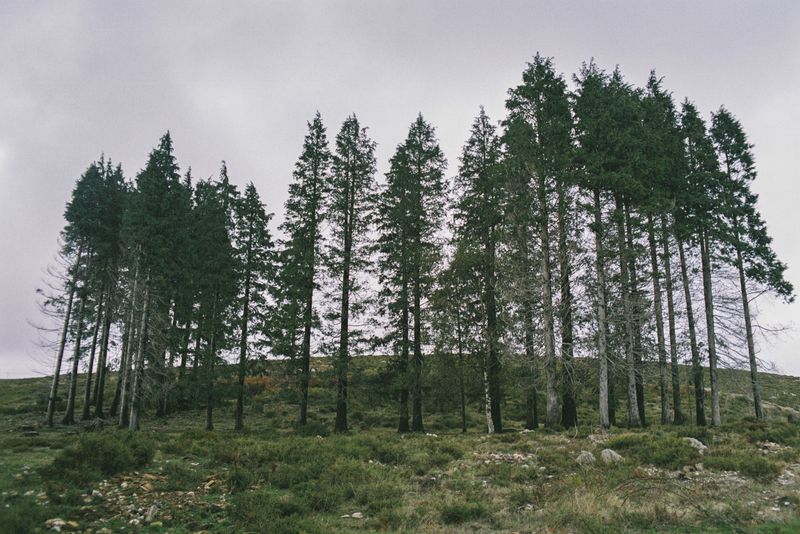
Waiting too long to act on a sick tree is one of the most common and costly mistakes property owners make.
This year’s tree loss in New Hampshire has been made significantly worse by the gap between when problems first appeared and when homeowners called for help.
Tree disease and pest damage rarely announce themselves loudly at first. A slightly thin canopy in June can look like a full crisis by August, and by September the window for treatment has often closed entirely.
Some arborists across the state have reported more calls this season from homeowners. Many of those trees could have been saved with prompt attention.
Budget concerns often delay action, and that hesitation is understandable. However, the cost of treating a tree early is almost always a fraction of what removal and stump grinding run after a full failure.
Scheduling an annual tree inspection is one of the highest-value habits a homeowner can build. A trained eye can catch cankers, root problems, and early pest activity long before any of it becomes visible from the street.
Community-level delays also matter. When one infected tree goes untreated, it becomes a source of spores, insects, and disease pressure for every tree nearby.
Individual neglect becomes a neighborhood problem faster than most people expect. This year’s tree loss in New Hampshire is a warning that the cost of inaction is always higher than it looks at first glance.
Acting early, acting consistently, and asking for professional help when in doubt are the habits that keep forests and yards healthy for years to come.