Those Strange White Balls On Ohio Oak Leaves This Fall Aren’t Eggs
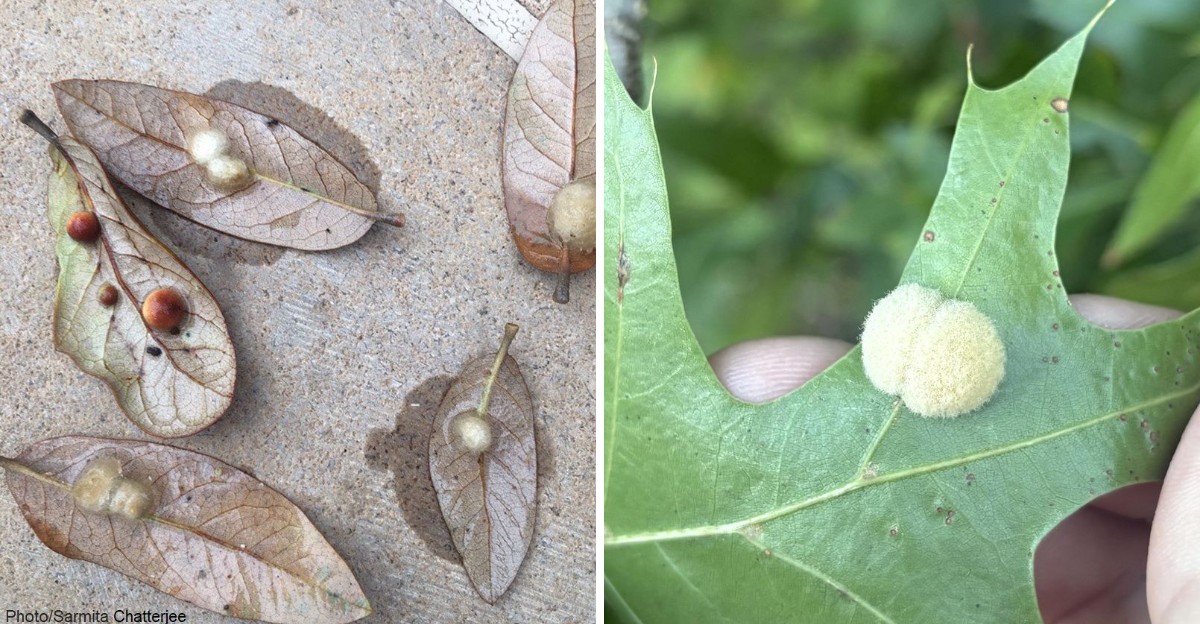
Flip over a fallen oak leaf and a little puffball clings to the underside, soft and fuzzy like a cotton swab someone glued on.
Plenty of Ohio homeowners spot these and jump to the worst conclusion. Eggs, maybe.
A bug nest. Something that will crawl out and take over the yard.
Rakes get dropped, photos get texted to the neighbor, and the comments section fills up with confident guesses.
Almost all of them miss the mark. What you’re looking at has a far stranger origin, and a tiny creature is involved, though not the one you’d expect.
The tree shrugs it off, and so should you.
Pick one up and give it a gentle squeeze. The truth is odder than any of the guesses.
1. Those White Balls Are Galls, Not Eggs
Picture a neighbor in Columbus panicking over a leaf full of white dots. She bags every leaf, sure that an army of bugs is about to hatch on her porch.
Good news for her, and for you. Those white balls are called galls, and they are made of plant tissue, not insect shells or yolk.
The oak tree grows them itself, a bit like how your skin forms a bump around a splinter.
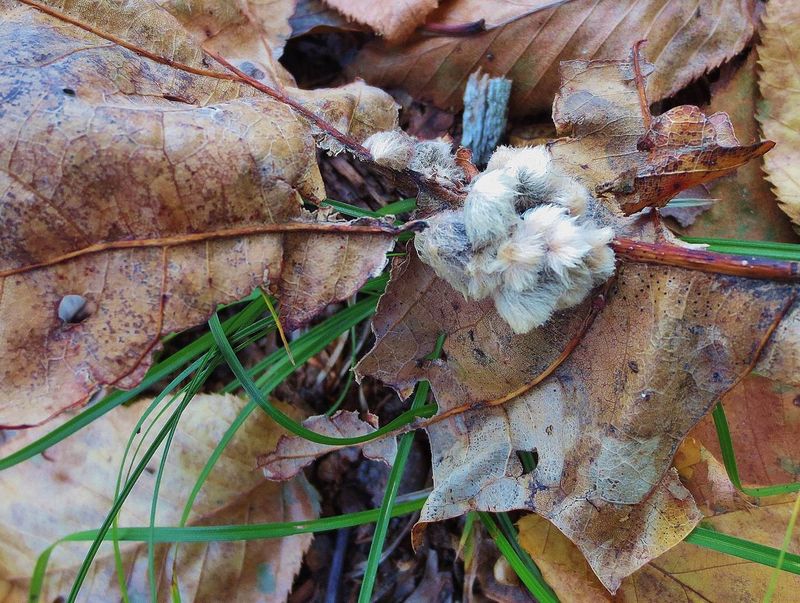
Galls come in many looks. Some appear fuzzy, like tiny cotton balls stuck to the leaf.
Others are hard and smooth, almost like seeds or beads. Colors range from white to tan, pink, and brown as the season moves along.
So why do people mistake them for eggs? They show up in neat clusters, often on the underside of the leaf, which is exactly where many real bugs lay their eggs.
That spot makes the confusion easy to understand.
Want a quick test? Gently press one with your fingernail.
Eggs tend to be soft and squishy, while most galls feel firm and woody or spongy. You can also slice a gall open with a small knife to see the plant tissue inside.
Once you know what you are looking at, the panic fades fast. Those little bumps turn from scary to seriously cool.
2. Tiny Wasps Trigger The Tree To Build Them
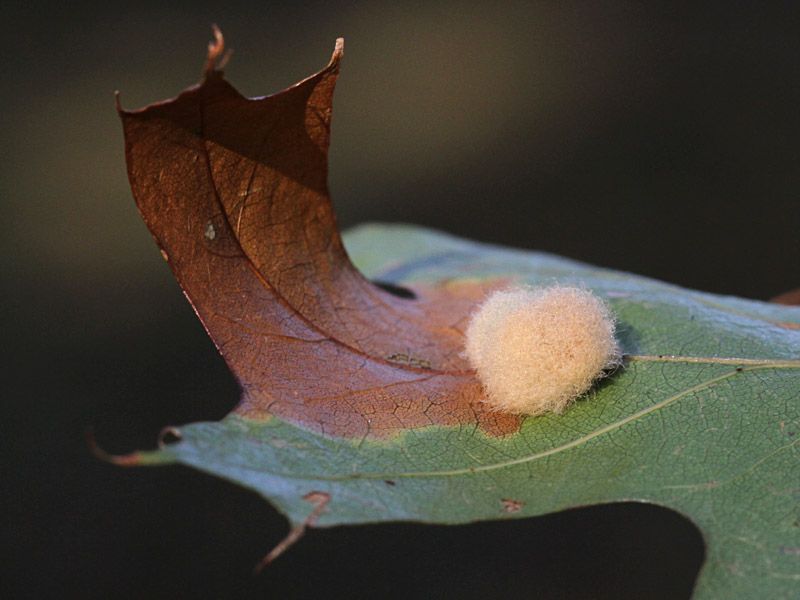
Imagine a builder who never lifts a hammer. Instead, she leaves a note, and the house builds itself around her kids.
That is basically how gall wasps work.
These insects belong to a family called Cynipidae. They are so small that you could fit several on a grain of rice.
In spring or summer, a female wasp lays her eggs right into the soft tissue of an oak leaf or bud.
Here is where things get weird. Scientists think chemicals from the wasp, or from the growing larva, send signals to the plant cells.
Those signals tell the tree to grow in an unusual shape, wrapping a little room around the developing insect.
The oak is not choosing to help. It is simply reacting to those chemical messages.
Think of it like a computer following a strange line of code it did not write.
Your Ohio Garden Changes Every Week. Your Plan Should Too.
Gardening in Ohio changes quickly throughout the season. Every Friday you’ll receive a simple weekly plan showing exactly what to plant, prune, fertilize, harvest, and protect so you never miss the right timing.
Each species of wasp creates its own style of gall. One kind makes fuzzy white puffs, while another makes flat buttons.
Experts can often name the wasp just by looking at the gall shape.
Next time you spot a gall, remember the tiny architect behind it. A creature smaller than a freckle convinced a giant oak tree to build it a custom home.
That is a pretty impressive trick for such a little bug.
3. Each Gall Shelters A Single Wasp Larva
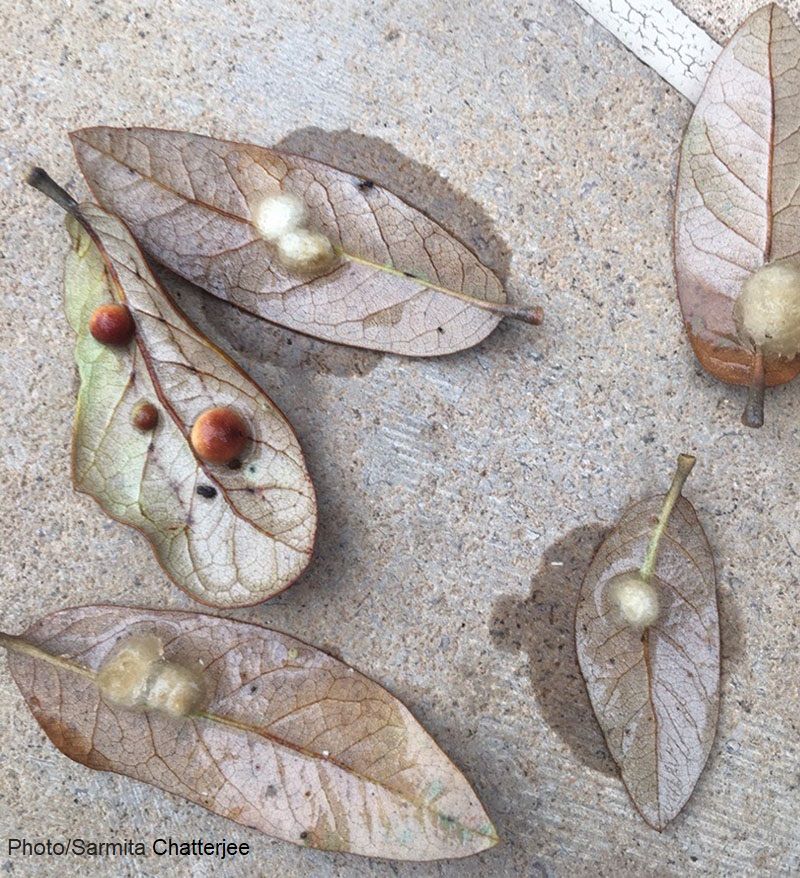
Cozy, snug, and stocked with snacks. If you could design the perfect bedroom for a baby insect, it would look a lot like the inside of a gall.
In most oak galls, one wasp larva lives alone. It sits in a small chamber near the center, safe from wind, rain, and many hungry birds.
The walls around it act like armor.
Even better, the walls are food. The larva nibbles on the special plant tissue lining its room.
The tree keeps making more of that tissue, so the meal plan stays steady as the larva grows bigger.
Curious kids and grown-ups can see this for themselves. Carefully cut a gall in half with an adult’s help and a sharp knife.
Look closely, and you may spot a tiny white grub curled up inside, or an empty chamber if the wasp already left.
Some galls have a small exit hole on the outside. That hole means the adult wasp chewed its way out and flew off.
No hole usually means someone is still home.
Fun fact for your next nature walk: other insects sometimes sneak into galls too. Little freeloaders called inquilines move in and share the space.
A single gall can turn into a busy apartment building, all hidden on one oak leaf.
4. Ohio Oaks Host Many Different Kinds Of Galls
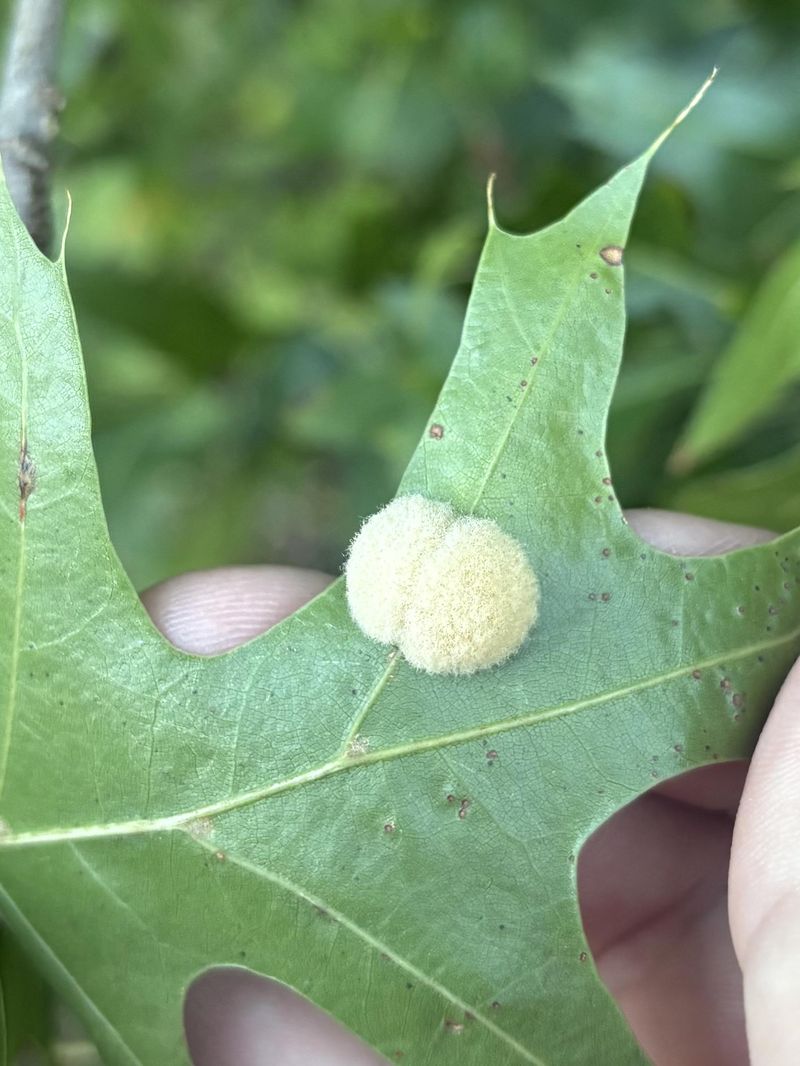
About 800. That is roughly how many types of galls scientists have found on oaks across North America, and around 700 of them come from tiny wasps.
Ohio has plenty of oak trees, including white oak, red oak, pin oak, and bur oak. Each kind of tree can attract its own set of gall makers.
That means a walk through an Ohio park in fall can feel like a scavenger hunt.
You might find oak apple galls, which are round, papery balls as big as a ping pong ball. You may spot wool sower galls that look like puffs of pink and white cotton.
Horned oak galls form hard, knobby lumps on twigs with little spikes poking out.
Leaves hold even more variety. Flat discs, tiny cones, fuzzy stars, and smooth beads all hide on undersides.
Some are so small you need a magnifying glass to really enjoy them.
Want to make it a family project? Grab a notebook and a phone camera.
Snap pictures of every gall you find, note which tree it was on, and try to match it with photos online or from your local extension office.
Before long, you will start noticing galls everywhere. Oaks that once looked plain suddenly become covered in tiny surprises waiting to be named.
5. Oak Button Galls Look Like Bluish-White Suction Cups
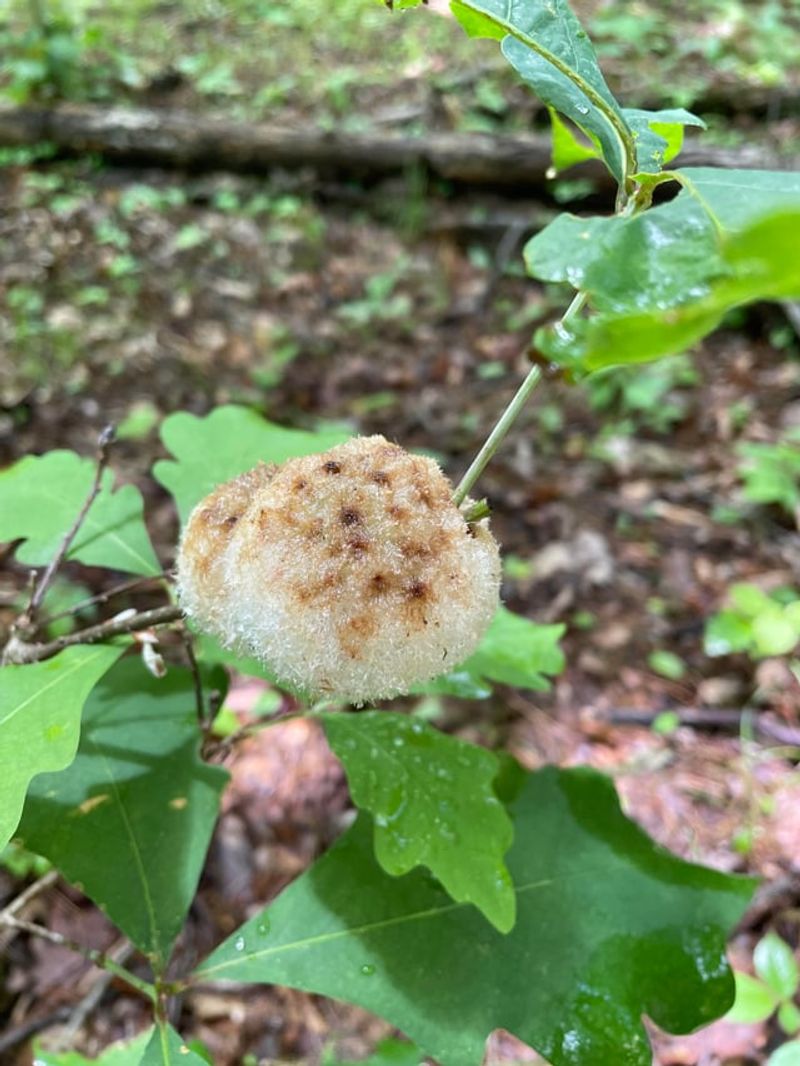
Ever stuck a suction cup toy on a window? Now shrink it down to the size of a pencil eraser and glue a dozen to the bottom of a leaf.
Meet the oak button gall.
These galls are made by a wasp called Neuroterus umbilicatus. Yes, that name is a mouthful, so most folks just call them button galls.
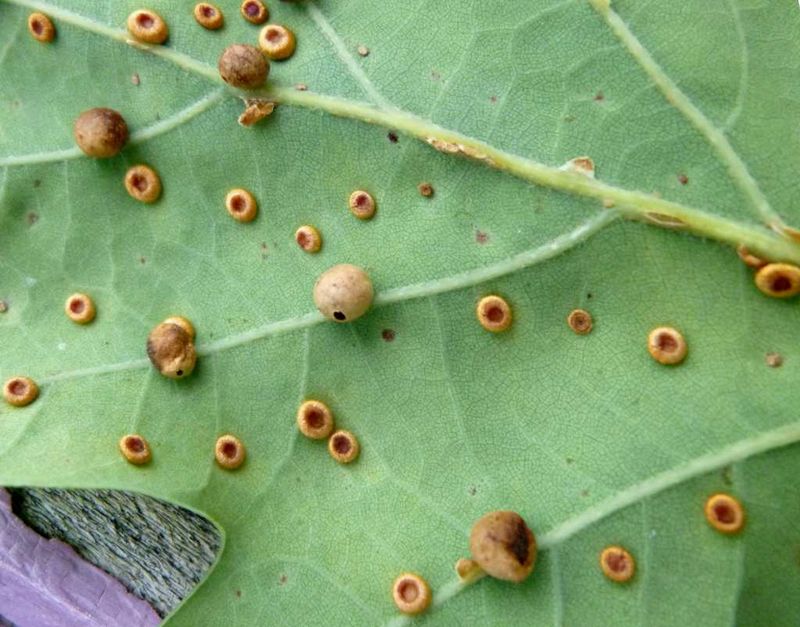
They grow on the underside of oak leaves.
Each one is a small, flattened disc. Many have a little dip in the middle, which gives them that suction cup look.
While a larva is still inside and active, the button often shows a bluish-white shade that almost seems to glow.
As the season goes on, things change. The galls turn brown, shrink, and wrinkle.
Eventually many of them pop off the leaf and land on the ground, carrying their tiny passengers along.
If you spot these, give one a gentle poke. They feel firm but light.
Use a magnifying glass to check out the neat round edges and center dimple.
Button galls are a great starter find for young nature fans. They are common, easy to spot, and fun to describe.
Some kids even say they look like tiny alien saucers parked on the leaf.
6. Jumping Oak Galls Can Actually Hop Off The Ground
Sitting on your porch steps, you notice the sidewalk seems to be twitching. Tiny specks bounce around like popcorn in a pan.
No, you are not imagining things.
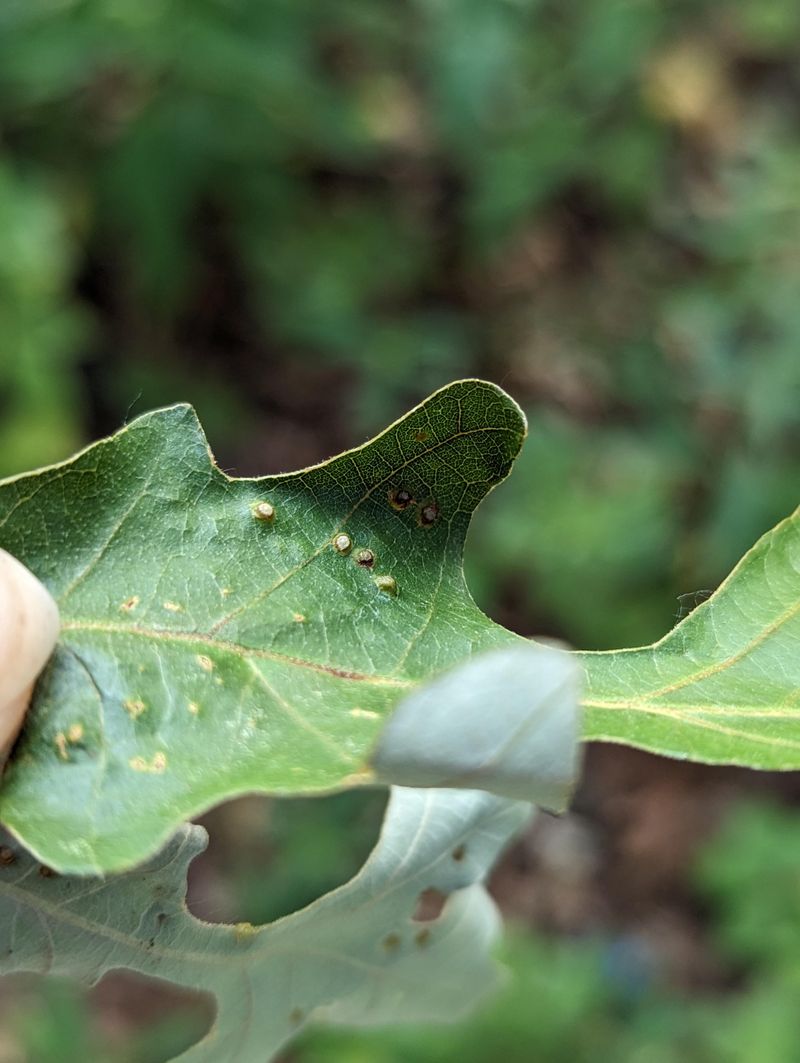
Jumping oak galls are small, round, and about the size of a BB or a mustard seed. They grow on the underside of leaves, mostly on white oak trees.
In late summer and fall, they drop from the leaves to the ground below.
Then the show begins. The larva inside wiggles and flexes so hard that the whole gall flips into the air.
Some can hop an inch or more, which is huge for something so tiny.
Why all the jumping? The larva is trying to reach a safe spot.
Hopping helps the gall roll into leaf litter or cracks in the soil, where the insect can rest through winter away from sun and predators.
Here is a fun experiment. Collect a handful of fallen galls from under a white oak.
Place them in a clear jar or on a white plate, then watch for a few minutes, especially in warm sunlight.
You may see them bounce like Mexican jumping beans. Just return them under the tree afterward so the little hoppers can finish their journey.
It is a free nature show right in your yard.
7. Brown Spots On Top Of The Leaf Mark Where Galls Attach
Clues are everywhere if you know how to read them. Detectives look for footprints, and gall hunters look for spots on the top of oak leaves.
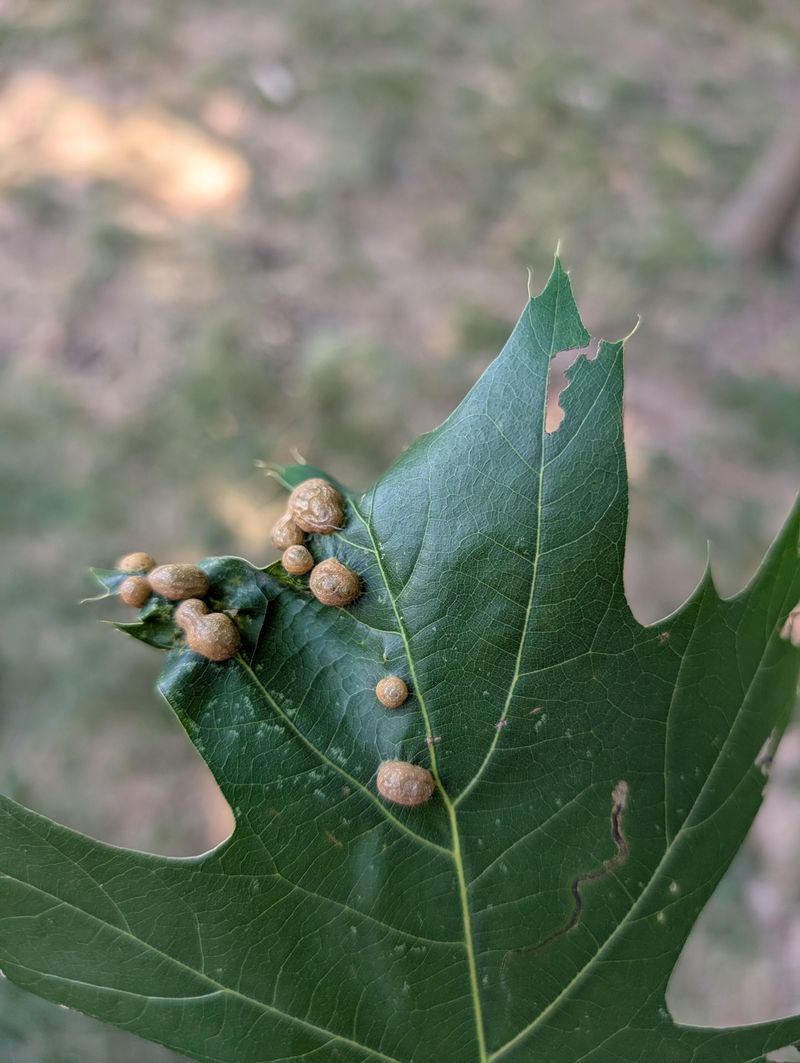
Since many galls hide underneath, the upper side often gives away their location. Oak button galls leave distinct dark brown spots right where they attach.
Flip the leaf over, and you will usually find a button sitting directly below each mark.
Jumping oak galls leave a different calling card. They often cause small yellow spots on top of the leaf.
A white oak sprinkled with yellow freckles in late summer is a strong hint that tiny hoppers are growing below.
Other galls change the leaf surface in their own ways. Oak flake galls create smooth, blister-like bumps on the top side.
These bumps start light green and slowly shift to reddish-brown as fall arrives.
Many homeowners worry these spots mean the tree has a disease. While some leaf spots do come from fungus, the ones linked to galls are mostly cosmetic.
A quick peek underneath can settle the question in seconds.
Make it a habit during yard walks. When you see spotted leaves, turn them over before deciding anything.
You will often discover a whole hidden world, and you will save yourself some needless worry about your favorite oak.
8. The Wasps Behind Them Don’t Sting
The word wasp makes plenty of people flinch. Memories of picnic yellowjackets and swollen fingers come rushing back.
Relax, because gall wasps play a very different game.
These insects are tiny, often just a few millimeters long. Many are dark and shiny, and they look more like gnats than the striped wasps buzzing around soda cans.
Most people walk right past them without ever noticing.
Gall wasps are not aggressive, and they do not sting people. Their egg-laying tool is built for poking into plant tissue, not for defending a nest.
They have no colony to protect, so they have no reason to bother you.
That makes galls a great hands-on project for kids. Children can pick up leaves, hold galls, and study them under a magnifying glass without fear of a painful surprise.
It is a safe way to spark a love for bugs.
One small note of caution, though. In late summer and fall, tiny oak leaf itch mites can drop from oaks with certain galls, especially pin oaks, and leave itchy red bites.
Wearing garden gloves and long sleeves while handling leaves, then washing up and changing clothes afterward, keeps those bites from spoiling the fun.
Beyond that, enjoy exploring. These little wasps are harmless neighbors living quiet lives in your oak trees.
They are more interested in leaves than in you.
9. Most Oak Galls Do No Real Harm
Put down the spray bottle. For nearly every oak in Ohio, galls are a curiosity rather than a crisis.
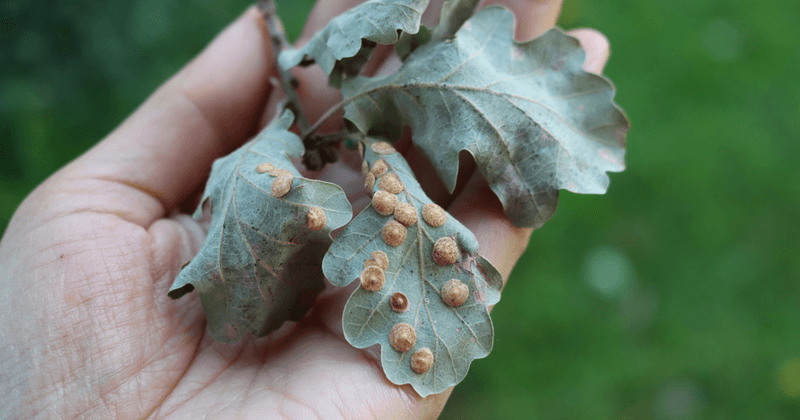
Most insect galls do not cause serious damage to their host trees. A big oak has thousands of leaves, so a few bumpy ones barely make a dent.
Healthy trees keep growing strong year after year.
In heavy years, you might notice some yellowing, curled leaves, or leaves dropping a little early. That can look alarming, but healthy trees typically bounce back the next spring.
Twig galls, like horned oak galls, can sometimes block water flow when they wrap a whole branch, yet even those seldom cause the tree to fail.
Treatment is usually unnecessary. Gall wasp numbers rise and fall from year to year on their own.
Parasites, birds, and other predators help keep these populations in check without any help from you.
Want to support your oak? Focus on the basics.
Water during long dry spells, spread mulch around the base, and avoid damaging roots with heavy equipment.
If many twigs seem swollen or branches look weak, call a certified arborist or your county extension office for advice. Otherwise, sit back and enjoy the strange beauty of galls.
Your oak is simply hosting tiny guests, and it handles them well.