What To Plant In Ohio After Tulips Fade So Beds Do Not Look Empty

Ohio gardeners know the feeling well – tulips burst into brilliant color every spring, but then the blooms fade and the foliage suddenly looks tired and yellow.
Once those cheerful flowers disappear, flower beds across the state can feel bare and unfinished.
The good news is that Ohio’s transition from spring to early summer offers a perfect window to tuck in new plants. These additions carry color through the warmer months and fill the gaps left behind.
With a little planning, you can keep your beds lush and inviting from the moment the tulips finish right through the peak of summer.
1. Petunias Bring Fast Color To Sunny Ohio Beds
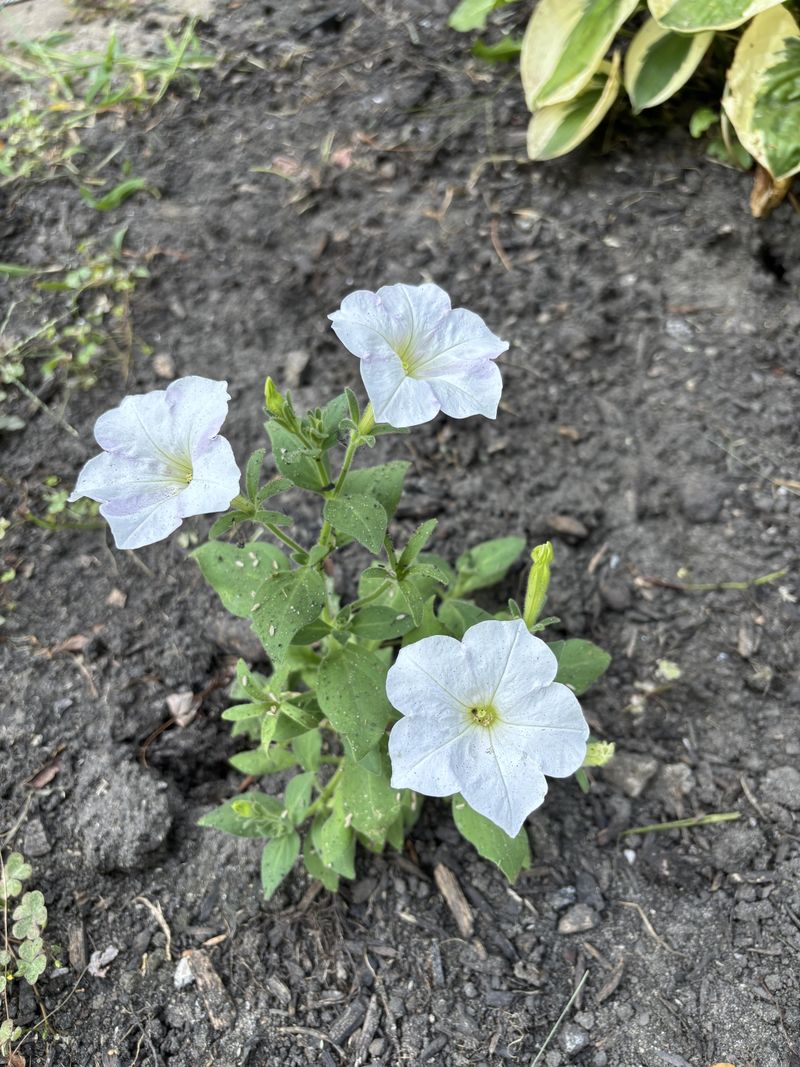
Few flowers hit the ground running quite like petunias do in Ohio’s warming spring beds.
Once nighttime temperatures settle above 50 degrees Fahrenheit – which typically happens across most of Ohio by mid to late May – petunias are ready to go in and they start blooming almost immediately.
That fast turnaround is exactly what a bed needs right after tulips finish their show.
Petunias come in a wide range of colors, from soft lavender and coral to bold red and bright white, so it’s easy to find shades that complement whatever else is growing nearby.
Wave and Supertunia varieties spread low and wide, which means they do a nice job of covering the soil around fading tulip foliage.
Rather than pulling tulip leaves out right away, let petunias grow up around them so the bulbs can keep storing energy underground.
Ohio’s sunny summer days suit petunias well, though they do appreciate consistent watering since they can dry out quickly in warm weather. Planting them in well-drained soil helps prevent root issues.
Deadheading spent blooms encourages more flowers, though many newer varieties are self-cleaning and need very little fussing.
For Ohio gardeners who want a fast, reliable way to keep beds colorful after tulips, petunias are one of the most satisfying choices available.
2. Marigolds Keep The Space Bright And Cheerful

Walk through any Ohio garden center in May and you will almost certainly spot flats of marigolds lined up near the entrance – and there is a very good reason for that.
Marigolds are among the most dependable warm-season annuals available, and they are genuinely easy to grow even for gardeners who are just getting started.
After tulips fade, Ohio beds often have open soil that looks a bit rough and unfinished. Planting marigolds close together fills those gaps quickly and brings a warm pop of orange, gold, and yellow that carries through summer and well into fall.
French marigold varieties stay compact and bushy, making them a nice fit for front-of-bed placement where tulip foliage is still yellowing. African marigolds grow taller and work well toward the back of a bed to add some height.
One extra benefit worth mentioning is that marigolds are known to help deter certain garden pests, which makes them a practical addition beyond their good looks.
They thrive in Ohio’s full sun and handle the heat of July and August without much fuss.
Your Ohio Garden Changes Every Week. Your Plan Should Too.
Gardening in Ohio changes quickly throughout the season. Every Friday you’ll receive a simple weekly plan showing exactly what to plant, prune, fertilize, harvest, and protect so you never miss the right timing.
Watering at the base of the plant rather than overhead helps keep foliage healthy. With minimal care, marigolds stay colorful for months, making them one of the most hardworking flowers you can add to an Ohio bed after tulips finish blooming.
3. Zinnias Add Fresh Summer Energy After Tulips
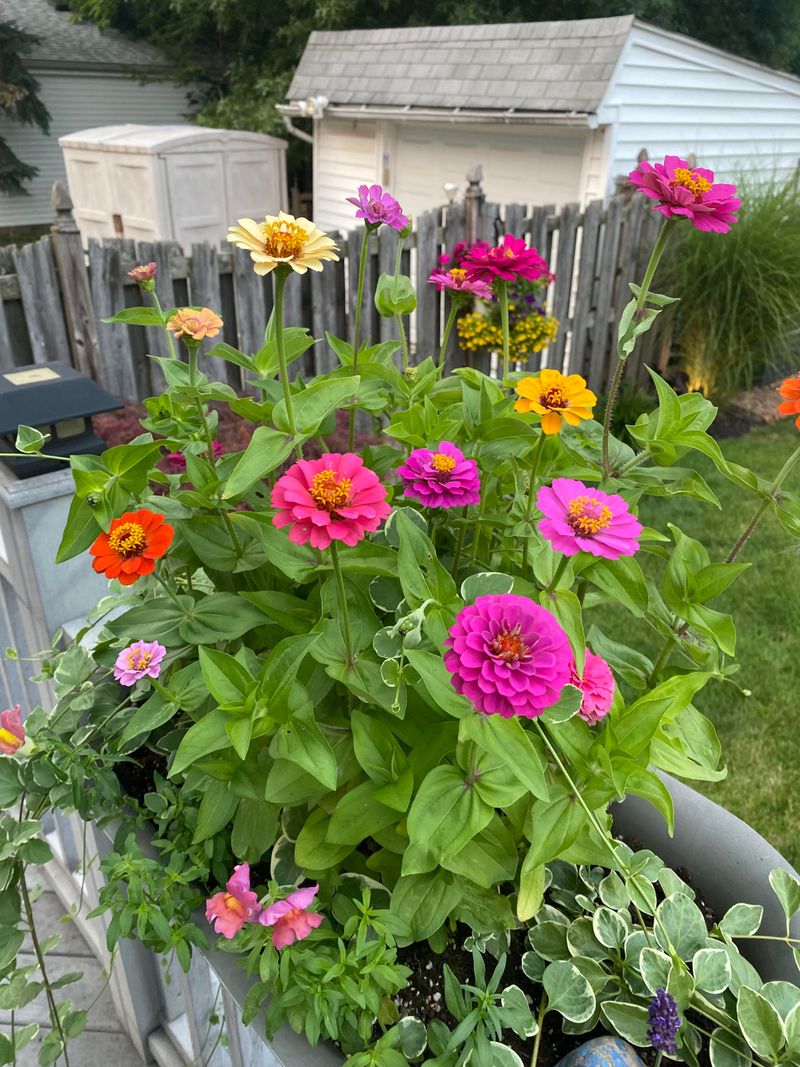
There is something genuinely exciting about watching zinnias take off in an Ohio garden during early summer.
These heat-loving annuals are slow to get started in cool spring soil, but once Ohio temperatures climb and the ground warms up, zinnias grow fast and bloom in a burst of color that feels almost celebratory.
Zinnias come in nearly every color imaginable – red, orange, coral, pink, white, yellow, and even green – which gives Ohio gardeners a lot of flexibility when it comes to designing a bed that stays interesting after tulips are gone.
Shorter varieties like Thumbelina or Magellan work well in the front of a bed, while taller types like State Fair or Benary’s Giant add bold vertical interest toward the back.
Tucking zinnia transplants or seeds around fading tulip foliage gives them time to establish before summer heat fully arrives.
Zinnias are also outstanding for attracting butterflies and pollinators, which adds another layer of life and movement to Ohio beds.
They do best in full sun with good air circulation, which helps reduce powdery mildew – a common issue in Ohio’s humid summers.
Removing spent blooms regularly keeps plants producing new flowers all the way through the first frost. For gardeners who want vivid, long-lasting color with relatively low maintenance, zinnias are hard to beat after tulips fade.
4. Salvia Helps Beds Look Full And Lively
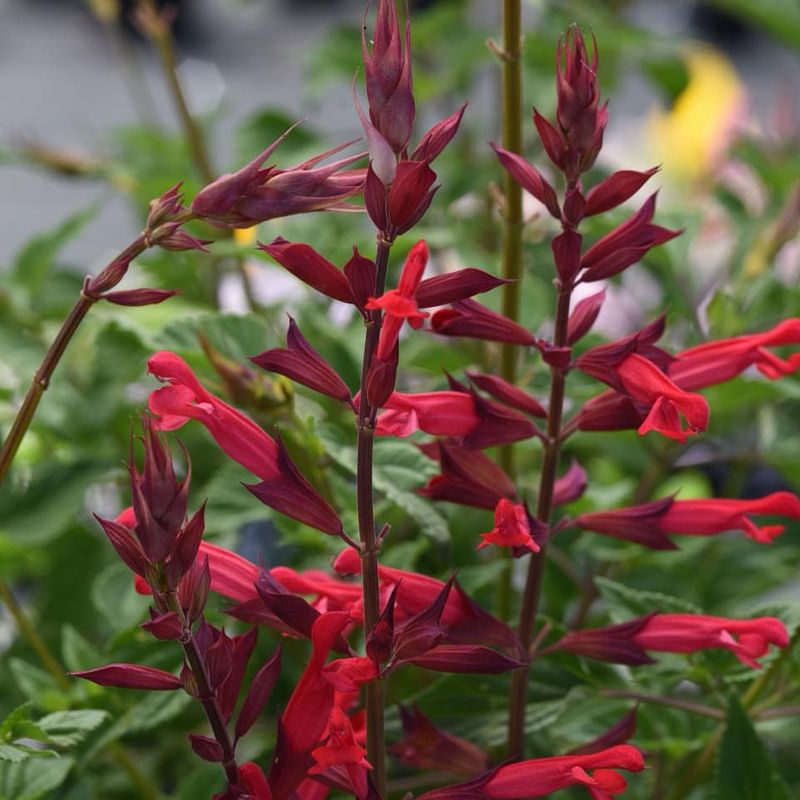
Salvia is one of those plants that Ohio gardeners sometimes overlook in favor of flashier options, but once it goes in the ground, it earns its place quickly.
Annual salvia – especially the spiky red, purple, or blue varieties – grows upright and creates a sense of structure in a bed that can look flat and bare after tulips finish blooming.
The vertical flower spikes of salvia provide a nice contrast to rounder, mounding plants like marigolds or petunias, which helps a bed feel layered and intentional rather than just filled in.
Red salvia varieties like Vista Red are especially eye-catching in Ohio’s sunny summer light, while blue and purple types like Evolution or Mystic Spires have a cooler, more elegant look that pairs beautifully with white or yellow flowers nearby.
Salvia handles Ohio’s summer heat well and is somewhat drought-tolerant once it gets established, though regular watering during dry spells encourages the best bloom production.
Hummingbirds are drawn to salvia flowers, which makes beds even more lively during the warmer months.
Planting salvia in groups of three or more creates a fuller, more natural-looking effect than spacing plants too far apart.
Since salvia grows steadily through the season, it helps mask any remaining tulip foliage without the need to disturb the bulbs resting below the soil surface.
5. Wax Begonias Fit Nicely Into Sun Or Light Shade

Not every Ohio flower bed gets full sun all day long, and that is exactly where wax begonias shine.
These compact, tidy plants tolerate a surprisingly wide range of light conditions – from full sun to partial shade – which makes them one of the most versatile options for filling in after tulips fade.
Wax begonias have a clean, rounded growth habit that gives beds a neat and well-maintained appearance without requiring much effort.
Their waxy, glossy leaves come in green or bronze tones, and the flowers range from white and soft pink to deep red and coral.
That variety of color and foliage tone makes it easy to mix begonias with other plants for a layered, textured look that carries interest all season long.
In Ohio, wax begonias go in after the last frost date has passed, which falls roughly between late April and mid-May depending on where you are in the state. They establish quickly and start blooming soon after planting.
One thing Ohio gardeners appreciate about begonias is that they do not need deadheading – spent flowers drop cleanly on their own, so the plant always looks tidy.
They hold up well through Ohio’s humid summers and continue blooming right up until fall temperatures drop.
For mixed beds, shaded pathways, or spots where tulips once bloomed under deciduous trees, wax begonias are a reliable and attractive solution.
6. Impatiens Fill Shadier Spots With Easy Color

Shady spots in Ohio gardens can be tricky to fill after tulips fade, especially when most colorful annuals prefer full sun.
Impatiens have long been one of the go-to solutions for those lower-light areas, and they deliver a cheerful, low-effort display that lasts from planting time right through the end of summer.
Classic impatiens varieties grow into soft, mounding plants covered in small, rounded flowers in shades of pink, red, white, lavender, coral, and orange.
They fill in quickly once planted and create a dense, carpet-like effect that leaves very little bare soil showing.
That makes them a smart choice for beds under trees or along the north side of buildings where tulips may have bloomed in the brighter light of early spring before the tree canopy fully leafed out.
One thing to keep in mind is that impatiens prefer consistently moist soil, so Ohio gardeners planting them under large trees may need to water more regularly during dry stretches.
Downy mildew has affected some impatiens varieties in recent years, so looking for mildew-resistant types or SunPatiens – a hardier hybrid – can help avoid that issue.
Planting after Ohio’s last frost and spacing plants about 10 to 12 inches apart gives them room to fill in without crowding.
For shaded beds that looked full and lush when tulips were blooming, impatiens are one of the most reliable ways to maintain that same sense of abundance through summer.
7. Coleus Brings Bold Leaves Where Flowers Are Limited

Sometimes a bed does not need more flowers – it needs bold, interesting foliage that commands attention on its own.
Coleus is one of the most striking foliage plants available to Ohio gardeners, and it steps in beautifully after tulips fade in spots where light conditions make flowering plants less practical.
Coleus leaves come in an almost overwhelming range of patterns and colors – deep burgundy, lime green, hot pink, copper, chartreuse, and rich purple, often swirled or edged in contrasting tones.
A single flat of well-chosen coleus varieties can turn a formerly bare bed into something that looks like a living tapestry.
Since the visual interest comes from the foliage rather than blooms, coleus looks good all season without needing deadheading or much fussing at all.
Modern coleus varieties have been bred to tolerate more sun than older types, so Ohio gardeners now have options for both shaded and sunnier spots. In shadier areas, coleus tends to develop the richest, most saturated leaf color.
Pinching off any flower spikes that appear keeps the plant focused on producing lush, full leaves rather than going to seed. Coleus thrives in Ohio’s warm summer temperatures and grows quickly once established.
Pairing it with plants like impatiens or wax begonias creates a layered combination of color and texture that keeps beds looking lively and full long after the last tulip has faded.
8. Snapdragons Stretch Spring Color A Little Longer

Most summer annuals need warm soil to really get going, but snapdragons are different – they actually prefer the cooler side of spring, which makes them one of the few plants that can go into Ohio beds while tulip foliage is still present and actively yellowing.
That head start gives them a real advantage for gardeners who want continuous color without a gap.
Snapdragons grow in upright spikes loaded with ruffled, tubular flowers that open from the bottom up.
The color range is impressive – creamy white, soft yellow, peach, coral, deep red, and bicolor combinations – and the vertical shape adds height and structure to beds that can look flat after rounded tulip blooms are gone.
Shorter varieties work well at the front of a bed, while taller types create a dramatic backdrop behind lower-growing plants.
In Ohio, snapdragons planted in April or early May often bloom beautifully through June and even into July in cooler years.
They tend to slow down during the hottest weeks of summer but can pick back up in late August when temperatures ease a bit.
Cutting spent flower spikes back to a side shoot encourages fresh blooming. Because they tolerate light frost, snapdragons have a longer useful season in Ohio than many other annuals.
For gardeners who want to bridge the gap between spring bulbs and summer flowers without any bare patches in between, snapdragons offer a natural and colorful solution.