6 Tips For Growing Grapefruit Trees In Pots In Texas
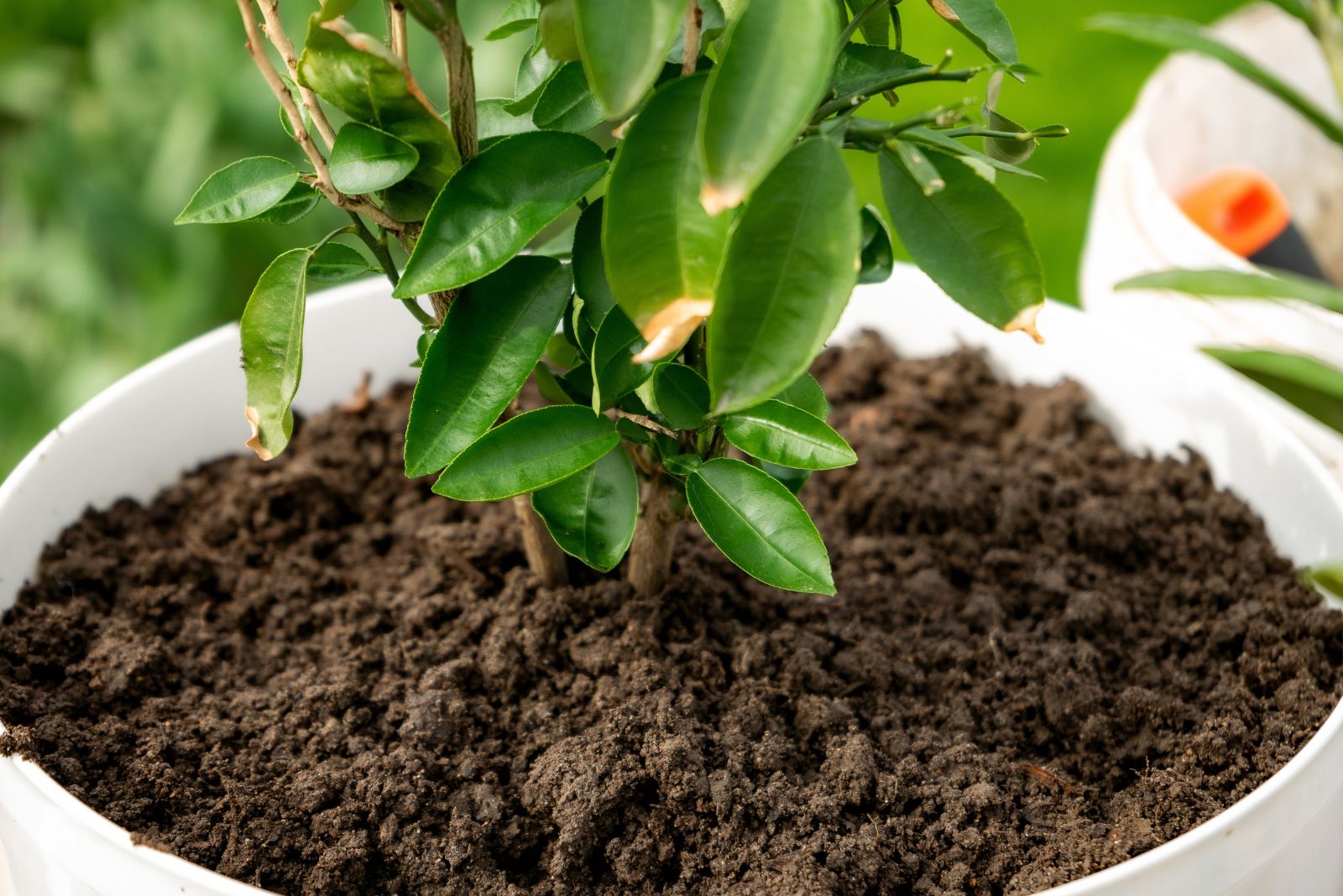
Growing grapefruit trees in pots is a fantastic way to enjoy fresh, juicy fruit even in Texas, where the weather can be tough on plants.
While these citrus trees typically thrive in warmer climates, using containers allows you to control the growing environment, making it possible to grow them right on your patio or in your backyard.
With the right care, your potted grapefruit tree can not only survive but flourish, producing beautiful fruit you can harvest at home.
The key to success is choosing the right pot, ensuring proper drainage, and placing the tree where it gets plenty of sunlight. You’ll also need to be mindful of watering – too much or too little can stress the tree.
With regular care and attention, your grapefruit tree will grow strong and healthy, rewarding you with sweet, tangy fruit that feels like a little piece of paradise, right in your own yard.
1. Choose A Large, Well-Draining Pot
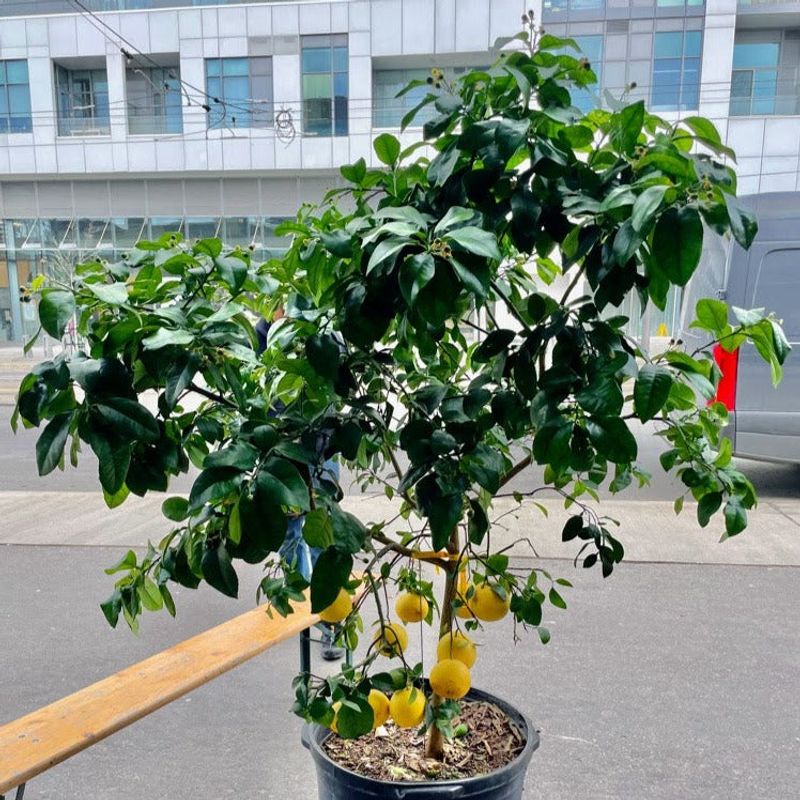
Picking the right pot is the foundation of everything. A grapefruit tree grown in a too-small container will struggle to produce fruit and may become rootbound quickly.
Start with a pot that is at least 18 to 24 inches in diameter, and make sure it has multiple drainage holes at the bottom.
Drainage holes are not optional. Without them, water sits at the bottom of the pot and causes root rot, which is one of the most common problems for potted citrus trees in Texas. Good drainage keeps the roots healthy and gives your tree the best chance to grow strong.
A citrus-specific potting mix is your best friend here. Regular garden soil is too heavy and compact for containers.
Look for a mix that includes perlite, peat moss, or sand, since these ingredients help water flow through easily while still holding enough moisture for the roots.
Clay or terracotta pots are popular choices because they are porous and allow the soil to breathe. However, they can be heavy to move, which matters a lot in Texas when you need to bring your tree inside during a cold front.
Lightweight plastic or resin pots are easier to handle and work just as well if they have good drainage.
As your tree grows, plan to repot it every two to three years into a slightly larger container. Grapefruit trees love having room to spread their roots.
Giving your tree plenty of space early on means fewer problems and more fruit down the road.
2. Plant In Full Sun
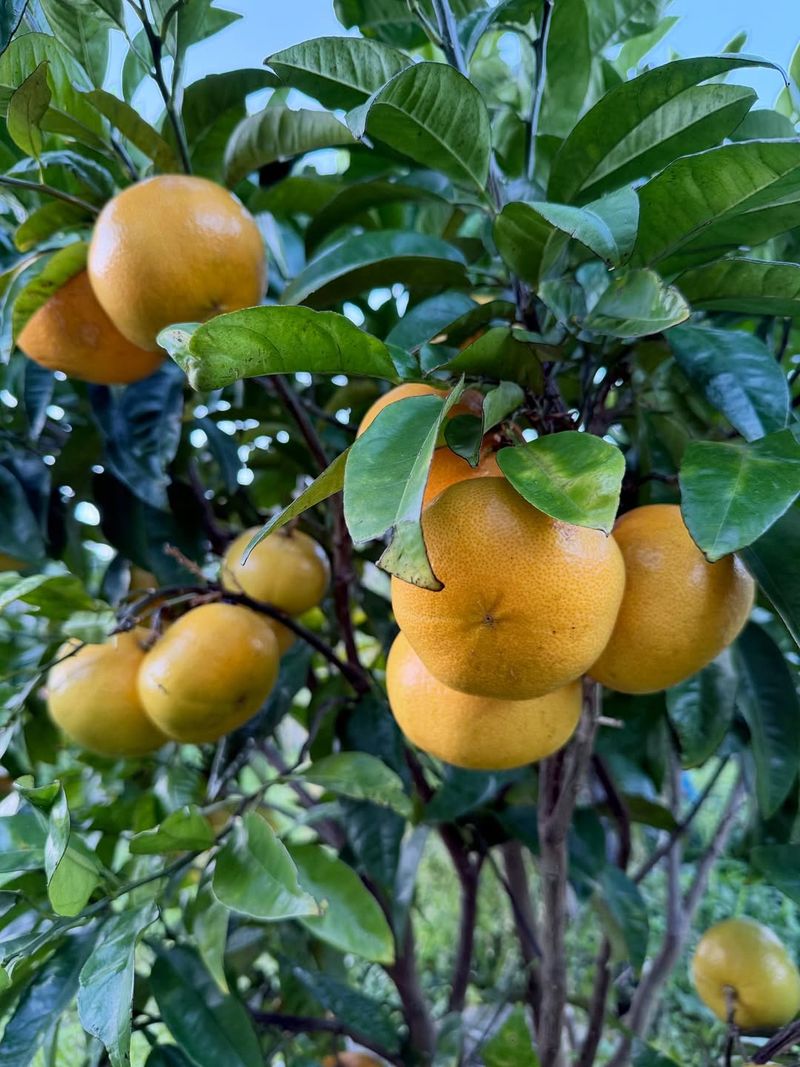
Sunlight is basically the fuel that powers your grapefruit tree. Without enough of it, your tree will grow slowly, produce fewer fruits, and look pale and unhappy.
In Texas, you have a real advantage because the sun shines strong and long for most of the year.
Aim to give your potted grapefruit tree at least eight hours of direct sunlight every single day. South-facing patios, driveways, and open backyard spaces are ideal spots in Texas.
The more sun your tree soaks up during the growing season, the sweeter and juicier your grapefruits will be come harvest time.
One big perk of growing in a pot is that you can move your tree to chase the sun. If your patio gets shaded in the afternoon, roll your tree to a sunnier spot.
This kind of flexibility is something in-ground trees simply cannot offer, and it makes a real difference in fruit quality.
If you ever need to bring your tree indoors during a Texas cold snap, place it near a large south-facing window. Supplemental grow lights can also help during the short days of winter.
Just remember that indoor light is much weaker than outdoor sunlight, so get your tree back outside as soon as temperatures allow.
Young grapefruit trees can sometimes get sunburned if moved suddenly from low light to intense Texas summer sun. Transition your tree gradually by increasing its sun exposure over a week or two.
This simple step protects the leaves and helps your tree adjust without any stress or setbacks.
3. Water Consistently But Avoid Overwatering
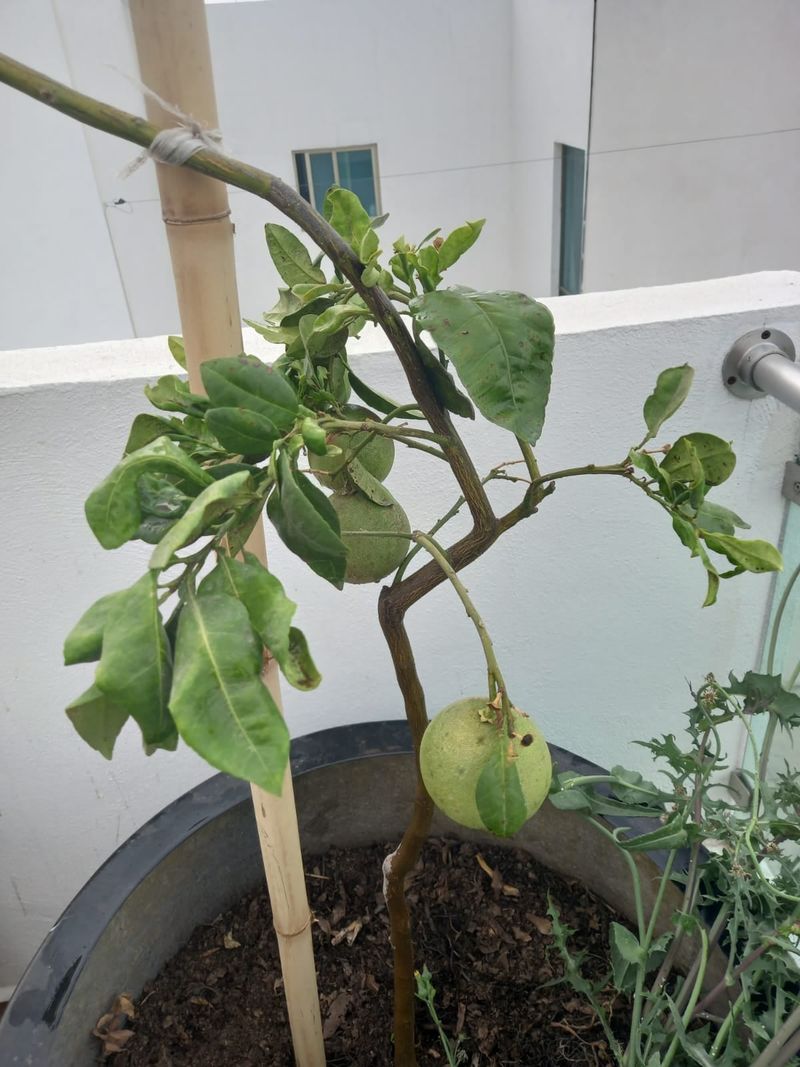
Watering a potted grapefruit tree in Texas requires a little attention, but once you get the hang of it, it becomes second nature.
The hot Texas summers can dry out container soil very fast, so you need to stay on top of your watering schedule, especially from May through September.
The golden rule is simple: water deeply, but only when the top two to three inches of soil feel dry. Stick your finger into the soil up to the second knuckle.
If it feels dry at that depth, it is time to water. If it still feels damp, wait another day and check again.
Overwatering is actually more damaging than underwatering for grapefruit trees. Soggy soil suffocates roots and creates the perfect environment for fungal problems.
Always make sure your pot drains completely after each watering session, and never let your tree sit in a saucer full of standing water.
During the cooler Texas winter months, your tree slows down its growth significantly. This means it needs far less water than it does in summer.
Reduce your watering frequency from November through February, but do not stop completely. The goal is to keep the soil slightly moist, never bone dry and never soaking wet.
Using a moisture meter is a smart and inexpensive way to take the guesswork out of watering. These small tools are available at most garden centers and give you an accurate reading of soil moisture in seconds.
For Texas gardeners dealing with extreme summer heat, a moisture meter can be a real game changer for keeping your grapefruit tree healthy.
4. Fertilize Regularly For Strong Growth
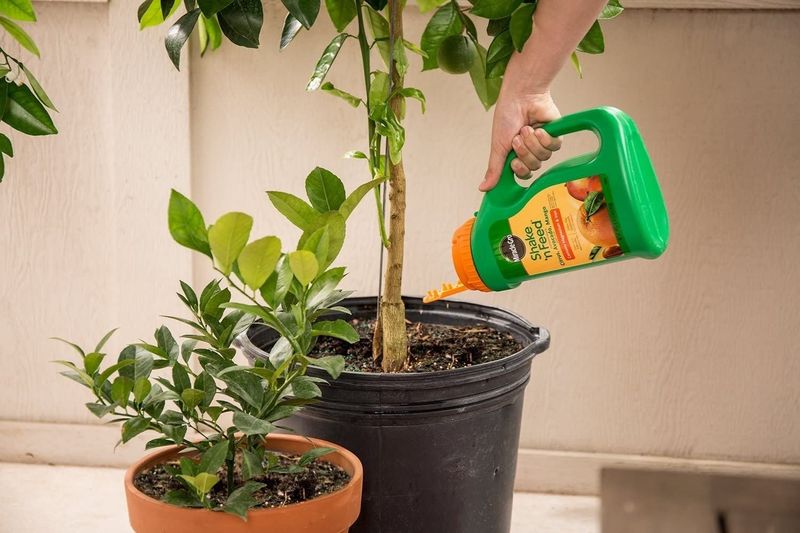
Grapefruit trees are hungry plants. They pull a lot of nutrients out of their potting mix to fuel all that leafy growth and fruit production.
Because container soil gets depleted much faster than garden beds, regular fertilizing is absolutely essential for potted citrus in Texas.
During the growing season, which runs from early spring through late summer in Texas, feed your grapefruit tree every six to eight weeks. Use a fertilizer specifically formulated for citrus trees.
These products contain the right balance of nitrogen, phosphorus, potassium, magnesium, and iron that grapefruit trees need to stay healthy and productive.
Nitrogen is especially important for leafy green growth, while magnesium and iron prevent yellowing leaves, a condition called chlorosis.
If you notice your tree’s leaves turning yellow between the veins while the veins themselves stay green, that is a classic sign of iron or magnesium deficiency. A citrus fertilizer with micronutrients will fix this quickly.
Slow-release fertilizer granules are convenient and easy to use. Simply sprinkle them on top of the soil and water them in.
Liquid fertilizers work faster and are great for giving your tree a quick nutrient boost during heavy fruiting periods. Many experienced Texas gardeners use a combination of both for the best results.
Stop fertilizing in late fall and winter when your tree is not actively growing. Feeding a dormant or slow-growing tree can push out tender new growth that gets damaged by cold temperatures.
Resume your regular feeding schedule in early spring when you see fresh new leaves beginning to sprout, and your tree will reward you with vigorous growth all season long.
5. Protect From Freezing Temperatures
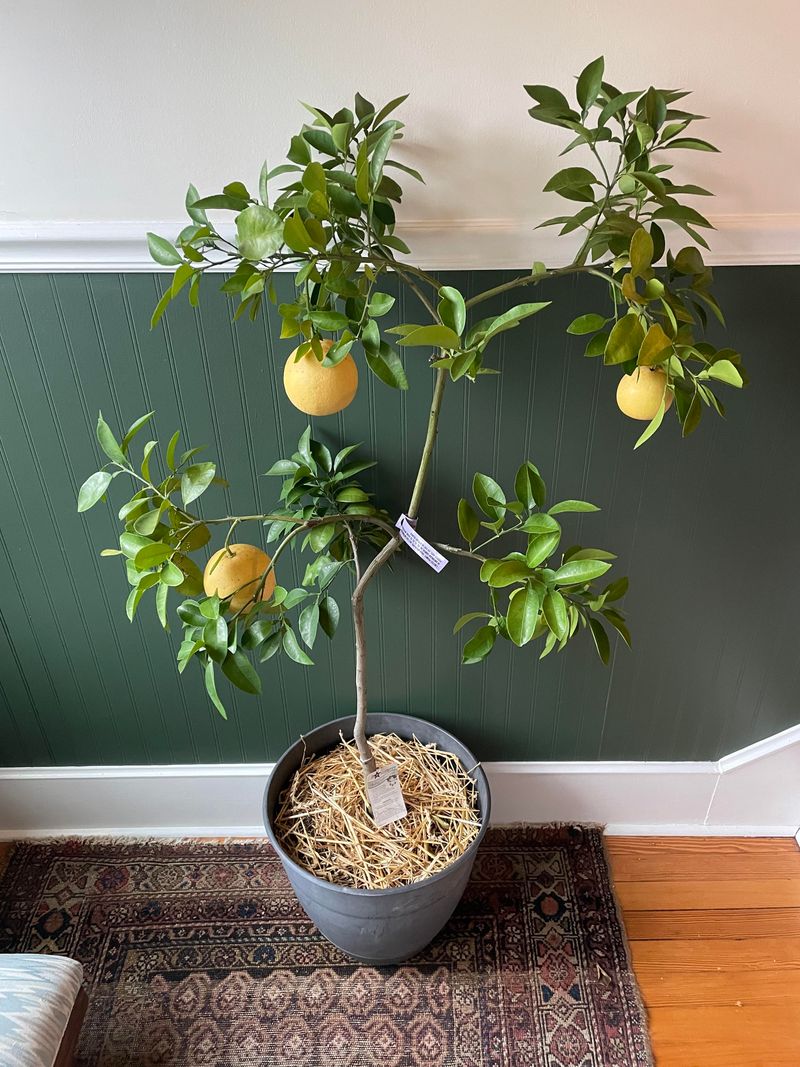
Texas winters can be sneaky. Most of the time the weather is mild, but every few years a hard freeze rolls through and catches gardeners off guard.
Grapefruit trees are cold-sensitive citrus, and temperatures below 32 degrees Fahrenheit can seriously damage the leaves, branches, and fruit of your potted tree.
The great thing about growing in containers is that you can move your tree to safety when cold weather is on the way. Watch the weather forecast closely from November through February.
When temperatures are expected to drop below 32 degrees Fahrenheit, bring your potted grapefruit tree into a garage, greenhouse, or any sheltered indoor space that stays above freezing.
If your tree is too large or heavy to move indoors easily, a frost blanket works well as a backup plan. Drape the blanket over the entire tree, making sure it reaches all the way to the ground to trap heat from the soil.
Remove the blanket during the day when temperatures rise back above freezing so your tree can breathe and get some light.
String lights wrapped around your tree can also add a little warmth on cold nights. Old-fashioned incandescent bulbs generate more heat than LED lights and can make a noticeable difference under a frost blanket.
This trick has been used by Texas citrus growers for decades to protect trees during unexpected cold snaps.
After a freeze, do not rush to prune damaged branches right away. Wait until spring to see which branches push out new growth naturally.
Some branches that look damaged after a frost actually recover beautifully once warmer temperatures return to your part of Texas.
6. Prune To Maintain Shape And Health
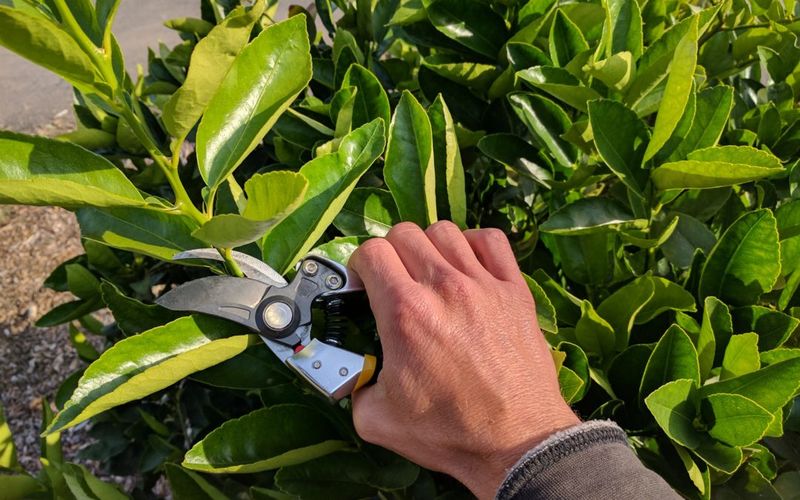
Pruning might sound intimidating, but it is actually one of the most satisfying parts of caring for a potted grapefruit tree. A well-pruned tree looks cleaner, grows more efficiently, and produces better fruit.
Think of it as giving your tree a fresh haircut that helps it focus its energy where it matters most.
The best time to prune your grapefruit tree in Texas is in late winter or very early spring, just before new growth starts pushing out. Pruning at this time means your cuts heal quickly as the tree enters its active growing phase.
Avoid heavy pruning in the fall, since new growth stimulated by pruning can be vulnerable to early cold snaps.
Start by removing any dry, broken, or crossing branches. Then look for branches that are growing inward toward the center of the tree and crowding the canopy.
Opening up the center improves airflow and allows sunlight to reach all parts of the tree, which directly boosts fruit quality and reduces the risk of fungal disease.
Always use clean, sharp pruning shears when working on your grapefruit tree. Dull or dirty blades can tear the wood and introduce disease.
Wipe your blades with rubbing alcohol between cuts if you are removing any branches that look diseased or discolored. This simple habit protects your tree from spreading problems branch to branch.
Keep the overall size of your potted tree manageable. Since you are growing in a container in Texas, a compact and well-shaped tree is easier to move, easier to protect from cold weather, and much more enjoyable to tend.
Regular light pruning every year is far better than one dramatic cutback every few seasons.