8 Tips For Growing Lemon Trees Successfully In Containers In Arizona
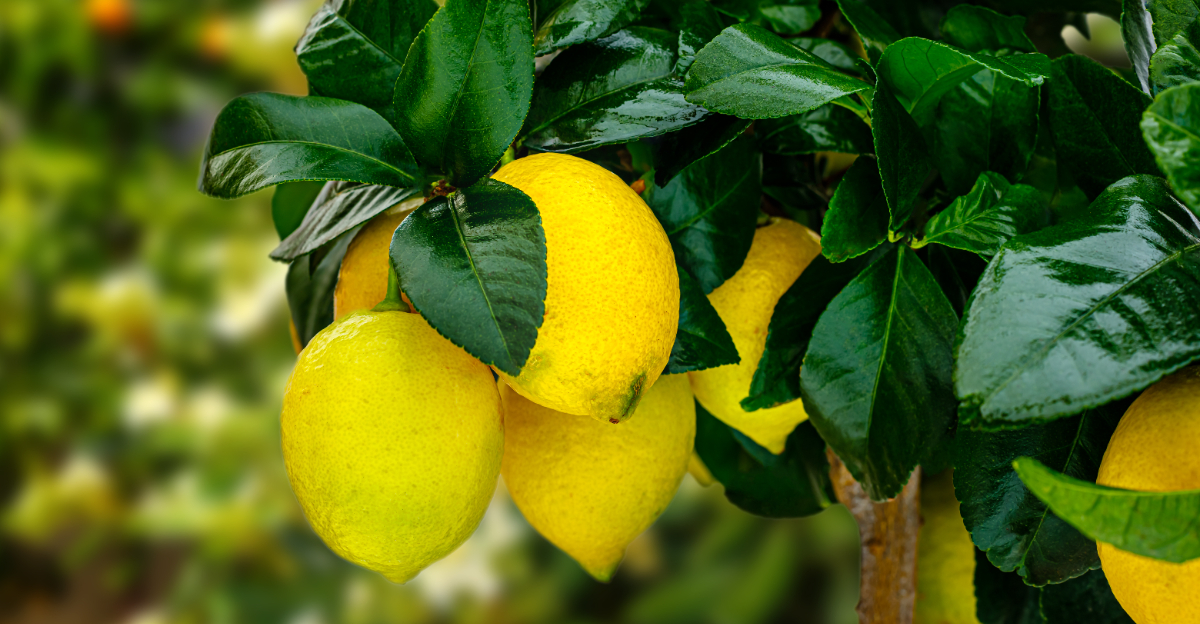
Lemon trees instantly bring a fresh, vibrant feeling to a patio or backyard, and many Arizona gardeners are surprised by how well they can grow in containers.
A sunny corner, the right pot, and a healthy young tree can quickly turn into a beautiful plant that fills the air with the scent of citrus blossoms.
Growing lemons in pots does come with a few challenges in Arizona’s climate. Strong sun, dry air, and fast-draining soil can affect how the tree grows if a few important details are overlooked.
Container trees rely completely on the care they receive, which means small decisions about watering, soil, and placement can make a noticeable difference.
With the right approach, a potted lemon tree can thrive for years and even produce a steady harvest of fruit.
A few smart growing habits can help the tree stay healthy, grow strong roots, and handle Arizona’s heat while continuing to produce those bright, fragrant lemons many gardeners love.
1. Choose A Heat Tolerant Lemon Variety
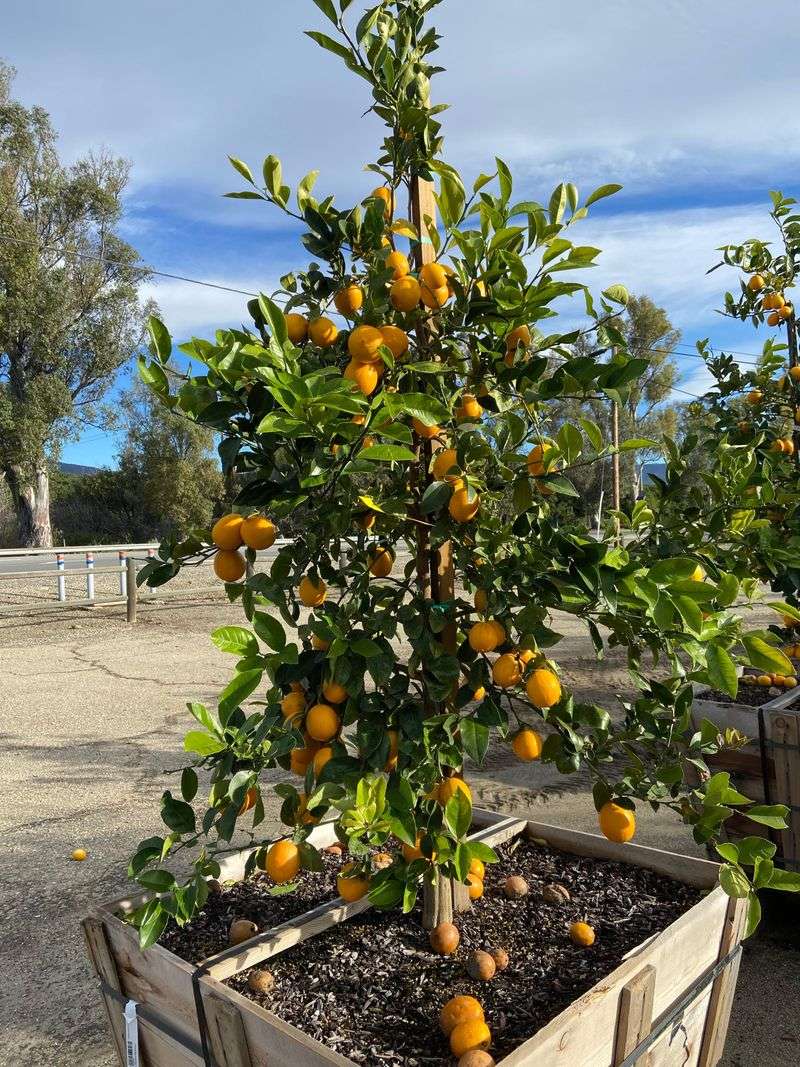
Not every lemon variety handles Arizona summers the same way, and picking the wrong one from the start will cost you time and frustration. Improved Meyer lemon is probably the most popular choice for container growing in Arizona, and for good reason.
It stays compact, produces fruit reliably, and handles heat better than most other varieties.
Eureka and Lisbon lemons can work too, but they tend to grow larger and need more space to really perform well. If you are working with a smaller patio or balcony in the Phoenix metro area, stick with a dwarf or semi-dwarf Meyer.
You will get more fruit per square foot and a much easier tree to manage overall.
Local Arizona nurseries often stock varieties already suited to the desert climate, so shopping locally gives you a head start. Ask the staff specifically about heat tolerance and container suitability before buying.
A tree that struggles in your climate will never produce the way you want it to, no matter how well you care for it. Starting with the right variety is honestly half the battle when growing lemons in Arizona.
Containers also make it easier to control soil quality and drainage, which lemon trees depend on in Arizona’s dry climate.
With the right variety and a suitable container, even a small patio can support a healthy lemon tree that produces fruit year after year.
2. Plant In Full Sun With Protection From Strong Wind
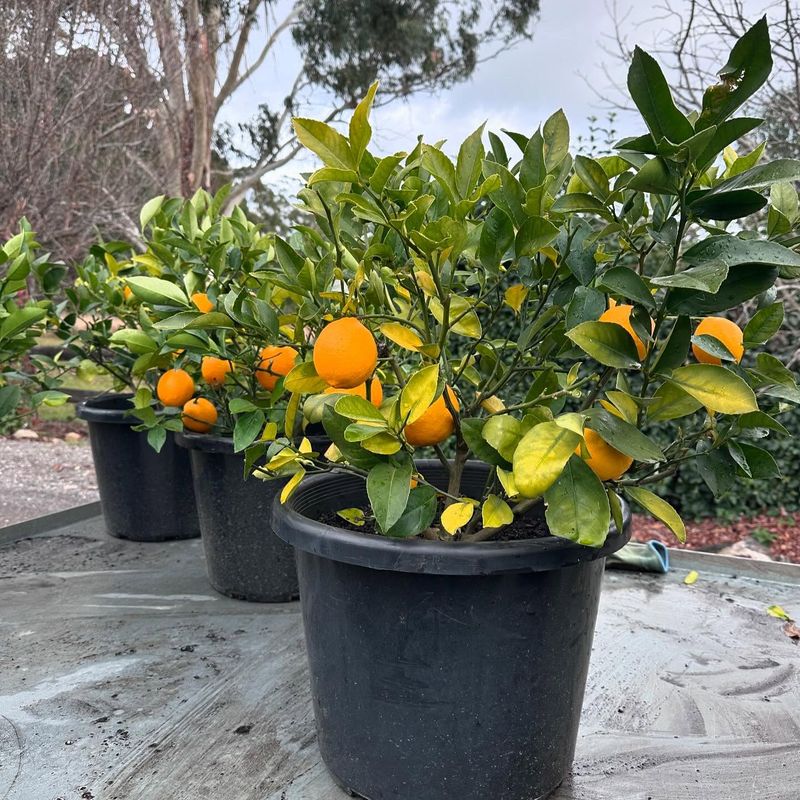
Lemon trees are sun lovers, full stop. In Arizona, you want your container tree getting at least eight hours of direct sunlight every single day.
Less than that and you will see slower growth, fewer flowers, and a disappointing fruit set come harvest time.
Placement matters more than most people realize. A south or southeast-facing spot on your patio is ideal because it captures morning light and avoids the most brutal late afternoon sun during peak summer.
That afternoon shade buffer actually helps during July and August when temperatures in cities like Mesa and Scottsdale regularly climb past 110 degrees Fahrenheit.
Wind is a sneaky problem that does not get talked about enough. Strong desert winds can dry out container soil in hours, stress the canopy, and even knock over a pot that is not heavy or stable enough.
Position your tree near a wall, fence, or large planter that can break the wind without blocking the sun. A windbreak does not need to be elaborate, just something solid enough to reduce direct gusts hitting the foliage.
Roots in a container have far less stability than roots in the ground, so protecting against wind is genuinely important for long-term success in Arizona.
3. Use Well Draining Soil To Prevent Root Problems
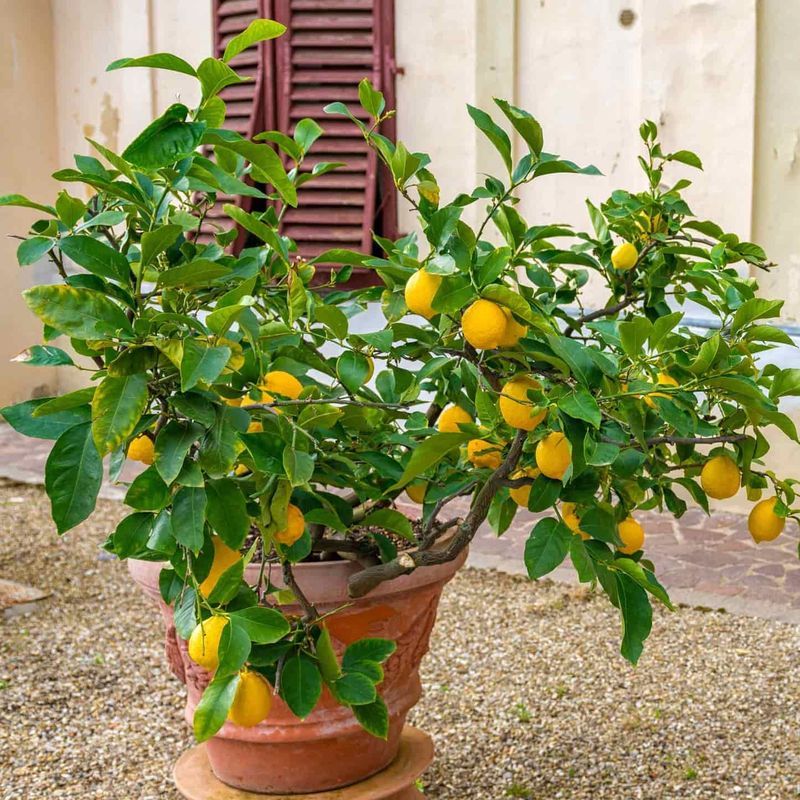
Soggy roots are a fast track to a struggling lemon tree, and regular garden soil or cheap potting mix will hold too much moisture in a container. You need a mix specifically designed for citrus or one that drains freely and does not compact over time.
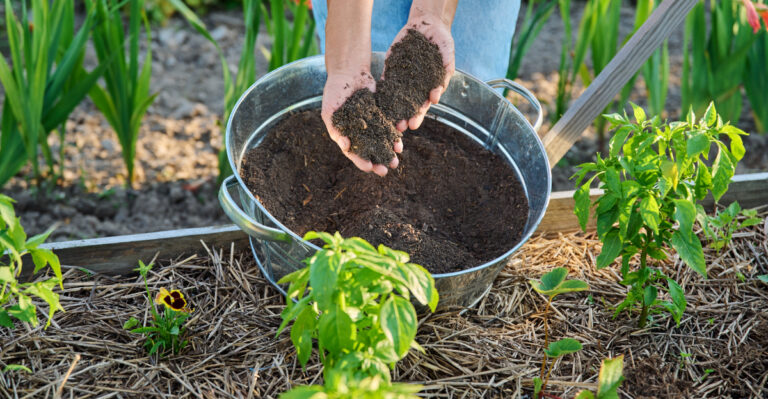
A solid homemade mix combines quality potting soil with perlite and a bit of compost. The perlite keeps things loose and airy so water moves through without pooling at the bottom of the pot.
Coconut coir is another great addition because it holds just enough moisture without becoming waterlogged, which is a real balancing act in Arizona’s dry climate.
Drainage holes in your container are non-negotiable. At least two or three large holes at the bottom will allow excess water to escape freely after each watering.
Some gardeners place a layer of gravel at the bottom of the pot, but modern research suggests this actually traps moisture rather than improving drainage. Skip the gravel and just use a fast-draining mix from the start.
Refresh your potting mix every two to three years because it breaks down and compacts over time, which slows drainage and puts stress on roots that need room to breathe and grow.
Healthy roots are the foundation of a productive lemon tree, so what is happening below the soil line matters just as much as what you see above it.
A light, well-draining mix gives roots the oxygen they need while preventing the soggy conditions that often lead to root rot in containers.
4. Water Deeply To Encourage Strong Root Growth
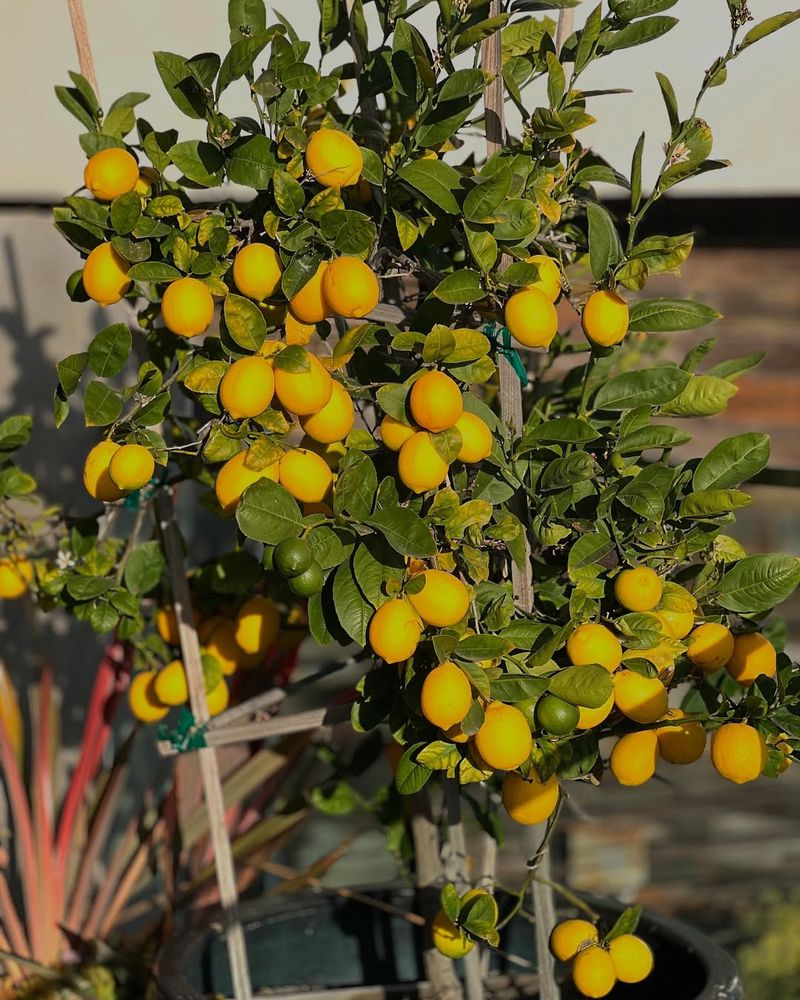
Shallow, frequent watering is one of the most common mistakes container gardeners make with lemon trees in Arizona.
When you only wet the top few inches of soil, roots stay near the surface instead of pushing deeper, and a shallow root system cannot support a healthy, fruit-bearing tree.
Water deeply every time, meaning you soak the soil until water runs freely from the drainage holes. During the brutal Arizona summer months, you might need to water every two or three days depending on pot size, sun exposure, and how dry the air is.
In cooler months from November through February, watering once every seven to ten days is usually plenty.
Stick your finger about two inches into the soil before watering. If it feels dry at that depth, water thoroughly.
If it still feels slightly damp, wait another day and check again. Container soil dries faster than in-ground soil, especially in the low desert heat, so checking regularly beats following a fixed schedule.
Overwatering is just as damaging as underwatering, so learning to read your soil instead of watching the calendar makes a real difference.
A moisture meter is a cheap and useful tool if you want something more precise than the finger test for your Arizona container lemon.
5. Fertilize Regularly During The Growing Season
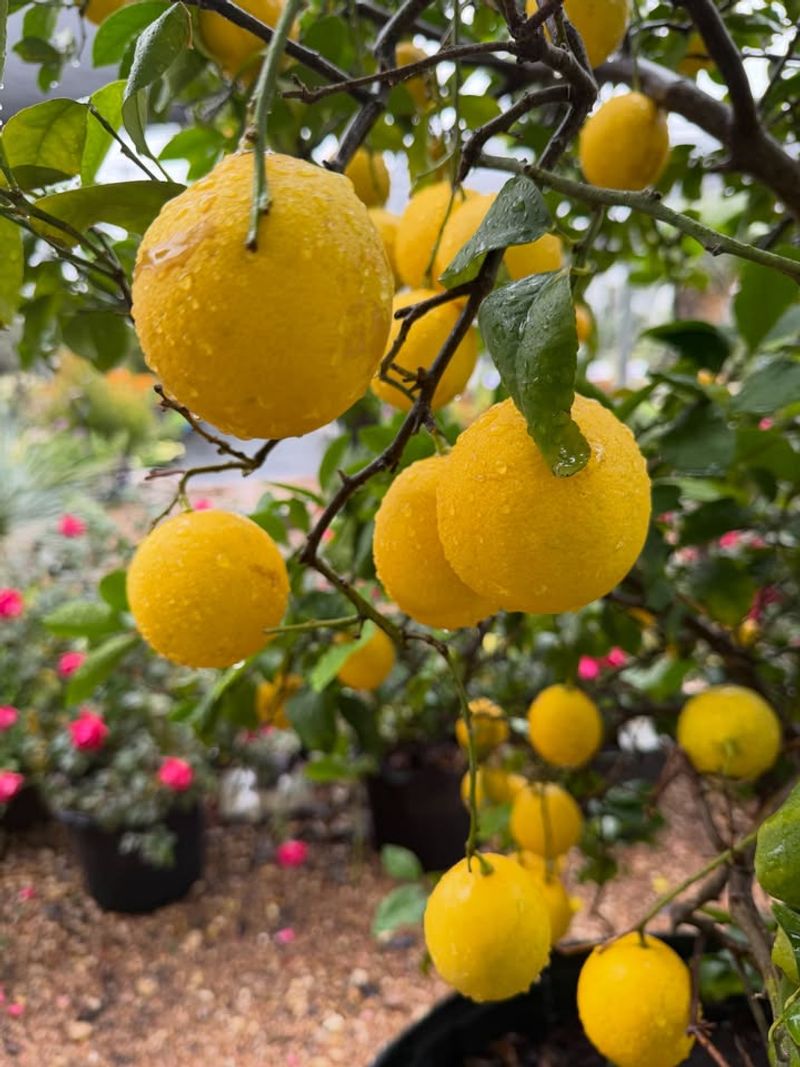
Container lemon trees burn through nutrients much faster than trees planted in the ground because every time you water, some nutrients wash out through those drainage holes.
Without regular feeding, your tree will show yellowing leaves, slow growth, and very little fruit production.
Use a fertilizer specifically formulated for citrus, since these trees have particular needs for nitrogen, iron, and zinc. A slow-release granular citrus fertilizer applied three times a year works well for Arizona growers.
Good timing is February when the tree starts waking up, May as growth picks up speed, and September as temperatures begin to cool down again.
Yellowing leaves between the veins, known as chlorosis, often signal an iron or zinc deficiency that is common in Arizona’s alkaline soil and water. A citrus-specific micronutrient spray or soil drench can fix this quickly.
Liquid fertilizers work faster than granules and can be used monthly during the active growing season if your tree looks like it needs a boost.
Avoid fertilizing during the hottest weeks of summer or during cold snaps in winter because the tree is not actively growing during those times and cannot use the extra nutrients effectively.
Feeding at the wrong time just wastes product and can stress your tree unnecessarily.
Consistent feeding keeps container lemon trees vigorous and productive throughout the growing season. A steady supply of nutrients supports healthy leaves, stronger growth, and better fruit development.
6. Protect Young Trees From Intense Summer Sun
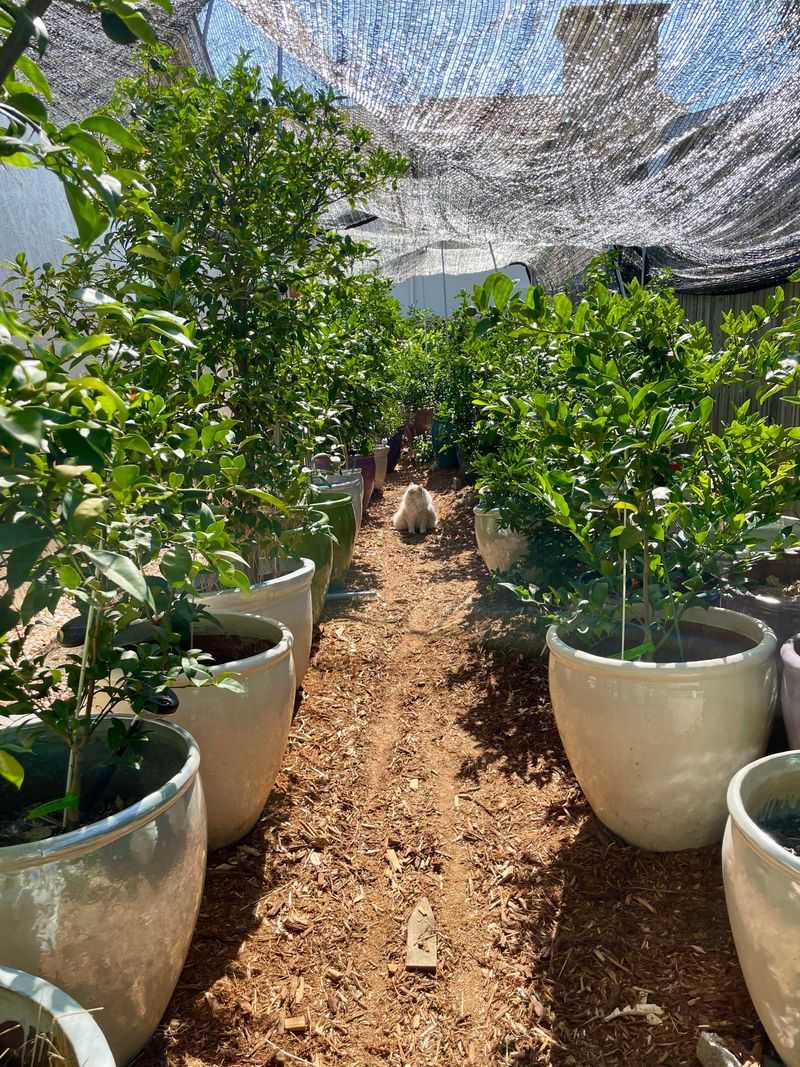
Brand new lemon trees fresh from the nursery have not yet built up the toughness to handle full Arizona summer exposure without some help.
Leaf scorch on young trees shows up as brown, crispy edges on leaves, and it can set back growth significantly during the first season.
Shade cloth rated at thirty to forty percent is a practical and affordable fix. Drape it over a simple frame or attach it to a nearby wall to filter the most intense afternoon sun from about noon onward.
You are not trying to block all light, just reduce the harshest rays during the peak heat window of the day.
Moving the container is another option that most in-ground gardeners simply cannot do.
Roll your tree to a spot with morning sun and afternoon shade during June, July, and August, then move it back to full sun once September arrives and conditions moderate.
Even a few feet of repositioning can make a noticeable difference in how a young tree handles the heat. As the tree matures and develops thicker bark and a fuller canopy, it becomes far more capable of tolerating the Arizona sun without extra help.
Give young trees that extra layer of care in the first one or two seasons and they will reward you with much stronger long-term growth.
7. Watch For Citrus Pests And Treat Early
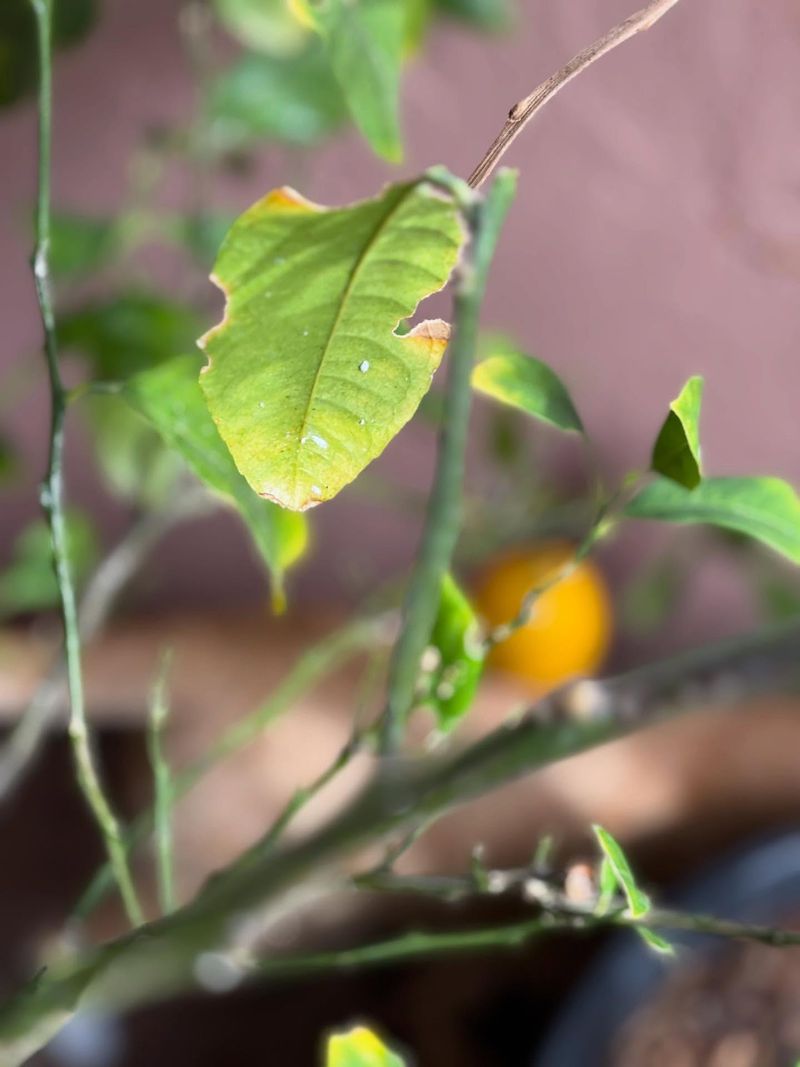
Arizona container lemon trees face a handful of common pests, and catching them early is the difference between a quick fix and a serious problem.
Citrus leafminers, scale insects, and spider mites are the usual suspects, and all three show up more aggressively during warm months when the tree is putting out fresh growth.
Leafminers leave squiggly silver trails on new leaves, which looks alarming but rarely causes lasting harm to a mature tree.
Young trees are more vulnerable, though, so treating with neem oil spray on new growth every couple of weeks during the flush season helps keep populations down.
Spider mites love hot and dry conditions, which makes Arizona a perfect environment for them to multiply fast.
Check the undersides of leaves regularly because that is where most pests hide and lay eggs. A strong blast of water from a hose can knock mites and soft-bodied insects off the foliage before they become a real infestation.
For scale insects, a cotton swab dipped in rubbing alcohol works well for small infestations on stems and branches. Horticultural oil is effective for heavier scale problems and is safe to use on citrus without causing damage.
Staying consistent with weekly inspections during the growing season means you catch issues before they spiral out of control on your Arizona patio tree.
8. Harvest Fruit Once Lemons Turn Fully Yellow
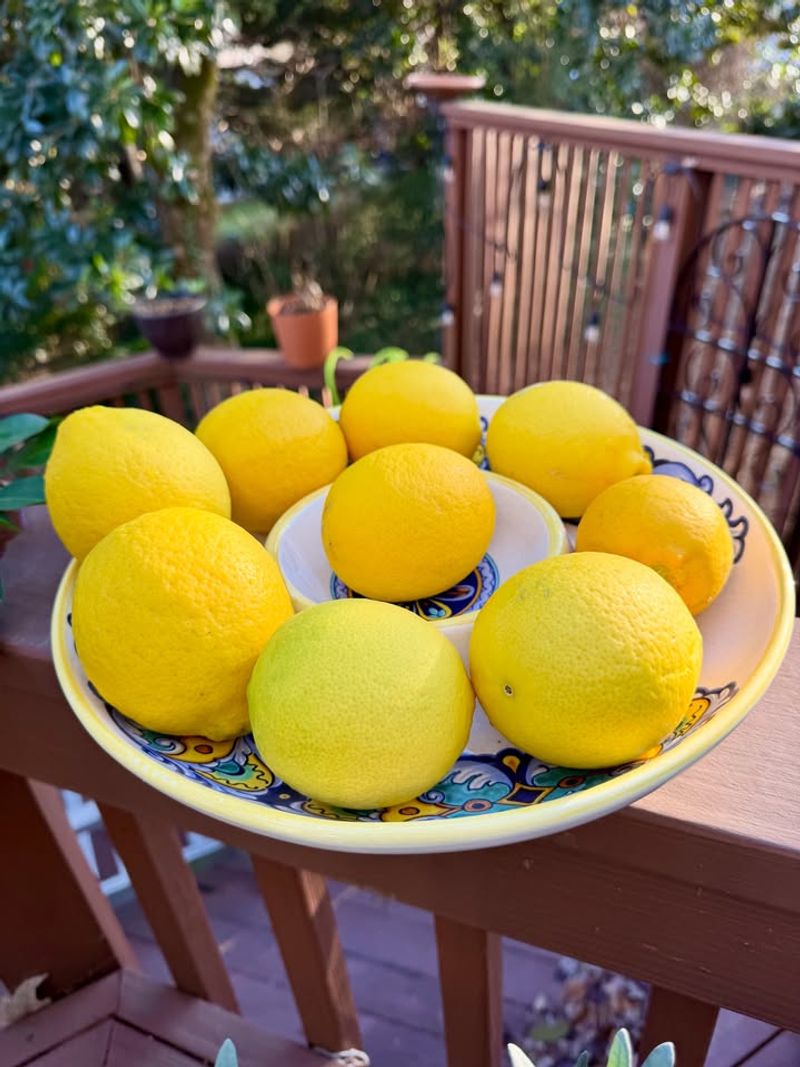
Patience is genuinely the hardest part of growing lemons, especially when you have been watching fruit develop on your Arizona container tree for months.
Lemons do not ripen off the tree the way some other fruits do, so picking too early means you end up with less juice and weaker flavor than the fruit is actually capable of producing.
Wait until the skin transitions from green to a full, consistent yellow before harvesting. Give the fruit a gentle squeeze and it should feel slightly soft with a little give, not rock hard.
Fully ripe lemons also pull away from the stem with very little resistance, which is a reliable signal that they are ready.
Arizona lemon trees often hold fruit on the branch for a surprisingly long time without dropping it, so you do not need to rush the harvest.
Leaving ripe fruit on the tree too long can eventually cause it to become puffy and dry inside, so check your tree every week or two once fruit starts yellowing.
Use a pair of small pruning shears or scissors to cut the fruit from the branch rather than pulling, which can damage the stem and nearby developing fruit.
Fresh homegrown lemons from your own Arizona patio tree have a brightness and intensity that store-bought fruit simply cannot match, making every bit of the effort worthwhile.