8 Tips For Growing Lemon Trees Successfully In Containers In Texas
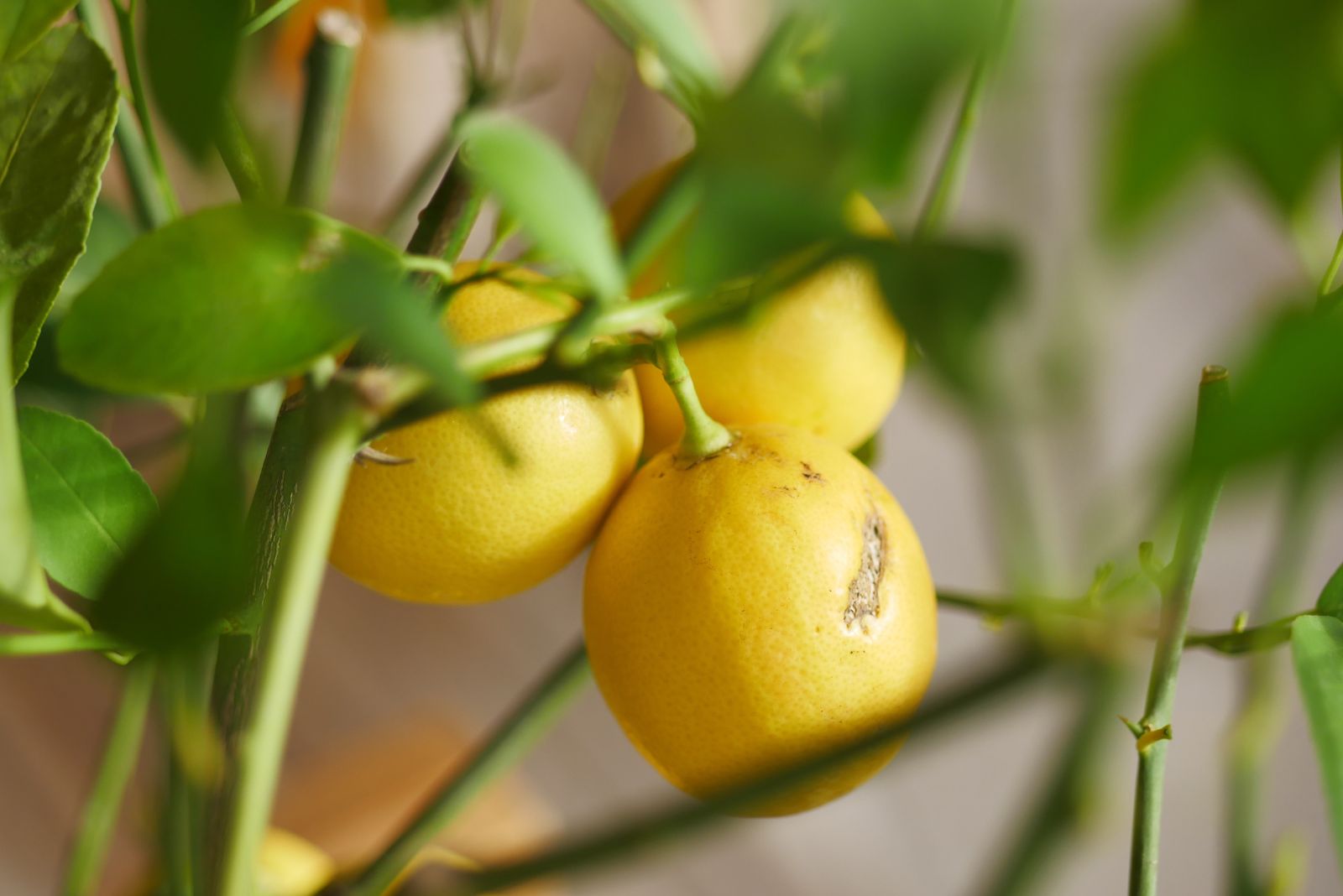
Growing lemons in Texas sounds like the kind of gardening win that feels almost too good to be true. You get glossy green leaves, fragrant white blooms, and the possibility of picking fresh lemons right from your own patio or backyard.
The good news is that container growing makes this much more doable, especially for gardeners who want more control over soil, watering, and placement.
A potted lemon tree gives you flexibility that in-ground planting cannot always match. You can move it to catch the best sunlight, protect it during temperature swings, and keep its size manageable without giving up on fruit.
That matters in Texas, where conditions can be great for citrus one week and stressful the next. Too much heat, sudden cold, poor drainage, or inconsistent watering can all throw a lemon tree off fast.
The nice part is that lemon trees are not impossible or overly fussy when you understand what they need.
With the right container, enough sun, and a smart care routine, Texas gardeners can grow healthy, productive lemon trees that look beautiful and reward the effort with fresh, homegrown fruit.
1. Choose The Right Lemon Variety
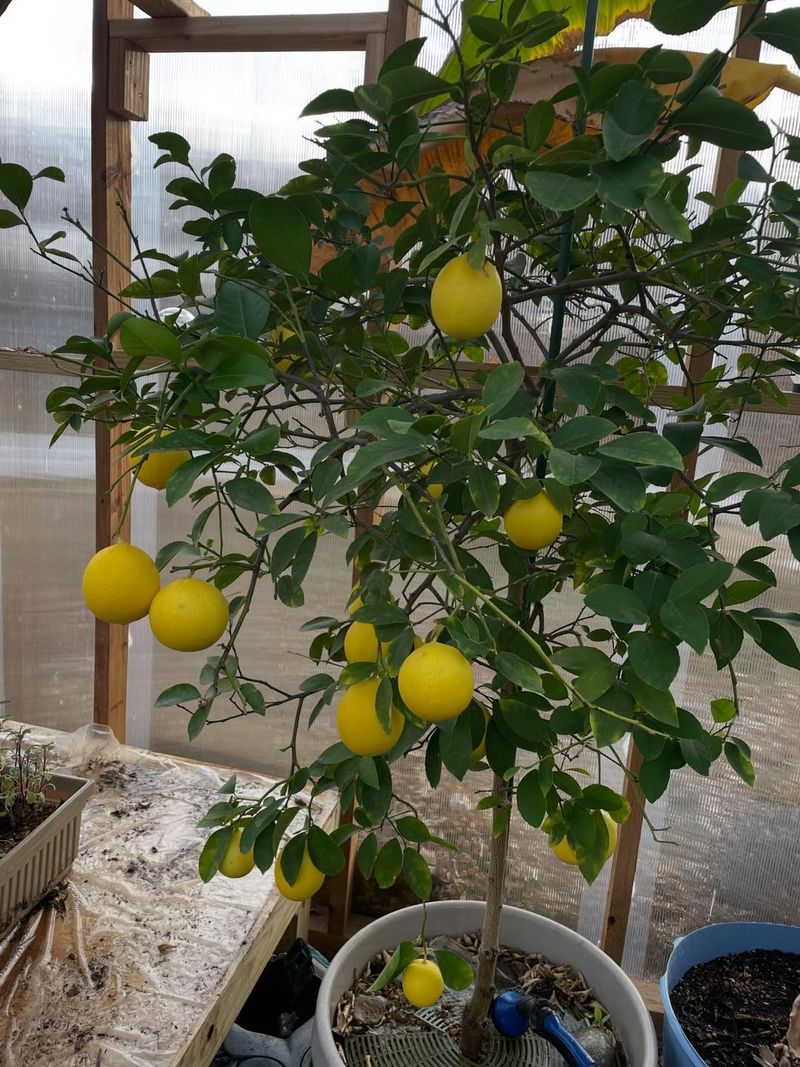
Not every lemon tree is built for container life, and picking the wrong one can lead to years of frustration. The good news is that some varieties were practically made for pots. The Meyer lemon is the top pick for Texas gardeners growing in containers.
Meyer lemons are a cross between a lemon and a mandarin orange. The fruit is sweeter and less acidic than a regular lemon. The trees stay compact, which makes them much easier to manage in a pot.
Dwarf and semi-dwarf varieties are your best bet for container growing. They naturally stay smaller, so they do not outgrow their pots too quickly. You can find dwarf Meyer lemon trees at most garden centers across Texas.
Another solid option is the Eureka lemon, which also comes in a dwarf form. It produces fruit almost year-round in warmer Texas climates. Having a reliable fruiting schedule is a huge bonus when you are growing in a container.
Choosing the right variety from the start saves you time, money, and effort down the road. A dwarf tree in the right pot can live happily for many years and reward you with fresh lemons season after season.
Start smart, and the rest of your container journey becomes a whole lot easier.
2. Use A Large, Well-Draining Container
Imagine planting a lemon tree in a tiny pot and expecting it to produce fruit. It simply would not work.
The container you choose plays a huge role in how well your tree grows, especially in the intense Texas heat.
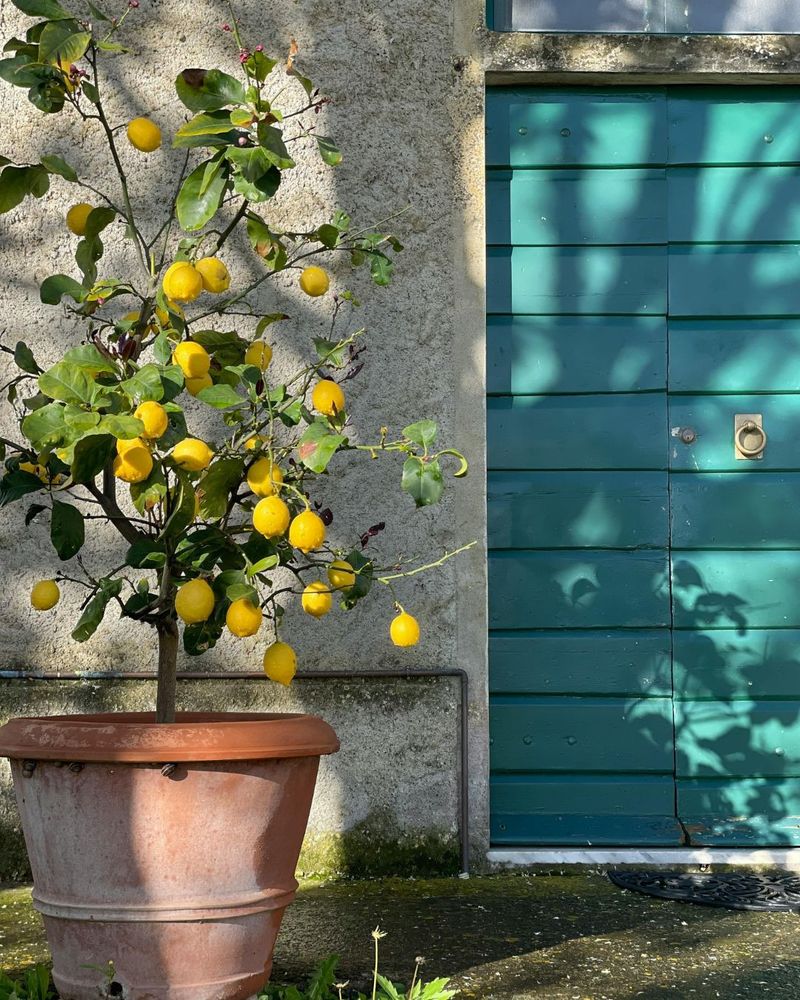
Go with a pot that holds at least 15 to 20 gallons. Anything smaller will restrict root growth and cause the tree to struggle. A cramped root system means a stressed tree that produces very little fruit.
Drainage holes are non-negotiable. Without them, water pools at the bottom of the pot and causes root rot.
In Texas, where summer temperatures regularly top 100 degrees, soggy roots can seriously damage your tree fast.
Terracotta pots look great and allow the soil to breathe, but they dry out quickly. Plastic or resin containers hold moisture a little longer, which can be helpful during Texas summers. Either option works well as long as drainage is solid.
Elevating your container on pot feet or a rolling plant stand is a smart move. It improves airflow under the pot and makes drainage even more effective. A rolling stand also lets you move the tree easily when cold weather hits.
Investing in the right container from the beginning sets your lemon tree up for long-term success. Think of it as the foundation of everything your tree needs to thrive in a Texas environment.
3. Select The Right Soil Mix
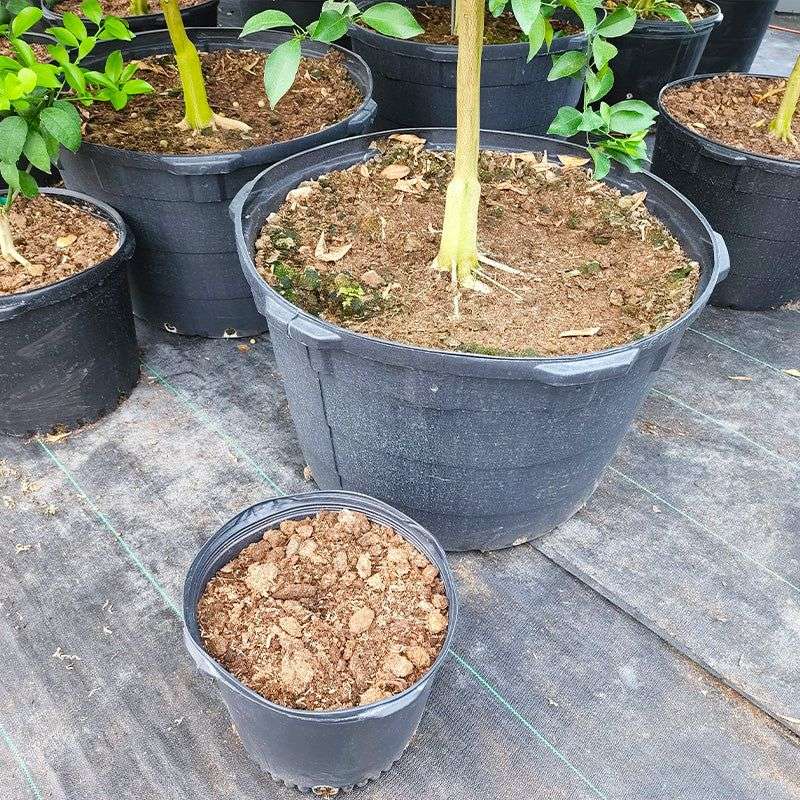
Soil might seem like a small detail, but it is one of the most important factors in growing a healthy container lemon tree. Regular garden soil is too dense and heavy for pots. It holds too much water and does not let roots breathe properly.
A well-draining potting mix made specifically for citrus or cactus works best. These mixes are lighter and allow water to pass through quickly. That fast drainage is critical for lemon trees, which hate sitting in wet soil.
You can also mix your own blend at home. Combine a good quality potting mix with perlite or coarse sand.
A ratio of about two parts potting mix to one part perlite gives you excellent drainage and aeration for your lemon tree roots.
Lemon trees prefer slightly acidic soil with a pH between 5.5 and 6.5. Most citrus potting mixes are already formulated within this range. If you are unsure, grab an inexpensive soil pH tester from your local Texas garden center.
Refreshing the top layer of soil each spring is also a helpful habit. Over time, the soil in containers breaks down and becomes compacted.
Adding fresh mix to the top keeps the soil structure loose and nutrient-rich for another growing season.
4. Provide Full Sun Exposure
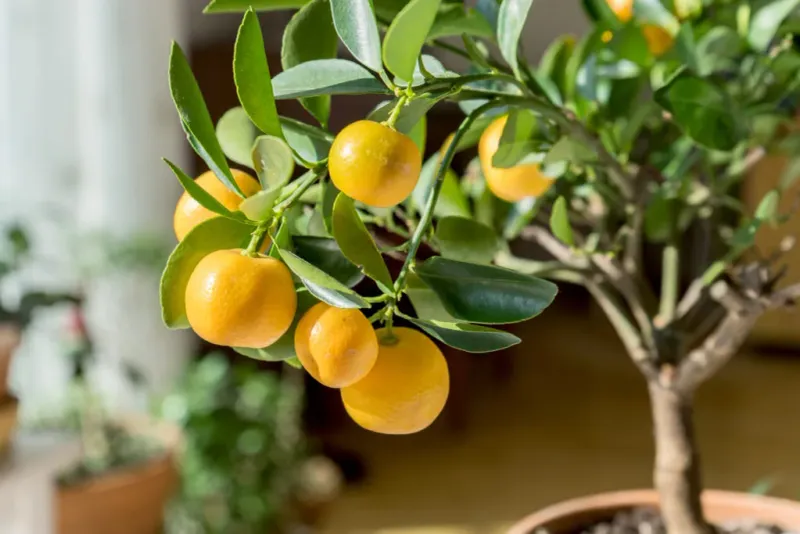
Lemon trees are sun lovers through and through. They crave warmth and bright light, and Texas has plenty of both.
Getting the placement right is one of the easiest ways to guarantee a productive tree. Your lemon tree needs at least eight hours of direct sunlight every day. More is even better.
South-facing patios, balconies, and yards are ideal spots because they receive the most consistent sun throughout the day.
In cities like San Antonio or Austin, the summer sun can be intense. That kind of heat and light is actually great for lemon trees. They absorb all that energy and use it to push out new growth and develop fruit.
If you are growing indoors during part of the year, place the tree near the largest, sunniest window you have. A grow light can supplement natural light if your space does not get enough sun. However, nothing beats real outdoor Texas sunshine for citrus growth.
Rotating your container every week or two helps all sides of the tree get equal light exposure. This encourages even, balanced growth and prevents one side from becoming leggy or sparse. A well-lit tree is a happy, productive tree.
Watch for signs of too little sun, like pale leaves or slow growth. Moving the container to a brighter spot can make a noticeable difference within just a few weeks.
5. Water Consistently But Avoid Overwatering
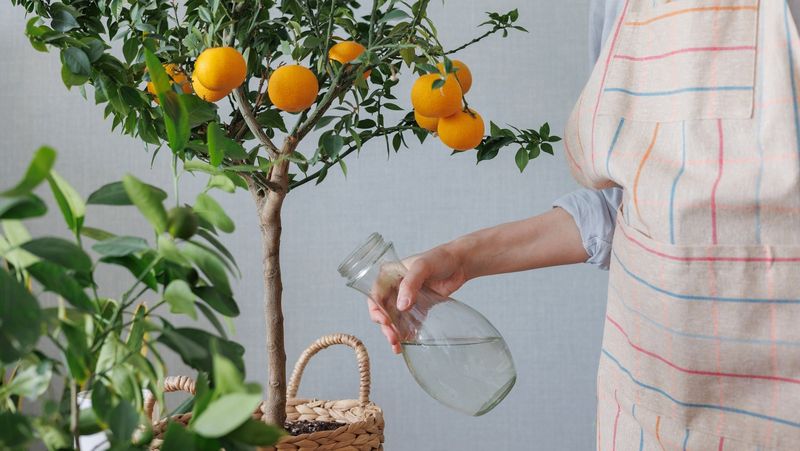
Texas heat is no joke, and it dries out container soil much faster than you might expect. During summer, you may need to water your lemon tree every single day. Staying consistent with watering is key to keeping your tree healthy and productive.
The best way to check if your tree needs water is simple. Stick your finger about two inches into the soil.
If it feels dry at that depth, it is time to water. If it still feels moist, wait another day and check again.
When you do water, do it thoroughly. Water until it flows freely out of the drainage holes at the bottom. This ensures the entire root system gets hydrated, not just the top layer of soil.
Overwatering is just as harmful as underwatering. Soggy soil cuts off oxygen to the roots and leads to root rot.
Signs of overwatering include yellowing leaves, drooping branches, and a sour smell coming from the soil.
During cooler Texas months, like winter in North Texas or spring in the Hill Country, scale back your watering schedule. The tree’s growth slows down, and the soil stays moist longer. Adjust based on what the soil tells you, not the calendar.
Mulching the top of the container soil with a thin layer of wood chips can help retain moisture. It slows evaporation and keeps roots cooler during those blazing Texas afternoons.
6. Fertilize Regularly For Healthy Growth
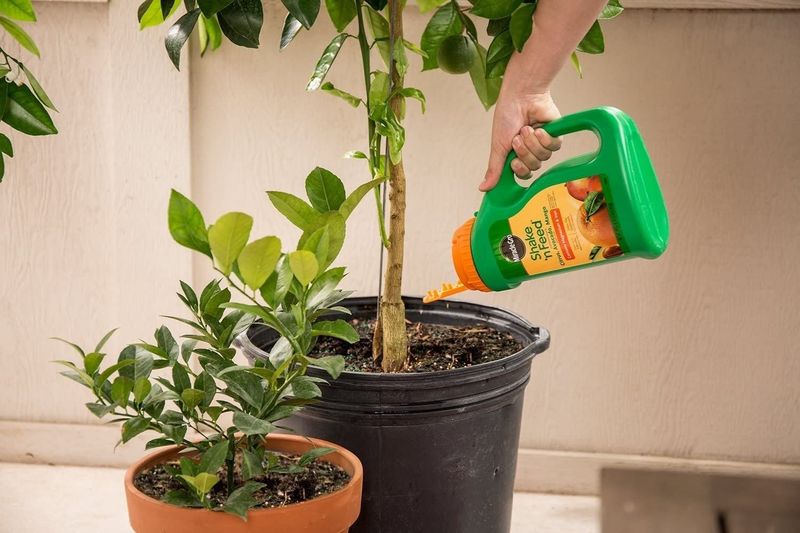
A lemon tree growing in a container depends entirely on you for its nutrients. Unlike trees planted in the ground, container trees cannot reach out into the surrounding soil for extra minerals.
Regular feeding is absolutely essential for strong growth and fruit production. Use a fertilizer made specifically for citrus trees. These products are formulated with the right balance of nitrogen, phosphorus, and potassium.
They also include important micronutrients like iron, zinc, and manganese that lemon trees need to stay healthy.
Nitrogen is the nutrient that drives leafy, green growth. Without enough of it, your lemon tree will look pale and weak.
A citrus fertilizer with a higher nitrogen content is great for the active growing season in Texas, which runs from spring through early fall.
Apply fertilizer every six to eight weeks during the growing season. Back off during late fall and winter when the tree is resting.
Feeding a dormant tree too much can cause weak, spindly growth that is more vulnerable to cold snaps.
Slow-release granular fertilizers are convenient and work well for containers. Liquid fertilizers act faster and are great for giving your tree a quick nutrient boost.
Many experienced Texas gardeners use both types throughout the growing season for the best results.
Always follow the label directions. Over-fertilizing can burn roots and cause leaf drop. Less is often more when it comes to feeding container citrus.
7. Protect Trees From Cold Snaps
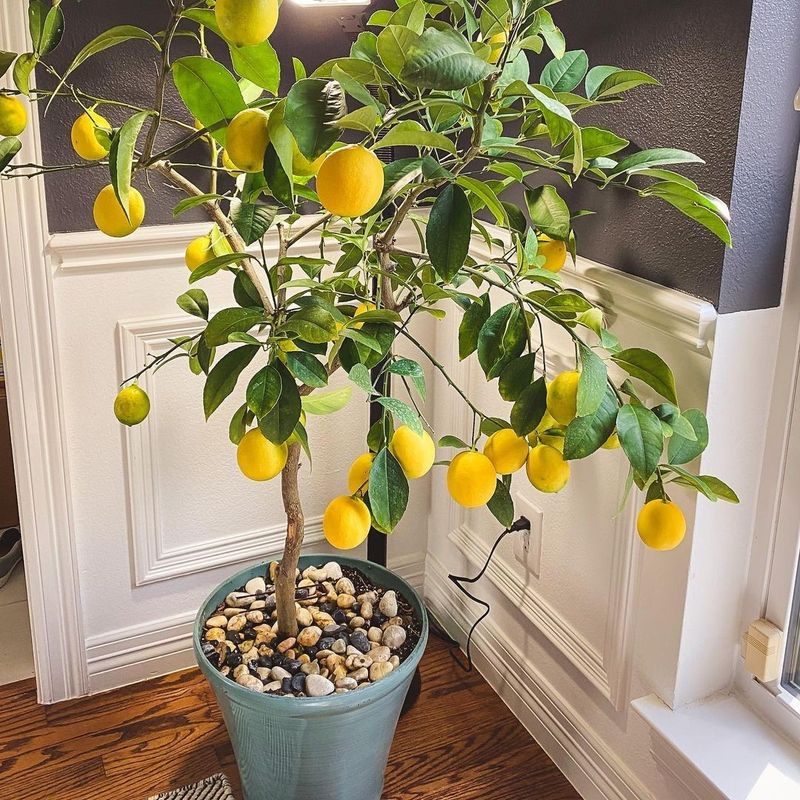
Anyone who has lived in Texas long enough knows that winter weather here can be wildly unpredictable. One week it is 75 degrees, and the next a cold front drops temperatures below freezing.
Lemon trees are sensitive to frost, so being prepared is critical. When temperatures are expected to drop below 32 degrees Fahrenheit, bring your container lemon tree indoors.
This is one of the biggest advantages of growing in a container. You can simply roll or carry it inside to keep it safe.
A garage, sunroom, or covered porch works well as a temporary shelter. Try to keep the tree somewhere it still gets some light.
Even a few days without light is okay, but extended darkness will weaken the tree over time.
If moving the tree is not possible, wrap it in frost cloth or old bedsheets. This traps heat around the branches and helps protect tender growth from freezing temperatures. Remove the covering once temperatures rise back above freezing during the day.
North Texas cities like Dallas and Fort Worth tend to see harder freezes than South Texas. Gardeners in those areas should keep a close eye on weather forecasts from October through March. Even a brief overnight freeze can damage new growth and young fruit.
After a freeze event, wait a week or two before pruning any damaged branches. Sometimes branches that look harmed will bounce back with new growth once warmer weather returns.
8. Prune And Repot As Needed
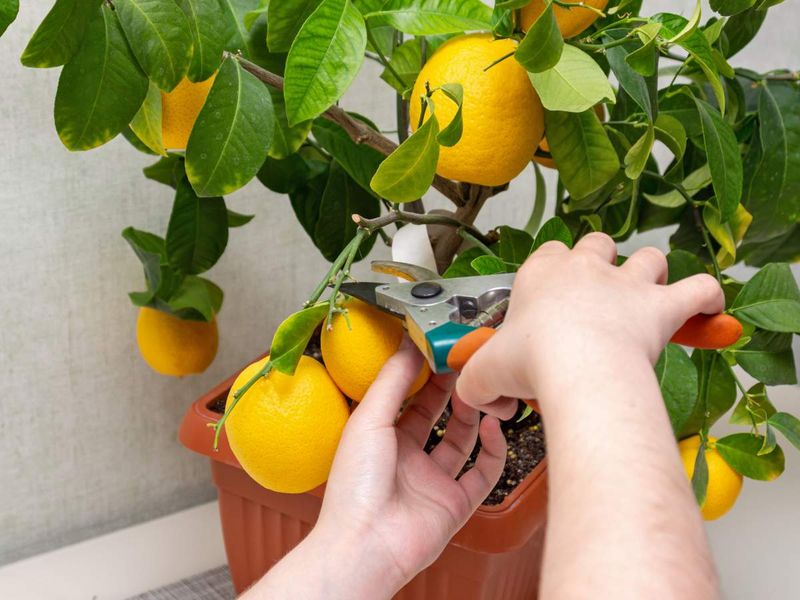
Pruning might feel intimidating at first, but it is actually one of the most rewarding parts of caring for a container lemon tree. A little trimming goes a long way in keeping your tree healthy, shapely, and full of fruit.
Think of it as giving your tree a fresh start. Light pruning once or twice a year is all most container lemon trees need. Focus on removing any dry, damaged, or crossing branches.
Thinning out the center of the tree also improves air circulation, which reduces the chance of fungal issues in Texas’s humid summers.
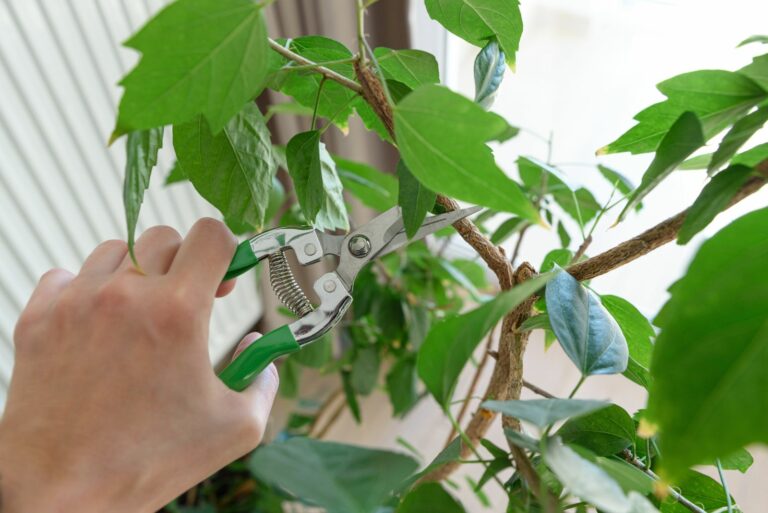
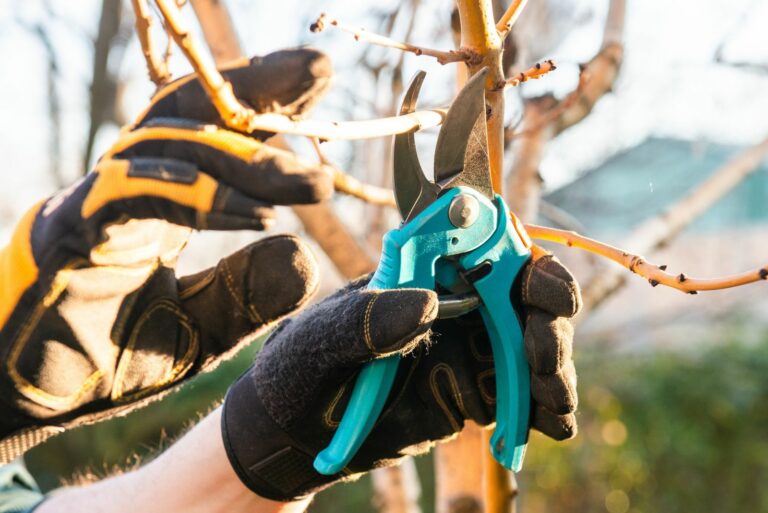
Always use clean, sharp pruning shears. Dirty or dull tools can spread disease and make rough cuts that are slow to heal.
Wipe your blades with rubbing alcohol between cuts if you notice any signs of disease on the branches.
Repotting is just as important as pruning. When you notice roots poking out of the drainage holes or the tree seems to dry out extremely fast after watering, it is time for a bigger pot. Move up one container size at a time, about two to four inches wider in diameter.
Spring is the best time to repot in Texas. The tree is just waking up from its slower winter period and ready to put on new growth.
Fresh soil added during repotting also gives the roots a nutrient boost to start the season strong.