7 Tips For Growing Tomatoes And Basil Together In Florida
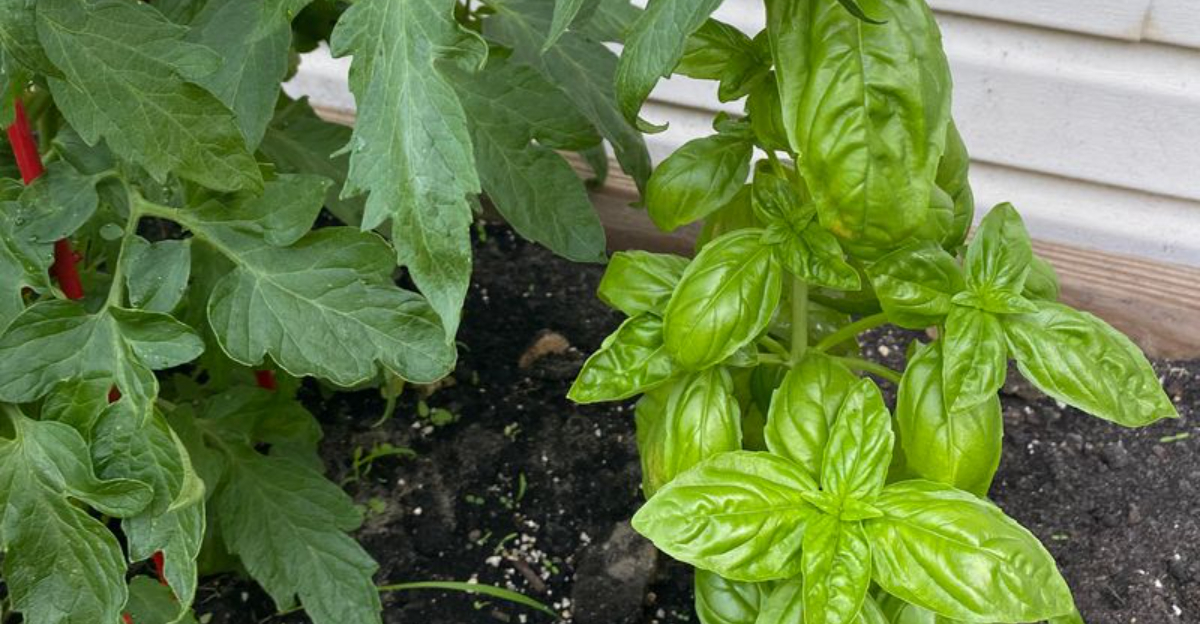
Growing tomatoes and basil together in a Florida garden turns a simple planting bed into a high-performance food factory.
These two favorites thrive in the same sun-soaked conditions and make the most of Florida’s long, warm growing seasons.
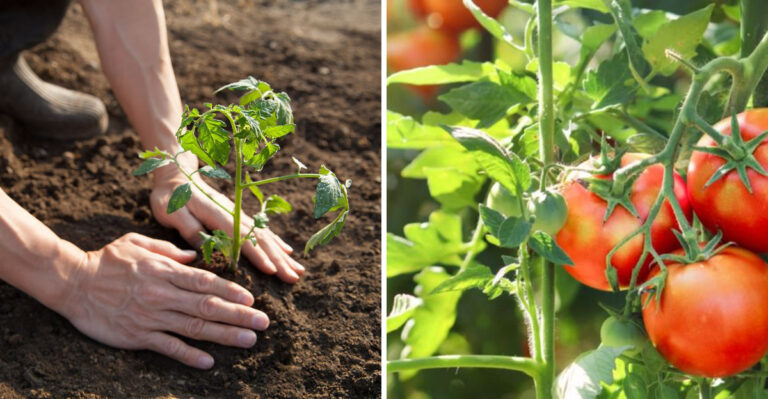
When planted side by side, tall tomato plants rise like living trellises while basil spreads below, filling the soil with lush green growth and rich aroma.
The result is a garden space that stays cooler, more balanced, and far more productive than tomatoes grown alone.
Florida’s heat and humidity can be tough on many crops, but this pairing is built for it.
Basil loves the warmth and grows fast, while tomatoes benefit from the extra ground cover and steady moisture in the soil.
Together they create a healthier growing environment that leads to stronger plants and better harvests.
With the right varieties, timing, and care, this duo can keep producing baskets of juicy tomatoes and fresh basil leaves from early fall through spring, making every square foot of your garden work harder and taste better.
1. Choose Heat Tolerant Tomato And Basil Varieties
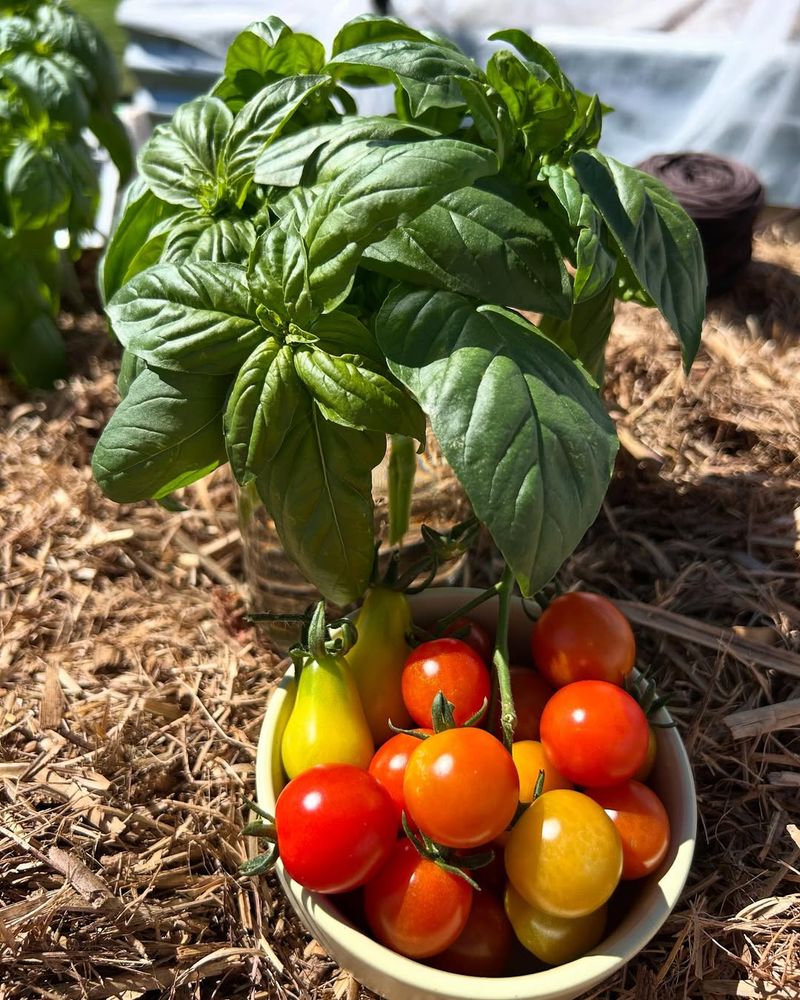
Not every tomato or basil variety can handle the intense heat and humidity that comes with a Florida summer.
You need to select types that were bred to perform well in warm climates instead of struggling through the season.
Tomato varieties like Phoenix, Heat Wave II, and Florida 91 are specifically developed to set fruit even when temperatures climb above 90 degrees, which happens often in our state.
Basil varieties also vary in their heat tolerance and disease resistance.
Genovese basil is a classic choice, but you might also try Thai basil or African Blue basil, which handle our humidity better than some European types.
African Blue basil is particularly tough and resists downy mildew, a common problem in Florida gardens during rainy periods.
When you shop for seeds or transplants, look for words like heat tolerant, disease resistant, or Florida recommended on the label.
Your local extension office and garden centers often carry varieties that perform well in your specific region.
Choosing the right varieties from the start saves you frustration and gives both your tomatoes and basil the best chance to produce heavily throughout the growing season.
Remember that even heat tolerant varieties need proper care, but they give you a strong foundation to build on.
2. Plant At The Right Time For Florida’s Seasons
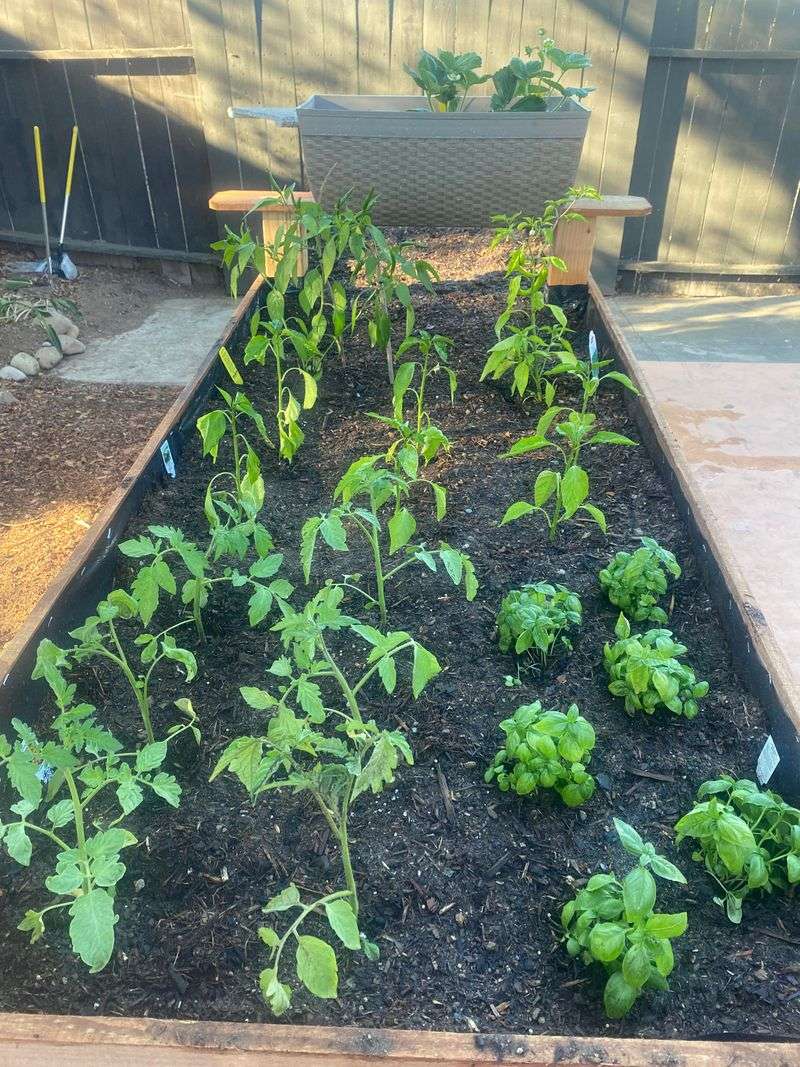
Florida’s planting calendar looks very different from what you see in gardening books written for northern states.
We have two main growing seasons for tomatoes and basil, and timing matters more here than almost anywhere else.
Spring planting typically starts in February or March, depending on whether you garden in North, Central, or South Florida, and your crops need to be established before the intense summer heat arrives.
Fall is actually your best season for growing tomatoes in Florida because temperatures are more moderate and pests are less aggressive.
Plant tomatoes and basil together in late August or September in South Florida, and in late August to early September in Central and North Florida.
This timing allows your plants to mature during cooler months when they produce more fruit and leaves.
If you plant too early in spring, late frosts can damage young plants, while planting too late means your tomatoes struggle to set fruit in summer heat.
For fall gardens, planting too early exposes seedlings to brutal August sun, but waiting too long means your tomatoes won’t mature before winter slows their growth.
Check your local frost dates and average temperature patterns for your specific county.
Your extension office publishes planting calendars that account for your exact location in Florida.
3. Give Both Plants Enough Sun And Airflow
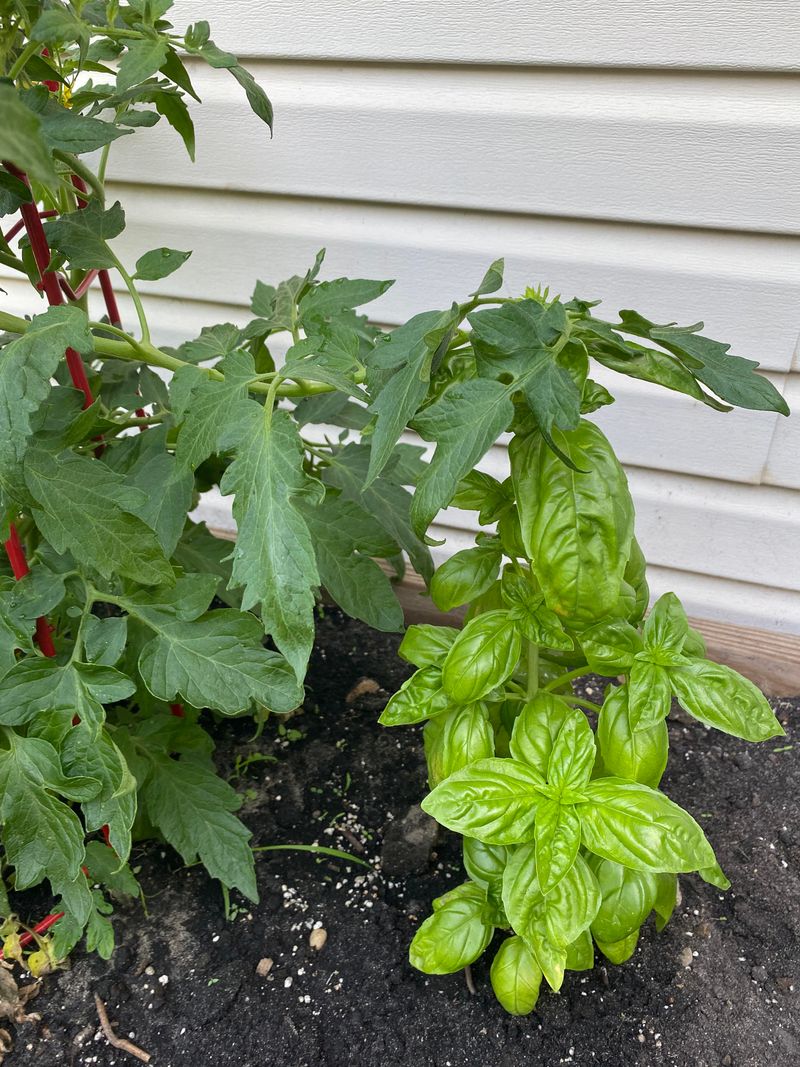
Tomatoes and basil both love sunshine, but they also need good air circulation to stay healthy in Florida’s humid climate.
Plant them where they get at least six to eight hours of direct sunlight each day, preferably morning sun that dries dew off the leaves quickly.
Morning sun is especially important because it helps prevent fungal diseases that thrive when leaves stay damp in our muggy weather.
Airflow becomes critical when humidity stays high for days or weeks during summer rainy season.
Space your plants far enough apart that air can move freely between them, which helps leaves dry faster after rain or irrigation.
Dense plantings trap moisture and create perfect conditions for diseases like early blight on tomatoes and downy mildew on basil.
Consider the mature size of your tomato plants when deciding where to place your basil.
Determinate tomato varieties stay more compact, while indeterminate types can grow six feet tall or more and cast significant shade.
Position basil on the side that gets afternoon sun, or plant it slightly in front of your tomato row where it won’t be completely shaded.
If you garden in South Florida, some afternoon shade during the hottest months can actually help both plants by reducing heat stress without limiting their overall sun exposure.
4. Space Them So They Help Instead Of Compete
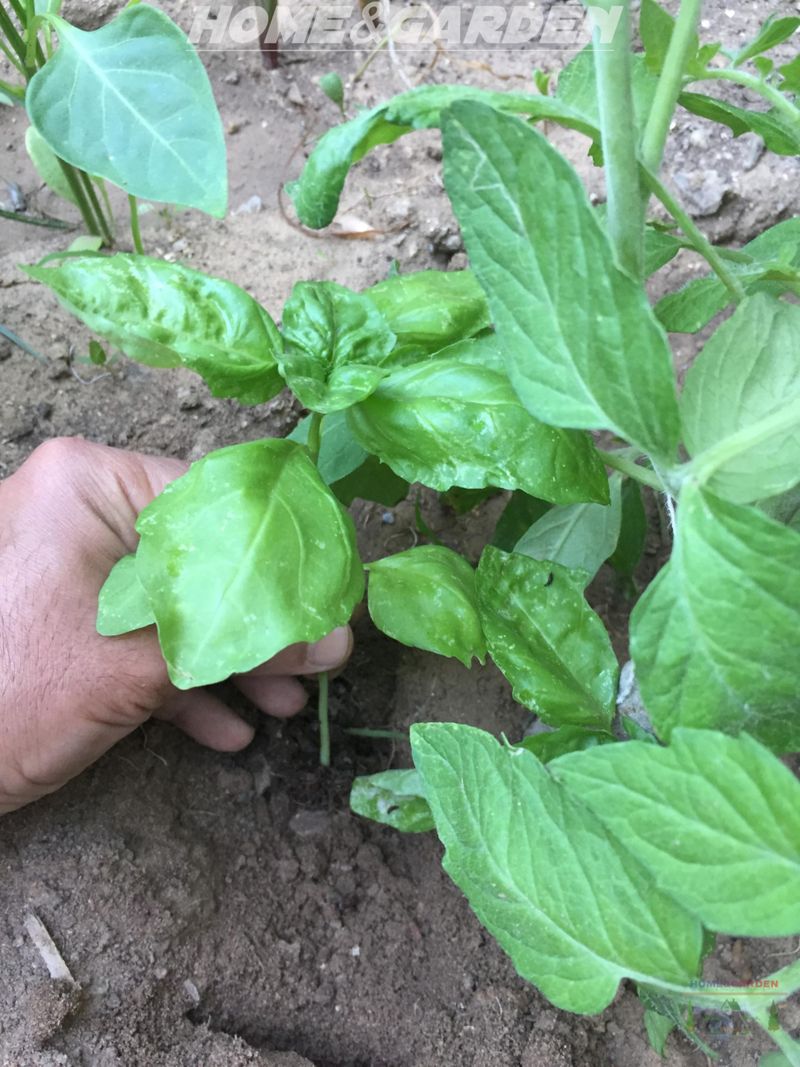
Proper spacing makes the difference between plants that support each other and plants that fight for resources.
Tomatoes need about 24 to 36 inches between plants, depending on whether you grow determinate or indeterminate varieties, and basil should be planted at least 12 inches apart.
When you combine them, place basil plants around the perimeter of your tomato bed or between tomato plants, maintaining enough distance that roots don’t tangle aggressively.
A good rule is to plant basil about 18 inches away from tomato stems.
This distance allows basil to benefit from the slight shade tomatoes provide during the hottest part of the day while preventing competition for water and nutrients.
Both plants are heavy feeders, so crowding them together means they’ll compete for the same soil resources.
In raised beds, you might plant a row of tomatoes down the center with basil planted along both edges.
In traditional garden rows, alternate tomato plants with one or two basil plants between them.
This arrangement lets you harvest basil easily without disturbing tomato roots or supports.
Remember that both plants will grow larger as the season progresses, so spacing that looks generous at planting time will fill in nicely within a few weeks.
Proper spacing also makes it easier to inspect plants for pests and harvest your crops without damaging neighboring plants.
5. Water In A Way That Supports Both Crops
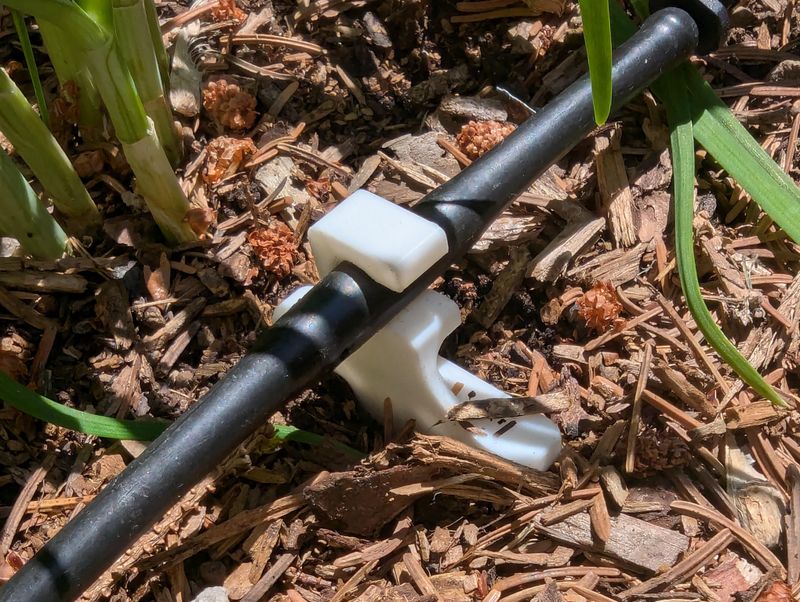
Watering tomatoes and basil together requires a balanced approach because both plants need consistent moisture but hate soggy soil.
Consistent moisture is especially important in Florida because sandy soils drain quickly and sudden drought-rain cycles increase disease and blossom-end rot.
Tomatoes develop deep root systems and prefer infrequent deep watering that encourages roots to grow downward, while basil has shallower roots that dry out faster.
The key is watering deeply enough to satisfy tomato roots while keeping the top few inches of soil moist enough for basil.
Drip irrigation or soaker hoses work beautifully for this combination because they deliver water directly to the root zone without wetting leaves.
Wet foliage invites fungal diseases, which spread rapidly in Florida’s humidity.
If you hand water, do it early in the morning so leaves have time to dry before nightfall.
During Florida’s rainy season, you might not need to water at all for weeks, but you should still monitor soil moisture regularly.
Tomatoes can develop blossom end rot if moisture levels fluctuate too much, and basil leaves turn bitter when plants get stressed by inconsistent watering.
Mulch helps tremendously by keeping soil moisture more stable and reducing how often you need to water.
Apply two to three inches of organic mulch around both plants, keeping it a few inches away from stems to prevent rot and pest problems.
6. Use Basil As A Minor Support In Tomato Pest Management
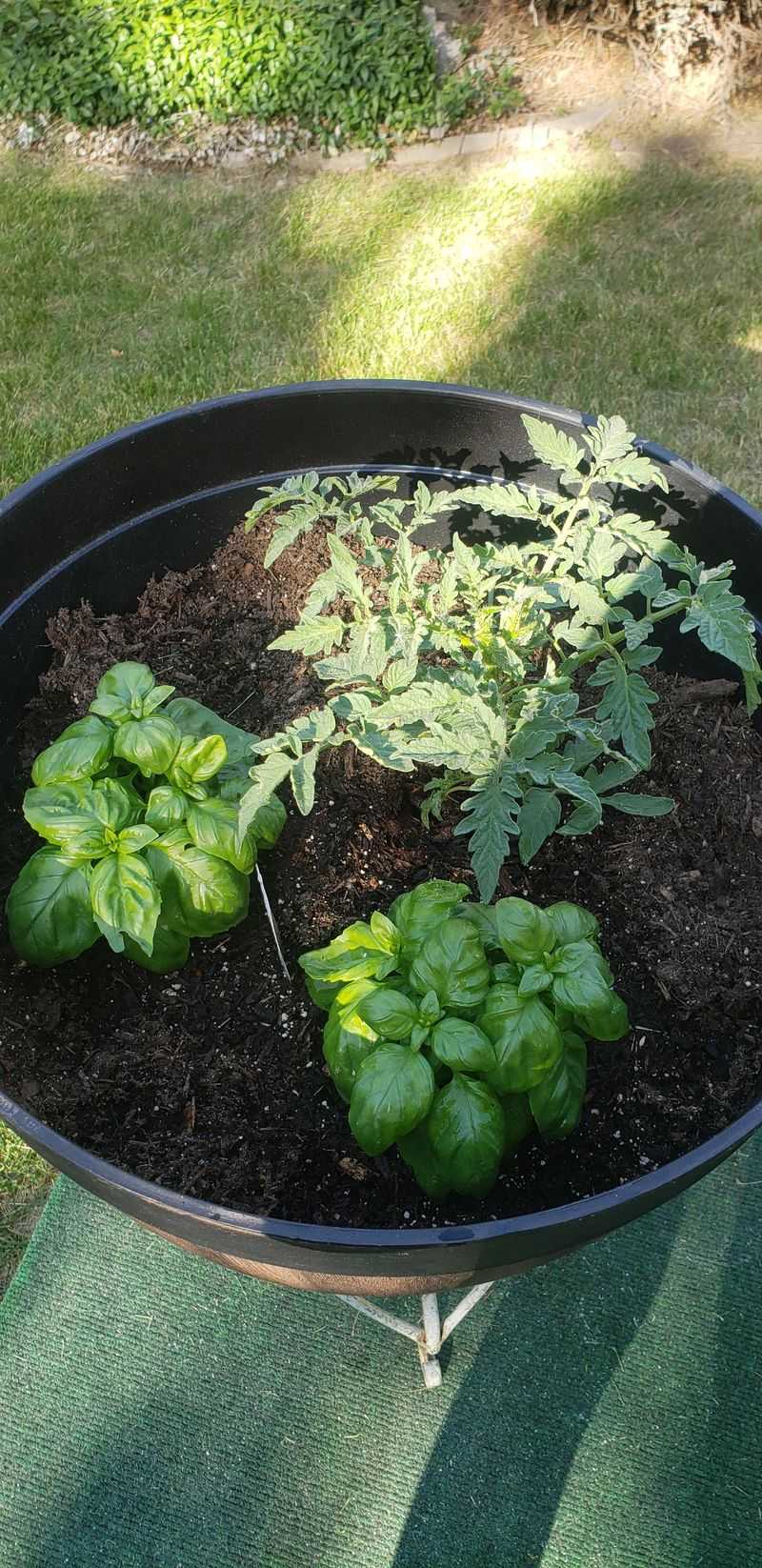
Basil does more than taste delicious; it can play a small supporting role in an integrated pest-management approach.
While basil will not eliminate pests or reliably reduce their populations, it may slightly interfere with how some insects locate tomato plants in small garden settings.
Aphids and whiteflies are particularly troublesome in Florida gardens because our mild winters allow them to reproduce year round.
These tiny insects cluster on new tomato growth and under leaves, sucking plant juices and spreading diseases.
Basil planted nearby may slightly disrupt some of the chemical signals insects use to locate tomatoes, but this effect is limited and inconsistent in open garden conditions.
Tomato hornworms are large green caterpillars that can strip a tomato plant in just a few days if left unchecked.
Some small-scale studies suggest basil scent may slightly reduce moth egg-laying when planted very close to tomatoes, but hand-picking and monitoring remain the most effective control.
Some gardeners report fewer spider mites when basil grows nearby, though research has not confirmed a consistent effect.
For best results, keep your basil plants healthy and prune them regularly to maintain strong growth and aroma.
7. Harvest Often To Keep Both Plants Productive

Regular harvesting is essential for keeping both tomatoes and basil producing throughout the season.
When you pick ripe tomatoes promptly, the plant redirects energy into developing more fruit instead of supporting mature tomatoes on the vine.
Basil responds even more dramatically to frequent harvesting because removing the tips encourages the plant to branch out and produce more leaves rather than putting energy into flowering.
Harvest basil by pinching or cutting stems just above a set of leaves, which causes two new stems to grow from that point.
This technique keeps your basil plants bushy and productive instead of tall and sparse.
You can harvest basil leaves as soon as plants are about six inches tall, and you should continue harvesting every week or two throughout the growing season.
If you let basil flower, the leaves become bitter and production slows significantly.
Remove flower buds as soon as you spot them unless you want to save seeds for next season.
For tomatoes, pick fruit when it shows good color but before it becomes overripe, which attracts fruit flies and other pests.
Morning is the best time to harvest both crops because plants are fully hydrated and leaves are at their most flavorful.
Regular harvesting also gives you a chance to inspect plants closely for any pest or disease problems.