Tired Of Mums? Grow These Fall Flowers Instead
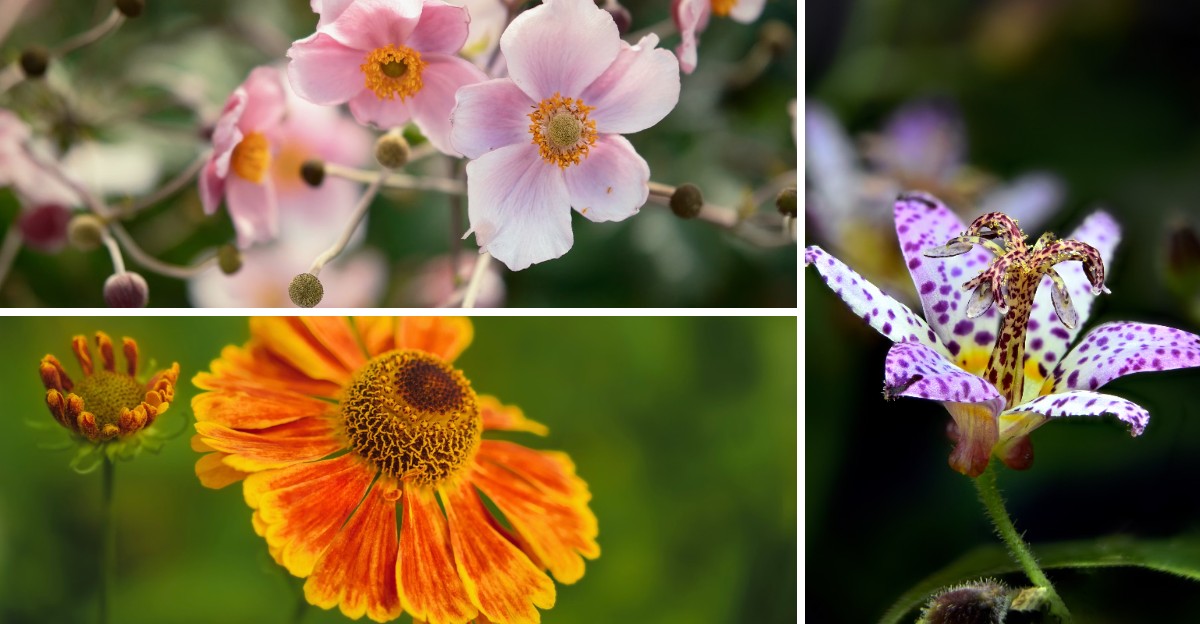
Why do you keep choosing the same porch pots your neighbors bought? Plant asters instead, and you will watch bees crowd their violet blooms until October.
Sedum gives you broad, rosy heads that deepen to copper as temperatures drop. Pansies tolerate frost and keep flowering, so you get cheerful color well into winter.
Japanese anemones lift silvery pink petals above your beds when summer annuals fade. Ornamental kale delivers ruffled purple and cream rosettes you can plant right now.
Helenium blazes in copper and gold as cool nights return. Dig holes wider than each root ball, and you give roots room to spread.
Water deeply after planting so you anchor those roots before the ground cools. Mulch lightly, and you protect new growth from sudden temperature swings. Neighbors will slow down, and you could claim the street’s boldest porch display.
1. Asters For A Starry Purple Show
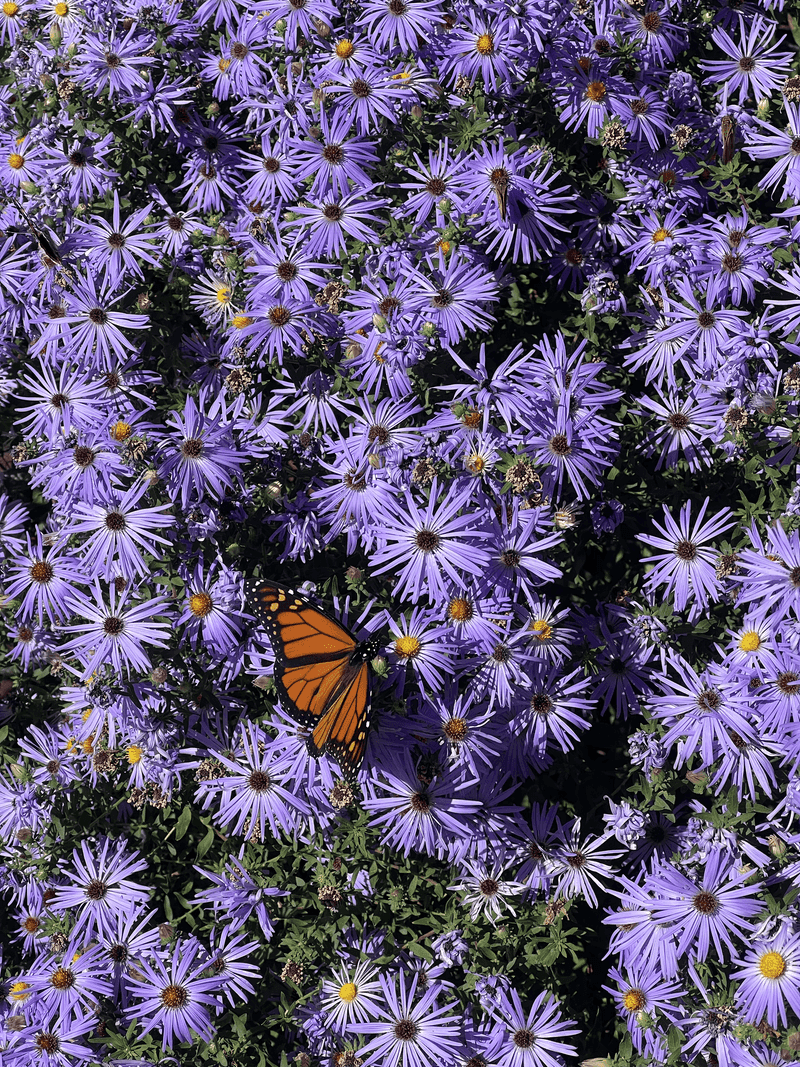
Picture a cloud of tiny purple stars landing in your yard right when much else starts to fade. Asters pull off that magic trick every September, and butterflies line up for the show.
The name comes from the Greek word for star, which makes sense once you see them up close. Each bloom has a sunny yellow center ringed by thin, bright petals like a tiny firework.
New England asters grow tall and bushy, sometimes reaching four feet or even more by fall. Aromatic asters stay shorter and tidier, so they work well along walkways and borders.
Plant them in full sun for the most flowers, since shade makes them floppy and shy. Soil can be average, as long as it drains well after a heavy rain.
Here is a handy trick for keeping tall types from tipping over. Cut the stems back by about one third in early summer, and they will grow thicker and sturdier.
Monarch butterflies depend on asters as fuel during their long trip to Mexico each fall. Bees also stock up on the nectar before cold weather shuts down their buffet.
Water young plants once or twice a week until their roots settle into the ground. After that, they handle dry spells pretty well and ask for very little attention.
Divide clumps every few years in spring to keep them healthy and blooming strong. You will end up with free plants to share with friends, which is a pretty sweet bonus.
2. Sedum Autumn Joy For Easy Rosy Color
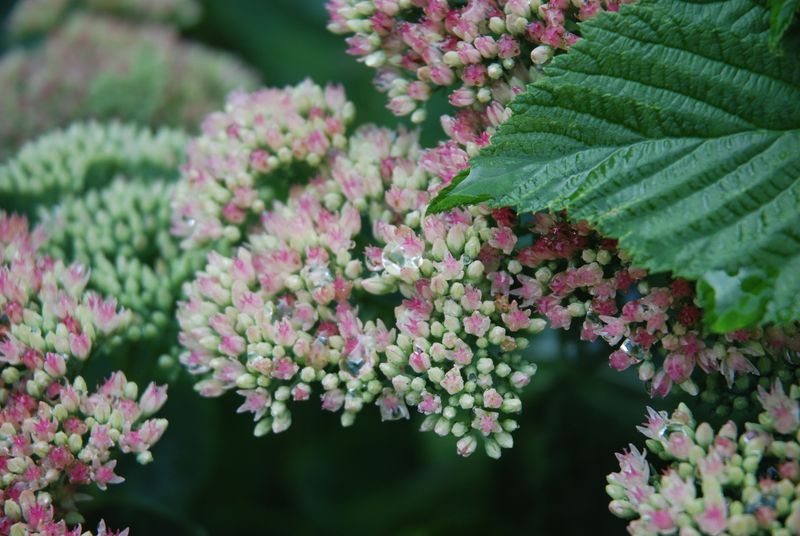
Some plants need constant fussing, but Autumn Joy sedum acts like the chill kid in class. Ignore it all summer, and it still shows up in fall looking attractive.
The flower heads start out pale green, like little heads of broccoli. Over several weeks, they slowly blush pink, then deepen into a rich, rusty red.
Its thick, fleshy leaves store water, so it handles hot, dry spots where other flowers struggle. Think sunny slopes, rock gardens, or that strip of soil by the driveway.
Give it at least six hours of sun each day for strong, upright stems. Too much shade or rich soil can make the plant flop open in the middle like a tired book.
Go easy on fertilizer, since this tough plant prefers a lean diet. Watering is only needed during long droughts once the roots are established.
Bees and butterflies visit the wide flower clusters on warm autumn afternoons. You might count a dozen visitors on a single plant if you sit quietly and watch.
Leave the dried flower heads standing through winter instead of cutting them down. They catch snow beautifully and give small birds a place to perch and search for seeds.
In early spring, trim the old stems to the ground as new rosettes appear. Snap off a piece, stick it in soil, and you have a brand new plant for free.
Gardeners in cold areas love it, since it is hardy in USDA zone 3, where winter lows reach minus thirty Fahrenheit or colder. That kind of grit makes it a smart pick for beginners.
3. Japanese Anemones For Graceful Shady Corners
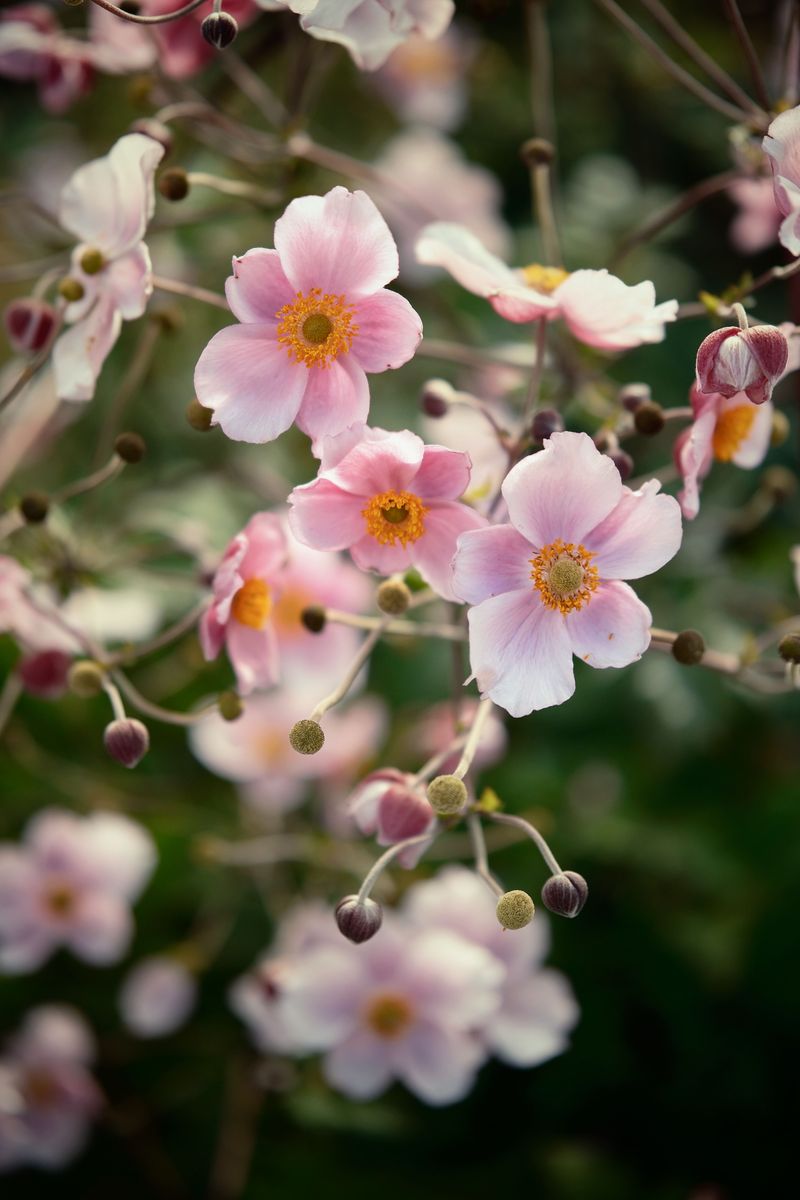
On a breezy October morning, Japanese anemones look like dancers bowing on long, slender stems. Their soft pink or white petals float above the leaves as if held by invisible strings.
Despite the name, these flowers first came from China, where they grew wild on hillsides. Japanese gardeners grew them for centuries, so the name simply stuck.
Partial shade suits them best, especially spots that get morning sun and afternoon shelter. They can brighten the dim side of a house where little else wants to bloom.
Plants often reach three to four feet tall by late summer. Place them toward the back of a border so shorter plants can shine in front.
Moist soil rich in compost keeps them happy and blooming for weeks. Soggy ground in winter, however, can rot the roots, so good drainage matters.
Patience is part of the deal with this plant. The first year can feel slow, but by year three, clumps fill out and put on a real show.
Note that healthy anemones like to spread by their underground roots. Give them room, or plant them where a little wandering will not cause trouble.
Deer and rabbits usually leave them alone, which is a relief for many gardeners. Pollinators, on the other hand, visit the golden centers often on mild days.
Pair them with ferns, hostas, or ornamental grasses for a calm, woodland feel. The result is a quiet corner that glows softly as the days grow shorter.
4. Goldenrod For Bright Golden Sparks
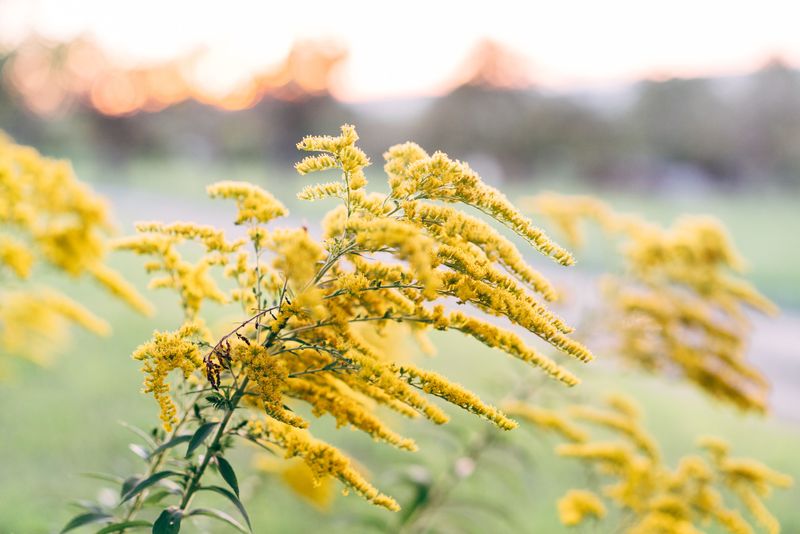
Poor goldenrod often gets blamed for fall sneezes, but ragweed is the usual cause. Ragweed, a plain green weed, blooms at the same time and releases the irritating pollen.
Goldenrod pollen is heavy and sticky, so it does not float around in the wind. Insects carry it from flower to flower, which makes it an unlikely trigger.
Once you clear its name, you will notice how attractive it looks in a garden. Arching sprays of tiny yellow blooms light up a yard like fireworks frozen in time.
Wild types can spread fast, so look for garden varieties like Golden Fleece, which stays compact. Fireworks grows taller, so give it plenty of room.
Full sun and average soil are all it needs to thrive. It even tolerates poor, dry ground where fancier plants struggle to survive.
Over a hundred kinds of insects visit goldenrod, from bees to beetles to butterflies. Watching a single plant on a sunny afternoon feels like peeking into a busy little city.
Thomas Edison once experimented with goldenrod to make rubber for car tires. He spent his final years researching it, hoping to grow rubber at home.
Water new plants regularly during their first season, then let nature take over. Cut stems back in late winter, or leave them standing to shelter overwintering insects.
Pair goldenrod with purple asters for a classic color combo seen in wild meadows. Yellow and purple sit across from each other on the color wheel, so they make each other pop.
5. Helenium For Warm Sunset Shades
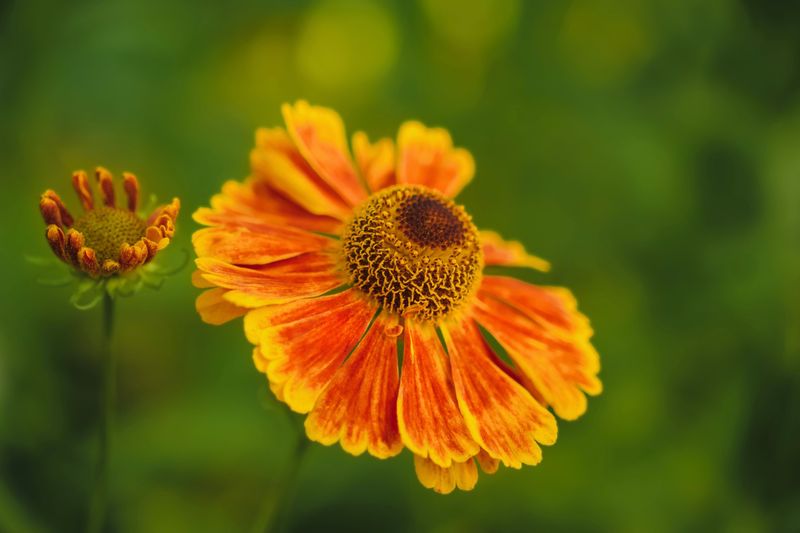
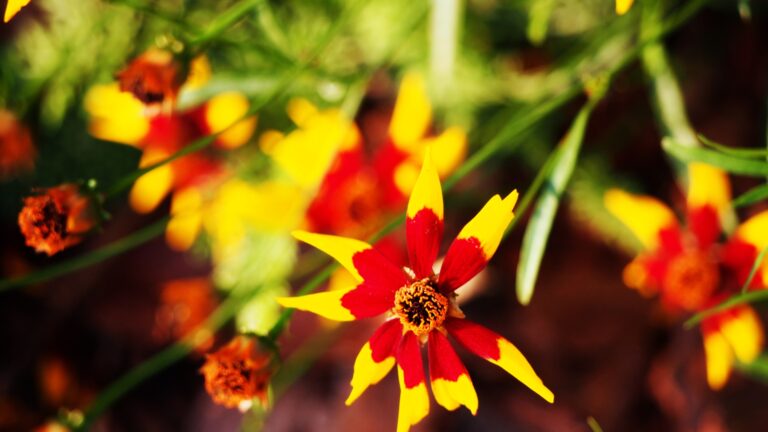
Imagine bottling a campfire glow and planting it in your garden. Helenium does just that, with blooms in copper, burnt orange, and deep red that warm up any chilly afternoon.
Its common name is sneezeweed, which honestly sounds like a silly joke. Long ago, people dried the leaves and used them as snuff to make themselves sneeze.
Each flower has a round, button-like center that bees adore. The petals often have a ruffled edge, as if someone trimmed them with fancy craft scissors.
Moisture matters more for helenium than for many fall bloomers. In the wild, it grows in damp meadows and along streams, so do not let it dry out.
Pick a sunny spot and work some compost into the soil before planting. A layer of mulch helps hold moisture during hot spells in late summer.
Tall varieties can reach five feet and may need a little support. Pinching the tips back in early June keeps plants shorter, bushier, and loaded with buds.
Popular choices include Mardi Gras, with its splashy mix of colors, and Moerheim Beauty, a rich red. Both bloom for weeks if you snip off faded flowers now and then.
Divide clumps every two or three years to keep the centers from getting crowded. Fresh divisions bounce back quickly and bloom better than crowded old clumps.
Cut a handful for a vase, where blooms last about a week. Note that sneezeweed can irritate sensitive skin and is toxic to grazing livestock.
6. Ornamental Kale For Frosty Leafy Rosettes
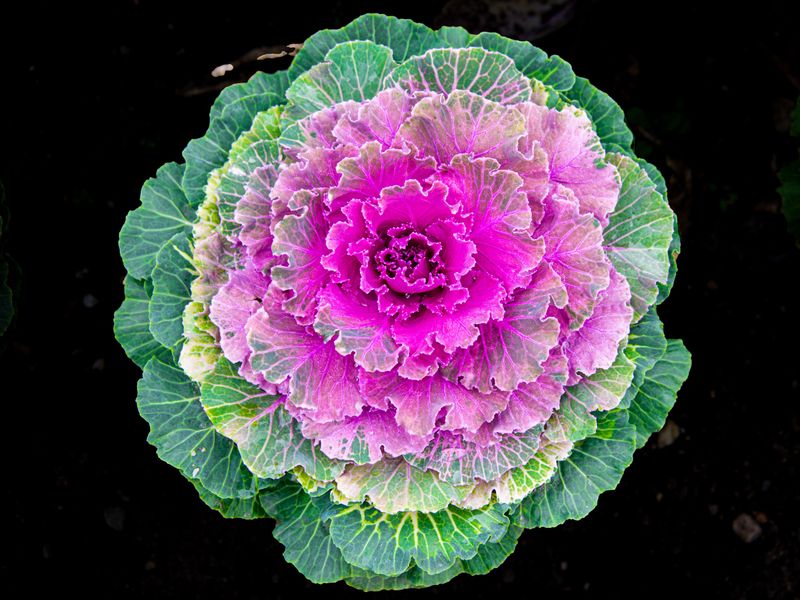
Who says a fall garden needs flowers to look amazing? Ornamental kale shows up wearing giant ruffled rosettes in purple, pink, and creamy white.
Up close, each plant looks like an oversized flower carved from cabbage leaves. Some types have frilly edges, while others have smooth, wavy leaves like crinkled paper.
Cool weather brings out its color. The centers change from green to bright hues once nighttime temperatures dip below about fifty degrees Fahrenheit.
Frost makes the colors even richer, so it keeps looking great into early winter. Many plants handle temperatures down to the teens without a complaint.
Buy young plants at garden centers in late summer or early fall. Tuck them into pots, window boxes, or bare spots where summer annuals have faded.
Plant them a little deeper than they sat in the nursery pot to keep them steady. Full sun and regular watering help them stay plump and colorful.
Technically, you can eat it, but it tastes bitter and tough compared to regular kale. Many gardeners find it works better as a garnish than a salad.
Watch for cabbage worms, the little green caterpillars that chew holes in leaves. Picking them off by hand each morning keeps the damage small.
Mix kale with pansies or ornamental grasses for a bold container display. Add a pumpkin or two nearby, and your front steps will look ready for a magazine cover.
Treat each plant as a one-season star, then pull it out in spring when it bolts. Buying fresh ones each fall keeps your display looking crisp.
7. Toad Lilies For Speckled Shade Surprises
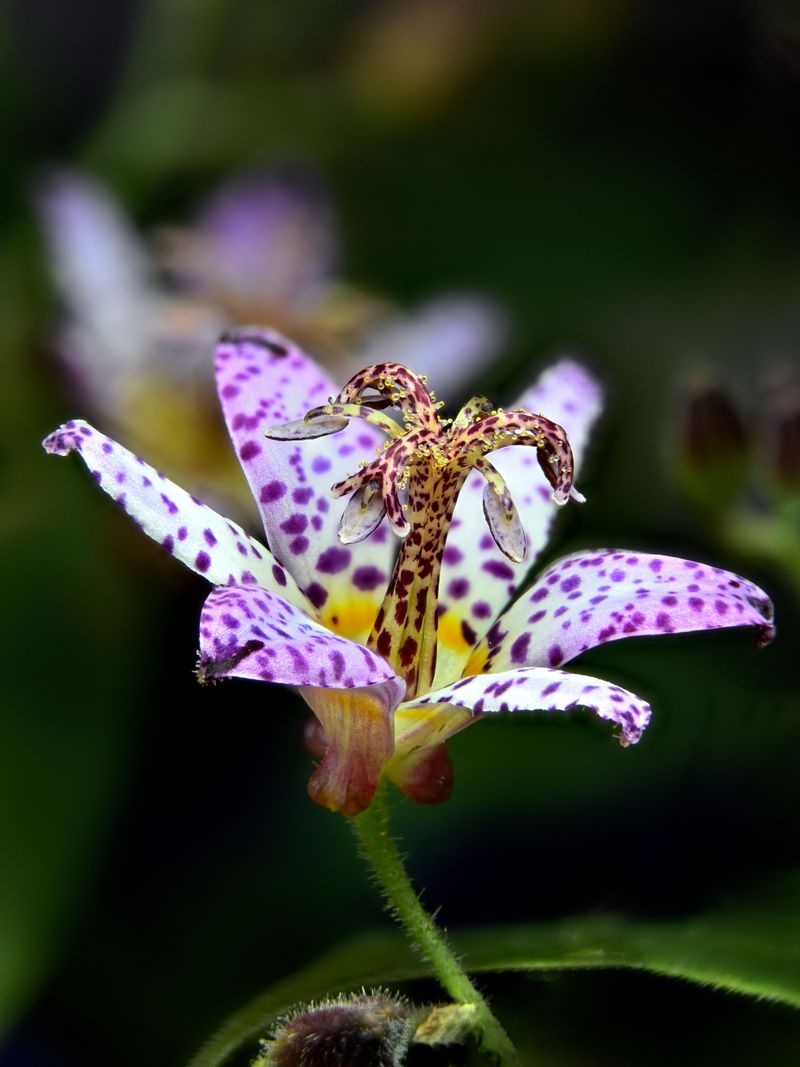
Lean in close to a toad lily, and you might think a tiny orchid wandered into your garden. Its speckled purple petals look painted by someone with a very steady hand.
The odd name may come from those spots, which remind some people of toad skin. The genus name, Tricyrtis, refers to three small pouches at the base of the outer petals.
Toad lilies bloom from September into October, when most shade plants have long finished. That late timing makes them a welcome surprise in dim corners.
Partial to full shade works best, especially under trees or along the north side of a house. Strong afternoon sun can scorch the leaves and leave brown, crispy edges.
Rich, moist soil keeps them happiest, much like the forest floors of their native Asia. Mix in compost or shredded leaves to help the ground hold water.
The flowers are small, about an inch across, so plant them where you can see them up close. Edges of shady paths or spots near a bench work beautifully.
Slugs sometimes nibble the leaves, especially in damp springs. A shallow dish of beer set near the plants can trap slugs before they chew.
Popular varieties include Tojen, with lavender blooms, and Miyazaki, which has arching stems lined with flowers. Both slowly form neat clumps over the years.
Pair them with ferns and heucheras for a garden bed full of texture and quiet charm. Guests may ask what they are, and you get to share what you have learned.
8. Pansies For Cheery Cool-Weather Faces
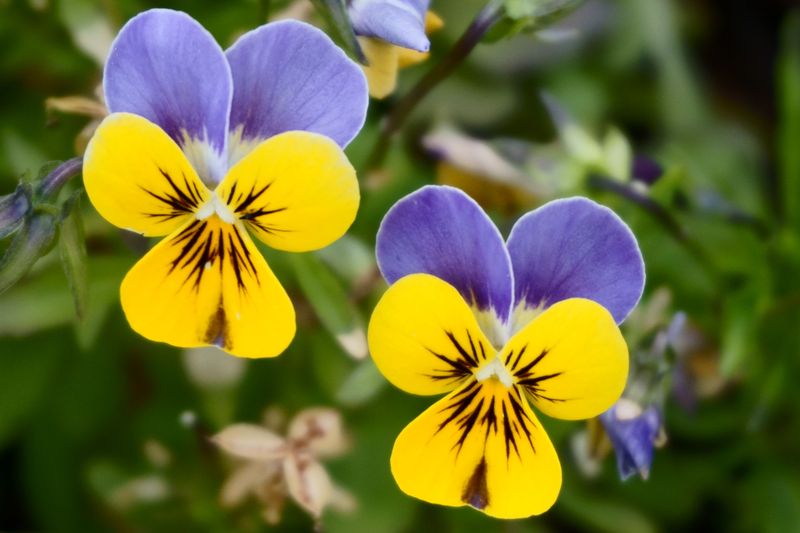
Many old window boxes feature a row of pansies smiling up at the sky. Those little flower faces still bring the same sweet charm to chilly fall days.
The name comes from the French word pensée, which means thought. In old times, people gave pansies to someone they were thinking about.
Many folks treat pansies as spring flowers, but fall planting often works even better. Roots settle into warm soil, and plants can bloom again after winter.
In milder areas, they may keep flowering straight through the cold months. In colder regions, a spring return depends on your hardiness zone and snow cover.
Colors range from deep purple and sunny yellow to soft apricot and even near-black. Many have dark blotches in the center that look like tiny whiskered faces.
Plant them in sun or light shade when daytime temperatures cool down. Space them about six inches apart so air can move around the leaves.
Pinch off faded blooms every few days to keep new buds coming. A light dose of liquid fertilizer every few weeks keeps the leaves green and strong.
Pansy petals are edible and taste mild, a bit like lettuce. Use only pesticide-free blooms, and sprinkle a few on salads for a pretty touch.
Their smaller cousins, violas, are even tougher and pack more blooms per plant. Mix both in containers with ornamental kale for a cozy, colorful porch.
Tuck a few near your front door for a daily dose of cheer. Every trip outside comes with a happy little greeting.