The Oregon Bulbs You Need To Plant Before The Ground Cools In October
October in Oregon has a particular smell to it. Wet leaves, damp soil, maybe a little wood smoke drifting from somewhere down the street.
The garden looks like it is winding down, and honestly, most of it is. But here is the thing that experienced gardeners know and first-timers discover with genuine delight: fall is secretly one of the most important planting seasons of the entire year.
Those plain, papery little bulbs sitting in bins at the nursery right now are not much to look at, but they are basically loaded spring color just waiting for the right moment. The catch is timing.
Warm soil and settling roots need each other, and October is the sweet spot where that relationship works best. Get them in the ground now and your future self will be very pleased.
1. Tulips Thrive In Oregon Gardens
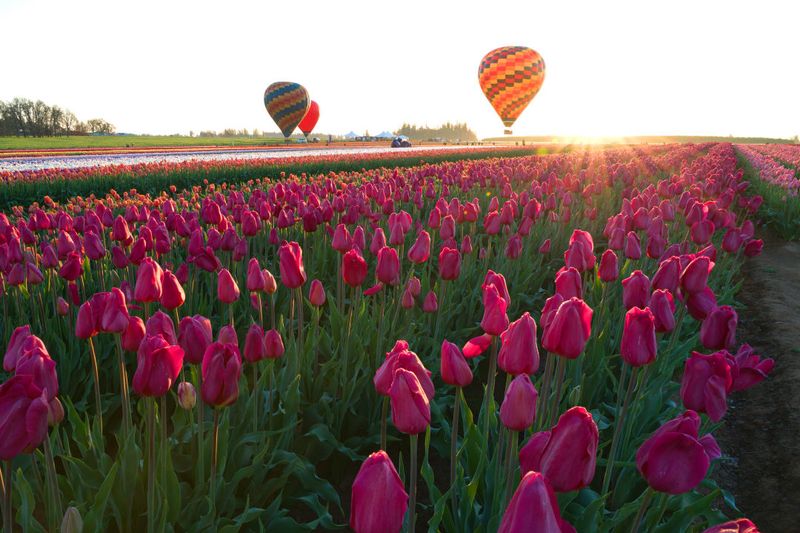
Every April, crowds drive to Woodburn to see tulip fields that stretch like painted stripes. You can grow a smaller version of that magic right in your own backyard.
Tulips need a cold rest in winter to bloom well, and Oregon winters give them just that. Plant them in October while the soil still holds some summer warmth.
The roots will grow quickly before frost settles in.
Dig holes about six to eight inches deep, with the pointy end facing up. Space them around four to six inches apart for a full look.
Group them in clusters of ten or more, since single tulips can look lonely.
Drainage is the big deal here. Heavy clay soil and winter rain can turn bulbs soft and mushy.
Mix in compost or plant on a small slope to keep water moving away.
Squirrels and voles love tulips as a snack. A layer of chicken wire over the planting spot can keep them from digging.
Some gardeners also toss crushed gravel into the hole for extra protection.
Fun fact: in the 1600s, tulip bulbs in Holland once cost more than a house. Today, a bag of twenty costs about the same as a pizza.
That is a pretty sweet deal for a spring full of color.
2. Daffodils For Carefree Color
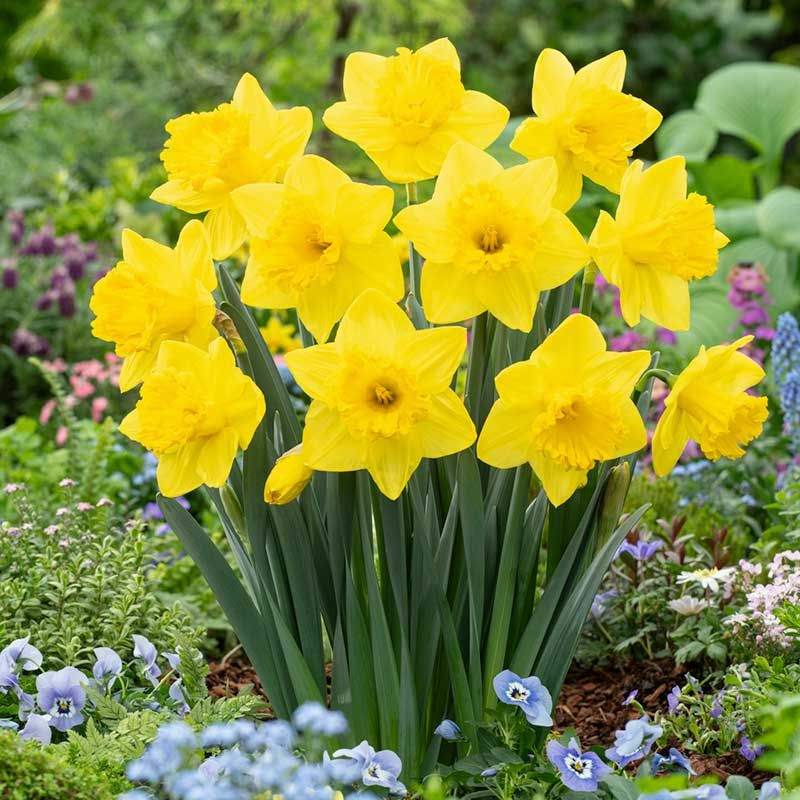
If you want a flower that shrugs off rain, deer, and forgetful gardeners, meet the daffodil. It is the easygoing friend of the bulb world.
Daffodils are poisonous to critters, so deer and rodents usually leave them alone. That makes them a smart pick for rural Oregon yards where wildlife wanders through at night.
You get blooms without building fences.
Plant them in October about six inches deep and five inches apart. Choose a sunny or partly sunny spot.
They handle our wet winters better than many bulbs, as long as water does not pool around them.
Once planted, daffodils come back year after year. They even multiply over time, so a small patch can become a golden carpet.
Many gardeners find clumps still blooming at old farmhouses decades after anyone planted them.
After they bloom, let the leaves stay until they turn yellow. Those leaves feed the bulb for next year.
Your Oregon Garden Changes Every Week. Your Plan Should Too.
Gardening in Oregon changes quickly throughout the season. Every Friday you’ll receive a simple weekly plan showing exactly what to plant, prune, fertilize, harvest, and protect so you never miss the right timing.
Cutting them early can mean fewer flowers the following spring.
Want a longer show? Mix early, mid, and late types.
Varieties like February Gold open first, while Thalia and Pheasant Eye bloom later. With a smart mix, you can enjoy sunny yellow and creamy white petals from late winter into May.
3. Crocus Brings Early Cheer To Oregon Lawns
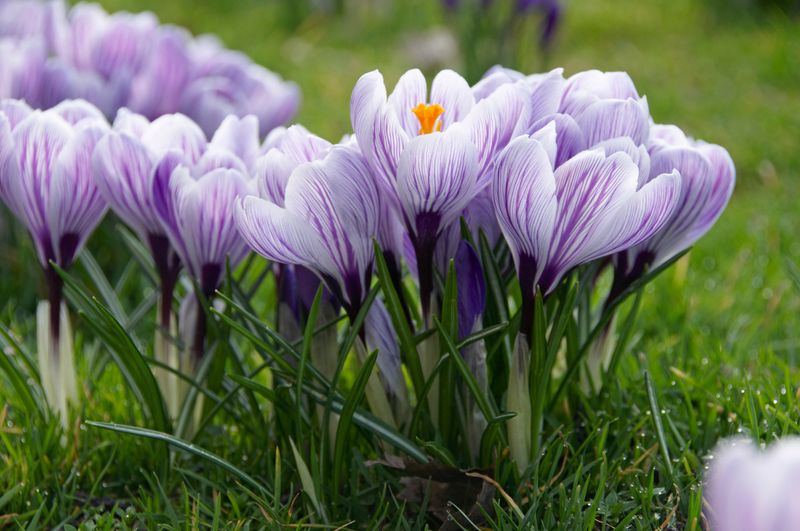
Tiny but bold, crocuses are the first to wave hello when winter starts to fade. Some years they pop up in February while everything else still looks gray.
These little bulbs are called corms, and they are super easy to plant. Just push them about three inches into the soil with the flat side down.
You can plant dozens in under an hour.
A fun trick is planting crocuses right in your lawn. Poke holes with a screwdriver or bulb tool and drop them in.
In late winter, your grass will sparkle with purple, white, and gold dots.
Wait to mow until the leaves fade, usually by late spring. That gives the corms time to store energy.
Most lawns do not need a first mowing that early anyway.
Bees adore crocuses because they offer food when little else is blooming. On a sunny February day, you might spot a fuzzy bumblebee tucked inside a cup-shaped flower.
It is like a tiny cozy sleeping bag.
Did you know? Saffron, the costly spice, comes from a fall-blooming crocus.
Each flower gives just three red threads. You could even try growing your own saffron crocus in a sunny, well-drained corner.
4. Hyacinths That Perfume Oregon Porches
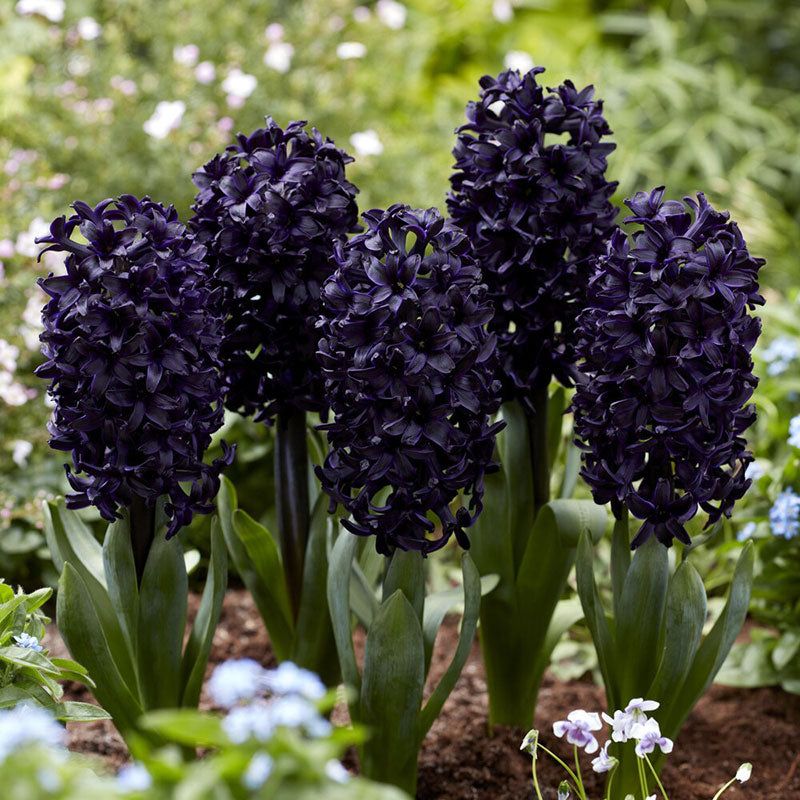
Close your eyes and imagine walking outside to a scent so sweet it stops you on the steps. That is what a pot of hyacinths can do.
Hyacinths have thick spikes packed with star-shaped flowers. They come in pink, blue, purple, white, and even peach.
The smell is strong enough to fill a whole porch.
Plant them about six inches deep and six inches apart in October. They love sun and loose soil that drains fast.
In Oregon, raised beds or pots work great because they keep the bulbs out of soggy ground.
Here is a helpful tip: wear gloves when handling the bulbs. Their skins can make hands itchy for some people.
A simple pair of garden gloves solves the problem.
For a porch display, try layering bulbs in a big container. Put hyacinths on the bottom layer, then add soil and a layer of crocus on top.
You get two waves of blooms from one pot.
Hyacinths often bloom biggest their first year. After that, the flower spikes get looser and more relaxed.
Many gardeners actually like that loose, cottage look. Either way, your nose will thank you every spring when that perfume drifts through an open window.
5. Alliums Add Garden Drama
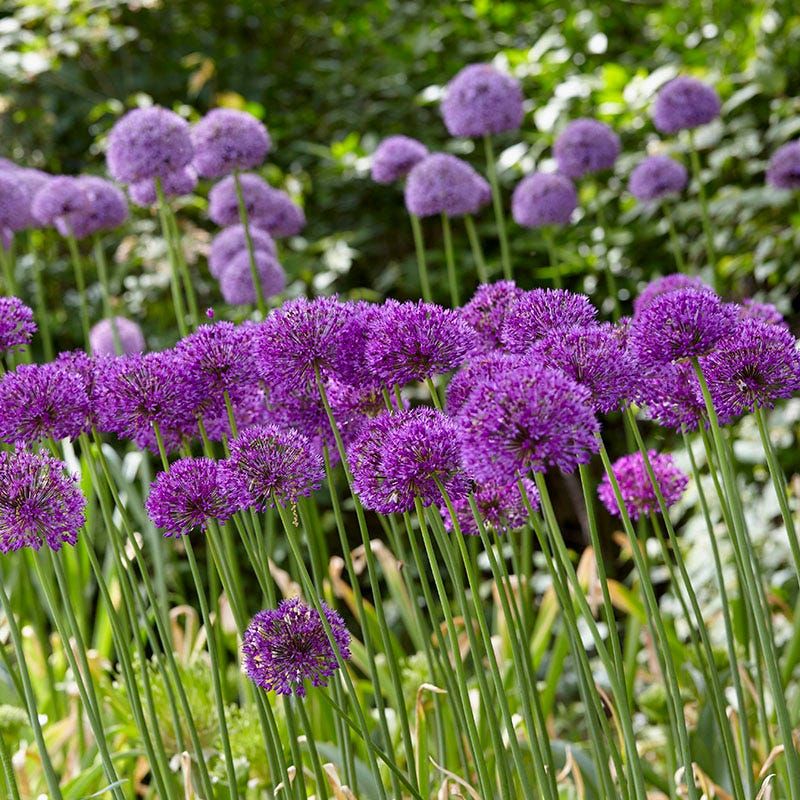
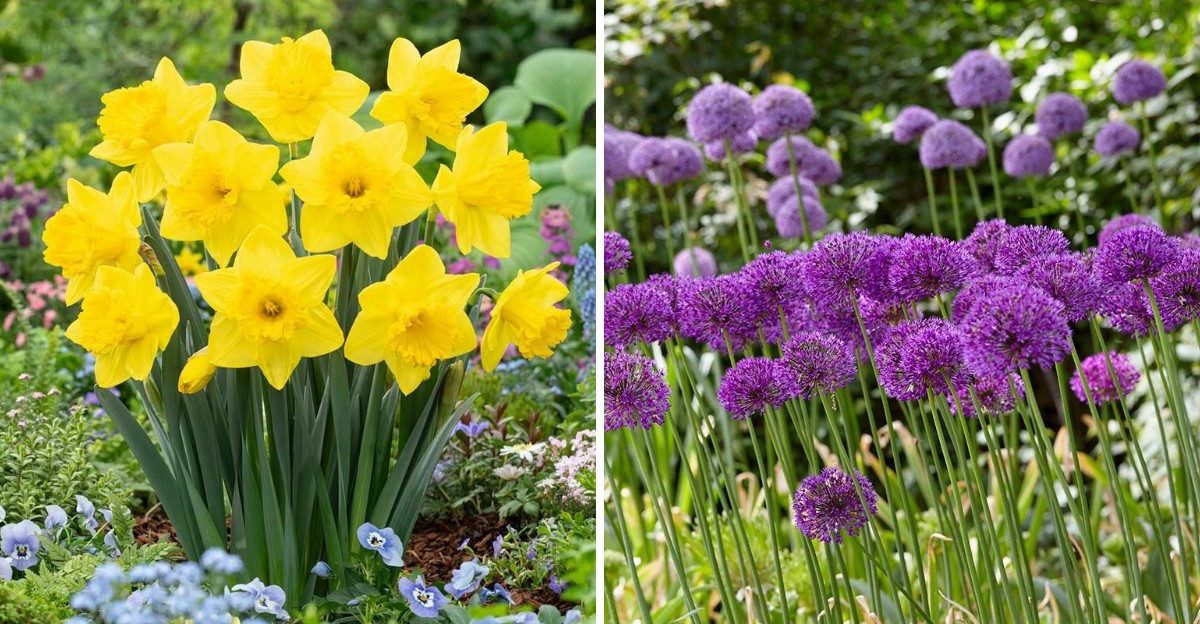
Picture giant purple lollipops floating above your garden bed. Alliums bring a playful, almost cartoon look that makes neighbors stop and stare.
These bulbs belong to the onion family, which is why pests mostly leave them alone. Deer, gophers, and rabbits tend to skip them.
For many gardeners in Oregon, that is reason enough to plant a bunch.
Plant alliums in October about eight inches deep. Big types like Globemaster need space, so set them a foot apart.
Smaller ones, such as drumstick alliums, can go closer together.
They bloom in late spring, right after tulips finish. That timing helps fill the gap before summer flowers start.
Plant them behind lower plants, since their leaves often look tired by bloom time.
Pollinators go wild for alliums. Bees and butterflies crowd each round flower head.
Watching them buzz from ball to ball is a fun way to spend an afternoon.
After blooming, the seed heads dry into star-like shapes. Leave them standing for a cool look in summer.
You can also cut and spray paint them for holiday crafts. One bulb gives you spring color, summer interest, and winter decorations all in one.
6. Native Camas For True Oregon Roots
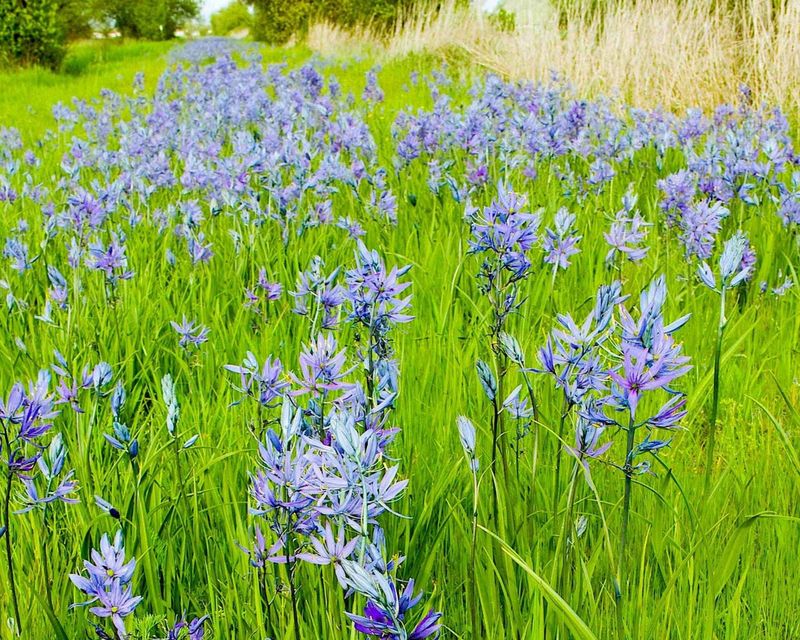
Long before tulips arrived, meadows across the Pacific Northwest turned blue each spring. That blue came from camas, a bulb with deep roots in the state’s history.
Native peoples, including the Kalapuya, harvested camas bulbs as an important food. They slow-cooked them in pits until sweet.
Lewis and Clark also ate camas during their famous journey west.
Camas is a smart choice for home gardens because it loves our climate. It handles wet winters and dry summers without fuss.
Soggy spots that trouble other bulbs are just fine for camas.
Plant the bulbs about four inches deep in October. Space them four to six inches apart.
Sun or light shade works well, and they look lovely in natural, meadow-style plantings.
Native bees and butterflies depend on camas for early food. Planting it helps local wildlife and brings back a piece of the old landscape.
You are growing history and habitat at the same time.
Be patient, since camas can take a year or two to settle in. Once happy, it spreads slowly and returns each spring.
Buy bulbs from a trusted nursery, not from wild lands. Local native plant sales are a great place to find healthy stock.
7. Snowdrops For Shady Corners
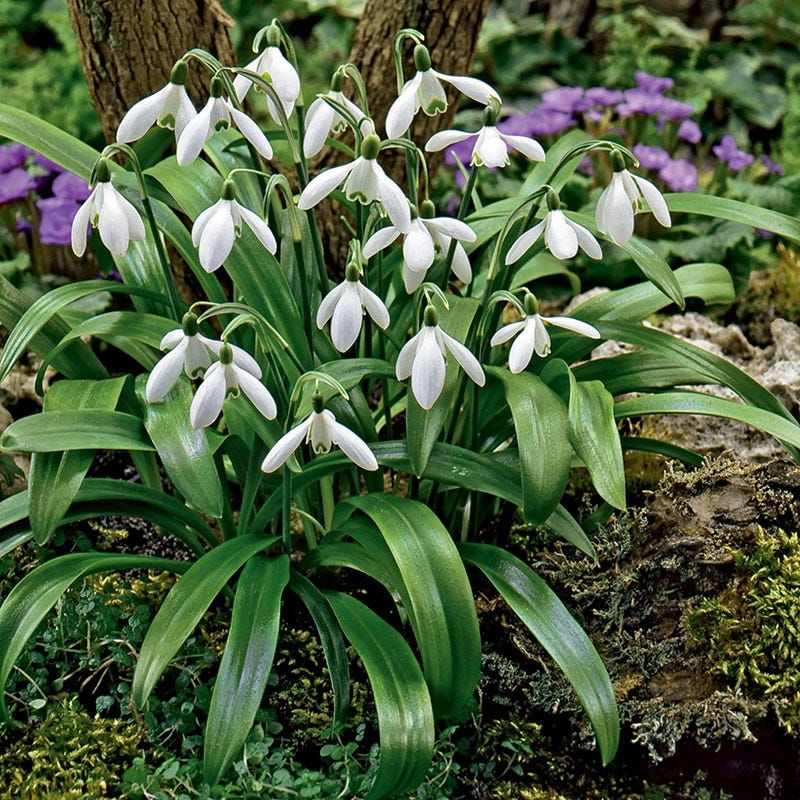
Some flowers shout, but snowdrops whisper. Their small white bells nod shyly, sometimes blooming as early as January.
Snowdrops are perfect for those shady spots under trees where little else grows. Oregon has plenty of tall firs and maples that cast deep shade.
These tough little bulbs do not mind at all.
Plant them about three inches deep and three inches apart. Snowdrop bulbs dry out easily, so plant them soon after buying.
If your bulbs feel very dry when they arrive, some gardeners find a brief soak in water helpful before planting, though this is not universally recommended and fresh, plump bulbs are generally better planted straight away.
They like soil rich in leaf litter, like a forest floor. Add compost or chopped leaves when planting.
Over time, they spread into sweet white drifts that brighten gloomy winter days.
Here is a cozy idea: plant them near a window you look out of often. On cold, rainy mornings, seeing those tiny white blooms can lift your mood.
It feels like a small promise that spring is on its way.
One last thing worth knowing: some people collect rare snowdrops the way others collect stamps. They are called galanthophiles, and the hobby is more serious than it sounds.
A single special bulb has sold for over a thousand dollars at auction. Luckily, common snowdrops are cheap and just as charming.
8. Grape Hyacinths Edge Oregon Paths
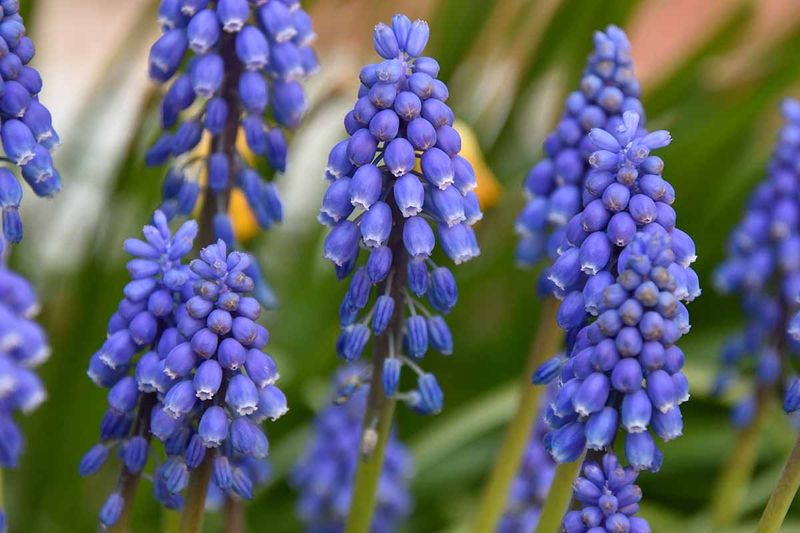
Ever seen tiny blue grapes growing upside down along a garden path? Those are grape hyacinths, also called muscari, and they are pure fun.
They stand just six to eight inches tall. That small size makes them great for edging walkways, borders, and flower beds.
A line of them looks like a blue ribbon running through your yard.
Plant them about three inches deep and three inches apart in October. They are not picky about soil and grow well across most of the state.
Sun or part shade both work.
Grape hyacinths spread quickly, which is great if you want a big show. If you prefer neat edges, keep an eye on them and thin clumps every few years.
Share extras with friends, and you will spread spring joy.
They pair wonderfully with yellow daffodils. The blue and yellow combo looks bright and cheerful.
Many gardeners plant them together for a classic spring picture.
One quirky thing about muscari is that leaves often pop up in fall. Do not worry when you see them.
Those early leaves are normal and do not harm the spring flowers. Their light, grapey scent also makes them a nice pick for small vases on the kitchen table.
9. Fritillaria Brings A Quirky Twist
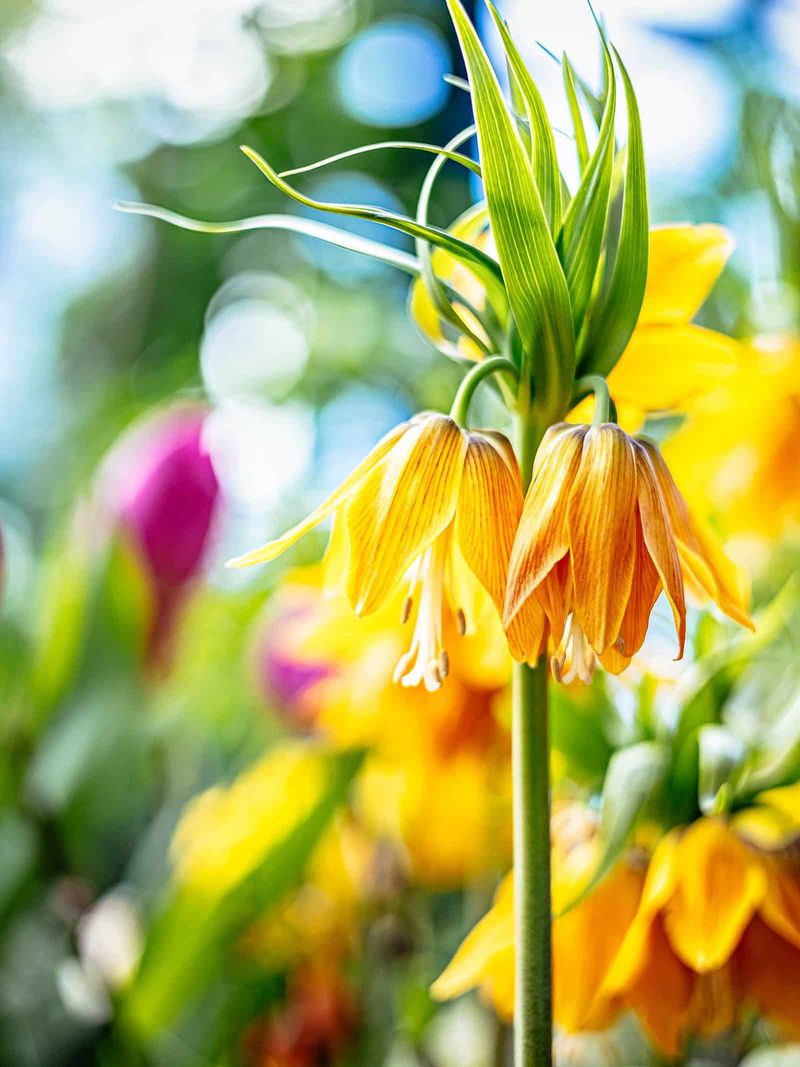
Looking for something your neighbors have never seen? Fritillaria might be the odd, wonderful bloom that gets everyone talking.
There are many types, and each one has a big personality. Snake’s head fritillaria has checkered, bell-shaped flowers that look like tiny patterned lanterns.
Crown imperial grows up to three feet tall with a ring of orange blooms topped by leafy tufts.
Plant small fritillaria about four inches deep. Crown imperials need holes about eight inches deep.
Set the big bulbs on their sides so water does not sit in their hollow centers and cause rot.
Snake’s head types enjoy moist soil, so they fit well in rainy western Oregon. Crown imperials like better drainage and more sun.
Pick the right type for your yard, and you will have fewer problems.
Crown imperials have a skunky smell that many critters dislike. Some gardeners plant them to help keep moles and voles away.
Just do not plant them right next to your front door.
Oregon also has its own native fritillaria worth knowing about. Known botanically as Fritillaria affinis, it goes by the common names checker lily and rice root.
Its dark, mottled bell-shaped flowers appear quietly in meadows and open woodlands each spring, and it is a genuinely special choice for anyone interested in growing plants with true Pacific Northwest roots. Exotic or native, fritillaria adds a playful and memorable twist to any fall planting plan.