Top 6 Beginner-Friendly Herbs That Thrive In Texas Heat
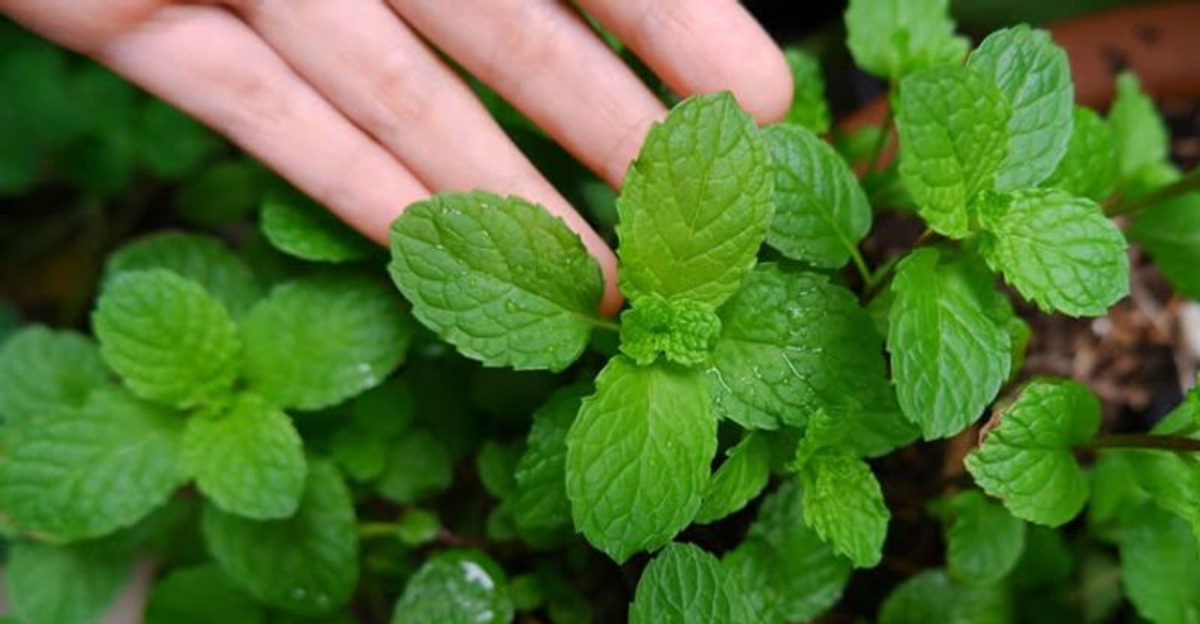
Growing herbs in Texas heat might sound challenging, but it’s easier than most people think. With the right plants, even beginners can enjoy fresh herbs without constant watering or stress.
The sun is strong, the summers are long, and some herbs absolutely love it. Texas heat can be your garden’s secret weapon.
Imagine stepping outside and picking fresh herbs for dinner on the hottest days of summer. No fancy tools. No expert skills. Just simple, reliable plants that keep growing.
Your first herb garden success could be closer than you think. Beginner-friendly herbs are built to handle warm weather and bounce back from small mistakes.
From fast growers to drought-tolerant favorites, these herbs thrive where others struggle.
Whether you’re planting in containers, raised beds, or backyard soil, these heat-loving herbs make gardening fun and rewarding. Once you see how easy it can be, you’ll be hooked.
1. Basil
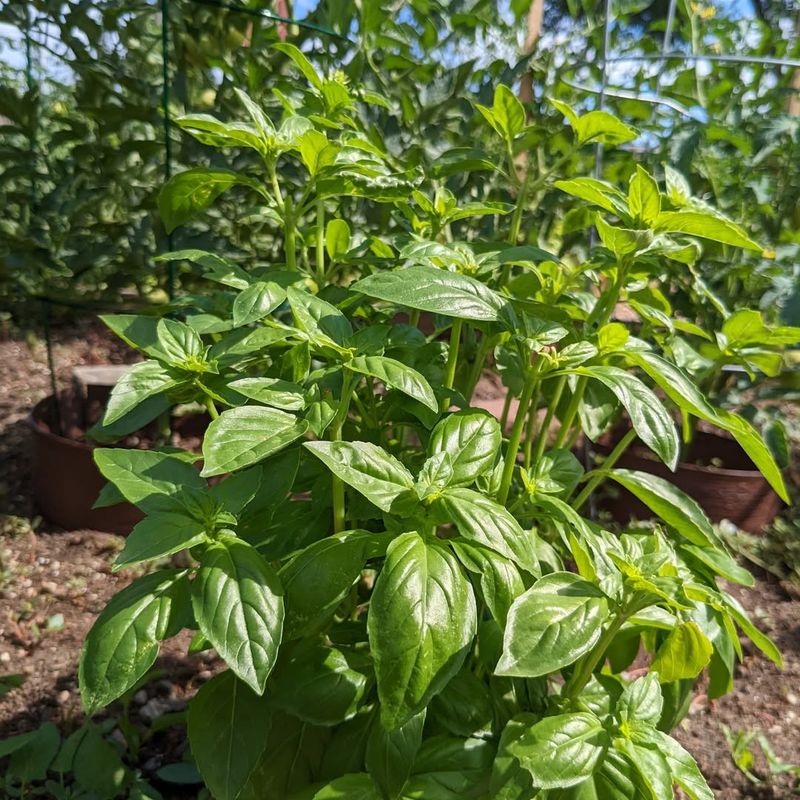
Few herbs embrace Texas summer heat quite like basil does. This aromatic plant actually grows faster and produces more flavorful leaves when temperatures climb, making it an ideal choice for gardens throughout the Lone Star State.
Basil loves full sun and warm soil, two things Texas provides in abundance from May through September.
When you plant basil in your garden, you’re setting yourself up for a continuous harvest all summer long. The more you pinch off the top leaves, the bushier the plant becomes, giving you even more tender shoots to use in your cooking.
Fresh basil transforms simple dishes like pasta, pizza, and caprese salad into restaurant-quality meals.
One of the best things about growing basil in Texas is that you can succession plant throughout the warm season. Plant new seeds or seedlings every few weeks from April through July, and you’ll have fresh basil available well into fall.
The plant thrives in containers just as well as garden beds, so apartment dwellers in Austin or San Antonio can easily grow it on a sunny balcony.
Basil does appreciate consistent moisture, so water it regularly during the hottest parts of summer, especially if you’re experiencing a typical Texas drought. A layer of mulch around the base helps keep roots cool and retains moisture.
Watch for flower buds and pinch them off promptly to keep the plant producing tasty leaves rather than going to seed.
Different varieties perform well in Texas heat, including classic sweet basil, spicy Thai basil, and purple-leafed types. Each offers unique flavors for your culinary adventures while handling the intense summer sun with remarkable resilience.
2. Rosemary
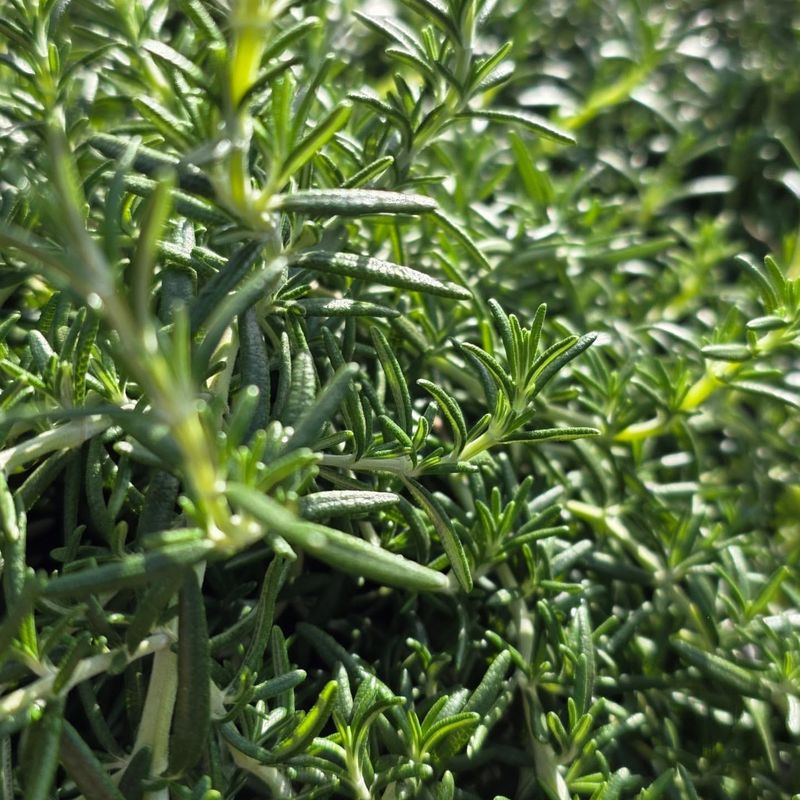
Native to the Mediterranean region, rosemary finds Texas conditions remarkably similar to its homeland. This woody perennial herb handles drought, heat, and poor soil better than most plants, making it practically foolproof for Texas gardeners.
Once established, rosemary becomes an evergreen presence in your landscape, providing fresh sprigs year-round.
Rosemary’s needle-like leaves release an incredible pine-like fragrance when brushed or crushed. This aromatic quality makes it wonderful for cooking roasted meats, potatoes, and bread, but it also serves as a natural pest deterrent in the garden.
Many Texas gardeners plant rosemary near vegetable beds to help keep unwanted insects away.
The plant develops into a substantial shrub over time, with some varieties reaching three to four feet tall and equally wide.
In warmer parts of Texas, rosemary may bloom with delicate blue or purple flowers during cooler months, adding unexpected beauty to winter gardens.
These blooms attract bees and other beneficial pollinators, supporting your garden’s ecosystem.
Rosemary requires excellent drainage and actually prefers soil on the lean side, without heavy fertilization. Overwatering is one of the few ways to harm this tough plant, so let the soil dry out between waterings.
Plant it in a spot with full sun exposure, and it will reward you with vigorous growth throughout the year.
For Texas gardeners, rosemary offers the perfect combination of culinary usefulness, ornamental appeal, and extreme heat tolerance.
You can harvest sprigs anytime you need them, and the plant will quickly replace what you’ve taken. This makes rosemary an essential addition to any beginner’s herb collection.
3. Oregano
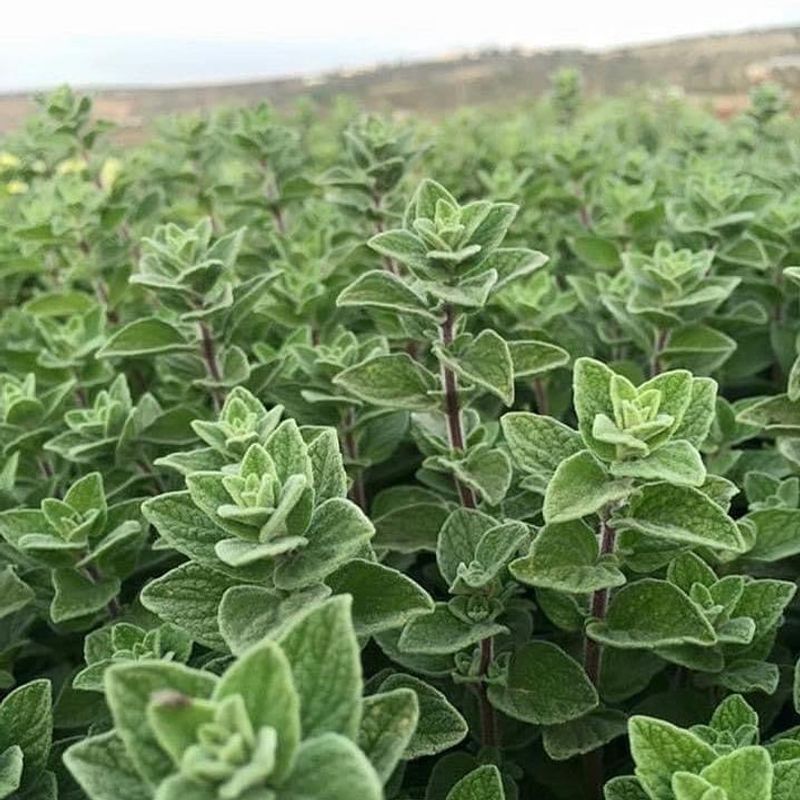
Ask experienced Texas gardeners about low-maintenance herbs, and oregano will top nearly every list. This Mediterranean native laughs at heat waves and drought conditions that would stress other plants.
Oregano spreads readily to form attractive groundcover, filling in spaces with fragrant foliage that stays green even during the harshest summer months.
The flavor of oregano intensifies in hot, dry conditions, which means Texas-grown oregano often tastes more robust than store-bought varieties.
Fresh oregano leaves elevate Italian dishes, Mexican cuisine, and grilled vegetables with their pungent, slightly peppery taste. You can also dry the leaves easily for year-round use in your spice cabinet.
Greek oregano and Italian oregano both perform exceptionally well across Texas, from the humid Gulf Coast to the drier western regions. The plant produces clusters of tiny white or pink flowers in summer, which bees and butterflies find irresistible.
Allowing some flowers to bloom supports pollinators while still leaving plenty of foliage for your kitchen needs.
Oregano grows happily in garden beds, raised planters, or containers, adapting to whatever space you can provide. It prefers full sun but tolerates partial shade, making it versatile for different garden locations.
The plant requires minimal fertilizer and actually develops better flavor when not overfed with rich soil amendments.
One wonderful characteristic of oregano is its perennial nature in most Texas zones. The plant returns year after year, expanding its territory and providing reliable harvests without replanting.
Trim it back occasionally to encourage fresh, tender growth and prevent it from becoming too woody or sprawling beyond its designated space.
4. Thyme
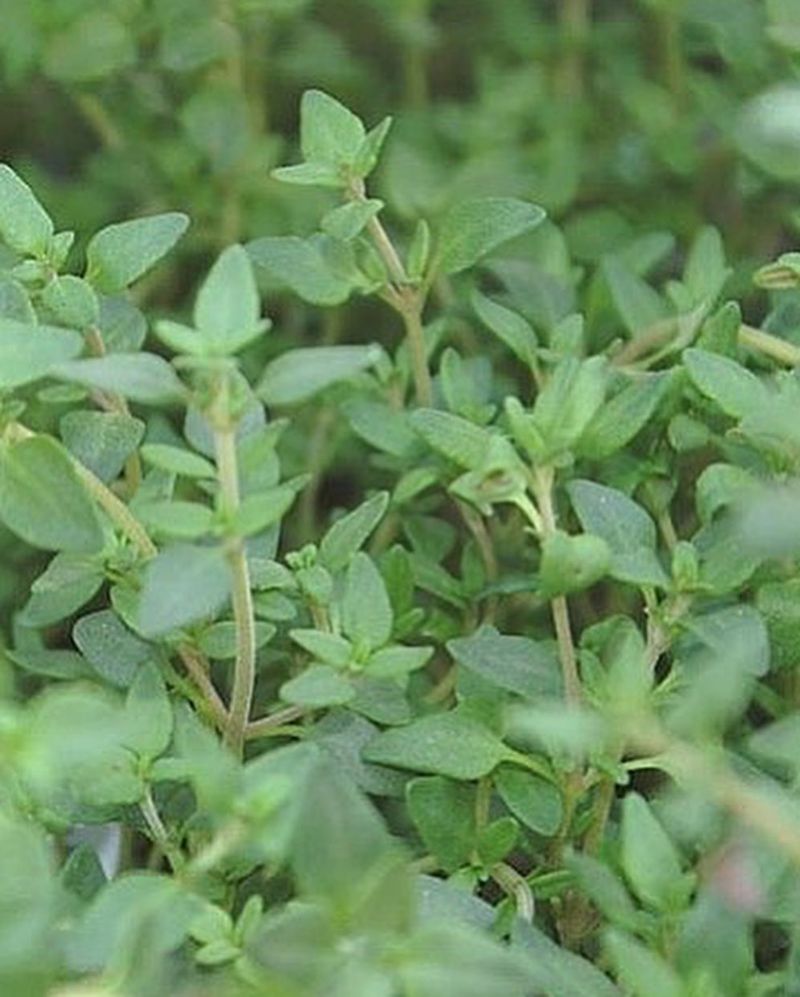
Compact, fragrant, and incredibly resilient, thyme ranks among the most beginner-friendly herbs for Texas gardens. This low-growing perennial forms neat mounds or creeping mats of tiny aromatic leaves that release their scent with the slightest touch.
Thyme handles full Texas sun without complaint and actually struggles more with excess moisture than with heat or drought.
Dozens of thyme varieties exist, but common thyme and lemon thyme perform particularly well in Texas conditions. Common thyme offers classic herbal notes perfect for seasoning chicken, fish, soups, and roasted vegetables.
Lemon thyme adds a bright citrus twist to dishes and makes an excellent addition to marinades and tea blends.
The plant stays relatively small, rarely exceeding eight to twelve inches in height, which makes it perfect for edging garden beds or tucking into tight spaces.
Thyme works beautifully in rock gardens, between stepping stones, or cascading over the edges of containers.
Its compact size also means you can grow multiple varieties in a small area to expand your culinary options.
During late spring and early summer, thyme produces masses of tiny tubular flowers in shades of pink, purple, or white. These blooms create a stunning display while attracting beneficial insects to your garden.
Honeybees particularly love thyme flowers, and honey made from thyme nectar is considered a delicacy in many cultures.
Thyme requires well-draining soil and minimal watering once established, making it ideal for Texas gardeners practicing water conservation. The plant tolerates poor soil and doesn’t need regular fertilization.
Simply plant it in a sunny spot, water occasionally during extreme heat, and harvest sprigs as needed for cooking throughout the year.
5. Mint
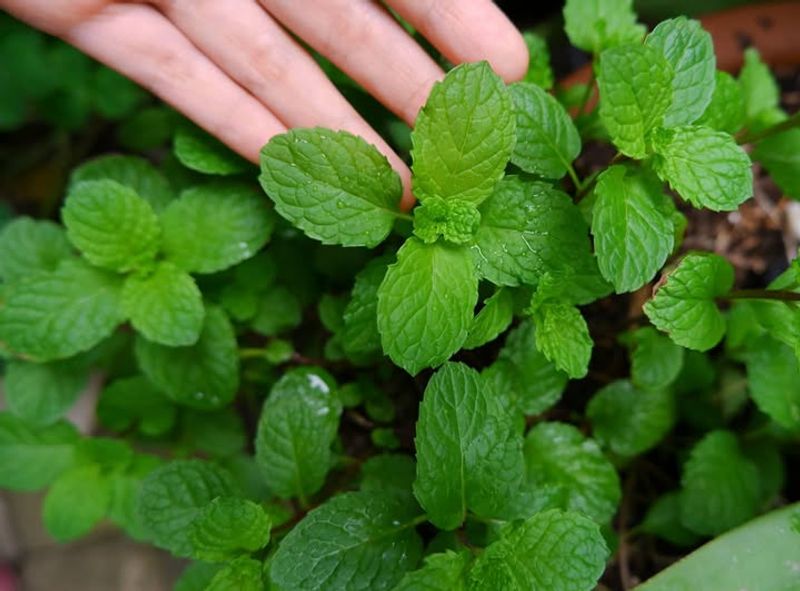
While most herbs on this list prefer dry conditions, mint breaks the pattern by appreciating more moisture while still handling Texas heat remarkably well. This vigorous grower produces refreshing leaves perfect for beverages, desserts, and Middle Eastern cuisine.
Mint’s cooling flavor makes it especially welcome during hot Texas summers when a glass of iced mint tea hits the spot perfectly.
Spearmint and peppermint are the most popular varieties, each offering distinct flavor profiles. Spearmint provides a sweeter, gentler taste ideal for mojitos and fruit salads, while peppermint delivers a stronger menthol punch perfect for chocolate desserts and herbal teas.
Both types grow enthusiastically in Texas gardens, sometimes too enthusiastically for their own good.
Mint has a well-deserved reputation for aggressive spreading through underground runners. Many Texas gardeners choose to grow mint in containers to prevent it from taking over garden beds.
A large pot placed in partial shade will keep mint happy and contained while still providing abundant harvests. This strategy works especially well in areas like Dallas or Houston where afternoon shade helps plants cope with extreme heat.
The plant appreciates consistent moisture, so water mint more frequently than your other herbs, especially during the peak summer months.
A spot with morning sun and afternoon shade provides ideal conditions, though mint tolerates full sun if kept adequately watered.
Fertilize lightly every few weeks during the growing season to encourage lush, flavorful foliage.
Mint dies back during Texas winters but returns vigorously each spring from its roots. Regular harvesting encourages bushier growth and prevents the plant from becoming leggy.
Simply snip off stems as needed, and new growth will quickly fill in the gaps for continuous harvests throughout the warm season.
6. Sage
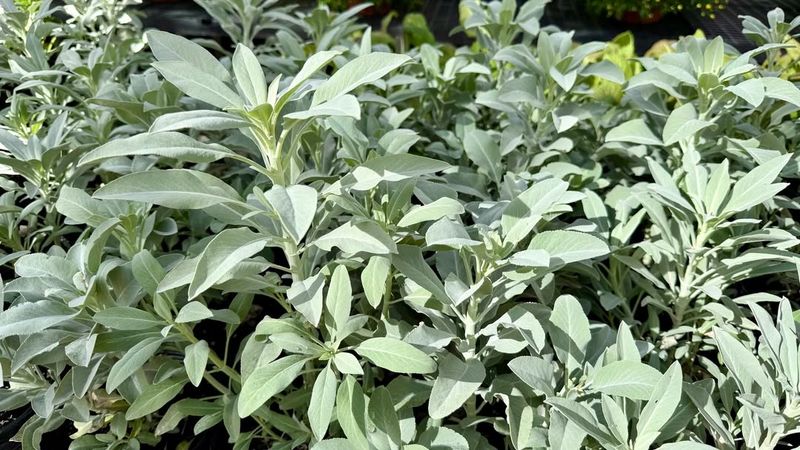
Silvery-green leaves with a soft, velvety texture make sage instantly recognizable in any herb garden. This Mediterranean native handles Texas heat with impressive stamina, developing into a substantial shrub that provides harvests for years.
Sage’s earthy, slightly peppery flavor complements rich meats, stuffing, and butter sauces, making it a kitchen essential for many cooks.
Common garden sage performs beautifully throughout Texas, tolerating both humid coastal conditions and drier inland climates. The plant grows two to three feet tall with woody stems and aromatic leaves that remain attractive even when not being harvested.
Purple sage and golden sage offer colorful foliage variations while maintaining the same heat tolerance and culinary uses.
Sage produces stunning flower spikes in late spring, typically in shades of purple, blue, or white. These blooms attract hummingbirds, butterflies, and bees, turning your herb garden into a pollinator haven.
Allowing some flowers to develop doesn’t significantly impact leaf production, so you can enjoy both the ornamental display and continuous harvests.
Like rosemary and thyme, sage prefers well-draining soil and moderate watering. Overwatering causes more problems than underwatering, especially in Texas clay soils that retain moisture.
Plant sage in full sun for best growth and strongest flavor development. The plant benefits from occasional pruning to maintain a compact shape and encourage fresh, tender growth.
Sage becomes woody and less productive after three to four years, at which point many Texas gardeners replace it with young plants. However, during its prime years, sage provides reliable harvests with minimal care requirements.
Fresh sage leaves can be used immediately or dried for long-term storage, giving you flexibility in how you preserve your harvest for future cooking adventures.