Top 9 Easy Texas Native Plants For First-Time Gardeners
Are you a first time gardener in Texas eager to start planting but unsure which plants will be easiest to grow? Choosing beginner friendly natives can make the whole experience smoother and far more enjoyable.
Texas weather can be tough, with strong sun, sudden heat, and dry stretches, so picking plants that naturally handle these conditions is a smart move. Native varieties adapt well to local soil, need less water, and usually require minimal care once established.
They grow reliably, stay resilient, and still bring color, texture, and seasonal interest to your space. Many also support pollinators and local wildlife, helping your garden feel lively and balanced from the beginning.
Starting with dependable native plants builds confidence and reduces early frustration. Soon you will see steady growth, healthy plants, and a garden that feels rewarding, manageable, and enjoyable as your gardening journey begins.
1. Gregg’s Mistflower
Butterflies seem to appear out of nowhere when Gregg’s Mistflower starts blooming in late summer.
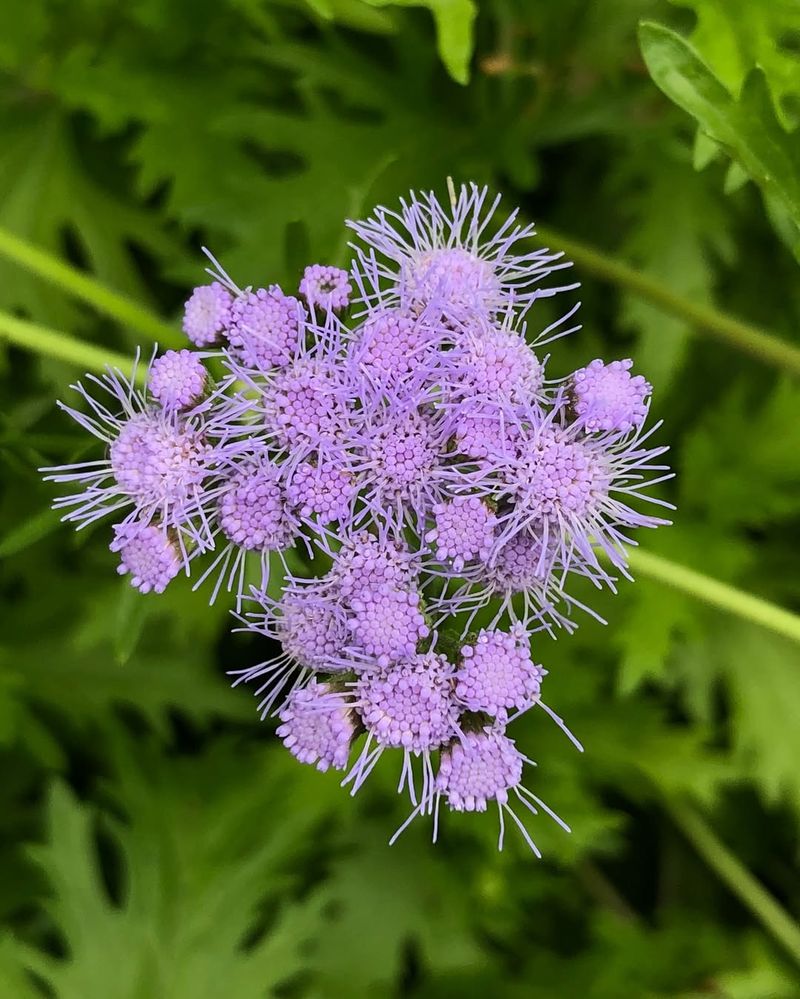
The fluffy blue-purple flowers create a haze of color that monarchs, swallowtails, and painted ladies find absolutely irresistible. Watching these visitors flutter around makes any Texas garden feel magical.
This perennial grows one to three feet tall and spreads slowly to form nice clumps. It blooms from August through November, filling a gap when many other Texas plants are taking a break from the heat.
The flowers look soft and fuzzy, almost like tiny powder puffs clustered together. Gregg’s Mistflower handles both sun and partial shade throughout Texas, though it blooms more heavily with at least six hours of sunlight.
It tolerates our alkaline soils and doesn’t complain during dry periods once the roots establish. Cut it back in late winter to keep it looking tidy.
This plant works wonderfully in Houston, San Antonio, or Dallas gardens where you want to support migrating monarch butterflies in fall. Deer typically avoid it, and it has no serious pest problems.
For beginning gardeners in Texas, Gregg’s Mistflower delivers spectacular results with very little maintenance required throughout the year.
2. Turk’s Cap
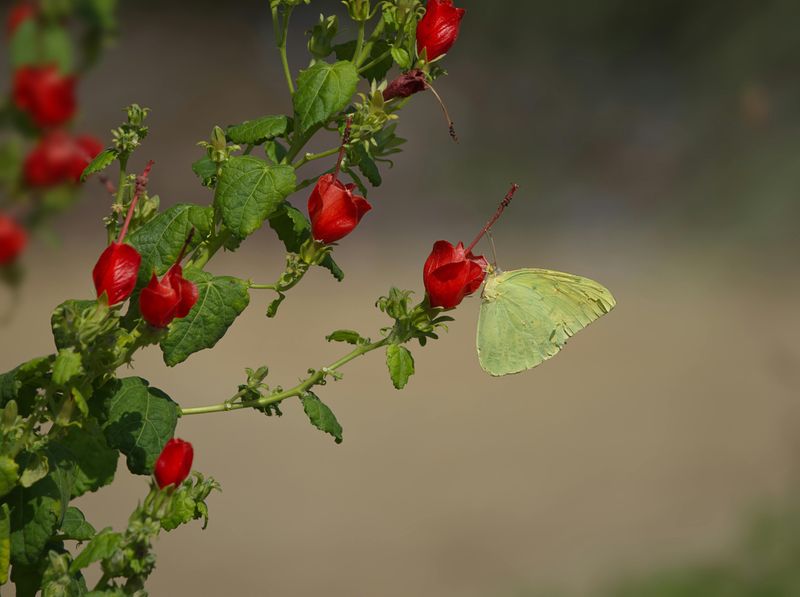
Picture a plant that blooms from spring until the first frost arrives, asking for almost nothing in return. Turk’s Cap delivers exactly that kind of reliable performance in Texas gardens.
The red flowers look like tiny turbans that never fully open, creating a unique appearance that hummingbirds absolutely love.
This shrubby perennial grows well in both sun and shade across Texas, making it perfect for those tricky spots under trees or along fences.
It reaches about three to five feet tall and wide, creating a nice rounded shape without much pruning. The leaves stay green and healthy even during hot San Antonio or Dallas summers.
Turk’s Cap tolerates our famous Texas clay soil and bounces back quickly after dry spells. Deer usually leave it alone, which is a huge bonus for gardeners in rural areas. The plant also produces small red fruits that birds enjoy eating in fall.
You can find Turk’s Cap thriving in Central and South Texas naturally, so it feels right at home in most Texas yards.
Water it regularly the first summer, then it becomes quite independent. This plant practically grows itself while providing months of color and wildlife activity.
3. Blackfoot Daisy
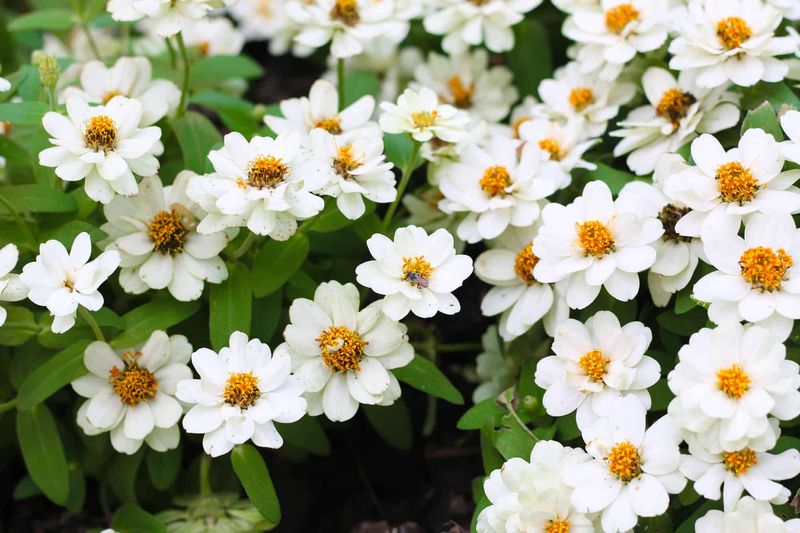
Small but mighty describes Blackfoot Daisy perfectly. This low-growing perennial spreads into a cheerful mound covered with white daisies that have sunny yellow centers. Each plant stays under a foot tall but can spread two feet wide, creating a carpet of blooms.
Blackfoot Daisy thrives in the toughest Texas conditions, including rocky soil, full sun, and minimal water.
Once established in Austin, El Paso, or anywhere across Texas, it blooms from March through November with barely any care. The flowers attract small butterflies and native bees throughout the growing season.
This plant works beautifully along walkways, in rock gardens, or tumbling over retaining walls. It never needs fertilizer and actually prefers lean, well-drained soil over rich garden beds. Overwatering causes more problems than drought for this tough little daisy.
Blackfoot Daisy reseeds itself gently without becoming invasive, so you might find new plants popping up in nearby areas. The foliage stays gray-green and compact even when not blooming.
For first-time gardeners in Texas who worry about keeping plants alive, this daisy offers nearly foolproof success with maximum visual impact for minimal effort invested.
4. Autumn Sage
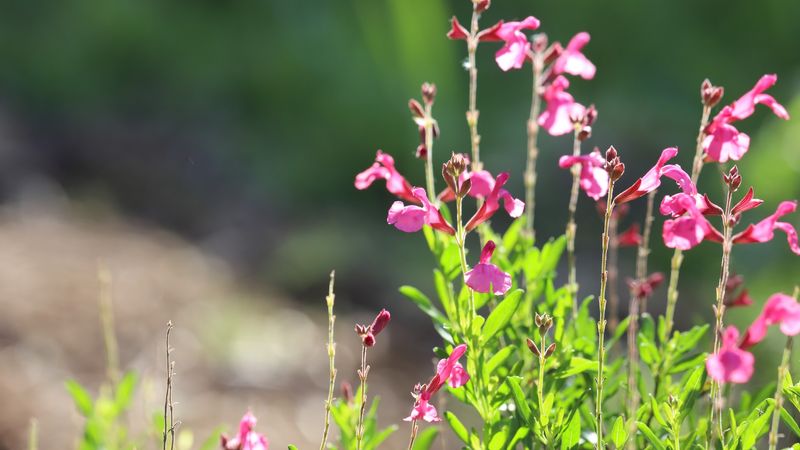
Hummingbirds zoom in like tiny helicopters when Autumn Sage displays its tubular flowers.
Available in red, pink, white, coral, and purple varieties, this salvia blooms almost year-round in warmer parts of Texas. Even in colder areas like Dallas, it flowers from spring through fall without stopping.
Autumn Sage forms a rounded shrub about two to three feet tall and wide. The woody stems create a permanent structure, while the small leaves stay evergreen in mild Texas winters.
This plant tolerates heat, drought, and poor soil once established, making it ideal for beginners.
You can plant Autumn Sage in full sun across most of Texas, though it appreciates some afternoon shade in the hottest regions.
It needs well-drained soil and actually suffers from too much water or fertilizer. Trim it lightly after heavy bloom periods to encourage fresh growth.
This native sage works beautifully in Austin, El Paso, or Houston gardens as a border plant or mixed with other perennials. Deer usually pass it by thanks to the aromatic foliage.
The constant parade of hummingbirds visiting your Autumn Sage creates entertainment value that goes beyond just pretty flowers in your Texas landscape.
5. Coral Honeysuckle
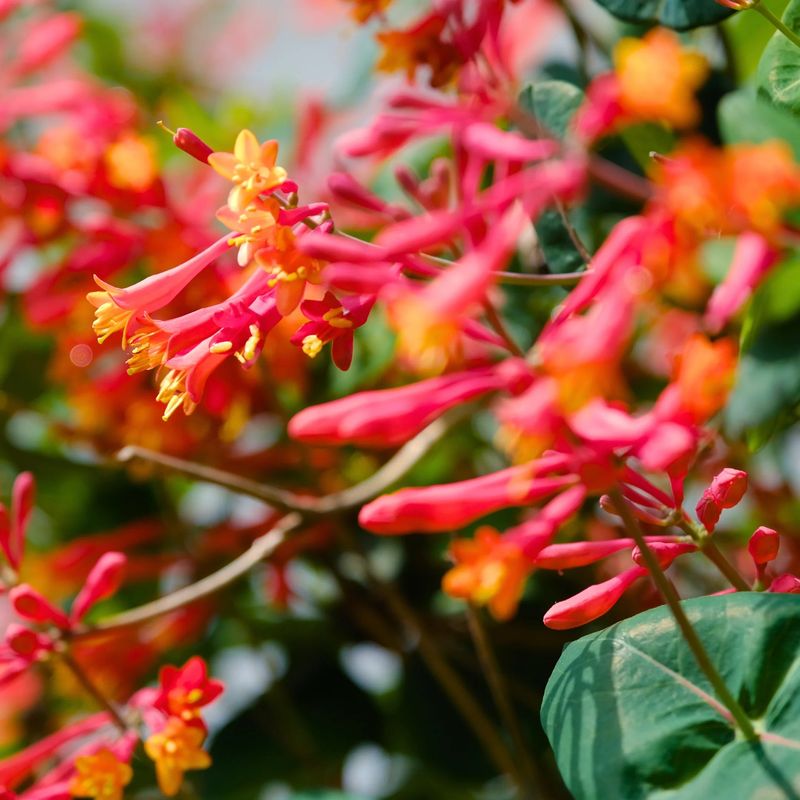
Vines sometimes get a bad reputation for taking over gardens, but Coral Honeysuckle behaves itself beautifully. This native Texas climber produces clusters of coral-red tubular flowers with yellow throats that hummingbirds visit constantly.
Unlike its aggressive cousin Japanese honeysuckle, this native variety stays manageable and well-behaved.
Coral Honeysuckle grows ten to fifteen feet long, perfect for covering fences, arbors, or mailbox posts throughout Texas. The flowers appear heaviest in spring but continue sporadically through fall.
Red berries follow the blooms, providing food for songbirds in your San Antonio or Dallas yard.
This vine tolerates full sun to partial shade and adapts to various Texas soil types. It needs moderate water during establishment but becomes quite drought-tolerant afterward. The semi-evergreen foliage looks attractive even when flowers aren’t present.
Training Coral Honeysuckle onto a support takes minimal effort since it climbs naturally by twining. It rarely suffers from pest problems and deer generally leave it alone.
For first-time Texas gardeners wanting vertical interest without constant pruning battles, this native honeysuckle delivers beauty and wildlife value without the headaches associated with invasive vine species common in Texas landscapes.
6. Mealy Blue Sage
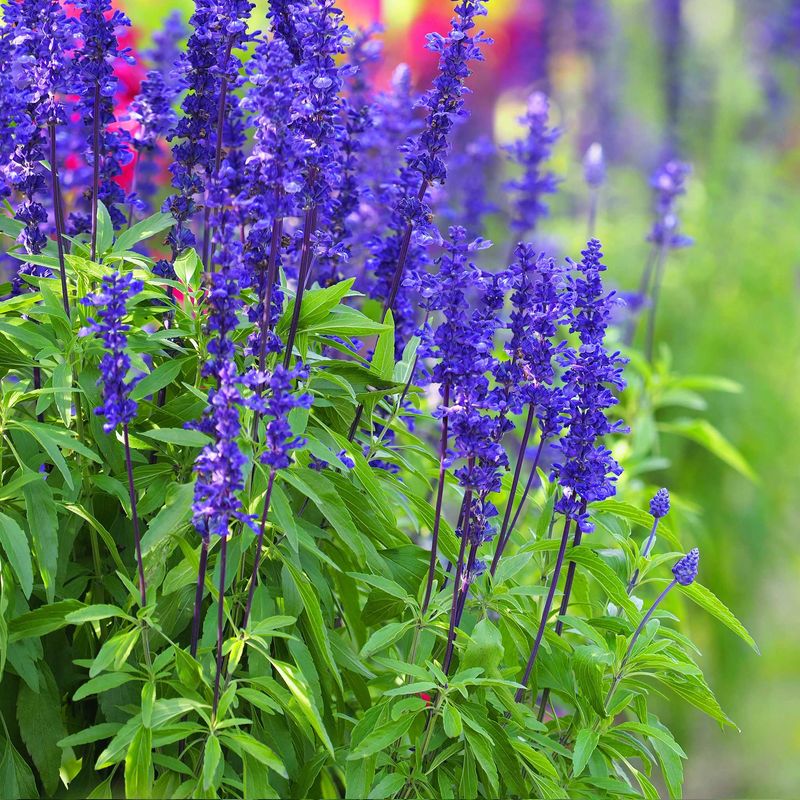
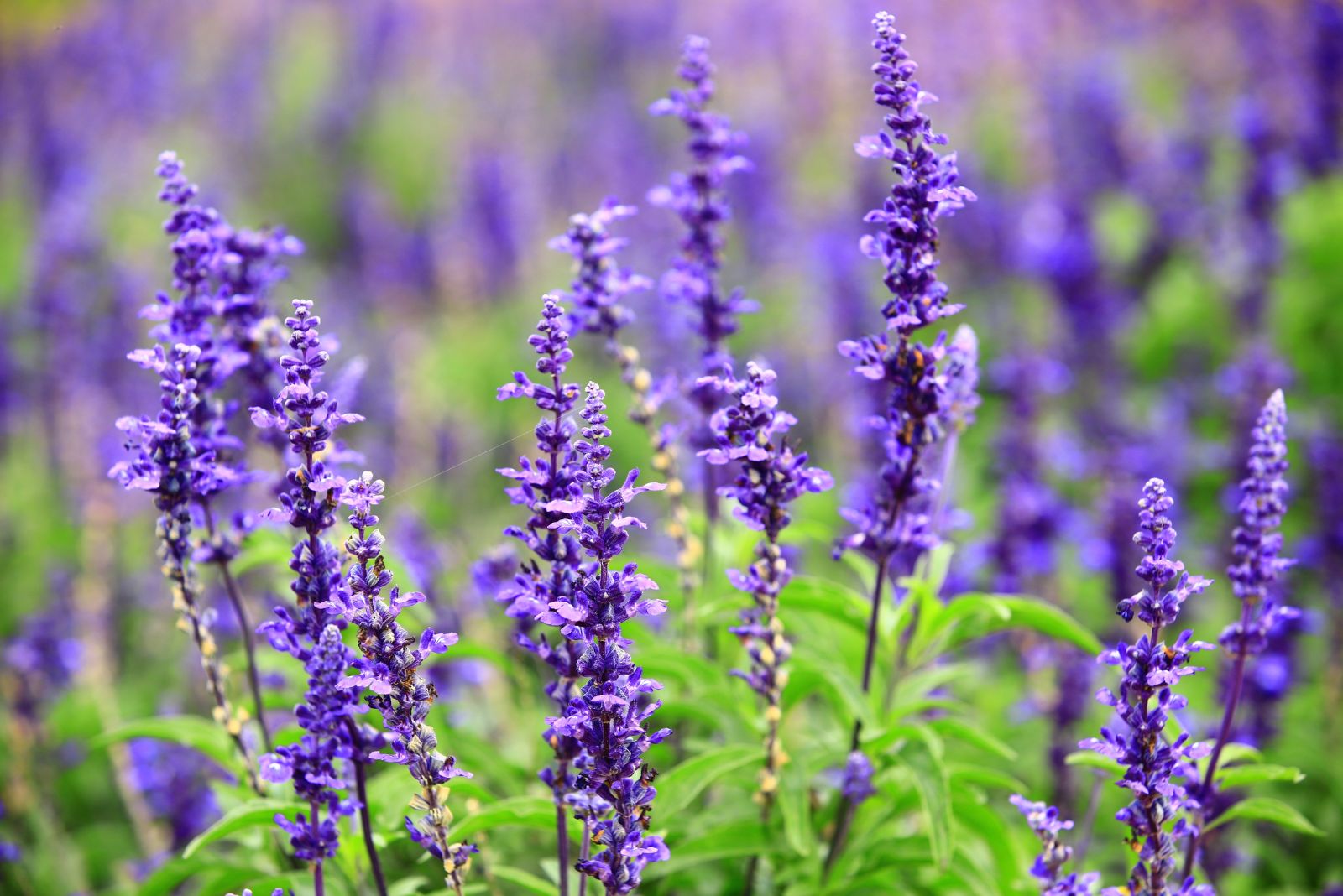
Spikes of cool blue flowers rising above silvery foliage create an unforgettable sight in Texas gardens. Mealy Blue Sage produces these stunning flower stalks from late spring through fall, attracting butterflies, bees, and hummingbirds throughout the season.
The blue color provides a refreshing contrast to all the hot-colored flowers common in Texas landscapes.
This perennial grows two to three feet tall with an upright, clumping habit. The stems and flower buds have a whitish, mealy coating that gives the plant its common name.
Mealy Blue Sage thrives in full sun across Texas and tolerates our alkaline soils without complaint.
Plant this sage in well-drained soil and water it regularly during the first summer to establish strong roots. Afterward, it becomes quite drought-tolerant and needs minimal care.
Deadheading spent flower stalks encourages more blooms, though the plant continues flowering even without this attention.
Mealy Blue Sage works beautifully in Austin, Dallas, or El Paso gardens as a border plant or massed in groups for dramatic effect. Deer typically avoid it thanks to the aromatic foliage.
For first-time Texas gardeners wanting easy-care color and wildlife appeal, this native sage delivers consistent performance with very little maintenance required throughout the entire growing season.
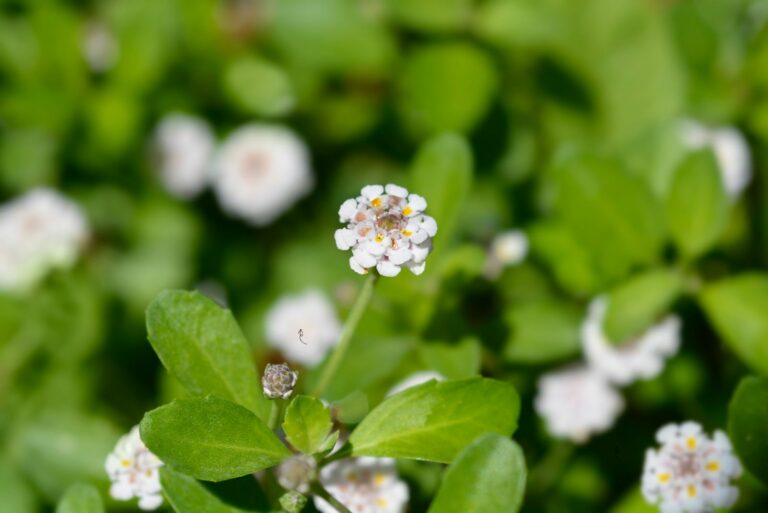
7. Texas Lantana
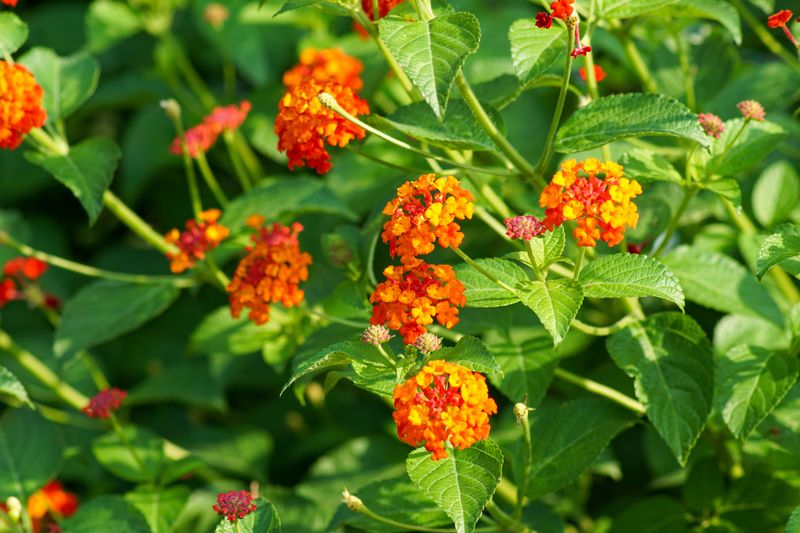
Few plants match Texas Lantana for sheer toughness and butterfly-attracting power. This sprawling perennial produces clusters of tiny flowers in shades of orange, yellow, and sometimes pink that butterflies visit all day long.
Once you plant it in your Texas garden, you’ll wonder how you ever gardened without it. Texas Lantana grows two to four feet tall and can spread six feet wide, creating a substantial presence.
It blooms from late spring until frost, handling the brutal Texas summer heat without wilting or complaining. The rough-textured leaves release a pungent scent when brushed.
This plant thrives in full sun and well-drained soil across Texas, from Houston to El Paso. It tolerates drought, poor soil, and neglect once established.
Freezing temperatures may damage the top growth in winter, but the plant rebounds vigorously from the roots each spring.
Texas Lantana works perfectly as a large-scale groundcover or informal hedge in Austin, San Antonio, or Dallas landscapes. Deer avoid it due to the aromatic foliage.
The constant butterfly activity around blooming lantana transforms your yard into a living nature show. For beginning Texas gardeners, this native plant delivers maximum impact with minimum maintenance investment throughout the growing season.
8. Rock Rose
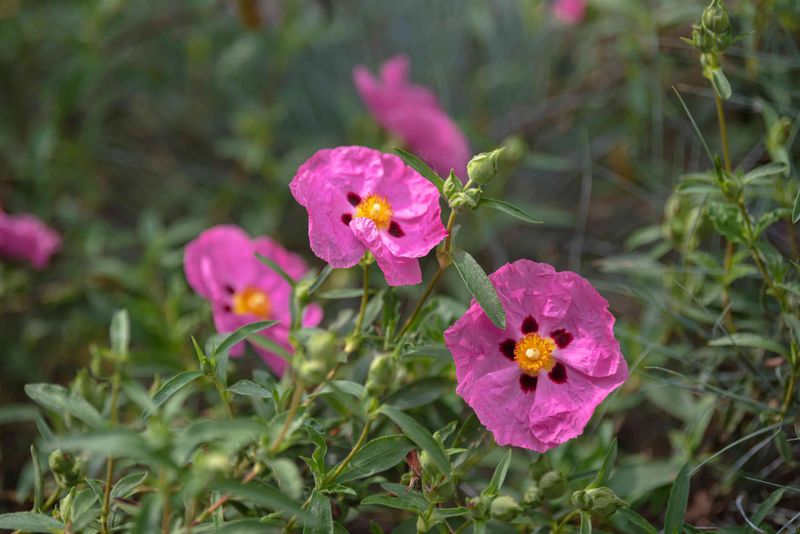
Shade-loving plants that bloom generously can be hard to find in Texas, but Rock Rose solves that problem beautifully.
This evergreen perennial produces delicate pink flowers with prominent stamens from spring through fall, even in shady spots under trees. The flowers look like miniature hibiscus blooms dancing on thin stems.
Rock Rose grows two to three feet tall and wide, forming a rounded mound of soft green foliage.
It thrives in partial to full shade throughout Texas, making it perfect for those difficult areas where sun-loving plants struggle. The plant stays attractive year-round with its persistent leaves.
This native adapts to various Texas soil types and tolerates dry shade once established, though it appreciates occasional deep watering during extended droughts.
It never needs fertilizer and rarely suffers from pest problems. Butterflies and bees visit the flowers regularly throughout the blooming season.
Rock Rose works wonderfully under oak trees or along shaded fence lines in Houston, Austin, or San Antonio gardens. Deer usually avoid it, and it requires no regular pruning.
For beginning Texas gardeners struggling with shady areas, Rock Rose offers an easy solution that provides months of delicate blooms without demanding constant attention or special care throughout the growing season.
9. Flame Acanthus
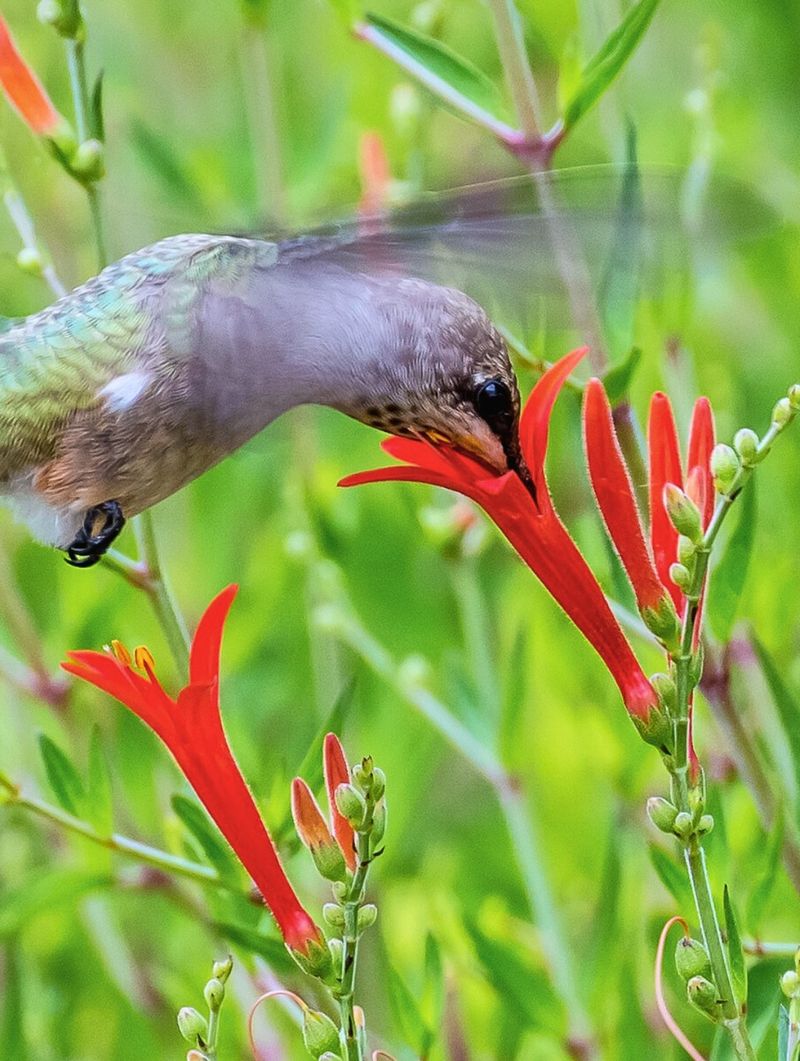
When late summer heat sends many plants into survival mode, Flame Acanthus kicks into high gear.
The brilliant orange-red tubular flowers appear in abundance from July through October, creating a spectacular show exactly when Texas gardens need it most. Hummingbirds visit these blooms constantly throughout the day.
Flame Acanthus forms an upright shrub reaching three to five feet tall in most Texas locations. The narrow leaves create an airy texture, and the woody stems provide structure year-round.
This plant tolerates extreme heat and drought once established, making it perfect for challenging spots in Dallas or San Antonio yards.
Plant Flame Acanthus in full sun to light shade with well-drained soil anywhere in Texas. It needs minimal water after the first growing season and never requires fertilizer.
Freezing weather may damage stems in winter, but simply cut them back and fresh growth emerges quickly in spring.
This native works beautifully as a background plant or mixed into perennial borders throughout Texas. Deer typically leave it alone, and it has no serious pest issues.
For first-time gardeners in Texas wanting reliable late-season color and hummingbird action, Flame Acanthus delivers outstanding performance with practically zero maintenance demands throughout the year.