Top 10 Low-Maintenance Flowers Oregon Gardeners Should Plant This Week
Oregon gardeners know that spring is the perfect time to add fresh color without spending every weekend fussing over the beds.
Choosing flowers that grow well on their own can keep the yard looking vibrant while freeing up time for other garden tasks. We all really need that time, am I right?
Low-maintenance blooms offer beauty, resilience, and a splash of color without constant watering, deadheading, or special care.
These hardy flowers can handle Oregon’s spring weather, recover from occasional chilly nights, and thrive with minimal attention once they settle into the soil.
Planting now gives them time to establish strong roots so they can hold up through warmer months and maintain steady growth and flowering.
A focus on easy-care flowers means you get maximum visual impact for minimal effort. Beds, borders, and containers all benefit from blooms that perform reliably and bring color to the landscape.
By planting low-maintenance varieties this week, the garden quickly gains a cheerful, lively appearance that stays vibrant even when life gets busy.
1. Calendula
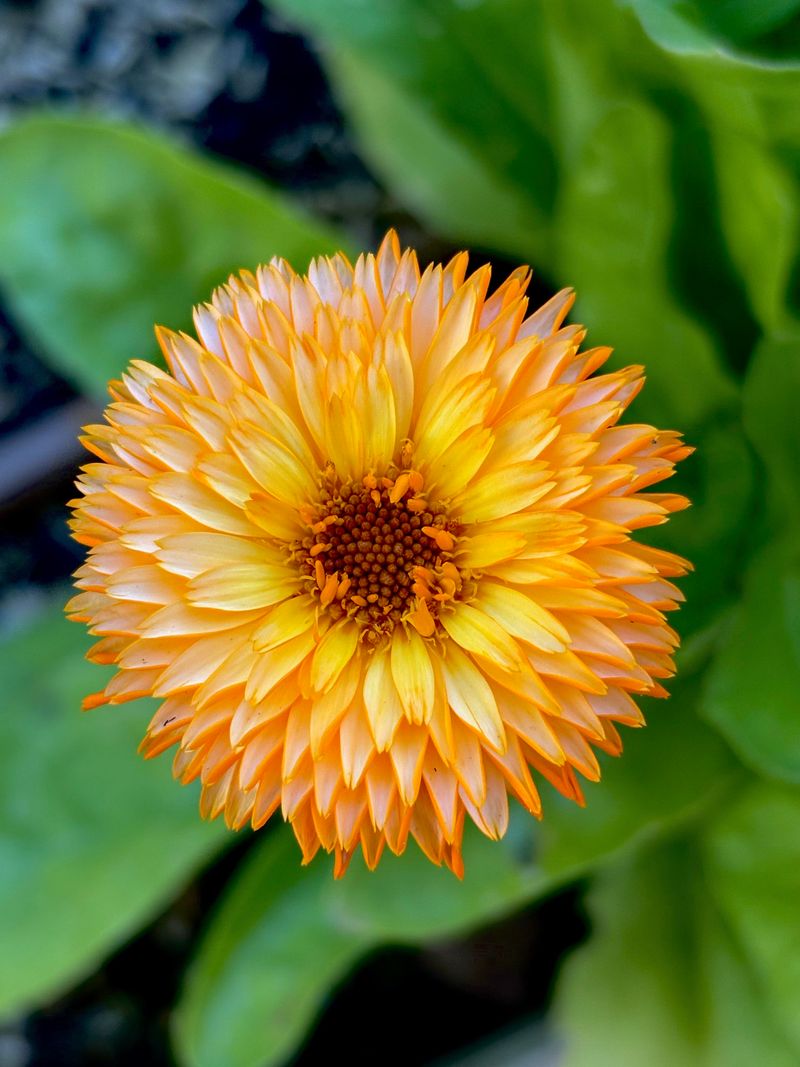
Known as one of the friendliest flowers a gardener can grow, calendula has been brightening up gardens for centuries. Its cheerful orange and yellow blooms pop up quickly after planting, making it a rewarding choice for beginners and seasoned gardeners alike.
Oregon’s mild, moist spring weather is practically made for this flower.
Calendula grows best in cool weather, which means early March in Oregon is an ideal time to get seeds in the ground. Just scatter seeds in a sunny spot, press them lightly into the soil, and water them in.
You will start seeing sprouts within about a week.
One fun bonus: calendula petals are edible and have been used in cooking and herbal remedies for hundreds of years. They attract pollinators like bees and butterflies, which helps your whole garden thrive.
Deadhead spent blooms regularly to keep the plant producing new flowers. With very little effort, calendula will bloom from spring all the way through fall in Oregon gardens.
2. Sweet Peas
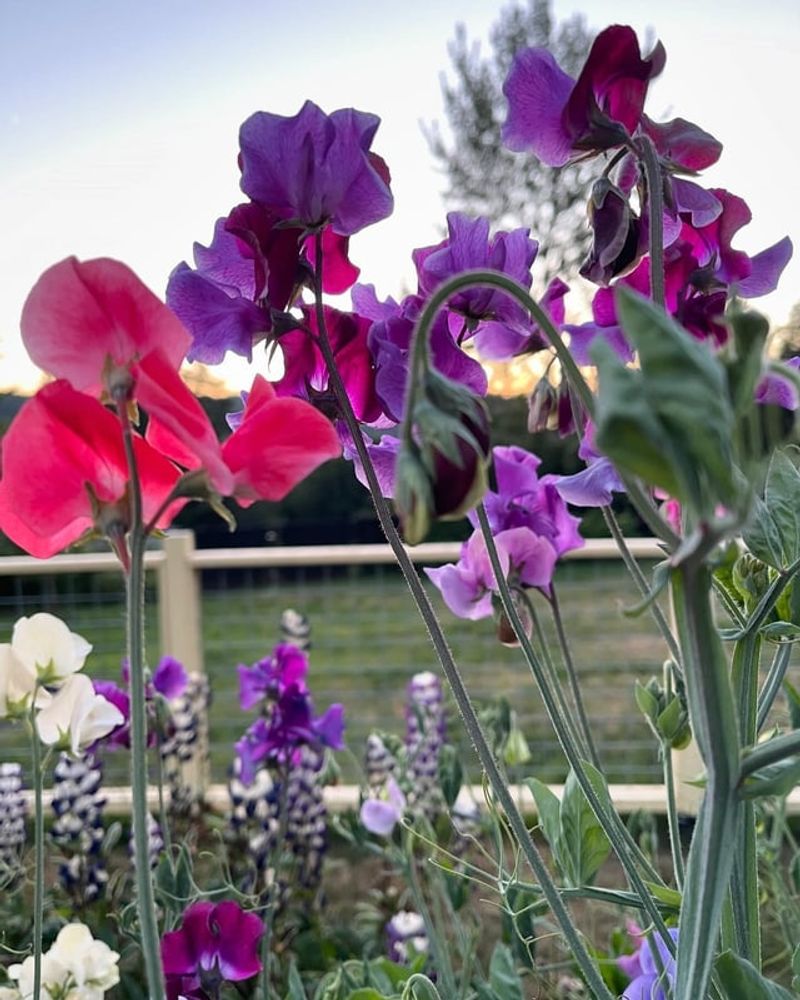
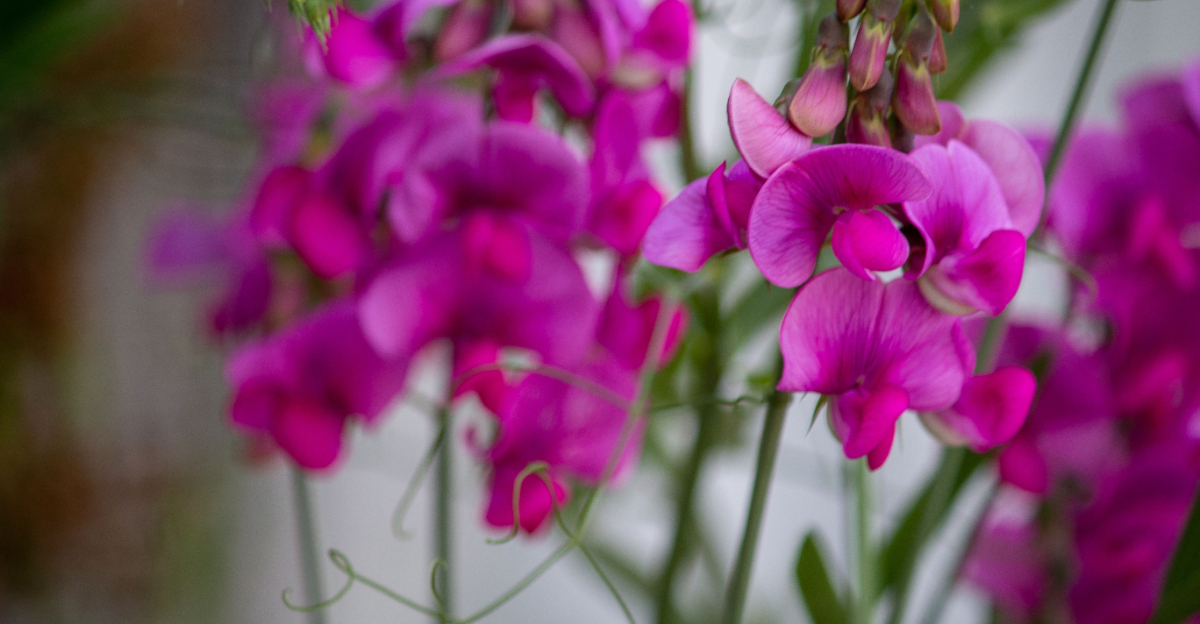
There is something almost magical about sweet peas. Their delicate, ruffled blooms come in shades of pink, purple, red, and white, and they carry one of the most beautiful fragrances of any garden flower.
Planting them now in Oregon gives them the cool temperatures they love to get established.
Sweet peas are climbers, so give them a trellis, fence, or even some twine to grab onto. They grow fast once they get going, and before long you will have a wall of color and fragrance right in your Oregon garden.
Soak seeds overnight before planting to speed up germination.
Keep the soil moist but not waterlogged, and add a little compost when planting to give them a nutritious start. Pick the flowers often because the more you cut them, the more they bloom.
Sweet peas do not like heat, so enjoy them through late spring and early summer. In cooler parts of Oregon, like the coast or higher elevations, they can bloom well into summer, giving you weeks of stunning color and sweet scent.
3. Bachelor’s Buttons (Cornflower)
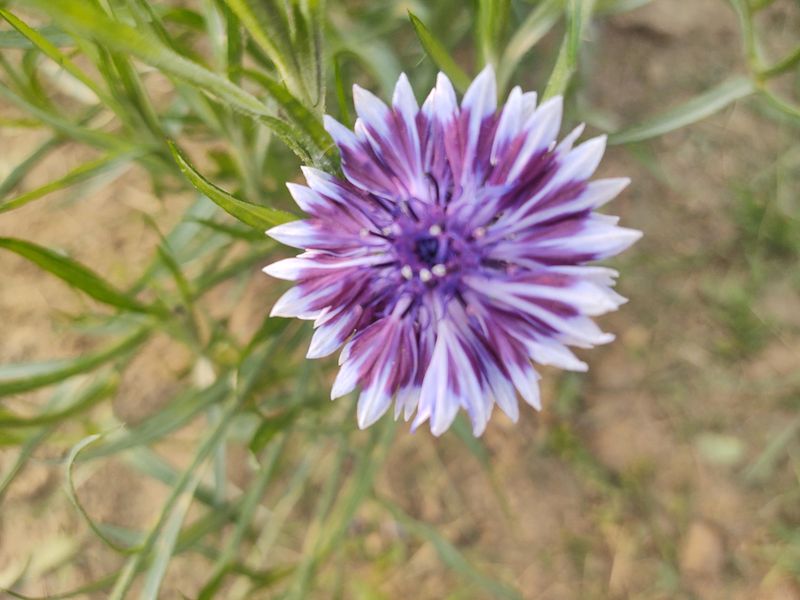
Bold, bright, and almost impossibly blue, bachelor’s buttons are one of those flowers that stop people in their tracks. Also called cornflowers, these tough little plants have been growing wild across Europe for centuries and adapt beautifully to Oregon’s climate.
They are one of the easiest flowers you can grow from seed.
Sow seeds directly in the ground in early March, choosing a spot with full sun and decent drainage. Bachelor’s buttons are not picky about soil, which makes them perfect for gardeners who want results without a lot of prep work.
They germinate quickly and grow into bushy plants covered in blooms.
Beyond blue, you can also find varieties in pink, white, and burgundy. They attract bees and beneficial insects, making them a great addition to any pollinator-friendly Oregon garden.
Deadhead regularly to keep the blooms coming all season. Did you know that cornflowers were found preserved in King Tutankhamun’s tomb?
That is a pretty impressive history for such a simple, cheerful flower. Plant a patch this week and enjoy the color show all spring and summer long.
4. Pansies
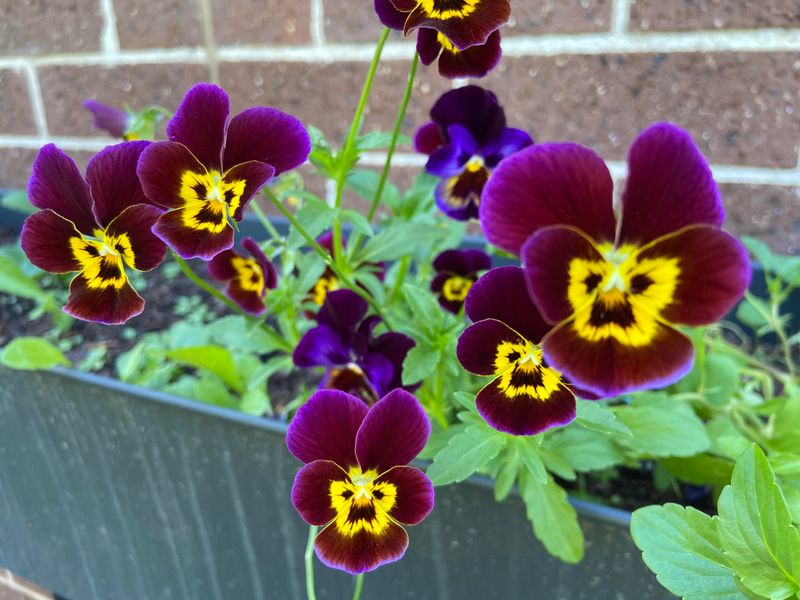
Pansies are practically the mascot of the Pacific Northwest spring garden. Walk through any neighborhood in Salem or Corvallis in early spring and you will spot their cheerful, face-like blooms in window boxes, containers, and garden beds everywhere.
They are tough, cold-tolerant, and absolutely packed with personality.
Oregon’s cool spring weather is exactly what pansies love. Plant transplants or seeds now and they will reward you with weeks of colorful blooms.
They come in almost every color imaginable, from deep purple and sunny yellow to soft lavender and bright orange, often with contrasting markings that make each flower look unique.
Water pansies regularly but avoid letting them sit in soggy soil. Deadhead spent flowers to encourage continuous blooming throughout the season.
Pansies can handle light frost, which is a huge advantage for Oregon gardeners who know that spring temperatures can still dip unexpectedly. Add a layer of mulch around the base of plants to help retain moisture and keep roots cool.
These little flowers pack a lot of charm into a small package, and they are one of the best choices for adding instant color to your Oregon garden right now.
5. Nigella (Love-in-a-Mist)
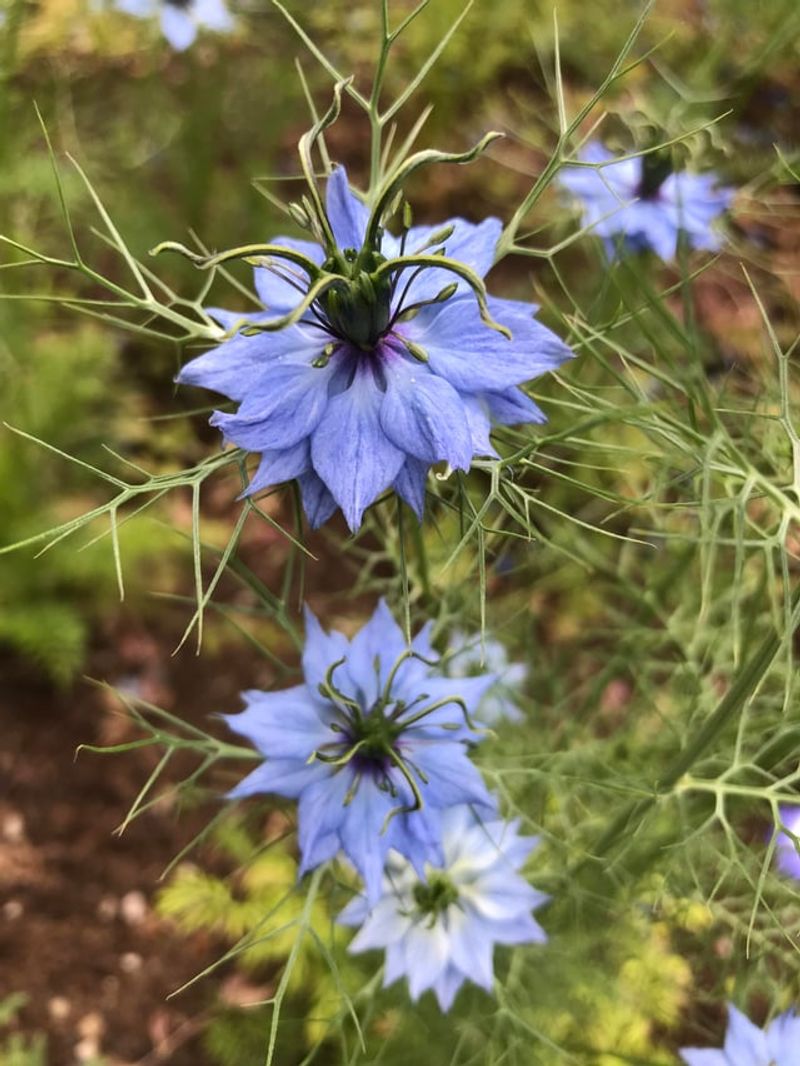
Few flowers have a name as romantic as love-in-a-mist, and the plant lives up to the mystery. Nigella produces stunning, intricate blooms in shades of blue, white, and pink, each one surrounded by a delicate haze of feathery green foliage that looks like fine lace.
It is one of those flowers that makes people stop and ask, what is that?
Direct sow seeds in your Oregon garden now, right where you want the plants to grow. Nigella does not transplant well because it has a delicate root system, so planting straight into the ground is the best approach.
Choose a sunny spot with well-drained soil and scatter seeds thinly, then barely cover them with a light dusting of soil.
After the blooms fade, nigella produces beautiful, balloon-shaped seed pods that are just as decorative as the flowers. Many Oregon gardeners leave the pods to dry on the plant and use them in dried flower arrangements.
Nigella self-seeds freely, meaning it will often come back on its own next year without any replanting. It is a flower with a theatrical personality, a short but spectacular season, and just enough quirk to make your Oregon garden feel truly special and one-of-a-kind.
6. Violas
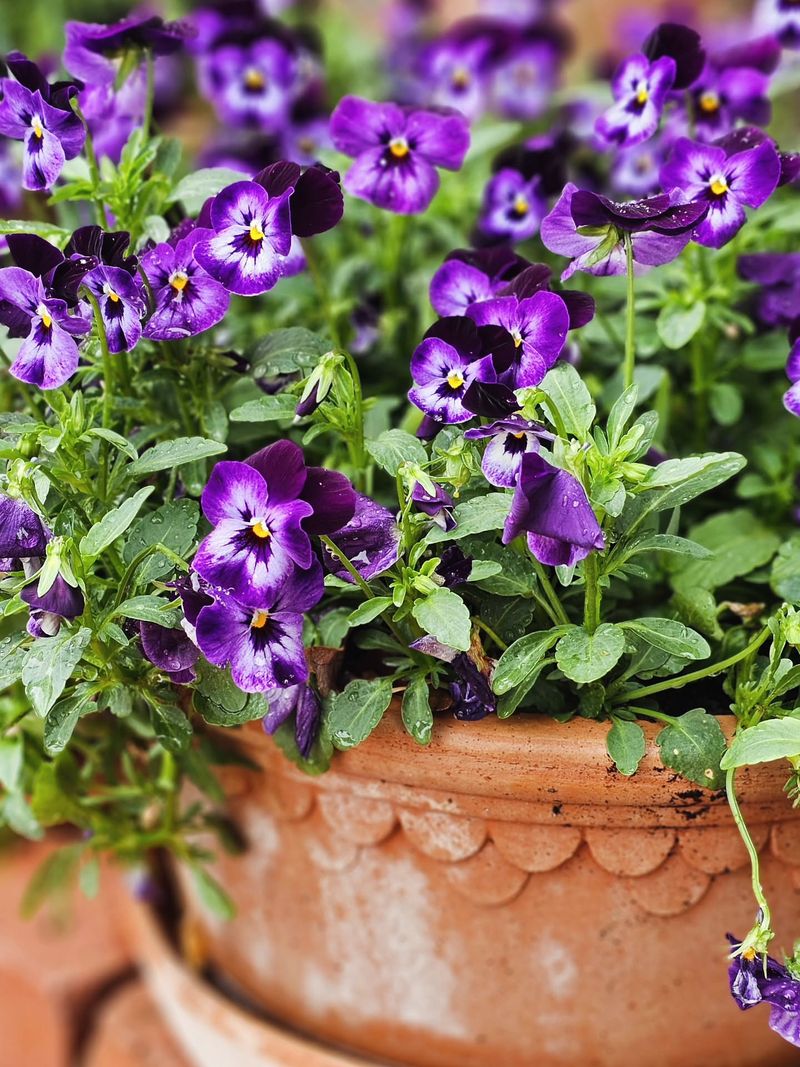
Smaller and more delicate-looking than pansies, violas are actually incredibly tough little plants. They spread easily, self-seed freely, and come back year after year in many Oregon gardens without any extra help from you.
If you want a low-effort, high-reward flower, violas are hard to beat.
Plant them now in garden beds, containers, or hanging baskets. They love cool weather and will bloom generously through spring and into early summer.
In shaded spots around Oregon where other flowers struggle, violas often thrive. They do well under trees or along shaded pathways where light is limited.
Violas attract early pollinators like bumblebees and are a welcome food source when not much else is blooming yet. Their flowers are also edible and make beautiful garnishes for salads and desserts.
Water them consistently and trim back leggy growth to keep plants looking tidy and full. Because they self-seed so readily, you may find happy little viola seedlings popping up in unexpected spots around your garden next year.
That kind of effortless spreading is exactly what makes violas such a beloved choice for Oregon gardeners who want color without constant replanting every single season.
7. Sweet Alyssum
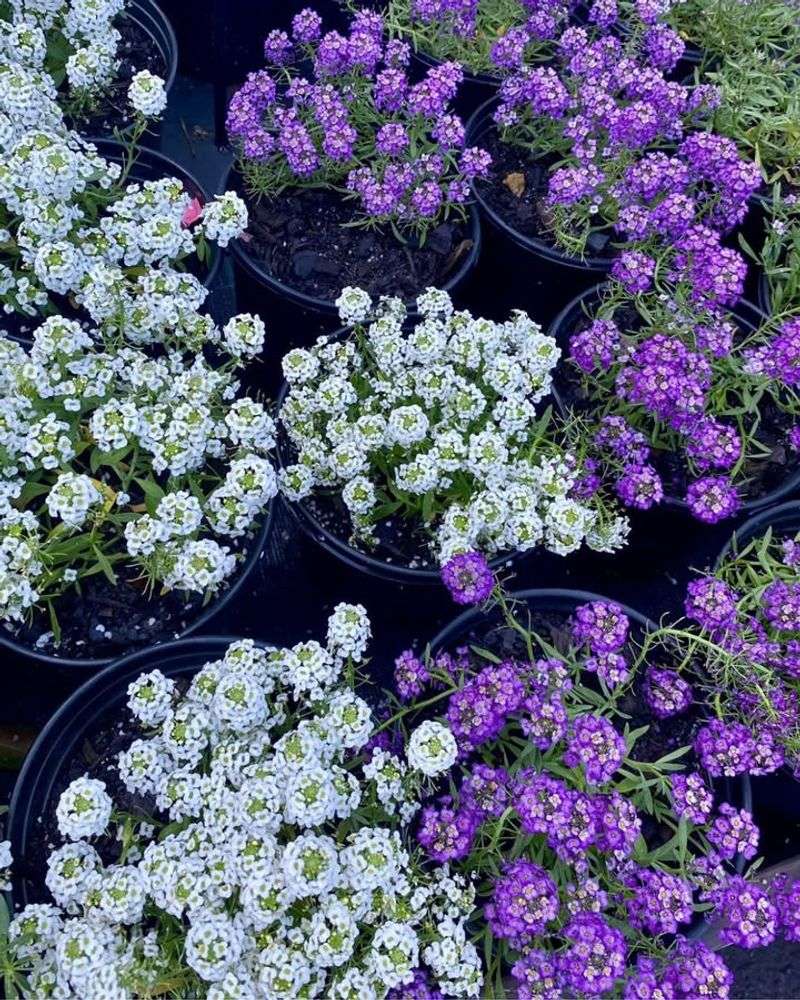
If you have ever walked past a garden and caught a faint, sweet, honey-like scent drifting through the air, there is a good chance sweet alyssum was the source. This low-growing, mat-forming flower is one of Oregon’s most versatile garden plants.
It works beautifully as a ground cover, a border edging, or a filler in containers.
Sweet alyssum is incredibly easy to grow from seed. Just sprinkle seeds on the soil surface in a sunny or partially shaded spot and water gently.
Seeds need light to germinate, so do not bury them. Within a couple of weeks, you will have a carpet of tiny white, pink, or purple blooms spreading across your garden.
One of the biggest advantages of sweet alyssum is that it attracts beneficial insects, including parasitic wasps that help control garden pests naturally. This makes it a smart companion plant for vegetable gardens across Oregon.
It tolerates light frost and tends to bounce back after cool snaps. Trim plants back by about a third if they start looking scraggly and they will quickly fill back in with fresh new blooms.
For minimal effort, the payoff is genuinely impressive all season long.
8. California Poppy
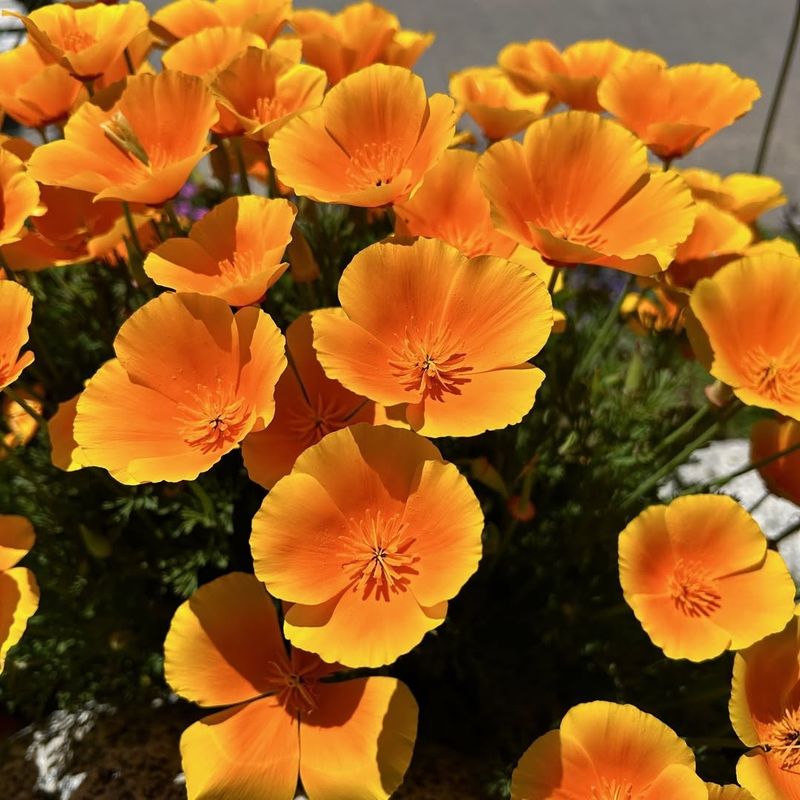
Do not let the name fool you. California poppies grow just as happily in Oregon as they do south of the border.
In fact, you will spot them growing wild along Oregon roadsides and in sunny meadows throughout the state. Their silky, cup-shaped blooms in shades of orange, yellow, and red open in the sunshine and close up at night like little umbrellas folding shut.
Scatter seeds directly on the soil surface in a sunny, well-drained spot. California poppies actually prefer poor, dry soil and do not need much fertilizer or watering once they get established.
They are one of the most drought-tolerant flowers you can grow, which makes them a smart choice for parts of Oregon that see dry summers.
These poppies self-seed generously, so once you plant them, they tend to return year after year without any extra effort. They are also deer-resistant, which is a big deal for Oregon gardeners in rural areas or neighborhoods where deer wander through.
The blooms attract native bees and other pollinators, supporting local ecosystems beautifully. Plant a patch this week and enjoy a low-maintenance, wildly cheerful display of color from spring through summer in your Oregon garden.
9. Larkspur
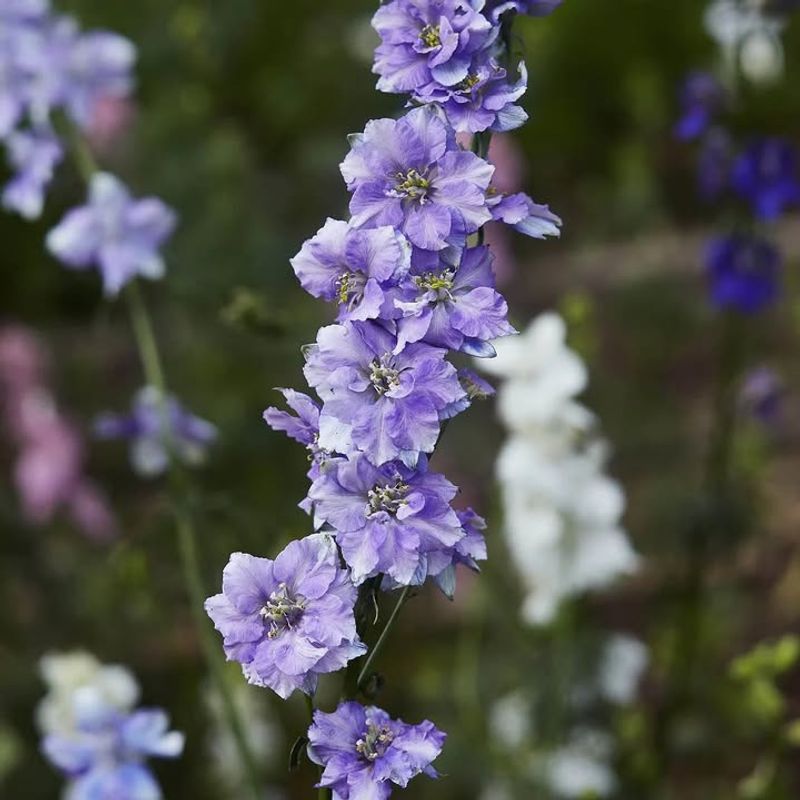
This stunning flower has the kind of old-fashioned charm that makes you feel like you have stepped into a storybook garden. Its tall, elegant flower spikes come in shades of deep blue, purple, pink, and white, and they add incredible vertical interest to any Oregon garden bed.
Best of all, larkspur is shockingly easy to grow from seed.
Sow seeds directly in the garden now while the soil is still cool. Larkspur actually needs cold temperatures to germinate well, so early March in Oregon is the perfect window.
Sprinkle seeds in a sunny spot, rake them lightly into the soil, and water them in. Thin seedlings once they sprout to give plants enough room to grow tall and strong.
Larkspur pairs beautifully with other cottage-style flowers like sweet peas and nigella, creating a lush, romantic look that Oregon gardeners tend to love. It self-seeds readily, so expect it to return on its own in future seasons.
The flower spikes are excellent for cutting and bring a dramatic, airy quality to fresh bouquets. Larkspur blooms in late spring and early summer, giving your Oregon garden a burst of tall, graceful color right when you need it most after the grey winter months.
10. Snapdragons
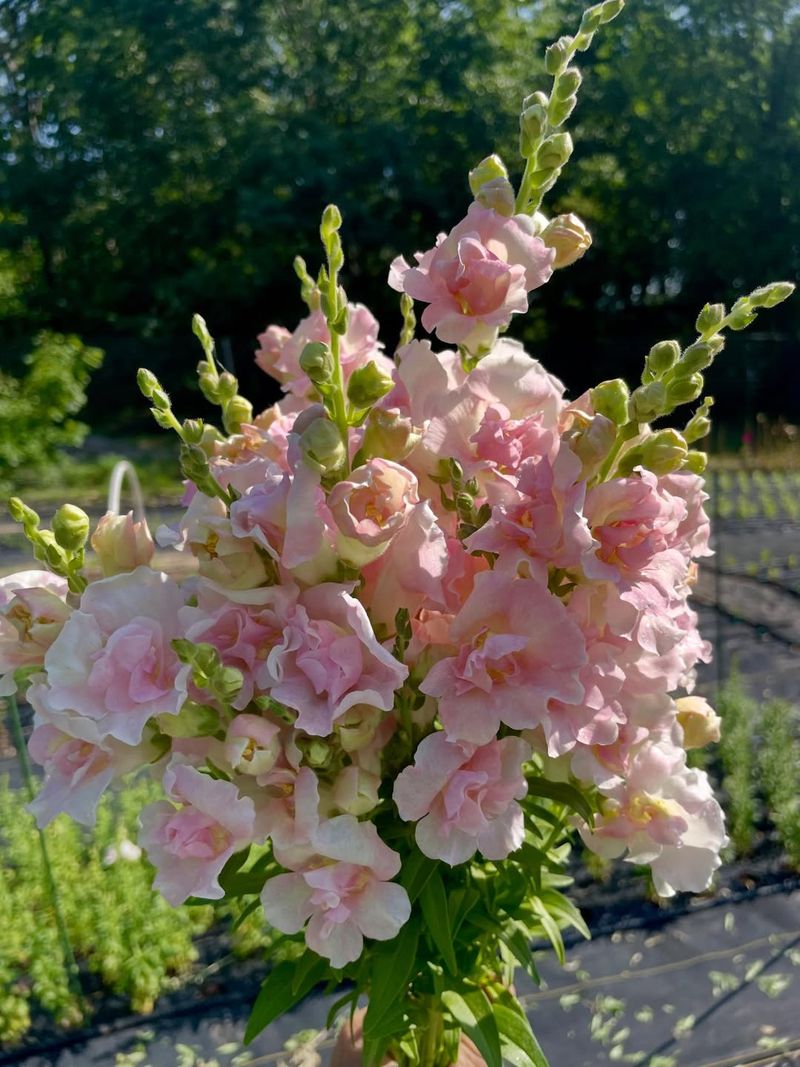
Snapdragons have a playful secret: squeeze the sides of a bloom and the little mouth opens and closes, which is how they got their name. Kids love them, gardeners love them, and pollinators absolutely love them.
They are also one of the most cold-tolerant flowering plants you can put in the ground right now in Oregon.
Plant transplants or start seeds indoors a few weeks ahead of time for the best results. Snapdragons prefer cool weather, making early spring in Oregon their prime growing season.
They will bloom beautifully through spring and into summer before slowing down in the heat. In cooler coastal parts of Oregon, they can bloom even longer.
Choose a spot with full sun and well-drained soil. Snapdragons come in a huge range of heights, from compact dwarf varieties perfect for containers to tall varieties that make stunning cut flowers.
Pinch off the growing tip when plants are young to encourage bushier growth and more blooms. Deadhead spent flower spikes to keep the plant producing.
With just a bit of basic attention, snapdragons will fill your Oregon garden with towering columns of color in every shade imaginable, from soft pastels to rich, saturated jewel tones that light up the whole yard.