Pennsylvania Trees And Shrubs You Should Remove If You Want To Reduce Spotted Lanternfly
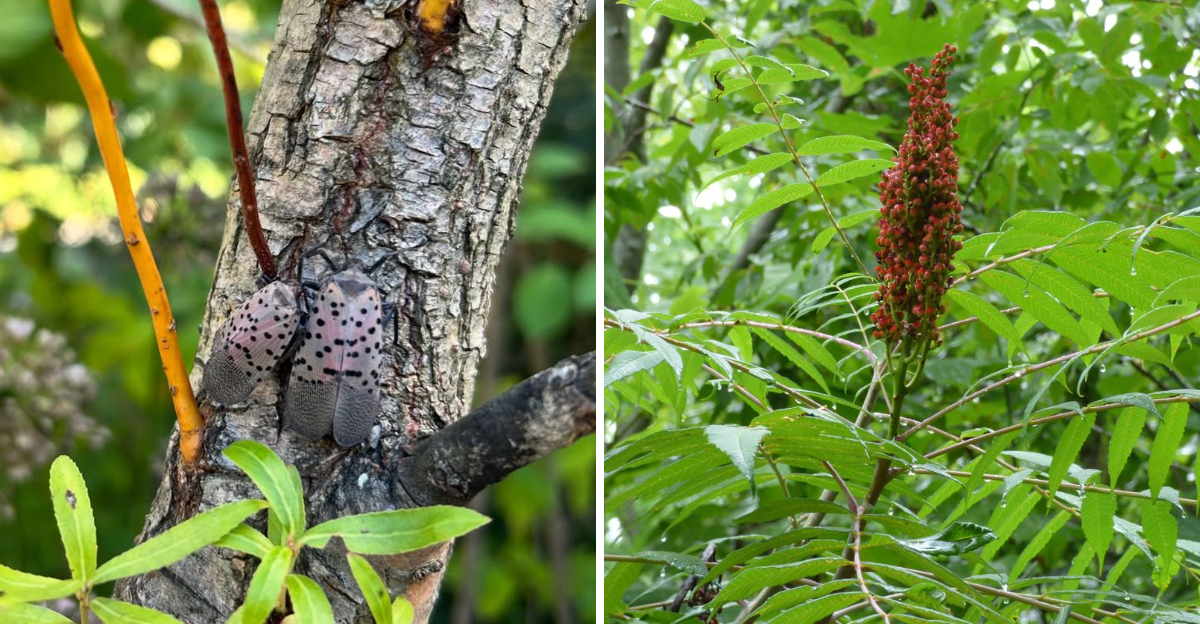
Managing spotted lanternfly in Pennsylvania starts with understanding what draws them in, and for a lot of homeowners the answer is already growing somewhere in the yard.
Certain trees and shrubs are strongly preferred by spotted lanternfly at different stages of their life cycle, and having them on your property essentially puts out a welcome sign for a pest that spreads quickly and causes serious damage.
Tree of heaven gets most of the attention as the primary host plant, but it is not the only one worth knowing about.
Several other common landscape trees and shrubs also attract spotted lanternfly in significant numbers, and their presence can undermine even the most consistent management efforts.
Removing or reducing these plants is one of the most direct and practical steps Pennsylvania homeowners can take, and it does not require chemicals, traps, or ongoing maintenance once the decision is made.
1. Tree-Of-Heaven
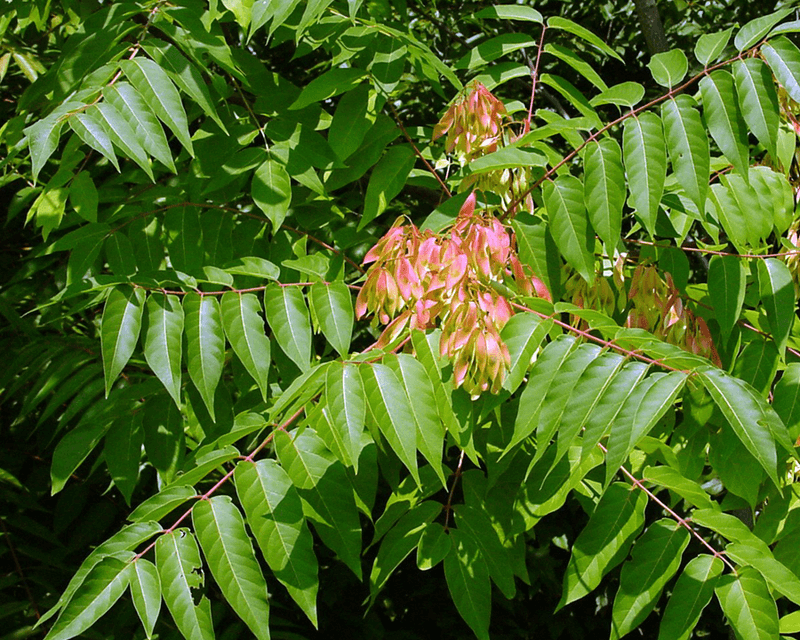
If there is one plant that spotted lanternflies absolutely love, it is the Tree-of-Heaven. Known by its scientific name Ailanthus altissima, this tree is not from North America at all.
It was brought to the United States from China in the late 1700s and has been causing problems ever since.
Spotted lanternflies use Tree-of-Heaven as their primary host plant. They feed on it throughout most of their life cycle, from nymph stage all the way to adulthood.
Research from Penn State University has shown that lanternflies strongly prefer this tree over almost any other plant species in Pennsylvania.
Removing Tree-of-Heaven from your property is one of the single most effective things you can do to reduce lanternfly populations nearby.
The tree grows incredibly fast and spreads aggressively, so it is important to act before it takes over. It often pops up along fence lines, roadsides, and forest edges.
One thing to keep in mind is that cutting Tree-of-Heaven can sometimes cause it to sprout back even more aggressively. Many experts recommend treating cut stumps with an approved herbicide right away to stop regrowth.
Consulting your local Penn State Extension office for guidance on safe removal methods is always a smart move.
Getting rid of this tree not only helps reduce lanternfly activity but also benefits native plants that Tree-of-Heaven tends to crowd out. It truly is a win for your yard and for Pennsylvania ecosystems.
2. Wild Grape Vine
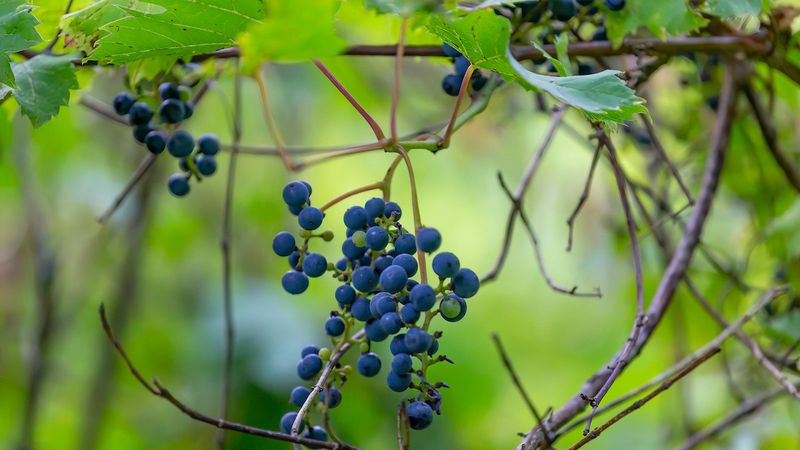
Walk through almost any wooded area in Pennsylvania and you will likely spot wild grape vines climbing up trees and fences. These vines are beautiful in their own way, but they are also a major magnet for spotted lanternflies.
If you have them on your property, it is worth taking a closer look. Spotted lanternflies love to feed on grape vines, both wild and cultivated. They pierce the stems and suck out the sap, which weakens the plant over time.
Heavy feeding can leave vines looking scorched and struggling to survive. For Pennsylvania grape growers, this has been a serious economic problem since the pest arrived.
Wild grape vines are different from the grapes you might grow in a garden. They tend to spread rapidly and can climb high into tree canopies, making them harder to manage.
Your Pennsylvania Garden Changes Every Week. Your Plan Should Too.
Gardening in Pennsylvania changes quickly throughout the season. Every Friday you’ll receive a simple weekly plan showing exactly what to plant, prune, fertilize, harvest, and protect so you never miss the right timing.
However, removing them from around your home and garden can noticeably reduce how many lanternflies show up in your yard.
If full removal is not possible, cutting back the vines heavily during late winter or early spring can limit how much feeding habitat is available.
Clearing them from areas close to your house is especially helpful. Lanternflies are drawn to dense vegetation, so reducing that density works in your favor.
Wild grape removal also benefits the trees they climb on, since heavy vine growth can stress and weaken even mature trees over time. It is a practical step with multiple rewards for your outdoor space.
3. Black Walnut
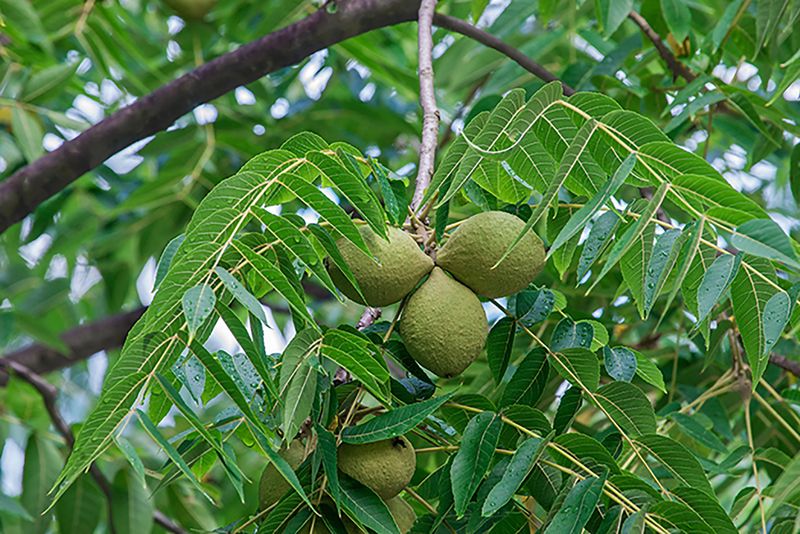
Black walnut trees are a beloved part of Pennsylvania’s landscape. They provide shade, wildlife habitat, and even edible nuts.
But here is something many homeowners do not realize: spotted lanternflies are frequently drawn to black walnut trees, especially during active feeding periods in late summer and fall.
Lanternflies tend to move to black walnut trees after building their populations on preferred hosts like Tree-of-Heaven.
When those primary hosts become overcrowded or less available, lanternflies spread out and target secondary hosts like black walnut. Feeding activity can leave sap weeping from the bark and attract other insects as well.
Removing black walnut trees entirely may not always be practical or necessary, especially if the tree is large and well-established.
In those cases, focusing your removal efforts on Tree-of-Heaven and other high-priority hosts nearby can help reduce overall lanternfly pressure on your walnut trees.
However, if you have younger black walnut trees or ones that are already stressed, removal might be the right call. Fewer host trees on your property means fewer reasons for lanternflies to stick around.
Combining tree removal with regular egg mass scraping in the fall can make a big difference.
Did you know? Black walnut trees produce a chemical called juglone that is toxic to many other plants.
Despite this tough reputation, they are still no match for a heavy lanternfly infestation. Keeping an eye on your walnut trees each season is a great habit to develop.
4. Silver Maple
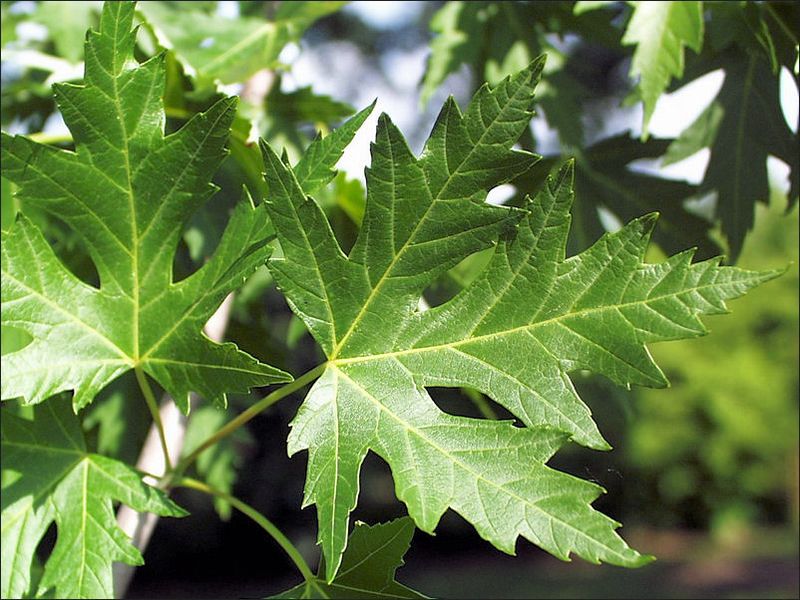
Silver maples are one of the most common trees you will find in Pennsylvania neighborhoods, parks, and along stream banks.
They grow fast, provide great shade, and are easy to spot thanks to their leaves that flash silvery-white in the breeze. Unfortunately, they are also one of the trees that spotted lanternflies like to feed on.
Lanternflies have been observed feeding on silver maple bark and stems, particularly during late summer when populations peak. Like with black walnut, silver maple tends to serve as a secondary feeding host.
But in yards where Tree-of-Heaven has already been removed, lanternflies may move to silver maple more readily.
Removing a large silver maple is a significant undertaking and may not always be the best first step. Instead, many homeowners choose to focus on eliminating nearby Tree-of-Heaven first and then monitoring how lanternfly activity changes.
Reducing the overall number of attractive host plants in your yard is the goal. If you do decide to remove a silver maple, consider replacing it with a native tree species that is less attractive to lanternflies.
Options like serviceberry, native oaks, or tulip poplar can add beauty and wildlife value to your yard without rolling out the welcome mat for these pests.
Keeping trees healthy also matters. A stressed or wounded silver maple is more vulnerable to heavy feeding.
Regular watering, mulching, and avoiding unnecessary trunk wounds can help your trees hold up better during lanternfly season each year.
5. Willow
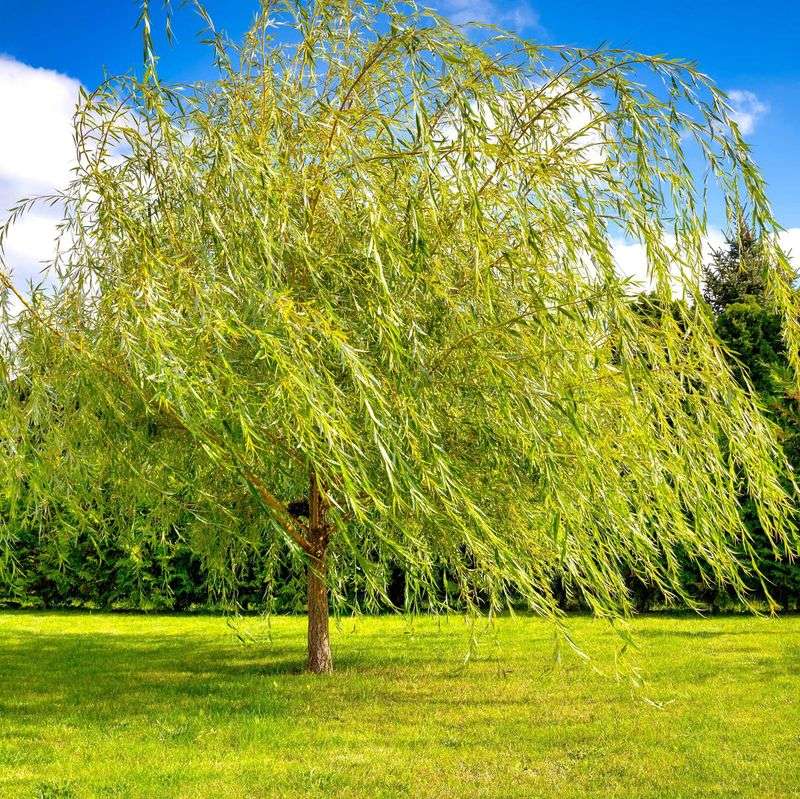
There is something almost magical about a willow tree swaying near a pond or stream. Willows are graceful, fast-growing, and deeply connected to Pennsylvania’s waterways.
But if spotted lanternflies are a concern on your property, willows are worth paying close attention to.
Several willow species, including weeping willow and black willow, have been identified as secondary host plants for spotted lanternflies.
Lanternflies may gather on willows in large numbers, especially when other preferred hosts are not nearby. Their feeding can cause significant sap loss and stress for the tree over time.
One of the challenges with willows is that they are often planted near water, where pesticide use needs to be very careful to protect aquatic life.
This makes physical removal or non-chemical management strategies especially important for willows near streams or ponds.
If removing a willow is not realistic, regular monitoring during peak lanternfly season from late July through November is a smart approach. Scraping off egg masses in late fall and winter, before they hatch, can help reduce next year’s population significantly.
Egg masses look like dried mud patches on bark and are easy to spot once you know what to look for.
Replacing removed willows with native alternatives like buttonbush or native dogwoods can help maintain the beauty and ecological value of wet areas on your property. These plants support local wildlife without giving lanternflies a reason to move in and stay.
6. River Birch
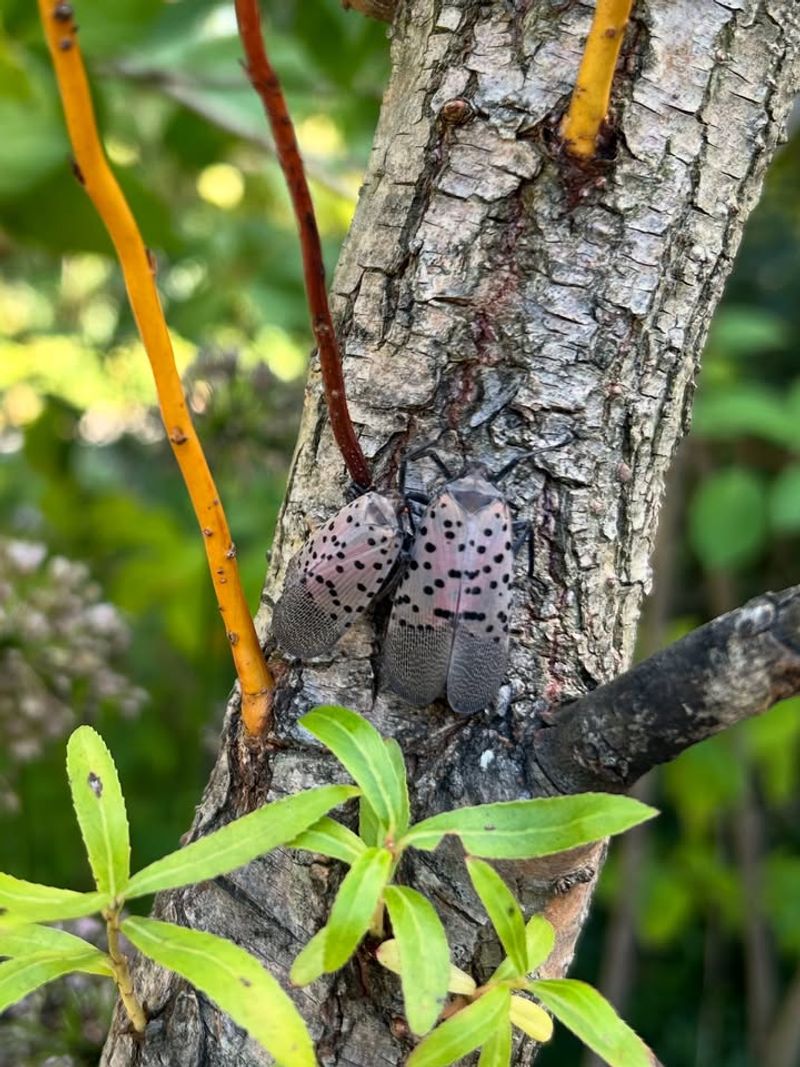
River birch is a popular landscaping tree in Pennsylvania, and it is easy to see why. Its peeling, cinnamon-colored bark is eye-catching in every season, and it handles wet soil conditions better than most trees.
Gardeners love it, but spotted lanternflies have also taken notice. During heavy infestation years, lanternflies have been found feeding on river birch, particularly in areas where large populations have already built up on nearby Tree-of-Heaven.
Birch trees are not usually a top-tier preferred host, but they can still attract meaningful numbers of feeding adults and nymphs when conditions are right.
If you have river birch growing close to areas where you have spotted active lanternfly populations, consider whether removal or relocation makes sense.
Younger, smaller river birch trees are easier to manage or transplant than mature ones. Moving them away from known hotspot areas can be a practical middle-ground solution.
For homeowners who want to keep their river birch, staying on top of egg mass removal each fall is essential. Check the trunk, branches, and even nearby structures like fences and lawn furniture for those telltale mud-like patches.
Scraping them into a bag with rubbing alcohol is the recommended method from Penn State Extension.
Healthy river birch trees can handle moderate lanternfly pressure better than stressed ones. Making sure your birch has good drainage, adequate water during dry spells, and no major trunk injuries will give it the best chance of holding up through a tough season.
7. Sumac
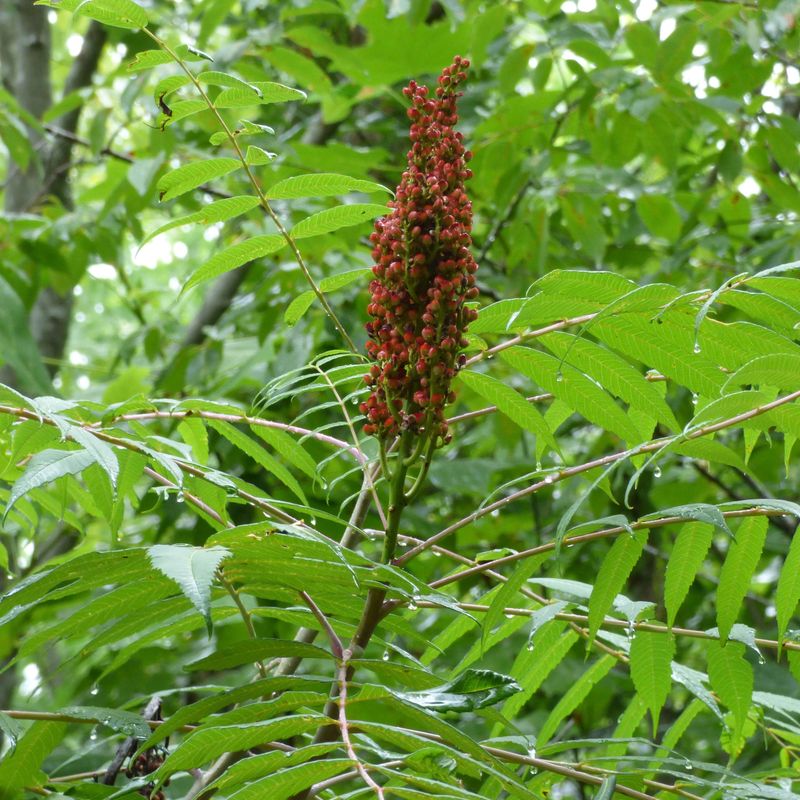
Sumac might not be the first plant that comes to mind when thinking about spotted lanternflies, but it deserves a spot on this list.
Several sumac species, including staghorn sumac and smooth sumac, have been observed attracting lanternflies, especially in areas near forest edges and open fields in Pennsylvania.
Staghorn sumac is actually a native plant, which makes the decision to remove it a little more complicated. It provides real ecological value, offering food and shelter for birds and other wildlife.
However, if your property is already dealing with a heavy lanternfly presence, sumac patches near wooded edges can act as gathering spots for these pests.
The good news is that sumac tends to grow in dense thickets, which makes it easier to manage in groups rather than one plant at a time.
Cutting back or thinning out sumac stands near your home, especially those close to other known host plants, can reduce the overall attractiveness of your yard to lanternflies.
If you choose to remove sumac entirely, be aware that it spreads through underground root systems and can regrow from the roots even after being cut. Persistence is key.
Repeated cutting over one or two seasons, combined with monitoring, can gradually eliminate an unwanted thicket.
For those who want to keep some sumac for its wildlife benefits, try maintaining a smaller, more controlled stand away from high-traffic areas of your yard. Balancing ecological value with pest management is always possible with a thoughtful approach and a little patience.