Top 9 Native Wildflowers To Winter Sow For Oregon Pollinators
Winter sowing is becoming a favorite method for many Oregon gardeners, especially those who want to support pollinators in a simple, low-effort way.
It may sound strange to plant seeds during the colder months, but this natural process actually helps many native wildflowers germinate stronger and at the right time.
If you care about bees, butterflies, and other helpful insects, choosing native plants makes a big difference. These flowers are already adapted to Oregon’s climate, soil, and seasonal patterns.
That means less maintenance for you and better results for local pollinators.
A lot of gardeners are surprised by how easy winter sowing can be. With just a few basic supplies and the right seeds, you can get a head start on spring without taking up indoor space or dealing with grow lights.
It’s a simple way to work with nature instead of fighting it. Here are the top 9 native wildflowers to winter sow for Oregon pollinators and a healthier, more vibrant garden.
1. Oregon Sunshine (Eriophyllum lanatum)
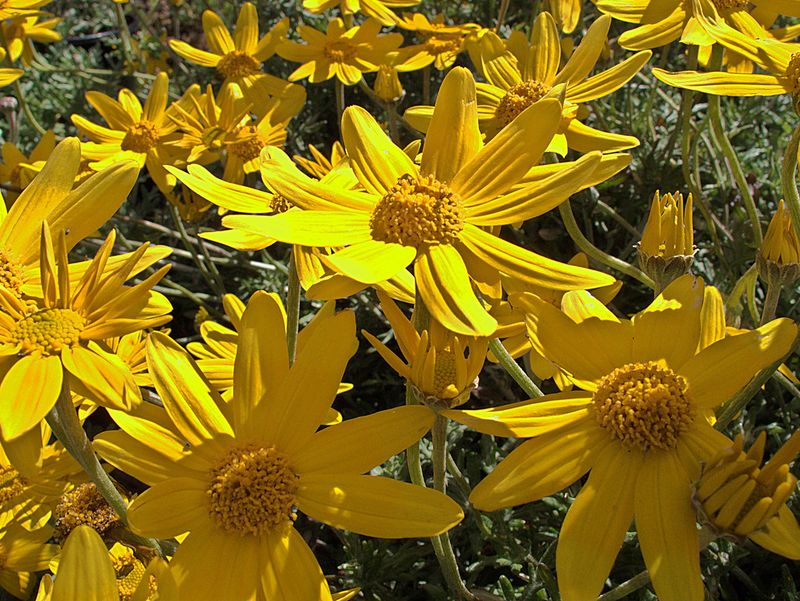
Picture a sunny patch in your garden where golden blooms seem to glow even on cloudy mornings. That’s the magic you get when you winter sow this cheerful native in a milk jug and watch it emerge come spring.
Cold stratification breaks down the seed coat naturally, so by the time warmer weather rolls around, you have vigorous seedlings ready to transplant into well-drained spots.
Native bees absolutely love the bright yellow flowers that appear from late spring through summer. Bumblebees and small solitary bees visit constantly, gathering pollen and nectar to fuel their colonies.
The compact, silvery foliage stays low and tidy, making it perfect for rock gardens, sunny borders, or anywhere you want reliable color without constant fussing.
Once established, this wildflower tolerates dry conditions beautifully and asks for very little water during Oregon’s summer months. It thrives in full sun and lean soil, so you won’t need to amend or fertilize.
Deadheading spent blooms encourages more flowers, but even if you forget, the plant keeps performing year after year.
Oregon Sunshine supports local ecosystems by providing consistent nectar sources when many garden flowers fade.
Its drought tolerance and low-maintenance nature make it ideal for gardeners who want maximum pollinator impact with minimal effort, and winter sowing gives you a jump on growing this resilient native gem.
2. Farewell-To-Spring (Clarkia amoena)
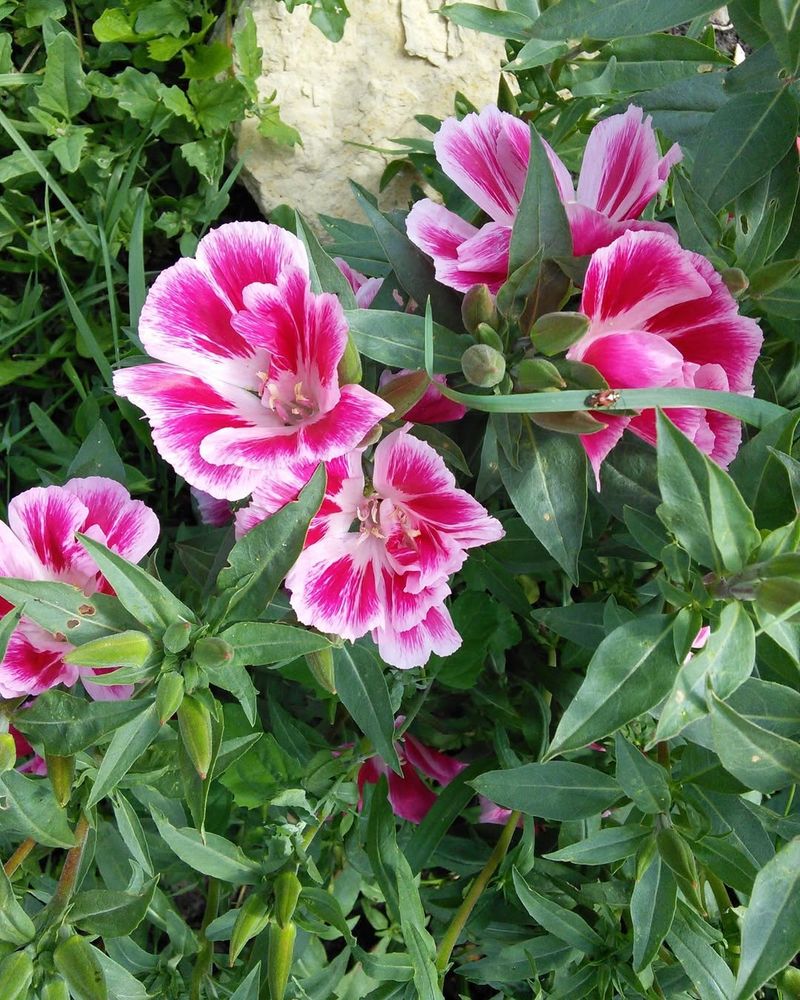
When you peek inside your winter sowing containers in early spring, you might notice delicate green shoots that look almost too fragile to survive.
Don’t worry, those are the beginnings of one of Oregon’s most beautiful native annuals, ready to explode into waves of pink, purple, and white blooms by late spring.
The cold exposure during winter sowing mimics natural conditions and helps germination rates soar.
Butterflies and native bees flock to the cup-shaped flowers that cluster along tall, graceful stems. Each bloom offers accessible nectar, making it especially valuable for smaller pollinators that struggle with deeper flower shapes.
The plants self-sow readily if you let a few flowers go to seed, creating naturalized drifts that return year after year without any work from you.
This wildflower prefers full sun to partial shade and performs best in well-drained soil that doesn’t stay soggy. It handles Oregon’s spring rains beautifully but doesn’t need supplemental watering once established.
Farewell-To-Spring looks stunning in meadow-style plantings or cottage garden borders where its airy stems can mingle with grasses and other natives.
By winter sowing this species, you’re supporting Oregon’s native plant heritage and giving pollinators a vital nectar source during a critical season. The minimal care requirements and showy blooms make it a favorite for gardeners who want effortless beauty that truly benefits local wildlife.
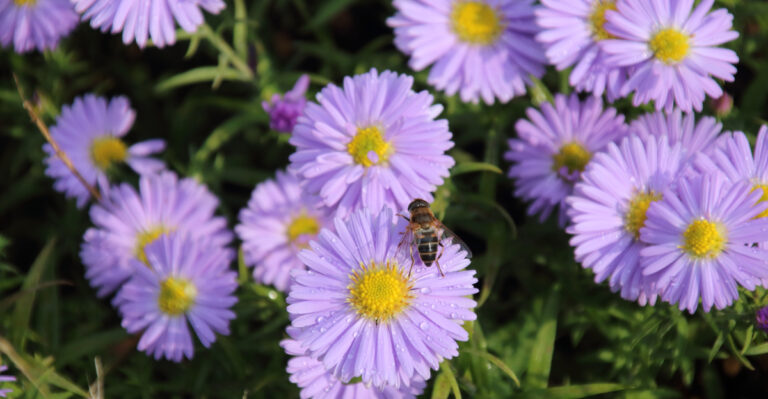
3. Douglas Aster (Symphyotrichum subspicatum)
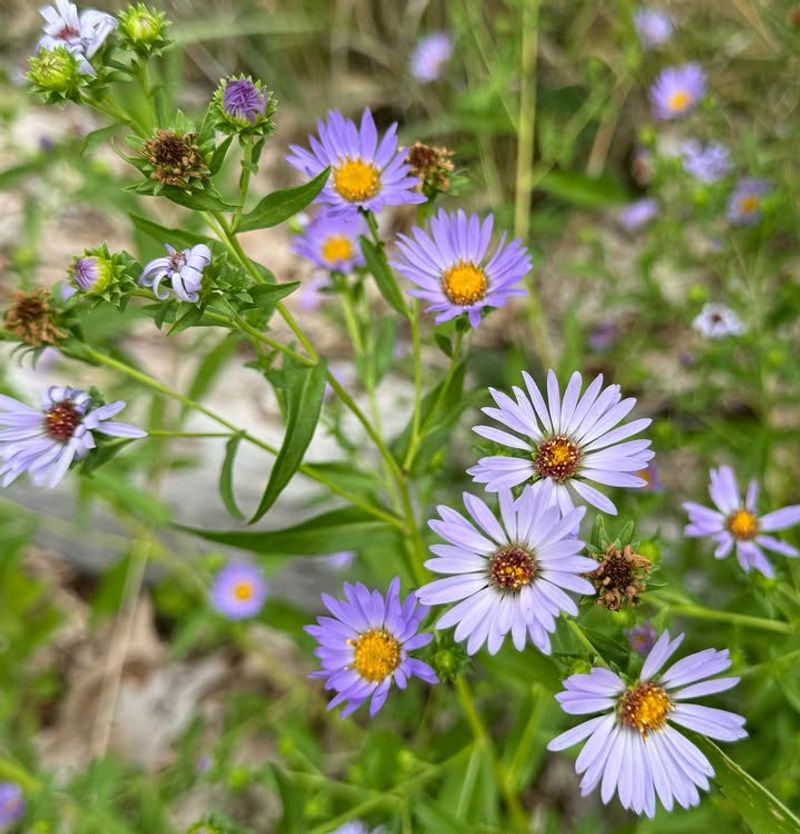
Late summer gardens in Oregon can feel a bit tired, but that’s exactly when this native aster comes alive with purple-blue flowers that pollinators desperately need.
Winter sowing allows the seeds to experience natural freeze-thaw cycles, which improves germination and gives you robust plants by late spring.
Transplant your seedlings into moist, sunny spots, and they’ll reward you with months of blooms starting in late summer.
Bees, butterflies, and beneficial insects visit Douglas Aster constantly during its long bloom period, which often stretches into October. Native bees especially appreciate the abundant pollen, using it to provision nests before winter arrives.
The flowers also serve as important nectar sources for migrating butterflies that need fuel for their journeys south.
This aster tolerates a range of soil types but performs best in areas with consistent moisture and full to partial sun. It spreads slowly by rhizomes, forming attractive clumps that fill in garden gaps without becoming invasive.
The foliage stays relatively neat, and the plant requires no deadheading or special care to keep blooming.
Douglas Aster plays a crucial role in Oregon ecosystems by extending the pollinator season well into fall when many other natives have finished flowering.
Winter sowing this species is a simple way to ensure your garden supports bees and butterflies during a time when food sources become scarce, and the easy-care nature makes it perfect for busy gardeners.
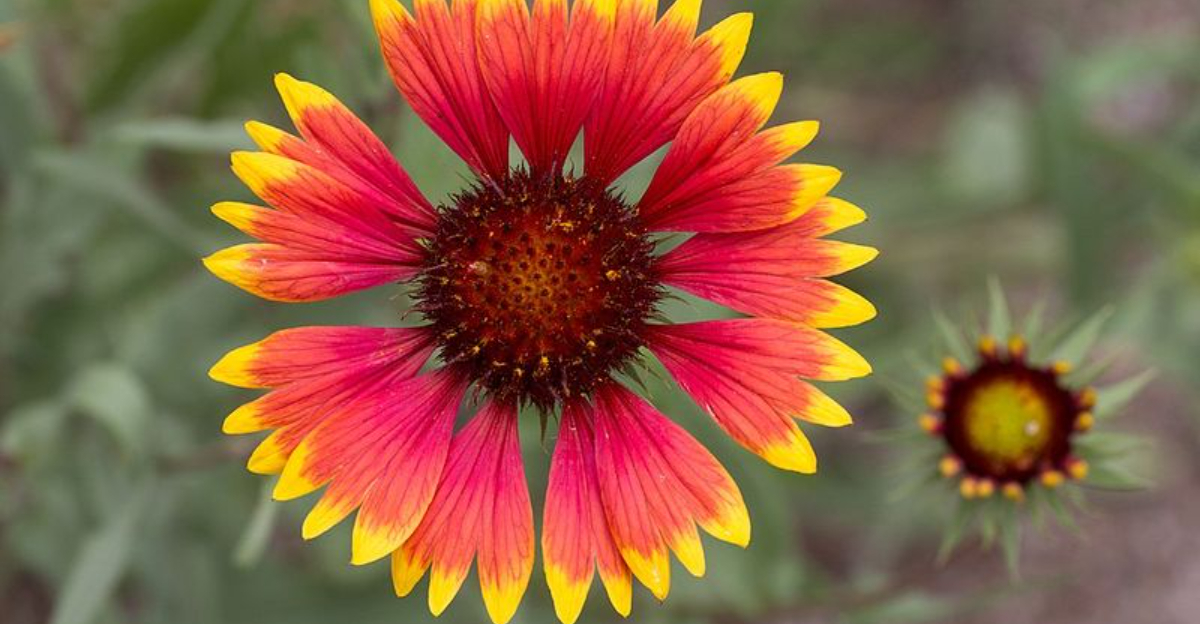
4. Blanketflower (Gaillardia aristata)
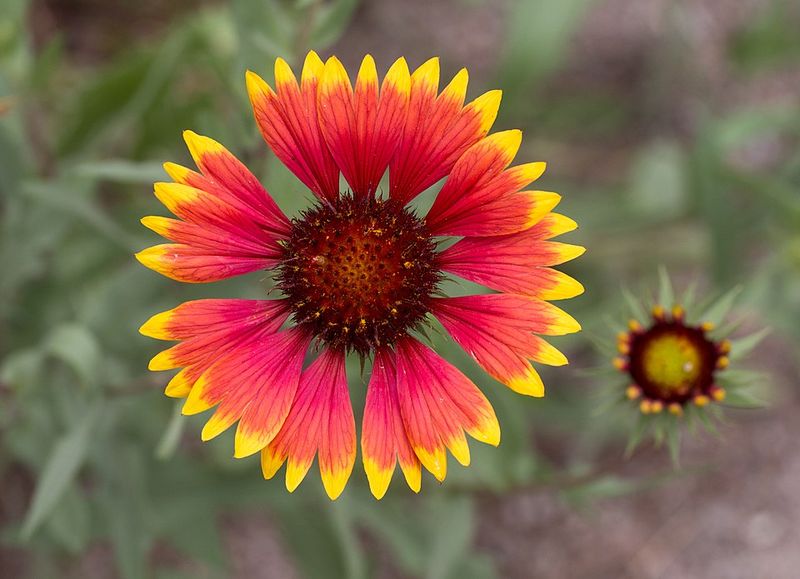
Imagine opening your milk jug greenhouse in early spring to find sturdy little seedlings that already look ready to take on the world.
Blanketflower seeds respond beautifully to winter sowing because the cold period breaks dormancy and produces vigorous plants that establish quickly once transplanted.
By early summer, you’ll have cheerful red and yellow blooms that practically shout for pollinators to visit.
Bumblebees and native bees visit these daisy-like flowers constantly, working the central discs for pollen while butterflies sip nectar from the outer petals. The long bloom period, often lasting from June through September, provides consistent food sources during the peak pollinator season.
Blanketflower also attracts beneficial insects like hoverflies that help control garden pests naturally.
This wildflower thrives in full sun and well-drained soil, tolerating drought and heat once established. It’s perfect for sunny borders, meadow plantings, or anywhere you want bold color without constant maintenance.
Deadheading spent blooms encourages more flowers, but even without it, the plant keeps producing cheerful blooms all summer long.
Blanketflower supports Oregon pollinators by offering accessible nectar and pollen in a flower structure that accommodates many different insect sizes.
Winter sowing gives you a head start on growing this resilient native that combines stunning looks with serious pollinator value, and its low-water needs make it ideal for sustainable gardening practices.
5. Yarrow (Achillea millefolium)
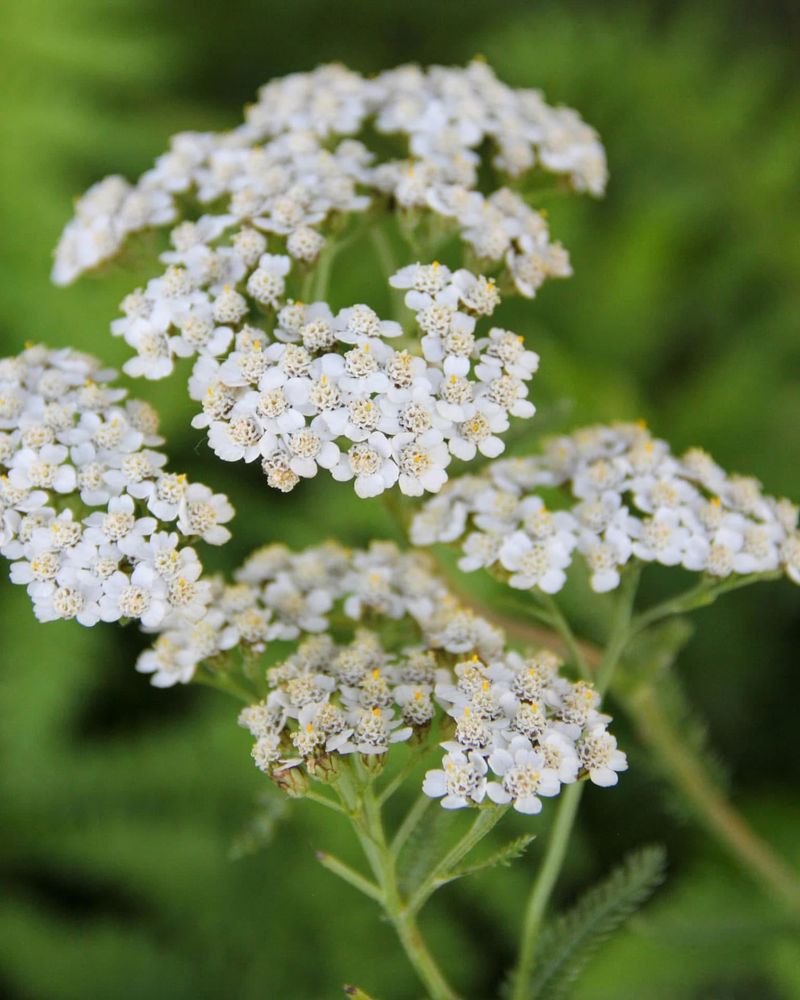
There’s something satisfying about scattering tiny yarrow seeds into a milk jug filled with damp soil and knowing they’ll handle the cold months just fine.
Winter sowing this tough native produces seedlings with deep root systems that establish quickly when you transplant them in spring.
By midsummer, you’ll have flat-topped clusters of white or pink flowers that become pollinator magnets in your garden.
Native bees, butterflies, beetles, and beneficial wasps all visit yarrow’s tiny flowers, which are packed together in umbrella-like clusters called corymbs.
The accessible nectar and pollen make it especially valuable for small native bees that can’t reach deeper flower structures.
Ladybugs and lacewings also frequent yarrow, using it as a hunting ground for aphids and other garden pests.
Yarrow grows happily in full sun and tolerates poor, dry soil once established, making it perfect for low-maintenance garden areas. The ferny foliage stays attractive even when the plant isn’t blooming, and it spreads slowly to form durable groundcover.
You can cut flowers for bouquets or leave them to provide late-season seeds for birds.
This wildflower supports Oregon ecosystems by offering food and habitat for a wide range of beneficial insects throughout the growing season.
Winter sowing yarrow is one of the easiest ways to add serious pollinator value to your garden with minimal effort, and its drought tolerance makes it a smart choice for water-wise landscapes.
6. Bigleaf Lupine (Lupinus polyphyllus)
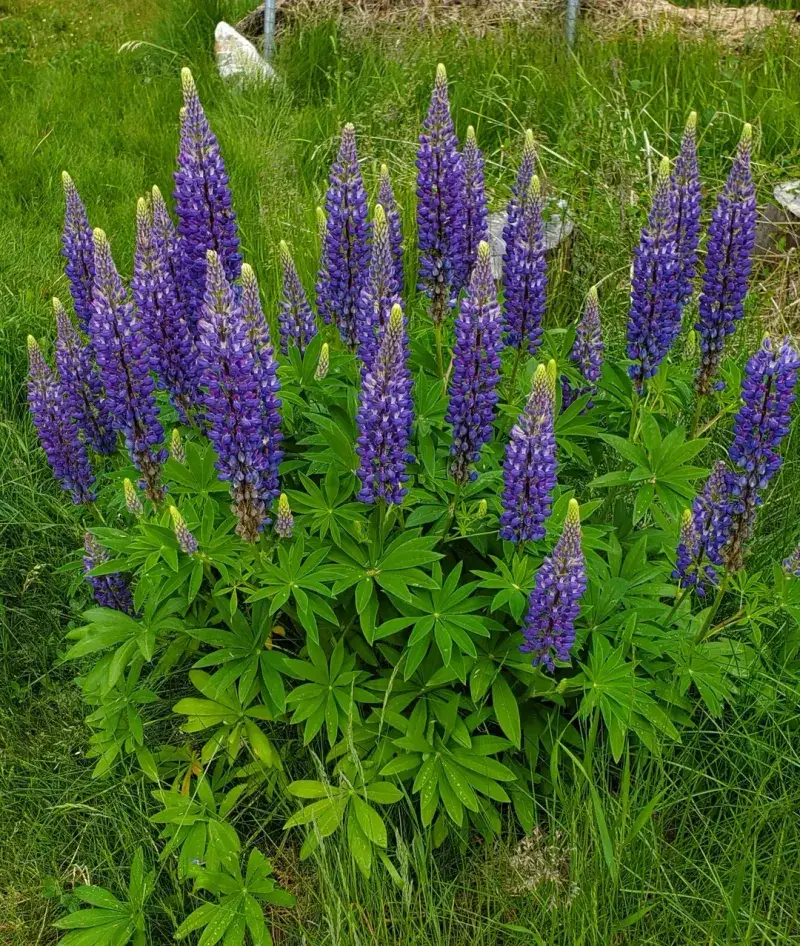
Few sights match the drama of lupine spires rising above your garden in late spring, their purple, blue, and white flowers stacked like tiny pea blossoms on tall stems.
Winter sowing works wonders for lupines because the cold stratification softens the hard seed coat that otherwise prevents germination.
You’ll see strong seedlings emerge in early spring, ready to transplant into sunny, well-drained spots where they can stretch their roots deep.
Bumblebees are the stars of the lupine show, using their weight to open the specialized flowers and access nectar hidden inside.
Native bees and butterflies also visit, though bumblebees are the most effective pollinators.
Lupines belong to the pea family, which means they fix nitrogen in the soil, improving growing conditions for neighboring plants while supporting pollinators at the same time.
Bigleaf Lupine prefers full sun and moist, well-drained soil but adapts to a range of garden conditions. The palmately compound leaves create attractive foliage clumps even before flowers appear.
After blooming, seed pods develop that you can collect for future sowings or leave to self-sow naturally.
This native wildflower plays an important role in Oregon ecosystems by providing high-quality forage for bumblebees during their colony-building phase.
Winter sowing lupines gives you robust plants that establish quickly and return year after year, creating vertical interest and serious pollinator support with very little maintenance required.
7. California Poppy (Eschscholzia californica)
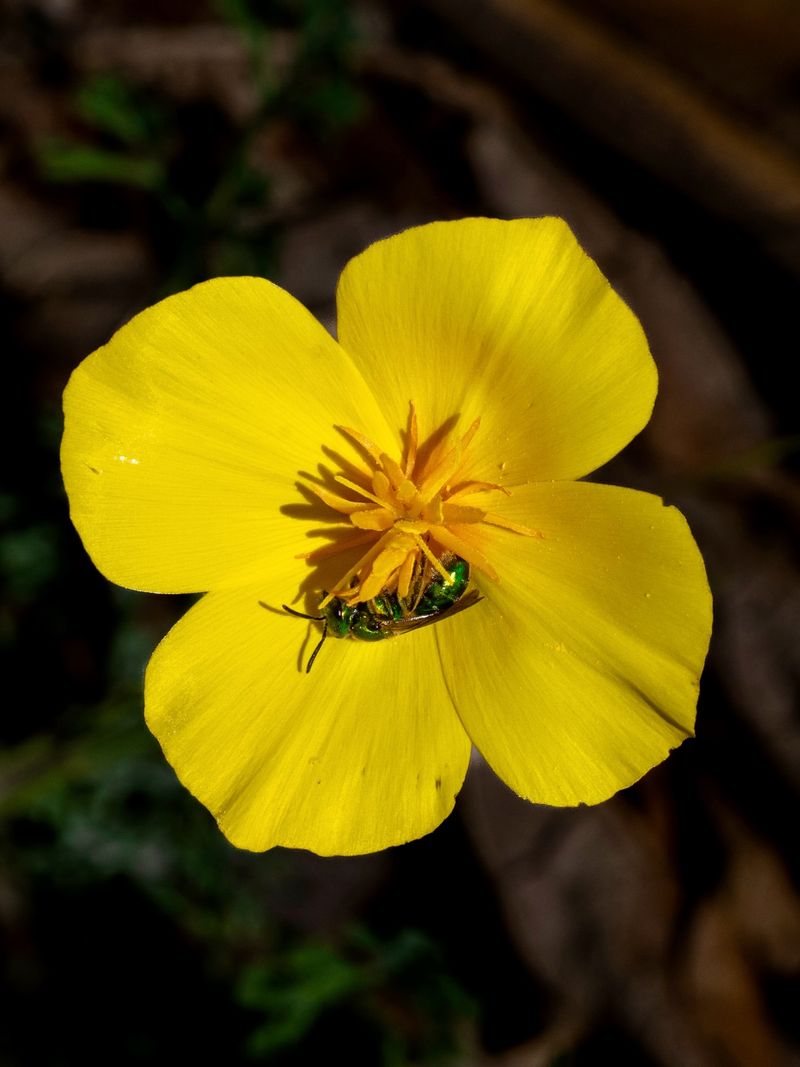
Nothing signals spring quite like the sight of orange poppies opening their silky petals to the morning sun. Winter sowing these cheerful natives is almost foolproof, just scatter seeds on damp soil in your milk jug, and let the cold months work their magic.
By late spring, you’ll have seedlings ready to transplant into sunny, well-drained areas where they’ll bloom from late spring through summer.
Native bees visit California Poppies throughout the day, gathering pollen from the abundant stamens at the center of each flower. The blooms close at night and on cloudy days, which concentrates pollen availability during peak bee activity hours.
Beetles and hoverflies also frequent the flowers, contributing to pollination while hunting for aphids and other pests nearby.
California Poppy thrives in full sun and lean, well-drained soil, asking for almost no water once established. The feathery blue-green foliage looks beautiful even when flowers aren’t open, and the plants self-sow readily if you let seed pods mature.
Deadheading encourages more blooms, but even without it, poppies keep flowering for months.
This wildflower supports Oregon pollinators by providing abundant pollen during a critical period when native bees are establishing nests and raising young.
Winter sowing California Poppies is one of the easiest ways to add bright color and serious pollinator value to your garden, and the low-maintenance nature makes it perfect for beginner native plant gardeners.
8. Lewis Flax (Linum lewisii)
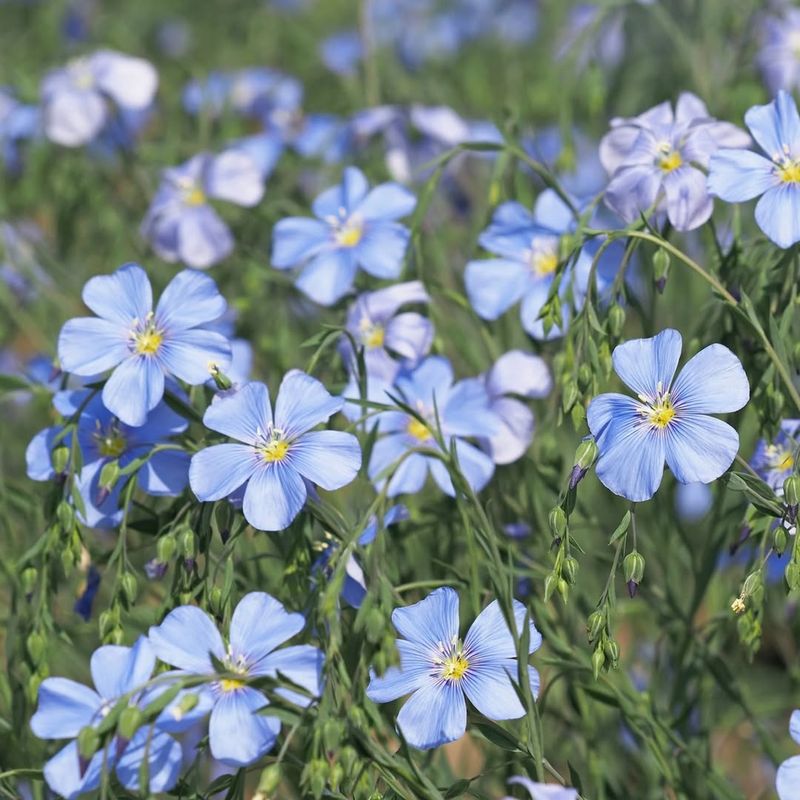
Delicate blue flowers dancing on slender stems create a scene that feels almost magical on a breezy spring morning.
Lewis Flax seeds germinate reliably when winter sown because the cold stratification improves sprouting rates and produces seedlings with strong root systems.
By late spring, you can transplant them into sunny garden spots where they’ll bloom from May through July, attracting pollinators with their sky-blue petals.
Native bees and small butterflies visit Lewis Flax throughout its bloom period, though individual flowers last only a day. The plant compensates by producing new blooms constantly, ensuring a steady nectar supply for weeks.
The flowers open in the morning and close by afternoon, concentrating pollinator activity during the cooler hours when many native bees are most active.
Lewis Flax prefers full sun and well-drained soil, tolerating dry conditions once established. The fine, airy foliage creates a soft texture in garden borders, and the plants self-sow moderately without becoming weedy.
You can collect seeds for future sowings or let nature handle reseeding naturally.
This native wildflower supports Oregon pollinators by offering nectar during late spring and early summer when many other food sources are transitioning.
Winter sowing Lewis Flax gives you graceful plants that add vertical interest and subtle color while providing consistent pollinator support, and the minimal care requirements make it ideal for gardeners seeking low-effort native beauty.
9. Showy Milkweed (Asclepias speciosa)
If you want to support monarch butterflies and dozens of other pollinators, this is the native to winter sow right now.
Milkweed seeds need cold stratification to germinate well, and winter sowing provides exactly that without any fridge time or fussy preparation.
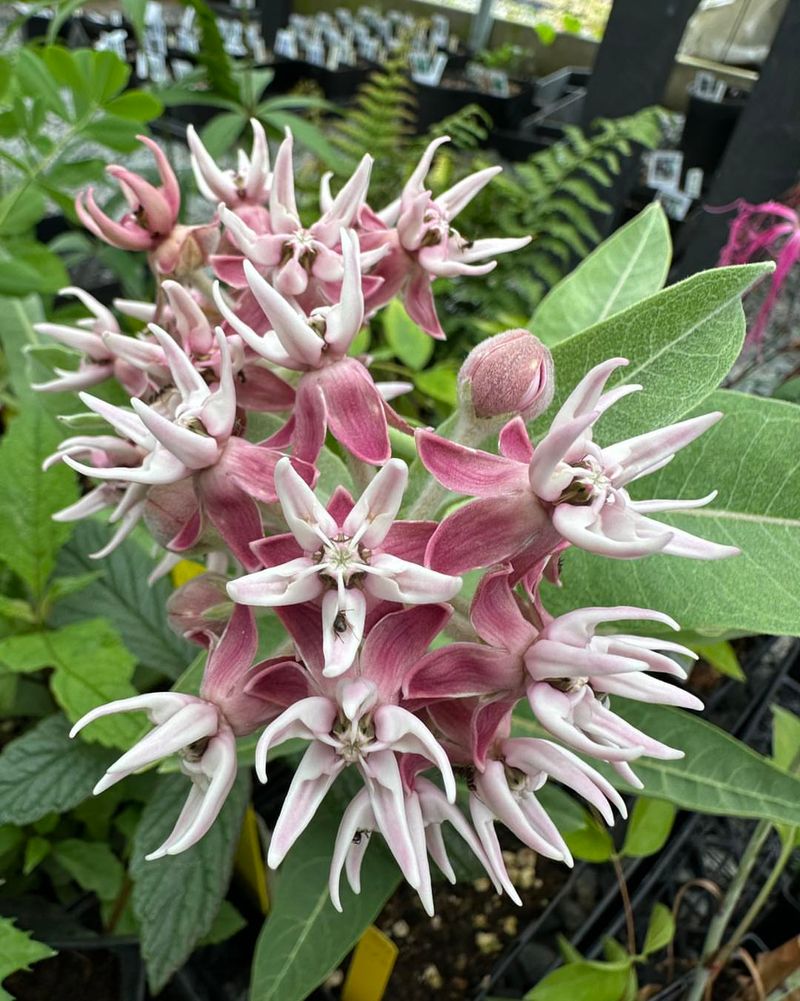
By spring, you’ll have sturdy seedlings with deep taproots ready to transplant into sunny spots where they’ll grow into substantial plants crowned with pink flower clusters.
Monarchs depend on milkweeds as host plants where they lay eggs and caterpillars feed exclusively on the foliage. Native bees, bumblebees, and butterflies also visit the fragrant flowers for nectar throughout the summer months.
The complex flower structure provides landing platforms and deep nectar reserves that support large pollinators especially well.
Showy Milkweed thrives in full sun and tolerates a range of soil types, though it prefers well-drained conditions. The plants spread slowly by rhizomes, forming attractive clumps that increase pollinator value over time.
After flowering, distinctive seed pods develop that split open to release silky seeds carried by the wind.
This native wildflower plays a critical role in Oregon ecosystems by supporting monarch migration and providing food for numerous native pollinators.
Winter sowing milkweed gives you robust plants that establish quickly and return reliably each year, creating essential habitat for butterflies and bees while adding bold texture and color to your garden with very little maintenance required.