Top 10 Orange Flowers To Grow In Your Texas Garden This Spring
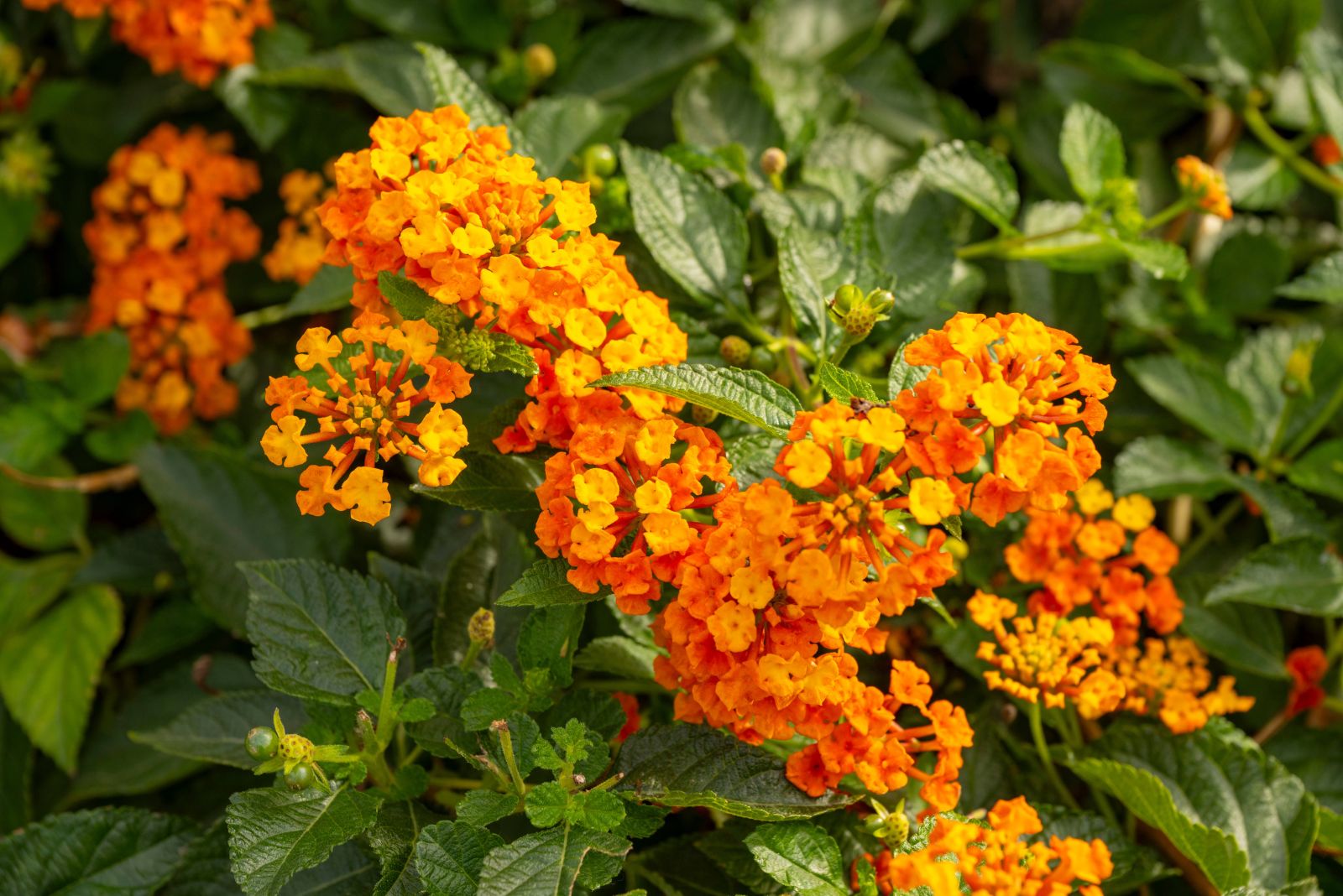
Spring in Texas brings warm sunshine and the perfect chance to fill your garden with bright, cheerful colors. Orange flowers add a bold and lively touch to any yard, catching the eye of neighbors and attracting helpful pollinators like bees and butterflies.
These vibrant blooms thrive in Texas heat and can handle the sometimes unpredictable spring weather. Whether you have a small flower bed or a large backyard, orange flowers bring energy and warmth to your outdoor space.
Many varieties are easy to grow, even for beginners, and they reward you with stunning displays from early spring through summer. From tall sunflowers to delicate poppies, there are orange blooms suited for every garden style and skill level.
Planting a mix of these flowers creates layers of color and texture that make your garden feel alive and welcoming. Texas gardeners have plenty of options to choose from, and each flower offers something special.
Get ready to transform your garden into a vibrant orange paradise that celebrates the beauty of Texas springtime.
1. Marigolds
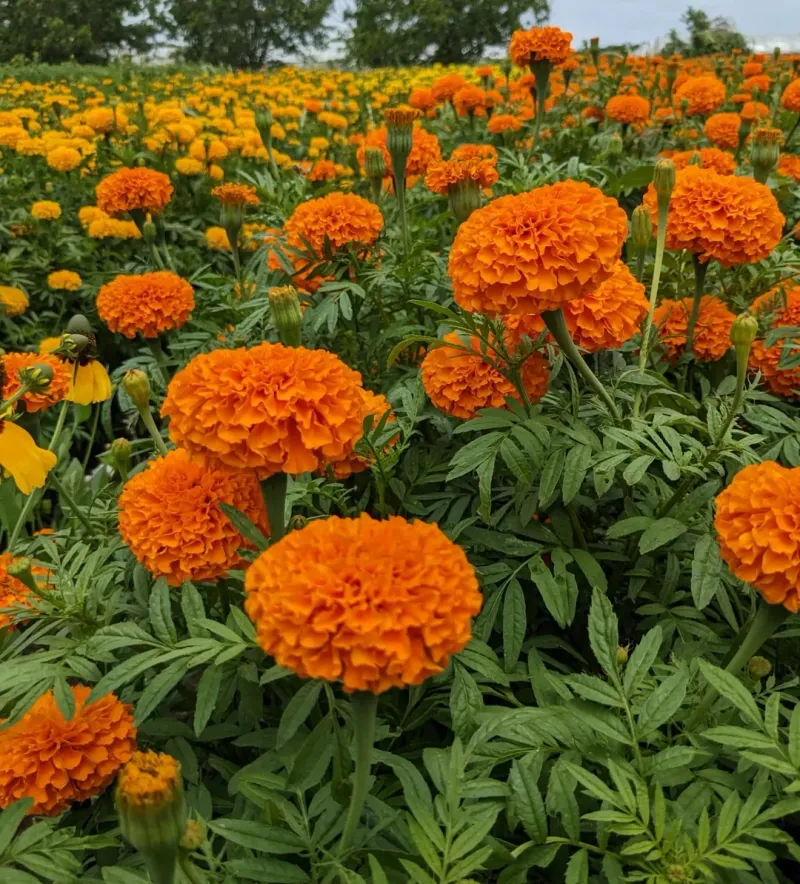
Marigolds are one of the easiest and most rewarding orange flowers you can grow in your Texas garden. Their cheerful blooms appear quickly after planting and continue all season long.
These hardy plants handle hot Texas temperatures without complaint and need very little fussing over once established.
Gardeners love marigolds because they help keep pests away from vegetables and other plants. The strong scent confuses insects and protects your garden naturally.
You can plant them around tomatoes, peppers, or anywhere you want extra protection without using chemicals.
These flowers come in different sizes, from compact dwarf varieties perfect for borders to tall types that make great background plants.
The orange shades range from pale peachy tones to deep rust colors. Deadheading spent blooms encourages more flowers to form.
Marigolds grow well in containers too, making them perfect for patios or small spaces. They prefer full sun and well-drained soil but forgive occasional missed waterings.
In Texas, you can plant them after the last frost and enjoy blooms until fall. Their affordable seeds or starter plants make them budget-friendly for any gardener.
2. Zinnias
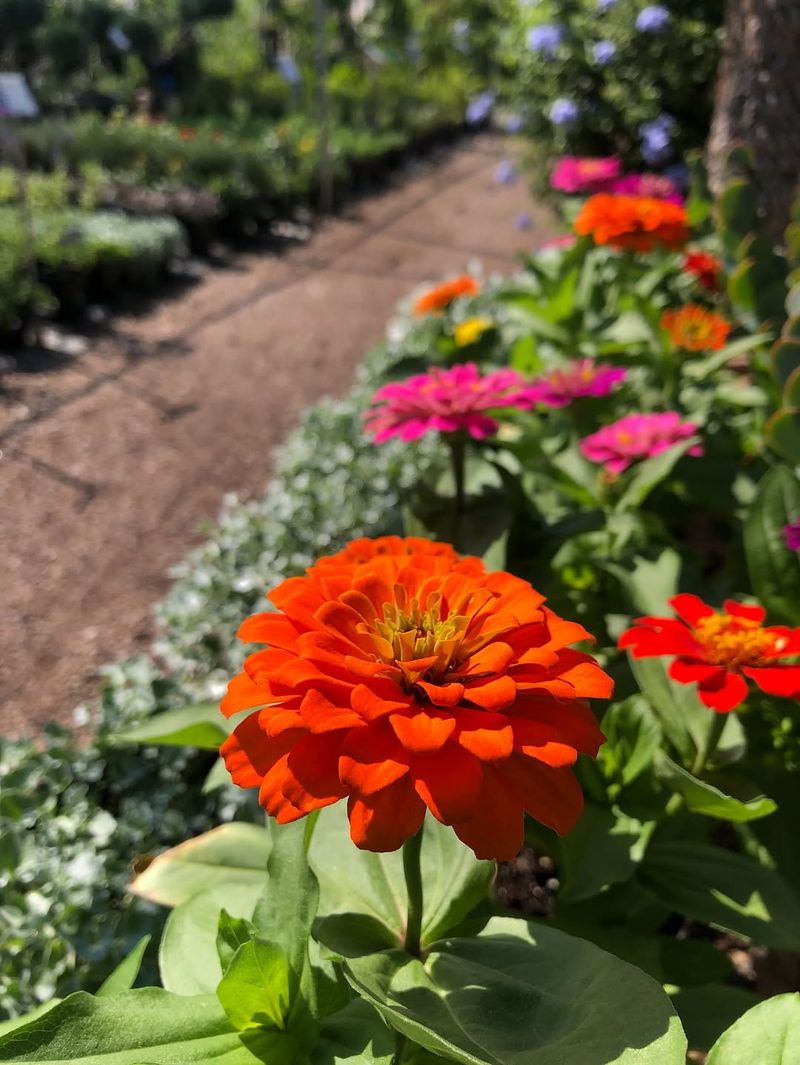
Few flowers match the bold personality and easy care of orange zinnias. These stunning blooms grow fast and produce armloads of cut flowers perfect for indoor arrangements.
Texas heat doesn’t slow them down one bit, and they actually seem to thrive when temperatures climb.
Butterflies absolutely adore zinnias and will visit your garden constantly when these flowers are blooming.
Watching colorful butterflies dance among orange zinnia petals makes any afternoon special. The flowers come in single or double forms, giving you lots of choices for different looks.
Plant zinnia seeds directly in your garden soil after frost danger passes in spring. They germinate quickly and start blooming within weeks.
Space them properly to allow good air circulation, which helps prevent powdery mildew in humid Texas conditions.
Zinnias keep producing more flowers when you cut them regularly for bouquets. The more you pick, the more they bloom.
They need full sun and moderate water but adapt to various soil types. Orange varieties range from soft apricot to brilliant tangerine, letting you create exciting color combinations with other garden plants.
3. Mexican Sunflower
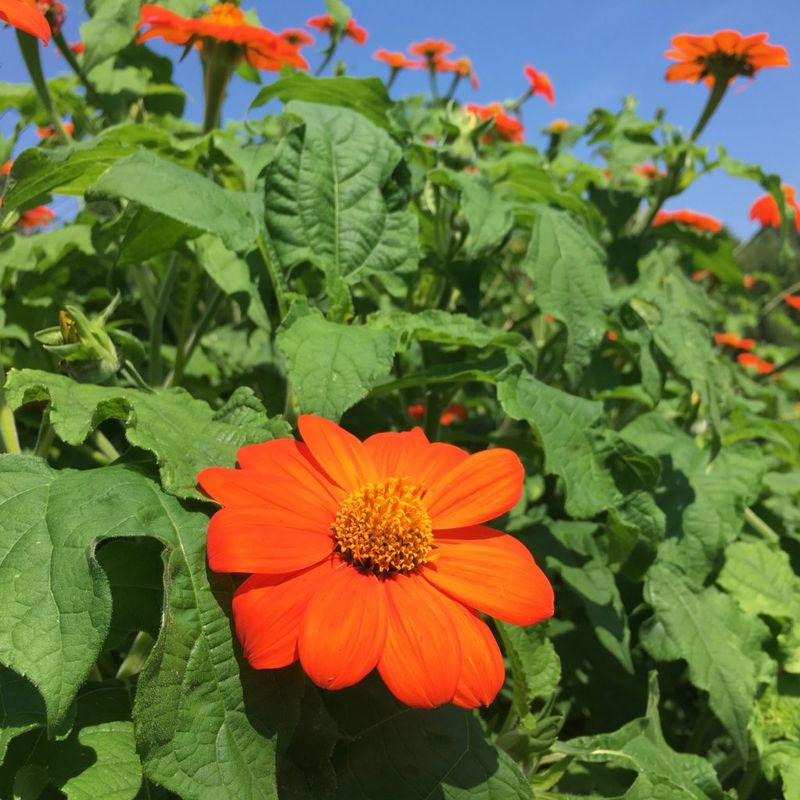
Mexican sunflowers bring tropical flair to Texas gardens with their glowing orange petals and impressive height. These tough plants laugh at heat and drought, making them perfect for our challenging climate.
Once established, they need almost no attention yet deliver constant color from summer through fall.
Standing up to six feet tall, Mexican sunflowers create dramatic backdrops or natural privacy screens.
Hummingbirds go crazy for their nectar-rich blooms and will become regular visitors. The flowers glow like tiny suns, especially when backlit by morning or evening light.
Despite their size, these plants have surprisingly delicate-looking flowers with velvety petals. They self-seed readily in Texas, often returning year after year without replanting. The foliage has a soft, fuzzy texture that contrasts nicely with the smooth petals.
Mexican sunflowers prefer full sun and actually perform better in poor soil than rich soil. Too much fertilizer makes them grow tall and floppy with fewer flowers.
They handle wind well and rarely need staking. Plant them where their height won’t shade smaller plants, and enjoy their carefree beauty throughout the growing season in your Texas garden.
4. Lantana
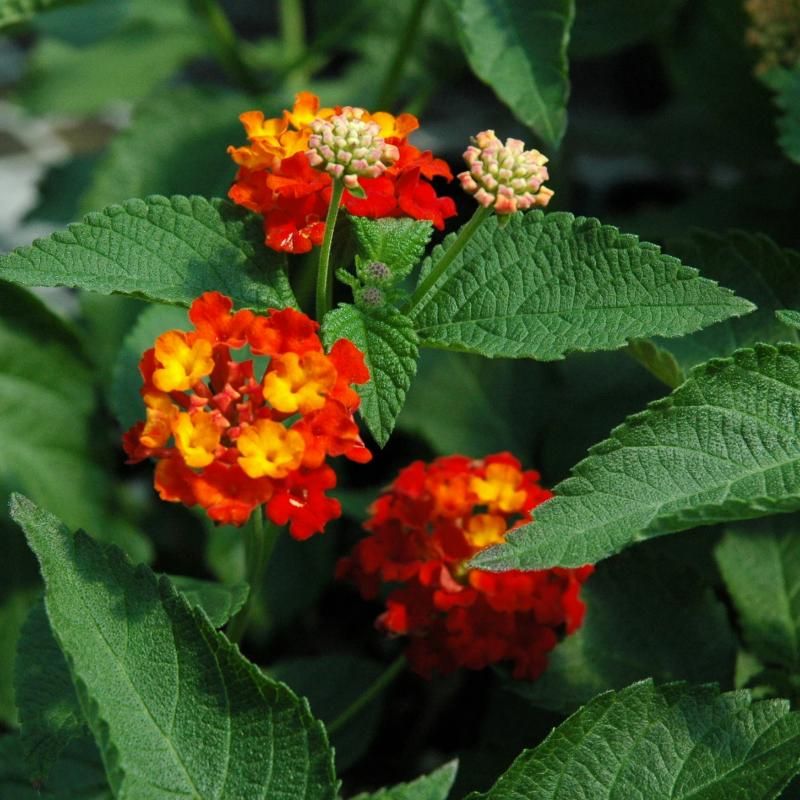
Lantana ranks as a Texas garden superstar for good reason. This tough shrub produces clusters of tiny orange flowers that butterflies find irresistible.
It blooms nonstop from spring until the first frost, giving you months of vibrant color with almost zero effort required.
Many lantana varieties feature flowers that change color as they age, creating beautiful multicolored clusters. Orange blooms might fade to yellow or pink, adding extra visual interest.
The plants tolerate extreme heat, drought, and poor soil better than almost any other flowering plant.
Lantana grows well in the ground or containers and can spread quite wide if given space. Some varieties stay compact while others become large, sprawling shrubs.
The foliage has a distinctive smell that some people love and others don’t, but it definitely helps deter deer from nibbling.
These plants need excellent drainage and full sun to perform their best. Once established in Texas gardens, they rarely need supplemental watering except during severe droughts.
Lantana comes back reliably in warmer parts of Texas and may act as an annual in colder regions. Trim them back in early spring to encourage bushy growth and maximum flowering.
5. Blanket Flower
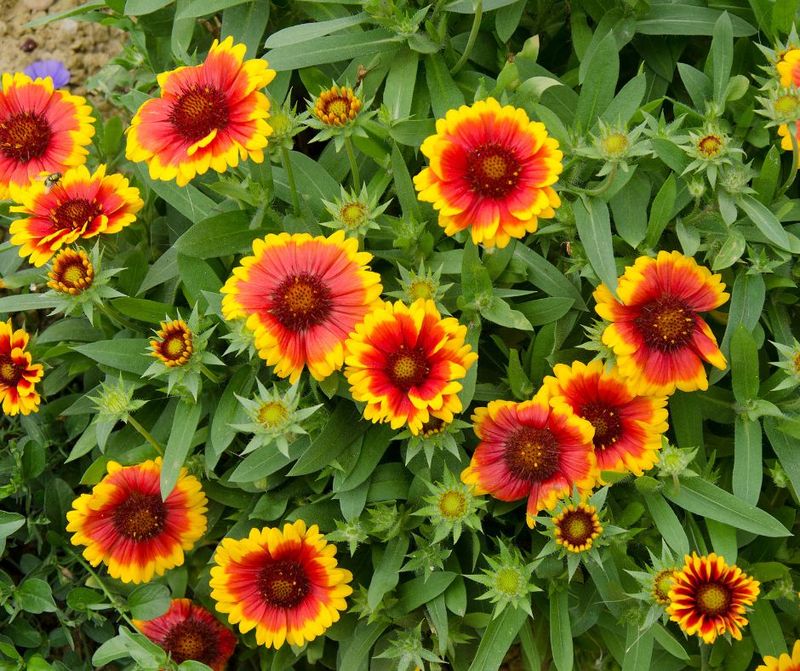
Blanket flowers look like cheerful little suns scattered across your garden. Their orange petals often feature red centers or tips, creating a warm, fiery appearance.
These native Texas wildflowers handle our climate perfectly because they evolved here over thousands of years.
Incredibly drought-tolerant once established, blanket flowers need watering only during the worst dry spells. They bloom from late spring through fall, providing consistent color when other flowers struggle in summer heat.
The daisy-like blooms attract bees and butterflies while requiring practically no maintenance.
These perennials return year after year, gradually spreading to fill more space. They work beautifully in wildflower meadows, rock gardens, or traditional flower beds. Blanket flowers prefer lean soil and actually bloom less if overfed with fertilizer.
Deadheading extends the blooming period, but even neglected plants keep producing flowers. They tolerate clay or sandy soil equally well, making them adaptable to different Texas regions.
The plants stay relatively low, usually under two feet tall, making them perfect for front borders. Blanket flowers also make excellent cut flowers that last well in vases, bringing Texas sunshine indoors to brighten your home.
6. California Poppy
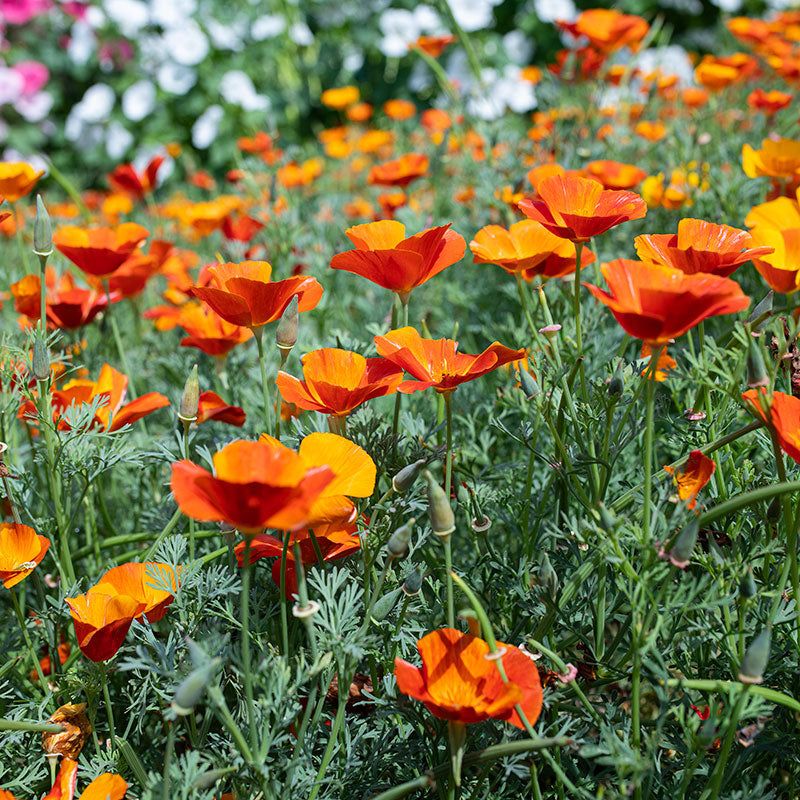
California poppies bring delicate beauty to Texas gardens with their silky orange petals that seem to glow in sunlight. Despite their name, these charming flowers grow wonderfully in Texas when planted at the right time.
Their tissue-paper petals flutter in the breeze, creating movement and lightness in garden beds.
These flowers close up at night and on cloudy days, then reopen when sunshine returns. Kids find this behavior fascinating and love checking on them each morning. The feathery, blue-green foliage provides nice texture even when flowers aren’t open.
California poppies reseed themselves readily, creating natural-looking drifts of color. They prefer cooler weather, making them perfect for spring blooming in Texas.
Plant seeds in fall or very early spring for best results. The plants don’t transplant well, so direct seeding works better than starting them in pots.
These poppies need full sun and excellent drainage to thrive. They actually prefer poor soil and struggle in rich, heavily fertilized beds.
Once blooming starts, flowers appear in waves throughout spring. The bright orange blooms attract native bees and other beneficial insects.
California poppies work beautifully in cottage gardens, wildflower mixes, or anywhere you want carefree spring color in your Texas landscape.
7. Canna Lily
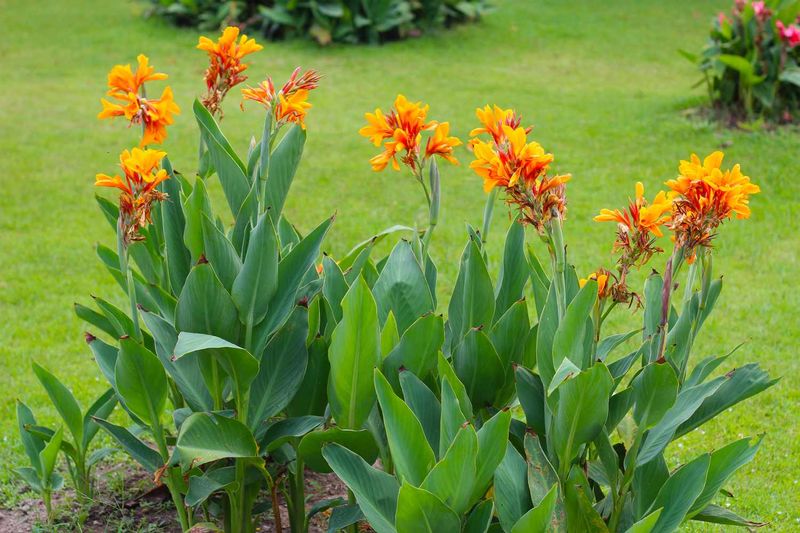
Canna lilies add tropical drama to Texas gardens with their bold orange blooms and large, lush leaves. These impressive plants grow tall and create instant impact wherever you place them.
They love heat and humidity, making them perfectly suited for Texas summers when other flowers struggle.
The flowers emerge on tall stalks above the foliage, creating layers of color and texture. Some varieties feature bronze or purple leaves that contrast beautifully with orange blooms.
Cannas spread from underground rhizomes, gradually forming impressive clumps over time.
These plants need regular water and rich soil to reach their full potential. They work wonderfully as focal points, background plants, or even in large containers.
Hummingbirds visit the tubular flowers regularly, adding extra entertainment value to your garden.
Cannas bloom from late spring through fall in Texas, providing months of color. In warmer parts of the state, the rhizomes survive winter underground and return each spring.
Colder regions may need to dig and store rhizomes or treat cannas as annuals. Divide crowded clumps every few years to maintain vigor.
Their low maintenance needs and high visual impact make orange cannas excellent choices for Texas gardeners wanting bold, tropical-style beauty.
8. Cosmos
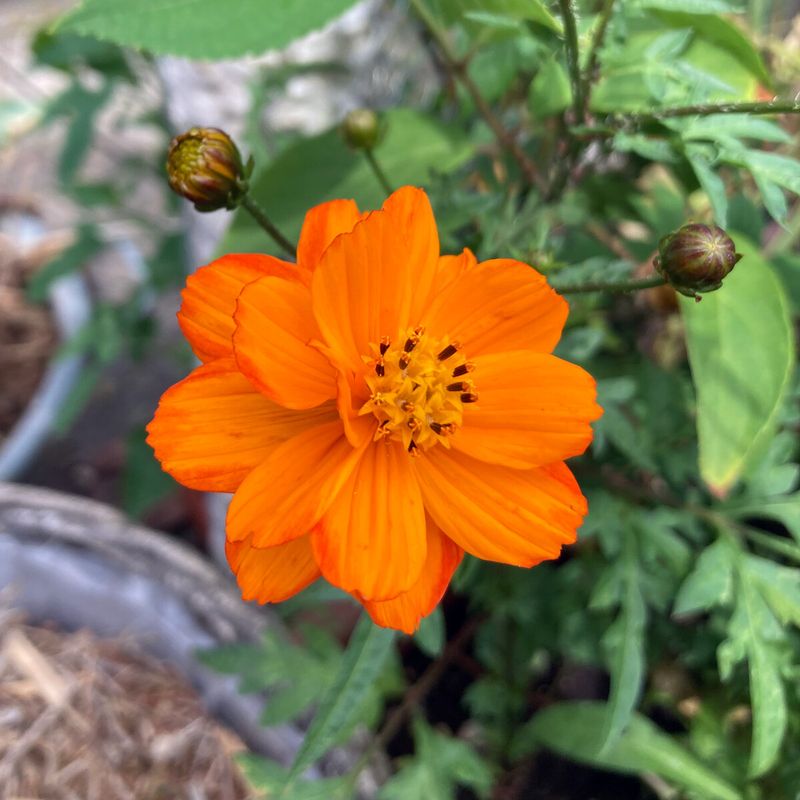
Cosmos bring an airy, cottage-garden charm to Texas landscapes with their delicate orange blooms dancing on thin stems. These carefree flowers grow quickly from seed and bloom abundantly without demanding much attention.
Their feathery foliage creates a soft, romantic look that contrasts nicely with bolder garden plants.
Butterflies and bees visit cosmos flowers constantly, making your garden buzz with activity. The flowers sway gracefully in breezes, adding movement and life to your outdoor space.
They make excellent cut flowers that last well in arrangements and keep producing more blooms when harvested regularly.
Plant cosmos seeds directly in your garden after the last spring frost in Texas. They germinate quickly and start flowering within weeks.
These plants tolerate poor soil and actually bloom better without heavy fertilization. Too much nitrogen creates lots of foliage but fewer flowers.
Cosmos grow two to four feet tall depending on variety, creating nice vertical interest in flower beds. They self-seed readily, often returning year after year without replanting.
Orange varieties range from soft peachy shades to vibrant tangerine hues. Cosmos handle Texas heat well and continue blooming until fall frost arrives, providing reliable color throughout the growing season in your garden.
9. Daylily
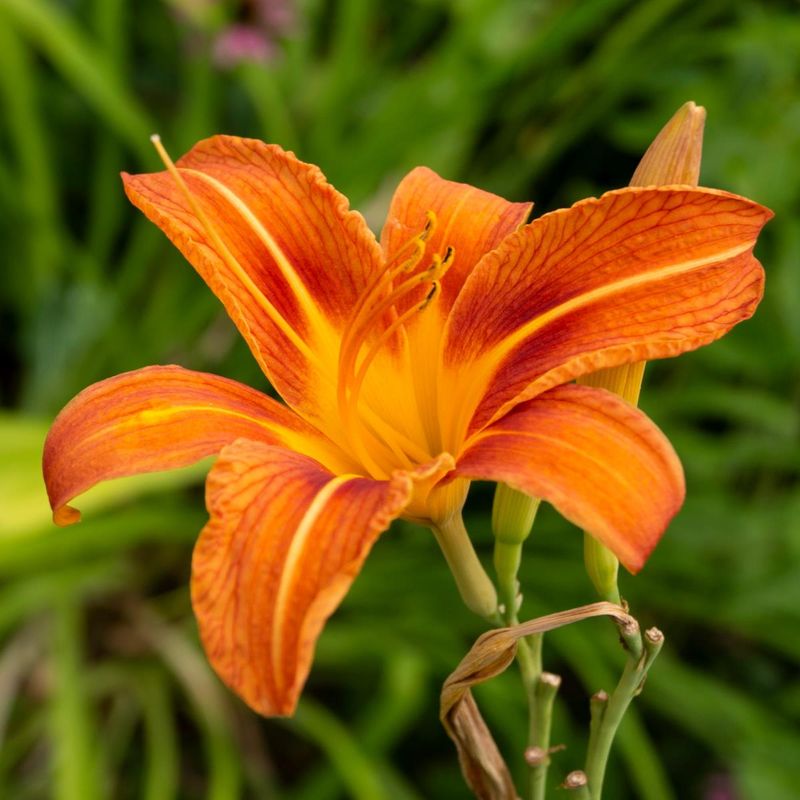
Daylilies rank among the toughest, most reliable perennials you can grow in Texas gardens. Their trumpet-shaped orange blooms open fresh each morning and last just one day, but each plant produces many flower stalks with multiple buds.
This means continuous blooming for weeks during their peak season. These plants form attractive clumps of arching, grass-like foliage that looks good even when not flowering.
Daylilies tolerate a wide range of soil types and moisture levels, adapting to whatever conditions your Texas garden provides. Once established, they survive droughts, floods, and neglect better than most flowers.
Hundreds of daylily varieties exist, offering different shades of orange from pale apricot to deep rust. Some bloom in spring while others wait until summer, letting you extend the flowering season.
The plants multiply over time, and dividing crowded clumps gives you extras to spread around your garden or share with friends.
Daylilies need at least six hours of sun daily for best blooming but tolerate partial shade. They rarely suffer from pests or diseases and need no special care.
Deer usually avoid eating them, which helps in areas with browsing wildlife. These dependable perennials return faithfully year after year, making them smart investments for any Texas garden.
10. Celosia
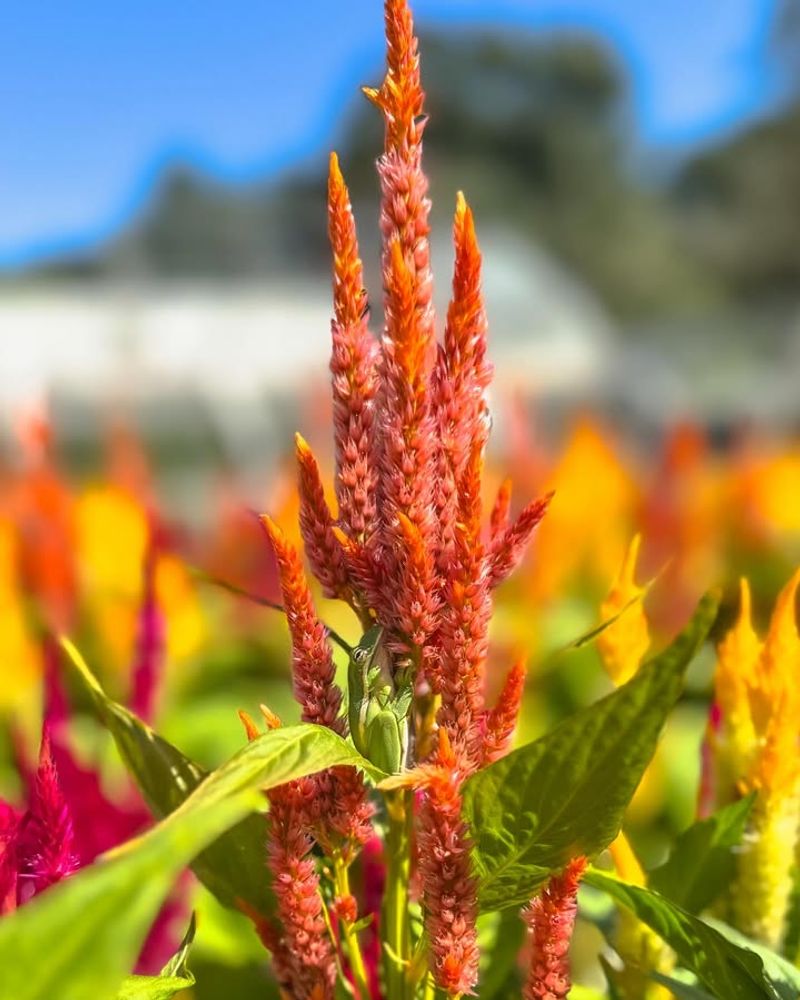
Celosia creates unforgettable garden displays with its unusual flame-like or brain-shaped orange flower heads. These distinctive blooms catch everyone’s attention and spark conversations about your garden.
The flowers hold their color for weeks without fading, providing long-lasting impact in Texas landscapes.
Two main types of celosia exist: plumed varieties with feathery flower spikes and crested types with coral-like blooms. Both come in stunning orange shades and thrive in Texas heat.
The plants continue flowering from late spring until fall frost without needing deadheading or special care.
Celosia works beautifully in both garden beds and containers. The flowers dry naturally on the plant, making them perfect for dried arrangements. Simply cut stems before they fade completely and hang them upside down in a dry location.
These plants need full sun and well-drained soil to perform their best. They handle heat and humidity exceptionally well, actually seeming to enjoy the toughest summer weather Texas throws at them.
Celosia attracts butterflies and makes excellent cut flowers for fresh bouquets. The bold orange blooms combine beautifully with purple, yellow, or burgundy flowers.
Their unique texture and form add architectural interest that makes your Texas garden stand out from ordinary landscapes.