Top 8 Plants Texans Use To Improve Indoor Air Quality
Indoor air quality is something many Texans don’t think about until allergies flare up or rooms start feeling stuffy. With hot summers and homes staying closed up for long periods, fresh air doesn’t always flow the way it should.
That’s why more homeowners are turning to houseplants as a natural and easy solution. Certain plants can help filter common indoor pollutants while also adding beauty and life to your space.
They make rooms feel fresher, brighter, and more comfortable to relax in. The best part is that you don’t need expensive equipment or complicated systems to see benefits.
With the right plant choices, you can improve the air in your home while decorating at the same time. If you want a healthier indoor environment without extra effort, these popular plants Texans rely on are a great place to start.
1. Snake Plant
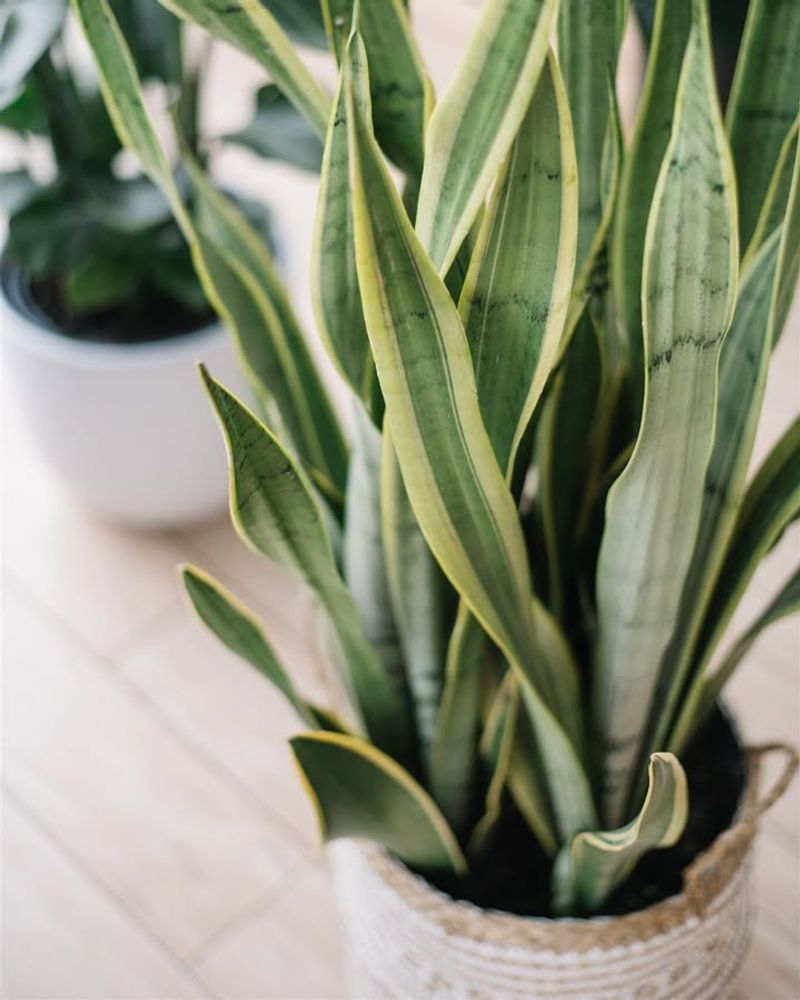
Also known as Mother-in-Law’s Tongue, this plant has become a favorite across Texas households for good reason. Its sword-shaped leaves stand tall and proud, requiring almost no attention while working hard to clean your air.
Snake plants remove toxins like formaldehyde and benzene that often hide in household products and furniture.
What makes this plant perfect for Texas homes is its incredible drought tolerance. If you forget to water it for weeks, it simply keeps growing without complaint.
The thick leaves store moisture, making it ideal for busy families or anyone who travels frequently. Many Texans place these plants in bedrooms because they release oxygen at night, unlike most plants that only do this during daylight hours.
Snake plants thrive in both bright light and dim corners, adapting to whatever spot you choose. They grow slowly and rarely need repotting, which saves time and effort.
In San Antonio and Austin homes, these plants handle the dry indoor air created by air conditioning without developing brown tips or drooping leaves.
You can find snake plants in various sizes, from small desktop versions to tall floor plants that make bold statements.
They multiply by producing baby plants called pups, which you can separate and share with friends or spread throughout your own home for maximum air-cleaning power.
2. Spider Plant
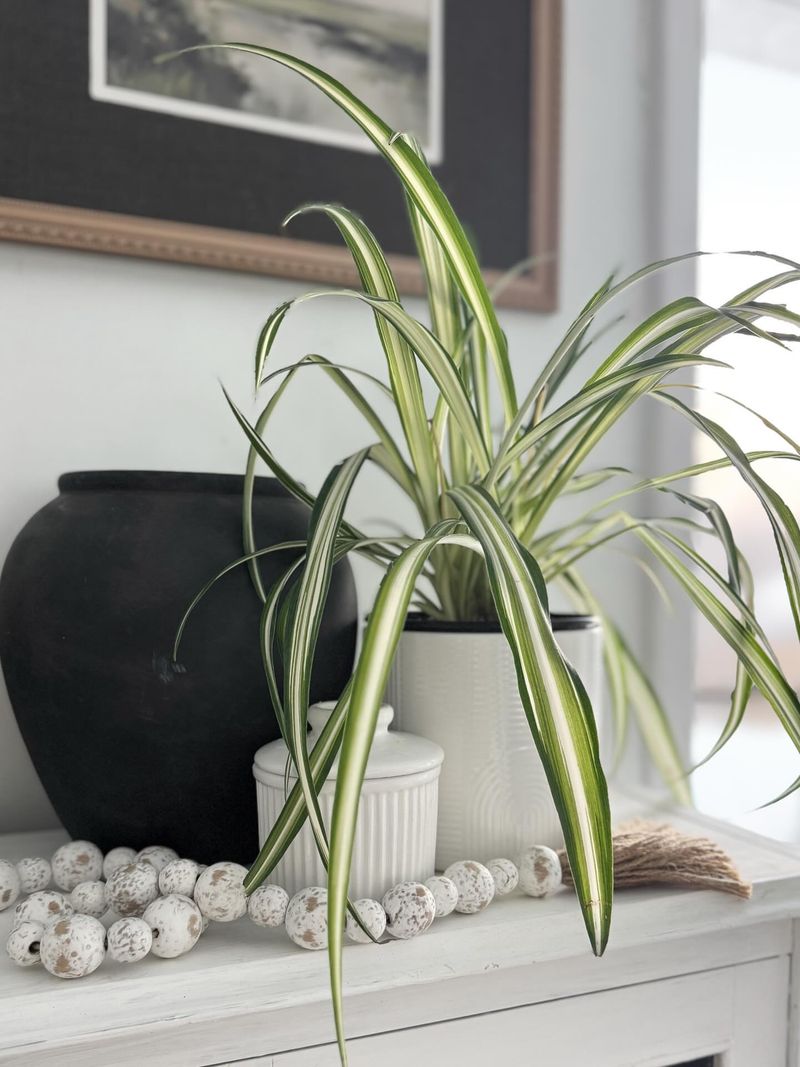
Picture a fountain of green and white striped leaves cascading from a hanging basket, and you have imagined a spider plant. This cheerful houseplant earned its name from the baby plants that dangle on long stems, resembling spiders hanging from webs.
Houston and Fort Worth residents appreciate how this plant removes carbon monoxide and xylene from indoor air while adding visual interest to any room.
Spider plants are practically indestructible, making them perfect for beginners or anyone who has accidentally ended the lives of other houseplants. They bounce back from neglect and actually prefer their soil to dry out between waterings.
In Texas homes where summer heat can stress some plants, spider plants continue thriving without fuss or special attention.
These adaptable plants grow well in various lighting conditions, though they produce more baby plants in brighter spots. The little plantlets that form can be snipped off and rooted in water or soil, giving you an endless supply of new plants.
Many Texas families start with one spider plant and soon have them throughout their home.
The arching leaves soften hard edges in rooms and look especially attractive in bathrooms, where they appreciate the extra humidity from showers.
They grow quickly during warm months, which in Texas means they stay active most of the year, continuously filtering your indoor air while requiring minimal care in return.
3. Peace Lily
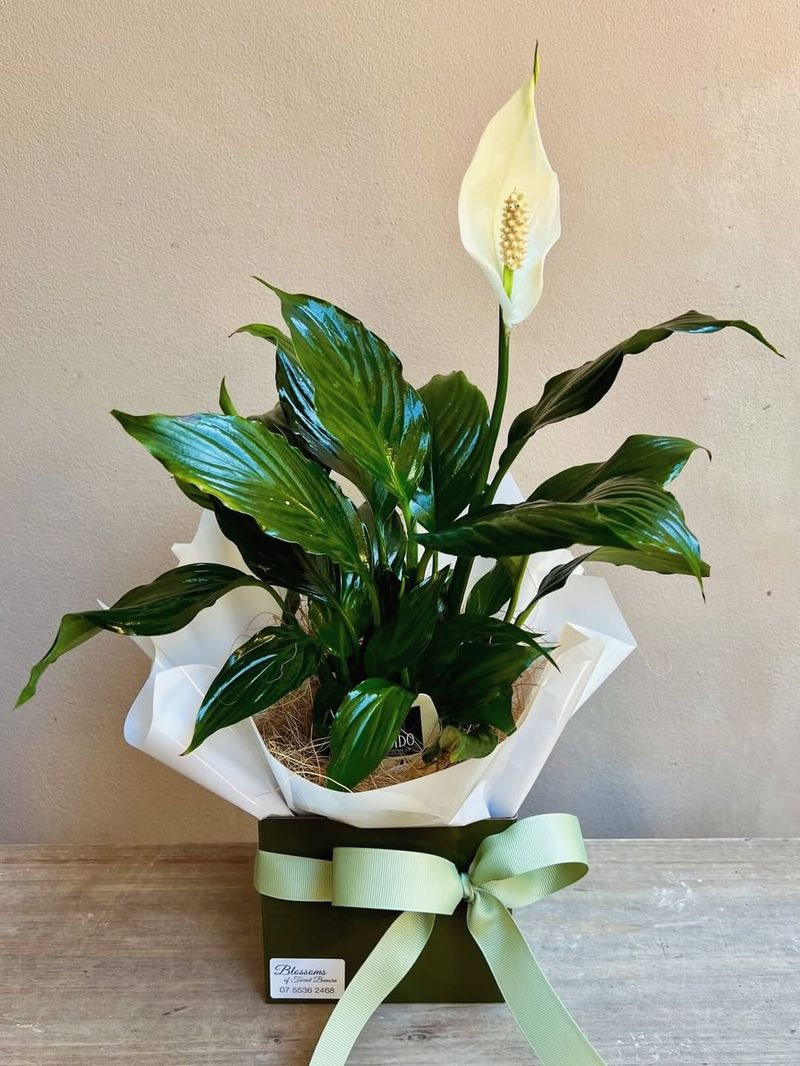
Elegant white flowers rise above glossy dark green leaves, making peace lilies a beautiful addition to Texas homes that also happens to be an air-cleaning powerhouse.
This plant tackles common indoor pollutants including ammonia, which often comes from cleaning products stored under kitchen sinks.
The graceful blooms appear throughout the year, adding touches of natural beauty to your living space.
Peace lilies communicate their needs clearly by drooping when thirsty, then perking up within hours after watering. This helpful signal prevents guessing games about watering schedules.
In Dallas and El Paso homes, these plants appreciate the shade and indirect light found in interior rooms, making them perfect for spaces away from bright windows.
Unlike many flowering plants that demand complicated care, peace lilies bloom reliably with basic attention. They prefer consistently moist soil but forgive occasional drying out.
The plants also enjoy the humidity found in Texas bathrooms, where they filter air while thriving in steamy conditions created by daily showers.
One important note for Texas pet owners: peace lilies contain compounds that irritate cats and dogs if chewed, so place them on high shelves or in rooms pets cannot access.
For households without furry friends, these plants offer unmatched elegance combined with serious air-purifying abilities, removing mold spores and other allergens that can accumulate in climate-controlled Texas homes.
4. Aloe Vera
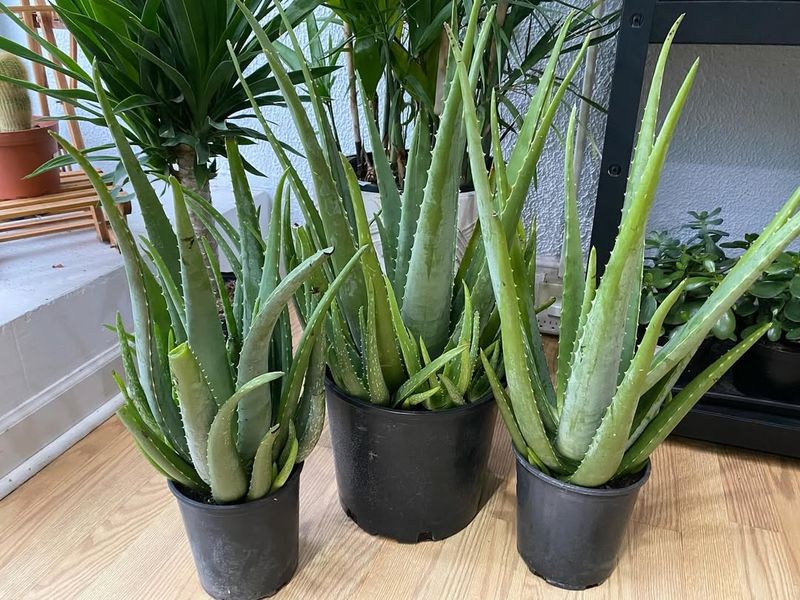
Beyond its famous healing properties for sunburns, aloe vera works quietly to remove formaldehyde from indoor air in homes across Texas.
The thick, gel-filled leaves grow in rosette patterns, creating sculptural shapes that fit modern and traditional decor styles equally well.
This desert native feels right at home in Texas conditions, requiring minimal water and thriving in the bright sunshine that pours through windows.
San Marcos and Corpus Christi residents love how aloe vera stores water in its leaves, making it nearly impossible to neglect. During Texas summers when outdoor plants wilt from heat, indoor aloe plants continue growing steadily in sunny windows.
They actually prefer the dry air created by air conditioning, unlike many tropical houseplants that struggle in low humidity.
Aloe plants grow slowly and stay compact for years, making them ideal for smaller spaces like apartments and condos. When they do outgrow their pots, they produce baby plants around the base that you can remove and pot separately.
Many Texas families keep multiple aloe plants throughout their homes, both for air quality and to have fresh gel available for minor burns and skin irritations.
These succulents need well-draining soil and infrequent watering, typically every two to three weeks depending on temperature and humidity.
Overwatering causes more problems than underwatering, so when in doubt, wait another few days before adding moisture to the soil.
5. Pothos
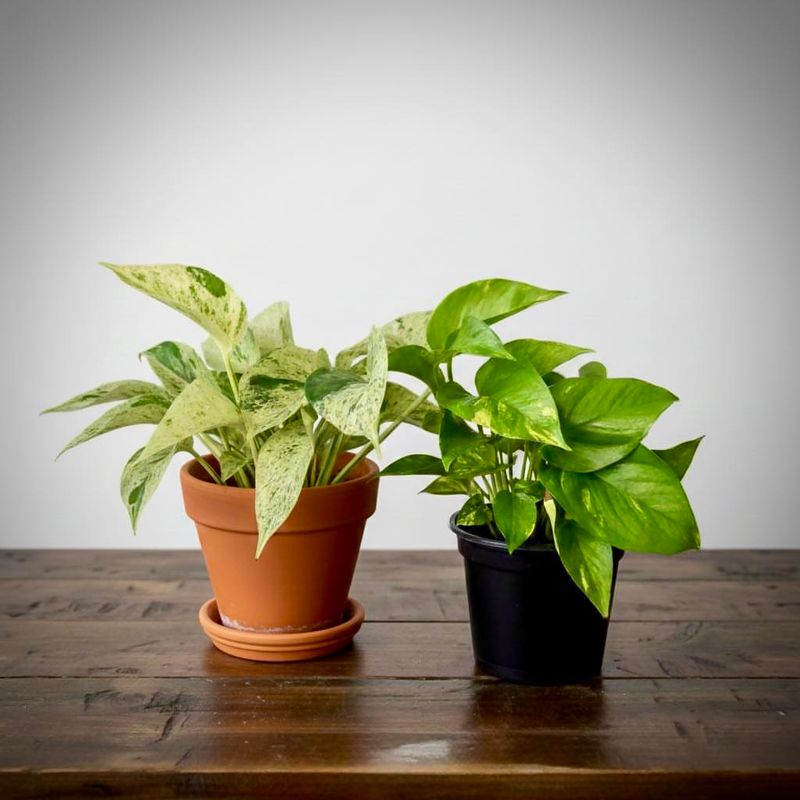
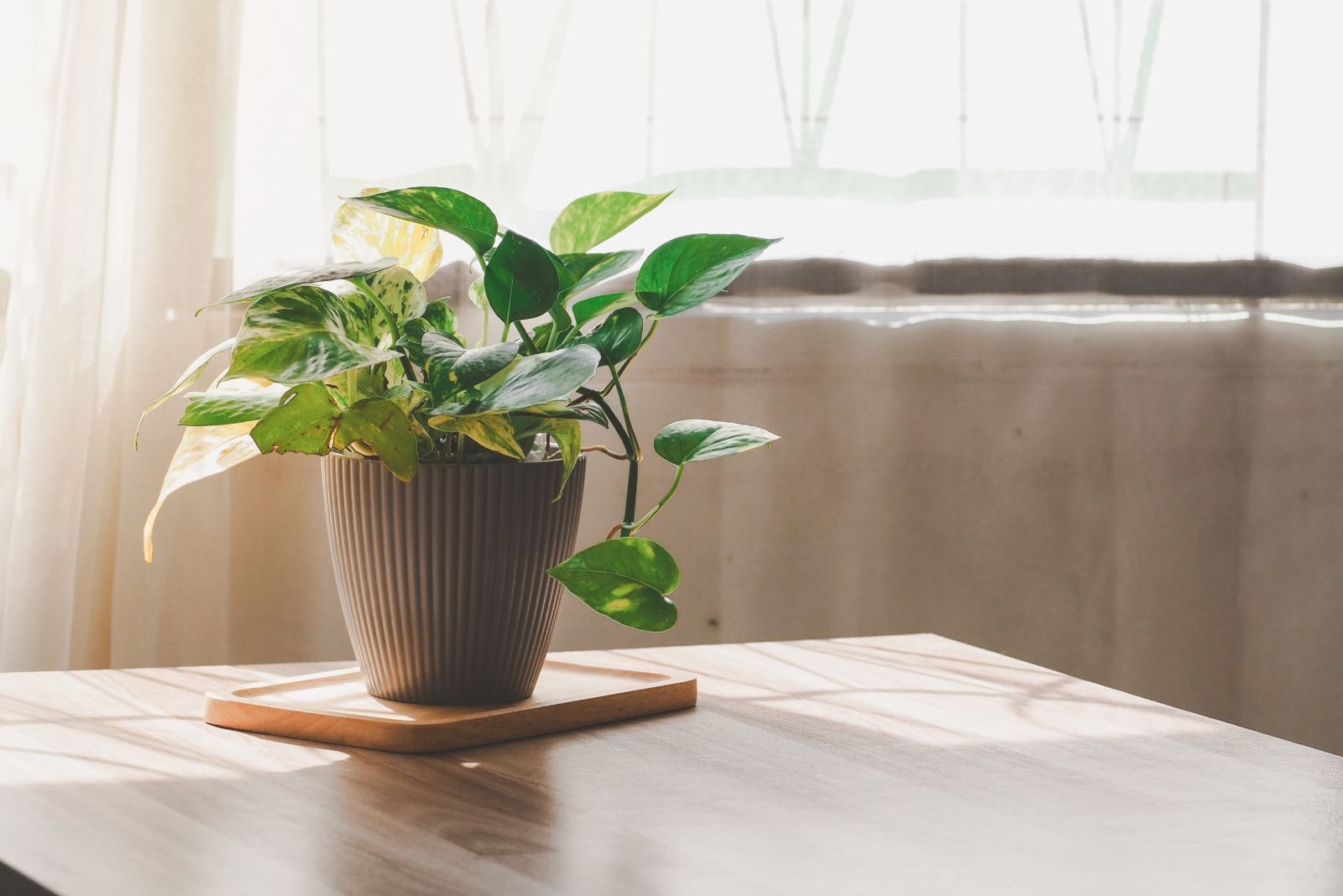
Heart-shaped leaves in shades of green, yellow, and white trail gracefully from shelves and hanging baskets, making pothos one of the most popular houseplants in Texas.
This vigorous grower removes formaldehyde, xylene, and benzene from indoor air while adding lush greenery to any room.
The vining stems can grow several feet long, creating living curtains of foliage that soften hard architectural lines.
What Texas homeowners appreciate most about pothos is its ability to thrive on neglect. Forget to water for a week or two?
The plant simply waits patiently without complaint. The leaves might droop slightly when thirsty, but they perk up quickly after a good drink.
This forgiving nature makes pothos perfect for college students in Austin dorms or busy professionals in Houston high-rises.
Pothos adapts to nearly any light condition, from bright indirect light to dim corners where other plants refuse to grow. In lower light, the colorful variegation might fade to solid green, but the plant continues growing and cleaning air regardless.
Many Texans place pothos in bathrooms and offices, where the plants thrive in artificial light and occasional natural brightness.
These plants grow so enthusiastically that you can trim stems and root them in water to create new plants. Within weeks, cuttings develop roots and are ready for potting.
This easy propagation means one pothos can eventually become dozens, spreading air-cleaning benefits throughout your entire home while costing nothing beyond the original plant purchase.
6. Rubber Plant
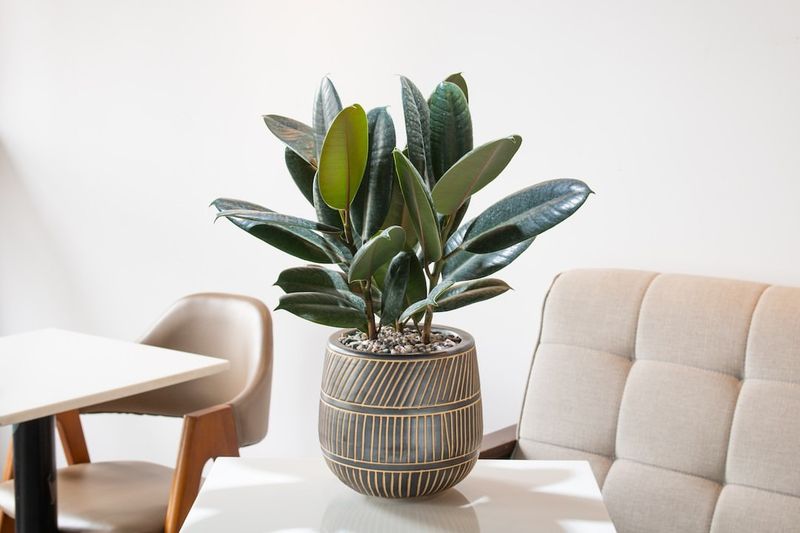
Bold, glossy leaves the size of your hand make rubber plants statement pieces in Texas homes while they quietly filter toxins from indoor air.
These plants originally come from tropical regions but have adapted remarkably well to life in climate-controlled Texas houses. The thick, waxy leaves resist dust and require only occasional wiping to maintain their attractive shine.
Rubber plants excel at removing airborne chemicals and producing oxygen, making them valuable additions to bedrooms and living areas where families spend most of their time.
In Plano and Waco homes, these plants grow steadily upward, eventually reaching several feet tall if given proper care.
Their vertical growth habit makes them perfect for corners and spaces beside furniture where floor space is available but width is limited.
Unlike some houseplants that demand constant attention, rubber plants need watering only when the top few inches of soil feel dry. They prefer bright, indirect light but tolerate lower light conditions by simply growing more slowly.
The main challenge in Texas homes is avoiding overwatering, which can cause leaf drop and root problems in the well-draining soil these plants prefer.
Rubber plants come in varieties with dark green, burgundy, or variegated leaves, offering options to match different decorating styles. They rarely need pruning unless you want to control their height or encourage bushier growth.
Many Texas plant enthusiasts consider rubber plants essential for creating healthier indoor environments while adding dramatic tropical touches to their decor.
7. Boston Fern
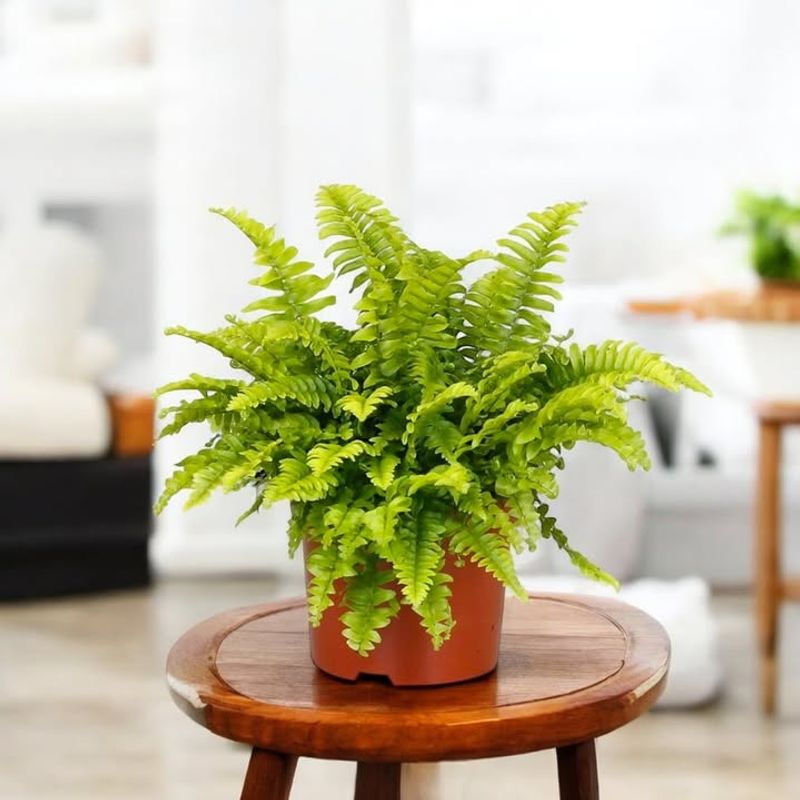
Feathery fronds cascade in all directions, creating clouds of delicate greenery that bring softness to Texas interiors. Boston ferns rank among the most effective plants for removing formaldehyde and adding humidity to dry indoor air.
During Texas winters when heating systems create desert-like conditions inside homes, these ferns release moisture that benefits both human breathing and skin comfort.
These classic houseplants prefer consistent moisture and higher humidity than many other air-purifying options, making them slightly more demanding but worth the extra effort.
Many Texas homeowners place Boston ferns in bathrooms where shower steam provides the humidity these plants crave.
Others mist their ferns regularly or place pots on trays filled with pebbles and water to increase moisture around the leaves.
In Galveston and other coastal Texas areas where natural humidity runs higher, Boston ferns thrive with less intervention than they require in drier regions like West Texas.
The plants prefer bright, indirect light and temperatures that stay relatively consistent, making them happy in the stable environments created by air conditioning.
Direct sunlight burns the delicate fronds, so position these plants away from harsh afternoon sun.
Boston ferns grow quickly during warm months, producing new fronds from the center while older outer fronds eventually brown and can be trimmed away. Regular grooming keeps plants looking fresh and encourages new growth.
While they need more attention than some other air-purifying plants, their ability to humidify dry Texas air makes them valuable additions to bedrooms and living spaces.
8. Chinese Evergreen
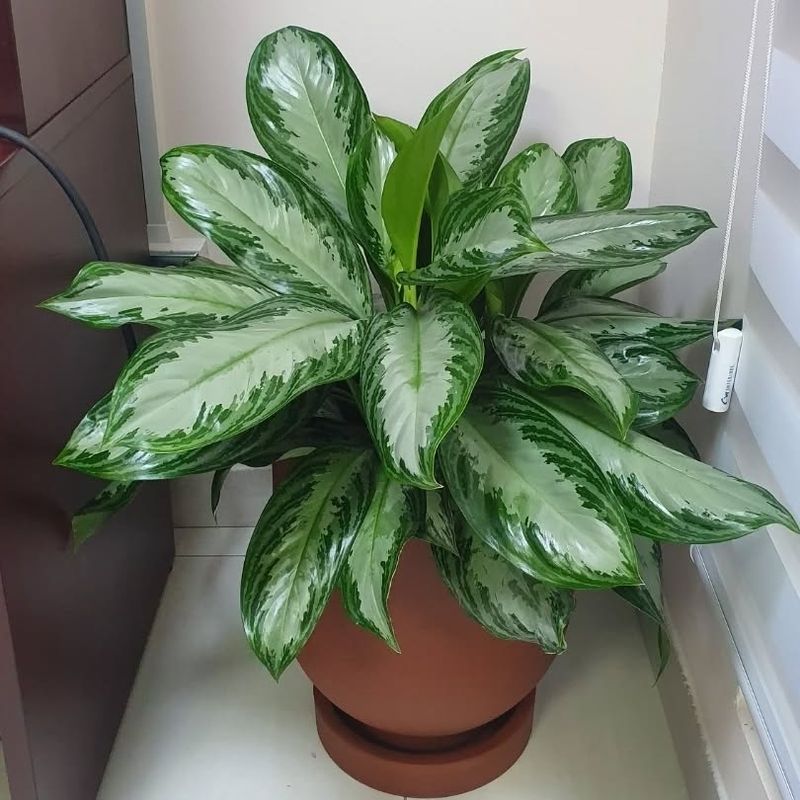
Patterned leaves in combinations of green, silver, pink, and red make Chinese evergreens among the most decorative air-purifying plants available to Texas homeowners.
These tropical natives remove benzene and formaldehyde while tolerating the low-light conditions found in interior rooms and north-facing spaces.
The attractive foliage adds color and interest to areas where flowering plants struggle to bloom.
Chinese evergreens grow slowly and stay compact, rarely requiring repotting or taking over their designated spaces. This controlled growth pattern makes them ideal for apartment dwellers and anyone with limited room for houseplants.
In Amarillo and Lubbock homes, these plants handle the dry indoor air created by heating and cooling systems better than many tropical species, rarely developing brown leaf edges or other stress symptoms.
Watering needs are moderate, with plants preferring to dry out slightly between waterings rather than sitting in constantly moist soil.
They tolerate occasional neglect without showing dramatic signs of distress, making them suitable for busy households and frequent travelers.
The plants grow best in warm temperatures, which Texas homes naturally provide for most of the year.
Different varieties of Chinese evergreen offer various leaf patterns and colors, from subtle silver markings to bold pink splashes. All varieties share the same easy-care requirements and air-purifying abilities.
Many Texas plant collectors enjoy gathering several varieties to create interesting displays while maximizing the air-cleaning benefits throughout their homes.
These reliable plants continue looking attractive year-round with minimal intervention, quietly improving indoor air quality while asking little in return.