Top Secrets To Keep Your Texas Pansies Blooming Longer
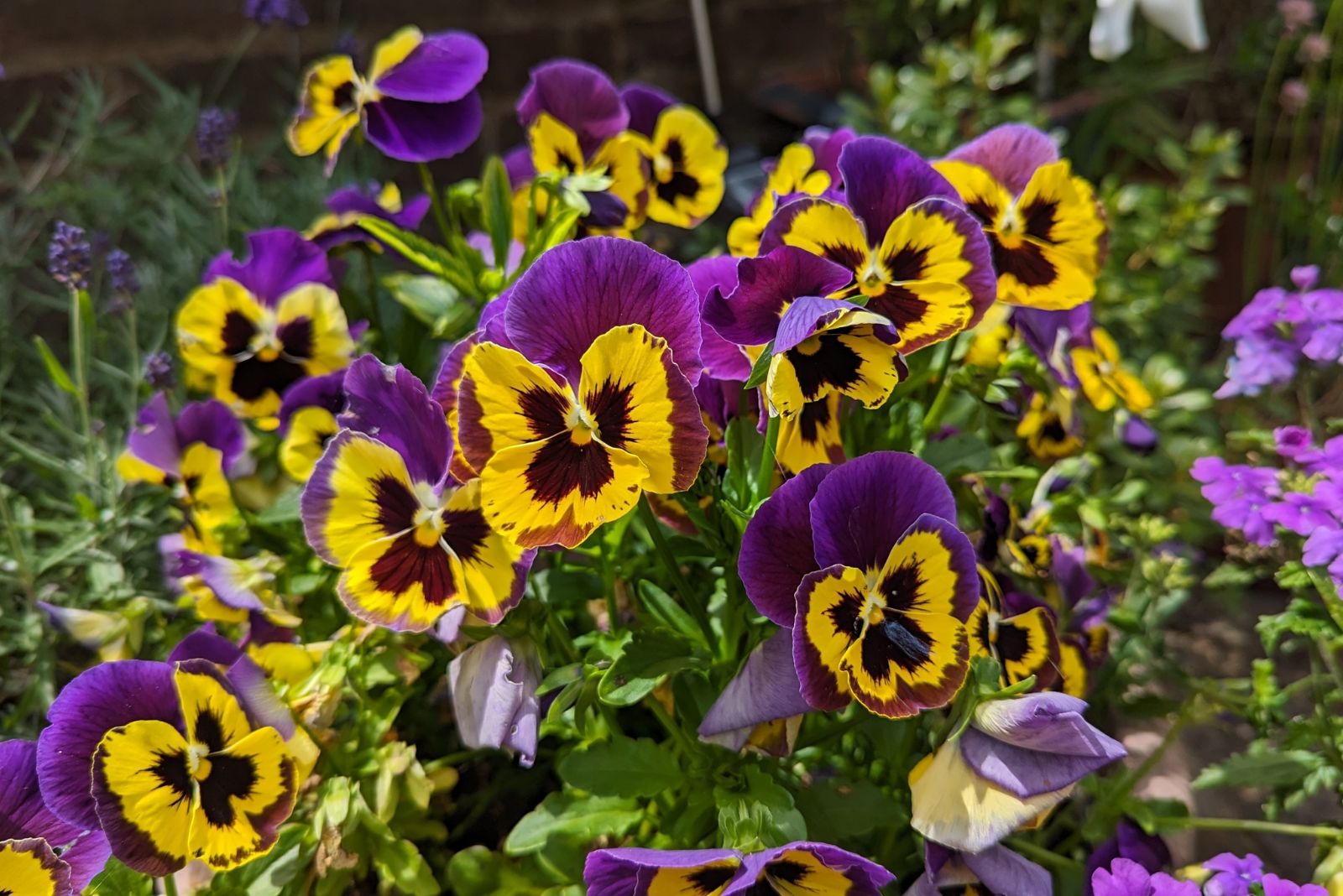
Pansies can make a Texas garden look fresh and cheerful in a hurry. Their bright colors bring life to flower beds, porch pots, and borders at a time when many other plants are still getting started.
The problem is that in Texas, keeping them looking good takes a little strategy. Cool mornings may suit them just fine, but sudden warm spells, strong sun, and shifting spring weather can wear them down faster than many gardeners expect.
That is usually when people assume their best days are already over. The truth is, pansies often have a lot more to give when they get the right care.
A few smart habits can help them stay fuller, bloom longer, and hold onto that color well past the point where other plants start fading.
Small things like watering the right way, removing tired blooms, and protecting them from stress can make a noticeable difference. If you want your Texas pansies to keep putting on a show instead of burning out early, the good news is that it is not nearly as hard as it looks.
1. Plant Them At The Right Time
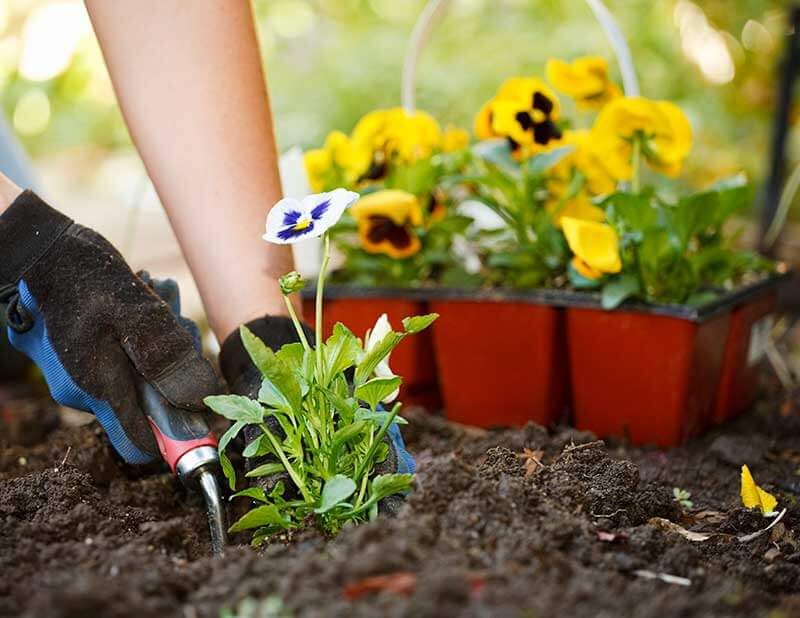
Timing is everything when it comes to pansies in Texas. Most experienced Texas gardeners will tell you that October is the sweet spot for getting your pansies in the ground.
Planting in fall gives the roots time to settle in before the colder months arrive, which sets the plant up for a long and impressive blooming season.
When pansies get a strong head start in fall, they tend to push out heavy blooms all the way through late winter and into spring.
That is a lot of color for your yard, and it happens because the plant is well-established before it really needs to work hard. A rushed or late planting often means a shorter show.
If you miss the October window, do not panic. Planting in November can still work well in many parts of Texas, especially in the southern regions where winters stay mild.
Just keep in mind that the later you plant, the less time your pansies have to settle in before blooming season peaks.
Choosing healthy transplants from a local Texas nursery also makes a big difference. Look for plants with firm, green leaves and no signs of wilting or yellowing.
Avoid anything that looks root-bound or cramped in its container. Starting with strong, healthy plants gives you the best possible foundation for a long and colorful blooming season that your neighbors will absolutely notice.
2. Give Them Plenty Of Sun (But Not Too Much Heat)
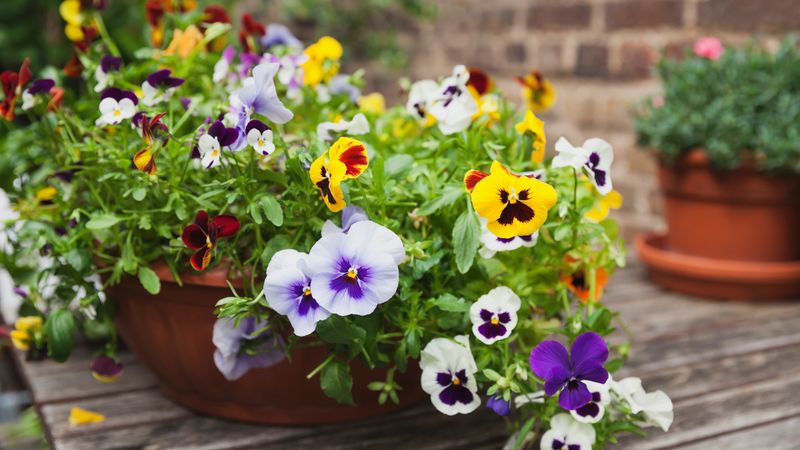
Pansies love sunshine, but they have a complicated relationship with Texas heat. During the cooler fall and winter months, full sun is exactly what they need.
Aim for at least four to six hours of direct sunlight each day, and your pansies will reward you with big, bold blooms that really stand out in your garden beds.
As spring starts to creep in across Texas, the story changes a little. When afternoon temperatures begin climbing past the comfortable range, too much direct sun can actually stress your plants.
A spot that gets morning sun and afternoon shade becomes your best friend during those warming spring weeks. Even a little shade from a fence or a nearby shrub can help a lot.
One of the smartest moves you can make is to plan your planting location with both seasons in mind. Think about where the sun hits hardest during the warmest part of the day, usually between 1 p.m. and 4 p.m.
Placing your pansies where they are naturally sheltered from that intense afternoon heat can stretch their blooming period by several weeks.
Did you know that pansy flowers actually close slightly in extreme heat as a way to protect themselves? It is a fascinating little survival trick.
By managing their sun exposure smartly, especially as Texas springs warm up fast, you can keep those blooms open and vibrant for a noticeably longer stretch of time throughout the season.
3. Keep Soil Consistently Moist
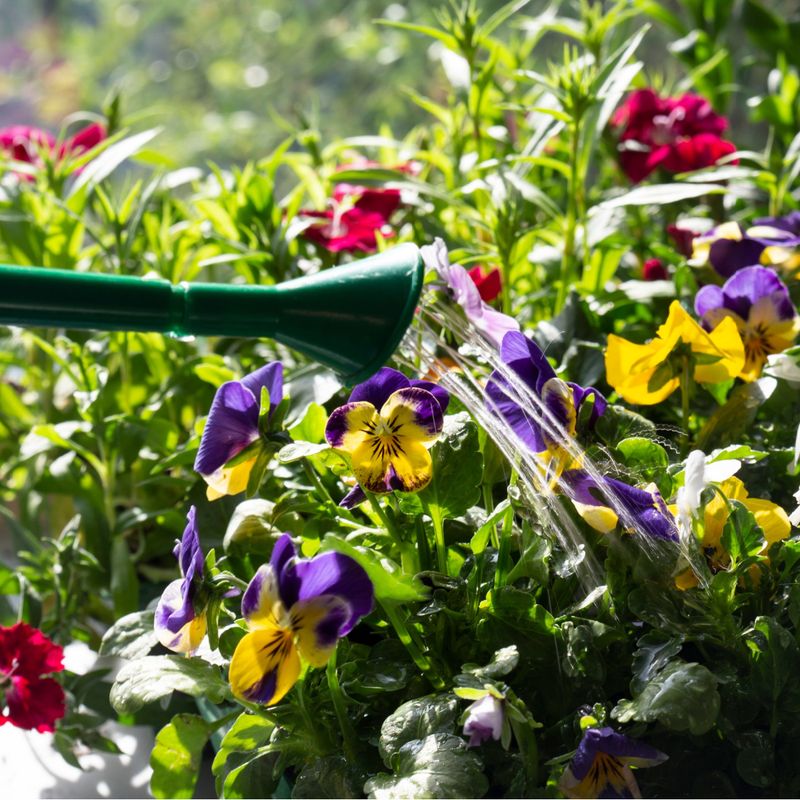
Watering pansies might sound simple, but getting it right makes a real difference in how long they bloom. Pansies prefer soil that stays evenly moist, not soaking wet and not bone dry.
Letting the soil dry out too much between waterings puts stress on the plant, and a stressed pansy is not going to give you its best blooms.
A good rule of thumb is to check the top inch of soil with your finger. If it feels dry, it is time to water.
If it still feels damp, wait another day and check again. In Texas, the watering schedule will change depending on the season.
Fall plantings may need less frequent watering, while late winter and early spring can be trickier as temperatures fluctuate.
Soggy soil is just as problematic as dry soil. Pansies do not like sitting in waterlogged conditions, which can cause root rot and quickly weaken your plants.
Make sure your garden beds have good drainage. If you are growing pansies in containers, always check that the pots have drainage holes at the bottom.
Watering in the morning is a smart habit for Texas pansy growers. Morning watering gives the leaves and stems time to dry out during the day, which reduces the chance of fungal problems.
Consistent, thoughtful watering is one of the easiest and most effective ways to keep your Texas pansies looking fresh and blooming strong all season long.
4. Feed Them Regularly
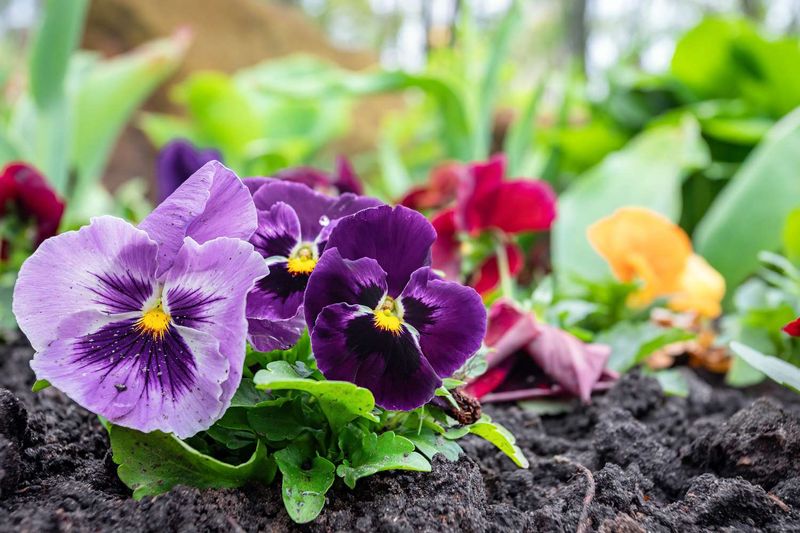
Pansies are hungry little plants. They produce a lot of flowers over a long season, and all that blooming takes energy.
Without regular feeding, your pansies will start looking tired and their flower production will slow down noticeably. Feeding them on a consistent schedule is one of the most underrated secrets to keeping Texas pansies blooming strong.
A balanced, water-soluble fertilizer works really well for pansies. Look for something with equal or near-equal amounts of nitrogen, phosphorus, and potassium on the label.
Applying it every two to three weeks during the growing season gives your plants a steady supply of the nutrients they need to keep pushing out fresh blooms week after week.
Be careful not to over-fertilize, though. Too much nitrogen can push the plant to grow lots of leafy green growth at the expense of flowers.
You want blooms, not just leaves. Follow the directions on the fertilizer package and resist the urge to add more than recommended, even when your plants look a little tired.
Some Texas gardeners also like to mix slow-release granular fertilizer into the soil at planting time for a gentle, long-lasting nutrient boost. Then they follow up with liquid fertilizer every few weeks throughout the season.
Combining both approaches gives your pansies a well-rounded diet that supports steady, continuous blooming from fall all the way through the end of spring across the Lone Star State.
5. Deadhead Spent Blooms
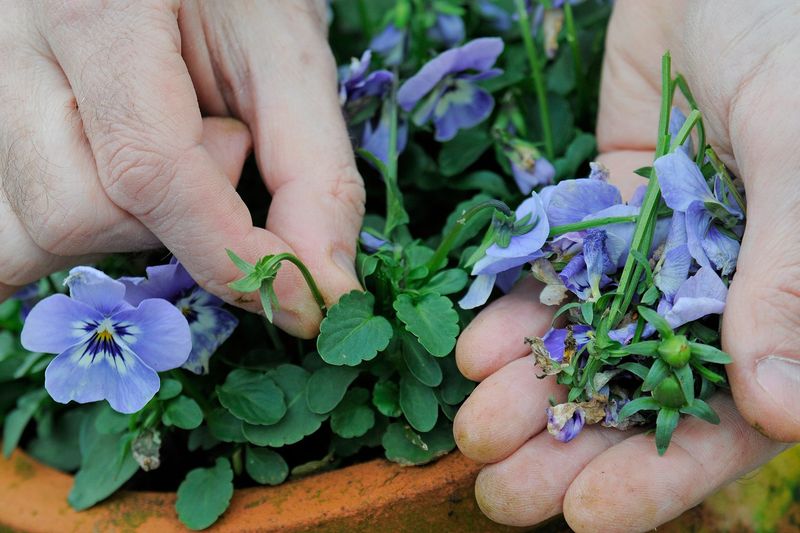
Deadheading sounds like a strange gardening term, but it simply means removing flowers that have already faded and finished blooming. It is one of the easiest and most satisfying things you can do for your pansies, and the results are almost immediate.
Once you remove those tired old blooms, the plant shifts its energy toward making new ones.
When a pansy flower is left on the plant after it fades, the plant starts putting energy into forming seeds instead of producing more flowers.
By snipping or pinching off those spent blooms before they go to seed, you are basically sending a signal to the plant to keep blooming. It is a simple trick that can add weeks of extra color to your Texas garden.
You do not need any fancy tools to deadhead your pansies. Your fingers work perfectly fine for pinching off faded blooms.
If you prefer, a small pair of garden scissors or pruning snips makes the job even easier and cleaner. Try to remove the entire flower head along with the short stem below it for the best results.
Make deadheading a regular part of your weekly garden routine throughout the blooming season. A quick walk through your flower beds every few days, removing faded flowers as you go, keeps your plants looking tidy and encourages a constant flow of new blooms.
Texas gardeners who deadhead consistently almost always enjoy a noticeably longer and more colorful pansy season than those who skip this step.
6. Mulch To Regulate Soil Temperature
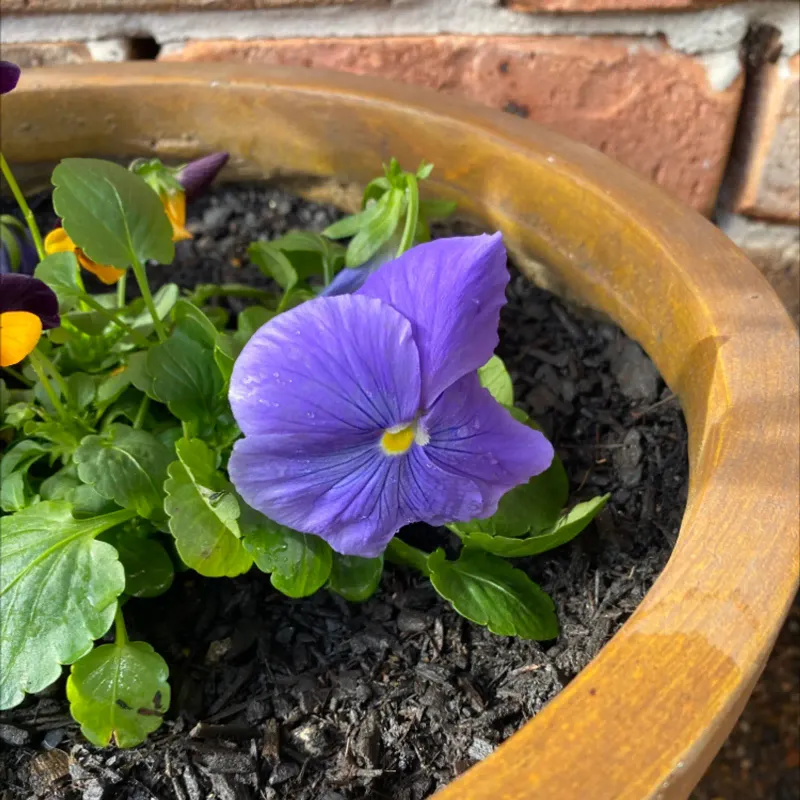
Mulching is one of those garden habits that quietly does a lot of heavy lifting behind the scenes.
A thin layer of mulch spread around your pansy plants helps keep the soil temperature steady, which is especially helpful in Texas where temperatures can swing quite a bit between day and night during fall and early spring.
As Texas springs begin to warm up, soil temperature rises faster than air temperature. Pansies are cool-season plants, so when their roots start getting too warm, they begin to slow down and stop blooming.
A light layer of mulch acts like a blanket for the soil, keeping those roots cooler for longer and giving your pansies extra weeks of productive blooming time.
Mulch also helps the soil hold onto moisture between waterings. This means you may not need to water as often, and your pansies will experience less stress from drying out.
In Texas, where spring can arrive suddenly and aggressively, that moisture retention can make a meaningful difference in how long your plants stay healthy and colorful.
Pine straw, shredded bark, or even finely shredded leaves all work well as mulch for pansies. Apply a layer about one to two inches thick around the base of your plants, but keep the mulch from touching the stems directly to allow for good air circulation.
This simple step costs very little time and effort but pays off with a noticeably longer and more vibrant blooming season across your Texas garden beds.
7. Watch For Rising Heat
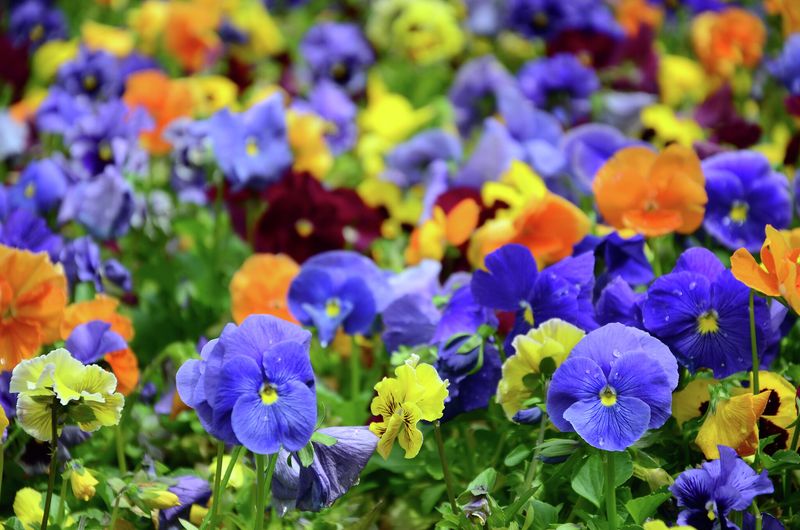
Every Texas gardener knows that spring does not last forever, and the heat that follows can arrive fast. Pansies are cool-season flowers through and through, which means they naturally begin to slow down as temperatures consistently push above 75 to 80 degrees Fahrenheit.
Knowing what to watch for helps you get the most out of your plants before the heat really sets in.
Keep an eye on the extended weather forecast as late spring approaches in Texas. When nighttime temperatures stop dropping below 60 degrees regularly, your pansies are entering their final stretch.
At that point, a few smart adjustments can help stretch the bloom time a little longer. Moving potted pansies to a shadier spot or adding shade cloth over garden beds are both effective options.
Watering becomes even more important during this warming period. Heat causes soil to dry out much faster, so you may need to water every day or even twice a day for container plants.
Keeping the roots as cool and moist as possible during the warming weeks gives your pansies the best chance of pushing out a few more rounds of flowers before the season wraps up.
Rather than feeling disappointed when pansies eventually fade with the summer heat, think of it as the natural end of a great season. Start planning now for next fall by noting which colors and varieties performed best in your Texas yard.
That way, you will be ready to hit the ground running again in October and enjoy another long, colorful, and rewarding pansy season.