Top 15 Shrubs That Instantly Boost Curb Appeal Around Texas Homes
A well-chosen shrub can completely transform a Texas yard, adding structure, color, and texture that instantly boosts curb appeal.
Whether lining driveways, framing entryways, or creating privacy, shrubs are a simple yet powerful way to elevate any landscape. One shrub can turn an ordinary yard into a neighborhood showstopper!
These fifteen shrubs thrive in Texas heat and soil conditions, offering low-maintenance beauty and year-round interest.
From flowering varieties that burst with seasonal color to evergreen shrubs that maintain structure, each choice helps create a polished, welcoming exterior.
Proper placement and care ensure your shrubs stay healthy, vibrant, and eye-catching for years. With the right shrubs, your yard becomes inviting, stylish, and low-maintenance.
Texas homeowners who select these plants enjoy improved aesthetics, stronger property value, and a landscape that impresses visitors and neighbors alike. Instant curb appeal starts with smart shrub selection.
1. Texas Sage (Cenizo)
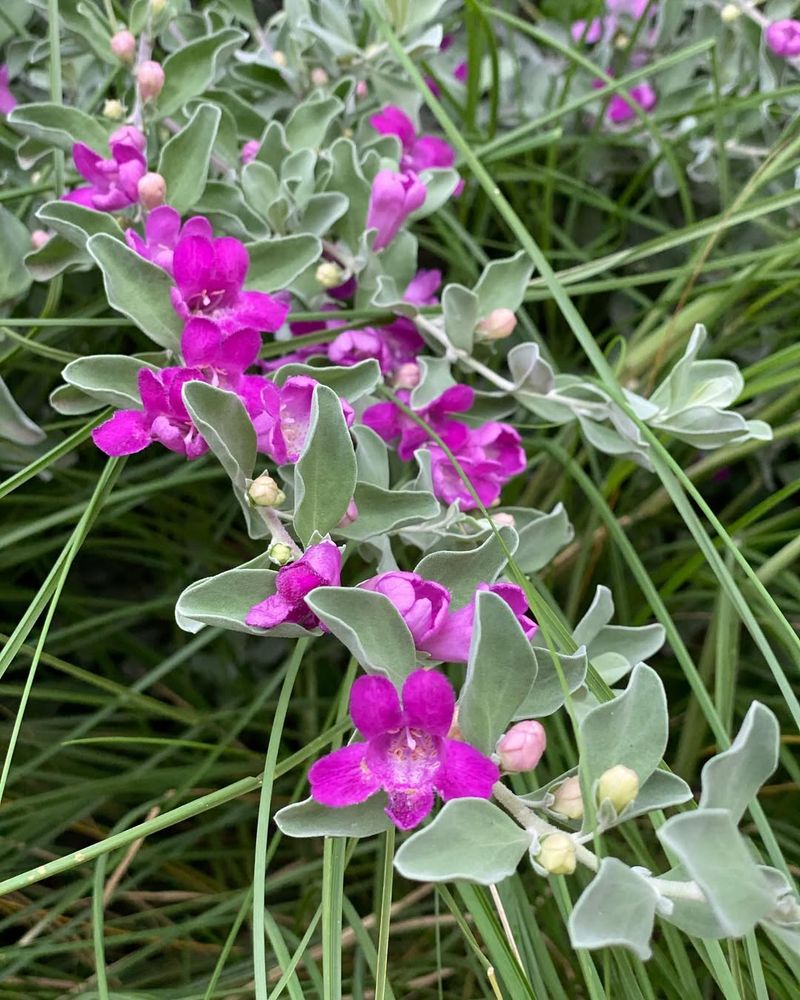
Silver-gray foliage creates a stunning backdrop in any Texas landscape, and Texas sage delivers this beauty while asking for almost nothing in return.
Native to the Chihuahuan Desert, this shrub has evolved to handle the toughest conditions our state can throw at it, from blistering heat to extended dry spells.
When summer rains arrive, the plant bursts into clouds of tubular purple, pink, or white flowers that seem to appear overnight, earning it the nickname “barometer bush” among longtime gardeners.
Homeowners appreciate how Texas sage maintains its compact, rounded shape without constant pruning or fussing.
The silvery leaves provide year-round visual interest, creating soft contrast against darker green plants or the warm tones of brick and stone common in Texas architecture.
This shrub typically grows between three and five feet tall, making it perfect for foundation plantings or as a mid-height border along walkways.
Drought tolerance is where Texas sage truly shines, requiring supplemental watering only during the most extreme conditions once established. The plant thrives in full sun and well-drained soil, two conditions that describe most Texas yards perfectly.
Deer tend to leave it alone, and it rarely suffers from pest or disease problems, making it an exceptionally low-maintenance choice for busy homeowners who want beauty without the weekend workload.
2. Boxwood (Heat-Tolerant Varieties)
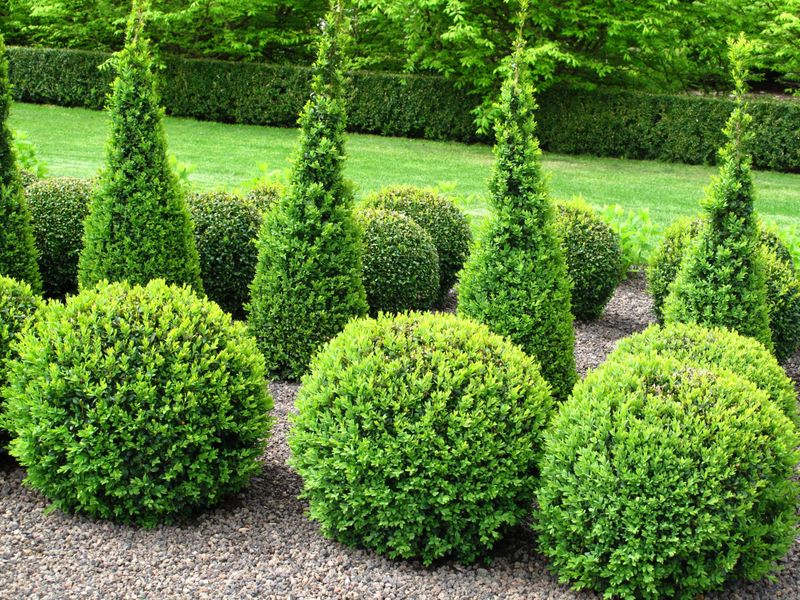
Clean architectural lines define modern curb appeal, and heat-tolerant boxwood varieties deliver this crisp elegance better than almost any other shrub.
Unlike their cool-climate cousins that struggle in Texas heat, cultivars like ‘Winter Gem’ and ‘Green Beauty’ have been selected specifically for their ability to maintain dense, evergreen foliage even when temperatures soar.
Their small, rounded leaves create a fine texture that contrasts beautifully with larger-leafed perennials and the bold forms of ornamental grasses.
Foundation plantings benefit enormously from boxwood’s formal appearance and predictable growth habit.
These shrubs respond exceptionally well to shaping, allowing homeowners to create geometric forms, low hedges, or neatly rounded specimens that frame entryways and windows with timeless style.
The evergreen nature means your home maintains its polished look throughout every season, even during winter months when many other plants look tired or bare.
Proper placement makes all the difference with boxwood in Texas gardens. Morning sun with afternoon shade provides ideal conditions, protecting the foliage from the most intense heat while still providing enough light for healthy growth.
Well-drained soil amended with organic matter helps these shrubs establish strong root systems.
Regular but moderate watering during the growing season, combined with a layer of mulch to keep roots cool, ensures boxwoods remain lush and vibrant year after year.
3. Indian Hawthorn
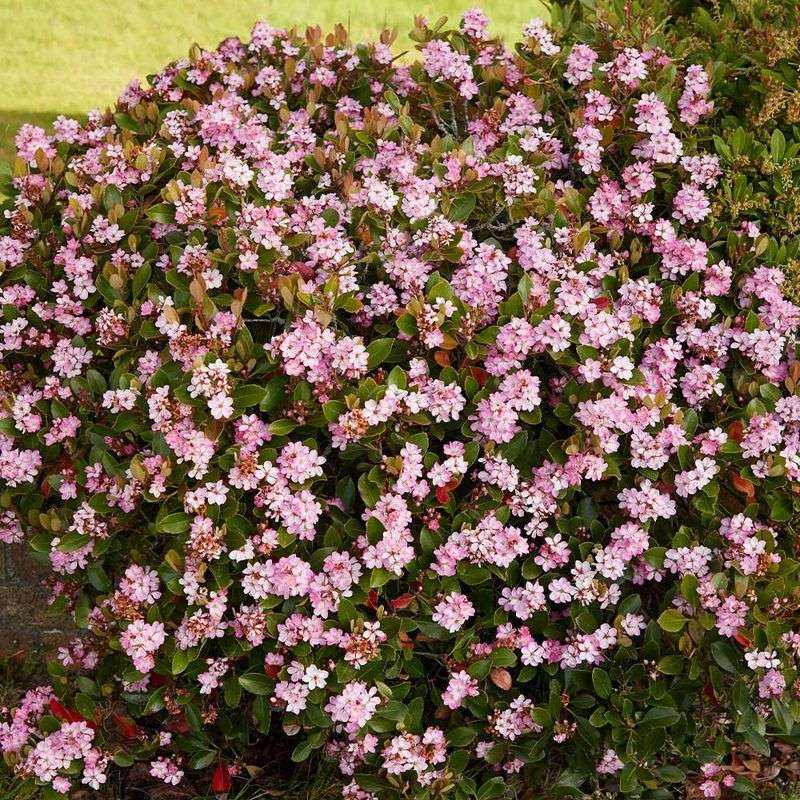
Compact growth habits combined with spectacular spring flower displays make Indian hawthorn a favorite among Texas landscapers and homeowners alike.
This evergreen shrub stays relatively small, usually topping out around three to four feet tall and wide, making it ideal for spaces where larger shrubs would overwhelm the architecture.
The dark green, leathery leaves provide year-round structure and create a handsome backdrop for the clusters of pink or white flowers that appear in early spring.
Spring blooming transforms Indian hawthorn into a show-stopping focal point that announces the arrival of warmer weather.
The flowers emerge in dense clusters at the branch tips, creating a frothy appearance that lasts for several weeks.
After the blooms fade, small blue-black berries develop that attract songbirds to your yard, adding another layer of interest and activity to your landscape throughout summer and fall.
Front yard plantings benefit from Indian hawthorn’s tidy growth pattern and minimal maintenance requirements.
The shrub tolerates Texas heat remarkably well and adapts to various soil types, though it performs best with regular watering during establishment and occasional deep soaking during extended dry periods.
Placing these shrubs along walkways or as corner accents near your home’s entrance creates welcoming softness while maintaining a neat, intentional appearance that elevates overall curb appeal without demanding hours of weekly care.
4. Knock Out Roses
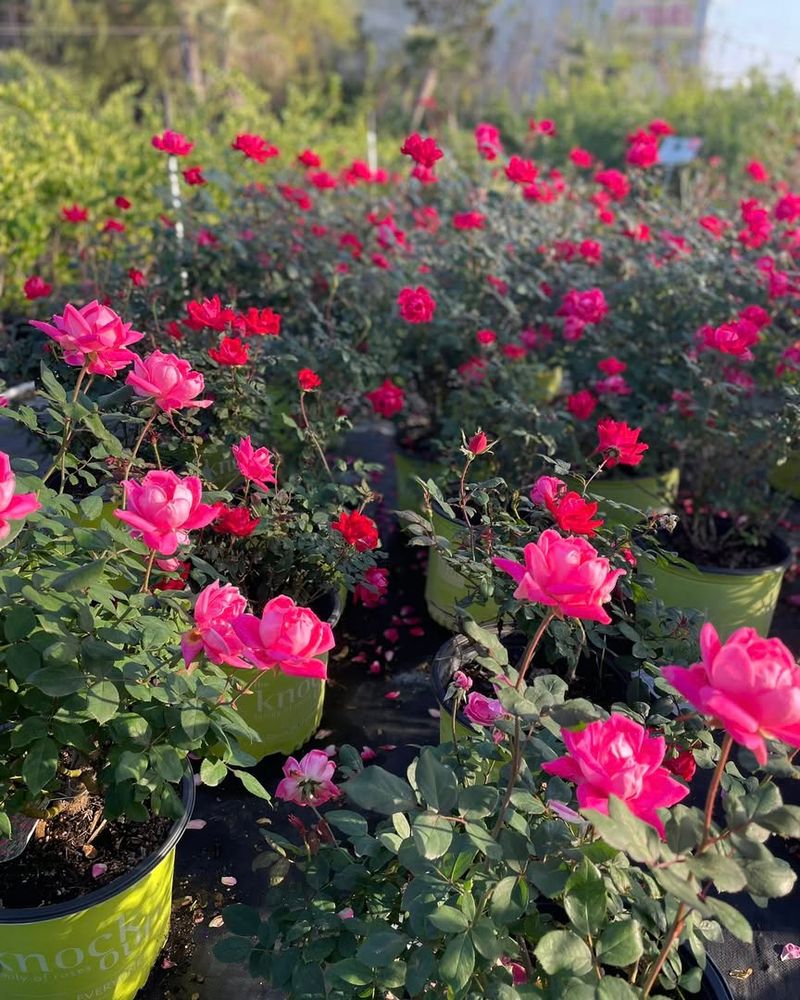
Continuous color from spring through fall seems almost too good to be true, but Knock Out roses deliver exactly that performance in Texas gardens.
Developed specifically for disease resistance and easy care, these shrub roses have revolutionized how homeowners think about growing roses in challenging climates.
Unlike traditional hybrid teas that demand constant attention, Knock Out varieties bloom reliably without spraying, deadheading, or complicated pruning schedules.
Warm Texas climates provide an extended growing season that Knock Out roses exploit beautifully, producing wave after wave of flowers in shades of red, pink, coral, yellow, or white.
The blooms appear in clusters rather than single stems, creating bold splashes of color that remain visible from the street.
Between bloom cycles, the shrubs maintain attractive foliage that stays relatively clean and healthy throughout the season, something traditional roses often fail to achieve in our intense summer conditions.
Low maintenance requirements make these roses accessible even for gardeners who have never grown roses before. The shrubs tolerate heat, humidity, and less-than-perfect soil conditions while still performing admirably.
A simple annual pruning in late winter, regular watering during dry spells, and occasional fertilizing constitute the entire care routine.
Planting Knock Out roses in groupings of three or five creates dramatic impact along fence lines, at property corners, or flanking your driveway entrance, instantly elevating your home’s curb appeal with classic rose beauty minus the traditional hassle.
5. Dwarf Yaupon Holly
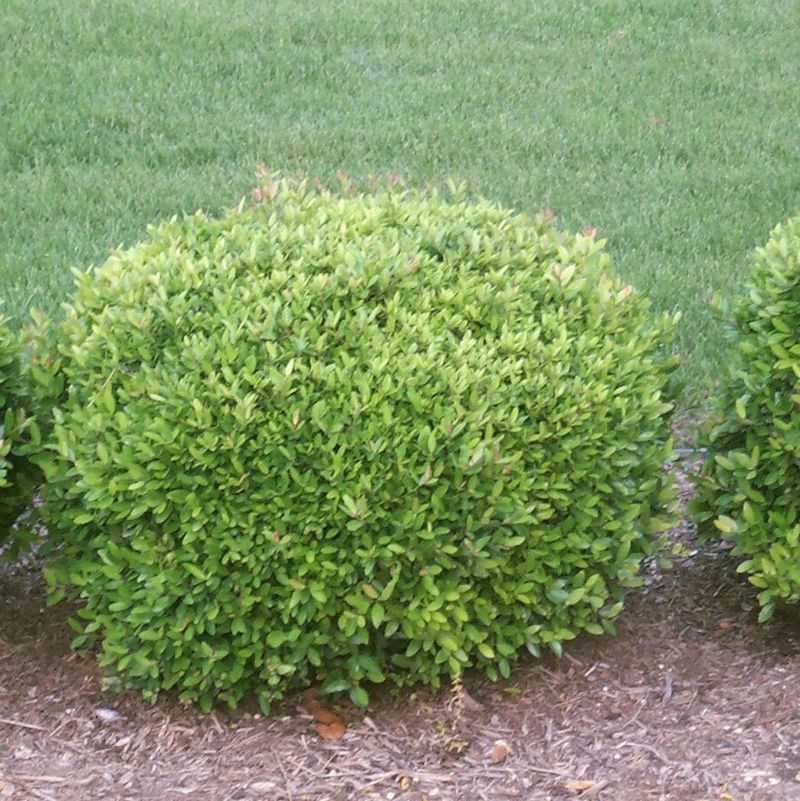
Native Texas plants often outperform imported species, and dwarf yaupon holly proves this principle beautifully.
This evergreen shrub adapts to virtually any growing condition the state offers, from sandy coastal soils to heavy clay, from full sun to partial shade, and from regular irrigation to extended drought.
The small, fine-textured leaves create a dense, tidy appearance that works equally well as individual specimens or sheared into formal hedges.
Evergreen appeal means your landscape maintains its structure and color throughout every season, providing reliable visual interest even during the coldest winter months.
The naturally compact growth habit of dwarf varieties eliminates the need for constant pruning to keep plants in bounds.
Small red berries appear on female plants in fall and winter, adding seasonal color while providing food for birds that brighten your yard with movement and song.
Neat hedging potential makes dwarf yaupon holly particularly valuable for defining spaces, creating property borders, or establishing privacy screens that remain attractive year-round.
The shrubs respond well to shearing, allowing you to maintain precise shapes and heights that complement your home’s architectural style.
Once established, these hollies require minimal supplemental watering and rarely suffer from serious pest or disease issues.
Their versatility, combined with their native status and bulletproof reliability, makes dwarf yaupon holly an intelligent choice for Texas homeowners seeking long-term curb appeal with minimal ongoing investment of time and resources.
6. Abelia
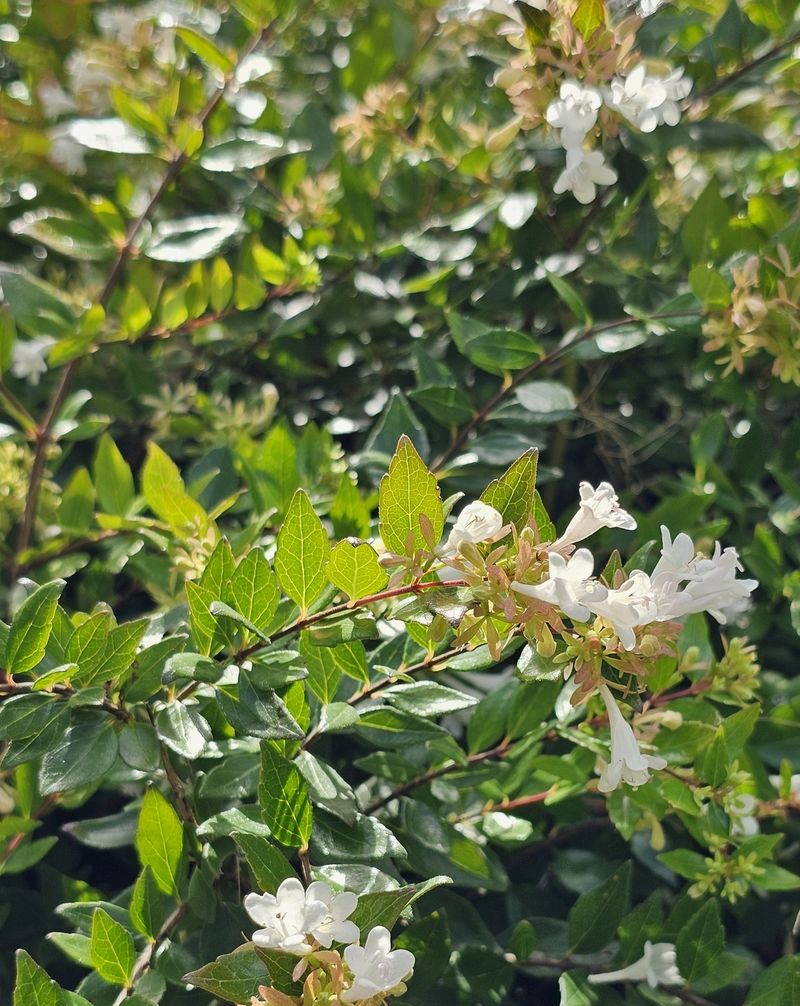
Long-season blooms extending from late spring through fall give abelia an advantage over shrubs that flower briefly and then fade into the background.
The small, tubular flowers in shades of white, pink, or lavender attract butterflies and hummingbirds throughout the growing season, adding motion and life to your front yard.
Even more impressive, the glossy foliage provides year-round interest, with some varieties developing bronze or burgundy tones during cooler months that add unexpected seasonal color.
Minimal pruning requirements appeal to homeowners who want beautiful results without spending every weekend with shears in hand.
Abelia naturally forms a graceful, arching mound that softens hard landscape edges and architectural lines.
The shrub typically reaches three to six feet tall depending on variety, with a slightly wider spread that creates a flowing, informal appearance.
This growth habit makes abelia perfect for planting at property corners, along fence lines, or anywhere you want to add soft, romantic texture to your landscape. Glossy foliage catches light beautifully, creating visual interest even when the shrub isn’t in bloom.
The leaves emerge green in spring and maintain their shine throughout summer heat that dulls many other plants.
Abelia tolerates Texas conditions admirably once established, handling heat, humidity, and moderate drought without complaint.
The shrub performs best with regular watering during extreme heat and benefits from a layer of mulch to moderate soil temperature and retain moisture, but overall care requirements remain refreshingly simple for such a long-performing, attractive plant.
7. Loropetalum (Chinese Fringe Flower)
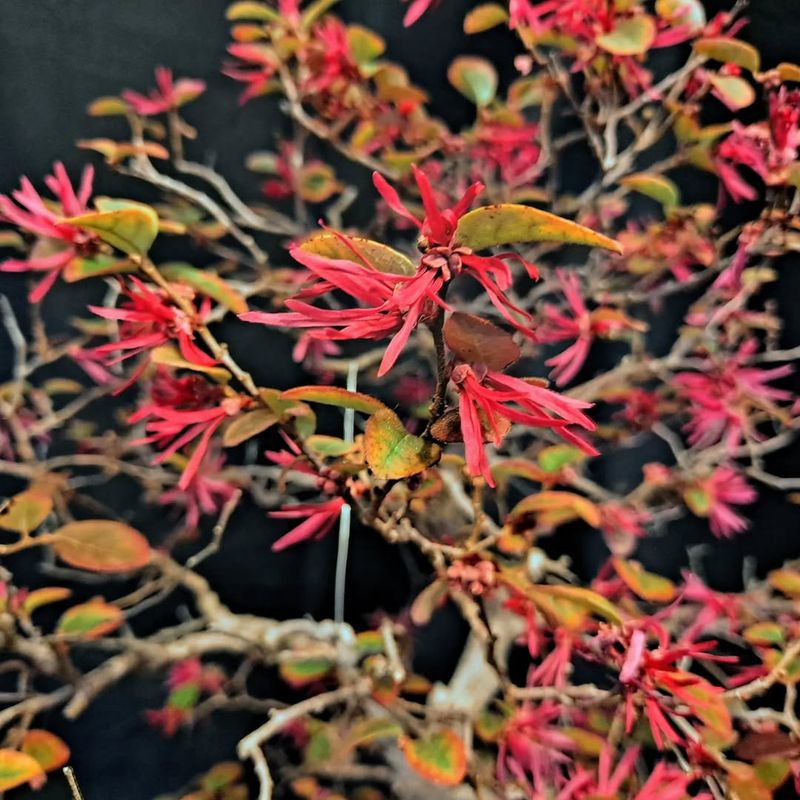
Purple foliage creates instant drama in landscapes dominated by green, and loropetalum delivers this bold color with exceptional reliability in Texas gardens.
The burgundy or plum-colored leaves provide constant visual interest throughout the growing season, creating striking contrast when planted near lighter-colored shrubs, silvery ornamental grasses, or against pale stone or stucco walls.
This color intensity doesn’t fade or wash out even during the hottest summer months, maintaining its impact from spring through fall.
Pink blooms appear in spring as delicate, fringe-like flowers that seem to float above the colored foliage like clouds of cotton candy.
The unusual flower form adds textural interest and softness to the landscape, while the bright pink hue complements rather than clashes with the purple leaves.
Many varieties produce scattered repeat blooms throughout summer and fall, extending the flowering interest well beyond the initial spring display.
Visual interest multiplication happens when you combine loropetalum’s purple foliage with its pink flowers, creating a color combination that instantly elevates curb appeal and catches attention from the street.
The shrub grows relatively quickly, filling in spaces faster than many alternatives while maintaining a naturally rounded form that requires minimal shaping.
Loropetalum adapts well to Texas heat and humidity, tolerating both full sun and partial shade positions.
Regular watering during establishment and occasional deep soaking during extended dry periods keeps the foliage vibrant and promotes healthy growth, but overall maintenance remains manageable even for busy homeowners.
8. Gardenia (Heat-Adapted Varieties)
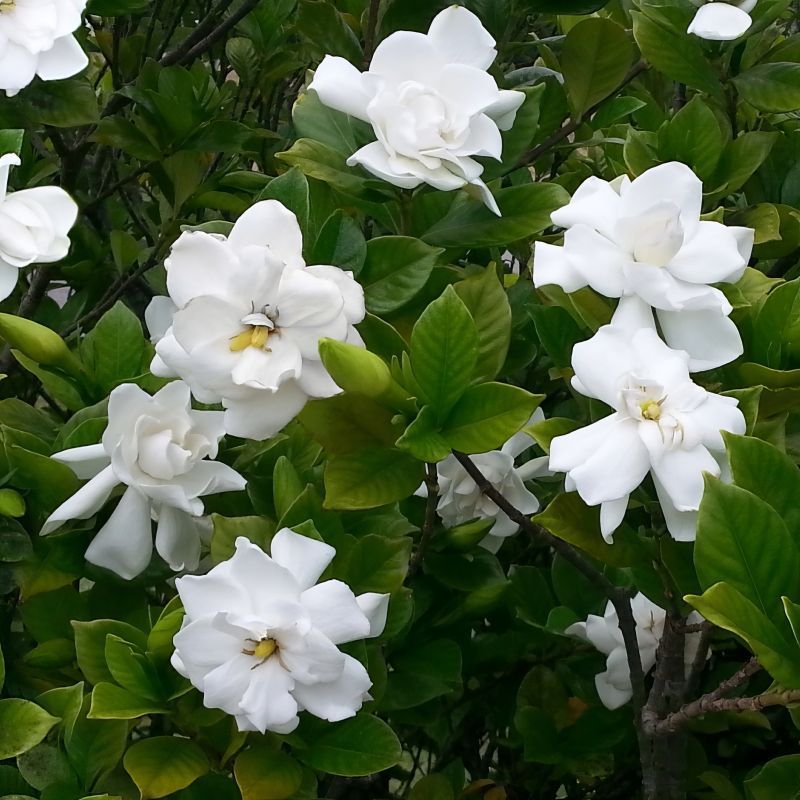
Fragrant flowers rank among the most memorable features any plant can offer, and heat-adapted gardenia varieties bring this sensory delight to Texas front yards.
The creamy white blooms release an intoxicating perfume that drifts across your property and greets visitors before they even reach your front door.
Modern cultivars like ‘Jubilation’ and ‘Heaven Scent’ have been bred specifically to tolerate warmer climates while maintaining the classic gardenia fragrance and flower form that gardeners have treasured for generations.
Evergreen leaves provide year-round structure and a glossy, deep green backdrop that makes the white flowers appear even more luminous when they emerge.
The foliage remains attractive throughout all seasons, maintaining its rich color and shine even during winter months when many other shrubs look tired or faded.
This evergreen quality means gardenias continue contributing to your home’s curb appeal long after the flowers have finished their seasonal display.
Front yard aesthetics receive an immediate upgrade when you incorporate gardenias near entryways, beneath windows, or along walkways where their fragrance can be appreciated up close.
These shrubs perform best with morning sun and afternoon shade in Texas gardens, protecting the foliage from scorching while providing enough light for abundant flowering.
Consistent moisture, acidic soil amended with organic matter, and a layer of mulch to keep roots cool create ideal growing conditions.
While gardenias require slightly more attention than some alternatives, the combination of stunning flowers, incredible fragrance, and glossy evergreen foliage makes them worth the extra effort for homeowners seeking truly elevated curb appeal.
9. Vitex (Chaste Shrub)
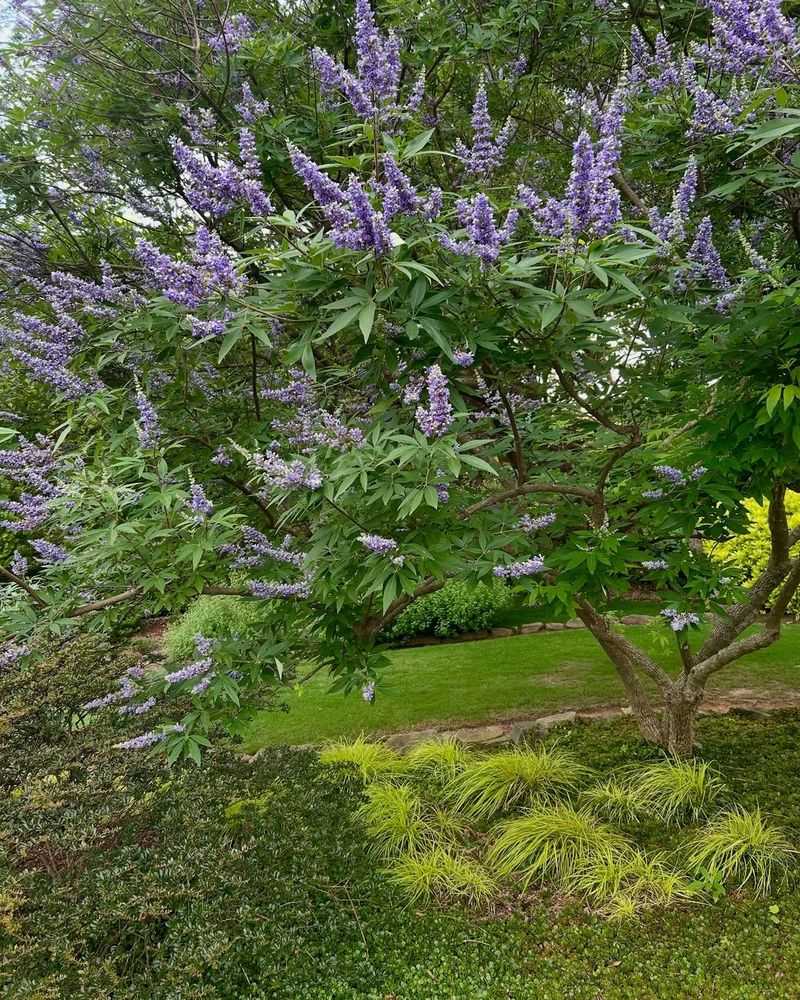
Tall flowering spikes reaching skyward create architectural interest that few other shrubs can match, and vitex delivers this vertical drama with remarkable heat tolerance.
The lavender-blue flower spikes appear throughout summer, providing color during the season when many other flowering shrubs have finished their show.
Each spike can reach six to twelve inches long, creating a spectacular display that attracts butterflies and beneficial insects while adding height and structure to your landscape design.
Texas heat handling comes naturally to vitex, a Mediterranean native accustomed to hot, dry summers and lean soil conditions.
Once established, this shrub requires minimal supplemental watering even during extended drought periods, making it an excellent choice for water-conscious homeowners.
The plant’s deep root system allows it to access moisture unavailable to shallow-rooted species, contributing to its exceptional resilience during challenging summer conditions.
Multi-stemmed growth creates an open, airy appearance rather than a dense, solid mass, allowing light and air to filter through the canopy.
The gray-green foliage has an aromatic quality when brushed against, adding another sensory dimension to your landscape.
Vitex can be maintained as a large shrub through annual pruning or allowed to grow into a small tree form, giving you flexibility as your landscape matures.
The combination of summer-long flowering, heat and drought tolerance, and attractive form makes vitex particularly valuable for Texas homeowners seeking substantial impact with minimal maintenance requirements, especially in larger landscape areas where its size can be fully appreciated.
10. Oleander
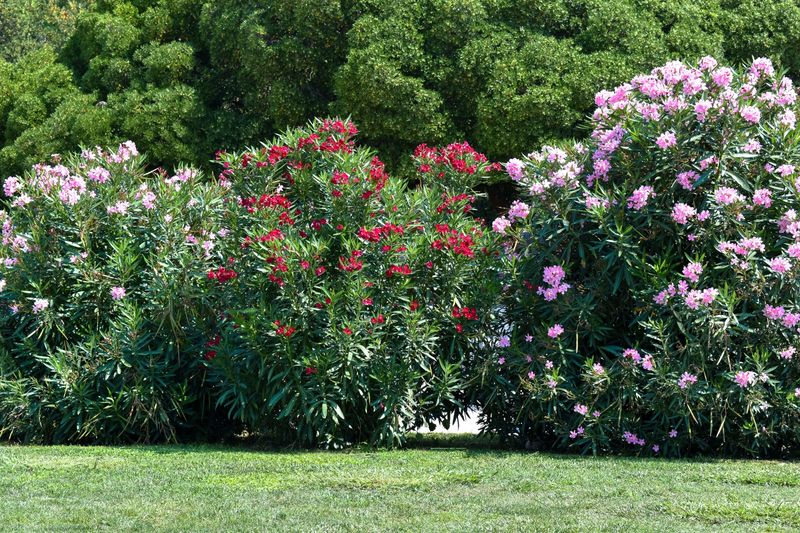
Privacy screens that also provide beautiful flowers solve two landscape challenges with a single plant, and oleander excels at both functions in Texas gardens.
The evergreen foliage grows densely enough to block unwanted views and create visual separation between properties, while the abundant flowers in shades of pink, white, red, or salmon add color throughout the warm season.
This dual-purpose nature makes oleander particularly valuable in urban and suburban settings where homes sit close together and privacy becomes a premium commodity.
Flowering hedges transform ordinary property boundaries into landscape features that enhance rather than merely define your space.
Oleander blooms reliably from late spring through fall, producing clusters of flowers at branch tips that create continuous color for months.
The shrub maintains an upright, somewhat columnar growth habit that naturally lends itself to hedge formation, requiring less shaping and maintenance than shrubs with sprawling or irregular growth patterns.
Hot regions pose challenges that eliminate many flowering shrubs from consideration, but oleander thrives in conditions that stress or eliminate less adapted species.
The plant tolerates extreme heat, intense sun, wind, salt spray, and poor soil without complaint, making it suitable for challenging locations where other shrubs struggle.
Once established, oleander requires minimal watering and rarely suffers from serious pest or disease problems.
The combination of reliable flowering, evergreen privacy, and exceptional heat tolerance makes oleander a practical choice for Texas homeowners seeking both beauty and function, particularly along property lines or as background plantings that provide structure throughout the year.
11. Crape Myrtle (Shrub Form)
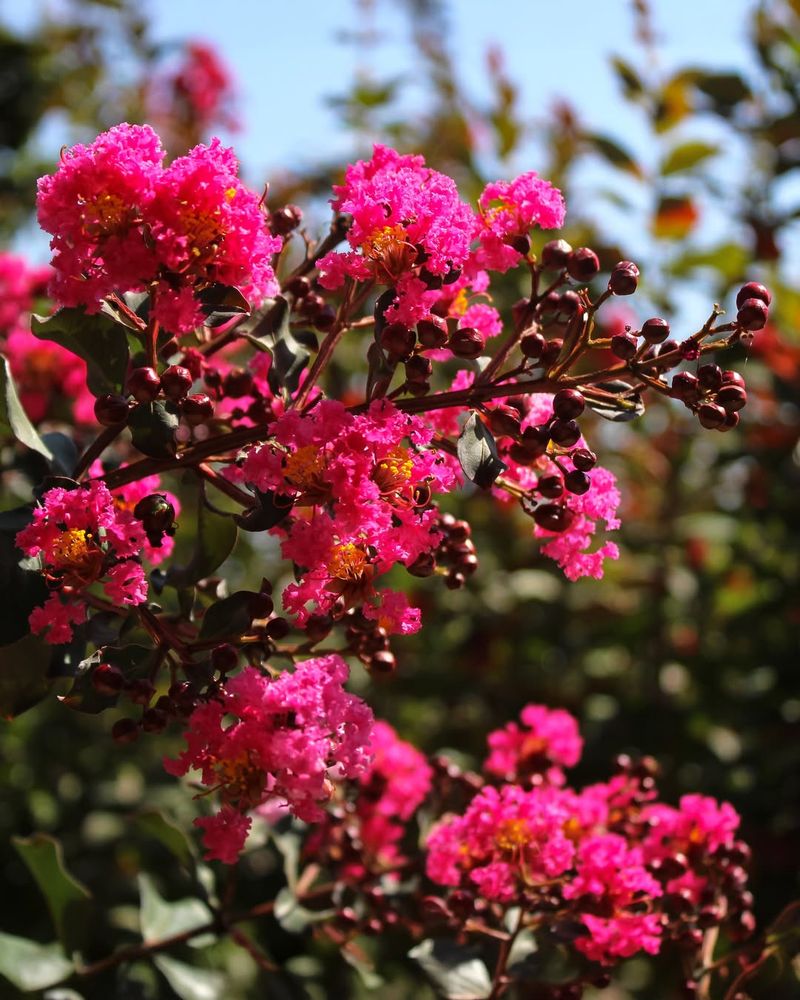
Multi-stem growth patterns create interesting architectural forms that add dimension to landscape designs, and shrub-form crape myrtles provide this structure along with spectacular summer flowering.
Unlike the tree varieties that grow tall and single-trunked, shrub forms maintain multiple stems emerging from the base, creating a fuller, bushier appearance that works beautifully in foundation plantings, as hedge materials, or as specimen accents.
The smooth, exfoliating bark adds winter interest, revealing mottled patterns of cream, gray, and cinnamon tones after leaves drop.
Flowering shrubs that bloom during Texas summers deserve special appreciation, and crape myrtles deliver massive flower clusters in shades of white, pink, red, purple, or lavender when many other plants look exhausted from heat.
The blooms appear in large, cone-shaped panicles that cover the plant for weeks, creating bold color impact visible from considerable distances.
After flowers fade, attractive seed heads extend the visual interest into fall, and the foliage often develops yellow, orange, or red tones before dropping in winter.
Summer curb appeal receives a significant boost when you incorporate shrub-form crape myrtles into your landscape design.
These versatile plants adapt to various soil types, tolerate heat and drought once established, and resist most pests and diseases when proper varieties are selected.
Newer cultivars bred specifically for disease resistance and compact growth make maintenance simpler than older varieties that required constant attention.
Planting crape myrtles in groupings or using them to flank entryways creates dramatic seasonal impact while maintaining an attractive year-round presence through interesting bark and branching structure.
12. Dwarf Podocarpus
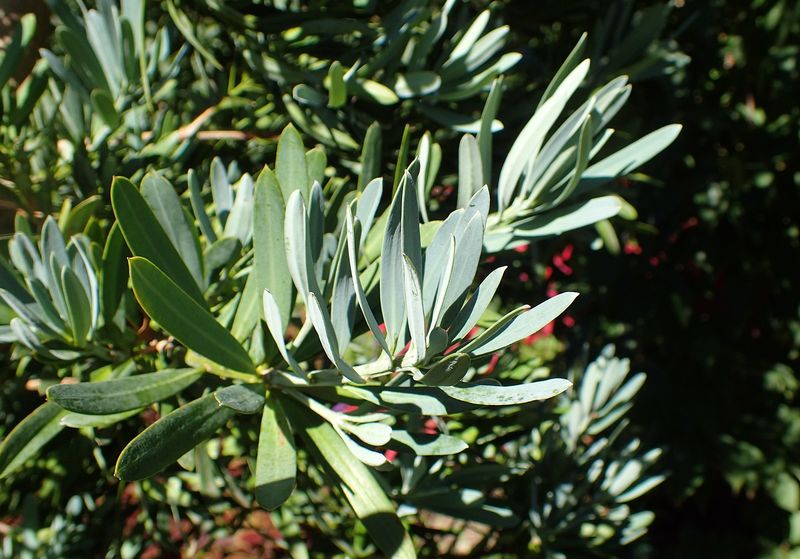
Clean modern lines define contemporary landscape design, and dwarf podocarpus delivers this sleek aesthetic with soft, evergreen foliage that never looks harsh or artificial.
The narrow, needle-like leaves grow densely along upright stems, creating a fine texture that contrasts beautifully with broader-leafed plants and architectural materials.
Unlike many needle-leafed evergreens that turn brown or struggle in Texas heat, podocarpus maintains its rich green color throughout the year, providing reliable visual consistency regardless of season or weather conditions.
Evergreen structure means your landscape maintains its bones and framework even during winter months when deciduous plants stand bare.
Dwarf podocarpus grows in a naturally columnar or pyramidal form, reaching heights of four to six feet while remaining relatively narrow, making it perfect for tight spaces, flanking entryways, or creating vertical accents in mixed borders.
The predictable growth habit eliminates surprises and makes spacing and design planning straightforward, allowing you to create the precise effect you envision.
Modern landscaping increasingly favors clean, architectural plant forms over fussy, heavily pruned shapes, and podocarpus fits this aesthetic perfectly.
The shrub requires minimal shaping to maintain its naturally elegant form, though it responds well to light pruning if you want to control size or create more formal shapes.
Podocarpus adapts to various light conditions from full sun to partial shade, though afternoon shade in Texas gardens helps prevent any potential foliage burn during extreme heat.
Regular watering during establishment and occasional deep soaking during extended dry periods keeps plants healthy and vibrant, making podocarpus an excellent choice for homeowners seeking contemporary curb appeal with manageable maintenance requirements.
13. Firebush (Hamelia patens)
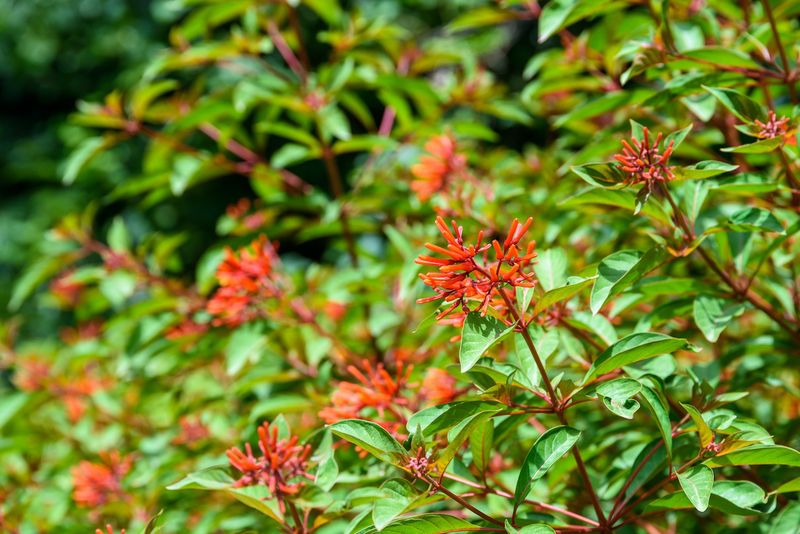
Bold red-orange color stops traffic and turns ordinary landscapes into memorable displays, and firebush delivers this vibrant impact throughout the entire growing season.
The tubular flowers emerge in clusters at branch tips, creating brilliant splashes of warm color that seem to glow in the Texas sunlight.
Unlike many flowering shrubs that bloom briefly and then fade into green backgrounds, firebush produces flowers continuously from late spring through fall, providing months of eye-catching color that significantly boosts curb appeal.
Hummingbird attraction adds movement and life to your front yard, transforming it from a static display into a dynamic space filled with activity and interest.
These tiny, jewel-like birds visit firebush flowers constantly throughout the day, hovering and darting as they feed on nectar.
Watching hummingbirds from your window or while working in the yard provides unexpected entertainment and connection to nature.
Butterflies also visit regularly, adding another layer of activity and beauty to your landscape.
Native to Texas and other warm regions, firebush handles heat, humidity, and challenging soil conditions with remarkable ease once established. The shrub grows quickly, filling in spaces and creating impact faster than many alternatives.
Foliage often develops reddish tones that complement the orange-red flowers, creating a cohesive color scheme.
Firebush performs best in full sun to partial shade and benefits from regular watering during extreme heat, though established plants tolerate moderate drought.
In warmer parts of Texas, the shrub remains evergreen, while in cooler areas it may act as a perennial, returning from roots each spring to provide another season of spectacular color and wildlife attraction.
14. Esperanza (Yellow Bells)
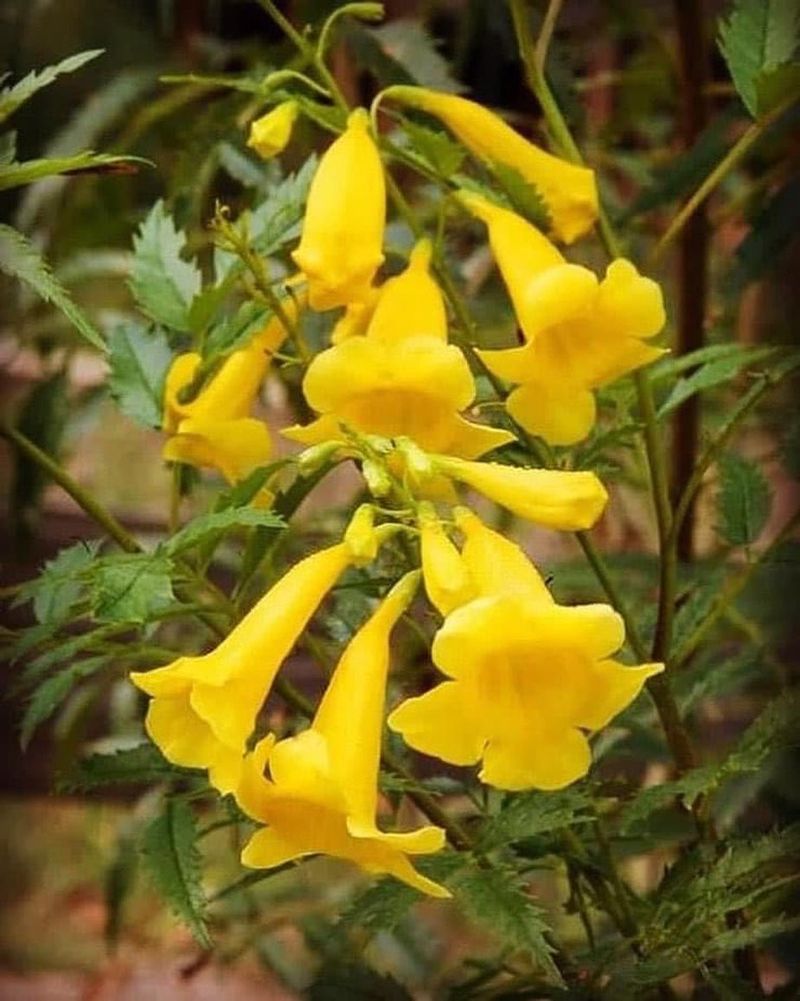
Tropical looks transport your front yard to exotic destinations, and esperanza achieves this effect while thriving in Texas conditions that challenge many truly tropical species.
The bright yellow, trumpet-shaped flowers cover the shrub from late spring through fall, creating a cheerful, sun-drenched appearance that brightens even the hottest days.
The blooms attract hummingbirds and butterflies, adding movement and life that enhances the tropical atmosphere.
Glossy green foliage provides an attractive backdrop that makes the yellow flowers appear even more luminous. Fast growth means you won’t wait years to achieve the landscape impact you desire.
Esperanza fills in quickly, establishing substantial presence within a single growing season when provided with adequate water and nutrients.
This rapid growth makes the shrub particularly valuable for new landscapes or areas where you need to create screening, fill empty spaces, or establish focal points without extended waiting periods.
The plant typically reaches six to eight feet tall in Texas gardens, creating substantial presence without overwhelming smaller properties.
Drought tolerance becomes increasingly important as water conservation concerns grow, and esperanza delivers beautiful results while requiring less irrigation than many flowering alternatives once established.
The plant handles full sun and heat without stress, actually performing best in the brightest, hottest locations that cause other shrubs to struggle.
Esperanza acts as a perennial in cooler parts of Texas, returning from roots each spring, while in warmer regions it remains evergreen or semi-evergreen throughout winter.
The combination of vibrant color, rapid growth, heat tolerance, and tropical appeal makes esperanza an excellent choice for Texas homeowners seeking dramatic curb appeal with manageable water requirements.
15. Glossy Abelia Or Wax Myrtle
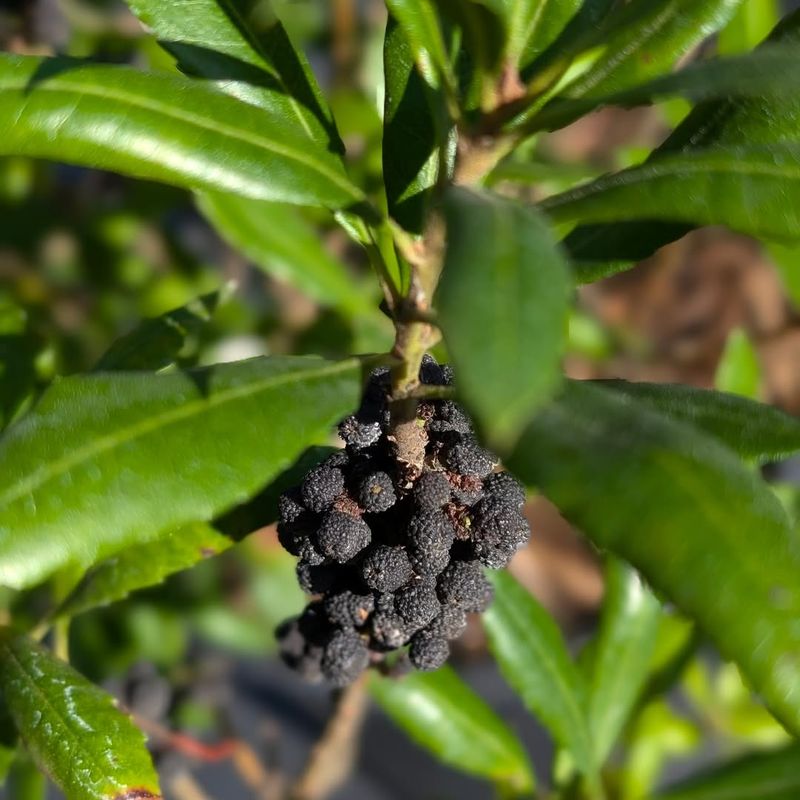
Evergreen texture provides year-round foundation that keeps your landscape looking intentional and designed rather than bare and neglected during winter months.
Both glossy abelia and wax myrtle deliver this essential quality while adapting beautifully to Texas growing conditions.
Glossy abelia features small, shiny leaves that catch light attractively and produce small tubular flowers that attract pollinators throughout summer.
Wax myrtle offers aromatic foliage with a fine texture and naturally upright growth habit that creates excellent screening without appearing heavy or oppressive.
Natural screening becomes increasingly valuable as properties develop and privacy diminishes, and both of these shrubs excel at creating visual barriers without requiring constant maintenance.
Wax myrtle grows relatively quickly, establishing effective screens within a few seasons, while glossy abelia provides softer, lower screening that defines spaces without completely blocking views.
Both shrubs maintain their foliage throughout the year, ensuring your privacy and landscape structure remain consistent regardless of season.
Versatility in the landscape allows these shrubs to serve multiple functions depending on your specific needs and design goals.
Plant them as foundation shrubs near your home, use them to create property borders, incorporate them into mixed borders for texture and structure, or mass them for larger screening projects.
Both species tolerate a range of soil types, adapt to various light conditions from full sun to partial shade, and handle Texas heat admirably once established.
Their reliable performance, evergreen nature, and functional versatility make glossy abelia and wax myrtle smart choices for Texas homeowners seeking plants that work as hard as they look good, providing both aesthetic appeal and practical benefits throughout the year.