Top 15 Shrubs That Instantly Boost Curb Appeal In New York Neighborhoods
A well-chosen shrub can transform any New York yard from ordinary to eye-catching. The right shrubs provide structure, color, and texture, instantly enhancing curb appeal and giving your home a polished, welcoming look.
Whether lining pathways, framing entryways, or creating privacy, shrubs are a quick and effective way to elevate your landscape. One shrub can make your home look like a showstopper!
These fifteen shrubs thrive in New York’s climate, offering low-maintenance beauty, seasonal interest, and long-lasting charm.
From flowering varieties that provide bursts of color to evergreens that maintain year-round structure, these plants are favorites for homeowners seeking instant visual impact.
Proper placement and care ensure they stay healthy and attractive for years to come. With the right choices, your yard can become the envy of the neighborhood.
For New Yorkers looking to impress, these shrubs are a simple way to boost style, value, and enjoyment. Instant curb appeal starts with smart shrub selection!
1. Boxwood (Buxus)
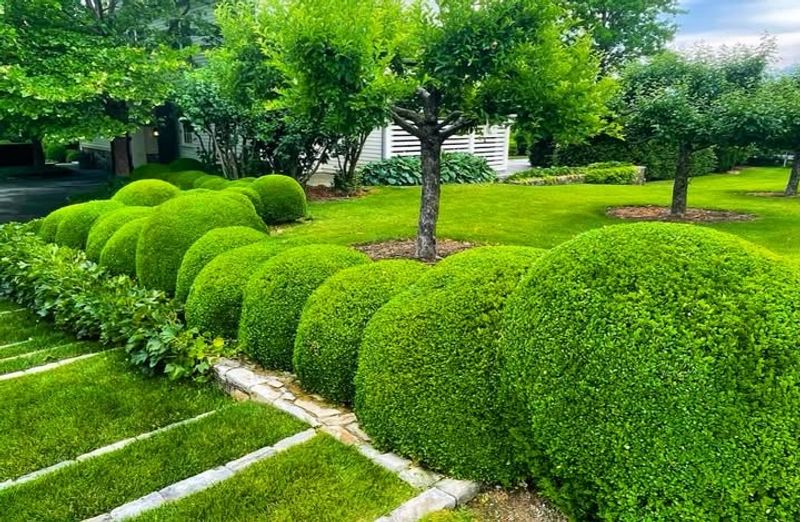
Boxwoods bring timeless elegance to any New York front yard with their dense, evergreen foliage that stays vibrant through every season.
These versatile shrubs create crisp, architectural lines along walkways, foundations, and entryways, giving your home a polished, sophisticated appearance that never goes out of style.
Their compact growth habit and tolerance for regular pruning make them perfect for formal hedges or geometric shapes that add structure to your landscape design.
One of the biggest advantages of boxwoods is their ability to thrive in partial shade, making them ideal for homes with mature trees or north-facing exposures common throughout New York neighborhoods.
They handle urban pollution remarkably well, which is essential for city and suburban properties alike.
During winter months when most plants look bare and dreary, boxwoods maintain their lush green color, ensuring your home looks intentional and well-maintained year-round.
Planting boxwoods requires well-draining soil and consistent moisture during their first growing season to establish strong roots. Once established, they become quite drought-tolerant and require minimal care beyond occasional pruning to maintain their shape.
Many homeowners appreciate how boxwoods complement both traditional colonial architecture and modern contemporary designs, making them incredibly versatile for different neighborhood aesthetics.
Their slow to moderate growth rate means you won’t be constantly trimming them back, saving time and effort while still enjoying their classic beauty for decades to come.
2. Hydrangea (Bigleaf, Panicle, Or Smooth Types)
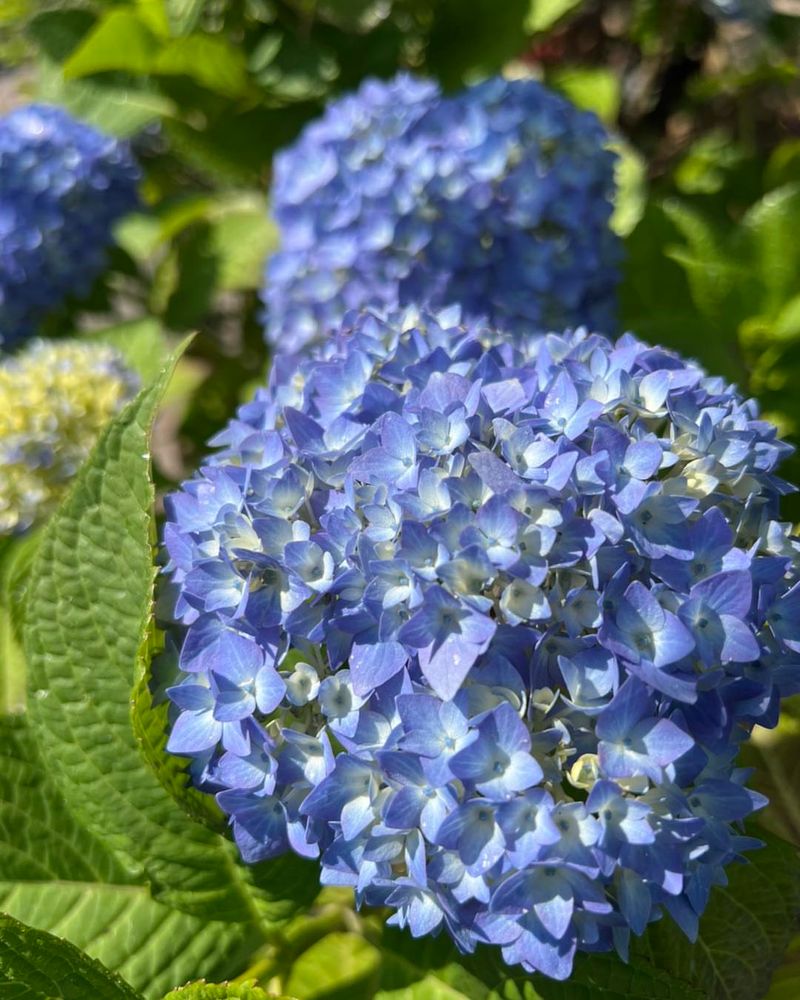
Few shrubs can match the dramatic impact of hydrangeas when their massive flower clusters burst into bloom during summer months across New York landscapes.
Bigleaf varieties offer those iconic mophead or lacecap blooms in shades of blue, pink, purple, and white, depending on your soil’s pH level, creating a stunning focal point near porches or mailboxes.
Panicle hydrangeas produce cone-shaped flower heads that start white and gradually shift to pink or burgundy as autumn approaches, extending their visual interest well into fall.
Smooth hydrangeas, like the popular ‘Annabelle’ variety, produce enormous white snowball blooms that can reach ten inches across, making a bold statement without overwhelming smaller yards.
All three types adapt remarkably well to New York’s climate zones, handling cold winters better than many gardeners expect.
They bloom on new wood or old wood depending on the variety, so choosing the right type for your pruning preferences and winter protection capabilities matters for consistent flowering.
Hydrangeas prefer morning sun with afternoon shade, which protects their blooms from scorching during July and August heat waves. Their substantial size and lush foliage create a cottage-garden feel that softens modern architecture or enhances traditional homes with equal charm.
Regular watering keeps their large leaves looking fresh and prevents wilting during dry spells, though established plants develop reasonable drought tolerance over time.
3. Dwarf Japanese Maple (Shrub Form)
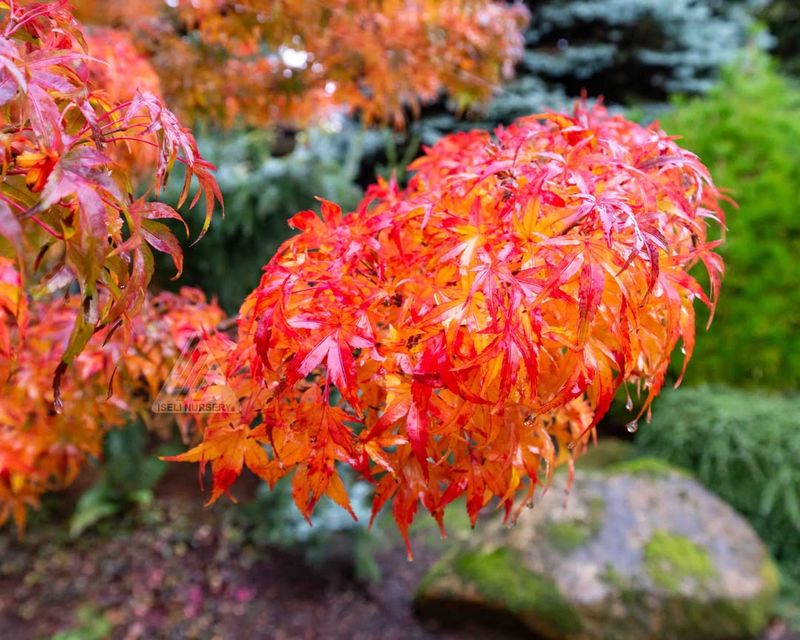
Compact Japanese maples grown in shrub form deliver an artistic elegance that transforms ordinary entryways into stunning focal points throughout all four seasons.
Their delicate, lacy foliage emerges in spring with brilliant reds, purples, or variegated patterns that immediately catch the eye from the street.
As summer arrives, the leaves settle into deeper burgundies or greens, providing a sophisticated backdrop for surrounding plants and architectural features.
Autumn brings the most spectacular show when Japanese maples explode into fiery reds, oranges, and golds that rival any fall foliage display in New York state.
Even after leaves drop, their graceful branching structure creates interesting silhouettes against winter snow and gray skies, proving their value extends far beyond a single season.
Dwarf varieties typically reach only four to eight feet tall, making them manageable for smaller urban yards and easier to position near foundations without blocking windows.
These refined shrubs prefer locations with morning sun and afternoon shade, protecting their delicate leaves from scorching summer heat while still providing enough light for vibrant color development.
Well-draining soil enriched with organic matter helps them establish quickly and thrive for generations, as Japanese maples can live for decades with proper care.
Their slow growth rate means you won’t need constant pruning, and their elegant presence elevates curb appeal instantly, making every visitor pause to admire their refined beauty before reaching your front entrance.
4. Azalea
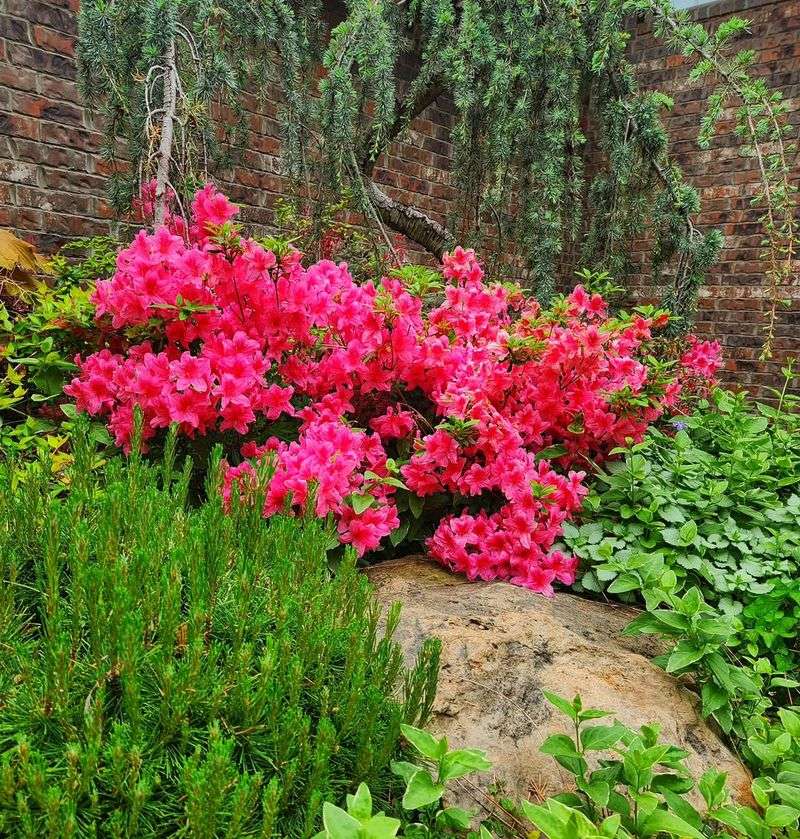
When azaleas burst into bloom each spring, they transform entire neighborhoods into vibrant displays of pink, red, white, coral, and purple that announce warmer weather has finally arrived.
Their abundant flowers completely cover the shrubs for several weeks, creating such dense color that you can barely see the foliage beneath, making them absolute showstoppers for front yard plantings.
This spectacular display happens right when homeowners and visitors are spending more time outdoors, maximizing their impact on curb appeal and neighborhood aesthetics.
Beyond their famous spring performance, azaleas maintain attractive evergreen or semi-evergreen foliage throughout the year in many varieties, providing structure and greenery even during winter months.
They adapt well to the acidic soils found throughout much of New York, though adding sulfur or peat moss can help if your soil leans alkaline.
Azaleas thrive in partial shade beneath larger trees or on the north and east sides of homes, making them perfect for spots where sun-loving plants struggle.
Their compact growth habit and rounded form create natural-looking groupings along foundations or walkways without requiring constant maintenance or shaping.
Established azaleas develop impressive drought tolerance, though they appreciate consistent moisture during their first year and during extended dry periods.
Many varieties prove surprisingly hardy in New York’s climate zones, returning reliably each spring to deliver that dramatic color boost that makes neighbors slow down to admire your landscape as they pass by on their daily walks.
5. Inkberry Holly (Ilex Glabra)
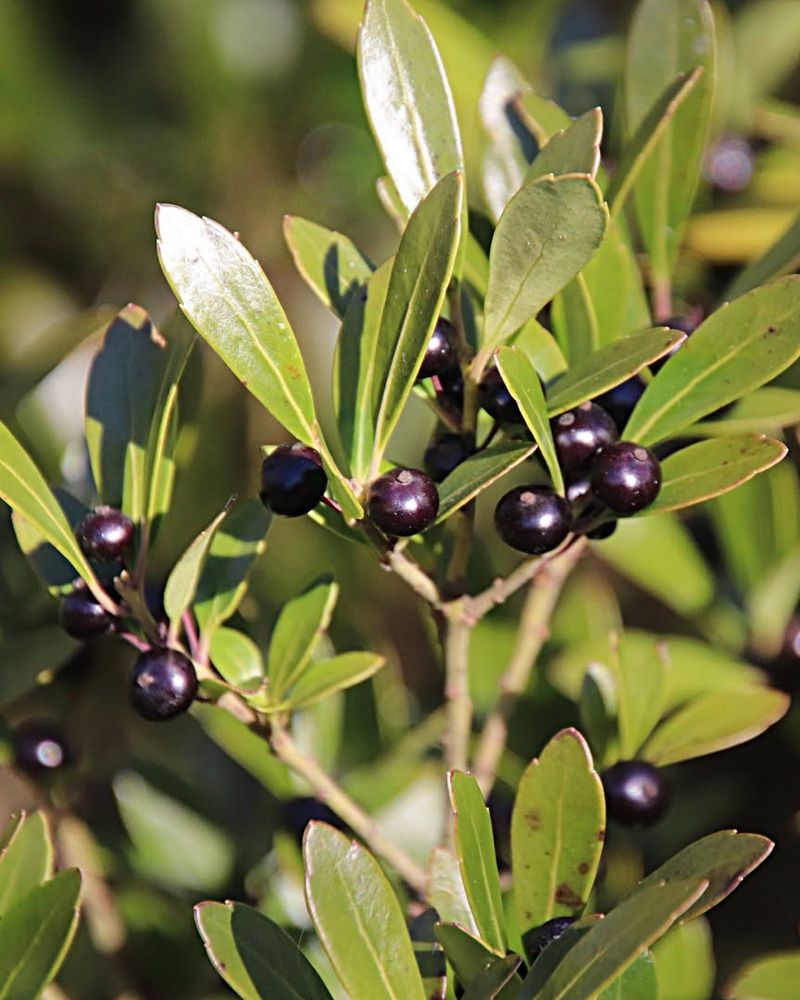
Inkberry holly stands out as a native evergreen shrub that delivers year-round polish without the fuss many ornamental plants demand from busy homeowners.
Its dense, dark green foliage maintains exceptional color through brutal New York winters, never showing the browning or winter burn that plagues many other broadleaf evergreens.
This reliability makes inkberry an excellent choice for foundation plantings where you need consistent beauty regardless of weather conditions or seasonal changes.
The naturally rounded form of inkberry holly creates soft, informal hedges that work beautifully along property lines or as backdrop plantings for more colorful flowering shrubs.
Female plants produce small black berries in fall that persist through winter, providing food for birds while adding subtle visual interest to the landscape.
Unlike many hollies, inkberry leaves lack sharp spines, making them safer for planting near walkways where children and pets frequently pass.
Inkberry tolerates a wide range of soil conditions, from sandy to clay, and handles both full sun and partial shade with equal success, giving you flexibility in placement throughout your property.
It adapts well to urban environments, resisting pollution and salt spray from winter road treatments that damage more sensitive species.
Regular pruning keeps inkberry compact and tidy, though it also looks attractive when allowed to grow naturally into its mature form.
This native shrub supports local ecosystems while delivering the refined appearance that instantly boosts curb appeal in any New York neighborhood setting.
6. Pieris Japonica (Andromeda)
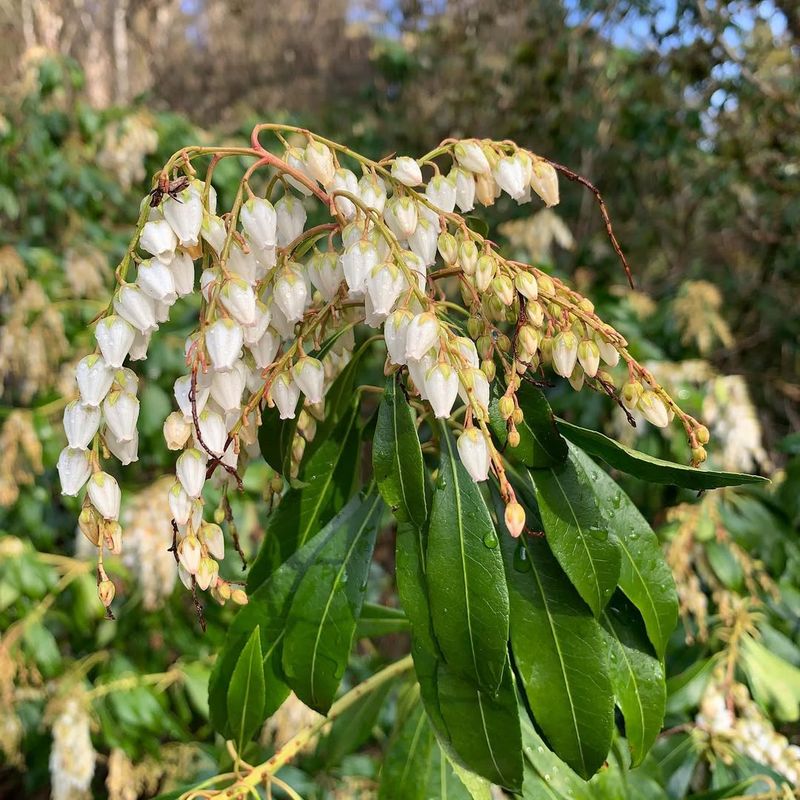
Pieris japonica captivates homeowners with its elegant combination of glossy evergreen foliage, cascading spring flowers, and colorful new growth that emerges in shades of bronze, red, or pink.
The drooping clusters of white or pink bell-shaped flowers appear in early spring, often before many other shrubs have awakened from winter dormancy, providing an early-season curb appeal boost.
These delicate blooms resemble tiny lily-of-the-valley flowers and emit a subtle fragrance that welcomes visitors as they approach your entrance.
One of the most distinctive features of pieris is its vibrant new growth that unfolds in spring, creating a stunning two-tone effect when bright red or copper-colored leaves contrast against the mature dark green foliage.
This colorful display extends the plant’s visual interest well beyond its flowering period, giving you weeks of eye-catching beauty.
The evergreen nature of pieris ensures your foundation plantings look intentional and polished throughout winter when deciduous shrubs stand bare.
Pieris thrives in partial shade with acidic, well-draining soil similar to rhododendrons and azaleas, making it an excellent companion for these popular shrubs in woodland-style landscapes.
It maintains a naturally tidy, rounded form that rarely requires heavy pruning, saving time while still looking refined and well-maintained.
Though pieris prefers protection from harsh winter winds and afternoon summer sun, it proves remarkably resilient once established in appropriate conditions.
Its refined appearance and multi-season interest make it a sophisticated choice for elevating curb appeal in discerning New York neighborhoods.
7. Spirea
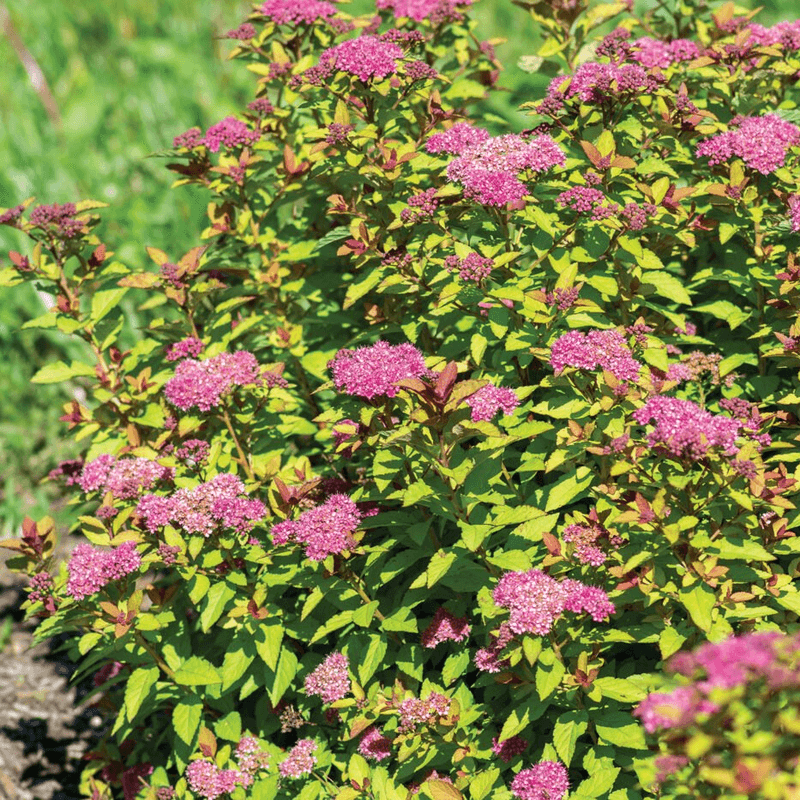
Spirea has earned its reputation as a low-maintenance favorite among New York homeowners who want maximum visual impact with minimal effort and fuss.
These adaptable shrubs produce abundant clusters of tiny flowers in white, pink, or red that cover their arching branches for weeks during late spring or summer, depending on the variety you choose.
Their long bloom time means you’ll enjoy color when many other spring bloomers have already finished their show, extending the interest in your front yard landscape.
Beyond their impressive flowering display, many spirea varieties offer colorful foliage that ranges from golden yellow to burgundy, providing season-long interest even after the blooms have faded away.
The naturally mounded or fountain-like growth habit creates soft, flowing lines that contrast beautifully with rigid architectural elements or formal hedges.
Spirea’s compact size makes it perfect for smaller urban yards where space is limited but impact matters tremendously.
These tough shrubs tolerate a wide range of soil conditions and handle both full sun and light shade, though flowering is most abundant with at least six hours of direct sunlight daily.
They resist most pests and diseases that plague more finicky ornamental shrubs, making them ideal for gardeners who prefer spending time enjoying their landscape rather than constantly treating problems.
Spirea bounces back quickly from harsh winters and requires only light pruning to maintain its attractive shape and encourage abundant flowering each season, making it a practical choice for busy homeowners seeking reliable curb appeal.
8. Dwarf Arborvitae
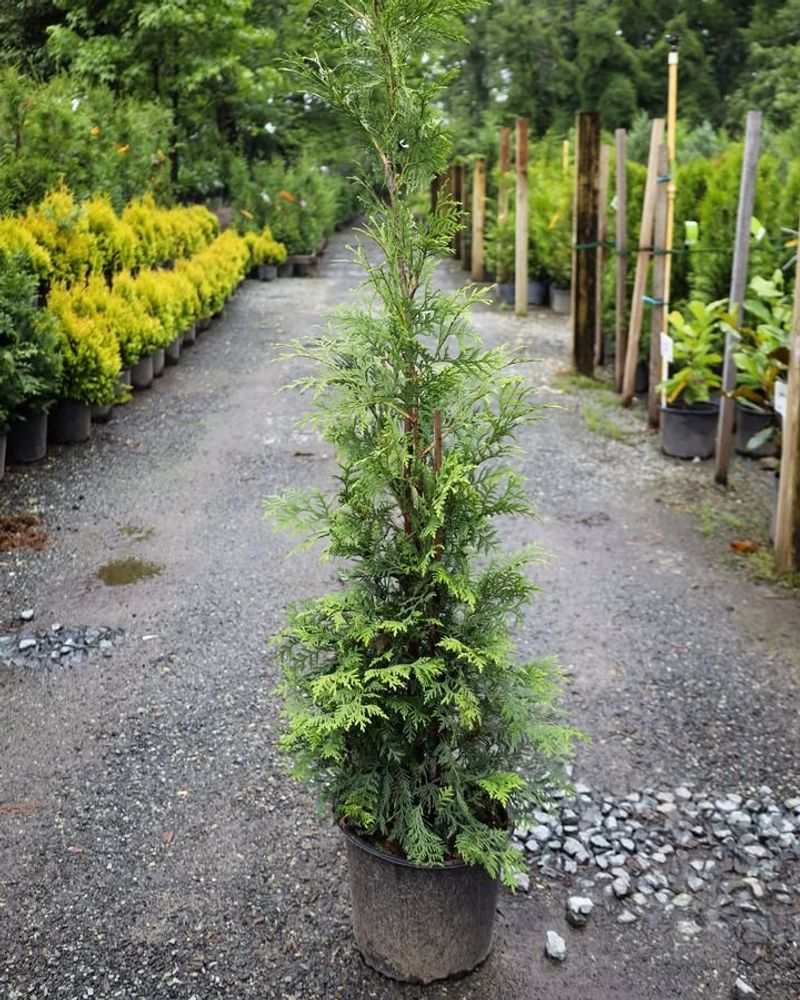
Compact arborvitae varieties bring vertical structure and year-round evergreen color to New York front yards without the overwhelming size of their full-sized cousins.
These smaller versions maintain the same dense, soft-textured foliage and naturally neat pyramidal or globe shapes that make arborvitae so popular, but in a scale appropriate for foundation plantings and entryway accents.
Their rich green foliage often develops attractive bronze tones during winter, adding subtle warmth to the landscape when everything else looks gray and dormant.
Dwarf arborvitae excel at creating privacy screens along property lines or blocking unsightly views without requiring the space or maintenance that larger shrubs demand.
Their dense branching pattern provides excellent wind protection for more delicate plants positioned behind them, creating microclimates that extend your planting options.
Many varieties reach only three to five feet tall even at maturity, making them perfect for flanking doorways or framing windows without eventually blocking light or views.
These evergreens tolerate cold New York winters exceptionally well, never showing the browning or winter damage that affects many broadleaf evergreens in harsh conditions.
They adapt to various soil types as long as drainage is adequate, and they handle both full sun and light shade, giving you flexibility in placement throughout your property.
Dwarf arborvitae require minimal pruning to maintain their attractive form, and they resist most common pests and diseases that trouble other evergreen shrubs, making them a practical, reliable choice for instant and lasting curb appeal enhancement.
9. Rhododendron
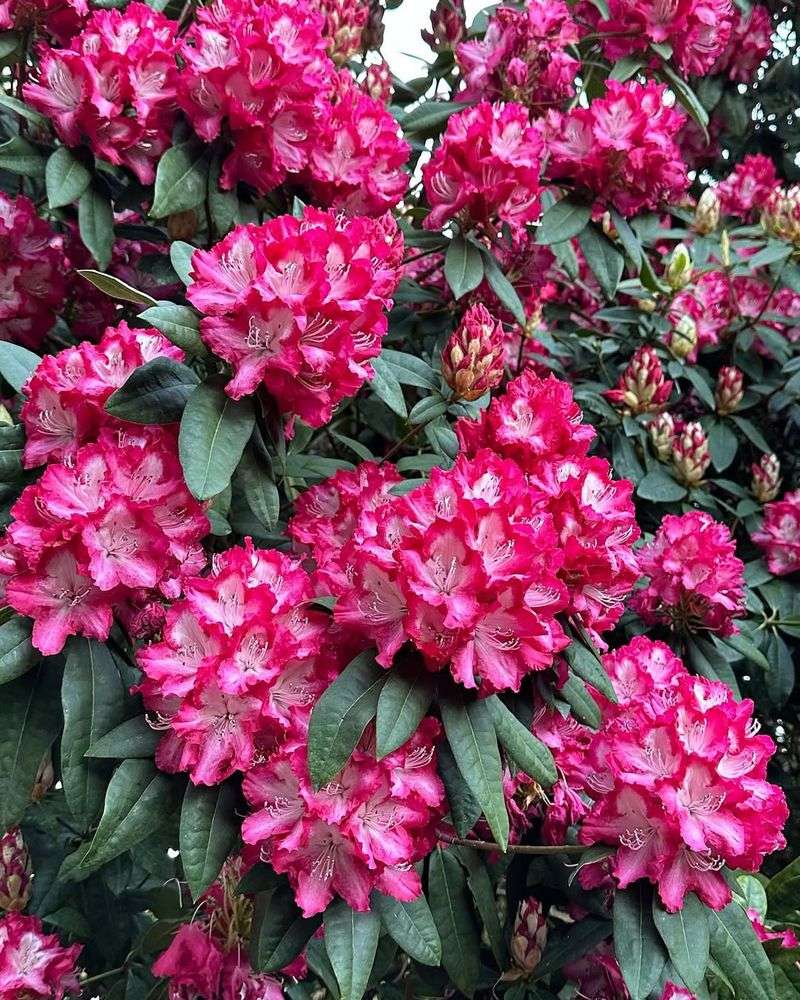
Rhododendrons command attention with their massive spring flower trusses and substantial evergreen presence that anchors shaded front yards throughout New York neighborhoods.
Their large, leathery leaves remain glossy and green year-round, providing structure and visual weight even during the bleakest winter months when deciduous plants offer only bare branches.
This evergreen quality makes rhododendrons invaluable for maintaining curb appeal through all four seasons, ensuring your home always looks intentional and well-landscaped.
Come spring, rhododendrons explode into bloom with enormous clusters of flowers in shades ranging from pure white to deep purple, with pinks, reds, and lavenders filling the spectrum between.
These showy blooms can measure six inches or more across, creating such dramatic displays that they become neighborhood landmarks people drive by specifically to admire.
The flowering period coincides with azaleas, allowing you to create coordinated color schemes or contrasting combinations that multiply the visual impact.
Rhododendrons thrive in the dappled shade beneath mature trees or on the north and east sides of homes where many sun-loving shrubs struggle to perform.
They prefer acidic, well-draining soil enriched with organic matter, conditions that occur naturally in many New York locations or can be easily created through amendments.
Their substantial size at maturity makes them excellent foundation plants for larger homes or corner specimens that need to balance architectural features.
Established rhododendrons require minimal care beyond occasional watering during droughts and light pruning to remove spent flowers, making them a practical choice for lasting beauty.
10. Ninebark (Physocarpus)
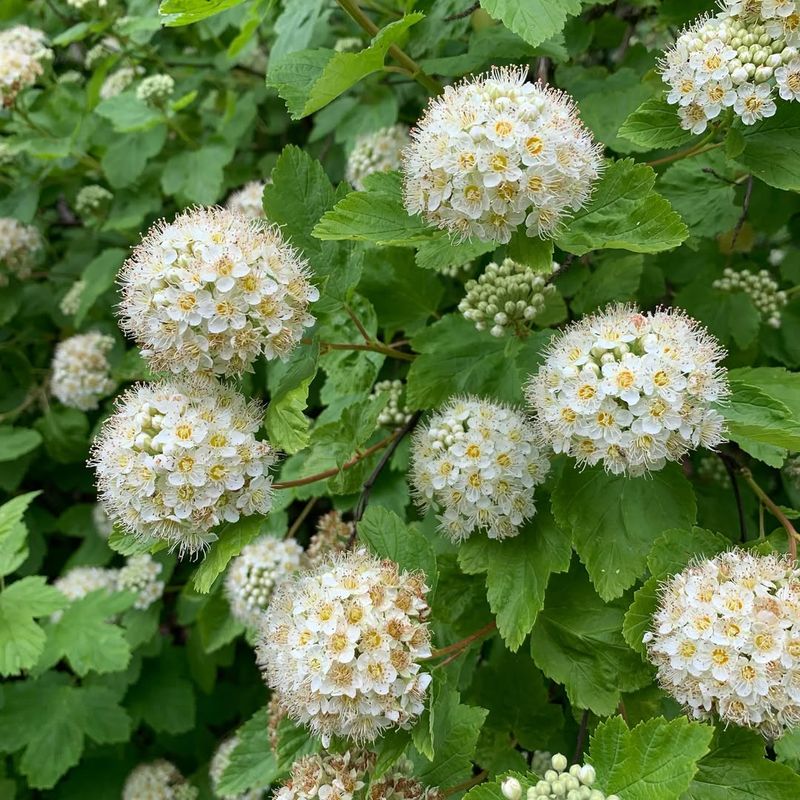
Ninebark delivers outstanding visual interest through multiple seasons with colorful foliage, attractive peeling bark, and clusters of spring flowers that make it a standout choice for curb appeal.
Varieties with burgundy, purple, or golden foliage create instant drama in the landscape, providing bold color that persists from spring through fall without relying solely on flowers.
This colorful foliage serves as an excellent backdrop for lighter-colored plants or creates striking contrast against traditional green foundation plantings.
The distinctive exfoliating bark that gives ninebark its common name adds winter interest when the leaves have dropped, revealing multiple layers of brown, tan, and cinnamon-colored bark that curl away from the stems.
This textural quality catches light and creates visual depth during the dormant season when most landscapes look flat and one-dimensional.
Small white or pink flower clusters appear in late spring, attracting pollinators and adding another layer of beauty to an already impressive shrub.
Ninebark proves incredibly tough and adaptable, handling New York’s temperature extremes, urban pollution, and various soil conditions without complaint or special care requirements.
It tolerates both full sun and partial shade, though foliage color is most intense with adequate sunlight throughout the day. The naturally arching, fountain-like growth habit creates soft, flowing lines that balance rigid architectural elements and soften harsh corners.
Ninebark grows quickly compared to many ornamental shrubs, filling in gaps and providing that established look sooner than slower-growing alternatives, making it perfect for new landscapes or renovation projects requiring immediate impact.
11. Weigela
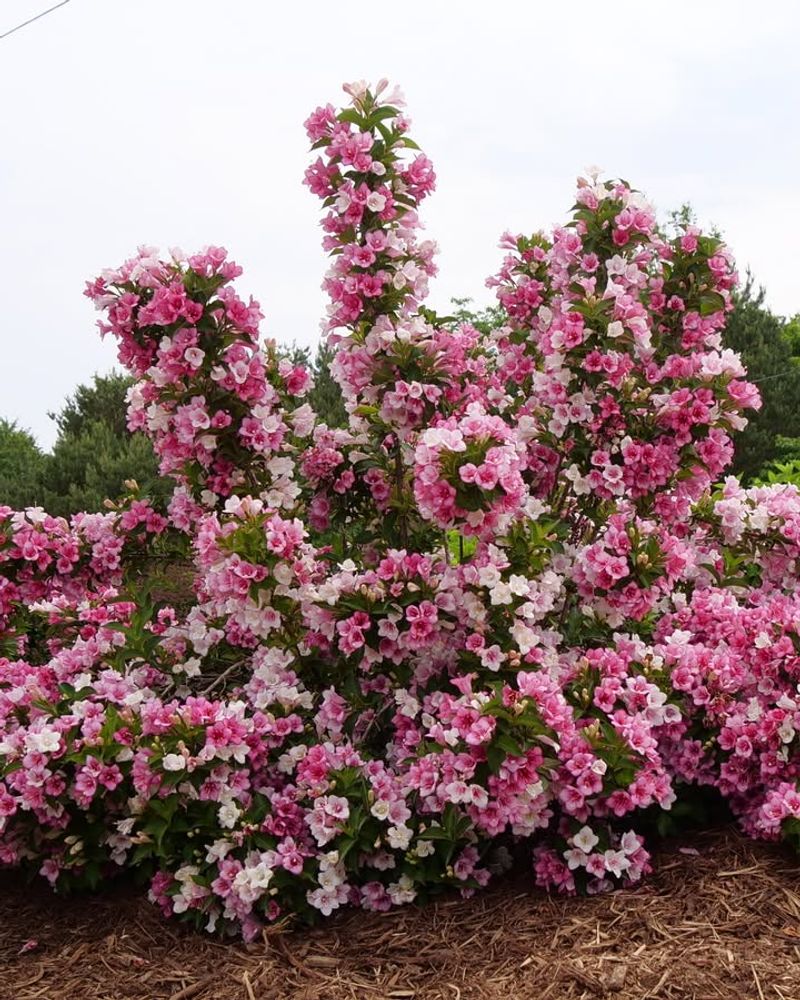
Weigela brings old-fashioned charm to modern neighborhoods with its gracefully arching branches that become completely smothered in trumpet-shaped flowers each spring.
The abundant blooms appear in shades of pink, red, white, or coral, creating such dense color that the foliage nearly disappears beneath the floral display for several weeks.
This spectacular show happens when homeowners are working in their yards and neighbors are out walking, maximizing the impact on your home’s street presence and neighborhood reputation.
Many newer weigela varieties offer colorful foliage in burgundy, chartreuse, or variegated patterns that extend visual interest well beyond the spring bloom period into fall. This combination of showy flowers and attractive foliage makes weigela an excellent value, providing multiple seasons of beauty from a single shrub.
The naturally rounded, vase-shaped form softens walkways and porches without requiring constant pruning or shaping to look intentional and well-maintained.
Weigela adapts to various soil types and handles both full sun and partial shade, though flowering is most abundant with at least six hours of direct sunlight daily.
It tolerates urban conditions remarkably well, resisting pollution and bouncing back quickly from harsh winters that damage more sensitive ornamentals.
Mature weigelas often produce a lighter second flush of flowers in late summer, extending their contribution to curb appeal beyond the main spring display.
Their easy-care nature and reliable performance make them perfect for gardeners who want impressive results without spending every weekend maintaining their landscape, allowing more time to simply enjoy the beauty they create.
12. Dwarf Lilac
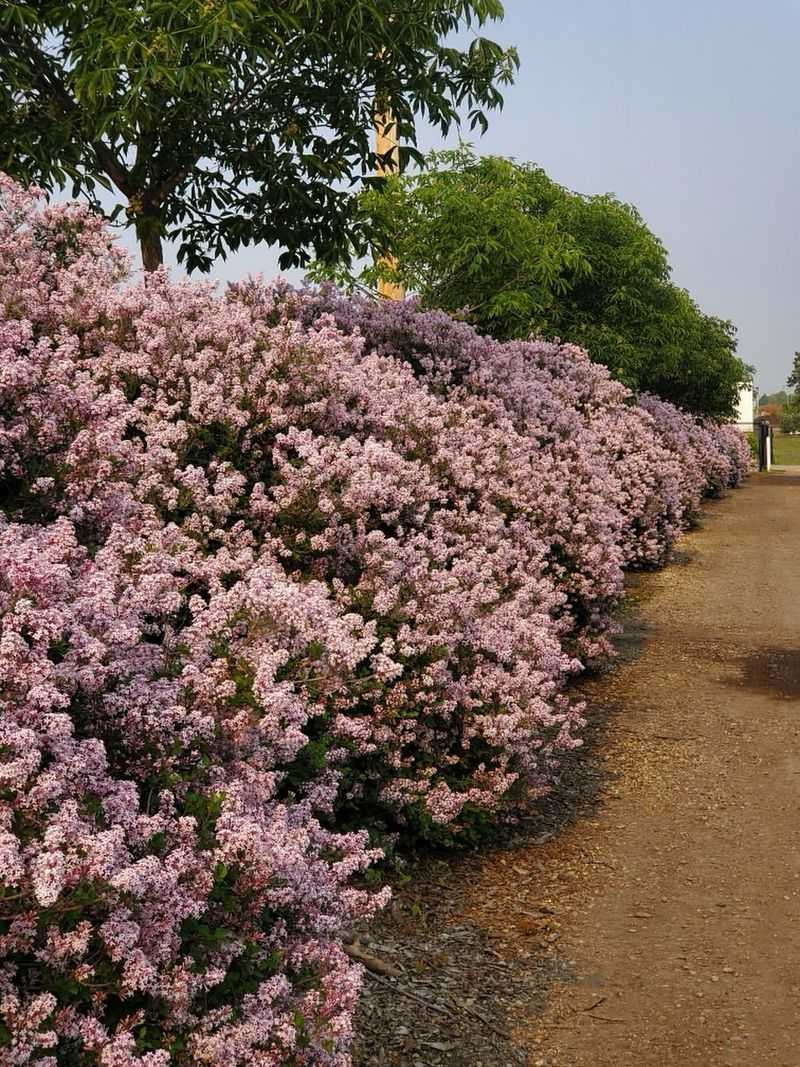
Compact lilac varieties deliver all the fragrance and charm of traditional lilacs in a size perfectly suited to smaller New York yards and modern landscape designs.
Their intensely fragrant spring blooms fill the air with that classic lilac scent that brings back childhood memories and makes every visitor pause to breathe deeply before reaching your door.
The abundant flower clusters appear in traditional purple shades as well as white, pink, and magenta, creating stunning displays that announce spring has truly arrived in your neighborhood.
Dwarf lilacs typically reach only four to six feet tall at maturity, making them manageable for foundation plantings, small yards, and container gardens where full-sized lilacs would quickly overwhelm the space.
This compact size also means easier maintenance and simpler pruning to remove spent flowers and maintain attractive shape throughout the growing season.
Despite their smaller stature, dwarf varieties bloom just as abundantly as their larger cousins, ensuring you don’t sacrifice floral impact for space-saving convenience.
These hardy shrubs handle New York’s cold winters beautifully, actually requiring winter chill to set flower buds properly for the following spring’s display.
They prefer full sun and well-draining soil, performing best when they receive at least six hours of direct sunlight daily.
Dwarf lilacs work beautifully near patios, decks, and windows where their fragrance can be enjoyed from both inside and outside your home.
Their neat habit and reliable spring performance make them a sentimental favorite that combines nostalgia with practical curb appeal benefits for any neighborhood setting.
13. Yew (Taxus)
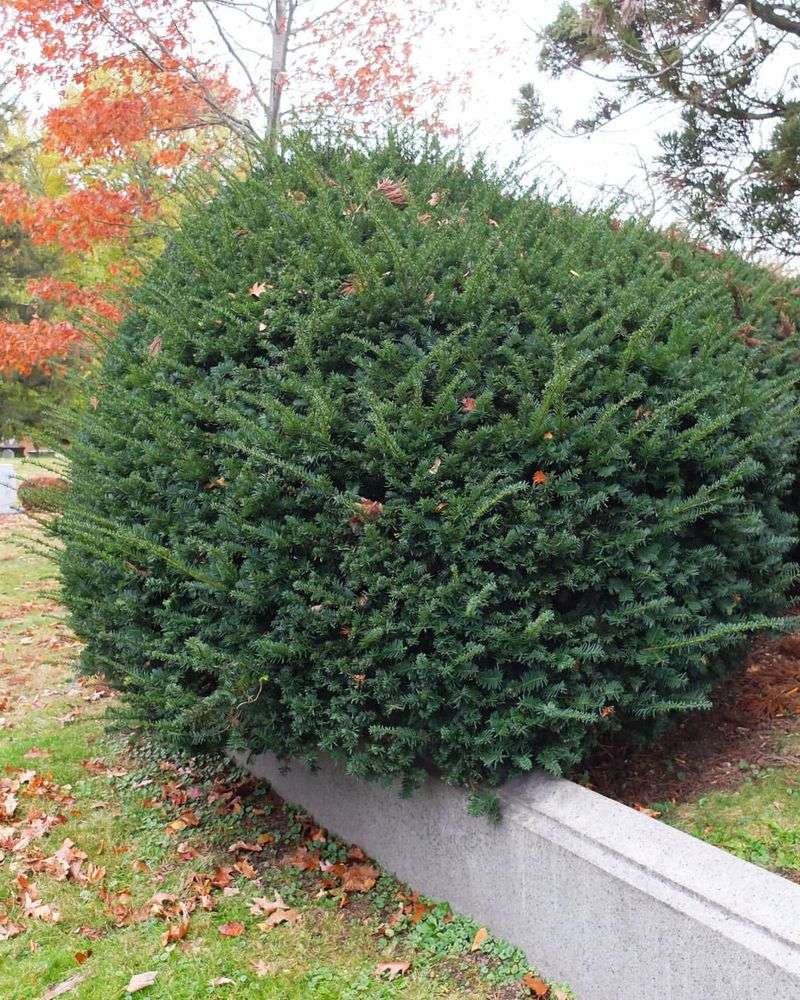
Yews have served as classic foundation shrubs for generations of New York homeowners, and their enduring popularity speaks volumes about their reliability and refined appearance.
Their dense, dark green needles create a formal, polished look that complements both traditional and contemporary architecture without ever appearing dated or out of style.
Unlike many evergreens, yews tolerate heavy pruning and can be shaped into formal hedges, topiaries, or maintained as natural-looking rounded shrubs depending on your aesthetic preferences and landscape design goals.
One of yew’s greatest advantages is its exceptional shade tolerance, allowing it to thrive in locations where most other evergreens would languish or perform poorly. This makes yews invaluable for north-facing foundations, under tree canopies, or in narrow side yards where sunlight is limited but evergreen structure is needed.
They handle harsh New York winters without browning or winter burn, maintaining their rich color throughout the coldest months when curb appeal is most challenging to maintain.
Yews adapt to various soil types and tolerate urban pollution, making them practical choices for city and suburban properties alike where growing conditions aren’t always ideal.
Their slow to moderate growth rate means you won’t spend every weekend pruning them back, though they respond beautifully to shearing when you want crisp, formal shapes.
Female plants produce bright red berries that add color and attract birds, though all parts of yews are toxic if ingested, so placement away from areas where children play is wise.
Their timeless elegance and unmatched versatility make yews a foundation choice that never disappoints.
14. Bluebeard (Caryopteris)
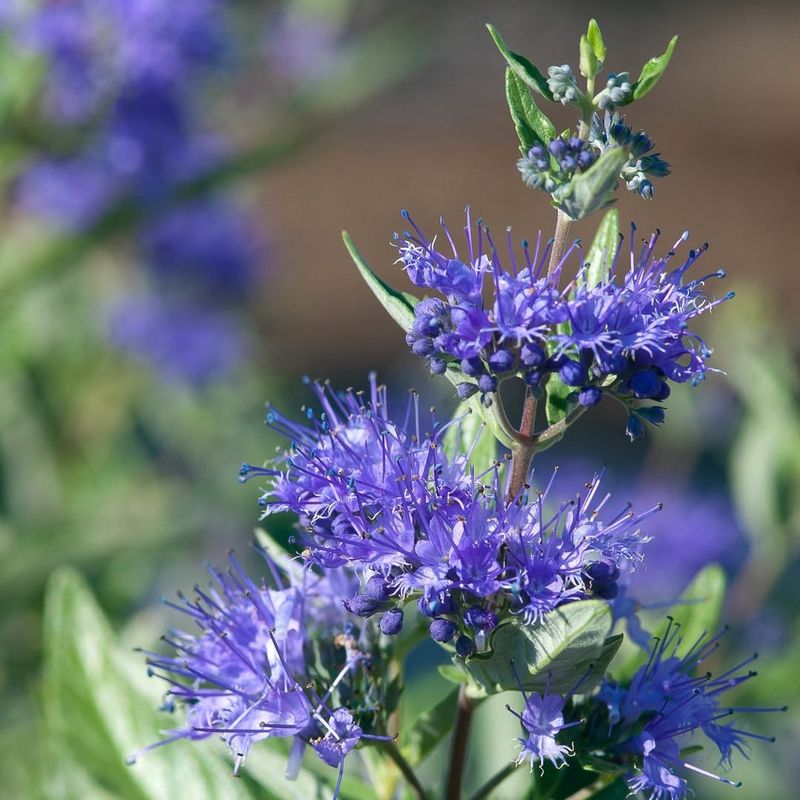
Bluebeard arrives fashionably late to the flowering party, producing its distinctive blue or purple blooms in late summer and early fall when most other shrubs have finished their show.
This timing makes it incredibly valuable for extending curb appeal through the end of the growing season, providing fresh color when landscapes are beginning to look tired and worn.
The misty clusters of small flowers create a hazy, romantic effect that softens entryways and walkway edges with their unusual color and delicate texture.
Beyond the eye-catching blooms, bluebeard’s aromatic gray-green foliage releases a pleasant fragrance when brushed or crushed, adding a sensory dimension to plantings near paths and porches.
The naturally compact, mounded form stays tidy without constant pruning or shaping, making it perfect for busy homeowners who appreciate beauty without demanding maintenance schedules.
Bluebeard typically reaches only two to three feet tall and wide, fitting easily into smaller spaces where larger shrubs would overwhelm the area.
This tough little shrub handles heat, drought, and poor soil once established, making it remarkably resilient despite its delicate appearance and refined blooms. It thrives in full sun and well-draining soil, performing best when positioned where it receives at least six hours of direct sunlight daily.
Butterflies and bees flock to bluebeard’s late-season flowers, bringing movement and life to your front yard when pollinator activity is winding down elsewhere.
The plant dies back significantly in winter, but emerges reliably each spring to provide another season of late-summer beauty that keeps your curb appeal strong right through the end of the growing season.
15. Mountain Laurel (Kalmia Latifolia)
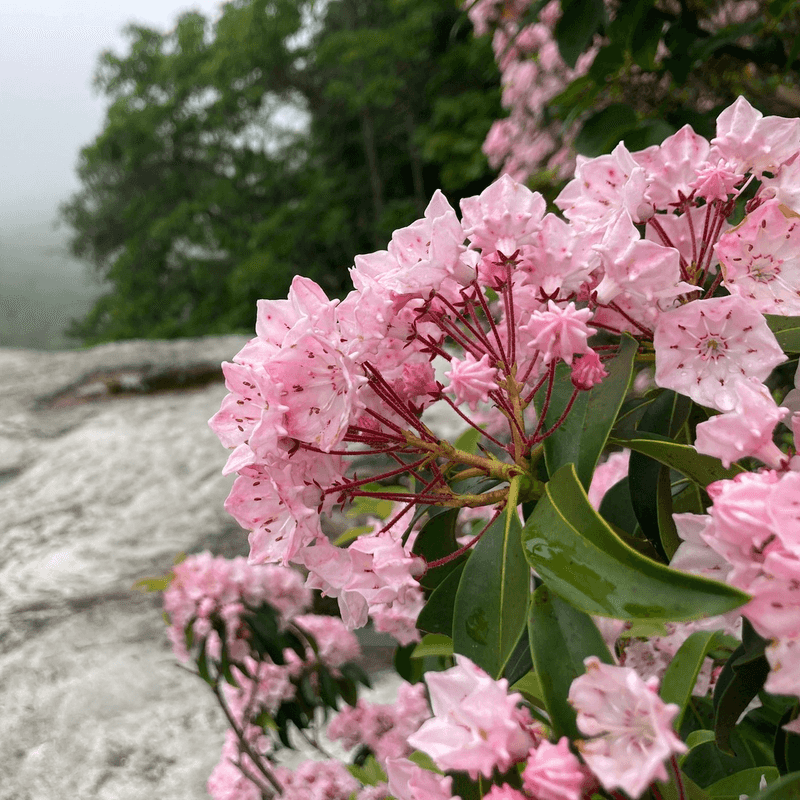
Mountain laurel stands out as a native evergreen shrub that combines glossy, leathery foliage with uniquely beautiful flowers that look almost too perfect to be real.
The late spring blooms feature intricate cup-shaped flowers in shades of white, pink, or rose, often marked with contrasting spots or stripes that create stunning geometric patterns.
These showy flower clusters cover the shrub for several weeks, creating such a spectacular display that mountain laurel becomes a neighborhood conversation piece and landmark that people specifically drive by to admire.
The evergreen leaves remain dark and glossy throughout winter, providing substantial year-round structure and visual weight that anchors landscape designs even during the dormant season.
This combination of spring flowers and permanent foliage makes mountain laurel an excellent value, delivering multiple seasons of beauty and curb appeal enhancement.
The naturally rounded, dense growth habit creates impressive presence without requiring constant maintenance or pruning to look intentional and well-placed.
Mountain laurel thrives in partial shade with acidic, well-draining soil similar to rhododendrons and azaleas, making it an excellent companion for these popular shrubs in woodland-style landscapes.
It grows slowly but steadily, eventually reaching impressive size while maintaining a manageable, refined appearance throughout its development.
As a native plant, mountain laurel supports local ecosystems and wildlife while requiring less water and care than many exotic ornamentals once properly established.
Its combination of stunning flowers, evergreen presence, and native plant benefits makes it a sophisticated choice that elevates curb appeal while supporting environmental stewardship in New York neighborhoods.