Top 12 White Flowers To Brighten Up Your Pennsylvania Garden
White flowers have a special way of standing out in a Pennsylvania garden. They brighten up shady corners, glow beautifully in the evening light, and add a calm, elegant touch to any landscape.
Whether you’re designing a brand-new flower bed or just want to freshen up your space, adding white blooms can instantly lift the look of your garden.
Best of all, there are many stunning varieties that grow well in Pennsylvania’s climate, some that bloom in early spring, others that carry color into fall.
From low-growing ground covers to eye-catching perennials and classic favorites like daisies or hydrangeas, white flowers blend effortlessly with any color scheme. They also attract pollinators and offer contrast that makes other colors pop.
If you’re looking to brighten your yard with blooms that are timeless and easy to grow, these top white flowers are the perfect place to start.
1. Shasta Daisy
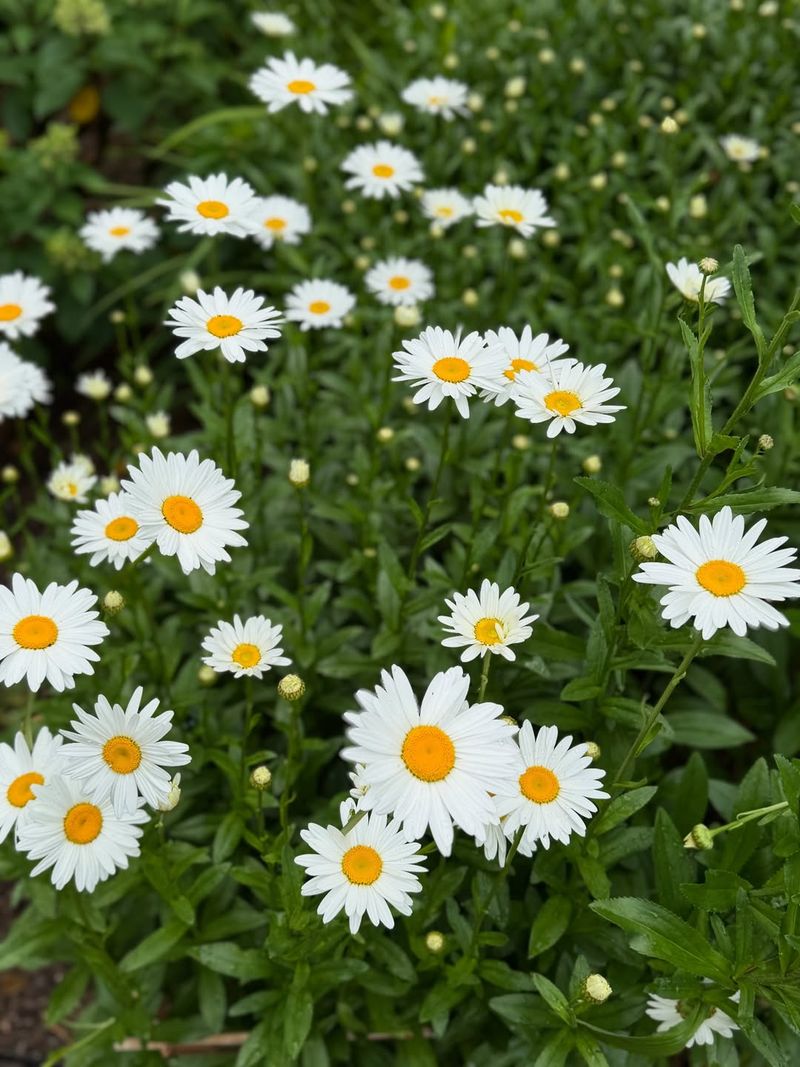
Shasta daisies are classic flowers that never go out of style in Pennsylvania gardens. Their cheerful white petals surround sunny yellow centers that seem to smile at you every morning.
These perennials come back year after year, getting bigger and more beautiful with each passing season.
Pennsylvania’s climate suits these hardy plants perfectly. They bloom from early summer through fall, providing months of continuous color.
The flowers grow on sturdy stems that reach about two feet tall, making them ideal for cutting and bringing indoors.
Plant them in spots that get full sun for at least six hours daily. They’re not fussy about soil as long as it drains well. Water them regularly during dry spells, especially when they’re establishing roots.
Deadheading spent blooms encourages more flowers to form. This simple task takes just minutes but really pays off. Division every three years keeps clumps healthy and vigorous.
These flowers pair wonderfully with purple coneflowers and black-eyed Susans. They also attract butterflies and beneficial insects to your Pennsylvania garden.
Their low-maintenance nature makes them perfect for busy gardeners who still want impressive results. Shasta daisies truly earn their place as garden favorites across the state.
2. White Peony
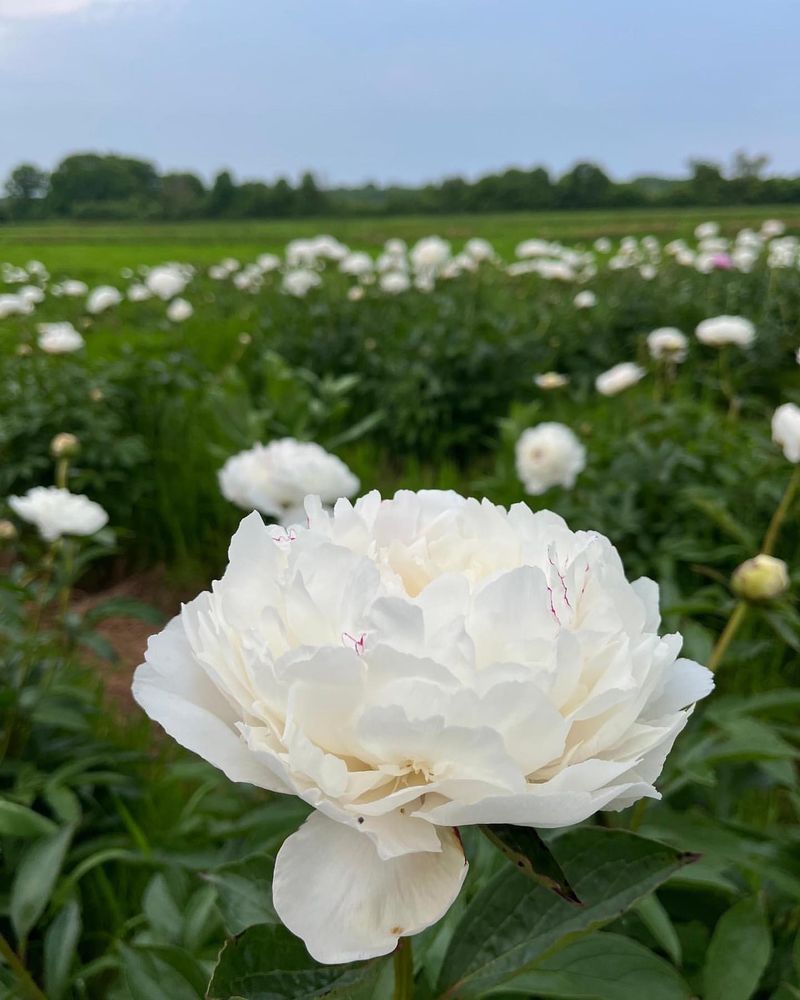
Few flowers can match the romantic beauty of white peonies. Their massive blooms often measure five inches across and smell absolutely wonderful.
Each spring, Pennsylvania gardeners eagerly await their arrival as one of the season’s most anticipated events.
These long-lived perennials can flourish in the same spot for decades. Some peony plants in Pennsylvania have been blooming for over fifty years.
They prefer cooler climates, which makes them absolutely perfect for our state’s weather patterns.
Choose a location with morning sun and afternoon shade for best results. Rich, well-draining soil helps them thrive.
Plant the roots shallow, with buds only two inches below the surface, or they won’t bloom properly.
Support hoops prevent heavy blooms from toppling over after spring rains. Cut flowers early in the morning when buds are just starting to open. They’ll finish opening indoors and last over a week in arrangements.
Ants crawling on buds are completely normal and actually helpful. They eat a sugary coating that helps buds open.
White peonies work beautifully in both cottage gardens and formal landscapes across Pennsylvania. Their spectacular blooms make every spring feel like a celebration worth waiting for all year.
3. Lily Of The Valley
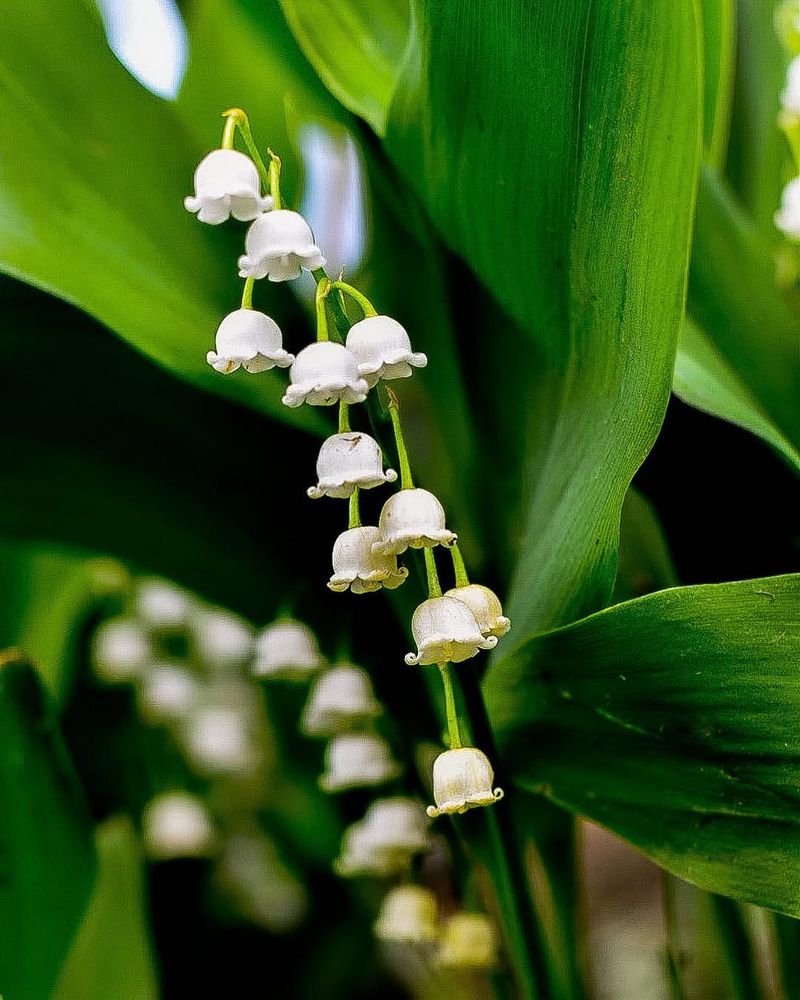
Tiny bells dangle gracefully from arching stems in shady Pennsylvania corners. Lily of the valley spreads happily in spots where other flowers struggle. Its sweet fragrance fills the air each May, announcing that spring has truly arrived.
This groundcover grows well under trees and along shaded walkways. The broad green leaves stay attractive long after flowers fade.
Pennsylvania’s woodland gardens provide ideal conditions for these charming plants to naturalize.
Plant them in fall for spring blooms the following year. They prefer moist, rich soil with plenty of organic matter mixed in. Once established, they require very little attention from busy gardeners.
The spreading nature makes them excellent for filling bare spots quickly. However, keep them away from areas where you don’t want them to roam. Barriers help control their enthusiastic growth patterns.
These flowers make wonderful additions to May bouquets and wedding arrangements. Their old-fashioned charm brings nostalgia to modern Pennsylvania landscapes. Deer usually avoid eating them, which solves a common garden problem.
Pair them with hostas and ferns for a beautiful shade garden combination. Their white bells brighten dark corners that would otherwise look plain.
Generation after generation of Pennsylvania gardeners have treasured these sweet-smelling favorites in their yards.
4. White Hydrangea
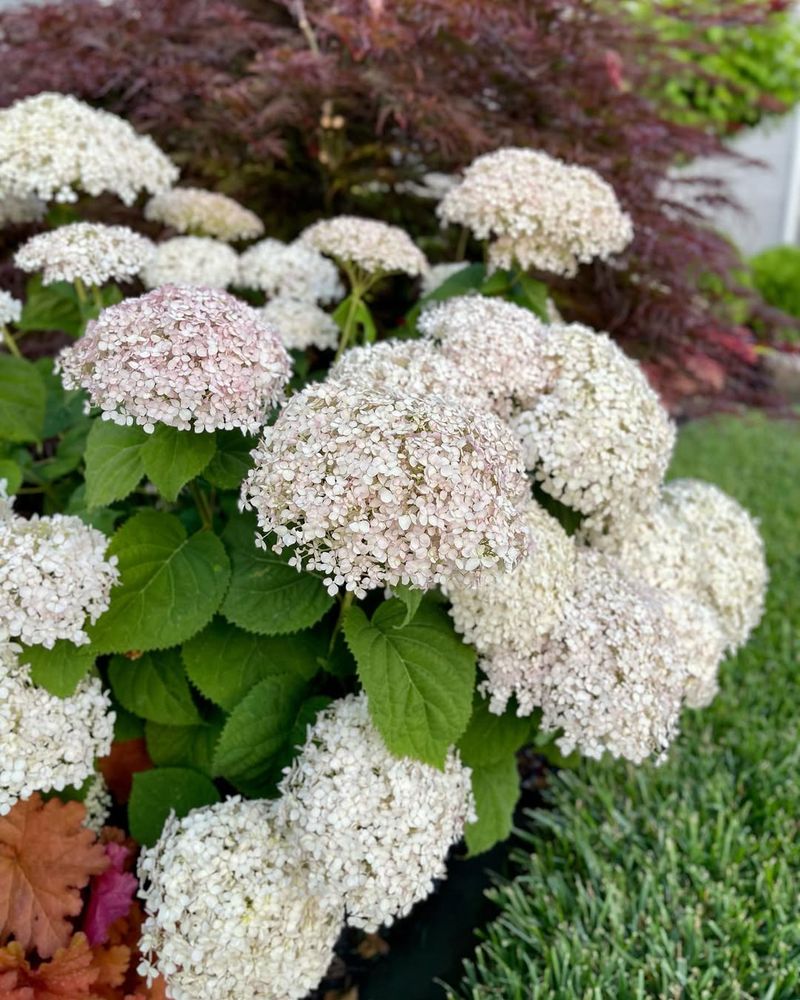
Massive snowball blooms create stunning focal points throughout Pennsylvania summers. White hydrangeas produce flower clusters that can grow as large as dinner plates.
Their showy displays last for months, transitioning from pure white to soft green as seasons change.
Several varieties thrive in Pennsylvania’s climate zones. Annabelle hydrangeas are especially reliable, surviving cold winters without protection.
Smooth hydrangeas bloom on new wood, so late spring freezes won’t ruin your flower show.
Morning sun with afternoon shade produces the healthiest plants. They need consistent moisture, especially during hot July and August weather. Mulch around the base helps soil retain water between rainfalls.
Prune these shrubs in late winter before new growth begins. Cut stems back by about one-third to encourage fuller plants. Dry or damaged wood should be removed anytime you notice it.
The flowers dry beautifully for indoor arrangements that last through winter. Cut them when blooms start turning slightly green for best results. They add wonderful texture to wreaths and dried bouquets.
White hydrangeas complement any color scheme in Pennsylvania landscapes. They work equally well in formal gardens and casual cottage settings.
Their reliable performance and spectacular blooms make them worthy investments for any property across the state.
5. White Rose
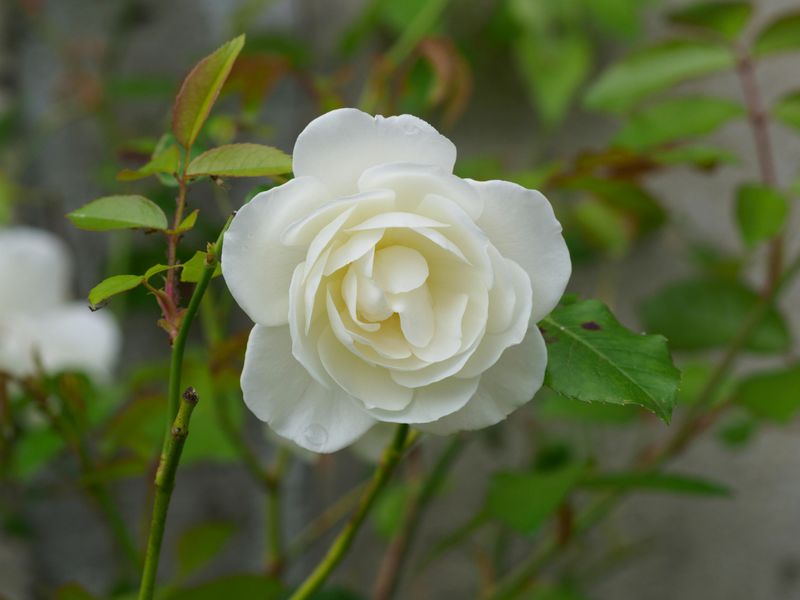
Timeless elegance arrives with every white rose that opens in Pennsylvania gardens. Their pristine petals symbolize purity and new beginnings.
From climbing varieties to compact shrubs, white roses offer options for every garden size and style preference.
Pennsylvania’s climate supports many rose types successfully. Knock Out shrub roses require minimal care while providing continuous blooms. Climbing roses transform fences and arbors into spectacular vertical displays throughout summer months.
Select disease-resistant varieties to reduce maintenance headaches. Plant them where air circulates freely to prevent fungal problems.Six hours of daily sunshine helps roses produce their best flowers.
Amend Pennsylvania’s clay soil with compost before planting. Roses appreciate rich, well-draining earth that holds moisture without staying soggy. Feed them monthly during the growing season with balanced fertilizer.
Deadhead regularly to encourage new blooms all summer long. Cut flowers early in the day for longest vase life. Bring them indoors to enjoy their beauty and often delightful fragrance.
White roses pair beautifully with lavender, catmint, and salvia in Pennsylvania beds. They also stand out dramatically against dark mulch or stone backgrounds.
Whether you choose old-fashioned varieties or modern hybrids, white roses bring sophistication to any landscape design across the state.
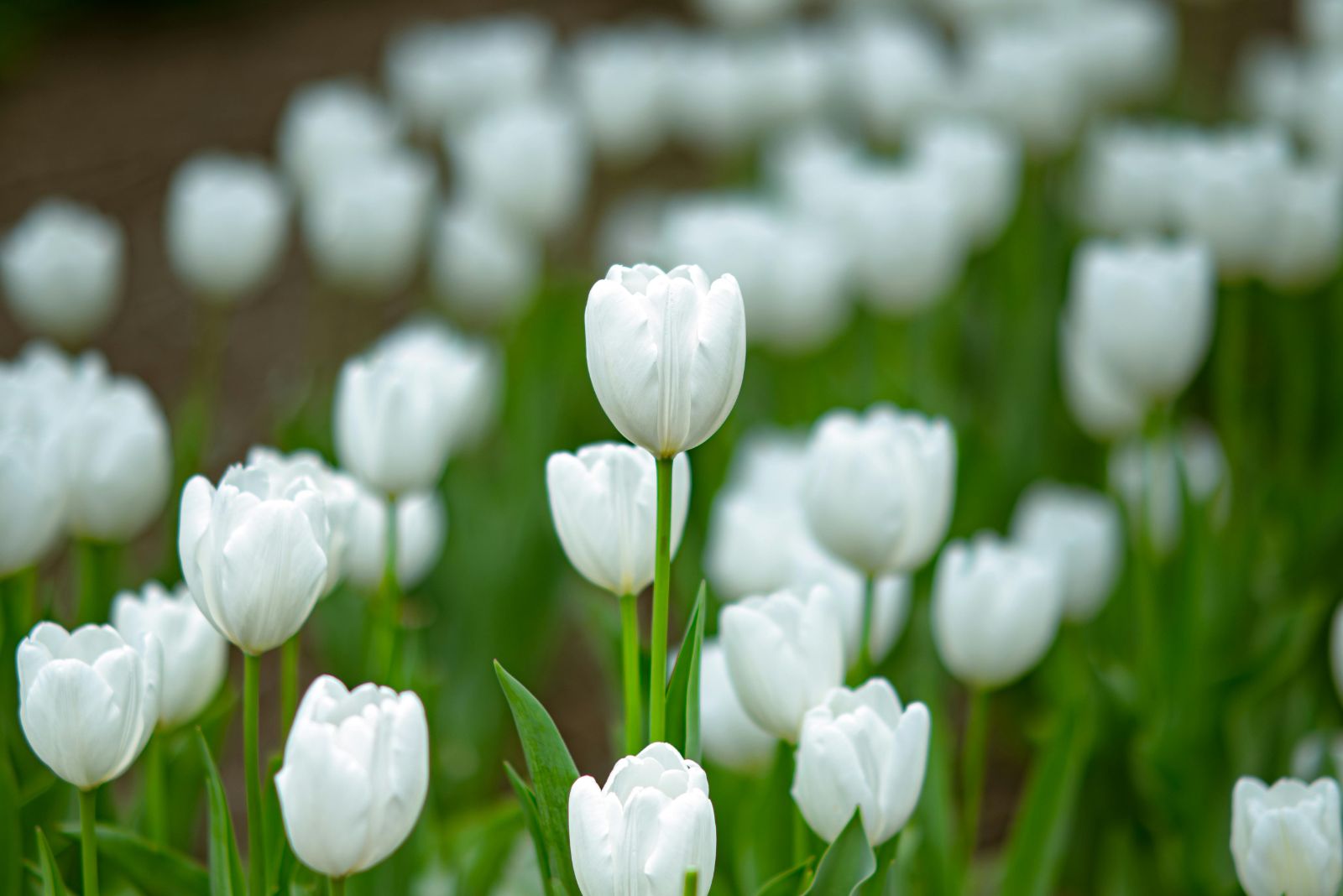
6. White Tulip
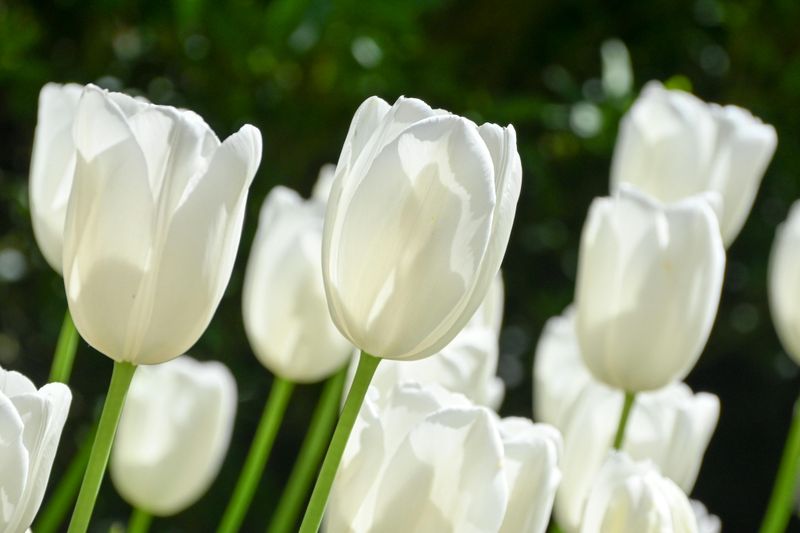
Spring arrives officially when white tulips push through Pennsylvania soil. Their clean, crisp blooms signal the end of winter’s gray days.
These bulbs offer incredible variety, from simple single petals to fancy fringed edges that look almost unreal.
Plant tulip bulbs in fall before the ground freezes solid. They need cold temperatures to develop properly underground.
Choose locations with excellent drainage to prevent bulbs from rotting during wet Pennsylvania springs.
Full sun locations produce the strongest stems and largest flowers. Space bulbs about six inches apart for a natural, flowing look. Plant them twice as deep as the bulb is tall for best results.
White tulips look spectacular when planted in large groups or drifts. Mixing them with purple or pink varieties creates eye-catching color combinations. They also work beautifully in containers on Pennsylvania patios and porches.
After flowers fade, let foliage yellow naturally before removing it. This process helps bulbs store energy for next year’s blooms. Many gardeners in Pennsylvania treat tulips as annuals, planting fresh bulbs each fall.
Squirrels and deer love tulip bulbs, so protection may be necessary. Wire mesh over planting areas prevents digging.
White tulips bring fresh, clean beauty to spring gardens throughout the state when winter finally releases its grip.
7. White Clematis
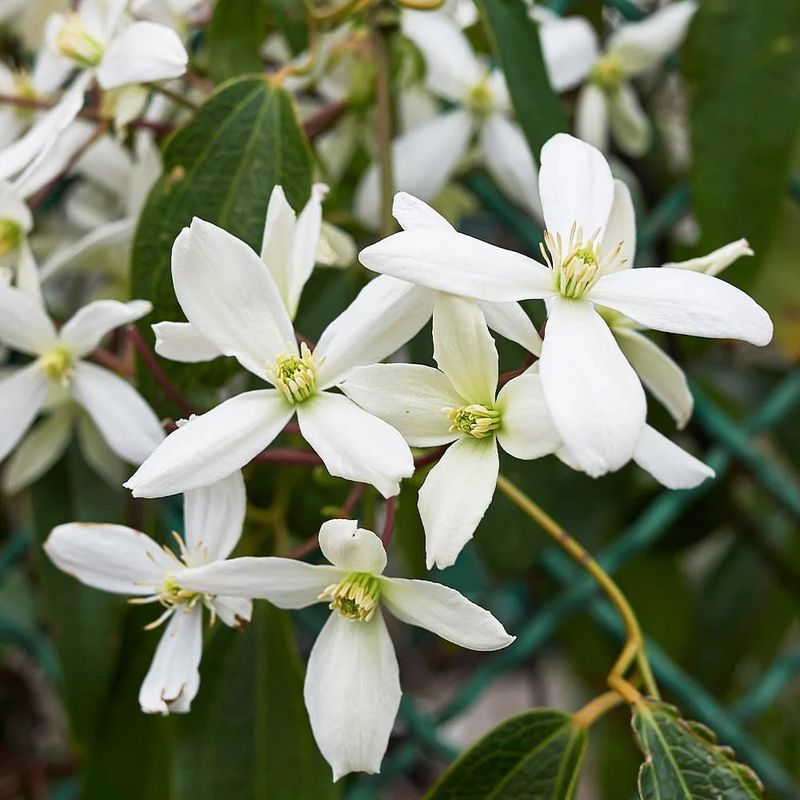
Climbing vines covered in white stars transform vertical spaces across Pennsylvania. Clematis flowers can span six inches wide, creating dramatic focal points on trellises and arbors.
These versatile plants bloom at different times depending on the variety you choose. Pennsylvania gardeners can select from spring, summer, or fall-blooming types. Some varieties even bloom twice during the growing season.
This flexibility lets you plan for continuous color throughout warmer months. Plant clematis with roots in shade and tops in sunshine. This arrangement keeps roots cool while flowers get needed light.
Amend soil with compost and ensure good drainage for healthy growth. Mulch heavily around the base to maintain cool, moist root conditions. Water deeply but infrequently to encourage deep root development.
Support structures should be in place before planting to avoid root disturbance later.
Pruning requirements vary by type, so know your variety. Some bloom on old wood while others flower on new growth. Following proper pruning schedules ensures maximum flower production each year.
White clematis pairs wonderfully with climbing roses for romantic garden displays. They also soften harsh fence lines and disguise utility areas beautifully.
Their elegant flowers and vigorous growth make them favorites among Pennsylvania gardeners seeking vertical interest in landscape designs.
8. White Zinnia
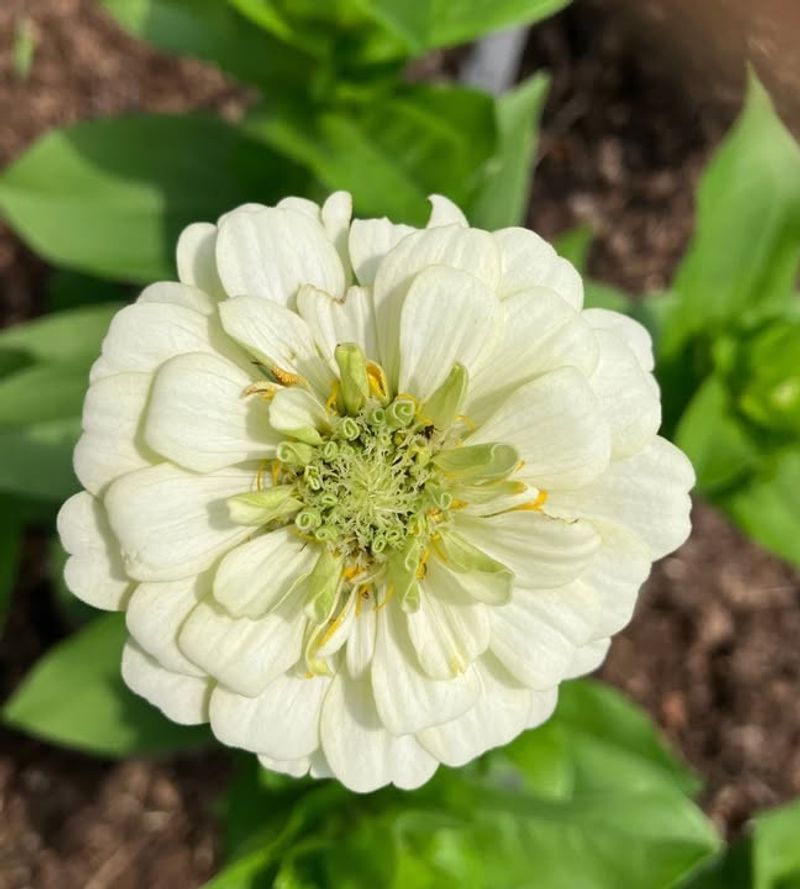
Cheerful white zinnias pump out flowers nonstop through Pennsylvania summers. These annual workhorses keep going even when heat makes other plants sulk.
Their pompom-like blooms attract butterflies and hummingbirds to gardens throughout the state.
Direct sowing seeds after the last frost works perfectly in Pennsylvania. Zinnias grow quickly from seed to flower in just weeks. They prefer full sun and tolerate our state’s hot, humid summer weather remarkably well.
Space plants according to mature size, which varies by variety. Dwarf types work great in containers while tall varieties shine in cutting gardens. All types benefit from good air circulation to prevent powdery mildew.
Water at soil level rather than overhead to keep foliage dry. This simple practice prevents many common disease problems.
Zinnias tolerate dry conditions once established, making them practical for busy Pennsylvania gardeners.
Deadheading encourages more blooms but isn’t absolutely necessary for continuous flowering. Cut stems for indoor arrangements regularly to encourage branching. Fresh bouquets last over a week in water.
White zinnias mix beautifully with colorful annuals in Pennsylvania beds and borders. They also work wonderfully in pollinator gardens alongside native plants.
Their reliable performance and easy care make them perfect for beginning gardeners and children learning to grow flowers across the state.
9. White Astilbe
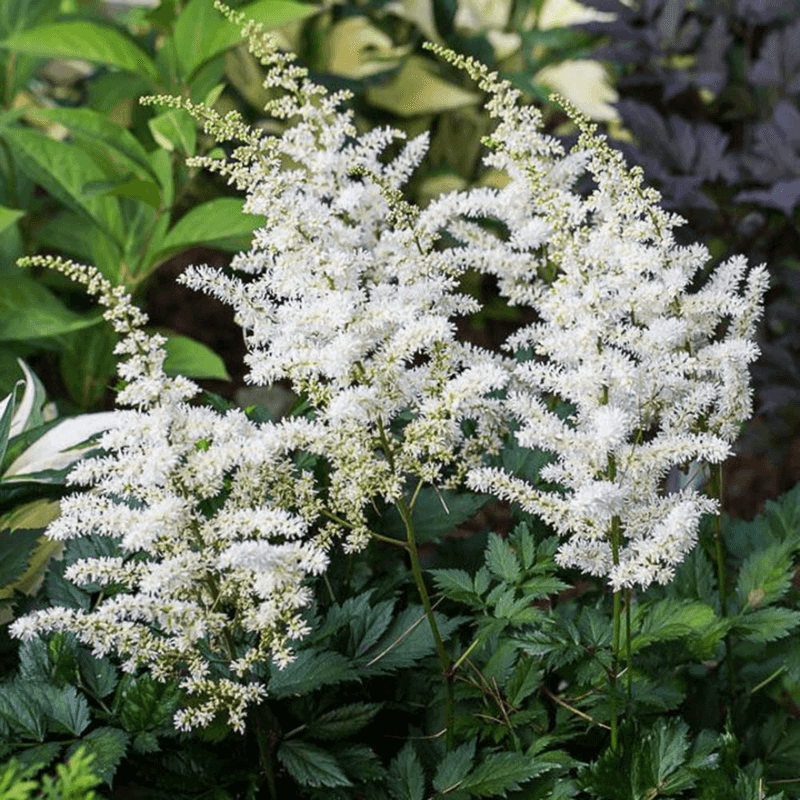
Feathery plumes float above fern-like leaves in shady Pennsylvania gardens. White astilbe brings texture and movement to spots where many flowers won’t bloom. Their airy flower spikes soften hard edges and add vertical interest to shade plantings.
These perennials thrive in Pennsylvania’s woodland conditions. They appreciate consistent moisture and rich, organic soil.
Morning sun with afternoon shade produces the healthiest plants and most abundant blooms.
Plant astilbe in spring or fall for best establishment. Space them about eighteen inches apart to allow for mature spread. Mulch helps maintain the cool, moist conditions these plants prefer.
Flowers appear in early to mid-summer depending on variety. The blooms last several weeks and dry attractively on stems.
Many Pennsylvania gardeners leave dried plumes standing through winter for visual interest.
Divide clumps every three to four years to maintain vigor. This task is best done in spring as new growth emerges. Divisions establish quickly and bloom the same season.
White astilbe combines beautifully with hostas, ferns, and bleeding hearts. They also brighten dark corners that would otherwise look forgotten. Deer typically leave them alone, solving a common Pennsylvania garden challenge.
Their elegant appearance and shade tolerance make them valuable additions to landscapes across the state. Few plants perform as reliably in difficult shady conditions while looking so graceful and refined.
10. White Iris
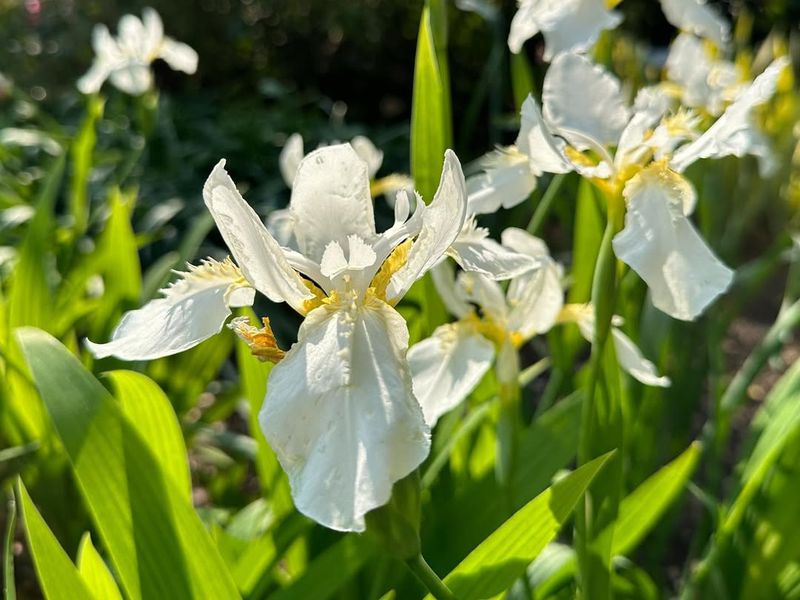
Ruffled petals unfold like delicate tissue paper each spring in Pennsylvania. White irises stand tall on strong stems, commanding attention wherever they’re planted. Their sophisticated blooms have adorned gardens for centuries, never losing their appeal.
Bearded irises are most common in Pennsylvania landscapes. They grow from thick rhizomes that spread slowly over time. These tough plants handle our state’s weather extremes without complaint.
Plant rhizomes in late summer with tops partially exposed above soil. They need this sun exposure to bloom well the following spring. Full sun locations with good drainage produce the healthiest plants.
Iris borers can be problematic in Pennsylvania gardens. Remove old foliage in fall to reduce pest hiding places. Clean up debris around plants to discourage problems before they start.
Divide crowded clumps every three to five years after blooming finishes. This maintenance keeps plants flowering abundantly. Replant divisions immediately to prevent rhizomes from drying out.
White irises look stunning planted with dark purple varieties for dramatic contrast. They also work beautifully in formal garden designs throughout Pennsylvania. Their sword-like foliage provides structure long after flowers fade.
Japanese and Siberian iris varieties offer different looks for wetter garden spots. All types bring elegance and grace to landscapes across the state with minimal effort required from gardeners.
11. White Balloon Flower
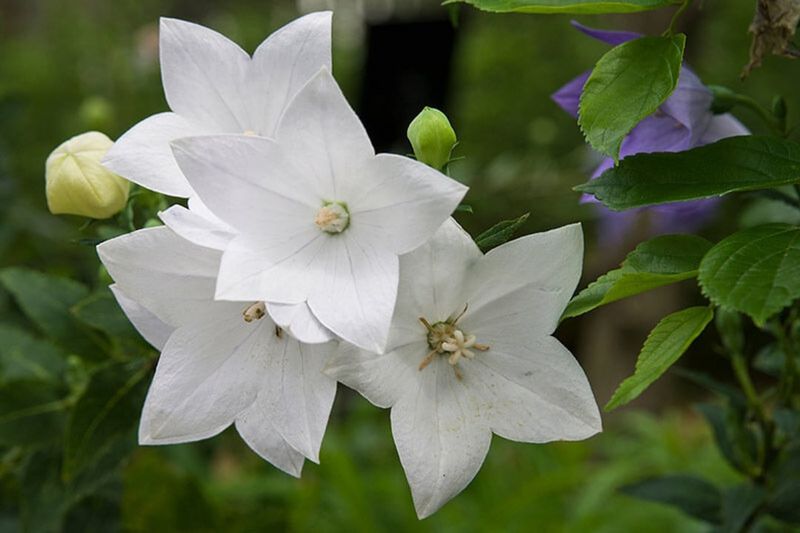
Puffy buds that look ready to pop give this perennial its charming name. White balloon flowers open into perfect stars that catch everyone’s attention.
Pennsylvania gardeners love watching these fascinating buds swell and burst into beautiful blooms each summer.
These reliable perennials emerge late in spring, so mark their location carefully. Once up, they grow steadily through summer. The white variety offers a refreshing alternative to the more common blue form.
Full sun to partial shade works well in Pennsylvania gardens. They tolerate heat and humidity better than many perennials. Well-draining soil is essential to prevent root problems during wet periods.
Balloon flowers rarely need staking despite growing two feet tall. Their sturdy stems hold blooms upright through summer storms. Deadheading individual flowers extends the blooming period significantly.
These plants resent being moved once established. Choose planting locations carefully from the start. They’re slow to establish but become more impressive each year.
White balloon flowers pair nicely with ornamental grasses and black-eyed Susans. They also work well in cottage garden designs throughout Pennsylvania. Deer and rabbits typically ignore them, which makes them practical choices.
Their unique buds fascinate children and adults alike in gardens across the state. The long blooming period and easy care requirements make them smart additions to any Pennsylvania landscape seeking something a little different.
12. White Coneflower
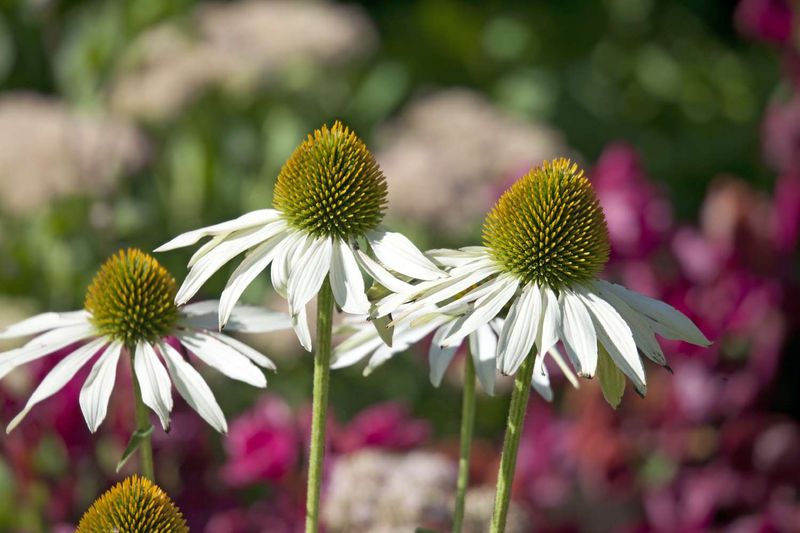
Bold white petals droop gracefully around prominent center cones throughout Pennsylvania summers. White coneflowers bring prairie charm to suburban and rural gardens alike.
These tough natives handle whatever weather our state throws at them without missing a beat.
Also called white echinacea, these perennials bloom for months when deadheaded regularly. They start flowering in June and continue through September. Butterflies and goldfinches flock to them, adding movement and life to garden spaces.
Full sun and average soil satisfy these undemanding plants perfectly. They tolerate drought once established, making them practical for busy Pennsylvania gardeners. Poor soil doesn’t bother them like it does fussier flowers.
Plant them in groups of three or more for visual impact. Single specimens get lost in busy borders. Mass plantings create stunning drifts that look natural and intentional.
Leave seed heads standing through winter for bird food. Goldfinches perch on dried cones, extracting seeds through cold months. This wildlife benefit extends the garden’s usefulness beyond growing season.
White coneflowers mix beautifully with purple varieties and ornamental grasses. They also complement black-eyed Susans and bee balm in pollinator gardens.
Their long bloom time and low maintenance requirements make them stars in Pennsylvania landscapes.
Few perennials offer such reliable performance with so little care needed. These native beauties deserve space in every garden across the state.