11 Toxic Houseplants Texas Pet Owners Should Watch Out For
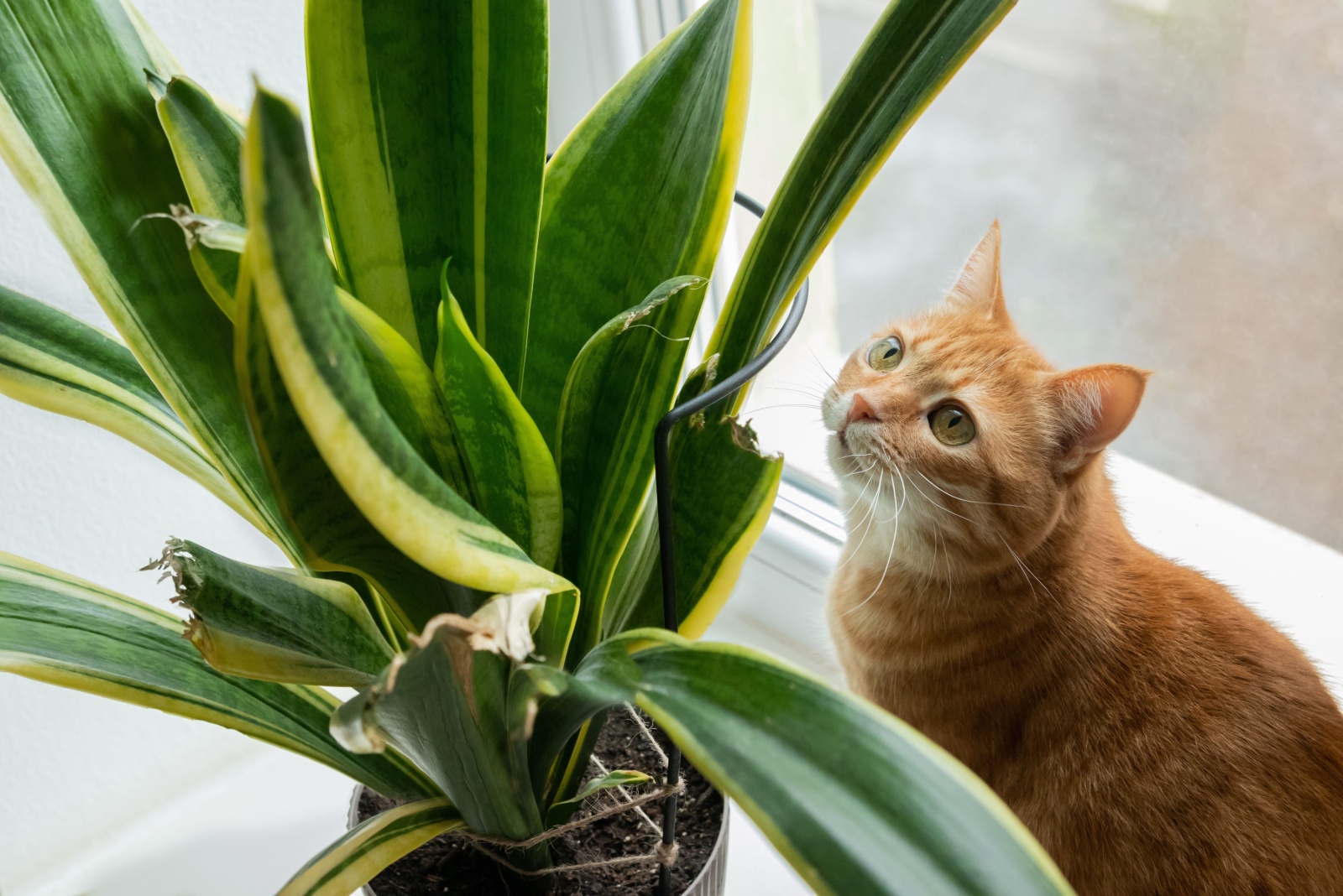
Texas homes often double as playgrounds for curious pets, yet some houseplants hide danger behind their beauty.
A single nibble can trigger anything from mild upset to serious illness, leaving owners scrambling for answers.
Many popular tropical and flowering plants carry toxins that affect cats, dogs, or even small children, making awareness a must.
Some look harmless, others resemble edible herbs, and a few lurk in plain sight on shelves or tables. B
eyond prevention, understanding symptoms and quick response can make all the difference if an accident happens.
1. Sago Palm
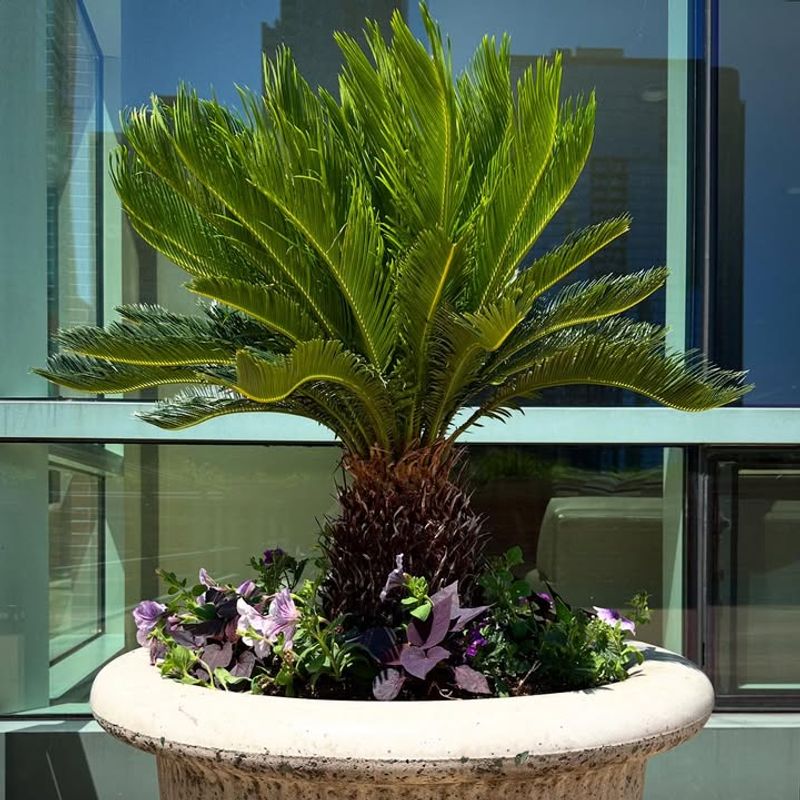
Popular in Texas landscapes and living rooms, the sago palm looks like a miniature tropical paradise with its feathery fronds.
Every part of this plant contains cycasin, a powerful toxin that affects the liver.
Even a tiny amount can cause serious harm to cats and dogs.
Pets who munch on sago palm may vomit, experience diarrhea, or show signs of weakness within hours.
The seeds are especially dangerous, packing the highest concentration of toxins.
Many pet owners place these plants on patios or in bright indoor spots without realizing the risk.
Curious puppies and kittens often find the textured trunk irresistible to chew.
If you already own a sago palm, move it to a room your pets cannot access.
Better yet, consider replacing it with a pet-safe alternative like a ponytail palm or parlor palm.
Quick action matters if your pet ingests any part of this plant.
Contact your veterinarian immediately and bring a sample of the plant if possible.
Prevention is always easier than treatment, so double-check plant labels before bringing new greenery home.
Your pets depend on you to keep their environment safe from hidden dangers.
2. Dieffenbachia
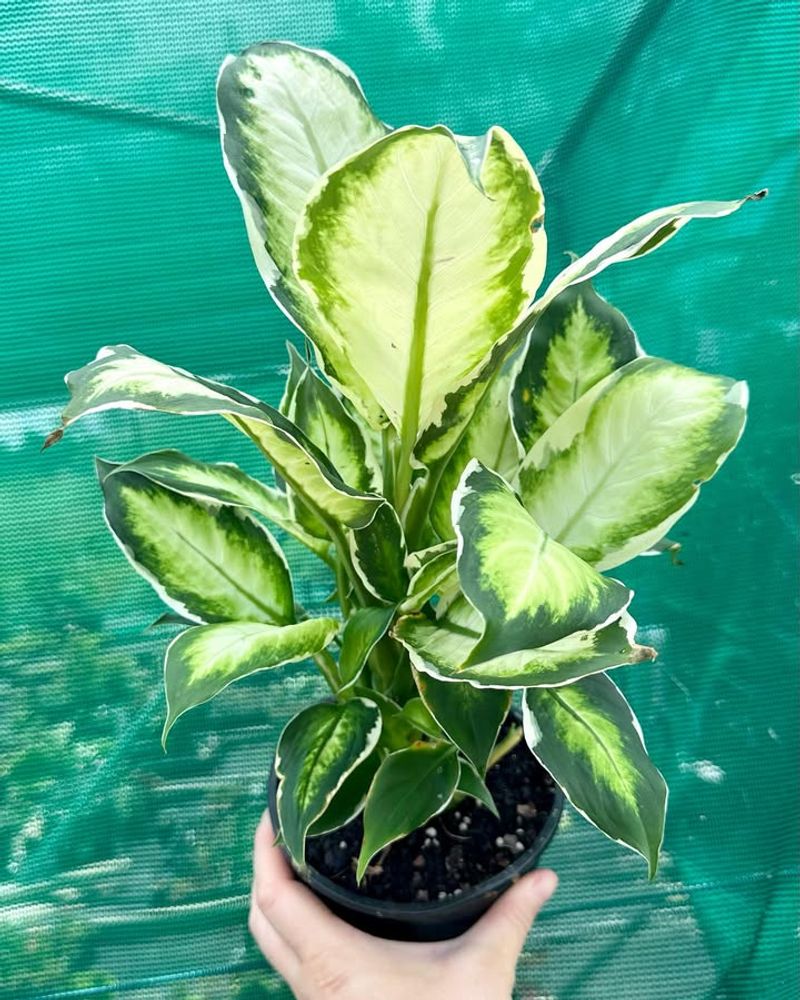
Dieffenbachia earns its nickname “dumb cane” from the way it affects anyone who bites into its leaves.
The plant contains calcium oxalate crystals that cause immediate burning and swelling in the mouth and throat.
Pets who chew on this plant often paw at their faces and drool excessively.
The large, patterned leaves make dieffenbachia a favorite for adding visual interest to homes.
Many Texas households display these plants in corners or near windows where they thrive in indirect light.
Cats seem particularly attracted to the broad leaves, which sway temptingly when brushed against.
Symptoms appear almost instantly after contact, making it easier to identify the culprit plant.
Swelling can become severe enough to interfere with breathing in extreme cases.
Rinse your pet’s mouth with water if you catch them chewing dieffenbachia, then call your vet right away.
Avoid inducing vomiting unless directed by a professional.
Consider hanging plants out of reach or choosing safer options like spider plants or Boston ferns.
Your home can still look lush and inviting without putting your pets at risk.
Always research new plants before purchase to avoid unpleasant surprises.
3. Philodendron
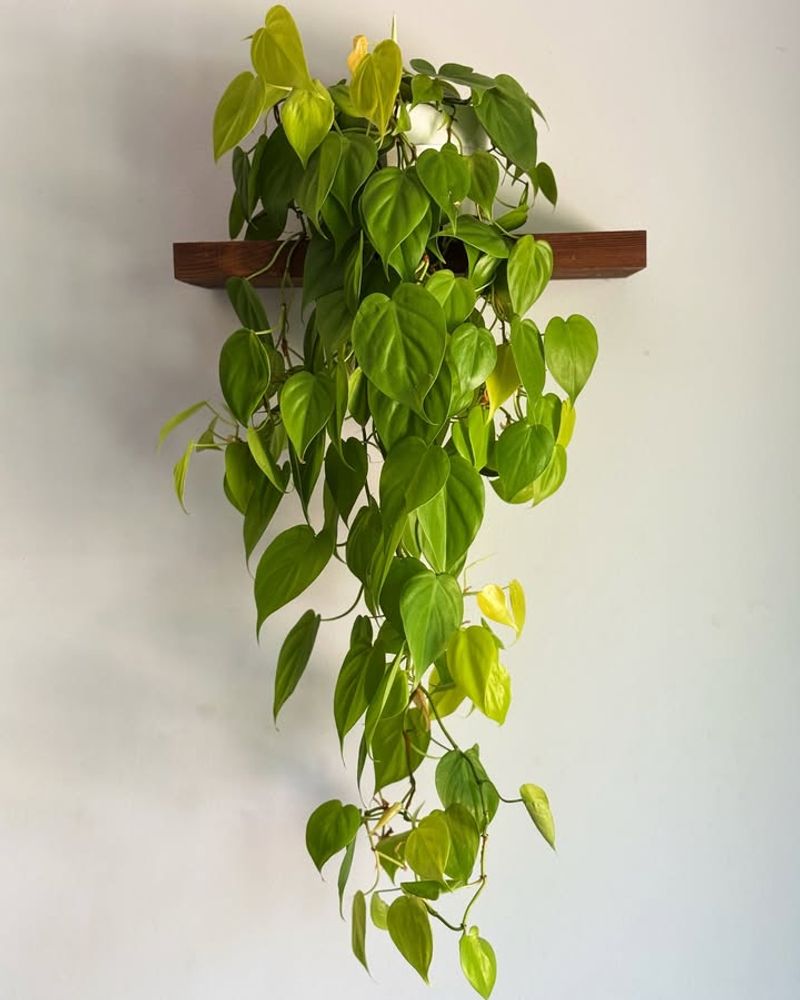
With heart-shaped leaves and easygoing care requirements, philodendrons rank among the most common houseplants in Texas homes.
These trailing beauties look stunning in hanging baskets or climbing up moss poles.
Unfortunately, they also contain calcium oxalate crystals that irritate soft tissues.
Pets who nibble philodendron leaves experience immediate discomfort, including drooling, mouth pain, and difficulty swallowing.
The vines grow quickly, making it easy for curious pets to reach dangling stems.
Some cats enjoy batting at the leaves, which can lead to accidental ingestion.
Dogs might chew on lower leaves out of boredom or curiosity.
Symptoms usually appear within minutes of contact, alerting owners to the problem quickly.
Severe reactions are uncommon but can include vomiting and decreased appetite.
If your pet shows signs of distress after encountering a philodendron, offer small amounts of water and contact your veterinarian.
Many pet-friendly alternatives provide similar visual appeal without the risk.
Prayer plants and peperomias offer interesting foliage patterns in compact forms.
You can also elevate philodendrons on high shelves where pets cannot reach them.
Creating a pet-safe plant collection requires some planning but pays off in peace of mind.
4. Pothos

Nearly indestructible and willing to grow in almost any light condition, pothos has become a staple in homes across Texas.
This vine thrives on neglect, making it perfect for busy households.
The downside? Pothos contains the same calcium oxalate crystals found in philodendrons.
Pets who chew on the leaves experience burning sensations, excessive drooling, and pawing at their mouths.
The long vines tempt playful cats who see them as toys.
Dogs might investigate fallen leaves or stems that break off during routine care.
Golden pothos, marble queen, and neon varieties all carry the same risks despite their different appearances.
Most reactions remain mild, but repeated exposure can cause more serious stomach upset.
Vomiting and diarrhea sometimes occur several hours after ingestion.
Place pothos plants on high shelves or in rooms your pets rarely enter.
Hanging planters work well if secured properly and positioned away from climbing spots.
Monitor your pets for signs of plant chewing, like teeth marks on leaves or scattered plant debris.
Safe alternatives include Swedish ivy and string of hearts, which offer similar trailing growth without toxicity concerns.
Your pets deserve a home where they can explore safely.
5. Snake Plant
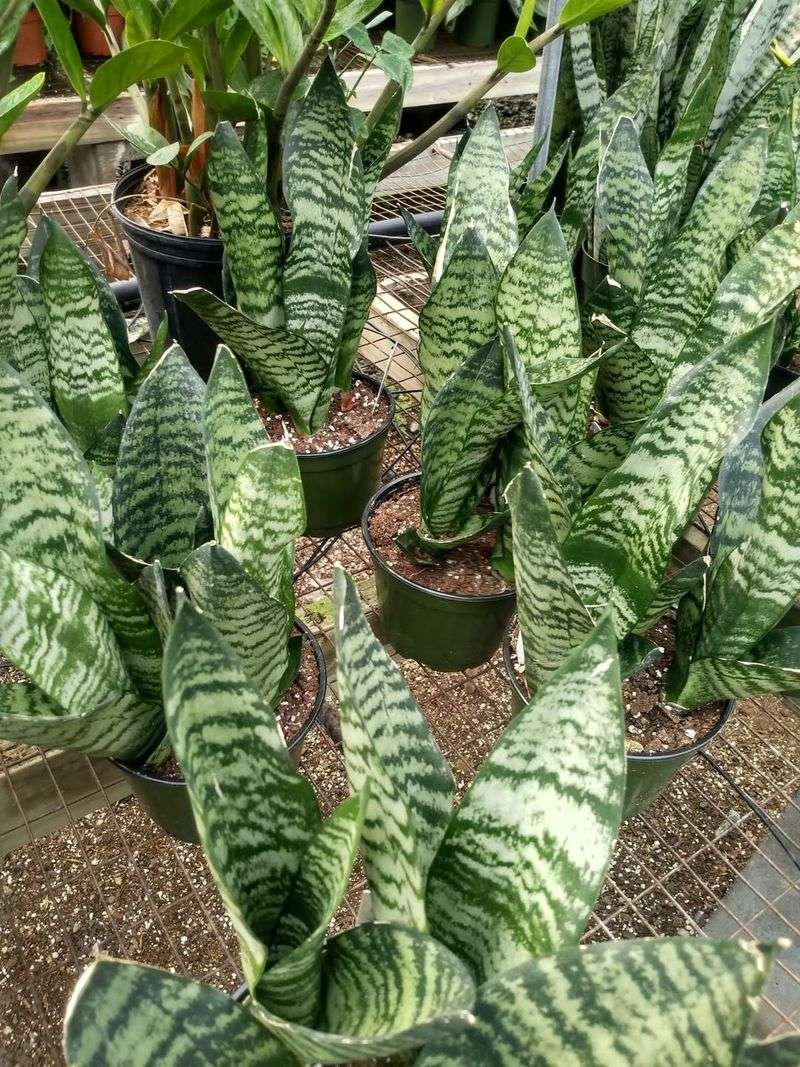
Architectural and striking, snake plants add modern flair to Texas interiors with their upright, sword-like leaves.
These hardy survivors tolerate low light and infrequent watering, making them ideal for forgetful plant parents.
But snake plants contain saponins, which cause nausea and digestive upset in pets.
Cats and dogs who chew on the stiff leaves may vomit or develop diarrhea within hours.
The bitter taste usually prevents pets from eating large quantities, but even small amounts can cause discomfort.
Some pets experience excessive drooling or seem lethargic after ingestion.
The tall, rigid leaves might attract cats who enjoy rubbing against firm surfaces.
Dogs occasionally knock over snake plants while playing, creating opportunities for accidental exposure.
Symptoms typically resolve on their own within a day or two, but veterinary care helps ensure proper recovery.
Keep snake plants on elevated surfaces or in rooms your pets avoid.
The weight of the plant makes it less suitable for hanging, so strategic placement becomes crucial.
Consider pet-friendly alternatives like bamboo palms or African violets for similar visual impact.
Both offer interesting textures and shapes without posing health risks.
A thoughtful approach to plant selection protects everyone in your household.
6. Peace Lily
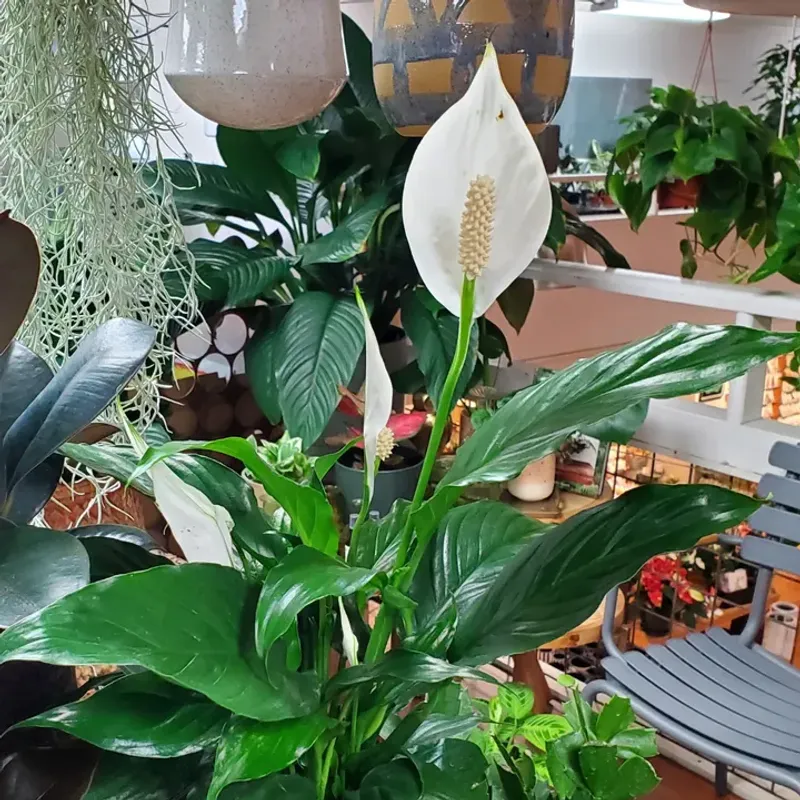
Elegant white blooms and glossy green leaves make peace lilies a popular gift and home decor choice throughout Texas.
These plants signal when they need water by drooping dramatically, then perk up quickly after a drink.
Despite their serene appearance, peace lilies contain calcium oxalate crystals that irritate mouth tissues.
Pets who bite into the leaves or flowers experience immediate burning and discomfort.
Drooling becomes excessive, and some pets paw at their faces or refuse to eat.
Cats seem particularly drawn to the smooth, wide leaves.
The white spathes that resemble flowers might also attract curious nibbles.
Swelling can occur in the mouth, tongue, and throat, making swallowing difficult.
Most reactions remain mild, but severe cases require veterinary attention to manage symptoms.
Rinse your pet’s mouth gently with water if you witness them chewing on a peace lily.
Avoid giving milk, which can worsen the reaction.
Place peace lilies on tall plant stands or in areas your pets cannot reach
Better yet, swap them for pet-safe options like calatheas or orchids.
Both offer beautiful blooms and interesting foliage without endangering your furry companions.
Creating a safe space benefits everyone who calls your house home.
7. Aloe Vera
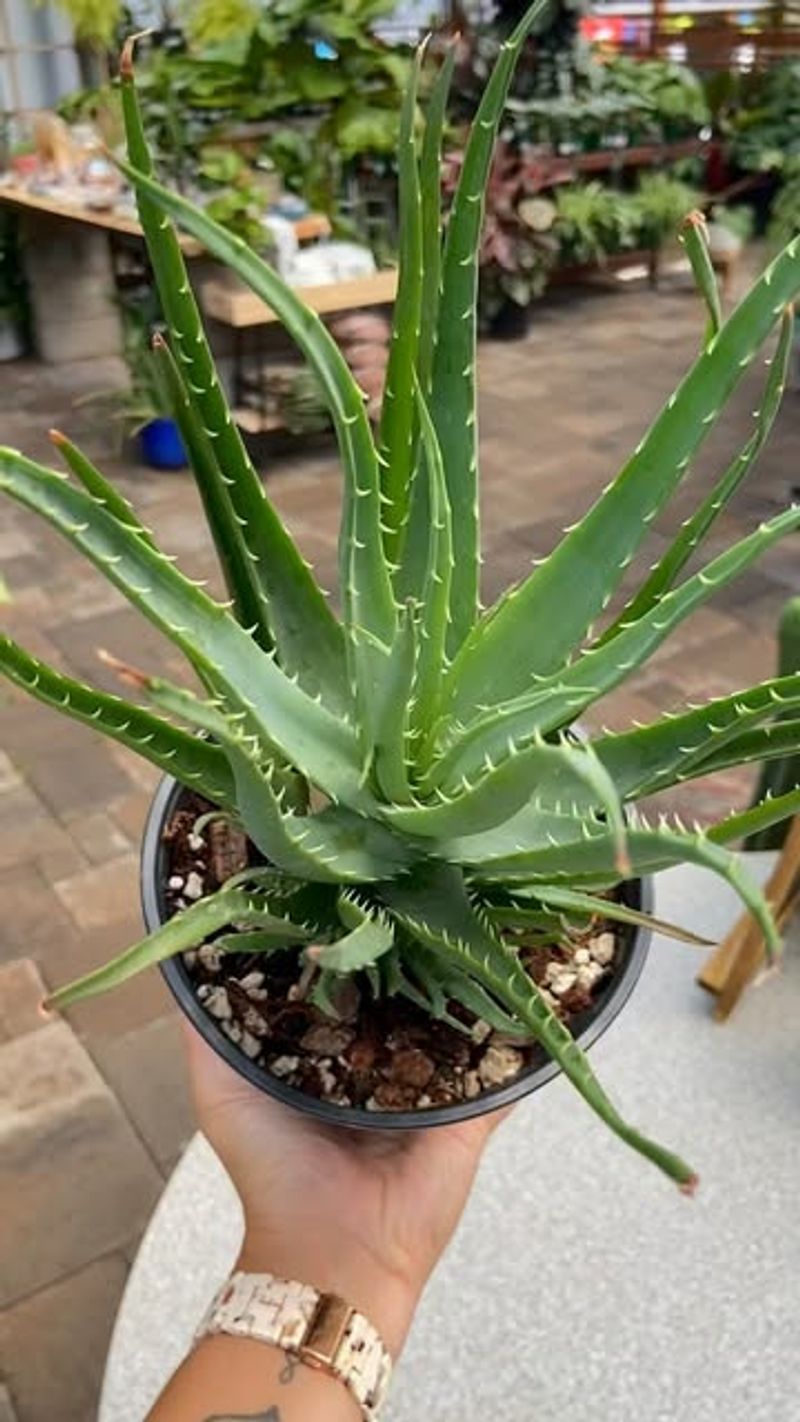
Known for soothing sunburns and minor skin irritations, aloe vera grows abundantly in Texas homes and gardens.
The thick, spiky leaves store gel that humans use for various remedies.
However, the latex layer just beneath the leaf surface contains anthraquinones that cause digestive upset in pets.
Dogs and cats who chew on aloe leaves may vomit, develop diarrhea, or show signs of lethargy.
The bitter taste usually discourages extensive chewing, but some pets persist out of curiosity.
Symptoms typically appear within a few hours of ingestion.
Some pets experience changes in urine color or tremors in severe cases.
The popularity of aloe vera means many households keep multiple plants in sunny windows.
Cats who enjoy basking in windowsills might accidentally bite into nearby aloe leaves.
Dogs sometimes knock over pots during play, creating opportunities for exposure.
If your pet ingests aloe, monitor them closely and contact your veterinarian for guidance.
Most cases resolve with supportive care, but professional advice ensures proper recovery.
Consider keeping aloe plants in bathrooms or on high shelves away from pet traffic.
Pet-safe succulents like echeveria and haworthia offer similar drought-tolerant appeal without the risks.
Your plant collection can thrive alongside your pets with careful selection.
8. English Ivy
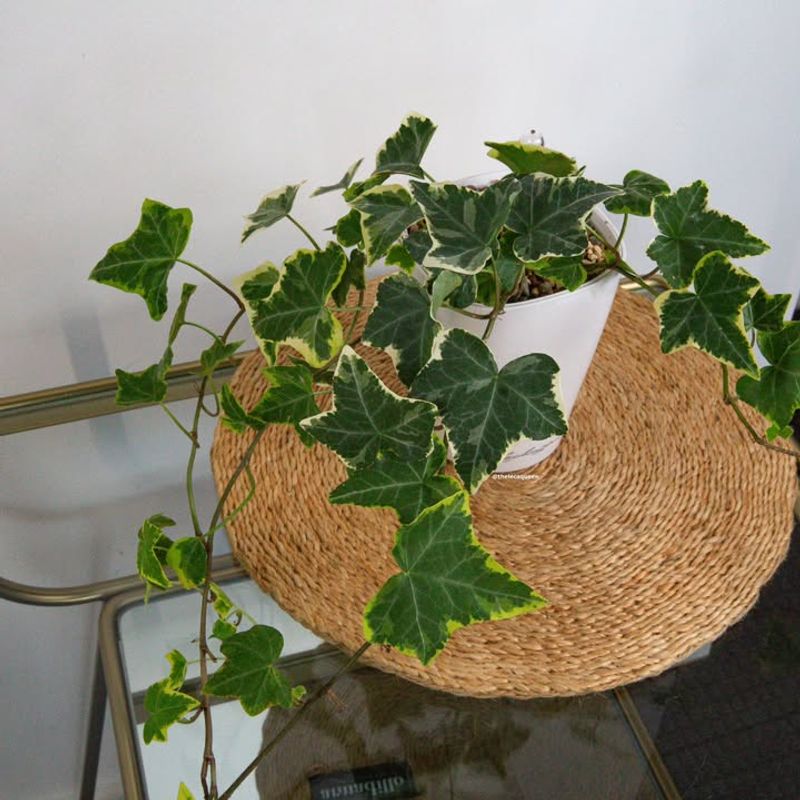
Cascading gracefully from hanging baskets, English ivy brings a touch of classic elegance to Texas homes.
The dense foliage creates lush curtains of green that soften harsh architectural lines.
But this beautiful vine contains triterpenoid saponins that cause stomach upset and other symptoms in pets.
Cats and dogs who chew on ivy leaves may vomit, experience diarrhea, or show excessive drooling.
Some pets develop skin irritation from contact with the sap.
The trailing vines make tempting toys for playful cats who bat at dangling stems.
Dogs might chew on ivy that grows along the ground or spills from low containers.
Symptoms usually appear within a few hours and can include abdominal pain and weakness.
In rare cases, pets experience difficulty breathing or changes in heart rate.
Contact your veterinarian if your pet shows any signs of distress after encountering English ivy.
Keep ivy plants well out of reach or choose safer trailing options like spider plants.
Spider plants produce similar cascading foliage without posing health risks to pets.
You can also try Swedish ivy, which despite its name is actually pet-safe.
Making informed choices about your indoor plants protects the animals who depend on you.
A little research goes a long way toward creating a harmonious home.
9. Jade Plant
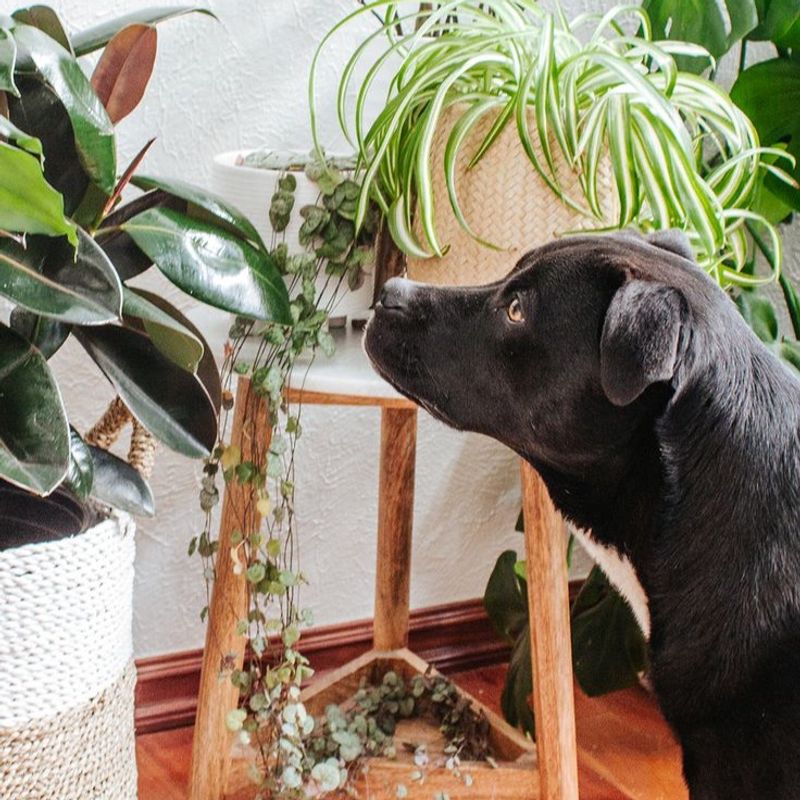
Compact and sculptural, jade plants develop thick trunks and fleshy leaves that give them a miniature tree appearance.
These succulents thrive in Texas heat and require minimal watering, making them perfect for sunny windowsills.
Unfortunately, jade plants contain unknown toxic compounds that affect pets.
Dogs and cats who chew on the leaves may vomit, become lethargic, or show signs of depression.
Some pets develop coordination problems or seem unusually slow in their movements.
The exact mechanism of toxicity remains unclear, but symptoms appear consistently across cases.
Small dogs and cats face higher risks because their body size means even small amounts have bigger impacts.
Jade plants often sit on coffee tables or desks where curious pets can reach them.
The plump leaves might attract chewing, especially from teething puppies.
Cats sometimes knock jade plants off surfaces while exploring, leading to accidental exposure.
If your pet ingests jade plant material, contact your veterinarian for advice on monitoring and care.
Most pets recover fully with supportive treatment.
Consider moving jade plants to high shelves or replacing them with pet-safe succulents like Christmas cactus.
Haworthia and echeveria also offer interesting shapes and textures without toxicity concerns.
Protecting your pets means thinking ahead about potential hazards in their environment.
10. Caladium
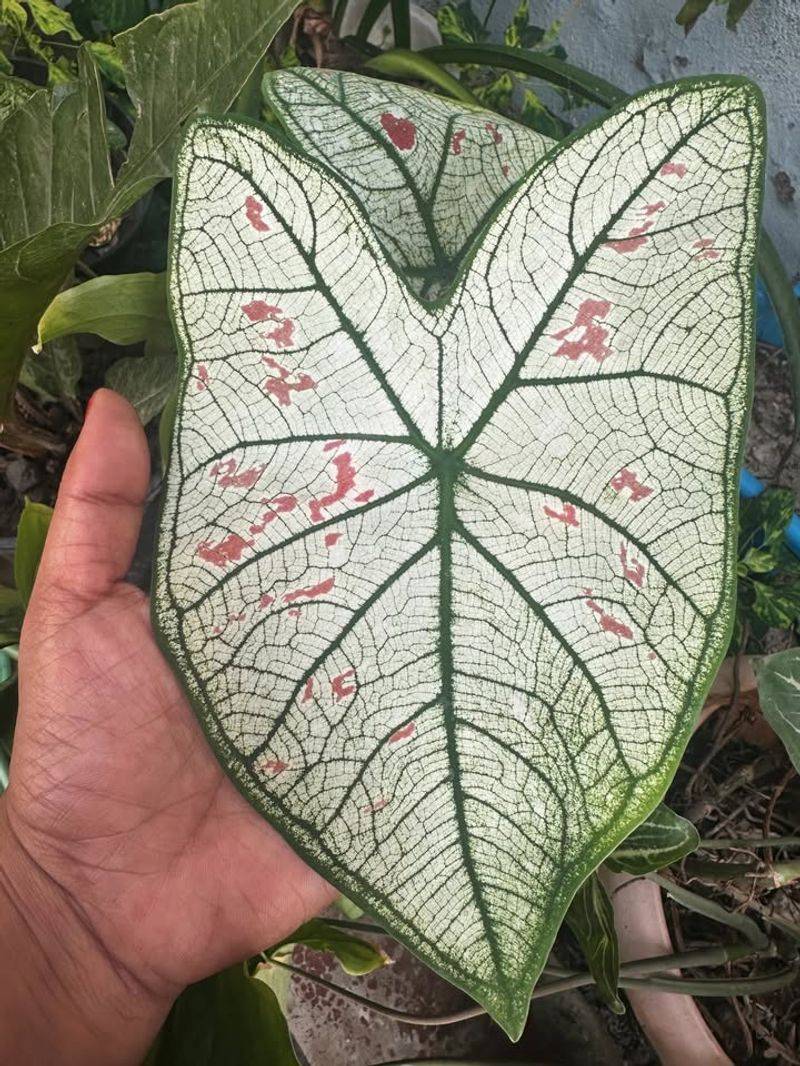
Bursting with color, caladium leaves display stunning combinations of pink, red, white, and green that brighten any Texas room.
These tropical beauties thrive in warm, humid conditions that match our climate perfectly.
The dramatic foliage makes caladiums a favorite for adding bold statements to indoor spaces.
However, all parts of the plant contain calcium oxalate crystals that cause immediate irritation.
Pets who bite into caladium leaves experience intense burning in their mouths and throats.
Excessive drooling follows quickly, along with pawing at the face and obvious distress.
Swelling can occur in the mouth, tongue, and lips, making eating and drinking difficult.
Some pets vomit or develop diarrhea hours after exposure.
The large, colorful leaves attract attention from both cats and dogs.
Movement from air conditioning vents makes the foliage sway enticingly.
If your pet chews on caladium, rinse their mouth gently with water and call your veterinarian immediately.
Avoid trying to make your pet vomit unless specifically instructed.
Place caladiums in rooms your pets cannot access or choose pet-friendly alternatives with similar visual impact.
Calatheas offer colorful, patterned leaves without toxicity risks.
Your home can showcase beautiful plants while keeping your furry family members safe from harm.
11. Oleander
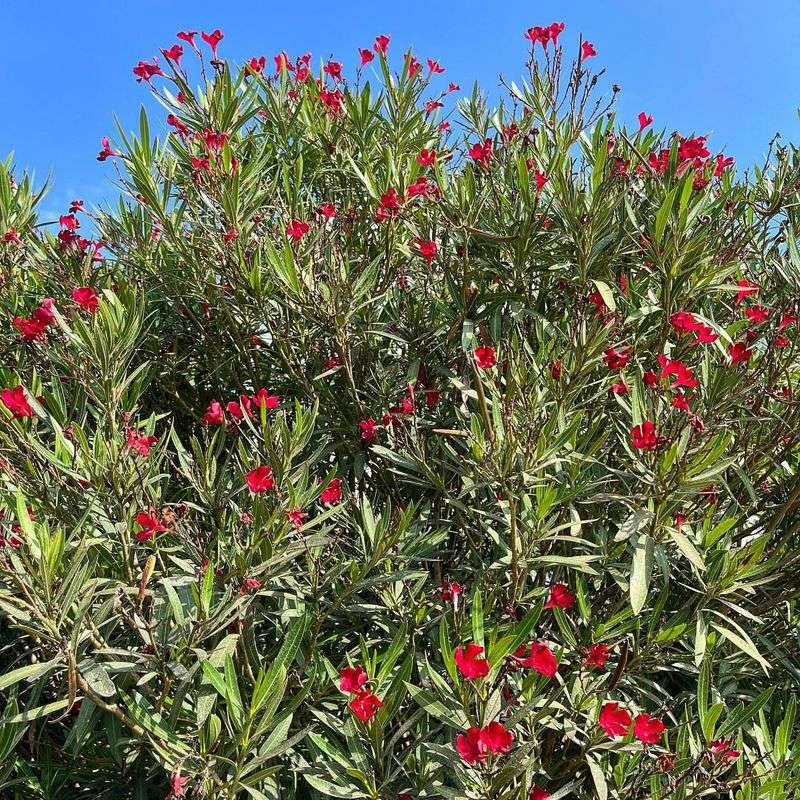
Though more commonly seen outdoors in Texas landscapes, oleander sometimes finds its way into sunrooms and bright indoor spaces.
The clusters of pink, white, or red flowers create stunning displays that last for months.
Every part of oleander contains cardiac glycosides, making it one of the most dangerous plants for pets.
Even small amounts can cause serious heart problems, along with vomiting and weakness.
Pets who chew on oleander may show symptoms ranging from drooling and stomach upset to irregular heartbeat.
The toxins affect the cardiovascular system directly, potentially causing life-threatening complications.
Dried leaves remain just as dangerous as fresh ones, so fallen plant material poses ongoing risks.
Some pets become lethargic or collapse after ingestion.
Others experience tremors or seem confused and disoriented.
If you suspect your pet has encountered oleander, seek emergency veterinary care immediately.
Time matters critically with this plant, as early intervention improves outcomes significantly.
Never keep oleander in homes with pets, regardless of how carefully you think you can supervise.
The risks simply outweigh any decorative benefits.
Choose safer flowering options like African violets or orchids that provide beauty without danger.
Your pets trust you to create a safe environment where they can explore freely.