Toxic Trees Commonly Found In Texas Yards
Texas landscapes are filled with beautiful trees, but not all of them are as harmless as they appear.
Several trees commonly found in Texas yards are toxic to people, pets, or livestock, and problems often arise when homeowners don’t realize the risks until it’s too late.
Leaves, seeds, bark, or sap from certain species can cause skin irritation, digestive illness, or serious poisoning when ingested.
Children, dogs, and grazing animals are especially vulnerable.
Because many of these trees are popular ornamentals or native species, they often go unnoticed for years.
Texas’ long growing season and mild winters allow these trees to thrive in residential areas, making awareness especially important.
Knowing which trees pose risks helps homeowners make safer landscaping decisions, avoid accidental exposure, and protect their families.
Understanding toxicity doesn’t mean removing every tree, but it does mean knowing what you’re dealing with and how to manage it responsibly.
Chinaberry (Melia Azedarach)
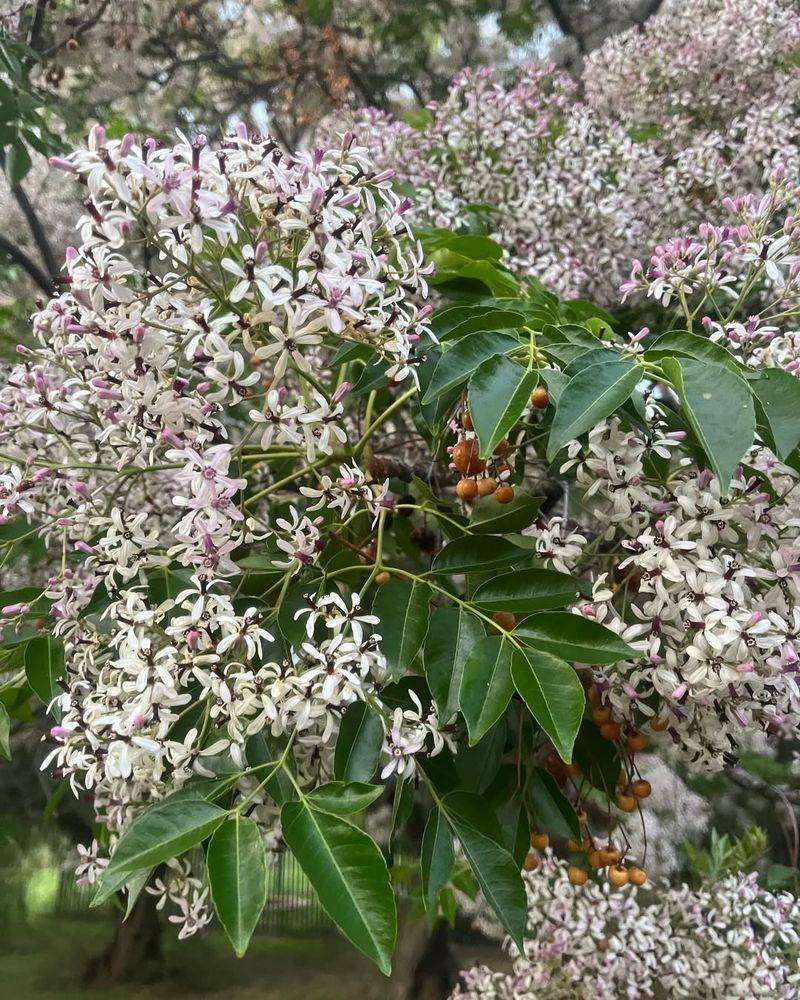
Walk through any older Texas neighborhood and you’ll likely spot a chinaberry tree with its clusters of golden berries hanging like nature’s ornaments.
These trees were once beloved for their fast growth and generous shade, which explains why so many still stand in yards across the state.
However, those pretty berries hide a dangerous secret that every homeowner should know about.
Every part of this tree contains toxic compounds, but the berries pose the biggest threat because they look deceptively similar to edible fruit.
Children might mistake them for cherries or grapes, while curious dogs often gobble them up during playtime.
Even livestock grazing near fallen branches can experience serious health issues.
The toxins affect the nervous system and digestive tract, causing symptoms that range from stomach upset to more severe reactions.
If you have young kids or pets who explore your yard, keeping chinaberry trees trimmed or removed might be your safest bet.
Many Texas homeowners are choosing to replace these old-timers with safer native alternatives.
Despite their risks, chinaberries remain common because they’re incredibly hardy and drought-tolerant.
Just remember to sweep up fallen berries regularly and teach children never to eat anything from this tree, no matter how tempting those golden clusters might appear.
Oleander (Nerium Oleander)
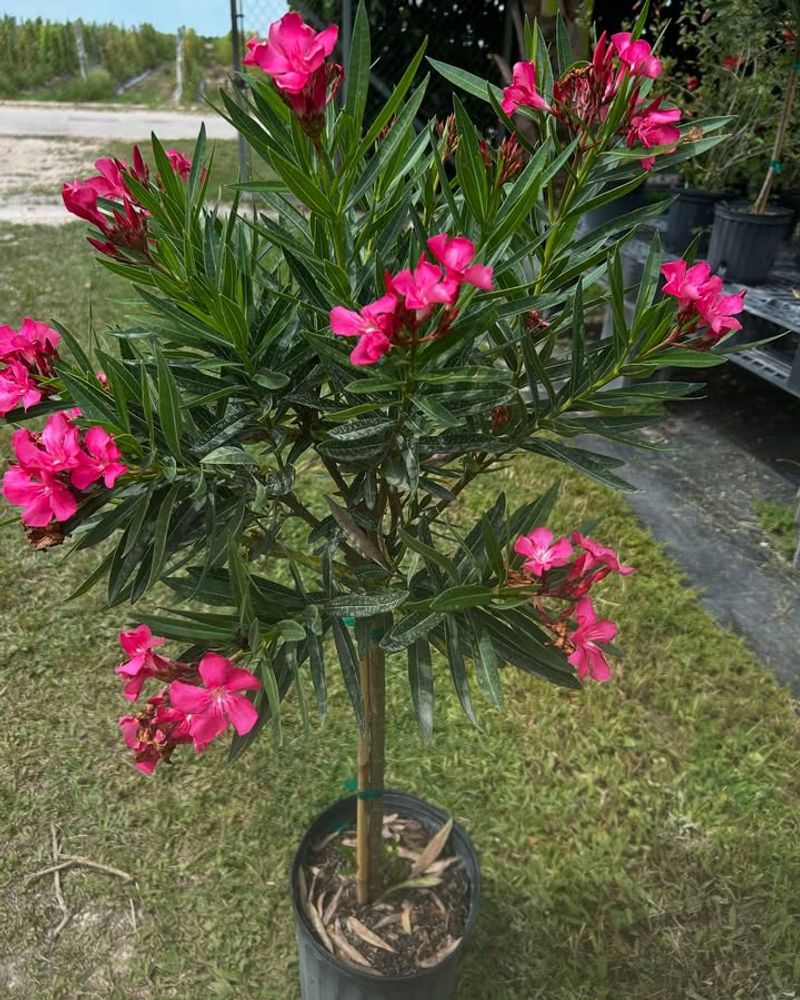
Gorgeous blooms in shades of pink, white, and red make oleander a landscape favorite throughout Texas.
This evergreen shrub often grows tall enough to be considered a small tree, creating stunning privacy hedges along property lines.
Beauty comes with a price, though—oleander ranks among the most poisonous plants you can grow.
What makes oleander particularly scary is that every single part contains cardiac glycosides, powerful compounds that affect heart function.
Even the smoke from burning oleander branches can cause respiratory problems and other health concerns.
People have gotten sick simply from using oleander sticks to roast marshmallows over a campfire.
Pets who chew on leaves or flowers face serious medical emergencies, and livestock grazing near oleander hedges risk exposure too.
The plant’s toxicity doesn’t diminish when dried, so fallen leaves remain dangerous long after they’ve dropped.
Some landscapers wear gloves when pruning oleander to avoid skin irritation from the sap.
If you love the look of oleander but worry about safety, consider planting it in areas where pets and children don’t play.
Many Texas gardeners position oleanders along back fences or in front-yard beds away from high-traffic zones.
Always dispose of clippings properly—never toss them where animals might find them or add them to compost piles that pets could access.
Mexican Buckeye (Ungnadia Speciosa)
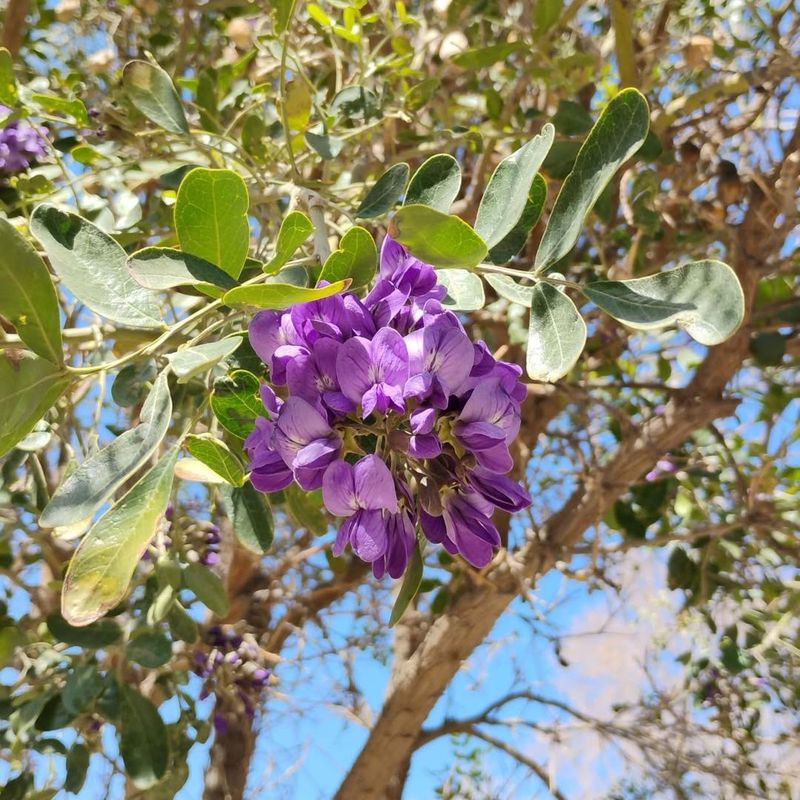
Springtime in Texas brings the Mexican buckeye to life with fragrant clusters of pink and purple flowers that butterflies absolutely adore.
This native tree has become increasingly popular in xeriscaping projects because it thrives in our hot, dry climate without much fussing.
Gardeners appreciate its low-maintenance nature and early spring color when not much else is blooming yet.
The trouble starts in late summer when this tree produces three-lobed seed pods that split open to reveal shiny brown seeds.
These seeds look remarkably similar to edible chestnuts, which creates a dangerous case of mistaken identity.
Children exploring the yard might pocket these seeds thinking they’ve found a tasty snack to munch on later.
Mexican buckeye seeds contain saponins that can cause stomach distress and other uncomfortable symptoms if eaten.
Dogs who like to chew on fallen objects sometimes crack open the pods and ingest the seeds during outdoor play sessions.
The good news is that the hard outer coating makes them difficult to bite through, which prevents many accidental poisonings.
You don’t necessarily need to remove this beautiful native tree from your landscape.
Instead, rake up fallen seed pods promptly during autumn and explain to kids why these look-alike seeds aren’t safe to eat.
With proper supervision and education, Mexican buckeye can remain a lovely addition to your Texas-friendly garden.
Black Locust (Robinia Pseudoacacia)
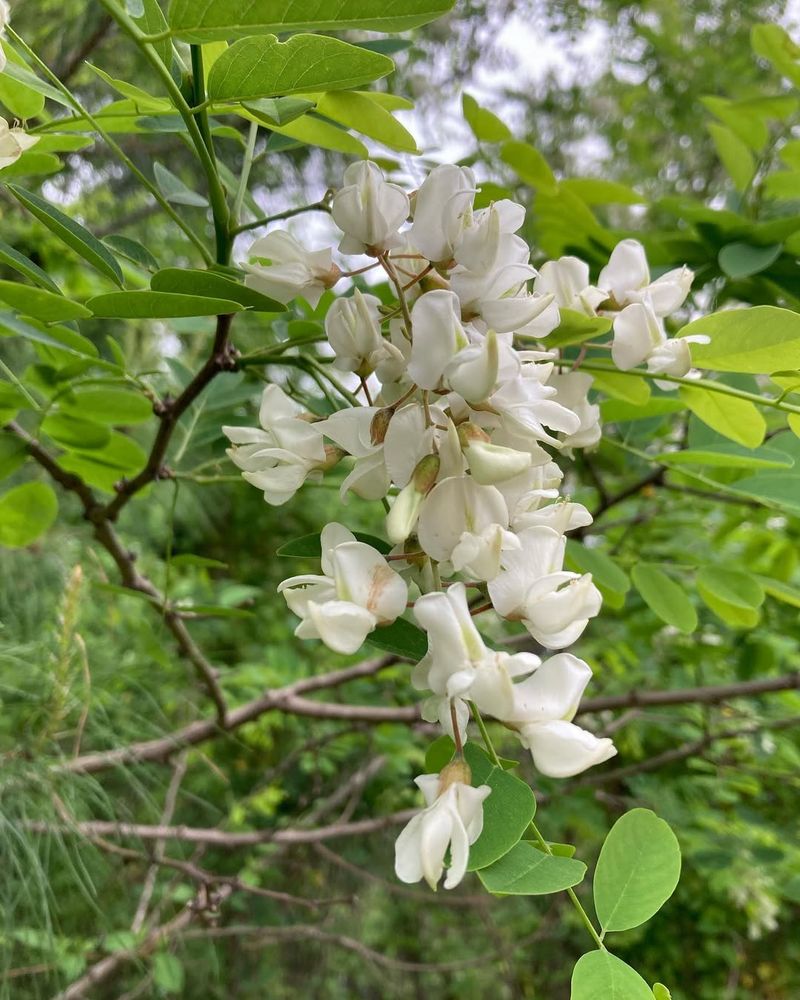
Fragrant white flower clusters draping from black locust branches create a stunning display that fills Texas yards with sweet perfume each spring.
This fast-growing tree produces incredibly hard wood that resists rot, making it valuable for fence posts and outdoor construction projects.
Homeowners often plant black locust for quick shade, but they should understand the risks that come with this species.
Horses face the greatest danger from black locust trees because they sometimes chew on bark out of boredom or nutritional deficiency.
The bark, leaves, and seeds all contain toxins that affect the digestive system and can cause serious health complications in livestock.
Dogs and cats occasionally experience problems too, especially if they chew on fallen branches during play.
People sometimes confuse black locust with honey locust, which is generally considered safer for yards with animals.
You can tell them apart by their thorns—black locust has paired thorns at leaf bases while honey locust sports longer, branched thorns along the trunk.
The leaves also differ, with black locust having more oval-shaped leaflets compared to honey locust’s smaller, more numerous leaflets.
If you keep horses or other livestock, planting black locust near pastures isn’t worth the risk.
For pet owners, the main concern involves preventing dogs from gnawing on branches and bark.
Many Texas gardeners successfully grow black locust by keeping it away from animal areas and cleaning up fallen seed pods regularly.
Yew (Taxus Spp.)
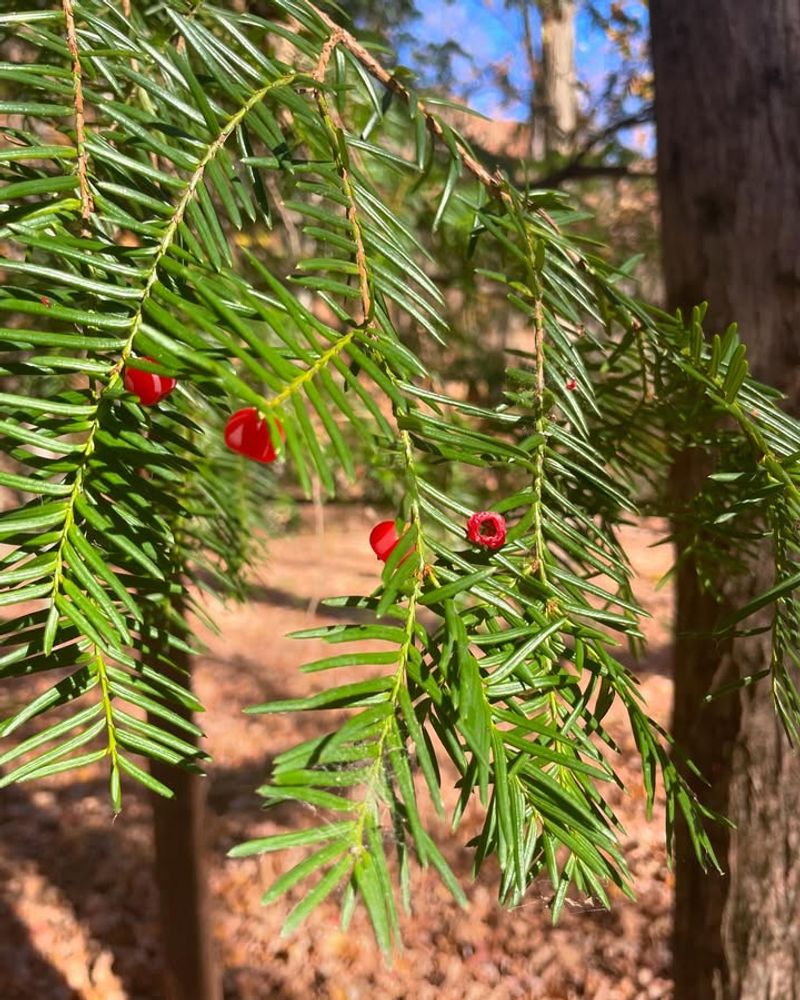
Elegant evergreen foliage and bright red berries make yew trees attractive additions to shaded Texas landscapes where other plants struggle to thrive.
While less common than some other ornamentals in our hot climate, yews do appear in established neighborhoods and formal gardens.
Their refined appearance and tolerance for shade have earned them spots in foundation plantings and as accent specimens.
Here’s something fascinating about yew toxicity—the fleshy red berry part is actually safe, but the seed tucked inside is extremely poisonous.
This creates confusion because people see birds eating the berries without harm and assume they must be safe for everyone.
Birds can digest the flesh and pass the seeds through their systems unharmed, but mammals process them very differently.
The needles contain the same dangerous compounds as the seeds, making the entire tree a concern for households with curious pets.
Cats seem particularly attracted to batting at the low-hanging branches, which could lead to accidental ingestion of needles.
Even small amounts can cause serious health problems, so prevention is definitely better than treatment with yews.
If you have yews already established in your landscape, consider whether their location puts pets and children at risk.
Fencing off yew plantings or replacing them with safer evergreens like holly or juniper might bring peace of mind.
For those who love the look, positioning yews in areas with restricted access lets you enjoy their beauty while minimizing danger.
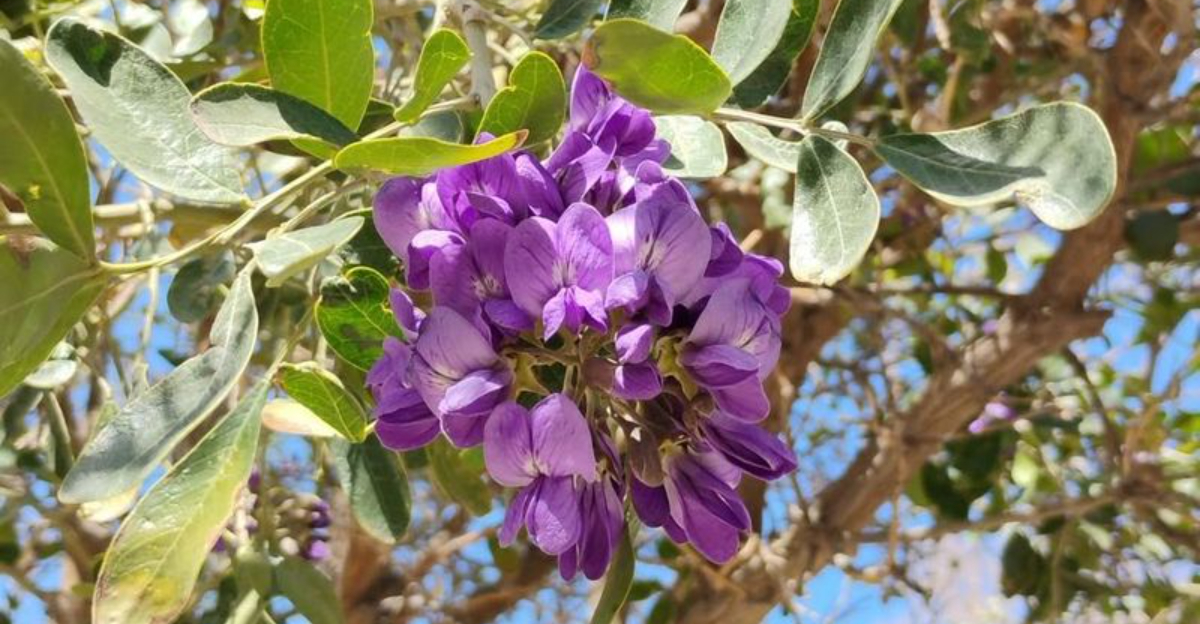
Texas Mountain Laurel (Sophora Secundiflora)
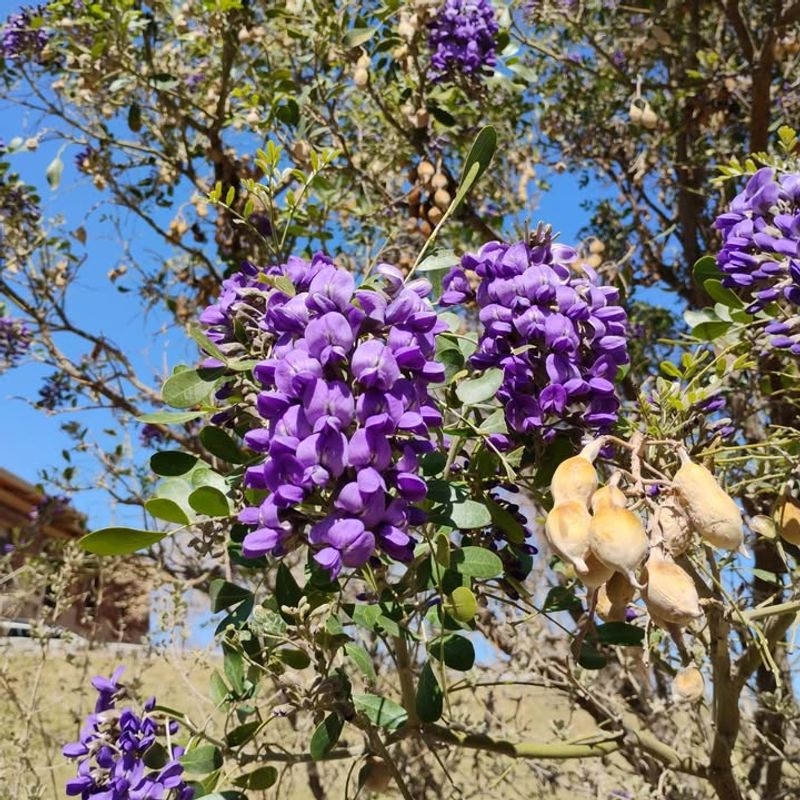
Few sights rival the spectacular show when Texas mountain laurel bursts into bloom with cascading purple flower clusters that smell like grape soda.
This beloved native tree has become a landscape staple across the state, prized for its drought tolerance and stunning early spring display.
Hummingbirds and butterflies flock to the fragrant blooms, creating a wildlife haven in your yard.
After the flowers fade, velvety gray seed pods develop and eventually split open to reveal bright red seeds that catch everyone’s attention.
These seeds are extremely hard—so hard that they were historically used as beads in jewelry and decorative items.
The problem arises when someone manages to crack or chew through that tough exterior, releasing the toxic compounds inside.
Children fascinated by the vivid red color might try to crack the seeds open out of curiosity or use them in imaginative play.
Dogs with powerful jaws sometimes succeed in breaking through the hard coating, though this happens less frequently than with softer seeds.
The toxicity level is significant enough that even small amounts can cause concerning symptoms.
Most Texas mountain laurel owners never experience problems because those seeds are genuinely difficult to penetrate.
Still, teaching kids to admire but not touch the pretty red seeds adds an extra layer of safety.
You can also collect and dispose of seed pods before they split open if you want to eliminate any possibility of exposure while keeping this gorgeous native tree.
Red Maple (Acer Rubrum)
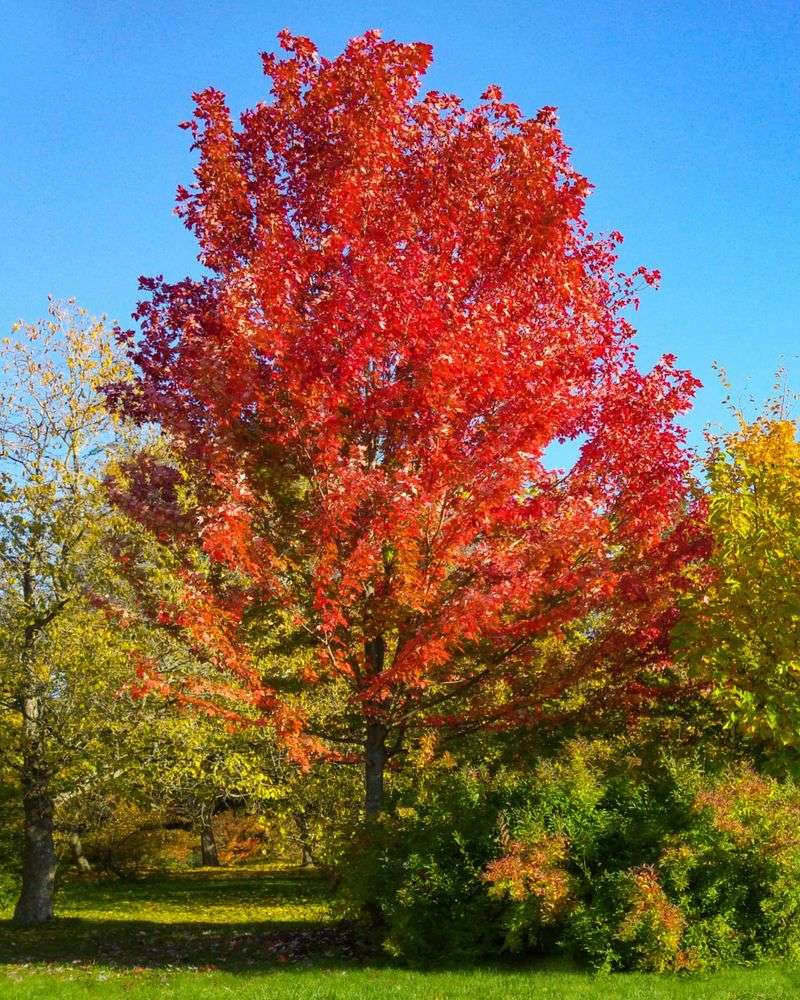
Brilliant fall foliage in shades of crimson and orange makes red maple a popular choice for Texas homeowners who want seasonal color in their landscapes.
This deciduous tree adapts well to various soil types and provides wonderful shade during our scorching summers.
Many suburban neighborhoods feature red maples as street trees or centerpiece specimens in front yards.
Horse owners need to pay special attention to red maples because wilted or dried leaves pose a specific threat to equine health.
Fresh green leaves don’t typically cause problems, but something changes in the chemical composition when leaves begin to wilt or dry out.
Even small amounts of these changed leaves can trigger serious health issues in horses, affecting their red blood cells.
Storm damage often creates the most dangerous situations when branches break and leaves begin wilting on the ground near pastures.
Autumn leaf drop presents another risky time as leaves dry out and blow into areas where horses graze.
Other livestock and pets generally face less risk, though it’s still wise to prevent any animals from munching on fallen maple leaves.
If you keep horses, consider planting red maples well away from pastures and paddocks where fallen leaves might accumulate.
Regular yard cleanup during fall becomes extra important to remove dried leaves before horses can access them.
For those without horses, red maples make excellent landscape trees that offer beauty and shade with minimal concerns beyond normal leaf cleanup duties.
Eucalyptus (Eucalyptus Spp.)
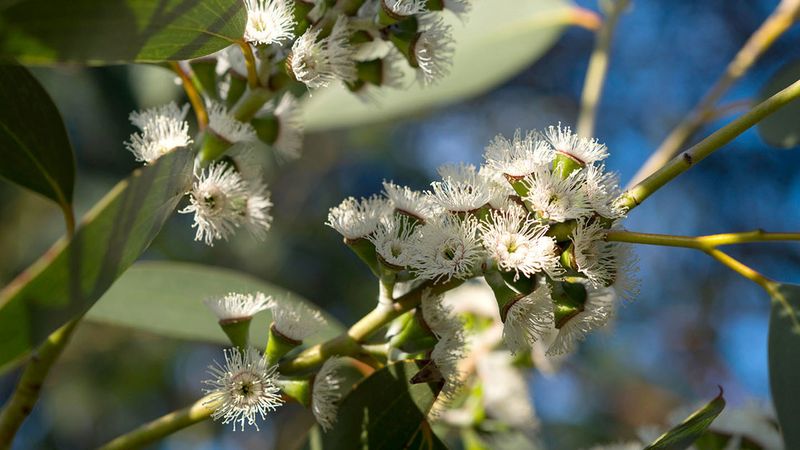
Aromatic blue-green foliage and distinctive peeling bark give eucalyptus trees an exotic appearance that stands out in Texas landscapes.
These fast-growing Australian natives have found homes in our state, particularly in areas with mild winters.
Gardeners love the fresh scent released when you brush against the leaves or crush them between your fingers.
That same aromatic oil that makes eucalyptus smell wonderful also makes it dangerous when pets decide to nibble on fallen leaves.
Dogs seem especially prone to sampling eucalyptus leaves, perhaps attracted by the strong scent or simply exploring with their mouths as dogs do.
The oils can cause drooling, vomiting, and other digestive upset, with severity depending on how much was consumed.
Eucalyptus leaves contain compounds that many animals can’t properly digest or metabolize, leading to toxic reactions.
Small pets face greater risks because it takes less plant material to cause problems in their smaller bodies.
Even the essential oils used in diffusers and cleaning products can bother pets if used in high concentrations around them.
If you have eucalyptus trees, keep an eye on your dogs during outdoor time and discourage leaf-chewing behavior.
Rake up fallen leaves regularly, especially if your pets have a habit of putting everything in their mouths.
For households with particularly curious pets, choosing a different ornamental tree might prevent potential emergency vet visits and give you one less thing to worry about when your furry friends are playing outside.