10 Toxic Trees You Should Avoid Planting In Any Florida Yard
Florida’s tropical climate makes it tempting to plant anything with glossy leaves, bright blooms, or fast-growing shade—but not every attractive tree belongs in a Sunshine State yard.
Some species hide nasty surprises: invasive roots that wreck foundations, fruits that are hazardous to pets, sap that burns skin, or growth habits that turn a peaceful yard into a maintenance nightmare.
Before you put another shovel in the ground, here are 10 toxic trees every Florida homeowner should think twice about planting—no matter how beautiful they may look at the nursery.
1. Manchineel Tree
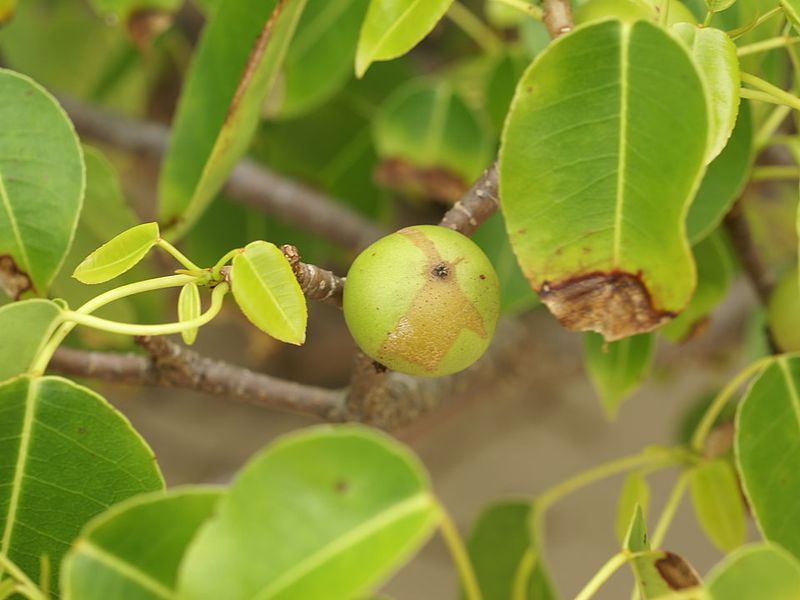
Often called the most dangerous tree in the world, the manchineel poses serious risks to anyone who encounters it.
Every part of this tree contains toxic sap that causes severe skin burns and blistering upon contact.
Even standing under it during rain can result in painful reactions as the sap drips down with water.
The small green fruits look tempting but eating even a tiny bite causes extreme mouth pain and throat swelling.
Many Florida beaches once had these trees, but most have been removed or marked with warning signs.
The wood is so toxic that burning it releases harmful fumes that can damage your eyes and lungs.
Landscapers who work with manchineel must wear full protective gear to avoid accidental exposure.
Native to coastal areas, this tree naturally grows in sandy soil near saltwater environments throughout Florida.
Wildlife generally avoids this tree, which makes it easy to spot in natural settings.
Homeowners should never plant manchineel trees anywhere near residential areas or places where people gather regularly.
2. Chinaberry Tree
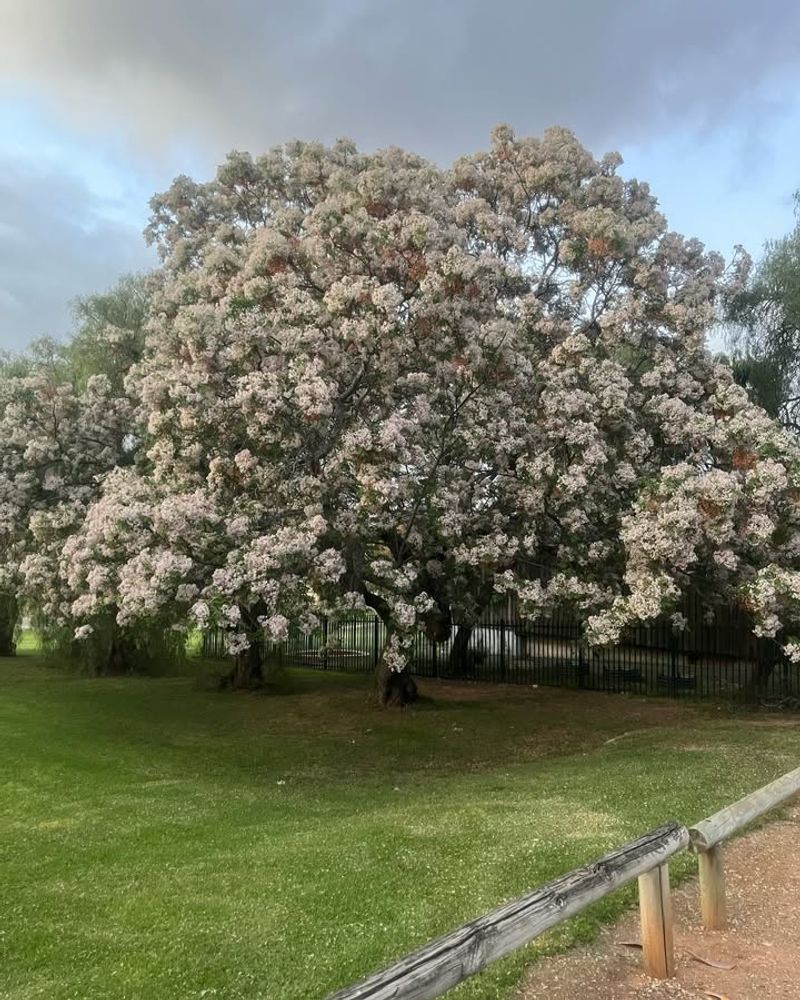
Chinaberry trees spread quickly across Florida landscapes, making them a common but problematic choice for yards.
The golden berries that hang in clusters contain toxic compounds that affect the nervous system when eaten.
Children sometimes mistake these berries for edible fruit, leading to serious stomach problems and vomiting.
Birds can eat the berries without harm, but mammals including pets face real danger from ingestion.
Just a handful of berries can cause severe symptoms in dogs and cats who find them on the ground.
This fast-growing tree drops berries everywhere, creating constant cleanup work and ongoing safety concerns.
The leaves also contain toxins, though they cause less severe reactions than the fruit does.
Many Florida neighborhoods have old chinaberry trees planted decades ago before people understood the risks.
Removing these trees completely, including the roots, helps prevent new shoots from sprouting back.
Better alternatives include native Florida trees that provide shade without posing health hazards to families.
3. Oleander Tree

Oleander grows throughout Florida as both a shrub and small tree, displaying beautiful flowers year-round.
Despite its attractive appearance, every single part of this plant contains cardiac glycosides that affect heart function.
Even touching the leaves and then rubbing your eyes can cause irritation and discomfort.
Burning oleander branches releases toxic smoke that can make people sick if they breathe it in.
Stories exist of people getting ill from using oleander sticks to roast marshmallows over campfires.
Pets who chew on oleander leaves can experience serious heart problems requiring immediate veterinary care.
The sap can cause skin rashes in sensitive individuals who handle the plant without gloves.
Many Florida highways and commercial properties use oleander for landscaping because it tolerates heat and drought well.
However, residential yards with children and pets should avoid this plant completely.
Safer flowering alternatives include hibiscus and plumbago, which offer similar beauty without the danger.
4. Sago Palm

Sago palms are extremely common in Florida landscapes, often planted for their hardy nature and tropical appearance.
Despite their palm-like look, sago palms are not true palms and are among the most toxic plants found in Florida yards.
Every part of the plant contains potent toxins, but the large seeds—often called “nuts”—are especially dangerous.
Ingesting even a small amount can cause severe liver failure, particularly in dogs, with many cases proving fatal within days.
Children are also at risk, as the seeds can resemble edible nuts or decorative objects.
Early symptoms of poisoning include vomiting, diarrhea, lethargy, and loss of appetite, which can quickly progress to seizures and organ failure.
Because sago palms are slow-growing and long-lived, they often remain in yards for decades, continuing to pose a hidden danger.
Fallen seeds frequently go unnoticed in lawns, increasing the risk of accidental ingestion by pets.
Florida veterinarians consistently rank sago palm poisoning among the most dangerous plant-related emergencies.
Homeowners with pets or small children should avoid planting sago palms and strongly consider removing existing specimens.
5. Tung Oil Tree
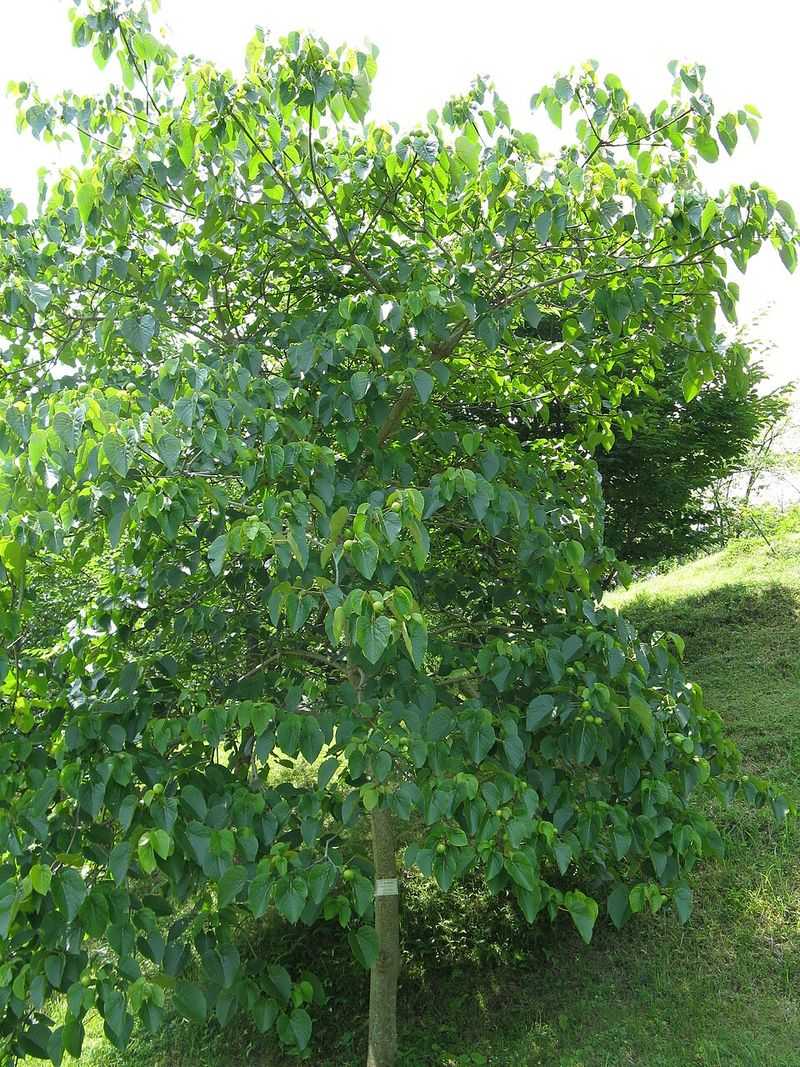
Tung oil trees were historically planted in parts of Florida for their fast growth and oil-producing seeds.
While once considered economically useful, these trees pose significant safety concerns in residential landscapes.
The large seeds contain toxic compounds that can cause severe nausea, vomiting, and diarrhea if ingested.
Children may be drawn to the round, nut-like seeds that fall to the ground, increasing the risk of accidental poisoning.
Pets that chew or swallow the seeds can experience serious gastrointestinal distress requiring veterinary care.
In addition to toxicity concerns, tung oil trees are known for weak wood and brittle branches that break easily during storms.
This structural weakness makes them particularly hazardous in Florida’s hurricane-prone climate.
The trees can also spread beyond planted areas, as seeds germinate readily in disturbed soils.
Many Florida counties discourage planting tung oil trees, favoring native alternatives that pose fewer risks.
Homeowners should avoid planting tung oil trees and consider replacing existing ones with safer, more storm-resilient species.
6. Sandbox Tree
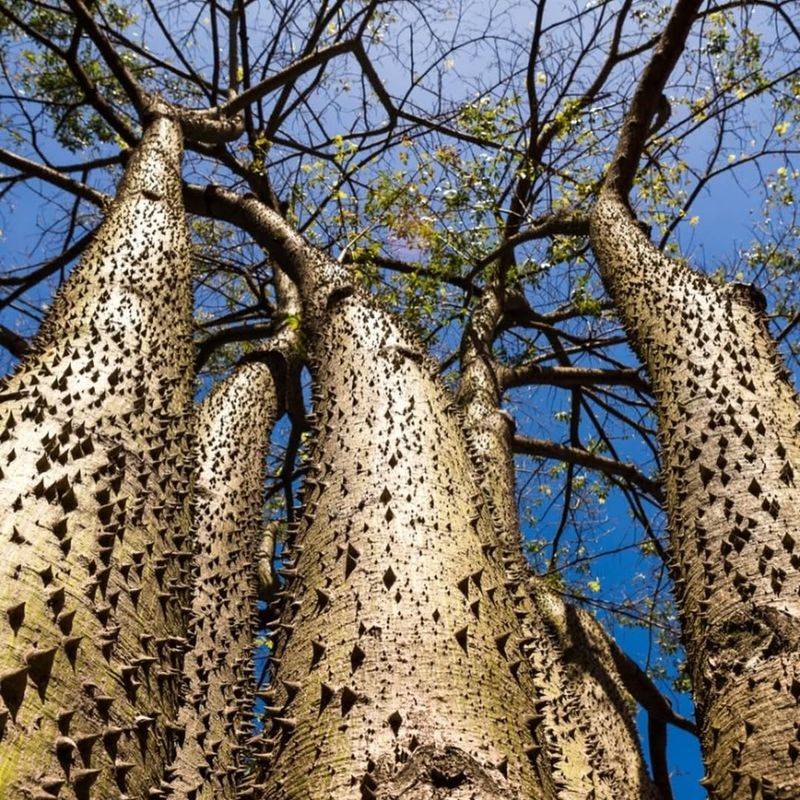
Sandbox trees earn their fearsome reputation through multiple dangerous features that make them unsuitable for residential areas.
Sharp spines cover the trunk from bottom to top, capable of causing serious injuries to anyone who brushes against them.
The milky sap causes severe skin irritation and temporary blindness if it contacts your eyes.
Most remarkably, the seed pods explode when ripe, launching seeds at speeds reaching 150 miles per hour.
These exploding pods sound like gunshots and can injure people or damage property within striking distance.
Native to tropical regions, sandbox trees sometimes appear in South Florida landscapes planted by uninformed homeowners.
The seeds themselves contain toxins that cause vomiting and diarrhea if accidentally swallowed.
Historical records show that people once used the hollow seed pods as containers for sand used to dry ink.
Despite this interesting history, modern Florida yards have no good reason to include such hazardous trees.
Royal palms and mahogany trees provide tropical beauty without the spines, toxic sap, or explosive seed dispersal mechanisms.
7. Castor Bean Tree
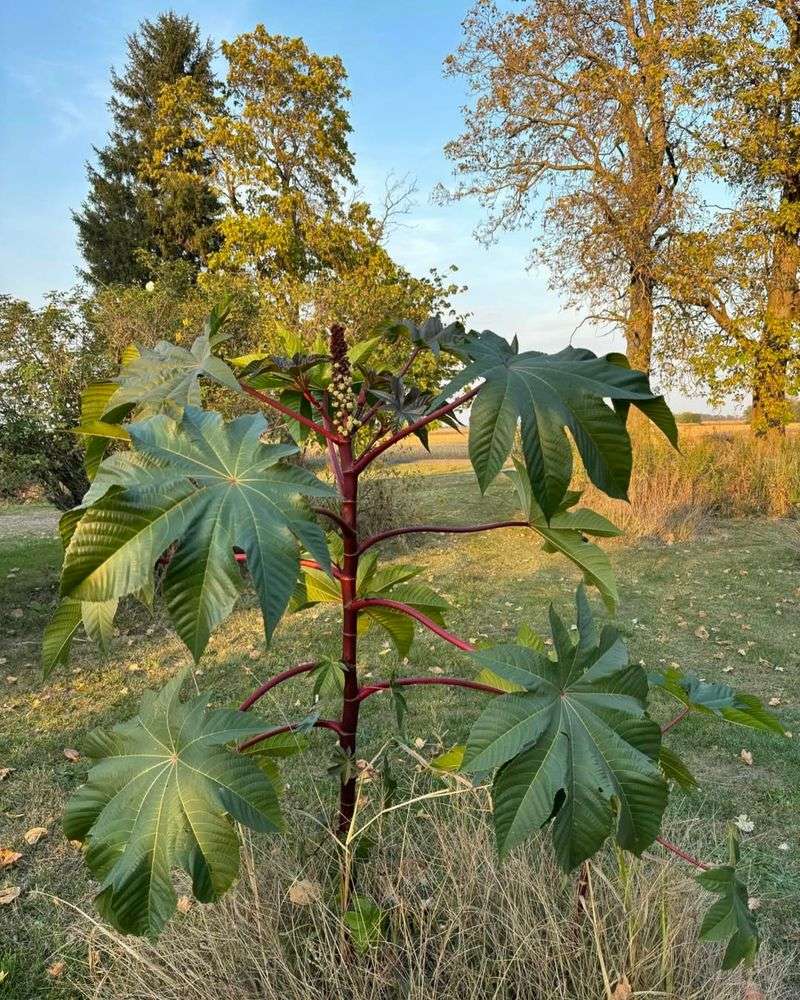
Castor bean plants grow quickly into tree-like shrubs throughout Florida, displaying attractive tropical foliage.
The seeds contain ricin, one of the most potent natural toxins known to science.
Just one or two seeds can cause serious illness in children, while larger amounts prove potentially fatal.
Symptoms begin with severe stomach pain and vomiting, progressing to more serious complications without treatment.
Many people recognize castor oil as a medicinal product, but processing removes the dangerous ricin protein.
The raw seeds and plants retain full toxicity, making them extremely dangerous in residential landscapes.
Birds sometimes eat the seeds without apparent harm, then spread them to new locations through droppings.
This natural dispersal means castor bean plants pop up unexpectedly in Florida yards and gardens.
Removing these plants requires careful handling with gloves to avoid skin contact with plant materials.
Gardeners should never compost castor bean plants since the toxins can persist in the finished compost.
8. Angel’s Trumpet Tree
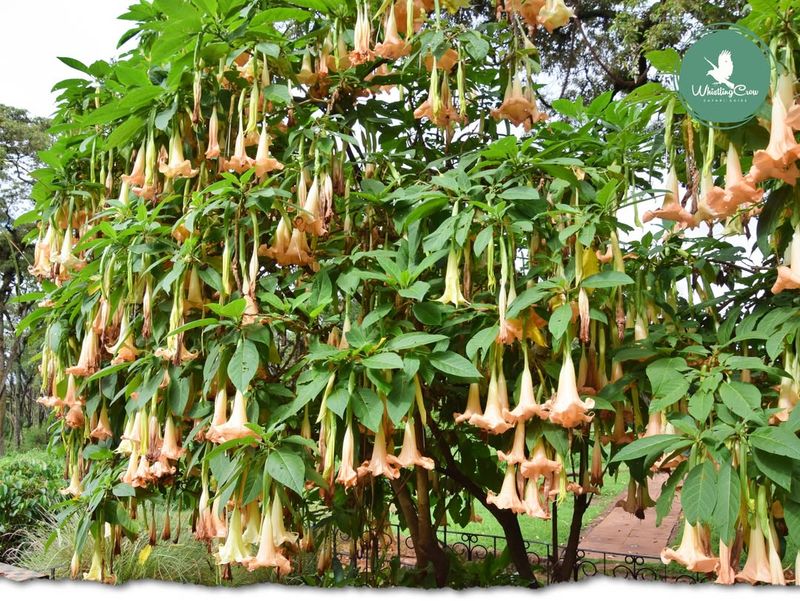
Angel’s trumpet produces stunning flowers that hang like bells, releasing sweet fragrance especially strong at night.
Every part contains tropane alkaloids including scopolamine and atropine that cause hallucinations and confusion.
Teenagers sometimes deliberately ingest parts of this plant seeking a high, resulting in emergency room visits.
The effects include rapid heartbeat, high fever, and aggressive behavior that can last for days.
Even handling the flowers and leaves can cause skin absorption of toxins in sensitive individuals.
Florida gardens often feature these trees because they bloom prolifically and tolerate heat extremely well.
However, the serious risks make them inappropriate for yards where children play or explore.
Pets who chew on fallen flowers experience similar toxic effects, though they usually avoid the bitter-tasting plant.
The seeds contain especially high concentrations of toxins and remain dangerous even after drying.
Gardenia and plumeria trees offer fragrant flowers and tropical appearance without the dangerous psychoactive compounds found in angel’s trumpet.
9. Australian Pine

Australian pine trees dominate many Florida coastal areas, though they actually belong to the casuarina family, not true pines.
The small cone-like fruits and needle debris contain compounds that irritate skin and cause allergic reactions.
More concerning, these trees produce allelopathic chemicals that prevent native plants from growing underneath them.
This invasive species has crowded out beneficial native vegetation across Florida beaches and coastal properties.
The dense root systems destabilize beaches and provide poor habitat for native wildlife species.
During storms, Australian pines topple easily, damaging homes and power lines throughout affected neighborhoods.
Some people experience respiratory irritation from the pollen and fine particles these trees release constantly.
Florida environmental agencies actively work to remove Australian pines and restore native coastal ecosystems.
Property owners should avoid planting these trees and consider removing existing specimens from their land.
Native alternatives like sea grape and cabbage palm provide better erosion control while supporting local ecosystems properly.
10. Poisonwood
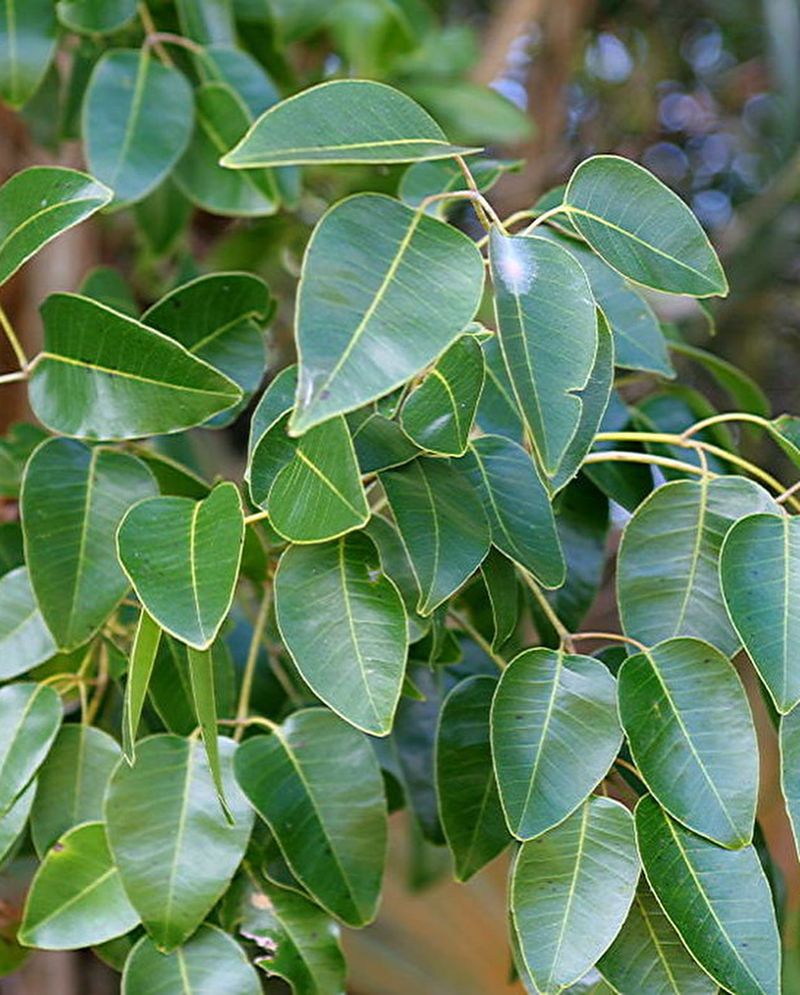
Poisonwood trees are native to South Florida and often grow unnoticed among other tropical hardwoods.
Despite their natural appearance, poisonwood contains highly irritating sap similar to poison ivy or poison oak.
Contact with the sap can cause severe blistering rashes, even without directly touching the tree.
Smoke from burning poisonwood is particularly dangerous and can lead to serious eye, skin, and respiratory injuries.
Many homeowners are exposed while clearing brush or cutting fallen branches without realizing the risk.
The tree’s small, yellow-orange fruits attract birds, allowing poisonwood to spread naturally across properties.
People with sensitive skin may react simply by standing near damaged bark or freshly cut wood.
Symptoms can include intense itching, swelling, and blistering that may last for weeks.
Because reactions can worsen with repeated exposure, poisonwood becomes increasingly dangerous over time.
Florida homeowners should avoid planting poisonwood entirely and exercise extreme caution when removing existing trees, ideally using professional removal services.